About Marsa Abu Dabab
Marsa Abu Dabab is a distinctive, horseshoe-shaped bay located on Egypt's southern Red Sea coast, approximately 35 kilometers north of Marsa Alam town. This natural, U-shaped inlet, also known as "Turtle Bay," is globally recognized for its exceptional accessibility to rare marine life, making it a prominent destination for both divers and snorkelers. Its sheltered waters are a critical habitat for a significant seagrass ecosystem, which supports resident green sea turtles and the elusive dugong, often referred to as the "sea cow" of the Red Sea. The bay features a sandy bottom in its central area, gradually transitioning to reef structures along its edges. Depths range from shallow snorkeling zones to around 15 meters, with some sites reaching up to 20 meters, making it suitable for a wide range of underwater activities. The topography includes sandy flats, vibrant coral reef patches, and extensive seagrass meadows, where much of the famous marine life is found grazing. Other dive sites within the broader Abu Dabab area, such as Shaab Abu Dabab 2 & 3, offer varied reef formations. Beyond green sea turtles and dugongs, divers can frequently encounter hawksbill turtles, various reef fish, and occasionally rays and guitarfish. While dugong sightings are not guaranteed and require some luck, turtles are a very common sight, particularly in the seagrass areas. The site's ecological importance stems from its seagrass meadows, which are vital for these megafauna. Entry is easy from a soft sandy beach, without the need for boat transfers for the main bay area. The site is highly beginner-friendly and ideal for shore diving. Typically, divers experience relaxed conditions, focusing on wildlife observation in its shallow, protected environment. Multiple dives are common due to the rich biodiversity and varied zones within the bay.
Highlights
Resident green sea turtlesElusive dugong encountersExtensive seagrass meadowsHawksbill turtlesEasy shore entryVaried reef patches
Best Season
The site is suitable for diving year-round due to the consistent warm climate of Marsa Alam. Calmer periods enhance the experience in the shallow bay, particularly for wildlife viewing and easy entry.
Dive site facts: Marsa Abu Dabab
- Depth
- 2–20 m
- Current
- Moderate
- Entry
- Shore / dayboat
- Level
- Beginner
- Dive type
- Reef, Reef
- Region / port
- Egypt
- Coordinates
- 25.3286° N, 34.8214° E
Conditions & Currents
Marsa Abu Dabab is characterized by remarkably calm conditions, typically experiencing no significant current and flat calm surge. This makes it an ideal spot for relaxed snorkeling and easy scuba diving. Visibility can be variable, so divers should be aware of potential changes, especially in areas where wildlife may be actively feeding. Entry is straightforward from the sandy beach, offering very easy shore access. Boat approaches are generally restricted to outside the inner bay, preserving the tranquility and safety of the shallow waters. These gentle conditions make it highly suitable for beginner divers and those seeking an easy, stress-free underwater experience with a focus on wildlife encounters, rather than challenging currents or depths.
Why dive Marsa Abu Dabab from a liveaboard?
Marsa Abu Dabab is one of Egypt's signature dive sites. A liveaboard sleeps you on the water and puts you in the water for three to four guided dives per day, including dawn and night dives that day-boat operators rarely offer. You skip the daily commute back to port and reach quieter, less-crowded sites in the same region on a single trip.
Below are the liveaboards that include Marsa Abu Dabab on their Egypt itineraries.
Liveaboards diving Marsa Abu Dabab
These liveaboards may visit Marsa Abu Dabab on selected itineraries — the exact dive sites depend on departure, weather and conditions.
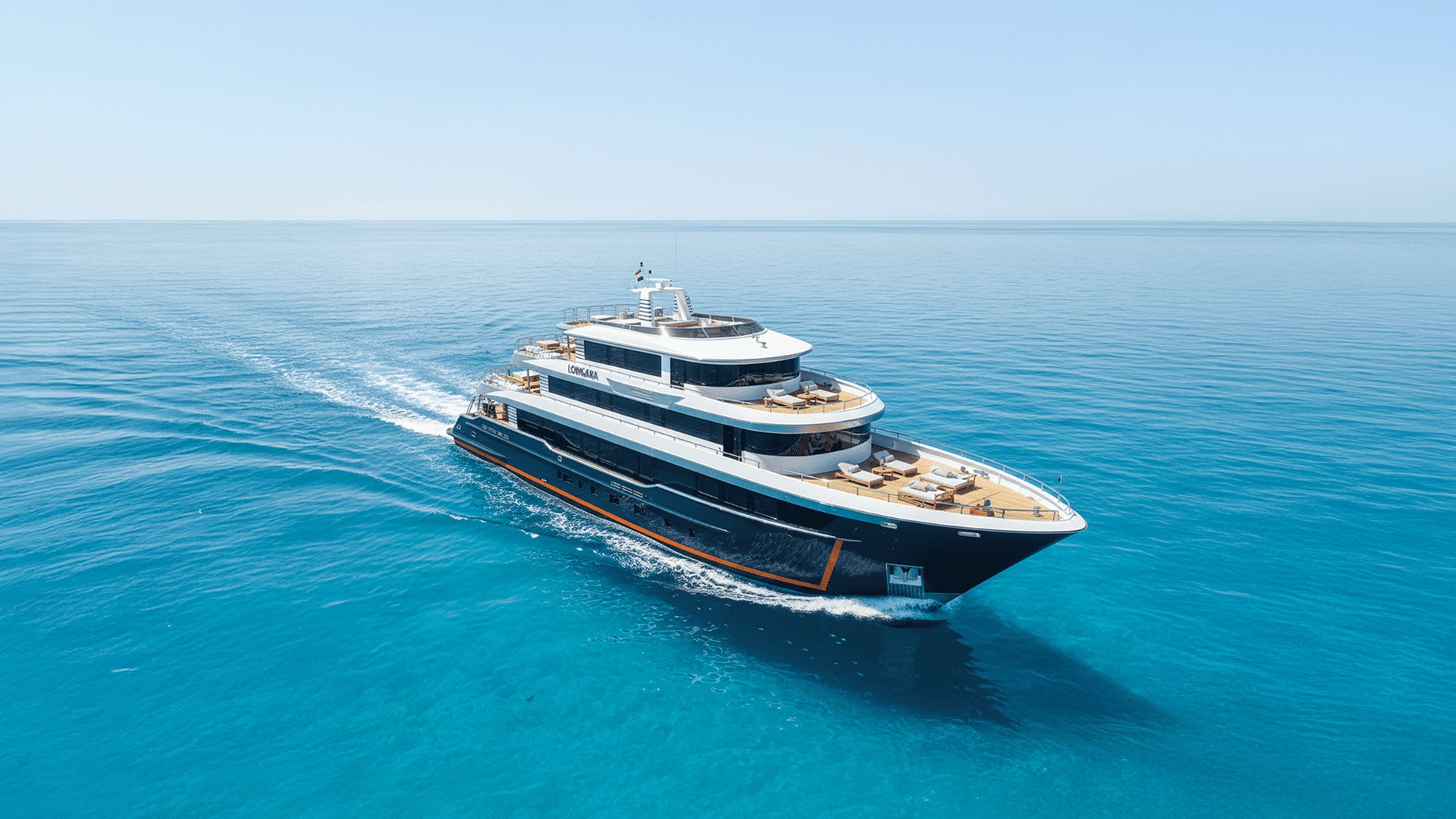
DUNE Longara
Egypt
30 guests
$150/day
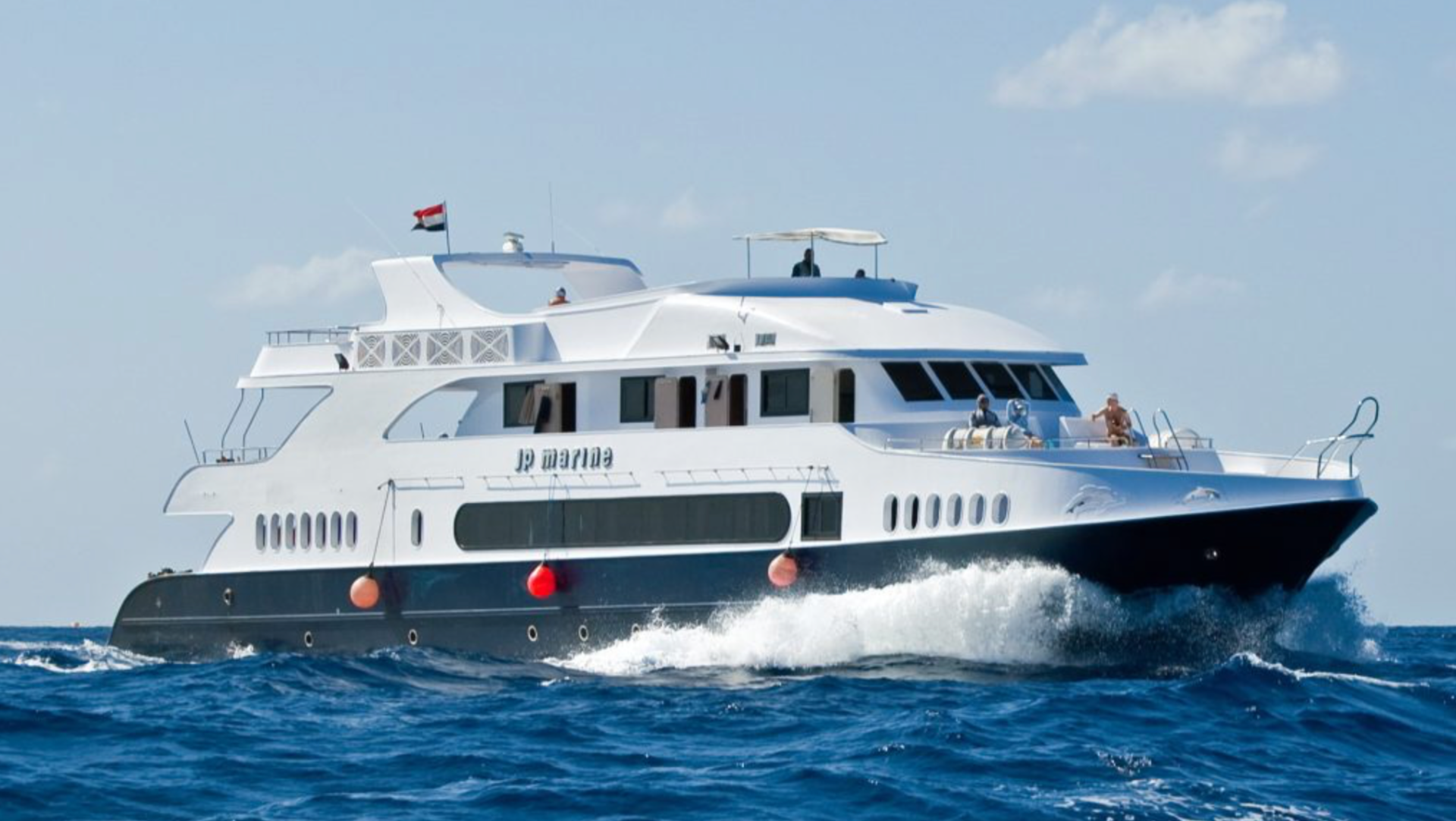
JP Marine
Egypt
28 guests
$109/day
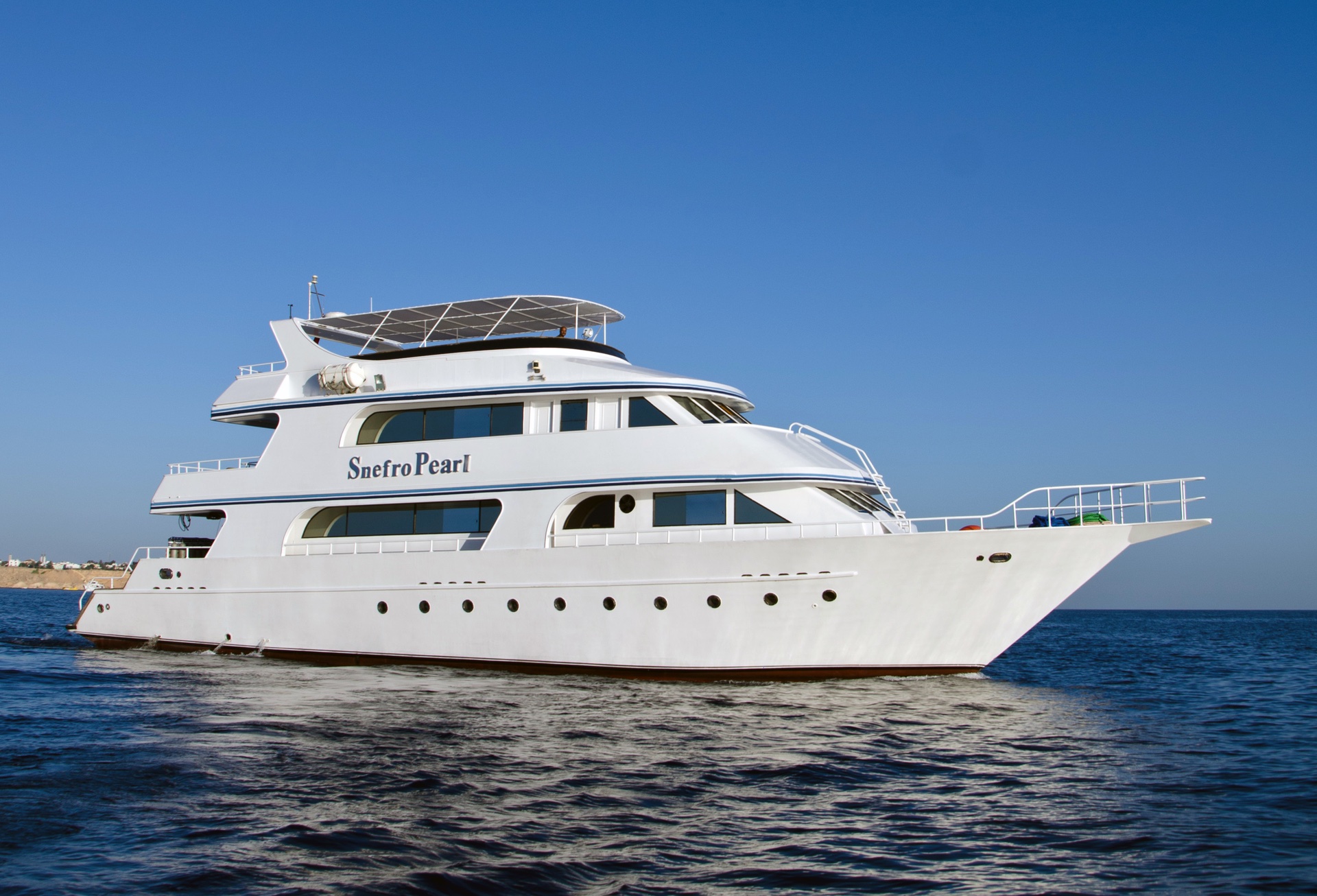
Snefro Pearl
Egypt
12 guests
$150/day
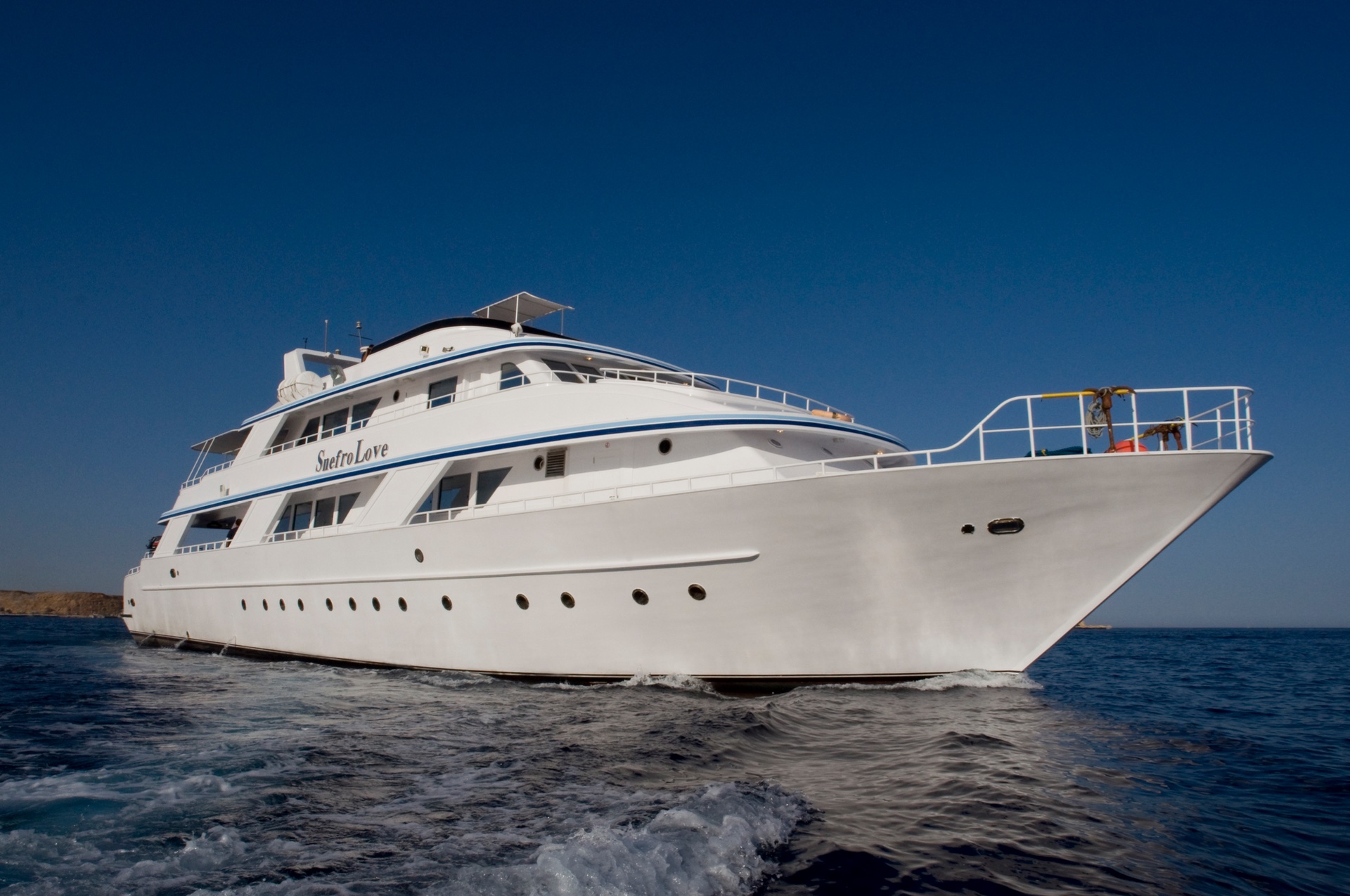
Snefro Love
Egypt
20 guests
$154/day
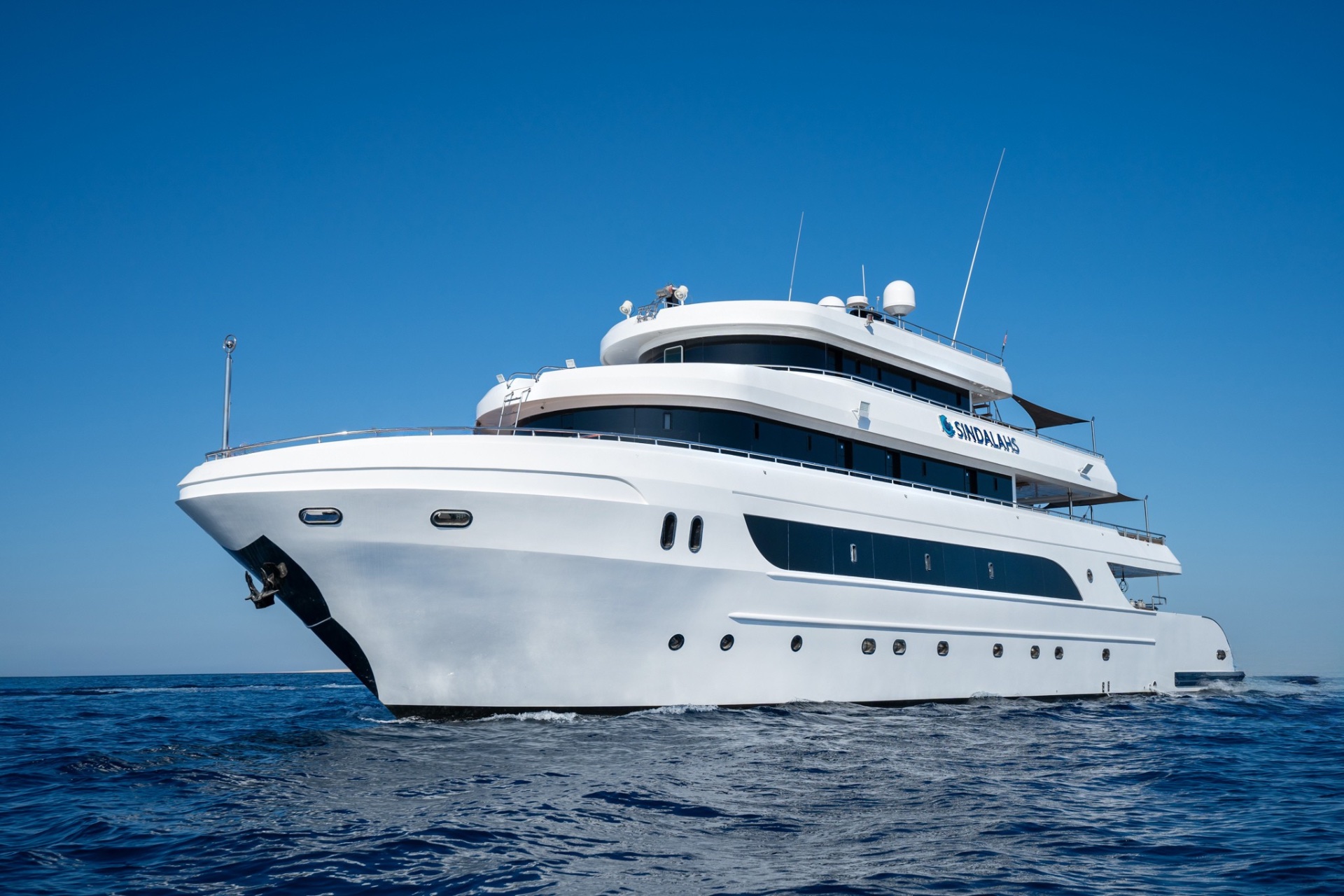
Sindalahs
Egypt
26 guests38 m
$155/day
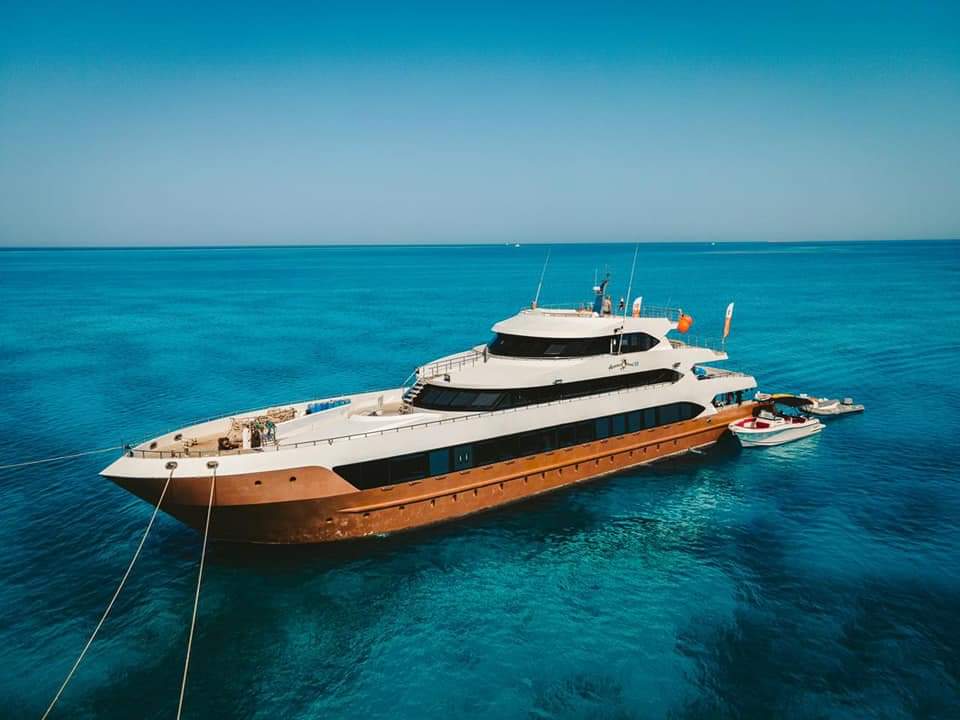
Hammerhead II
Egypt
20 guests
$173/day
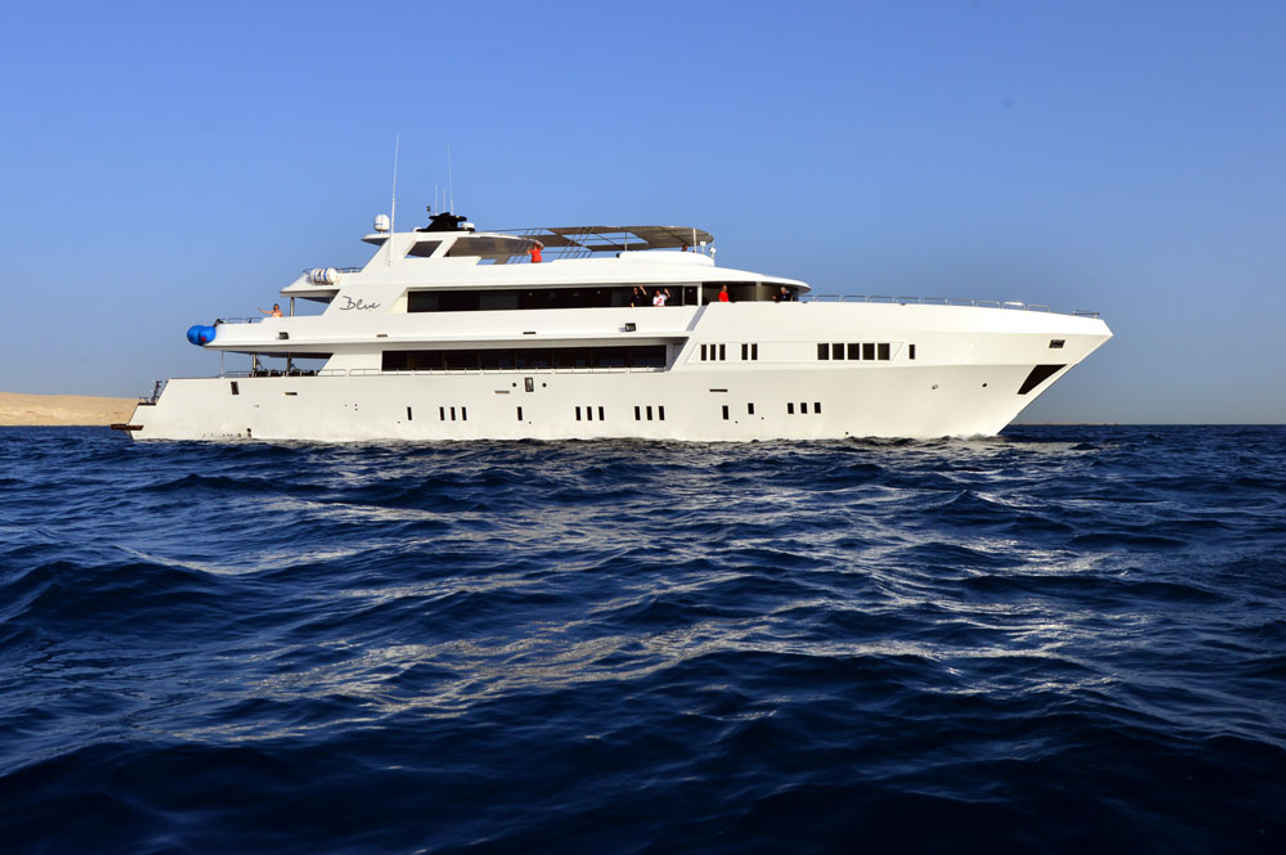
Blue Liveaboard
Egypt
24 guests43 m
$173/day
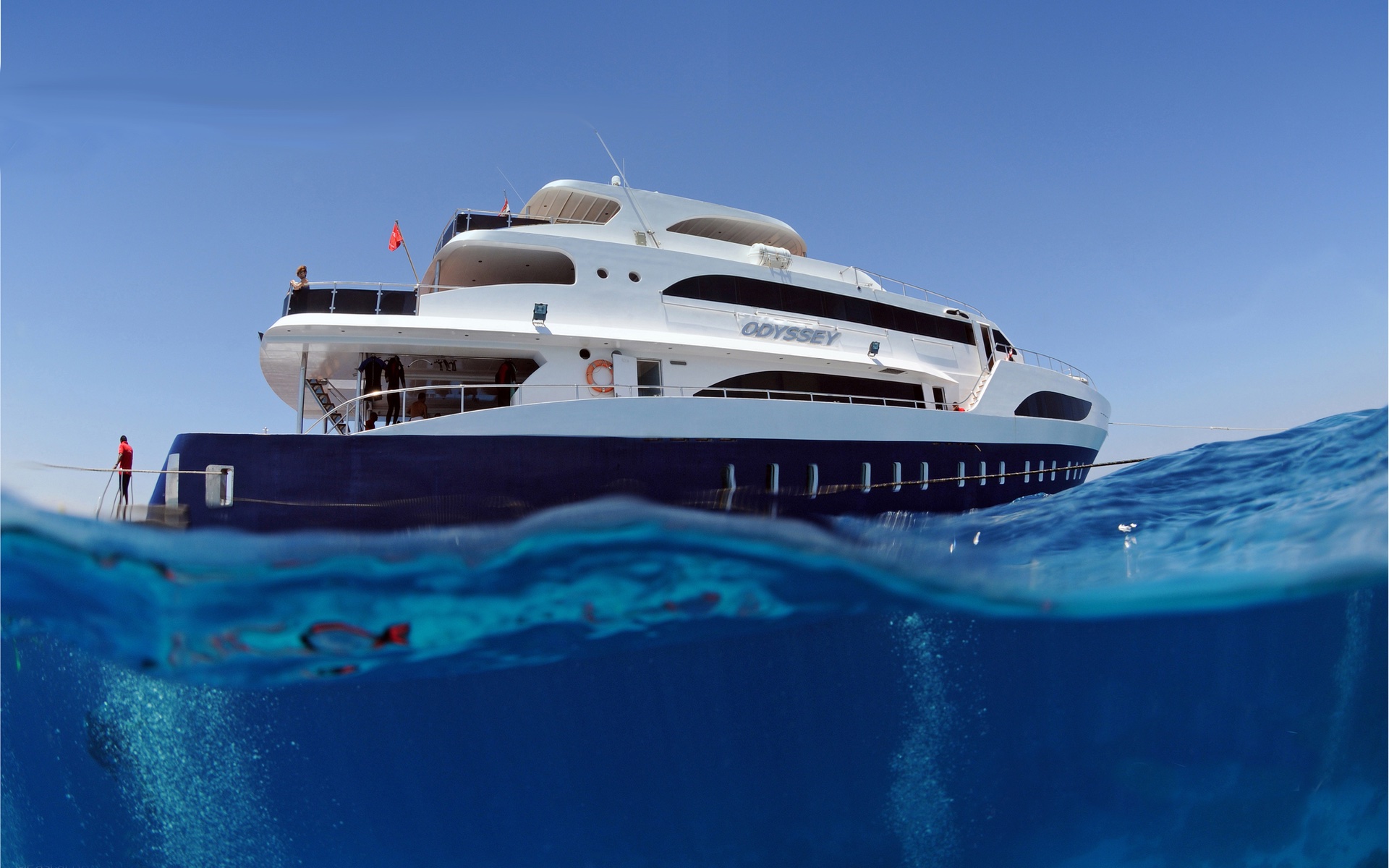
Odyssey
Egypt
26 guests40 m
$185/day
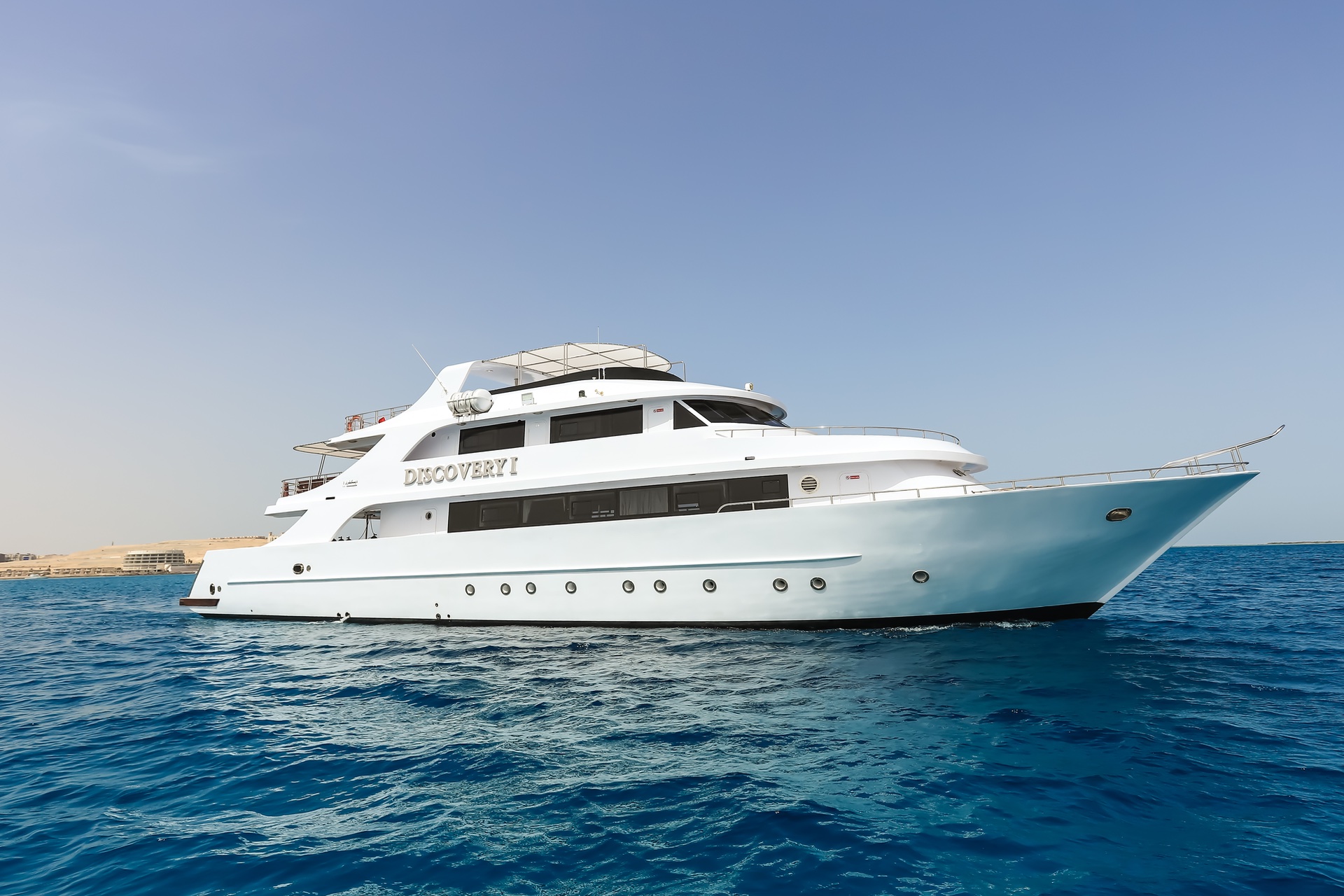
Discovery I
Egypt
20 guests
$104/day
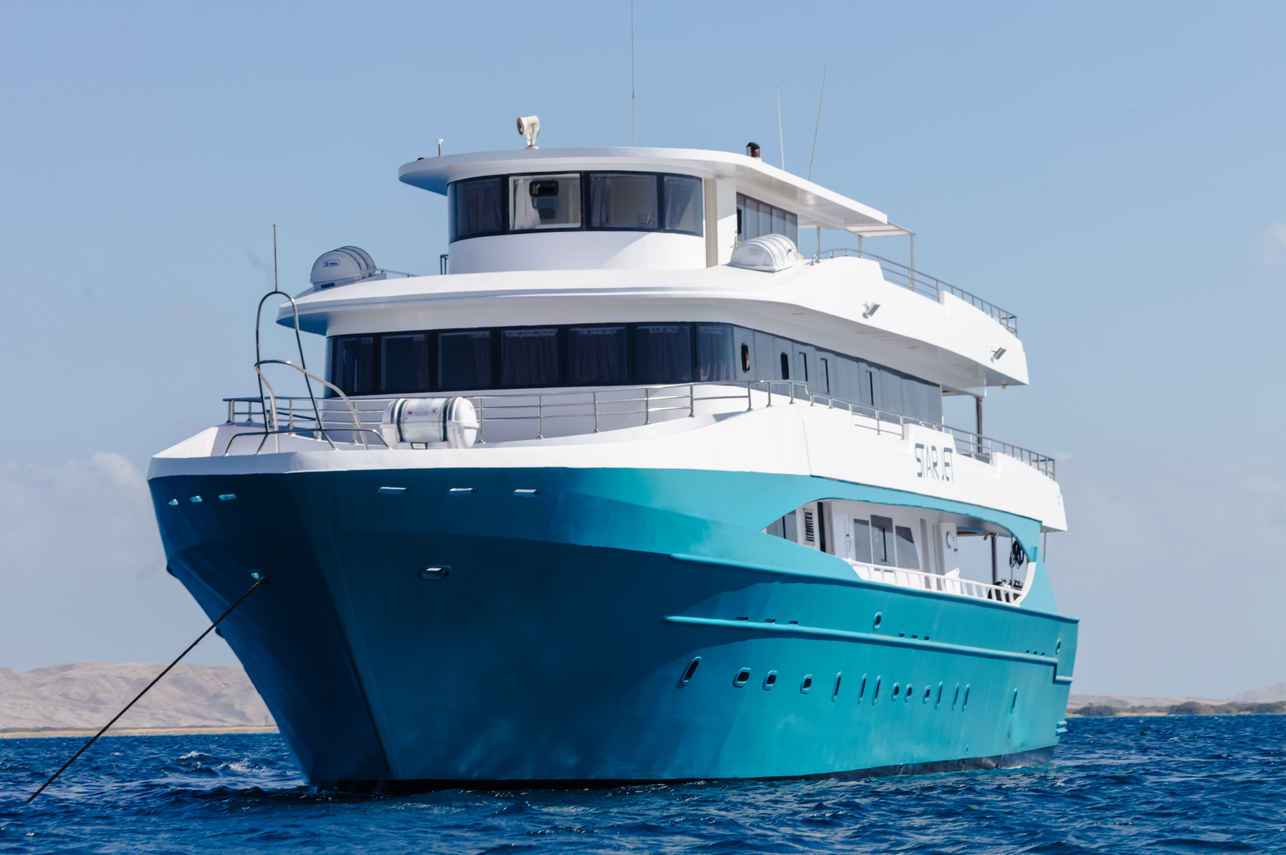
Star Jet
Egypt
28 guests35 m
$145/day
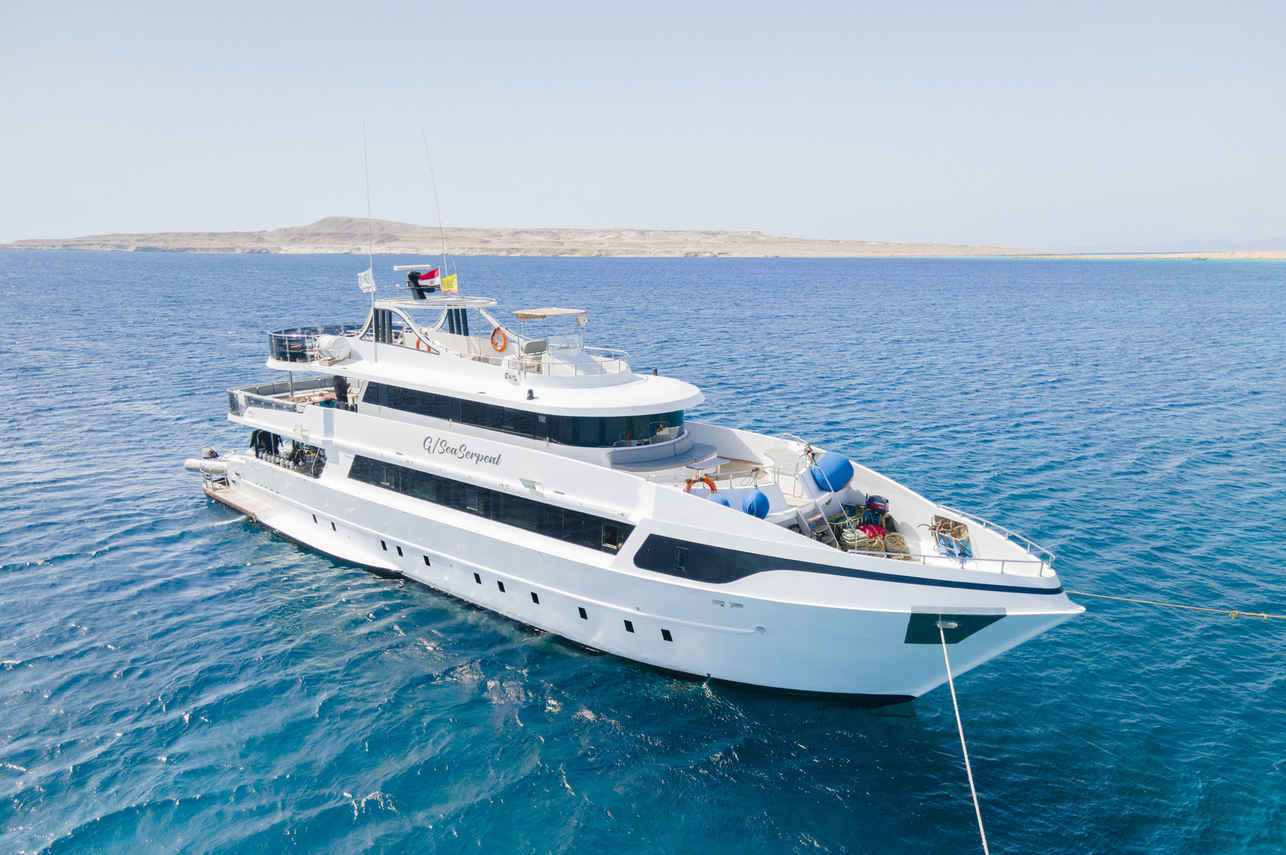
SS Serena Dreams
Egypt
18 guests33 m
$159/day
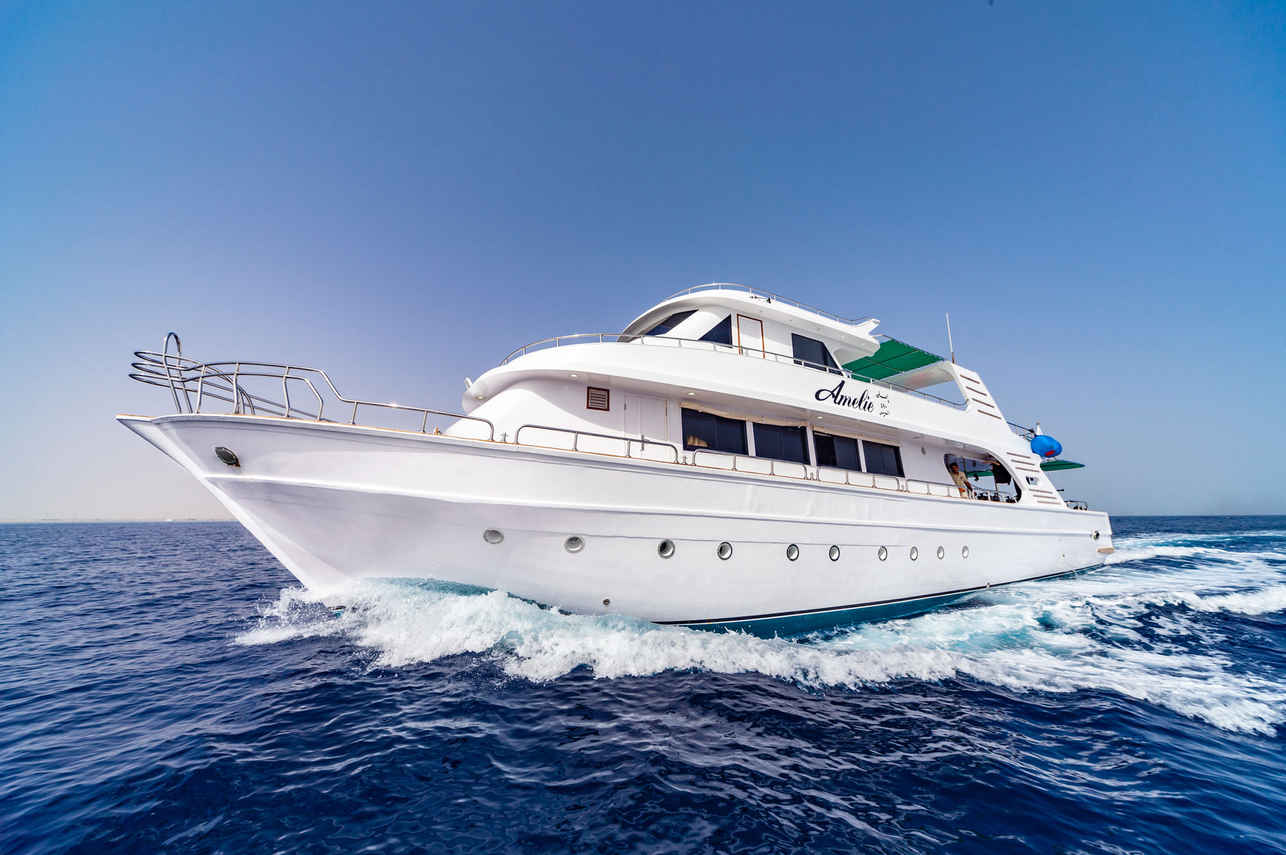
Amelie
Egypt
12 guests23 m
$115/day
Dive sites similar to Marsa Abu Dabab
Same character, same waters — six more sites divers love for the exact same reasons.Compare seasons, access and liveaboard routes — then pick the site that fits your trip best.
© Esri — Maxar, Earthstar, GIS
Carless Reef
Egypt
Carless Reef is a renowned advanced dive site near Hurghada, notable for its two prominent coral pinnacles that rise from a sandy bottom at 30 meters.
- Suitable for
- Advanced
- Current
- Strong
- Access
- Dayboat
- Depth
- 15–40 m
- Theme
- Reef / Drift
© Esri — Maxar, Earthstar, GIS
Little Brother
Egypt
Little Brother is the smaller of Egypt's two remote Brothers Islands, rising steeply from the open Red Sea.
- Suitable for
- Advanced
- Current
- Strong
- Access
- Liveaboard only
- Depth
- 5–40 m
- Theme
- Reef / Wall
© Esri — Maxar, Earthstar, GIS
Gordon Reef
Egypt
Gordon Reef is the southernmost of the four prominent coral formations situated in the narrow Straits of Tiran, which separate the Gulf of Aqaba from the main Red Sea.
- Suitable for
- Intermediate
- Current
- Moderate
- Access
- Liveaboard only
- Depth
- 2–300 m
- Theme
- Reef
© Esri — Maxar, Earthstar, GIS
Marsa Barieka
Egypt
Marsa Barieka is a vast, naturally protected bay located within Egypt's Ras Mohammed National Park, nestled where the Gulf of Suez and Gulf of Aqaba converge.
- Suitable for
- Intermediate
- Current
- Moderate
- Access
- Liveaboard or dayboat
- Depth
- 5–40 m
- Theme
- Reef
© Esri — Maxar, Earthstar, GIS
Far Garden
Egypt
Far Garden is a prominent dive site located in Sharm El Sheikh, serving as the northern headland of the adjacent Middle Garden site.
- Suitable for
- Beginner
- Current
- Moderate
- Access
- Shore / dayboat
- Depth
- 1–45 m
- Theme
- Reef / Drift
© Esri — Maxar, Earthstar, GIS
Tobia Arbaa
Egypt
Tobia Arbaa, also widely recognized as the "Seven Pillars," is a highly regarded dive site situated in Egypt, easily accessible via a short speedboat ride from Safaga or Soma Bay.
- Suitable for
- Beginner
- Current
- Mild
- Access
- Liveaboard or dayboat
- Depth
- 10–16 m
- Theme
- Reef