About Kuramathi Caves
Kuramathi Caves is a boat-accessible dive site located on the western side of the atoll, just a short ride past the sandbank. This site is renowned for its broad overhangs, a lively shallow reef top, and two distinct swim-through caves, making buoyancy control and careful dive planning essential. Advanced divers can explore the full depth profile, while shallower sections are ideal for guided excursions and maintaining conservative air management. The dive site features healthy coral formations and a rich variety of aquatic life. The topography includes multiple large overhangs and two main caverns with swim-throughs; one is found between 18 to 20 meters, and another deeper one lies between 28 to 30 meters. The shallow reef top above these features adds another dimension to the dive, making it suitable for varying experience levels. While the main attractions are the caves and overhangs, the surrounding reef supports a diverse ecosystem, including various shark species, rays, and abundant reef fish. Visibility is typically good, allowing for excellent viewing of the intricate coral structures and marine inhabitants. Entry is exclusively by boat, offering a comprehensive exploration of this unique Maldivian underwater landscape. Careful attention to guide instructions and overhead environment discipline is crucial, especially when navigating the cavern sections. The site's diverse offerings, from shallow reef to deeper swim-throughs, make it a compelling destination for divers seeking an authentic Maldivian cave and overhang experience.
Highlights
Two unique swim-through cavesBroad underwater overhangsHealthy coral reef formationsAbundant shark and ray sightingsDiverse marine life varietyAccessible by boat past sandbankChallenging buoyancy control
Season calendar
Best months to dive here
Jan
Feb
Mar
Apr
May
Jun
Jul
Aug
Sep
Oct
Nov
Dec
Excellent
Good
Dive site facts: Kuramathi Caves
- Depth
- 18–30 m
- Current
- Moderate to strong
- Visibility
- 15–30 m
- Water temperature
- 27–30°C
- Entry
- Boat
- Level
- Advanced recommended, buoyancy control crucial
- Dive type
- Cave, overhang, reef
- Region / port
- North Ari Atoll
- Coordinates
- 4.23, 72.99
Conditions & Currents
Currents at Kuramathi Caves can vary from moderate to strong, particularly at deeper sections and around the entrances to the swim-throughs. These currents are an important factor in sustaining the site's rich ecosystem, attracting pelagic species. Divers should be prepared for drift diving conditions and maintain excellent buoyancy control, especially within the overhead environments. Entry and exit are typically boat-based, and guides will brief on the best approach given the day's conditions. Visibility generally ranges from 15 to 30 meters, though it can be affected by plankton blooms during certain months, which in turn enhance feeding opportunities for larger marine life.
Marine life & sighting chances

Nurse Shark
Year-round · common
Whitetip Reef Shark
Year-round · common
Stingrays
Year-round · common
Grey Reef Shark
Year-round · occasional
Eagle Rays
Year-round · occasional
Moray Eels
Year-round · common
Turtles
Year-round · occasional
Barracudas
Year-round · occasional
Napoleon Wrasse
Year-round · occasional
Nudibranchs
Year-round · occasionalDive profile & how the dive runs
Diving at Kuramathi Caves begins with a boat entry, typically past the sandbank. Upon descent, divers first encounter the broad overhangs and the vibrant shallow reef top. The dive usually progresses to one of the two main swim-through caverns: an upper one found between 18 to 20 meters, and a deeper one situated around 28 to 30 meters. Divers will navigate through these overhead environments, requiring excellent buoyancy control and careful air management. The route often involves exploring the intricate details within the caves, observing the diverse marine life sheltering there. The turn point is determined by air consumption and dive computer limits, ensuring ample time for a controlled ascent. Safety stops are conducted in the shallower sections of the reef, allowing for further exploration of the healthy coral gardens and reef fish before surfacing for boat pick-up.
Underwater photography
Kuramathi Caves offers excellent opportunities for wide-angle photography, especially when capturing the dramatic swim-throughs and expansive overhangs. A wide-angle lens is ideal for showcasing the scale of these formations and the schools of fish that frequent them. For macro enthusiasts, the overhangs and reef walls can reveal smaller, hidden creatures like nudibranchs and moray eels, requiring a macro lens. Utilizing strobes is crucial to bring out the vibrant colors of the corals and marine life, particularly in the deeper, darker sections of the caves. Divers should practice superior buoyancy to avoid disturbing delicate corals or stirring up sediment within the enclosed spaces. Respecting marine life and maintaining a safe distance is also paramount for ethical underwater photography.
Combine with nearby dive sites
- Madivaru Corner
A popular channel dive known for sharks, eagle rays, and Napoleon fish.
- Manta Point (Lankanfinolhu)
A reliable manta cleaning station, best from December to April.
- Maaya Thila
An underwater pinnacle famous for grey reef sharks and pelagic action.
- Hammerhead Point
An advanced dive site for early morning hammerhead shark encounters.
- Kuramathi Reef
A diverse reef with four distinct zones offering spectacular coral and macro life.
- Bathala Maaga Kanthila
A channel thila known for sharks and strong currents.
Getting there & logistics
Access to Kuramathi Caves is primarily via liveaboard or speedboat from local islands within the North Ari Atoll, such as Rasdhoo. Velana International Airport (MLE) near Malé serves as the main international gateway to the Maldives. From Malé, you can reach Rasdhoo by public ferry, scheduled speedboat (approximately 70-minute journey for about $50-$60 per person), or private speedboat. Liveaboard trips often include Kuramathi Caves as part of a broader itinerary exploring the central atolls. For those staying on local islands, dive centers typically offer daily boat trips to nearby sites. No special permits are generally required for diving this site, but entry is exclusively by boat, and fees for dive operations and park access may apply depending on your package.
Safety & environment
Diving at Kuramathi Caves requires careful attention to safety, particularly due to the overhead environments and potential for strong currents. All divers should have appropriate training for cavern or overhead environments, and excellent buoyancy control is non-negotiable to prevent disturbing the delicate ecosystem or stirring up sediment. Divers must strictly follow guide instructions and maintain awareness of their surroundings, especially regarding boat traffic on the surface. The nearest recompression chamber is located in Malé, necessitating a boat transfer followed by either a speedboat or seaplane journey in the event of a dive emergency. Comprehensive dive insurance covering evacuation and medical treatment is highly recommended for all divers visiting the Maldives.
Who it suits — and who it doesn't
Suited for
- Advanced divers with good buoyancy control
- Divers seeking cavern and overhang experiences
- Underwater photographers targeting wide-angle shots
- Divers interested in pelagic encounters with sharks and rays
- Experienced drift divers
Less suited for
- Beginner divers without experience in overhead environments
- Divers with poor buoyancy control
- Snorkelers or freedivers (due to depth and overhead sections)
- Divers uncomfortable with strong currents
- Individuals prone to claustrophobia
FAQ
Kuramathi Caves FAQ
What kind of marine life can I expect at Kuramathi Caves?
Kuramathi Caves is home to a diverse array of marine life. You can frequently spot nurse sharks and whitetip reef sharks resting within the caves or patrolling the reef. Stingrays are also common, along with various reef fish, moray eels, and occasional sightings of grey reef sharks and eagle rays passing by the entrances.
Are there actual swim-throughs at Kuramathi Caves?
Yes, Kuramathi Caves features two distinct swim-through caverns. One is located at a depth of approximately 18-20 meters, while a second, deeper swim-through is found around 28-30 meters. Navigating these requires good buoyancy control and comfort in overhead environments.
What is the recommended diving experience level for Kuramathi Caves?
This site is best suited for advanced divers due to the presence of overhead environments and potentially strong currents. Excellent buoyancy control is essential for safely navigating the caves and overhangs. Open Water divers may be limited to shallower sections of the reef and will require close supervision by a guide.
How do I get to Kuramathi Caves?
Kuramathi Caves is a boat-access-only site. Divers typically reach it via dive boats from nearby resorts or local islands, such as Rasdhoo, in the North Ari Atoll. Most liveaboard itineraries in the central Maldives also include this site.
Is Kuramathi Caves suitable for snorkeling?
No, Kuramathi Caves is not suitable for snorkeling or casual freediving. The primary features of the site, including the swim-through caves and main marine life attractions, are found at depths significant enough to require scuba gear. There are overhead environments that pose risks to unequipped or untrained divers from the surface.
What are the typical conditions like at Kuramathi Caves?
Typical conditions at Kuramathi Caves include warm water temperatures ranging from 27-30°C and visibility between 15-30 meters. Currents can range from moderate to strong, particularly near the cave entrances. The site features boat-dived cavern and overhang profiles with a shallow reef top.
Why dive Kuramathi Caves from a liveaboard?
Kuramathi Caves is one of Maldives's signature dive sites. A liveaboard sleeps you on the water and puts you in the water for three to four guided dives per day, including dawn and night dives that day-boat operators rarely offer. You skip the daily commute back to port and reach quieter, less-crowded sites in the same region on a single trip.
Below are the liveaboards that include Kuramathi Caves on their Maldives itineraries.
Liveaboards diving Kuramathi Caves
These liveaboards may visit Kuramathi Caves on selected itineraries — the exact dive sites depend on departure, weather and conditions.
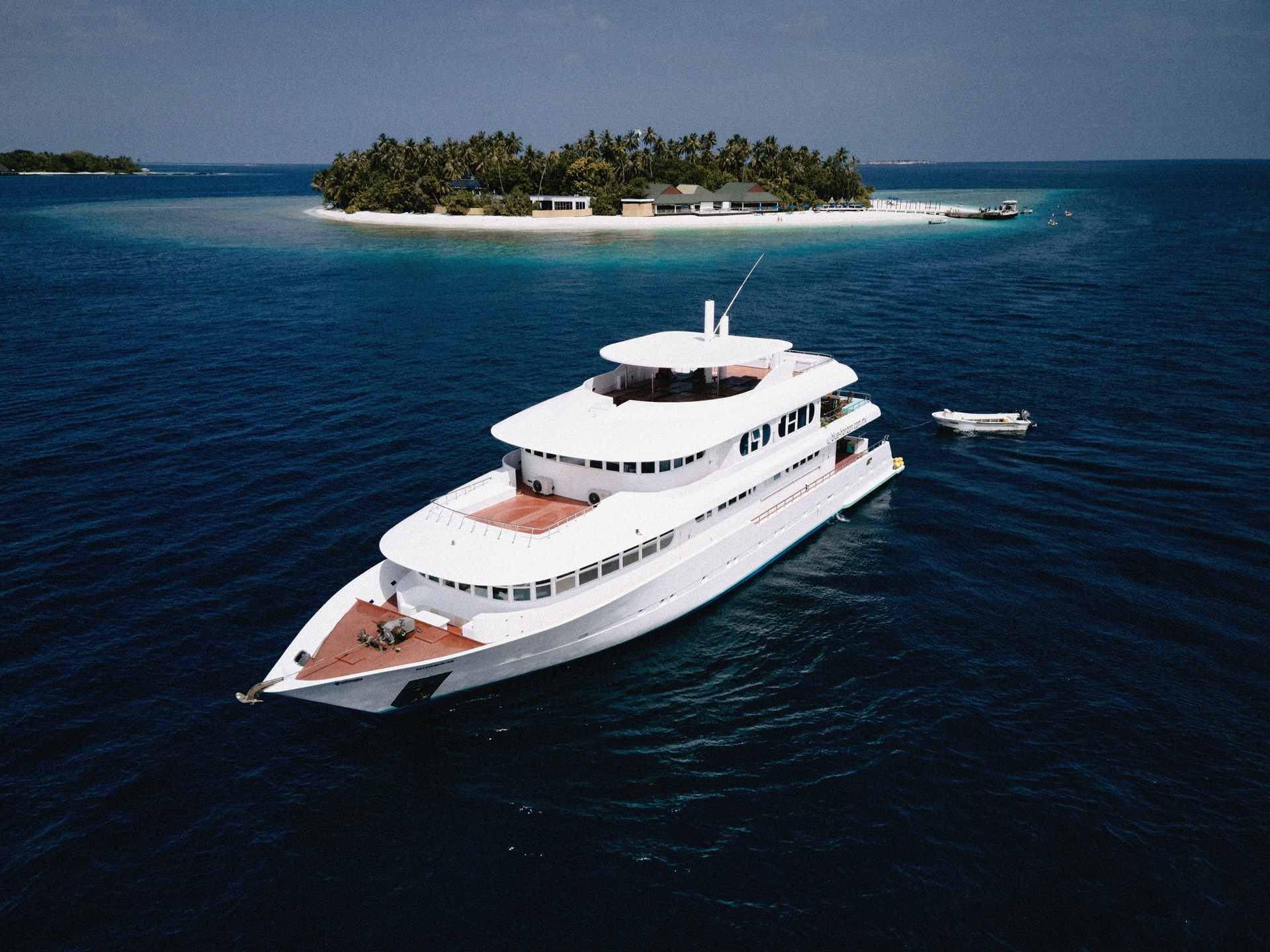
Horizon III
Maldives
25 guests
$204/day
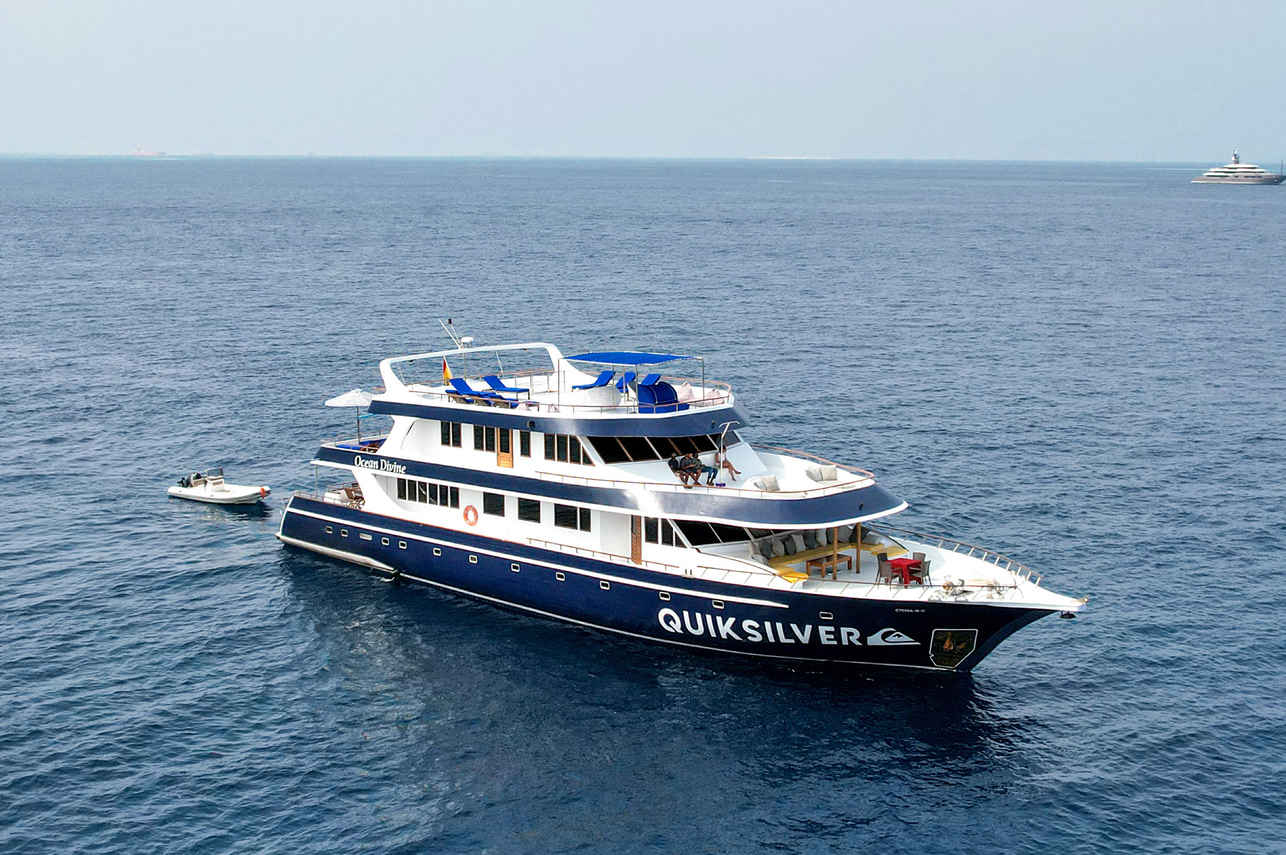
Ocean Divine
Maldives
16 guests33.528 m
$287/day
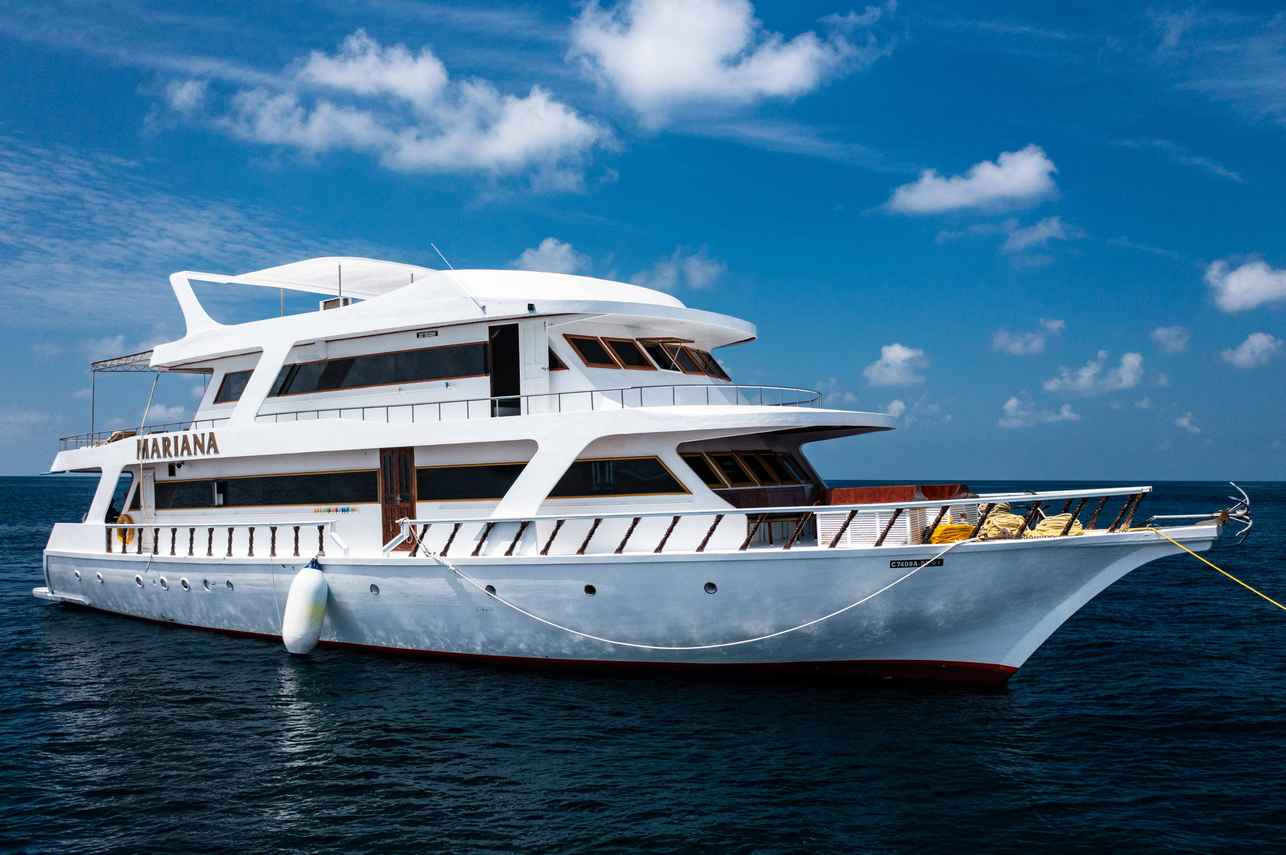
EcoPro Mariana
Maldives
16 guests30 m
$236/day
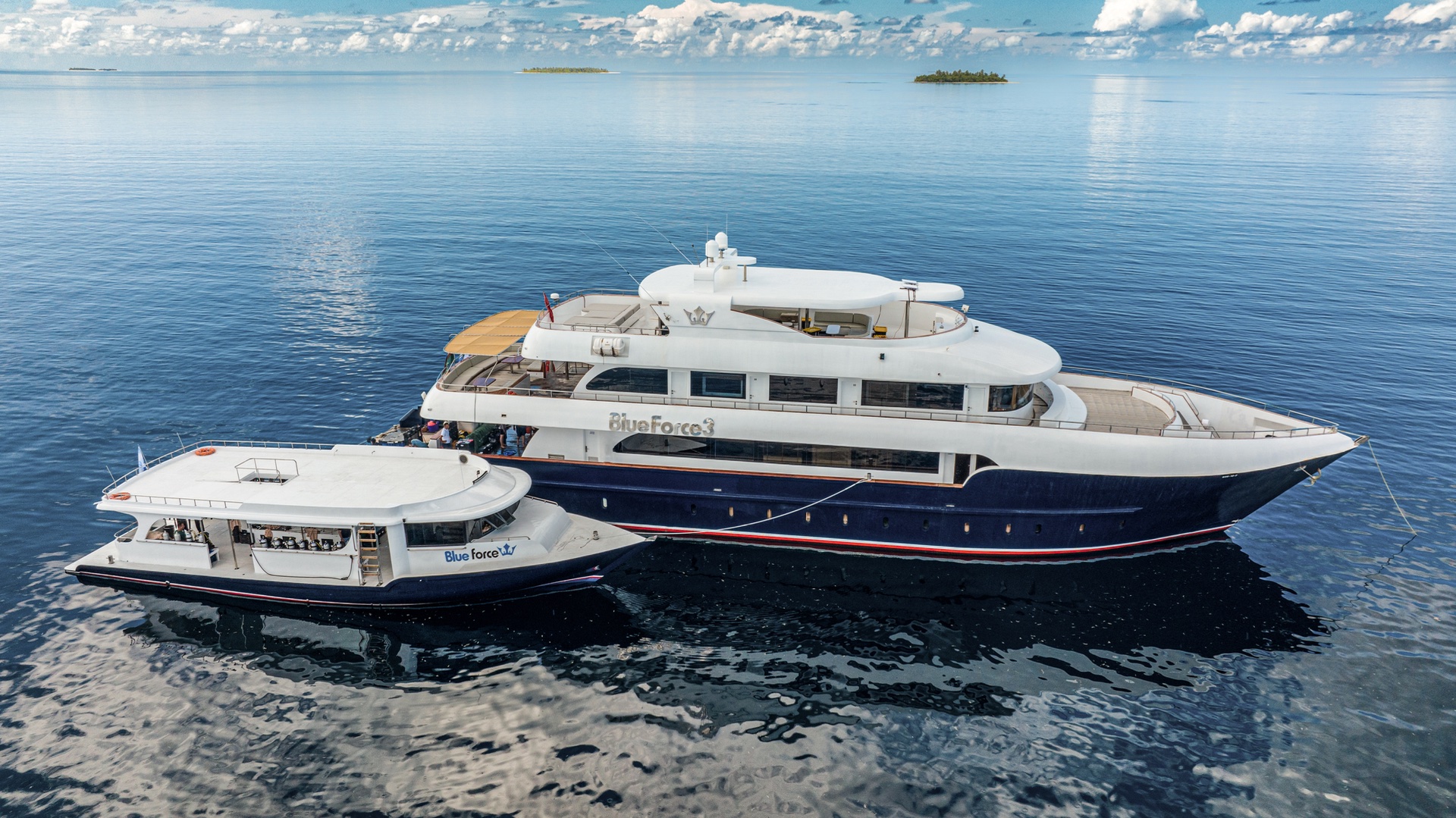
Maldives Blue Force 3
Maldives
26 guests42 m
$236/day
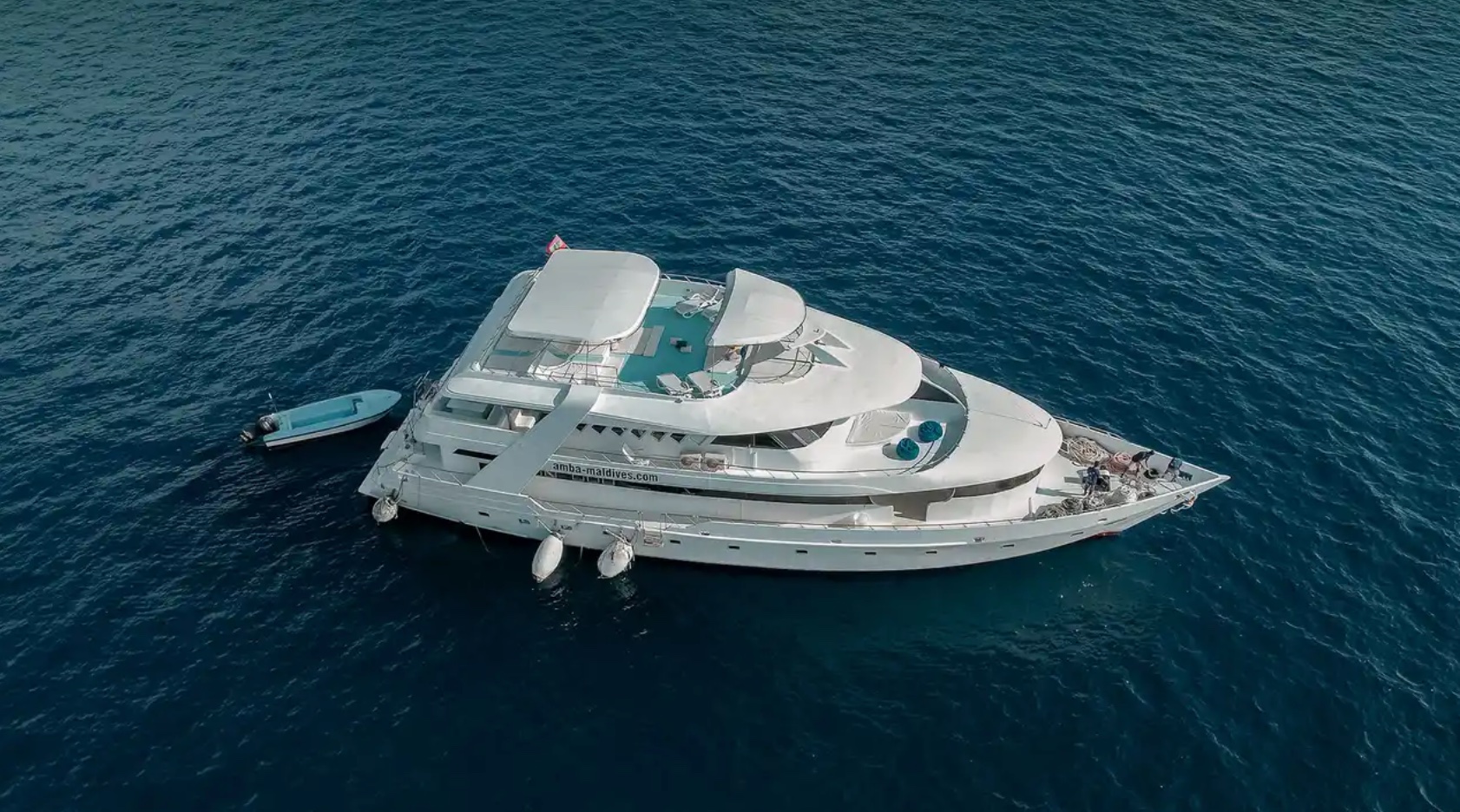
Amba
Maldives
20 guests
$199/day
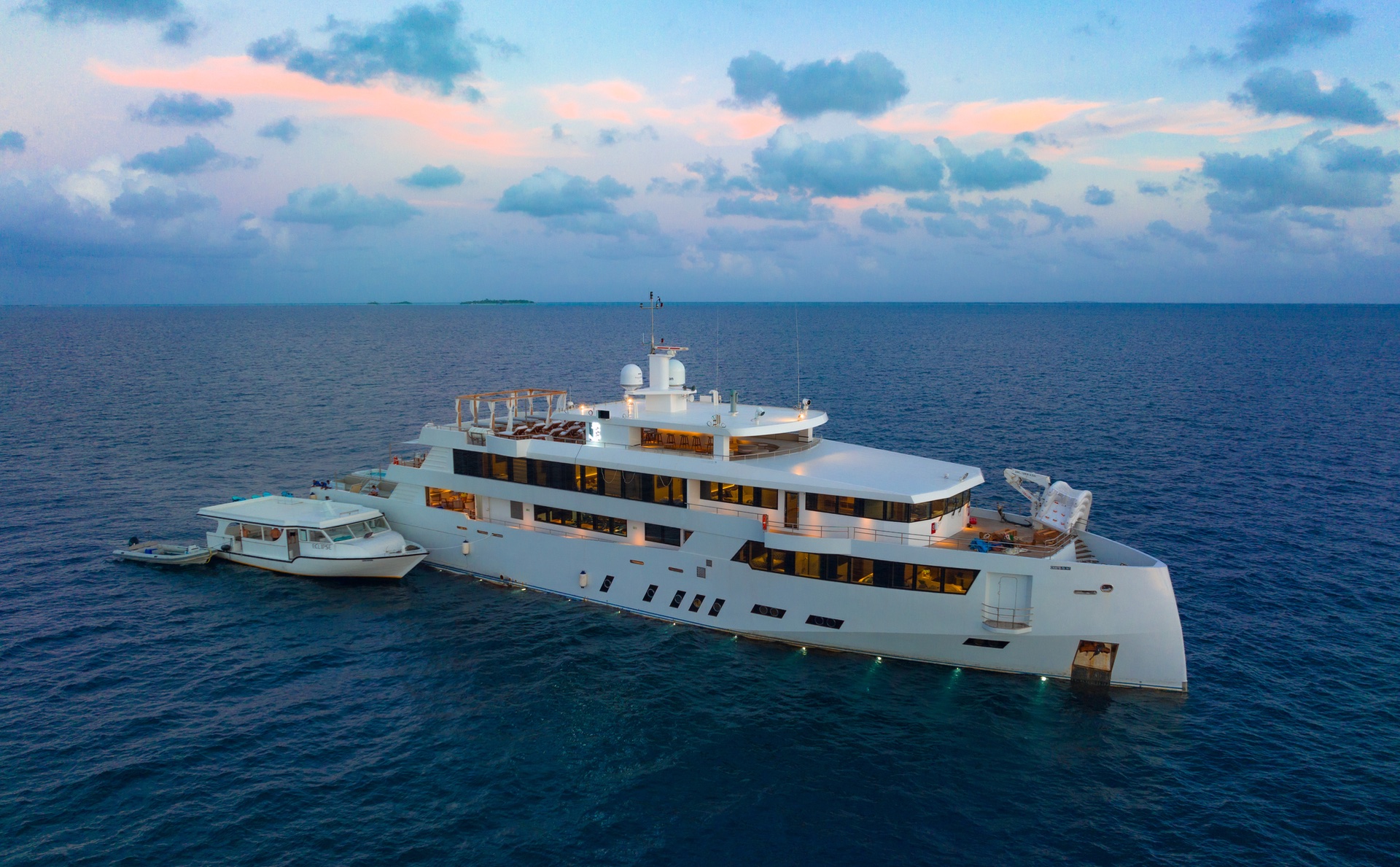
White Pearl
Maldives
26 guests
$375/day
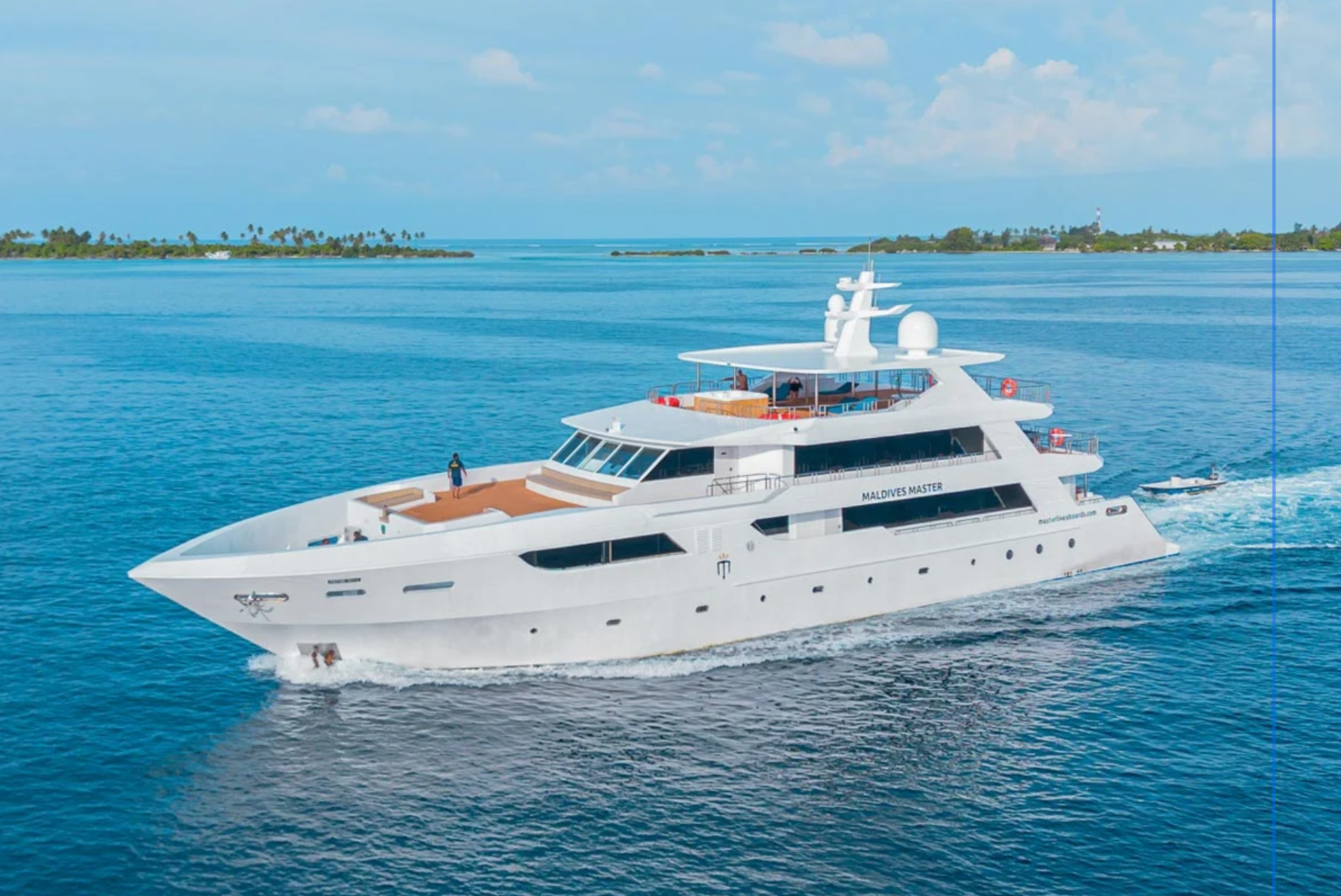
Maldives Master
Maldives
26 guests
$207/day
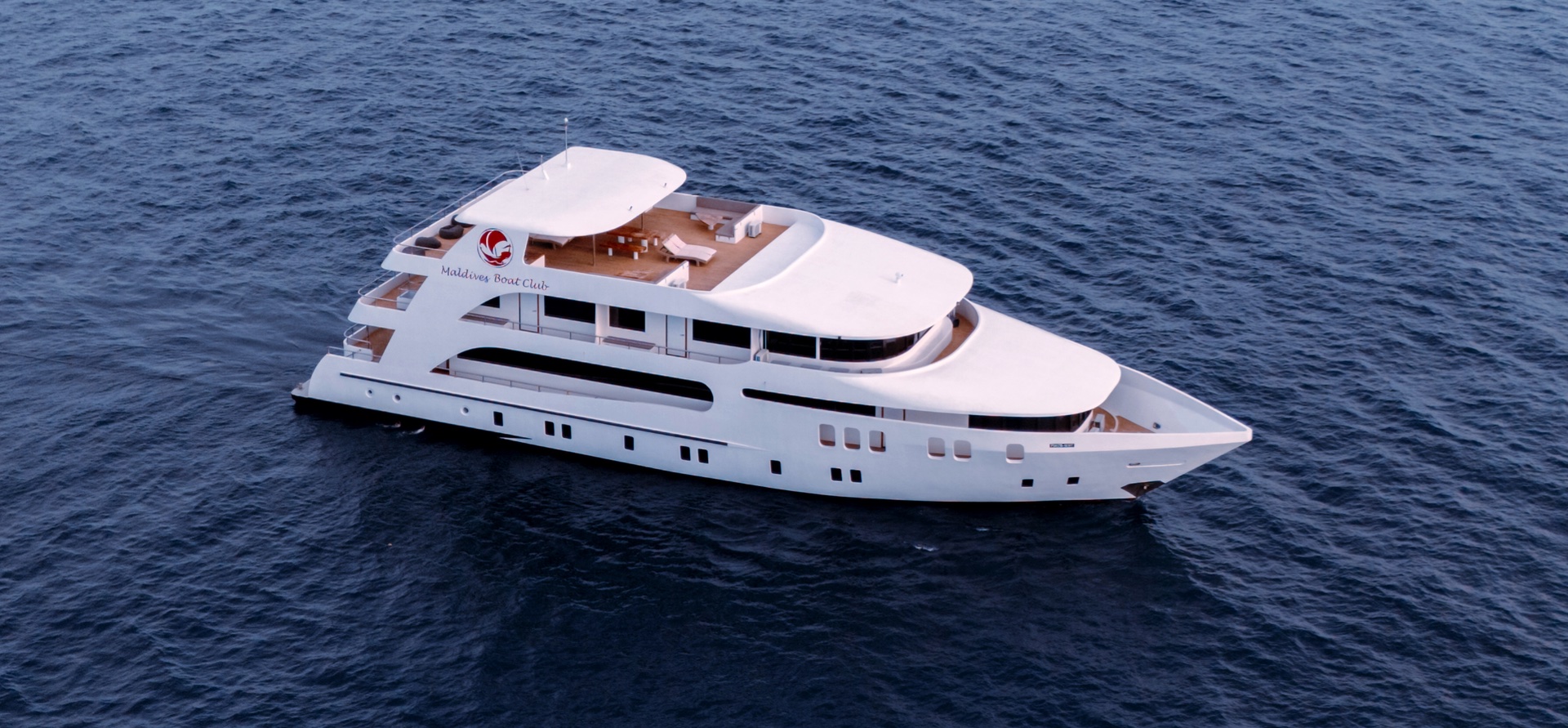
Adora
Maldives
22 guests
$297/day
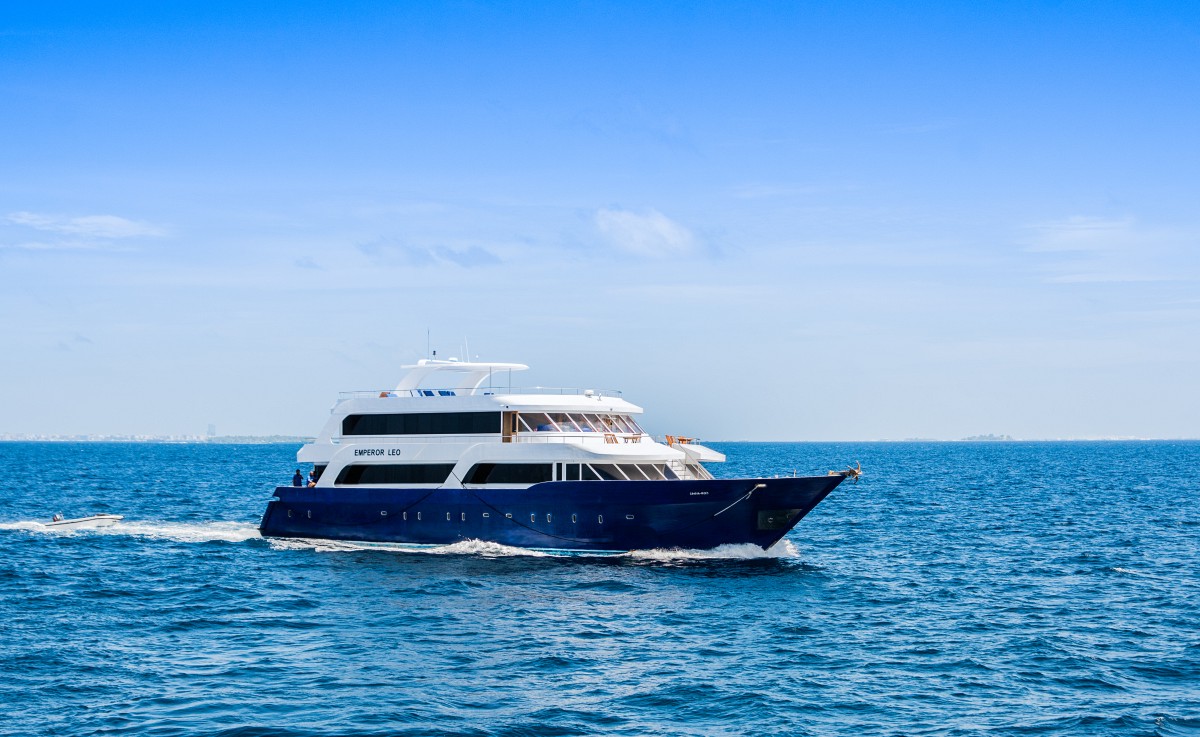
Emperor Leo
Maldives
24 guests35.1 m
$277/day
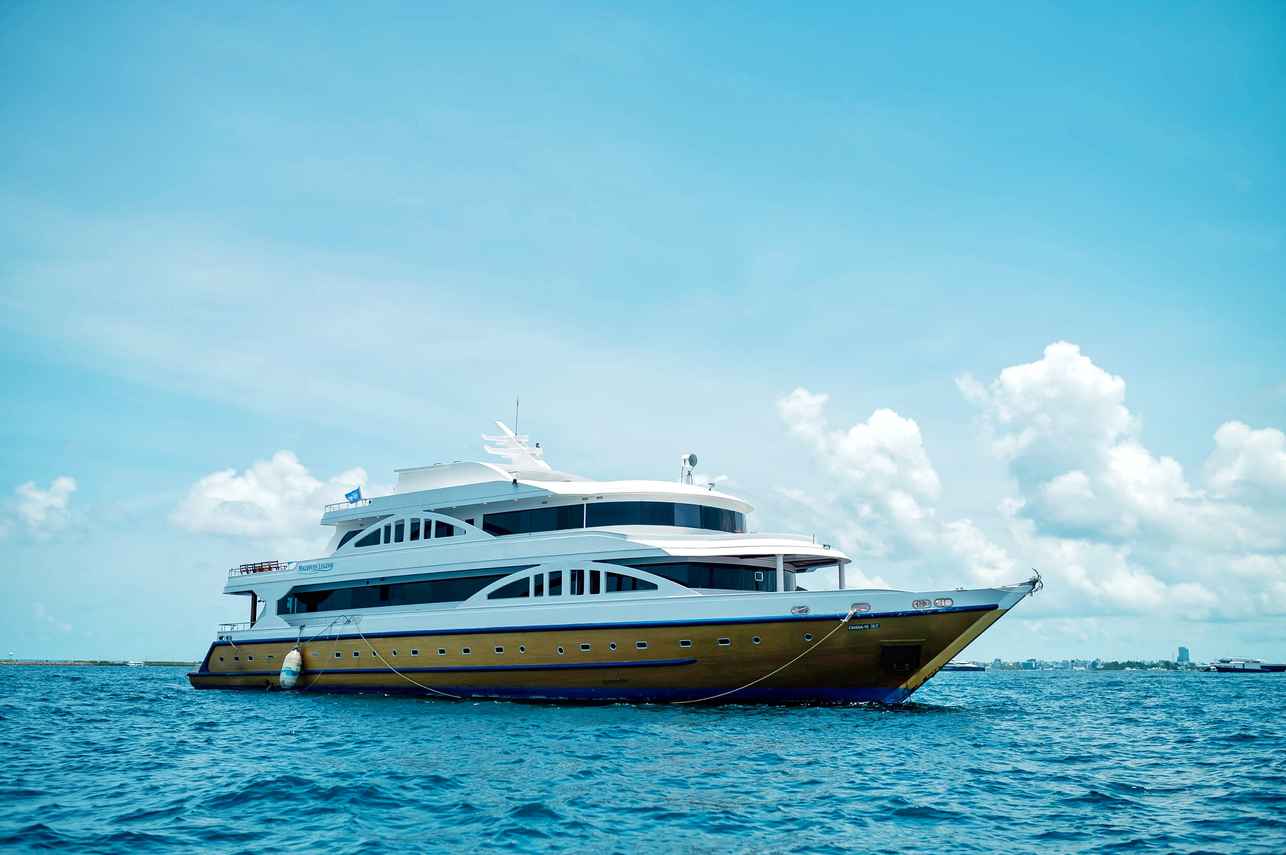
Maldives Legend Zen
Maldives
24 guests41 m
$316/day
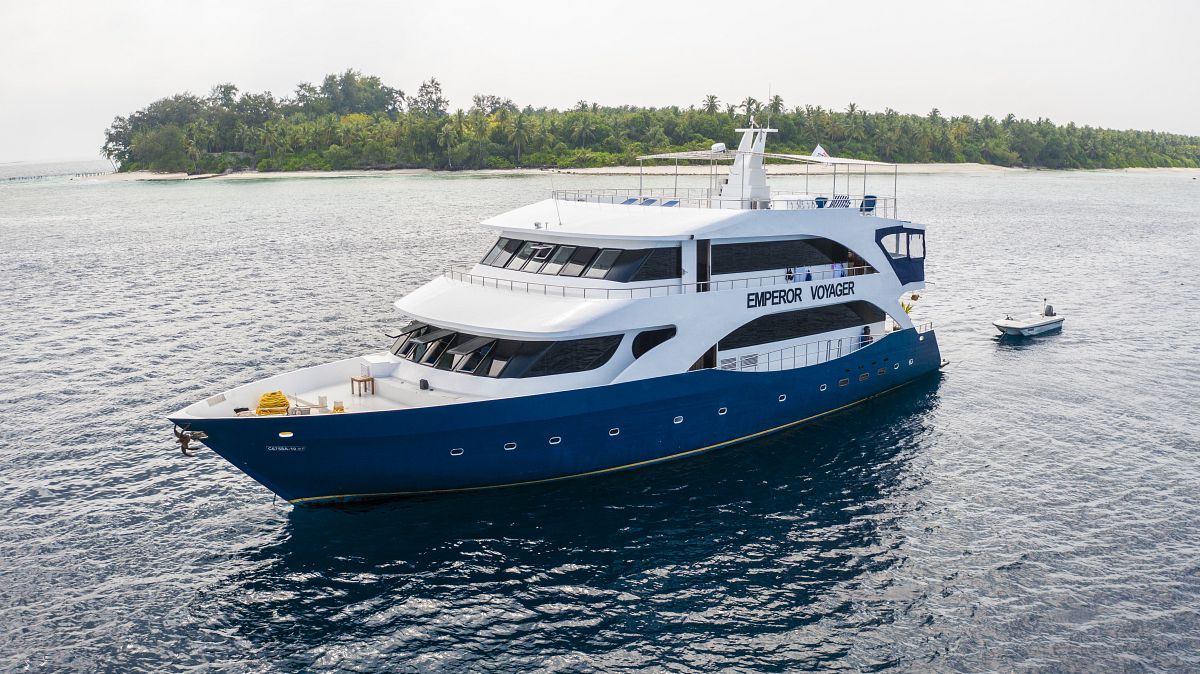
Emperor Voyager
Maldives
20 guests29.9 m
$325/day
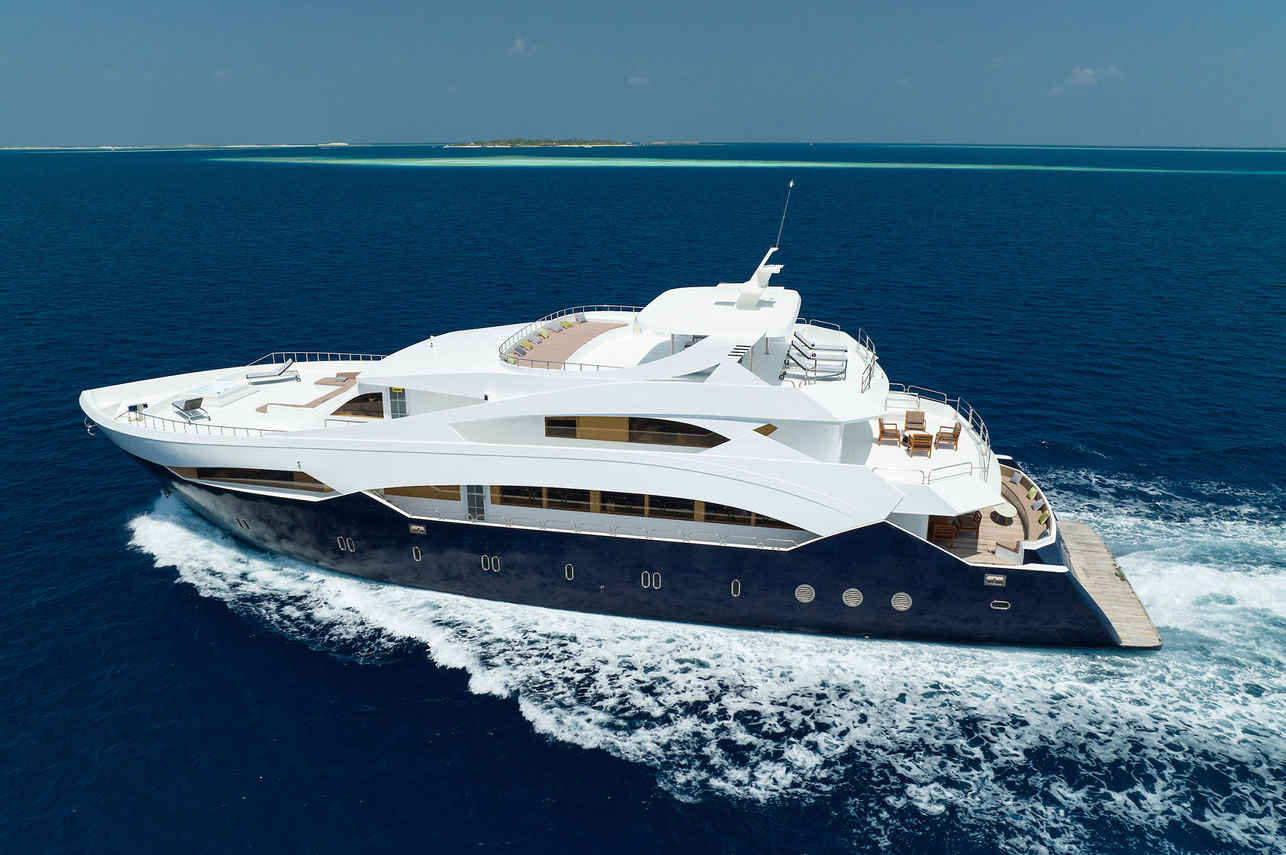
Felicity
Maldives
26 guests41 m
$229/day
Dive sites similar to Kuramathi Caves
Same character, same waters — six more sites divers love for the exact same reasons.Compare seasons, access and liveaboard routes — then pick the site that fits your trip best.
© Esri — Maxar, Earthstar, GIS
Kudimaa Wreck
Maldives
The Kudimaa Wreck is a compelling dive site in the Maldives, offering a fascinating artificial reef environment.
- Suitable for
- Advanced
- Current
- Moderate
- Access
- Liveaboard only
- Depth
- ≤ 30 m
- Theme
- Wreck / Reef
© Esri — Maxar, Earthstar, GIS
Blizzard Ridge
Australia
Blizzard Ridge is a renowned dive site situated within Lighthouse Bay on Ningaloo Reef, Western Australia, easily accessible from Exmouth.
- Suitable for
- Beginner
- Current
- Moderate
- Access
- Liveaboard or dayboat
- Depth
- ≤ 15 m
- Theme
- Reef
© Esri — Maxar, Earthstar, GIS
Andilana Reef
Madagascar
Andilana Reef, situated near Nosy Be on Madagascar's northwestern coast, presents a captivating underwater landscape that appeals to divers of all experience levels.
- Suitable for
- Intermediate
- Current
- Mild
- Access
- Liveaboard or dayboat
- Depth
- 6–22 m
- Theme
- Cave & cavern / Reef
© Esri — Maxar, Earthstar, GIS
Aldebaran Wreck
Seychelles
The Aldebaran Wreck, a 28-meter (92-foot) fishing vessel, was intentionally sunk on July 11, 2008, by the Seychelles Tourism Board to create an artificial reef.
- Suitable for
- Advanced
- Current
- Moderate
- Access
- Liveaboard or dayboat
- Depth
- 28–40 m
- Theme
- Wreck
© Esri — Maxar, Earthstar, GIS
Rottnest Island
Australia
Rottnest Island, located approximately 18 kilometers off Perth, Western Australia, offers exceptional diving characterized by its distinctive limestone formations.
- Suitable for
- Intermediate
- Current
- Mild
- Access
- Dayboat
- Depth
- 8–22 m
- Theme
- Reef / Cave & cavern
© Esri — Maxar, Earthstar, GIS
North Island
Seychelles
North Island is an exclusive dive location within the Seychelles, known for its pristine underwater environment and the opportunity to explore newly discovered sites.
- Suitable for
- Intermediate
- Current
- Moderate
- Access
- Liveaboard only
- Depth
- 18–35 m
- Theme
- Reef