About Janie's Garden
Janie's Garden is a named mooring in Roatan, part of the Honduras Bay Islands, which are located along the Mesoamerican Barrier Reef System. This reef is the second-longest barrier reef globally, providing a rich and diverse marine ecosystem for the region. The site's mooring was named in memory of Jason Sullivan’s mother, contributing to the Roatan Marine Park's conservation efforts by funding maintenance and community projects. While specific topographical details for Janie's Garden are not provided, the Bay Islands generally offer a varied underwater landscape. You can expect to encounter steep drop-offs, sheer walls, and vibrant reefs typical of the area, with depths ranging from 5 to 60 meters. These formations often include impressive sponges and corals, creating habitats for diverse marine life. The broader Roatan reef system supports an array of marine species. Divers frequently observe schooling tropical fish, various invertebrates, and larger pelagics such as manta rays and whale sharks, though whale shark encounters are more common around Utila. Hawksbill turtles are often seen gliding along the reefs, and creatures like seahorses, lobsters, and octopuses inhabit the cracks and crevices. The waters maintain a warm temperature between 27 and 31 degrees Celsius year-round. Diving in Roatan is generally considered easy and relaxing, with manageable currents at most sites. Liveaboards typically offer up to five dives per day, including night dives, allowing divers to explore numerous sites within a charter. The area is suitable for various certification levels, though some deeper walls and remote seamounts may require more experience.
Highlights
Named mooring for conservationMesoamerican Barrier Reef SystemDiverse coral and sponge lifeHawksbill turtlesSchooling tropical fish
Season calendar
Best months to dive here
Jan
Feb
Mar
Apr
May
Jun
Jul
Aug
Sep
Oct
Nov
Dec
Excellent
Good
Off-Season
Mar – May & Dec
Best visibility, calm seas, whale shark season begins
Jan – Feb
Good conditions with warm water and decent visibility
Jun – Nov
Rainy season with reduced visibility but second whale shark peak Sep-Dec
Dive site facts: Janie's Garden
- Current
- Mild to moderate, potentially strong in specific areas
- Visibility
- 18–30 m (60–100 ft)
- Water temperature
- 24–29°C (75–84°F)
- Entry
- Boat
- Level
- All levels
- Dive type
- Reef, wall, drift
- Night dive
- Possible
- Region / port
- Roatan, Bay Islands, Honduras
- Coordinates
- 16.31, -86.516
Conditions & Currents
Currents around the Bay Islands are generally manageable, making for an easy and relaxing dive experience at most sites. However, specific current patterns at Janie's Garden are not detailed, but divers should be prepared for varying conditions typical of a vast reef system. Some offshore seamounts and deeper walls can present stronger currents, rewarding divers with good buoyancy control and experience. Visibility typically ranges from 24 to 45 meters, providing clear views of the reef, though it can diminish slightly during the rainy season from October to January. Water temperatures are consistently warm, between 27 and 31 degrees Celsius, with potential drops to 22 degrees Celsius in January at colder depths, making a 3-5mm wetsuit a comfortable choice. Dives are primarily conducted from liveaboards, implying a live boat setup for entry and exit, and divers should maintain awareness of their depth and gas planning due to the extensive depth ranges available across the region.
Marine life & sighting chances

Parrotfish
Year-round · common
Angelfish
Year-round · common
Butterflyfish
Year-round · common
Seahorses
Year-round · occasional
Nudibranchs
Year-round · occasional
Eagle Rays
Year-round · occasional
Caribbean Reef Sharks
Year-round · occasional
Sea Turtles
Year-round · common
Barracudas
Year-round · common
Groupers
Year-round · common
Jacks (schools)
Year-round · occasional
Moray Eels
Year-round · common
Whale Sharks
March-April (peak), year-round possible · rare
Silversides
Mid-June (migration) · commonUnderwater photography
Roatan's clear waters and abundant marine life make it an excellent destination for underwater photography. Wide-angle lenses are ideal for capturing the expansive coral formations, dramatic walls, and large schools of fish that frequent the reef system. For macro enthusiasts, there are opportunities to photograph smaller critters such as seahorses, nudibranchs, and various shrimp species, often found nestled within the corals. Good buoyancy control is paramount to avoid disturbing delicate corals and to achieve clear, stable shots. Natural light is often sufficient in the shallower, well-lit areas, but external strobes or video lights will enhance colors and detail in deeper sections or when shooting macro subjects. Ethical diving practices, such as maintaining a respectful distance from marine life and avoiding contact with the reef, are crucial to preserve the pristine environment while capturing stunning images.
Combine with nearby dive sites
- Spooky Channel
Known for dramatic topography and narrow canyons.
- Wreck of the Aguila
A popular wreck dive on a submerged ship.
- Odyssey
Another significant wreck dive for history buffs.
- Addie's Garden
Addie's Garden is one of 350 dive and snorkel sites located around Roatan, Honduras, within the Mesoamerican Barrier Reef System.
- Satoshi’s Grave
Satoshi’s Grave is a distinctive wreck site located on the southern shore of Roatan, specifically the Wreck of Mr.
Getting there & logistics
Access to Roatan is typically via Juan Manuel Gálvez International Airport (RTB). Dive operators commonly provide transfers to and from the airport. Most diving in Roatan departs from various points along the west side of the island, particularly around West End and West Bay, which are popular tourist hubs with numerous dive shops. Dive trips are usually conducted as day boat excursions, with many operators offering two-tank morning dives and returning to shore for a surface interval and lunch, followed by optional afternoon or night dives. Shore dives are generally not available due to boat traffic. The island's dive sites are often just a 10-minute boat ride away, maximizing in-water time. Liveaboards also operate in the Bay Islands, offering broader access to remote sites and multi-day itineraries. Park fees for diving within the Roatan Marine Park may apply and are often included in dive package costs. Trip lengths vary but 7-day dive packages are common.
Safety & environment
While Roatan offers excellent diving, it is crucial to prioritize safety. The nearest recompression chamber is located in French Harbour, Roatan, providing essential emergency services for diving-related incidents. However, divers should always carry comprehensive dive insurance that covers emergency medical evacuation, as complex or severe cases may require transport to mainland Honduras or international facilities. Site-specific hazards are typically communicated during thorough dive briefings, covering aspects like currents, depth limits, and entry/exit procedures. Adherence to responsible diving practices, including monitoring air consumption, maintaining proper buoyancy, and diving within certification limits, is expected. Divers should be aware of potential boat traffic, especially near popular entry/exit points, and always deploy a surface marker buoy (SMB) when surfacing in open water. Being well-hydrated and avoiding excessive sun exposure are also important for dive safety in a tropical climate.
Who it suits — and who it doesn't
Suited for
- Beginner to advanced divers seeking diverse reef and wall diving
- Photographers interested in vibrant coral and varied marine life
- Divers looking for warm water and good visibility year-round
- Those who enjoy short boat rides to dive sites
- Whale shark enthusiasts during peak season (March-April)
Less suited for
- Divers who prefer shore-based diving exclusively
- Individuals highly sensitive to tropical rain, especially November-February
- Those seeking extreme cold-water or cave diving experiences
- Divers unfamiliar with potential drift diving or varying current conditions
- Budget travelers during peak season (December-February)
FAQ
Janie's Garden FAQ
What kind of marine life can I expect to see at Janie's Garden?
While Janie's Garden isn't specifically detailed in available sources, diving in Roatan generally offers a rich variety of marine life. Divers commonly encounter colorful reef fish like parrotfish, angelfish, and butterflyfish, along with larger species such as barracudas and groupers. You can often spot sea turtles, moray eels, and various rays. Keep an eye out for smaller critters like seahorses and nudibranchs nestled in the coral.
What are the typical water conditions like at Janie's Garden?
As part of Roatan's reef system, Janie's Garden likely features warm Caribbean water with temperatures ranging from 24-29°C (75-84°F) throughout the year. Visibility is consistently good, often between 18-30 meters (60-100 feet), and can extend beyond 30 meters during the dry season. Currents can vary from mild to moderate, with some areas experiencing stronger flows that can make for an exciting drift dive.
Is Janie's Garden suitable for beginner divers?
Roatan's dive sites, including those suitable for beginners, are generally accessible for all levels due to warm, clear waters and often gentle currents. Specific dive sites will offer different experiences, from shallow coral gardens to deeper walls. It's recommended to consult with local dive operators about the specific conditions and suitability of Janie's Garden for your experience level on any given day.
When is the best time of year to dive Janie's Garden for optimal conditions?
The dry season, from March through October, typically offers the most optimal diving conditions in Roatan, with calm seas, low winds, and excellent visibility. April is often highlighted for its warm waters, calm conditions, and increased chances of whale shark sightings. However, Roatan provides great diving year-round, with the wet season also offering unique experiences like silversides migrations.
How do dive operators typically access Janie's Garden?
Like most dive sites around Roatan, Janie's Garden would typically be accessed by day boat. Dive shops, especially those in West End and West Bay, operate regular boat trips to various sites a short distance from shore. Operators usually offer multiple daily excursions, including two-tank morning dives, allowing ample time to explore the underwater environment.
Why dive Janie's Garden from a liveaboard?
Janie's Garden is one of Honduras's signature dive sites. A liveaboard sleeps you on the water and puts you in the water for three to four guided dives per day, including dawn and night dives that day-boat operators rarely offer. You skip the daily commute back to port and reach quieter, less-crowded sites in the same region on a single trip.
Below are the liveaboards that include Janie's Garden on their Honduras itineraries.
Liveaboards diving Janie's Garden
These liveaboards may visit Janie's Garden on selected itineraries — the exact dive sites depend on departure, weather and conditions.
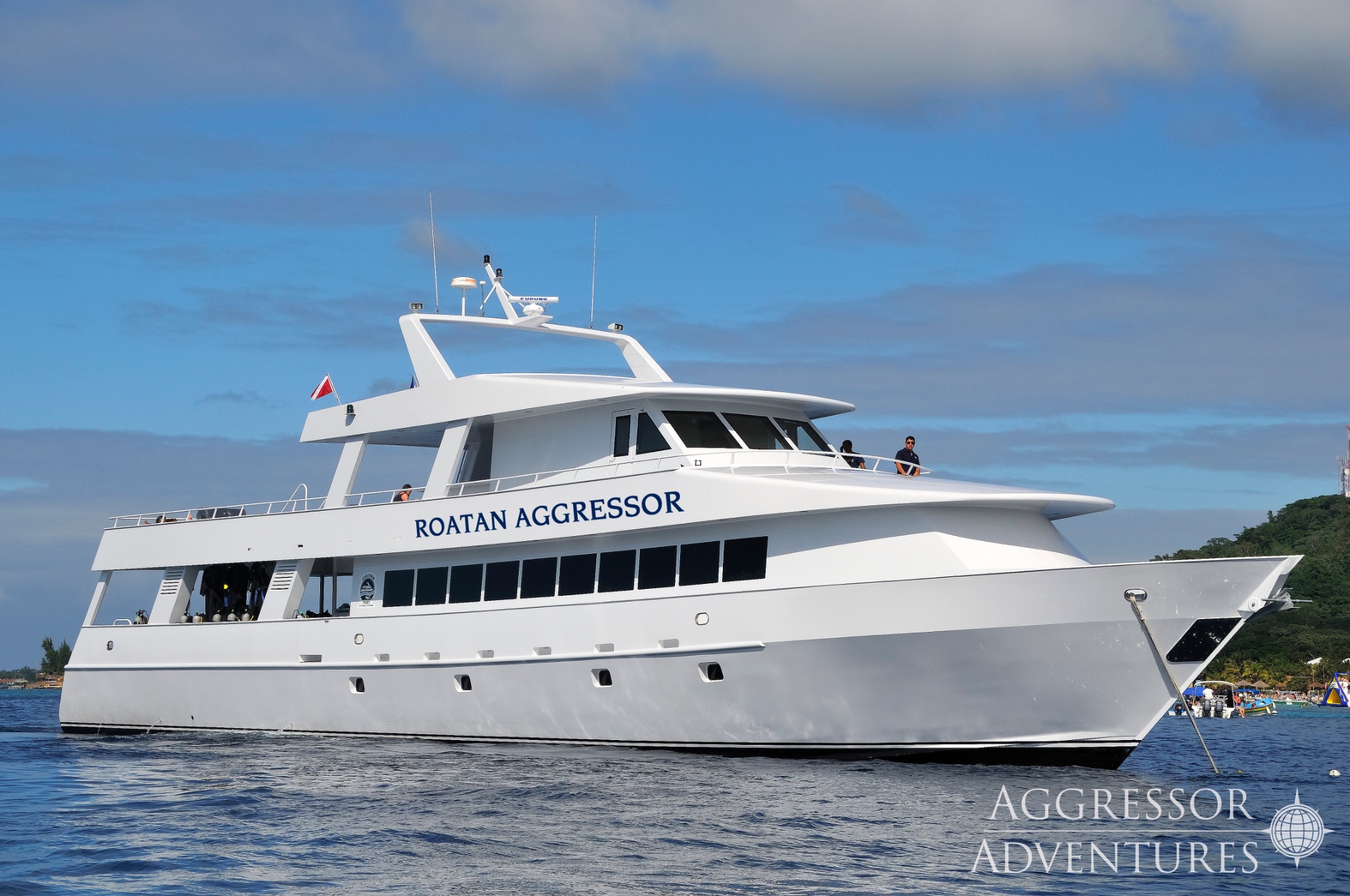
Roatan Aggressor
Honduras
18 guests31 m
Dive sites similar to Janie's Garden
Same character, same waters — six more sites divers love for the exact same reasons.Compare seasons, access and liveaboard routes — then pick the site that fits your trip best.
© Esri — Maxar, Earthstar, GIS
3 Fathom Wall
Cayman Islands
3 Fathom Wall is an exciting and fish-filled dive site located in the Cayman Islands, specifically at the intersection of the renowned Bloody Bay Wall.
- Suitable for
- Intermediate
- Current
- Mild
- Access
- Liveaboard only
- Depth
- ≤ 3000 m
- Theme
- Reef
While specific details for a dive site named "3 Riff" are not present in the provided sources, general diving conditions and characteristics for the Dominican Republic…
- Suitable for
- Advanced
- Current
- Mild
- Access
- Dayboat
- Depth
- 30–55 m
- Theme
- Reef
The dive site known as 3 Rocks is located off the coast of Sosúa in Puerto Plata, Dominican Republic, offering an accessible and lively underwater experience.
- Suitable for
- Beginner
- Current
- Mild
- Access
- Dayboat
- Depth
- 2–8 m
- Theme
- Reef
4 Amigos is a notable dive site located in the Bay Islands of Honduras, an area renowned for its extensive Mesoamerican Barrier Reef System, which is the world's second-longest.
- Suitable for
- Intermediate
- Current
- Moderate
- Access
- Liveaboard or dayboat
- Depth
- 9–40 m
- Theme
- Reef
© Esri — Maxar, Earthstar, GIS
6 Toed Cat
Mexico
The dive site known as "6 Toed Cat" is not a recognized dive location in Mexico; rather, it refers to the polydactyl felines, many with six toes, that inhabit the Ernest Hemingway Home and Museum in Key West, Florida.
- Suitable for
- Beginner
- Current
- Mild
- Access
- Liveaboard or dayboat
- Depth
- —
- Theme
- Reef
© Esri — Maxar, Earthstar, GIS
Aaron's Backyard
Honduras
Aaron's Backyard is a noted dive site within the Roatan Marine Park in Honduras, part of the extensive Mesoamerican Barrier Reef System.
- Suitable for
- Intermediate
- Current
- Moderate
- Access
- Liveaboard or dayboat
- Depth
- 9–40 m
- Theme
- Reef