About Île du Diable (Devil's Island)
Île du Diable, or Devil's Island, provides a distinct diving adventure, renowned for its underwater cave systems and swim-throughs. This remote island features complex rock formations, attracting schools of fish and larger pelagic species. The dive site is nestled within the waters of Djibouti, where the Red Sea converges with the Gulf of Aden, creating a rich marine environment. The topography beneath Devil's Island is primarily volcanic, with structures shaped by ancient geological activity. Depths around the island cater to diverse experience levels, with shallow areas around the entrance to the caves and deeper sections in the surrounding waters where larger marine life is more prevalent. The underwater landscape is dynamic, offering varied exploration opportunities. While specific marine life data for Île du Diable is limited, Djibouti's waters generally boast over 200 coral species, supporting abundant reef fish, jacks, snappers, and barracuda. Pelagic encounters are common, including manta rays, pilot whales, and various sharks, particularly in nutrient-rich areas. Whale sharks are a seasonal highlight, often seen as juveniles. Diving at Île du Diable requires navigating through its unique formations. While some areas are suitable for less experienced divers, the presence of potential currents and deeper sections means that advanced open water certification and good buoyancy control are beneficial. Liveaboard trips are a common way to access this and other remote sites in Djibouti, offering comprehensive dive itineraries.
Highlights
Underwater caves and swim-throughsIntricate rock formationsEncounters with pelagic speciesVolcanic underwater topographySchools of diverse fish
Season calendar
Best months to dive here
Jan
Feb
Mar
Apr
May
Jun
Jul
Aug
Sep
Oct
Nov
Dec
Excellent
Good
Off-Season
Oct – Mar (Peak)
Whale shark season in the Gulf of Tadjoura, best visibility up to 25m, comfortable air temperatures, calm seas.
Apr & Sep (Shoulder)
Rising temperatures, fewer whale sharks but good reef diving. Manta rays and dolphins common.
May – Aug (Hot Season)
Extreme heat above 40°C, reduced visibility, strong currents. Most dive operations scale back.
Dive site facts: Île du Diable (Devil's Island)
- Depth
- 5–30+ m
- Current
- Moderate to strong
- Visibility
- 10–40 m
- Water temperature
- 27–29 °C
- Entry
- Tender
- Level
- Advanced Open Water recommended
- Dive type
- Cave, drift, pelagic encounters
- Region / port
- Djibouti / Gulf of Tadjoura
- Coordinates
- 11.615, 43.11
Conditions & Currents
Currents around Île du Diable can vary, with some areas experiencing strong flows due to its location in the Red Sea and Gulf of Aden confluence. Divers should be prepared for drift diving conditions, especially when exploring deeper sections or areas exposed to open water. Entry and exit procedures often involve tender boats due to the remote nature of the site. Visibility is generally excellent, often exceeding 10-40 meters, but can fluctuate with plankton blooms that attract large pelagics. Stronger currents can sometimes reduce visibility temporarily, but they are also crucial for attracting the diverse marine life found here. Divers should have good buoyancy control and experience with currents, as they are a characteristic feature of many Djiboutian dive sites.
Marine life & sighting chances

Whale Shark (juvenile)
October to January · common
Manta Ray
common
Pilot Whale
occasional
Grey Reef Shark
common
Nurse Shark
common
Tiger Shark
occasional
Dolphin
common
Green Turtle
occasional
Barracuda
common
Jack
common
Snapper
common
Nudibranch
occasional
Coral (200+ species)
commonDive profile & how the dive runs
Dives at Île du Diable typically begin with a tender boat entry directly into the water near the island's rock formations. The route often involves exploring the intricate underwater caves and swim-throughs, maintaining careful buoyancy to avoid contact with the delicate rock structures. Divers progress through these formations, observing the resident reef fish and checking for larger pelagic species at the cave exits or along the surrounding walls. The depth can range from shallow cave entrances to deeper sections patrolling the outer reef. The dive usually concludes by ascending gradually, performing a safety stop in shallower, sheltered areas before signaling the tender for pickup.
Underwater photography
To capture the unique topography of Île du Diable, a wide-angle lens is essential for the caves and swim-throughs, allowing you to encompass the dramatic rock formations. For capturing pelagic encounters, a versatile zoom lens is beneficial. Strobes or video lights are highly recommended to illuminate the dark recesses of the caves and bring out the true colors of marine life, especially in deeper or shadowed areas. Buoyancy control is paramount to avoid disturbing sediment within the caves and to protect the fragile environment. When photographing marine life, maintain a respectful distance and avoid chasing or harassing animals, particularly large pelagics or any creatures inside confined spaces.
Combine with nearby dive sites
- Gulf of Tadjoura – Whale Shark Area
Known for abundant whale shark sightings, especially juveniles.
- Les Sept Frères (Seven Brothers Islands)
A chain of remote volcanic islands with diverse reefs and pelagic encounters.
- Ghoubbet al-Kharab
Known as the 'Devil's Cauldron,' a volcanic bay with hot springs and a whale shark nursery.
- Maskali Island
Features pristine coral gardens and underwater caves, with occasional whale shark sightings.
- Moucha Island Reef
Offers diverse dive sites with thriving coral reefs and abundant marine life.
Getting there & logistics
Accessing Djibouti for diving typically involves flying into Djibouti Ambouli International Airport (JIB), with direct flights from major hubs like Paris, Istanbul, and Dubai. From there, most dive trips are liveaboard-based, departing from Djibouti Marina. Liveaboard itineraries usually range from 7 to 10 days, combining various sites within the Gulf of Tadjoura and potentially extending to the Seven Brothers Islands. Permits are generally handled by the liveaboard operators. Djibouti's dive sites are often combined into comprehensive itineraries that showcase the country's diverse marine environments, with whale shark encounters being a major draw during their season.
Safety & environment
The nearest recompression chamber is located in Djibouti City. Due to the remote nature of some dive sites, emergency evacuation procedures can be complex and may involve significant time. Divers are strongly advised to have comprehensive dive insurance that covers medical emergencies, including evacuation and recompression treatments. Site-specific hazards at Île du Diable include potential strong currents, especially at transitions between open water and confined spaces, and maintaining excellent buoyancy control to navigate caves without damaging formations or stirring up sediment. Divers should strictly adhere to dive guide instructions and carry appropriate safety equipment, including an SMB and dive computer.
Who it suits — and who it doesn't
Suited for
- Experienced divers comfortable with currents
- Macro photographers
- Wide-angle photographers
- Divers seeking unique geological formations
- Explorers interested in untouched dive sites
Less suited for
- Absolute beginners (Open Water Divers)
- Divers uncomfortable with confined spaces
- Divers sensitive to potential strong currents
- Those without comprehensive dive insurance
FAQ
Île du Diable (Devil's Island) FAQ
What makes Île du Diable a unique dive site?
Île du Diable stands out for its dramatic underwater caves and intricate swim-throughs, formed by volcanic activity. This creates a distinct topography unlike many other dive sites, offering a thrilling experience for divers who enjoy exploring unique geological formations. The remote location also contributes to a sense of untouched wilderness underwater.
What marine life can I expect to see at Île du Diable?
While the primary draw is the topography, you can expect to encounter diverse reef fish inhabiting the cave systems and surrounding corals. Larger pelagic species, such as various sharks, manta rays, and even pilot whales, are often seen patrolling the waters around the island, drawn by the rich currents. Whale sharks are also a seasonal possibility in the broader region.
Is Île du Diable suitable for beginner divers?
Île du Diable is generally recommended for more experienced divers, particularly those with Advanced Open Water certification. The presence of underwater caves, potential strong currents, and varying depths requires good buoyancy control and experience. Beginners might find the conditions challenging, though some shallower, more sheltered areas may exist.
What is the visibility and water temperature like?
Visibility in Djibouti waters, including around Île du Diable, is typically excellent, often ranging from 10 to 40 meters. The water temperature is warm year-round, averaging between 27°C and 29°C during the cooler months and rising to 30°C to 40°C in the summer. This makes for comfortable diving conditions, though a 3-5mm wetsuit is still advisable.
How do I get to Île du Diable?
Île du Diable is a remote site best accessed via liveaboard diving trips that depart from Djibouti Marina. Liveaboards typically offer itineraries that combine this site with others in the Gulf of Tadjoura and the wider region. It's not usually a site visited by land-based operators due to its distance from shore.
Why dive Île du Diable (Devil's Island) from a liveaboard?
Île du Diable (Devil's Island) is one of Djibouti's signature dive sites. A liveaboard sleeps you on the water and puts you in the water for three to four guided dives per day, including dawn and night dives that day-boat operators rarely offer. You skip the daily commute back to port and reach quieter, less-crowded sites in the same region on a single trip.
Below are the liveaboards that include Île du Diable (Devil's Island) on their Djibouti itineraries.
Liveaboards diving Île du Diable (Devil's Island)
These liveaboards may visit Île du Diable (Devil's Island) on selected itineraries — the exact dive sites depend on departure, weather and conditions.
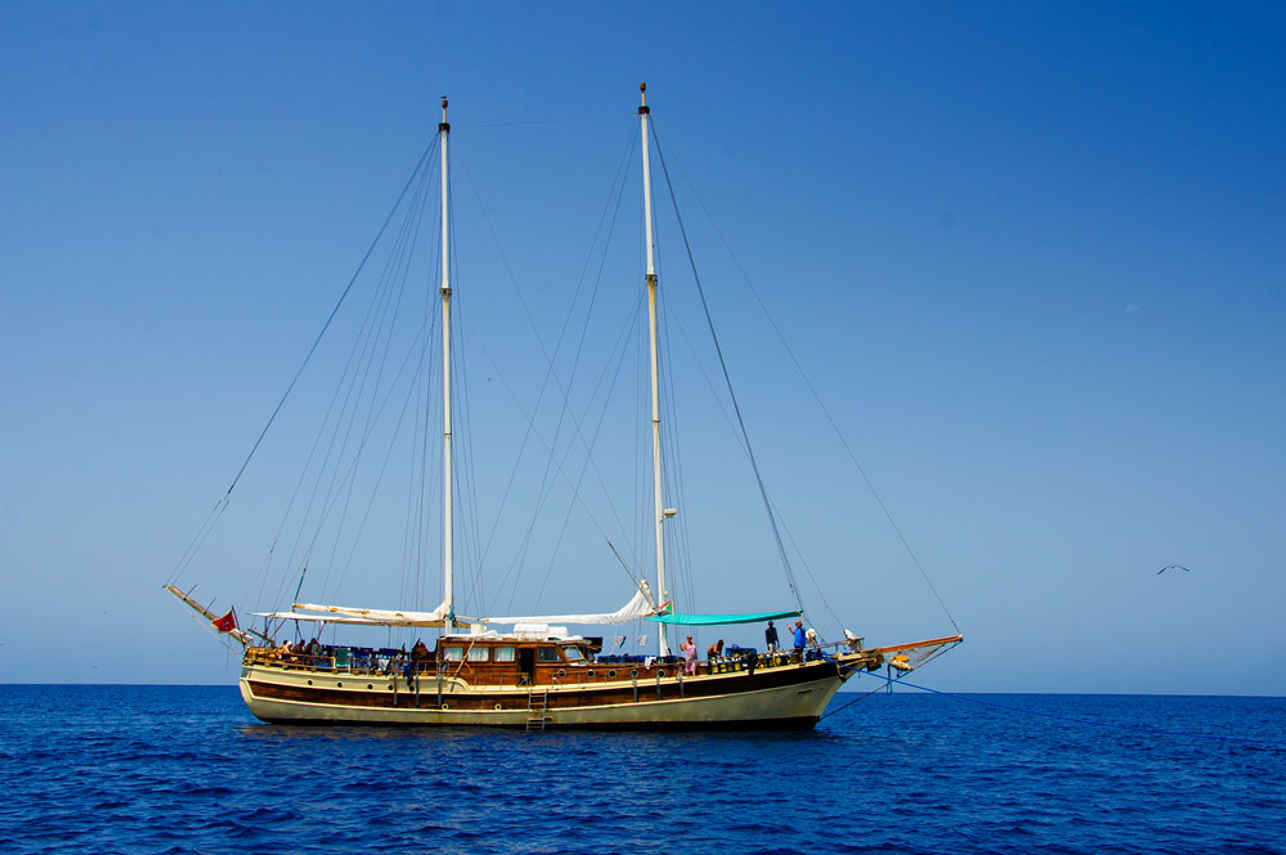
Elegante
Djibouti
14 guests25 m
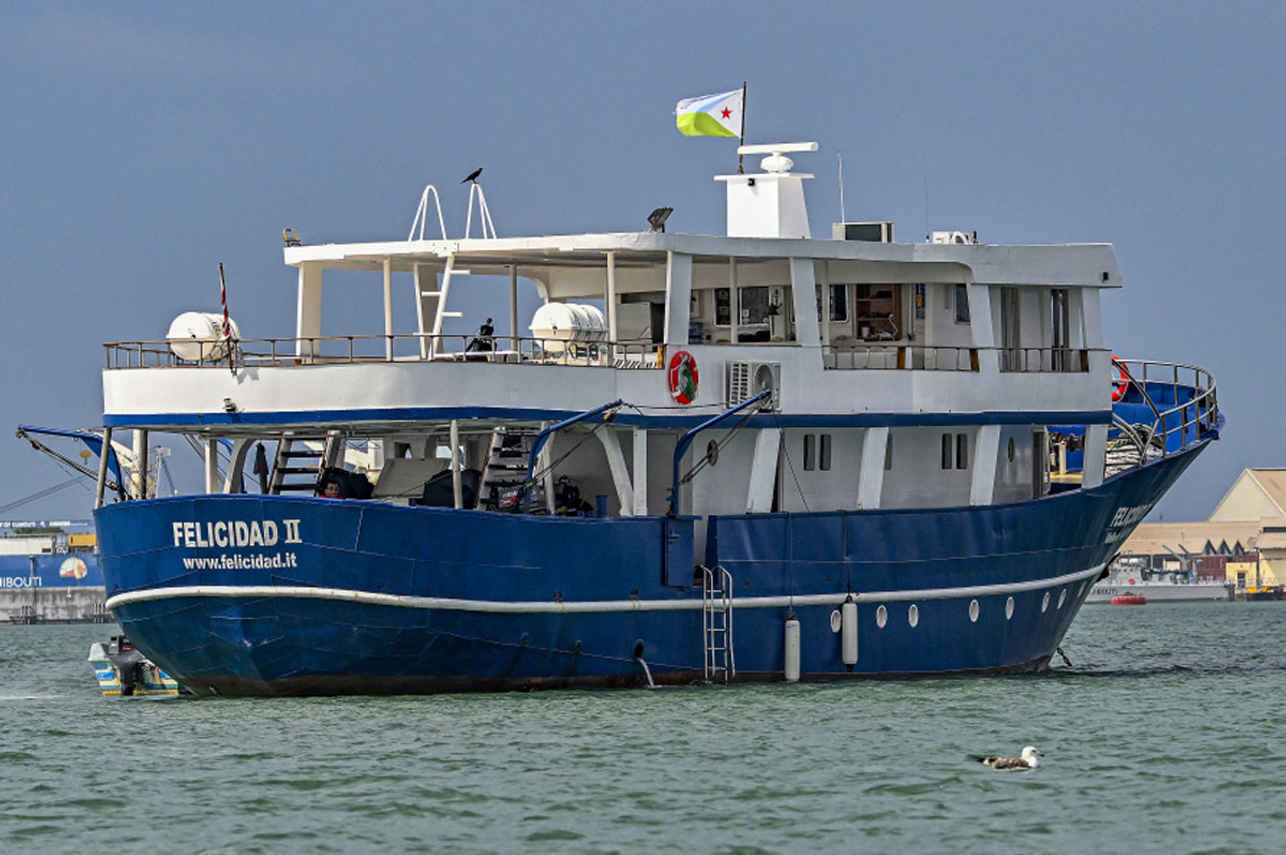
Felicidad II
Djibouti
18 guests30 m
Dive sites similar to Île du Diable (Devil's Island)
Same character, same waters — six more sites divers love for the exact same reasons.Compare seasons, access and liveaboard routes — then pick the site that fits your trip best.
© Esri — Maxar, Earthstar, GIS
Abu Dabbab
Egypt
Abu Dabbab stands out as one of the Red Sea's most celebrated dive destinations, particularly notable for being a rare location where divers can encounter the endangered dugong.
- Suitable for
- Beginner
- Current
- Strong
- Access
- Shore / dayboat
- Depth
- 3–20 m
- Theme
- Reef
© Esri — Maxar, Earthstar, GIS
Abu Galawa
Saudi Arabia
Abu Galawa is a prominent dive site within Saudi Arabia's Red Sea, specifically located among the Seven Sisters reefs near Yanbu.
- Suitable for
- Intermediate
- Current
- Strong
- Access
- Liveaboard or dayboat
- Depth
- 5–40 m
- Theme
- Reef / Wall
© Esri — Maxar, Earthstar, GIS
Abu Galawa Kebir
Egypt
Abu Galawa Kebir is a premier dive site located in the southern Red Sea, situated on the northwestern edge of the extensive Fury Shoal reef system.
- Suitable for
- Beginner
- Current
- Strong
- Access
- Liveaboard or dayboat
- Depth
- 3–18 m
- Theme
- Wreck
Abu Nuhas, often called the "ship's graveyard" of the Red Sea, is a triangular coral reef situated at the northern edge of the Strait of Gubal.
- Suitable for
- Beginner
- Current
- Strong
- Access
- Liveaboard or dayboat
- Depth
- 4–24 m
- Theme
- Wreck
The Aida is a prominent wreck dive site located in the Egyptian Red Sea, frequently visited on liveaboard itineraries that traverse the central region between the northern and southern dive sites.
- Suitable for
- Advanced
- Current
- Strong
- Access
- Liveaboard only
- Depth
- 25–65 m
- Theme
- Wreck / Drift
© Esri — Maxar, Earthstar, GIS
Al Lith Mangrove Reef
Saudi Arabia
Al Lith Mangrove Reef, located approximately 210 km south of Jeddah, serves as the primary launch point for exploring the renowned Farasan Banks.
- Suitable for
- Beginner
- Current
- Strong
- Access
- Shore / dayboat
- Depth
- 3–15 m
- Theme
- Reef / Wall