About Humann Nature
Humann Nature in Fiji is renowned for its dynamic drift diving, where divers are carried along by ocean currents past spectacular underwater landscapes. This site is particularly known for its strong currents, which facilitate unique encounters with pelagic species and foster diverse coral growth. The topography often includes wall sections, where marine life congregates. Water temperatures vary throughout the year, influencing both visibility and the types of marine creatures present. Warmer months tend to have slightly reduced visibility due to plankton blooms, which in turn attract a higher density of smaller, interesting critters. Cooler months bring exceptional visibility, making it ideal for observing larger fish aggregations. Diving here requires careful attention to currents and an understanding of drift diving techniques. Divers will experience a sense of flying as they glide effortlessly along the reef, with the boat tracking their progress for a comfortable surface pickup. It's a site that rewards experienced divers with unique perspectives on Fiji's underwater world, offering both thrilling drifts and close-up marine observations.
Highlights
Dynamic drift divingSpectacular wall topographyStrong ocean currentsRich pelagic encountersVibrant coral gardensExcellent visibility (cooler months)
Season calendar
Best months to dive here
Jan
Feb
Mar
Apr
May
Jun
Jul
Aug
Sep
Oct
Nov
Dec
Excellent
Good
Off-Season
May – Oct
Dry season with best visibility up to 35m. Cooler water brings manta rays. Peak soft coral season.
Apr & Nov
Transition months with good conditions. Fewer tourists and competitive liveaboard rates.
Dec – Mar
Wet season with higher rainfall and reduced visibility. Warmer water. Cyclone season possible.
Dive site facts: Humann Nature
- Depth
- 32 m
- Current
- Strong, unpredictable
- Visibility
- 15-50 m, variable seasonally
- Water temperature
- 23-28 °C
- Entry
- Negative buoyancy back-roll
- Level
- Advanced, drift experience recommended
- Dive type
- Drift, wall, reef
- Region / port
- Fiji
- Coordinates
- -17.4678, 115.759
Conditions & Currents
Humann Nature is characterized by significant ocean currents, making it primarily a drift dive site. These currents can be strong, requiring divers to be proficient in drift diving techniques, including negative-buoyancy entries. The dive briefing will detail current direction and entry procedures, often involving entering the water as the boat reverses and immediately descending to avoid surface currents. Physical cues like the direction of fish swimming and soft coral movement help gauge current direction and strength underwater. Visibility can be exceptional, particularly during the cooler months, though warmer periods may see a reduction due to plankton blooms. Divers must pay close attention to air consumption and maintain strong situational awareness, as conditions can change rapidly. The boat tracks divers from the surface, ensuring safe pickup at the end of the dive, minimizing t
Marine life & sighting chances

Nudibranchs
Summer (Nov-Apr) · common
Flatworms
Summer (Nov-Apr) · common
Shrimps
Summer (Nov-Apr) · common
Ghost Pipefish
Summer (Nov-Apr) · occasional
Spanish Mackerel
November · common
Surgeonfish
December-March · common
Spiny Rock Lobster
December · common
Crabs (bearing eggs)
December · common
Titan Triggerfish
December · commonLittle Spinefoot
January · common
Rabbitfish
January · common
Tuna aggregations
January · occasional
Trevally
February · common
Bigeye Scad
April · commonDive profile & how the dive runs
Divers at Humann Nature typically execute a negative buoyancy back-roll entry, immediately descending to avoid strong surface currents. The dive leader will often enter first to assess the current, then guide the group along a wall, keeping the reef either to the left or right. The profile is multi-level, starting deeper, potentially around 32 meters (100 feet), then progressively ascending shallower as the dive progresses. Divers should stay close to the dive leader, avoiding going deeper or ahead. Observations of fish behavior and coral orientation provide clues about current direction and potential upwellings or down-currents. The dive concludes with a three-minute safety stop, usually around 5 meters, with the boat positioned approximately 100 yards from the wall to facilitate a surface pickup.
Underwater photography
Drift diving at Humann Nature presents unique challenges and opportunities for photographers. Due to potentially strong currents, cradling your camera during the back-roll entry is crucial, and rapid descent is often required. Wide-angle lenses are ideal for capturing the expansive wall formations and the schools of fish often present in the currents, while macro lenses can be used for the diverse critter life found during warmer months. Mastering buoyancy and finning techniques is paramount to avoid contact with the reef and to maintain stable shots while moving with the current. Keep an eye on your surroundings, as large pelagics like manta rays or sharks can appear from the blue side of the wall. Streamlining your gear, including strobes, is also important to reduce drag and conserve air during the drift.
Getting there & logistics
Access to Humann Nature is typically via liveaboard, which are best for reaching remote sites in Fiji's Bligh Water region. These trips often depart from major Fijian ports, with international flights arriving at Nadi International Airport (NAN). Liveaboards commonly offer itineraries lasting between 7 to 10 days, combining sites like Humann Nature with other renowned diving areas to showcase Fiji's diverse marine environments. There are no specific park fees mentioned for this site, but general liveaboard costs cover permits and logistics. Divers should confirm their trip details with their operator.
Safety & environment
Diving at Humann Nature involves drift diving in potentially strong currents, necessitating advanced dive skills and excellent buoyancy control. Divers should ensure their insurance covers drift diving and potential medical evacuation. The nearest recompression chamber is located in Suva, requiring potentially significant travel time in an emergency. Always adhere strictly to the dive briefing, stay with your group, and monitor your air consumption carefully. If you surface unexpectedly or have a problem, signal the boat and wait for pickup; do not attempt to swim back to the reef against the current. Due to the dynamic nature of the site, prior experience with drift diving is highly recommended to ensure both safety and enjoyment.
Who it suits — and who it doesn't
Suited for
- Advanced divers with drift experience
- Underwater photographers seeking pelagic action
- Divers comfortable with strong currents
- Marine life enthusiasts interested in diverse ecosystems
Less suited for
- Beginner divers or those without drift training
- Divers uncomfortable with negative entries
- Individuals prone to seasickness in rough conditions
- Divers who prefer stationary, shallow dives
FAQ
Humann Nature FAQ
What kind of currents can I expect at Humann Nature?
Humann Nature is known for its strong and dynamic ocean currents, making it primarily a drift dive site. These currents can vary in strength and direction, influenced by tidal cycles and topography. Divers should be prepared for a thrilling ride, but also aware that conditions can change, requiring vigilance and good buoyancy control.
Is Humann Nature suitable for beginner divers?
Due to the prevalence of strong currents and the need for advanced entry and navigation techniques, Humann Nature is not typically recommended for beginner divers. It is best suited for experienced divers who are comfortable with drift diving and possess excellent buoyancy and air management skills.
What is the visibility like at Humann Nature?
Visibility at Humann Nature can be excellent, especially during Fiji's cooler winter months (May-October), often reaching up to 50 meters. During the warmer summer months (November-April), visibility may be reduced due to increased plankton activity, which attracts a different array of marine life.
What marine life can I see at Humann Nature?
The strong currents at Humann Nature attract a rich variety of marine life. During warmer months, you might encounter numerous nudibranchs, flatworms, shrimps, and ghost pipefish. Cooler months are better for larger fish aggregations, such as tuna and trevally, and possibly manta rays or sharks in the blue.
What are the water temperatures at Humann Nature?
Water temperatures at Humann Nature vary seasonally. During the warmer summer months (November-April), temperatures can reach up to 28°C. In the cooler winter months (May-October), the water temperature drops to around 23°C, offering a refreshing dive experience.
Why dive Humann Nature from a liveaboard?
Humann Nature is one of Fiji's signature dive sites. A liveaboard sleeps you on the water and puts you in the water for three to four guided dives per day, including dawn and night dives that day-boat operators rarely offer. You skip the daily commute back to port and reach quieter, less-crowded sites in the same region on a single trip.
Below are the liveaboards that include Humann Nature on their Fiji itineraries.
Liveaboards diving Humann Nature
These liveaboards may visit Humann Nature on selected itineraries — the exact dive sites depend on departure, weather and conditions.
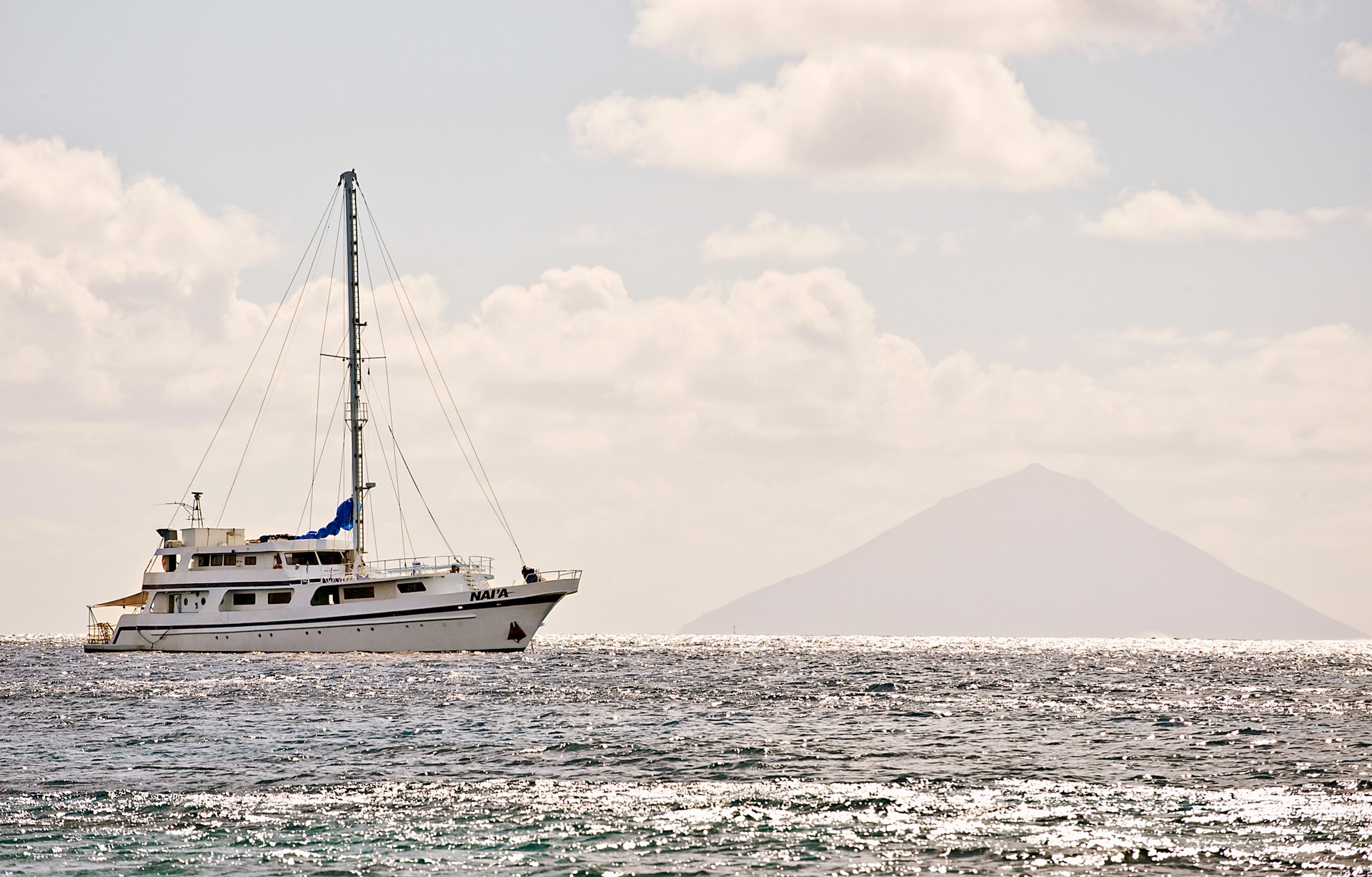
Nai'a
Fiji
16 guests36.576 m
Dive sites similar to Humann Nature
Same character, same waters — six more sites divers love for the exact same reasons.Compare seasons, access and liveaboard routes — then pick the site that fits your trip best.
© Esri — Maxar, Earthstar, GIS
Agincourt Reef
Australia
Agincourt Reef sits on the outer edge of the Great Barrier Reef, roughly 60–72 km off Port Douglas in Far North Queensland, at the southern end of the true ribbon reefs that run…
- Suitable for
- Beginner
- Current
- Moderate
- Access
- Dayboat
- Depth
- 2–20 m
- Theme
- Reef / Wall
Ahe Atoll, a remote and authentic destination in French Polynesia, offers a dive experience deeply intertwined with its local pearl farming community.
- Suitable for
- Advanced
- Current
- Strong
- Access
- Liveaboard or dayboat
- Depth
- 5–22 m
- Theme
- Channel / Drift
© Esri — Maxar, Earthstar, GIS
Alacrity Shoal
Fiji
Alacrity Shoal is a premier dive site in Fiji, renowned for its spectacular drift diving opportunities and rich marine biodiversity.
- Suitable for
- Advanced
- Current
- Strong
- Access
- Liveaboard or dayboat
- Depth
- 12–40 m
- Theme
- Drift / Seamount
Alibaba is a renowned drift dive located within the Garuae Pass in northern Fakarava, a UNESCO Biosphere Reserve in the Tuamotu Archipelago.
- Suitable for
- Intermediate
- Current
- Strong
- Access
- Liveaboard only
- Depth
- 5–30 m
- Theme
- Reef
© Esri — Maxar, Earthstar, GIS
Aliko Reef
Micronesia
Aliko Reef is a prominent dive site within Yap, Micronesia, characterized by a captivating underwater topography that blends a mini-wall with an expansive coral plateau.
- Suitable for
- Intermediate
- Current
- Mild
- Access
- Dayboat
- Depth
- 6–15 m
- Theme
- Reef / Wall
© Esri — Maxar, Earthstar, GIS
Amity Point
Australia
Amity Point is a popular shore diving destination located at the northwestern tip of North Stradbroke Island, within the protected waters of Moreton Bay.
- Suitable for
- Beginner
- Current
- Moderate
- Access
- Shore / dayboat
- Depth
- 5–15 m
- Theme
- Reef