About Coral Garden
Pillar Coral, located off the coast of Roatán in Honduras, is a highly regarded dive site named for its striking abundance of pillar coral colonies. These distinctive, vertically growing formations create an impressive, forest-like seascape, particularly notable due to the increasing rarity of this threatened coral species across the Caribbean. The site begins with a rich coral garden and transitions into a dramatic wall, where an array of sponges and sea fans thrive, attracting various cleaning fish and offering shelter to juvenile reef inhabitants. Diving here typically involves depths reaching up to 30 meters, navigating both the expansive coral garden and the deeper wall sections. The topography supports a diverse ecosystem, ranging from smaller reef species to larger pelagic visitors. While good diving conditions are present year-round in Roatán, the dry season from March to October generally offers the best visibility and calmer seas. However, even during the wet season, the site remains accessible, revealing different aspects of its marine life, such as increased schools of fish following sediment shifts. Divers at Pillar Coral can expect an advanced dive experience, characterized by deep profiles and the potential for moderate currents. The emphasis is on exploring the unique coral formations and the rich biodiversity they support, making it a truly exceptional dive in the region.
Highlights
Rare pillar coral formationsForest-like underwater landscapeThriving coral gardenDeep wall diveCleaning stations for reef fishShelter for juvenile speciesAbundant sea fans and sponges
Season calendar
Best months to dive here
Jan
Feb
Mar
Apr
May
Jun
Jul
Aug
Sep
Oct
Nov
Dec
Excellent
Good
Dive site facts: Coral Garden
- Depth
- Up to 30 m
- Current
- Moderate
- Visibility
- 18–30 m
- Water temperature
- 27–31 °C
- Entry
- Boat
- Level
- Advanced Required
- Dive type
- Coral Garden, Wall, Deep
- Region / port
- Roatán, Honduras
- Coordinates
- 16.3023° N, 86.4716° W
Conditions & Currents
Pillar Coral is an advanced dive site where divers can experience moderate currents. The site's location off Roatán means it is influenced by regional water movements, though detailed information on specific current direction or tide dependency is not consistently available. Visibility is generally excellent in Roatán, often exceeding 30 meters during the dry season, but can be reduced to around 18-25 meters during the wetter months due to stirred sediments. Divers should be prepared for varying conditions, especially concerning currents, and maintain good buoyancy control to protect the delicate coral formations. Entry and exit are typically boat-based, and dive plans will account for the maximum depth of 30 meters, requiring careful air and decompression planning.
Marine life & sighting chances
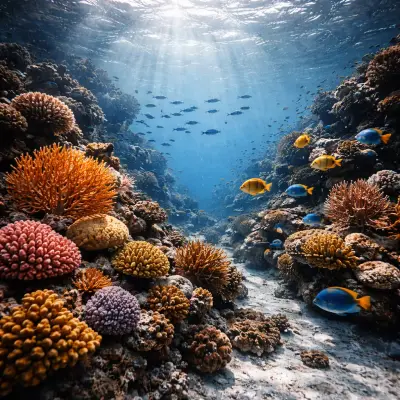
Pillar coral
common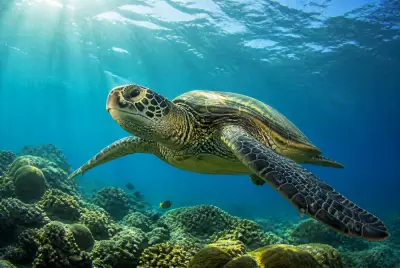
Sea turtles
occasional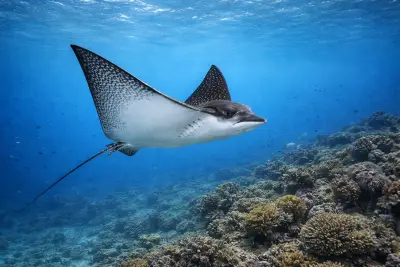
Eagle rays
occasional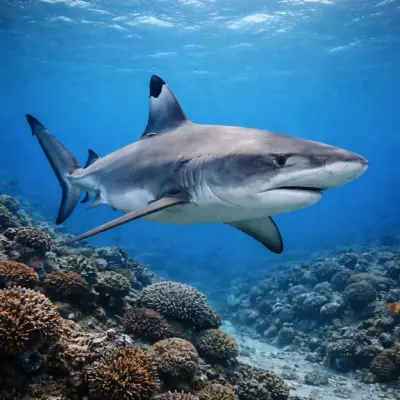
Reef sharks
occasional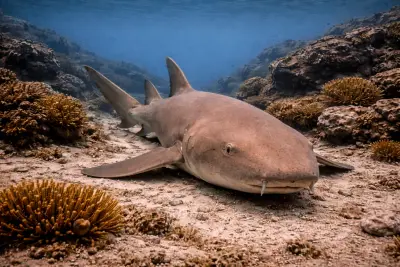
Nurse sharks
occasional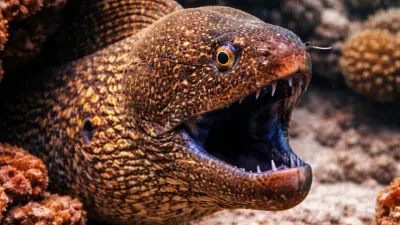
Moray eels
occasional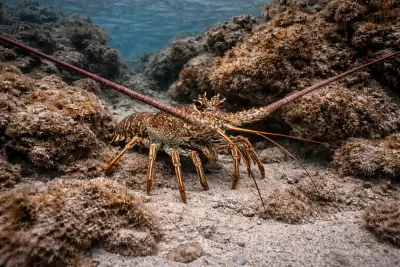
Lobsters
occasional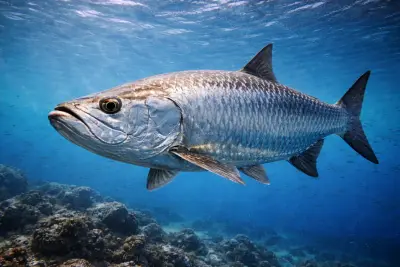
Tarpon
occasional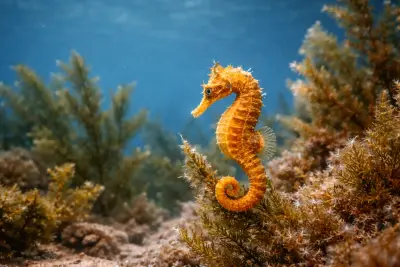
Seahorses
occasional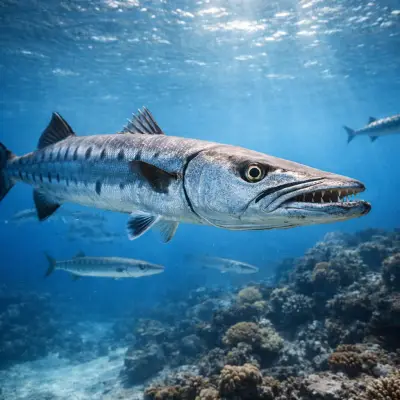
Barracuda
occasionalCleaning fish
commonDive profile & how the dive runs
A dive at Pillar Coral typically begins with a boat entry, leading into the upper reef section which is characterized by extensive pillar coral formations. Divers can explore this vibrant coral garden at shallower depths before gradually descending towards the reef wall. The dive progresses along the wall, offering views of large sea fans and sponges, reaching depths up to 30 meters. The route generally involves navigating along the reef's contours, allowing for observation of marine life sheltering among the corals and in wall crevices. Turnaround is based on air consumption and no-decompression limits, with the ascent usually following the reef slope back towards shallower water. A safety stop is performed in the shallows, often around 5 meters, near the boat's pick-up point, allowing for decompression and further observation of the reef's top section.
Underwater photography
Pillar Coral offers excellent wide-angle photography opportunities, primarily due to its expansive coral gardens and the distinct, vertically growing pillar coral formations. A wide-angle lens, such as a fisheye or a rectilinear wide-angle, is ideal for capturing the grandeur of these coral structures and the scale of the reef. External strobes are highly recommended to bring out the true colors of the corals and marine life at depth, especially on the deeper wall sections where natural light diminishes. When approaching marine life like moray eels or seahorses, maintain a respectful distance to avoid disturbing them. Proper buoyancy is crucial to prevent contact with the delicate corals, particularly the rare pillar corals, ensuring both diver safety and reef preservation while composing shots.
Combine with nearby dive sites
- Overheat
Overheat Reef is an intermediate dive site located off Roatán, Honduras, renowned for its vibrant Caribbean reef system.
- Front Porch Reef
Front Porch Reef is a convenient shore dive site located just steps from Anthony’s Key Resort’s dock, making it easily accessible for…
- El Aguila
El Aguila, meaning "The Eagle," is widely regarded as Roatan's premier wreck dive.
- Odyssey
The Odyssey is a significant artificial reef located off Roatan's northern coast in Honduras, deliberately sunk in 2002 after sustaining…
- Mary's Place
Mary's Place is a legendary dive site situated on the southeast side of Roatán, Honduras, renowned for its dramatic topography.
Getting there & logistics
Diving Pillar Coral typically involves flying into Juan Manuel Gálvez International Airport (RTB) on Roatán, Honduras. Most liveaboards and dive operators serving this site depart from various points around Roatán, with popular departure areas including Sandy Bay and West End. The site is usually included as part of day trip excursions from resorts or dedicated dive trips. While no specific permits or fees were detailed for this particular site, divers in Roatán are generally required to purchase a Roatán Marine Park Fee bracelet, which costs $10.00 annually and supports local marine conservation efforts. This site is frequently combined with other prominent Roatán dive sites, forming part of a multi-day dive itinerary tailored to advanced divers.
Safety & environment
Safety at Pillar Coral, an advanced dive site in Roatán, requires adherence to standard diving protocols, given its depth of up to 30 meters and potential for moderate currents. Divers should carry appropriate dive insurance, such as DAN, which covers dive accidents and potential medical evacuations. The nearest recompression chamber is located on Roatán, providing critical care if needed. Always dive with a reputable operator who conducts thorough briefings and maintains a high safety standard. Good buoyancy control is paramount to avoid damaging the rare pillar corals and other reef structures. Divers must respect the marine environment by not touching, harassing, or taking anything from the reef. A responsible diver code includes not disturbing the sand, using designated entry/exit points, and avoiding contact with corals or marine life to ensure both personal safety and ecosystem preservation.
Who it suits — and who it doesn't
Suited for
- Advanced certified divers
- Divers seeking unique coral formations
- Underwater photographers with wide-angle setups
- Divers comfortable with moderate currents
- Those interested in marine conservation
Less suited for
- Beginner divers or those without advanced certification
- Divers unfamiliar with deep diving protocols
- Individuals uncomfortable with potential currents
- Divers with poor buoyancy control
- Those seeking shallow, easy dives
FAQ
Coral Garden FAQ
What makes Pillar Coral a unique dive site in Roatán?
Pillar Coral stands out for its exceptional concentration of rare pillar coral colonies, which grow vertically to form a distinctive, forest-like underwater landscape. These unique formations, increasingly uncommon in the Caribbean, provide an unusual and visually striking dive experience that is highly valued for its ecological significance.
What level of diving experience is required for Pillar Coral?
This site is classified as an advanced dive, reaching depths of up to 30 meters and potentially encountering moderate currents. Divers should have an advanced certification and be comfortable with deeper profiles and varying current conditions to fully enjoy and safely navigate the site.
What kind of marine life can be seen at Pillar Coral?
Beyond the impressive pillar corals, divers can expect to see a variety of marine life including sea turtles, eagle rays, reef sharks, nurse sharks, moray eels, lobsters, and tarpon. The coral garden also attracts numerous cleaning fish and provides shelter for juvenile reef species, while barracuda patrol the deeper wall sections.
When is the best time of year to dive Pillar Coral for optimal conditions?
While diving is possible year-round in Roatán, the dry season from March to October generally offers the best conditions for Pillar Coral. During these months, visibility is typically at its peak, often exceeding 30 meters, and the seas are calmer, making for a more enjoyable deep dive experience.
Are there any specific safety considerations for diving at Pillar Coral?
As an advanced deep dive site with potential moderate currents, good buoyancy control is essential to protect the delicate corals and ensure diver safety. Divers should always carry appropriate dive insurance and be aware of the nearest recompression chamber on Roatán. Adherence to a responsible diver code, avoiding contact with the reef, is also paramount.
Why dive Coral Garden from a liveaboard?
Coral Garden is one of Honduras's signature dive sites. A liveaboard sleeps you on the water and puts you in the water for three to four guided dives per day, including dawn and night dives that day-boat operators rarely offer. You skip the daily commute back to port and reach quieter, less-crowded sites in the same region on a single trip.
Below are the liveaboards that include Coral Garden on their Honduras itineraries.
Liveaboards diving Coral Garden
These liveaboards may visit Coral Garden on selected itineraries — the exact dive sites depend on departure, weather and conditions.
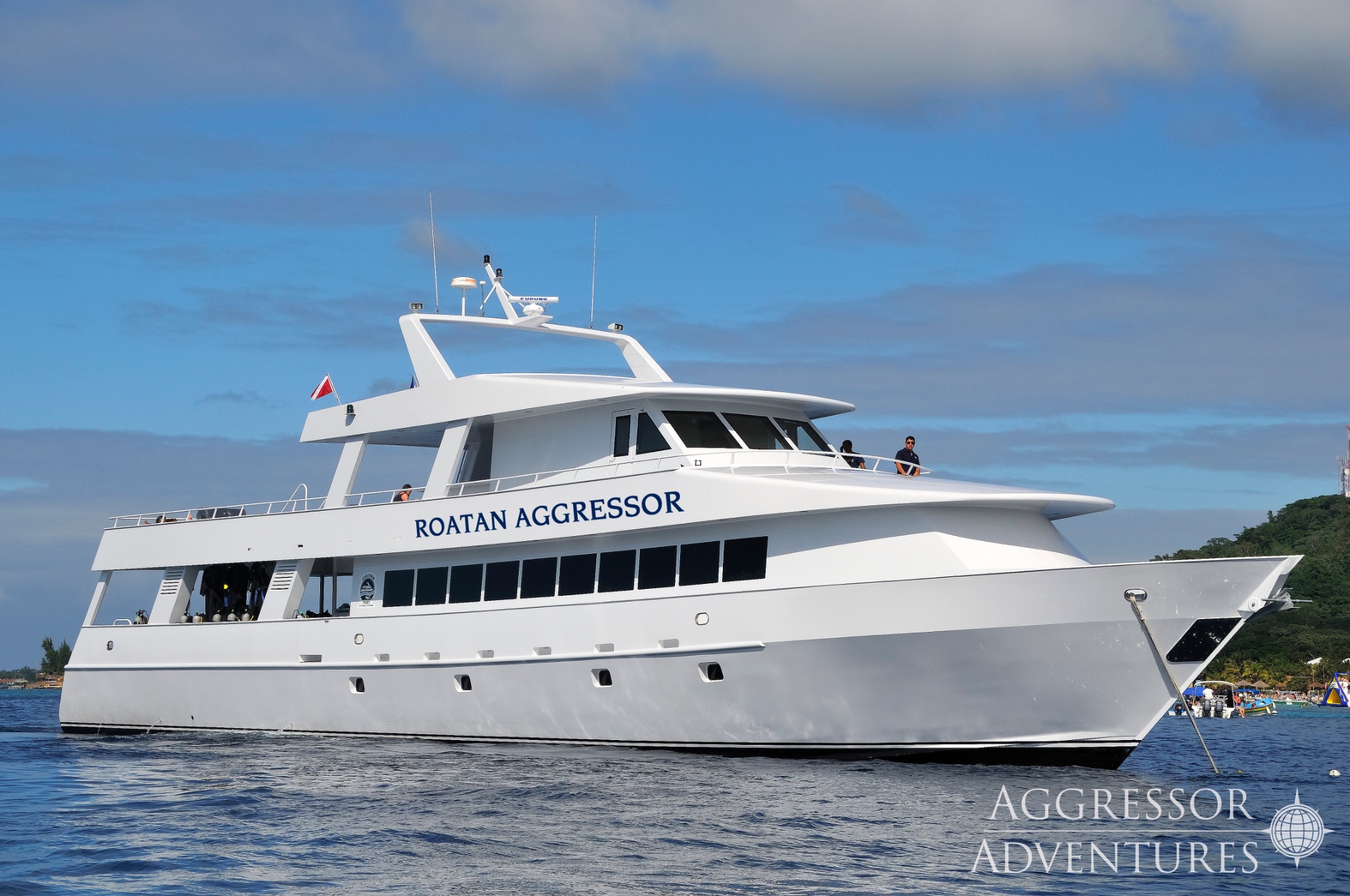
Roatan Aggressor
Honduras
18 guests31.1 m
$309/day
Dive sites similar to Coral Garden
Same character, same waters — six more sites divers love for the exact same reasons.Compare seasons, access and liveaboard routes — then pick the site that fits your trip best.
© Esri — Maxar, Earthstar, GIS
Satoshi’s Grave
Honduras
Satoshi’s Grave is a distinctive wreck site located on the southern shore of Roatan, specifically the Wreck of Mr. Bud.
- Suitable for
- Beginner
- Current
- Moderate
- Access
- Liveaboard or dayboat
- Depth
- 18–18 m
- Theme
- Wreck / Reef
© Esri — Maxar, Earthstar, GIS
Butcher's Bank
Honduras
Butcher's Bank is a celebrated dive site in Roatan, Honduras, widely regarded as one of the island's most enjoyable locations, particularly for novice divers.
- Suitable for
- Beginner
- Current
- Mild
- Access
- Dayboat
- Depth
- 12–18 m
- Theme
- Reef
© Esri — Maxar, Earthstar, GIS
Wreck of the Aguila
Honduras
The Wreck of the Aguila, affectionately known as 'The Eagle,' is a 60-meter (200-foot) cargo ship purposefully sunk in 1997 to create an artificial reef within recreational diving limits.
- Suitable for
- Intermediate
- Current
- Mild
- Access
- Dayboat
- Depth
- 20–33 m
- Theme
- Wreck / Reef
© Esri — Maxar, Earthstar, GIS
Al's Garden
Honduras
Al's Garden is a notable dive site located in Roatan, part of Honduras's Bay Islands, a region renowned for its vibrant underwater topography and diverse marine ecosystems.
- Suitable for
- Intermediate
- Current
- Moderate
- Access
- Liveaboard or dayboat
- Depth
- 9–40 m
- Theme
- Reef
© Esri — Maxar, Earthstar, GIS
Aaron's Backyard
Honduras
Aaron's Backyard is a noted dive site within the Roatan Marine Park in Honduras, part of the extensive Mesoamerican Barrier Reef System.
- Suitable for
- Intermediate
- Current
- Moderate
- Access
- Liveaboard or dayboat
- Depth
- 9–40 m
- Theme
- Reef
Roatán, part of the Bay Islands of Honduras, offers a diverse underwater landscape situated along the Mesoamerican Barrier Reef System, which is the second largest barrier reef globally.
- Suitable for
- Intermediate
- Current
- Moderate
- Access
- Liveaboard or dayboat
- Depth
- 9–40 m
- Theme
- Reef