About Chiquita Reef
Chiquita Reef is a dynamic dive site characterized by its healthy coral formations and rich biodiversity, making it a focal point for underwater exploration in the Dominican Republic. This reef is typically found in areas known for clear, tranquil Caribbean seas, contributing to exceptional visibility and comfortable diving conditions. Its topography often features a gentle slope, allowing for progressive depth changes and varied marine habitats. The reef hosts a multitude of colorful tropical fish and invertebrates, attracting both novice and experienced divers. Encounters with larger pelagic species are also possible, adding an element of excitement to each dive. The combination of warm water temperatures and generally mild currents ensures a relaxed and enjoyable experience. Divers can anticipate exploring intricate coral gardens where moray eels, parrotfish, and various angelfish are commonly sighted. The shallow nature of parts of the reef makes it ideal for extended bottom times, allowing ample opportunity for observation and photography. The overall dive experience at Chiquita Reef is typically calm and visually rewarding.
Highlights
Healthy coral formationsDiverse tropical fishExcellent visibilityGentle currentsWarm water temperaturesPhotographer friendlyRich invertebrate life
Season calendar
Best months to dive here
Jan
Feb
Mar
Apr
May
Jun
Jul
Aug
Sep
Oct
Nov
Dec
Excellent
Dive site facts: Chiquita Reef
- Depth
- 9–30 m
- Current
- Mild
- Visibility
- 15–30 m
- Water temperature
- 24–29°C
- Entry
- Boat
- Level
- All levels
- Dive type
- Coral reef, marine life
- Region / port
- Dominican Republic
- Coordinates
- 18.3423° N, 68.8466° W
Conditions & Currents
Diving in the Dominican Republic, particularly along the south coast where sites like Chiquita Reef might be located, generally features mild currents, making it suitable for all levels of divers. Surface conditions are typically calm, especially during peak visibility months, which aids in comfortable entries and exits. While strong currents are not characteristic, divers should always be prepared for gentle water movement that enhances the drift over the reef rather than posing a challenge. Visibility consistently ranges from 15 to 30 meters throughout the year, with optimal conditions potentially extending to 30 meters during the June to September period. Water temperatures remain warm, between 24-29°C year-round, minimizing concerns about thermoclines. Dive briefings will specifically address any localized current patterns and recommended entry/exit procedures to ensure diver safety
Marine life & sighting chances
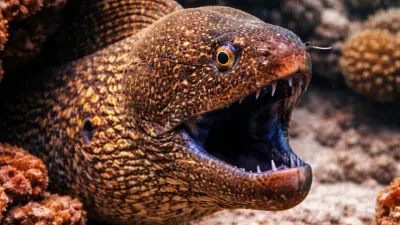
Moray eels
common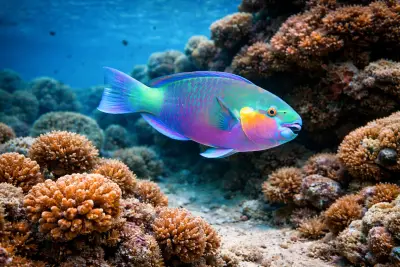
Parrotfish
common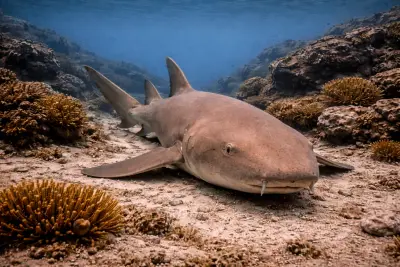
Nurse sharks
occasional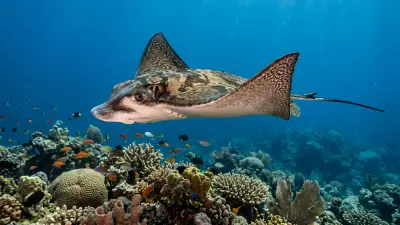
Rays
occasional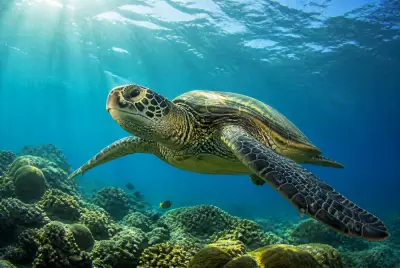
Sea turtles
occasional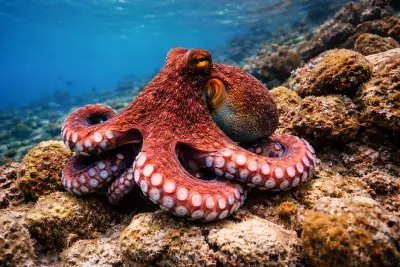
Octopuses
occasional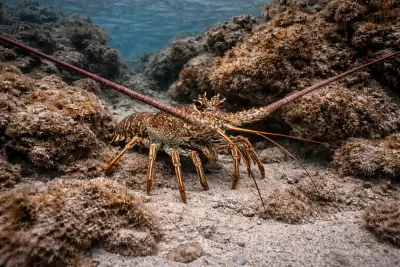
Lobsters
occasional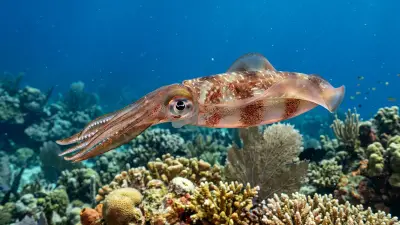
Caribbean squid
occasional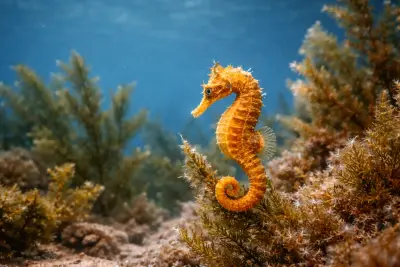
Seahorses
rare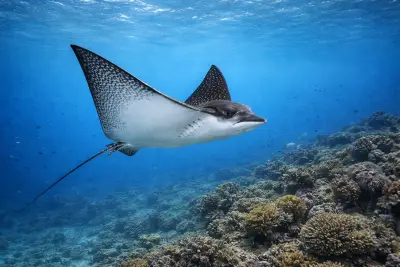
Eagle rays
occasional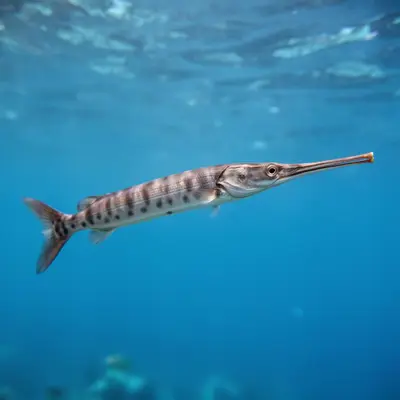
Trumpet fish
common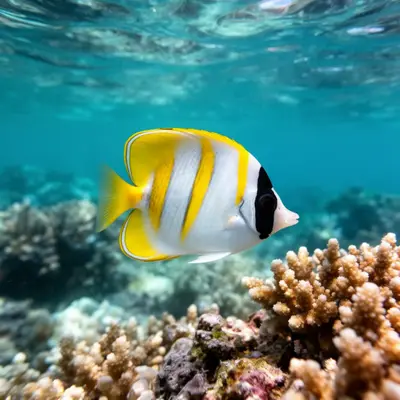
Butterflyfish
common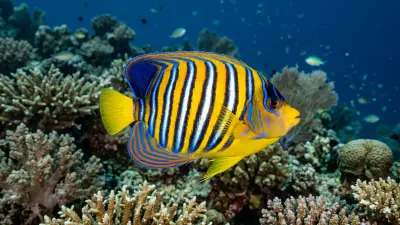
Angelfish
commonDive profile & how the dive runs
Dives at Chiquita Reef typically begin with a boat entry, allowing divers to descend directly onto the vibrant coral formations. The reef structure often features a gradual slope, enabling a multi-level dive profile that starts shallower, around 9-12 meters, and progressively moves deeper to a maximum of 30 meters. Divers will typically follow the contours of the reef, exploring colorful coral gardens and searching for macro life in crevices. The turn point is determined by air consumption or dive time, usually around 20-25 meters, before gradually ascending to shallower depths. The safety stop is conducted at 5 meters, often above the most active parts of the reef, providing an opportunity for final observations of smaller reef fish before a comfortable boat exit.
Underwater photography
Chiquita Reef's excellent visibility and abundant reef life make it a rewarding site for underwater photography. For wide-angle shots, a fisheye or wide-angle lens is ideal to capture the expansive coral gardens and schools of fish. Consider natural light for shallower sections, but strobes are recommended to bring out the true colors of the corals and marine creatures at all depths. For macro enthusiasts, a macro lens will be invaluable for capturing the intricate details of octopuses, seahorses, and smaller invertebrates often found hidden within the reef. Practicing good buoyancy control is crucial to avoid disturbing delicate corals and marine life, ensuring both ethical photography and sharp images.
Combine with nearby dive sites
Getting there & logistics
Access to dive sites in the Dominican Republic, including Chiquita Reef, is typically facilitated from coastal towns like Bayahibe or Punta Cana, which are well-served by international airports such as Punta Cana International Airport (PUJ) or Las Américas International Airport (SDQ) near Santo Domingo. Dive trips are usually day excursions departing from local dive shops or resorts. These trips often involve short boat rides to the dive sites, with operators providing full equipment rental. There are no specific permits mentioned for Chiquita Reef itself, but diving within national parks, such as Cotubanamá National Park (which encompasses areas like Peñon Reef), may involve conservation fees. Dive itineraries often combine two dives, allowing exploration of different sections of a reef or pairing a reef dive with a nearby wreck.
Safety & environment
For diving in the Dominican Republic, divers should ensure they have comprehensive dive insurance covering medical emergencies and evacuation. The nearest recompression chambers are located in Santo Domingo and Punta Cana, approximately 1-2 hours' drive from major diving centers like Bayahibe. Evacuation protocols are managed by local dive operators and typically involve transport to the nearest medical facility, followed by a potential transfer to a chamber if necessary. Site-specific hazards at Chiquita Reef are minimal, generally limited to careful buoyancy control to avoid contact with the reef and awareness of mild currents. All divers should adhere to their certification limits and follow dive guide instructions. It's advisable to carry an emergency signaling device, such as a surface marker buoy, on all dives.
Who it suits — and who it doesn't
Suited for
- New certified divers seeking calm conditions
- Underwater photographers looking for vibrant reef life
- Divers interested in extensive bottom times
- Families with varied diving experience levels
- Relaxed reef exploration
Less suited for
- Technical divers seeking extreme depths
- Divers looking for strong drift diving challenges
- Those uninterested in macro or wide-angle reef photography
FAQ
Chiquita Reef FAQ
What kind of marine life can I expect to see at Chiquita Reef?
Chiquita Reef is home to a diverse array of tropical fish, including parrotfish, angelfish, and trumpet fish. You might also spot moray eels, octopuses, lobsters, and Caribbean squid. Occasionally, larger species like sea turtles, nurse sharks, and eagle rays can be encountered, adding excitement to your dive.
Is Chiquita Reef suitable for beginners?
Yes, Chiquita Reef is considered suitable for all levels of divers, including beginners. The currents are typically mild, and the reef features a gradual slope, allowing for a comfortable and safe introduction to Caribbean diving. Experienced dive guides ensure a secure and enjoyable experience for everyone.
What are the typical diving conditions at Chiquita Reef?
Diving conditions at Chiquita Reef are generally excellent, with water temperatures ranging from 24-29°C year-round. Visibility usually averages between 15 and 30 meters, often peaking during the summer months. Currents are mild, providing a relaxed dive environment ideal for observing marine life.
How deep is Chiquita Reef?
Chiquita Reef offers a varied depth profile, generally ranging from a shallower 9 meters down to about 30 meters. This allows for multi-level diving, catering to different certification levels and providing diverse habitats for marine species at various depths.
How do I get to Chiquita Reef?
Chiquita Reef is accessed via boat trips, typically organized by dive operators from coastal towns like Bayahibe or Punta Cana. These towns are easily reachable from major international airports in the Dominican Republic. Dive excursions usually include transport to the site and all necessary equipment.
Can I do night dives at Chiquita Reef?
While the sources do not explicitly mention night diving at Chiquita Reef, many popular reef sites in the Dominican Republic do offer night dive opportunities. It's best to inquire with local dive operators regarding the availability and specific conditions for night dives at this particular site, as regulations and offerings can vary.
Why dive Chiquita Reef from a liveaboard?
Chiquita Reef is one of Dominican Republic's signature dive sites. A liveaboard sleeps you on the water and puts you in the water for three to four guided dives per day, including dawn and night dives that day-boat operators rarely offer. You skip the daily commute back to port and reach quieter, less-crowded sites in the same region on a single trip.
Below are the liveaboards that include Chiquita Reef on their Dominican Republic itineraries.
Liveaboards diving Chiquita Reef
These liveaboards may visit Chiquita Reef on selected itineraries — the exact dive sites depend on departure, weather and conditions.
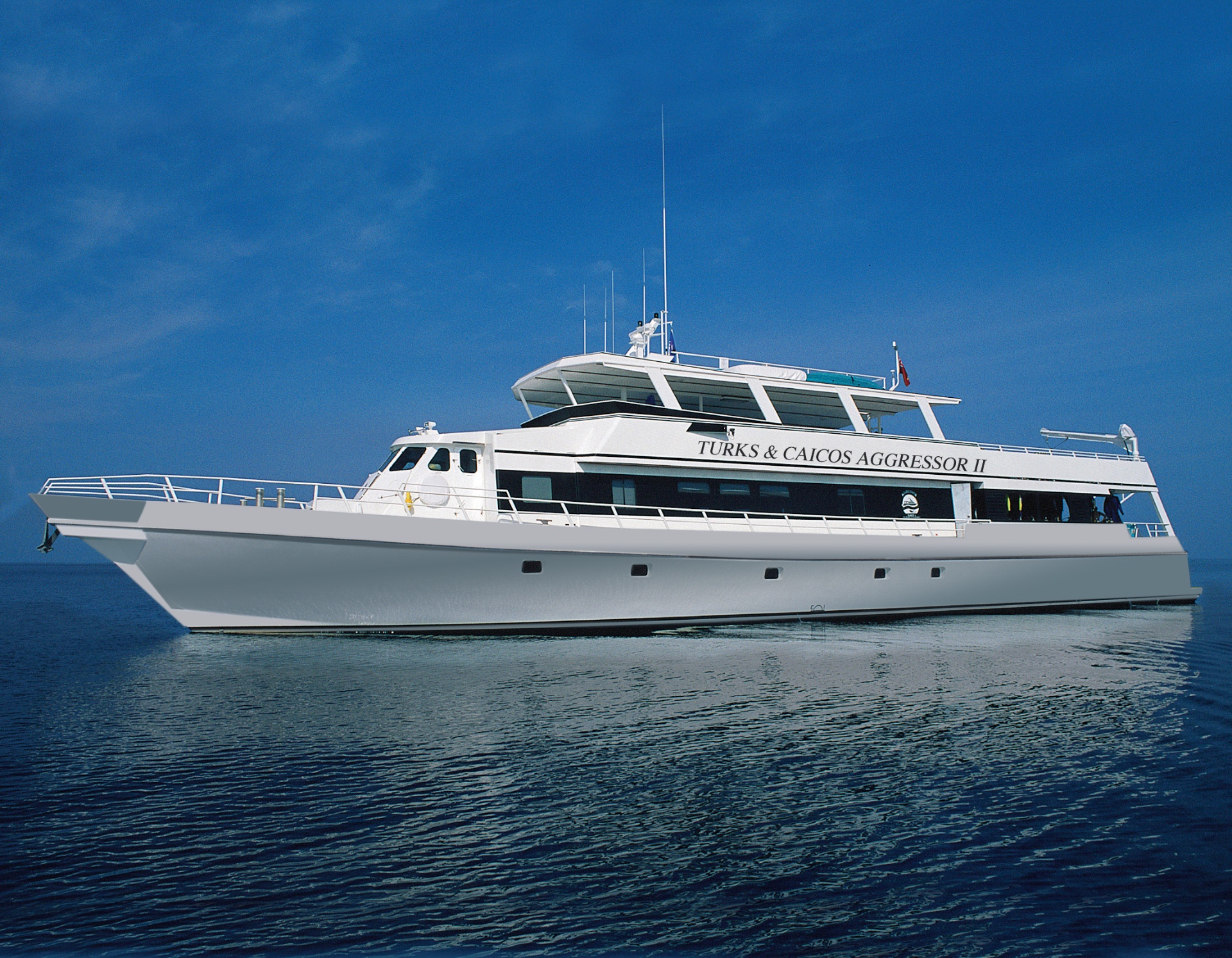
Turks & Caicos Aggressor II
Turks & Caicos
18 guests36.6 m
$287/day
Dive sites similar to Chiquita Reef
Same character, same waters — six more sites divers love for the exact same reasons.Compare seasons, access and liveaboard routes — then pick the site that fits your trip best.
While specific details for a dive site named "3 Riff" are not present in the provided sources, general diving conditions and characteristics for the Dominican Republic…
- Suitable for
- Advanced
- Current
- Mild
- Access
- Dayboat
- Depth
- 30–55 m
- Theme
- Reef
The dive site known as 3 Rocks is located off the coast of Sosúa in Puerto Plata, Dominican Republic, offering an accessible and lively underwater experience.
- Suitable for
- Beginner
- Current
- Mild
- Access
- Dayboat
- Depth
- 2–8 m
- Theme
- Reef
Acuario is a popular, shallow reef dive site located in the Dominican Republic, offering an accessible underwater experience.
- Suitable for
- Beginner
- Current
- Moderate
- Access
- Liveaboard or dayboat
- Depth
- 12–14 m
- Theme
- Reef
© Esri — Maxar, Earthstar, GIS
Angulas Paradise
Dominican Republic
Angulas Paradise is a renowned shallow reef dive site located in front of the Parque Nacional del Este in the Dominican Republic, near Bayahibe.
- Suitable for
- Beginner
- Current
- Moderate
- Access
- Liveaboard or dayboat
- Depth
- 12–14 m
- Theme
- Reef
© Esri — Maxar, Earthstar, GIS
Canal Saona
Dominican Republic
Saona Island Reef, located within Cotubanamá National Park off the southeastern coast of the Dominican Republic, is a well-regarded dive site known for its rich coral ecosystems and abundant marine species.
- Suitable for
- Intermediate
- Current
- Moderate
- Access
- Liveaboard or dayboat
- Depth
- 20–20 m
- Theme
- Reef