About Hanifaru Bay
Hanifaru Bay, located in the Baa Atoll UNESCO Biosphere Reserve, northwest of Malé, Maldives, is a shallow, keyhole-shaped lagoon known globally for its spectacular aggregations of manta rays and whale sharks. The bay's unique topography, acting like a funnel, concentrates current-driven plankton blooms, attracting massive numbers of these filter feeders for predictable feeding events. During peak season, up to 200 manta rays can be seen feeding simultaneously, often exhibiting 'cyclone feeding' behavior where dozens of mantas spiral in a column, an unparalleled marine spectacle. While Hanifaru Bay itself is designated for snorkeling only, the surrounding Baa Atoll offers numerous dive sites, including manta cleaning stations and vibrant coral reefs with diverse marine life. The bay is a protected Marine Protected Area since 2009, with strict regulations to minimize disturbance. Scuba diving is not permitted within Hanifaru Bay, so visitors engage in snorkeling to witness the feeding frenzies. The mantas and whale sharks concentrate near the surface, typically in waters shallow enough to see clearly. The area around Hanifaru Bay still offers diverse diving experiences at nearby sites, showcasing a variety of endemic species including barracudas, moray eels, turtles, sharks, and schools of tropical fish, though macro subjects are less common here compared to Southeast Asia. While access to Hanifaru Bay is restricted, leading operators in the Baa Atoll provide guided snorkeling trips. The region's currents can be significant, especially during the southwest monsoon, which influences plankton concentrations and marine life activity. Dive skills required for entry into local dive sites vary, but the Hanifaru experience itself is snorkeling-based, catering to a wide range of visitors.
Highlights
Manta RaysWhale Sharks
Season calendar
Best months to dive here
Jan
Feb
Mar
Apr
May
Jun
Jul
Aug
Sep
Oct
Nov
Dec
Excellent
Good
Dive site facts: Hanifaru Bay
- Depth
- 1–5 m (snorkeling only)
- Typical dive
- Surface snorkeling, 45–60 min
- Current
- Strong during plankton blooms
- Visibility
- 10–15 m during peak season
- Water temperature
- 27–30°C
- Entry
- Tender / liveaboard dinghy
- Level
- Snorkeler, all experience levels
- Dive type
- Snorkeling with pelagics
- Night dive
- Not permitted
- Region / port
- Baa Atoll
- Coordinates
- 5.297, 72.937
Conditions & Currents
Hanifaru Bay is primarily a snorkeling site; scuba diving is prohibited. The unique "keyhole" shape of the bay creates funnel currents that concentrate plankton blooms. While in the bay, visitors typically drift with the feeding mantas. General Maldives diving may involve medium to strong currents, requiring negative entry and immediate descent.
Marine life & sighting chances

Manta ray
June to November (peak July-October) · common
Whale shark
June to November (peak July-October) · occasional
Reef shark
rare
Eagle ray
rare
Turtles
occasional
Barracuda
rare
Jacks
rare
Snappers
rareDive profile & how the dive runs
Hanifaru Bay is exclusively a snorkeling site, not a dive site, due to its shallow depths and protected status. Access is typically via tender from a liveaboard or resort boat. Upon arrival, snorkelers enter the water at the designated area, keeping a respectful distance from the feeding mantas and whale sharks. The activity involves observing these filter feeders as they engage in feeding frenzies on plankton, often forming cyclone-like aggregations. There is no specific route or turn point, as snorkelers drift with the current and marine life within the bay's boundaries. Time in the water is regulated, usually 45-60 minutes per session, to minimize disturbance. Buoyancy control and minimal fin movement are essential to avoid stirring up sediment and to maintain a safe distance from the animals. Interactions are guided by strict marine park rules to ensure the well-being of the pelagics.
Underwater photography
Hanifaru Bay offers exceptional wide-angle photography opportunities, focusing on the large aggregations of manta rays and whale sharks. Due to the snorkeling-only restriction, underwater cameras suitable for surface and shallow-water use are ideal. Wide-angle lenses are essential to capture the full scope of manta feeding frenzies and the immense size of whale sharks. Natural light is often sufficient, but a red filter or video lights can help enhance colors in the plankton-rich, lower-visibility water. Focus on composition that highlights the patterns and movements of multiple mantas or the silhouette of a whale shark. Buoyancy is critical; photographers must maintain a horizontal position, avoid diving down, and refrain from chasing or touching marine life to comply with park regulations and ensure respectful interaction. High ISO settings may be necessary in darker conditions.
Combine with nearby dive sites
Getting there & logistics
Access to Hanifaru Bay is primarily via liveaboard vessels operating in the Baa Atoll region, or through resorts located nearby. The closest international airport is Velana International Airport (MLE) near Malé, from which domestic flights or seaplane transfers connect to airports in the Baa Atoll, followed by a boat transfer to the resort or liveaboard. Typical liveaboard itineraries range from 7 to 10 days, often combining Baa Atoll with other central or northern atolls. A marine protected area fee may apply for entry and snorkeling sessions in Hanifaru Bay, which is usually handled by the tour operator. It is crucial to pre-book, especially during the peak manta season (July-October), as access is regulated to protect the ecosystem and maintain a high-quality experience for visitors.
Safety & environment
Hanifaru Bay is a strictly regulated marine protected area. Visitors are only permitted to snorkel; diving is prohibited to prevent disturbance to the feeding animals. Strict rules dictate interaction, such as maintaining a minimum distance from mantas and whale sharks, not touching them, and avoiding flash photography. Snorkelers should be mindful of currents, which can be strong during feeding events, and should always stay with their guide. The nearest recompression chamber is located in Bandos Island Resort, near Malé, requiring evacuation by speedboat or seaplane in an emergency. Divers must have comprehensive dive insurance that covers emergency evacuation and recompression treatment. Given the remote nature of the Maldives, robust travel and medical insurance is highly recommended for all visitors.
Who it suits — and who it doesn't
Suited for
- Snorkelers of all experience levels
- Wildlife enthusiasts eager for manta and whale shark encounters
- Underwater photographers focusing on large pelagics
- Families seeking unique marine experiences
- Liveaboard guests exploring the Baa Atoll
Less suited for
- Scuba divers looking for traditional dive experiences
- Individuals who cannot swim or are uncomfortable in open water
- Those expecting guaranteed sightings on every visit
- Visitors unwilling to adhere to strict marine park regulations
- Divers seeking coral reef exploration primarily
FAQ
Hanifaru Bay FAQ
When is the best time to see manta rays and whale sharks in Hanifaru Bay?
The peak season for manta ray and whale shark aggregations in Hanifaru Bay is during the southwest monsoon, from June to November. Within this window, July through October typically offers the highest frequency of sightings and the most spectacular feeding frenzies. While June and November are shoulder months, they can still provide significant aggregation opportunities.
Is diving allowed in Hanifaru Bay?
No, diving is strictly prohibited in Hanifaru Bay. It is a designated marine protected area where only snorkeling is permitted. This regulation is in place to minimize disturbance to the feeding manta rays and whale sharks, ensuring their natural behavior is preserved and the ecosystem remains healthy. Visitors must adhere to these rules to protect the marine life.
What are the rules for interacting with marine life in Hanifaru Bay?
Visitors to Hanifaru Bay must follow strict guidelines to ensure the well-being of the animals. These include maintaining a minimum distance from manta rays and whale sharks, never touching them, and avoiding flash photography. Guides will brief all participants on proper etiquette, emphasizing respectful observation to protect these magnificent creatures in their natural habitat.
How do I get to Hanifaru Bay?
Hanifaru Bay is typically accessed via liveaboard tours that cruise through the Baa Atoll, or by speedboat excursions from nearby resorts in the atoll. The journey often begins with an international flight to Velana International Airport (MLE), followed by a domestic flight or seaplane transfer to a regional airport in Baa Atoll, then a final boat transfer to your accommodation or liveaboard. Booking in advance is highly recommended.
What is the visibility like during the peak season in Hanifaru Bay?
During the peak manta and whale shark season from June to November, visibility in Hanifaru Bay can be lower, typically ranging from 10 to 15 meters. This reduced clarity is due to the high concentration of plankton in the water, which attracts the filter feeders. While not as clear as the dry season, the trade-off is the extraordinary opportunity to witness massive aggregations of these pelagic giants.
Why dive Hanifaru Bay from a liveaboard?
Hanifaru Bay is one of Maldives's signature dive sites. A liveaboard sleeps you on the water and puts you in the water for three to four guided dives per day, including dawn and night dives that day-boat operators rarely offer. You skip the daily commute back to port and reach quieter, less-crowded sites in the same region on a single trip.
Below are the liveaboards that include Hanifaru Bay on their Maldives itineraries.
Liveaboards diving Hanifaru Bay
These liveaboards may visit Hanifaru Bay on selected itineraries — the exact dive sites depend on departure, weather and conditions.
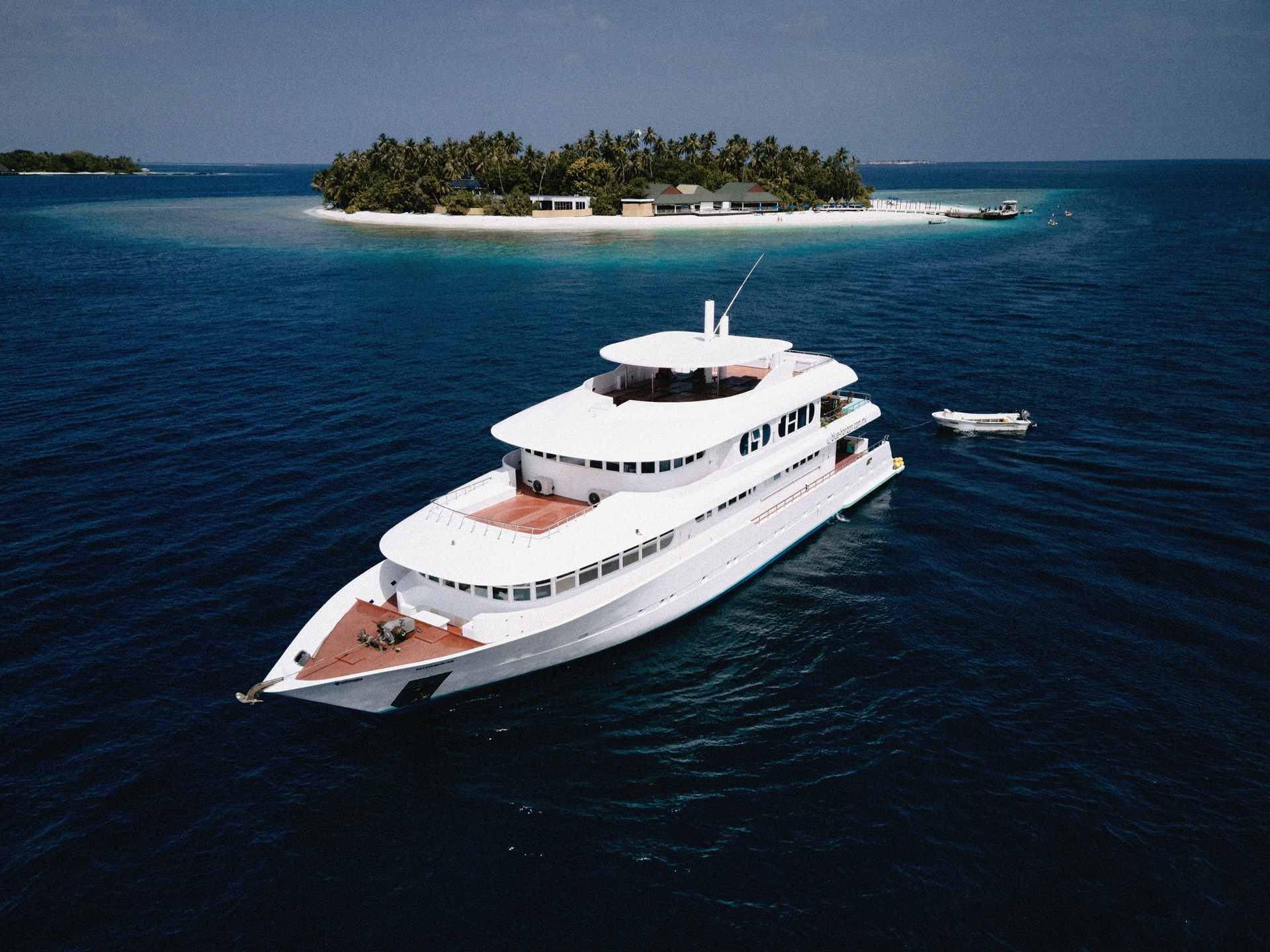
Horizon III
Maldives
25 guests
$204/day
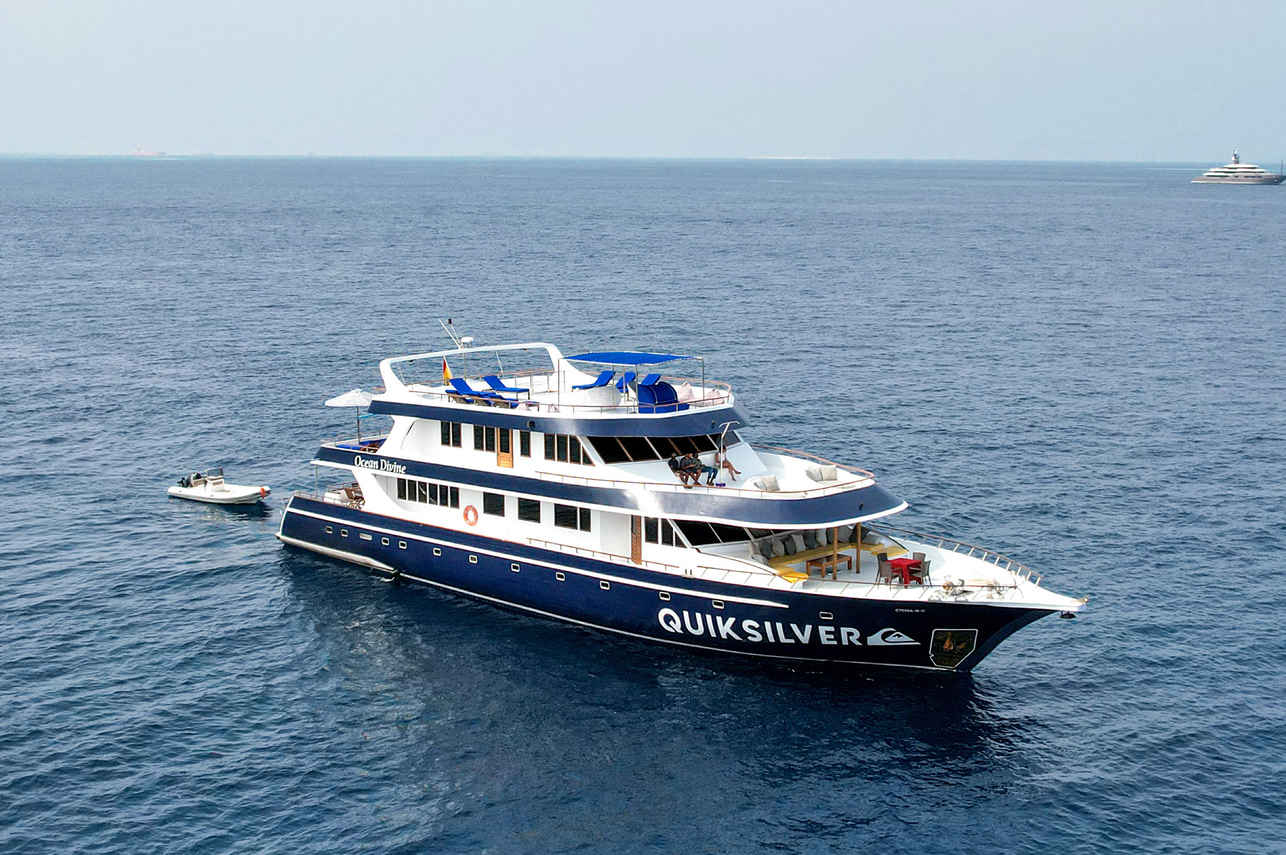
Ocean Divine
Maldives
16 guests33.528 m
$287/day
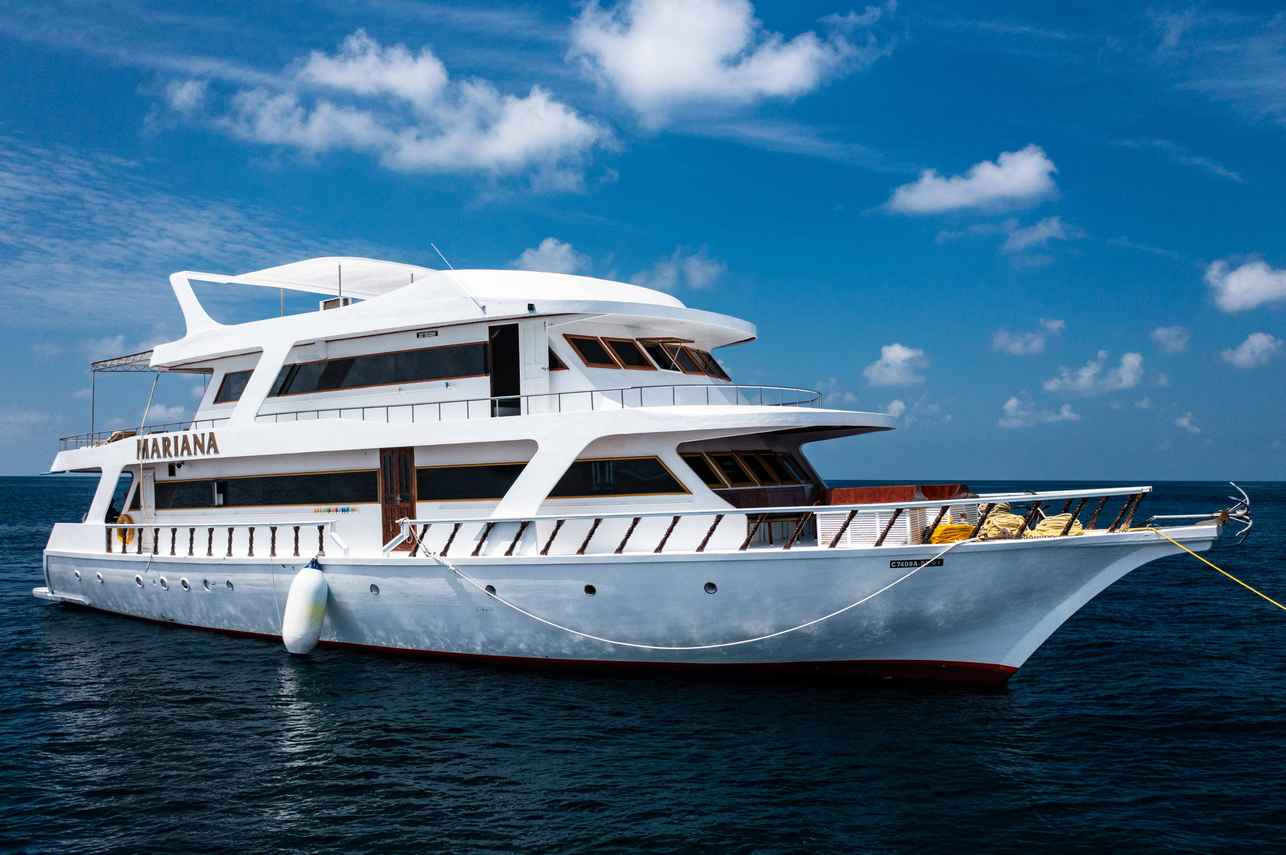
EcoPro Mariana
Maldives
16 guests30 m
$236/day
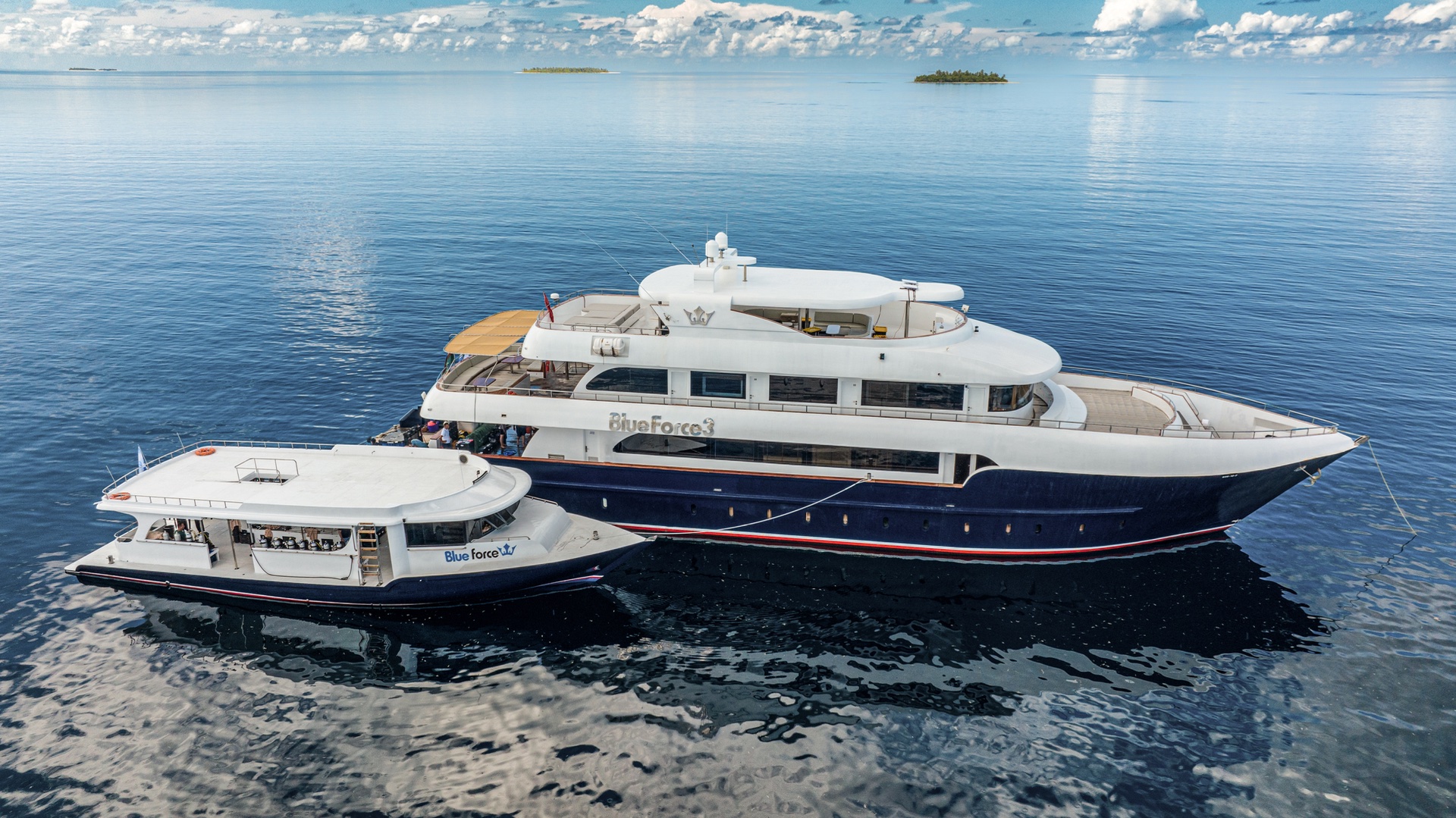
Maldives Blue Force 3
Maldives
26 guests42 m
$236/day
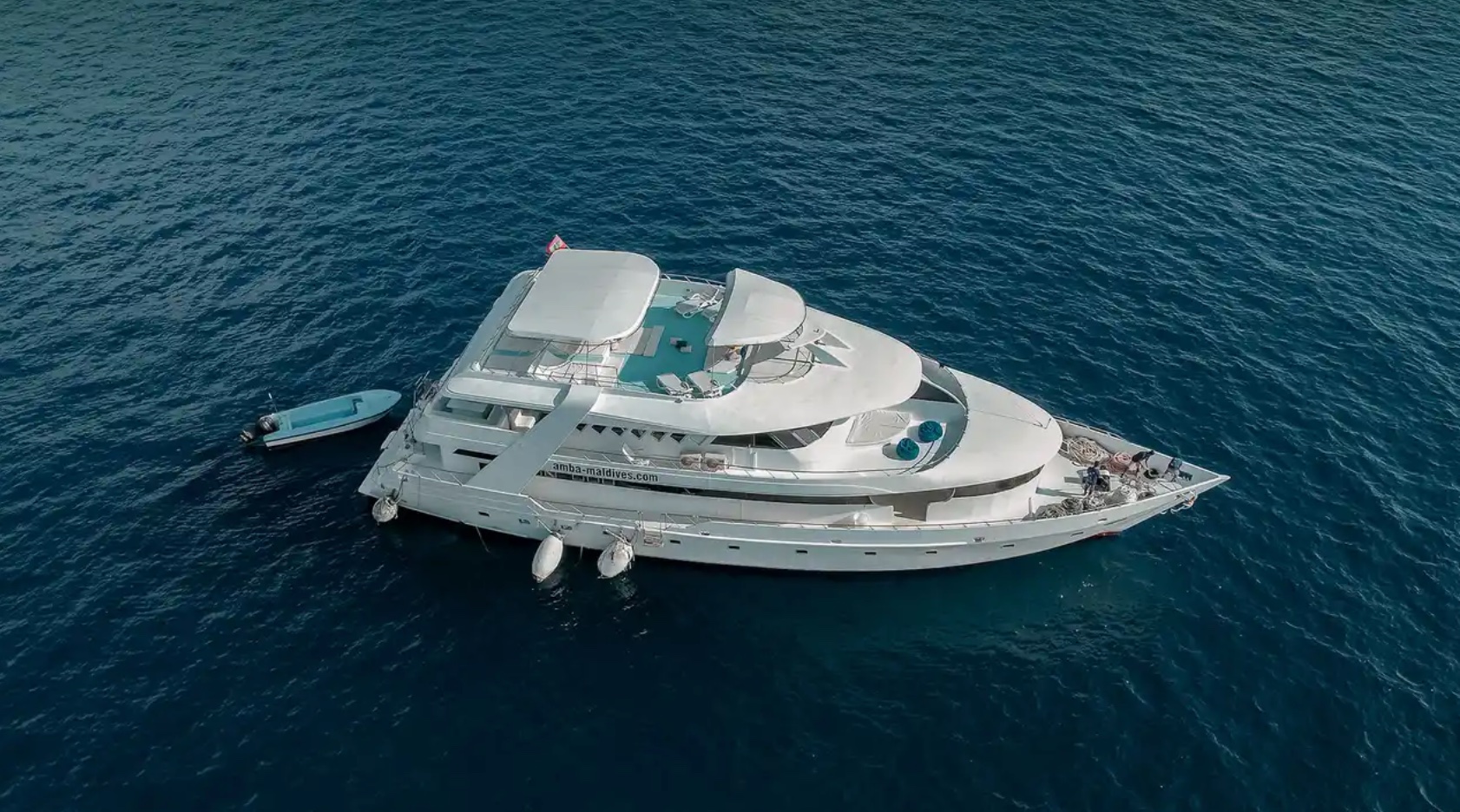
Amba
Maldives
20 guests
$177/day
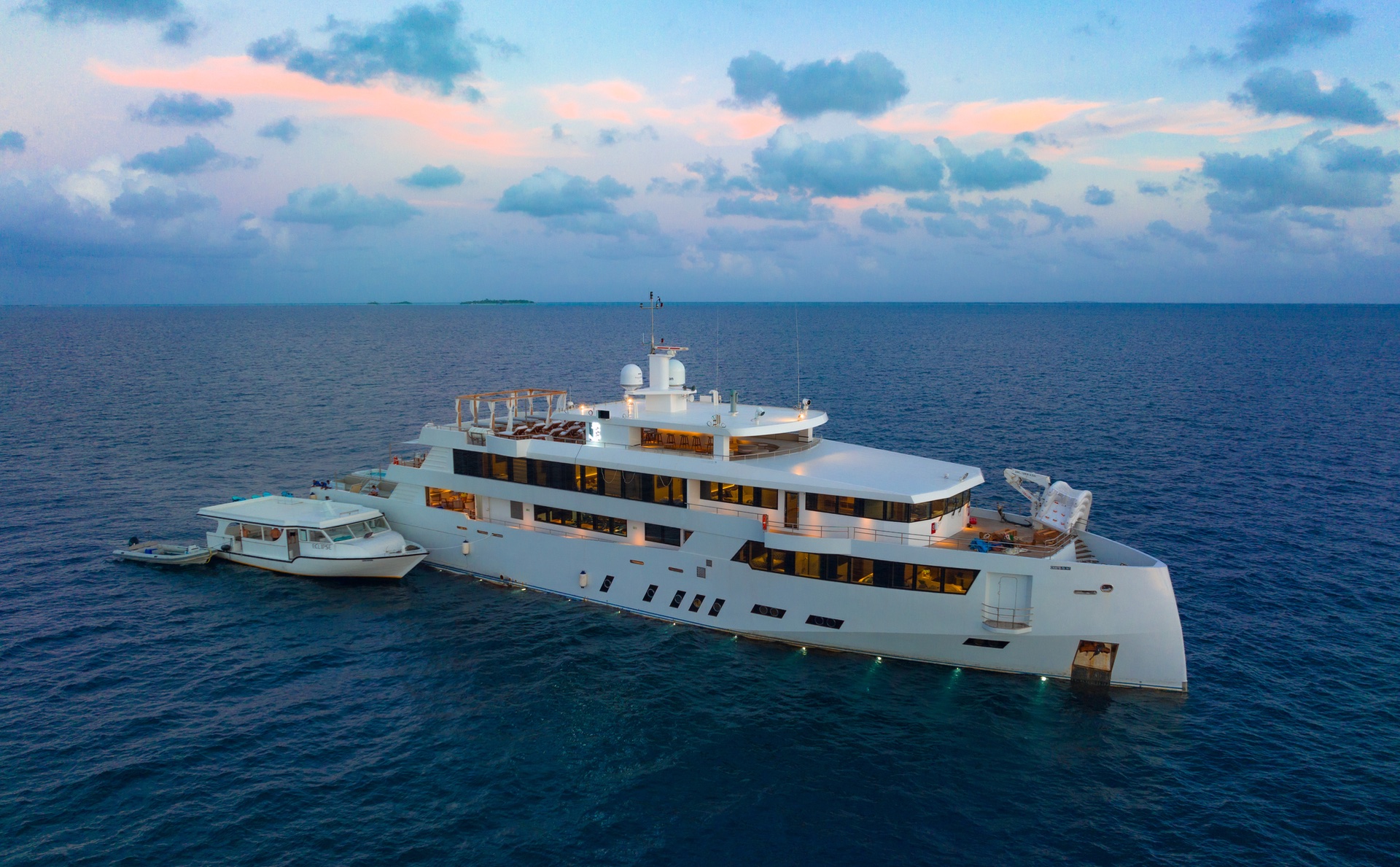
White Pearl
Maldives
26 guests
$375/day
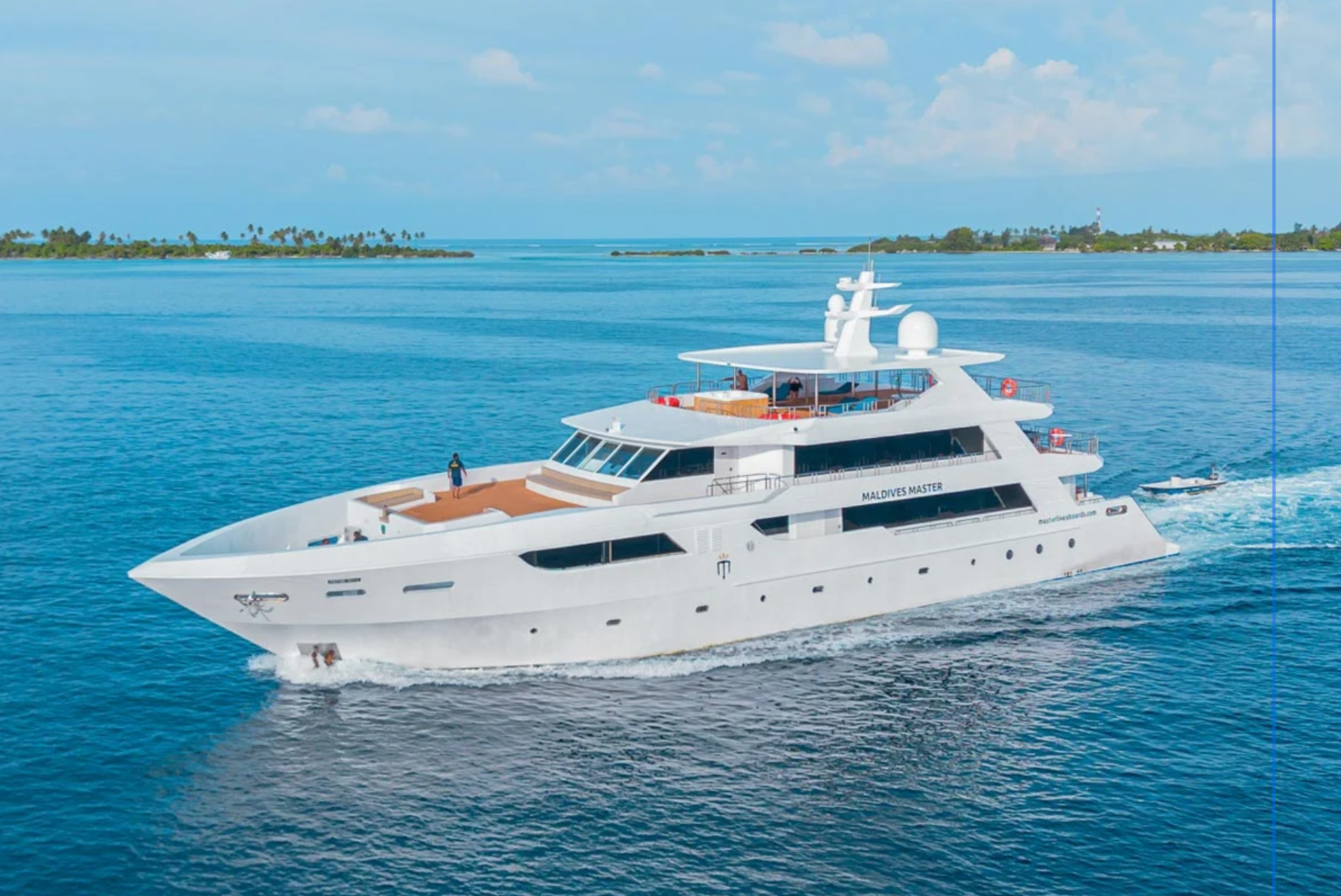
Maldives Master
Maldives
26 guests
$207/day
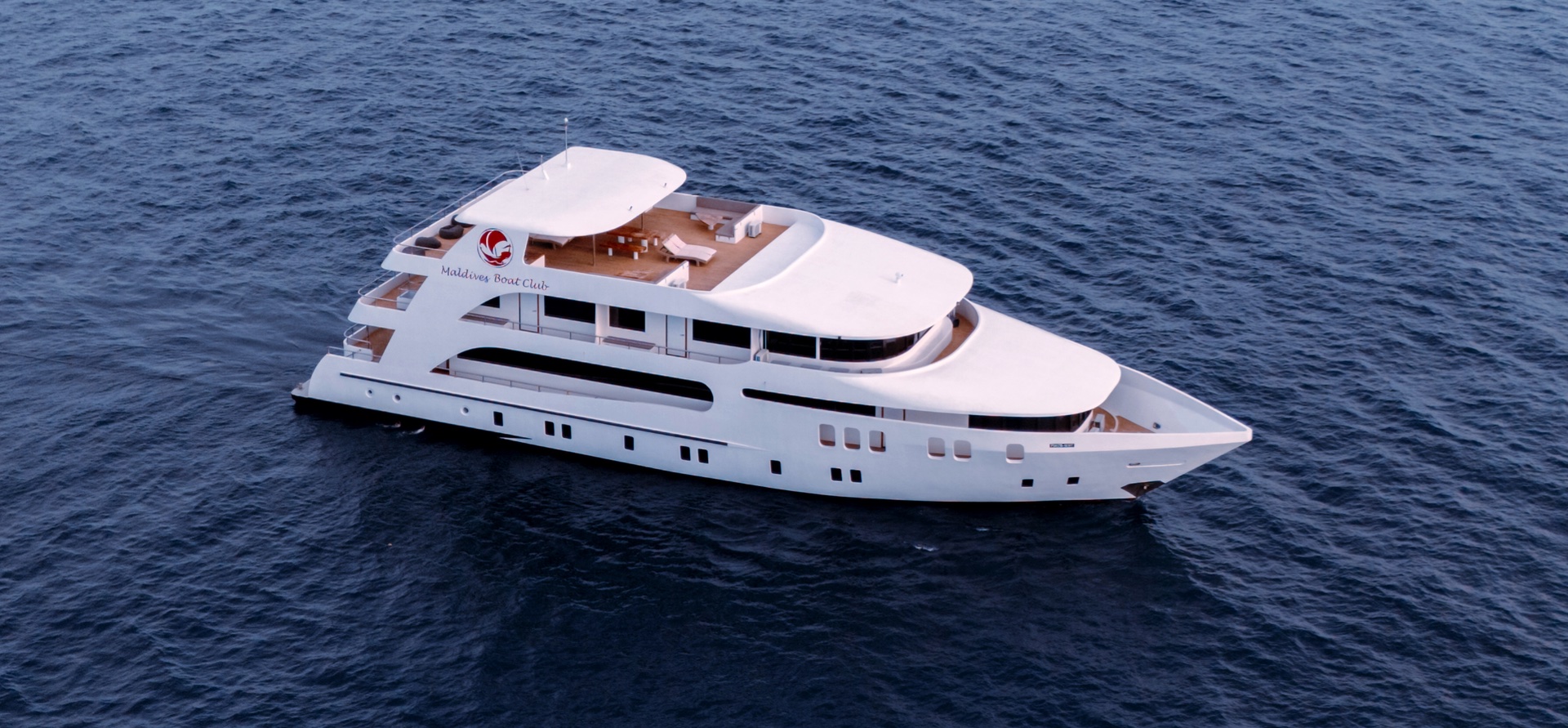
Adora
Maldives
22 guests
$297/day
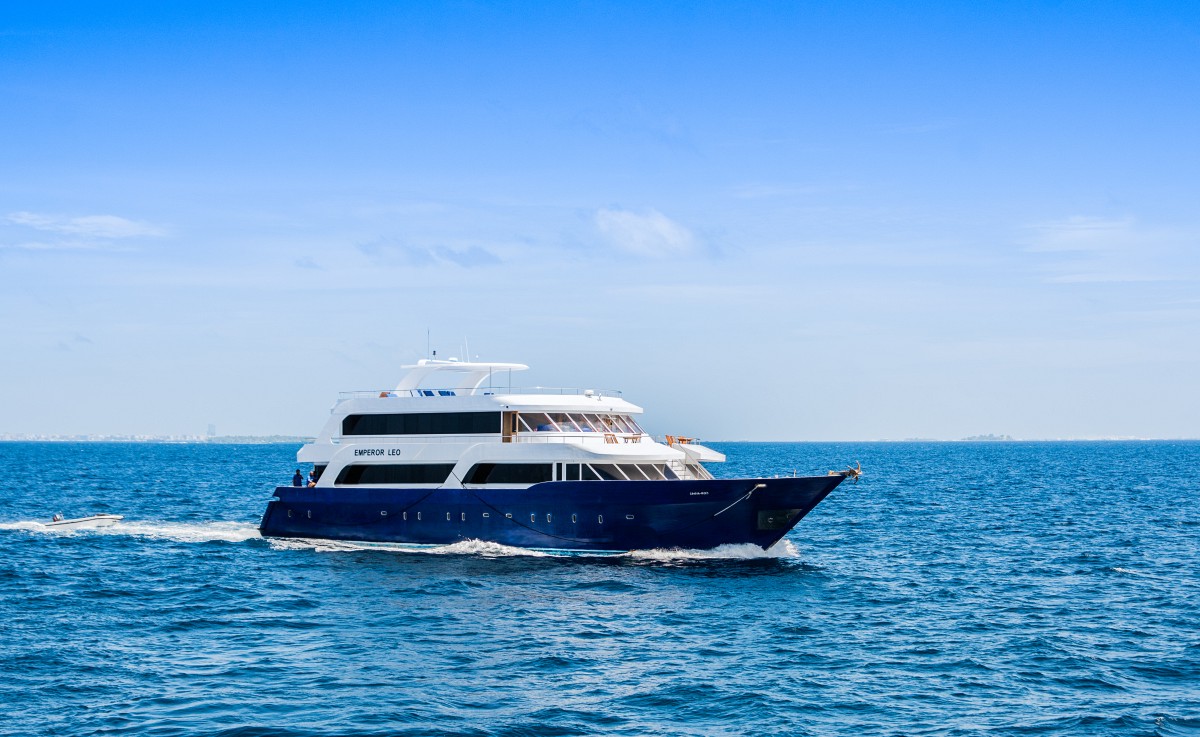
Emperor Leo
Maldives
24 guests35.1 m
$339/day
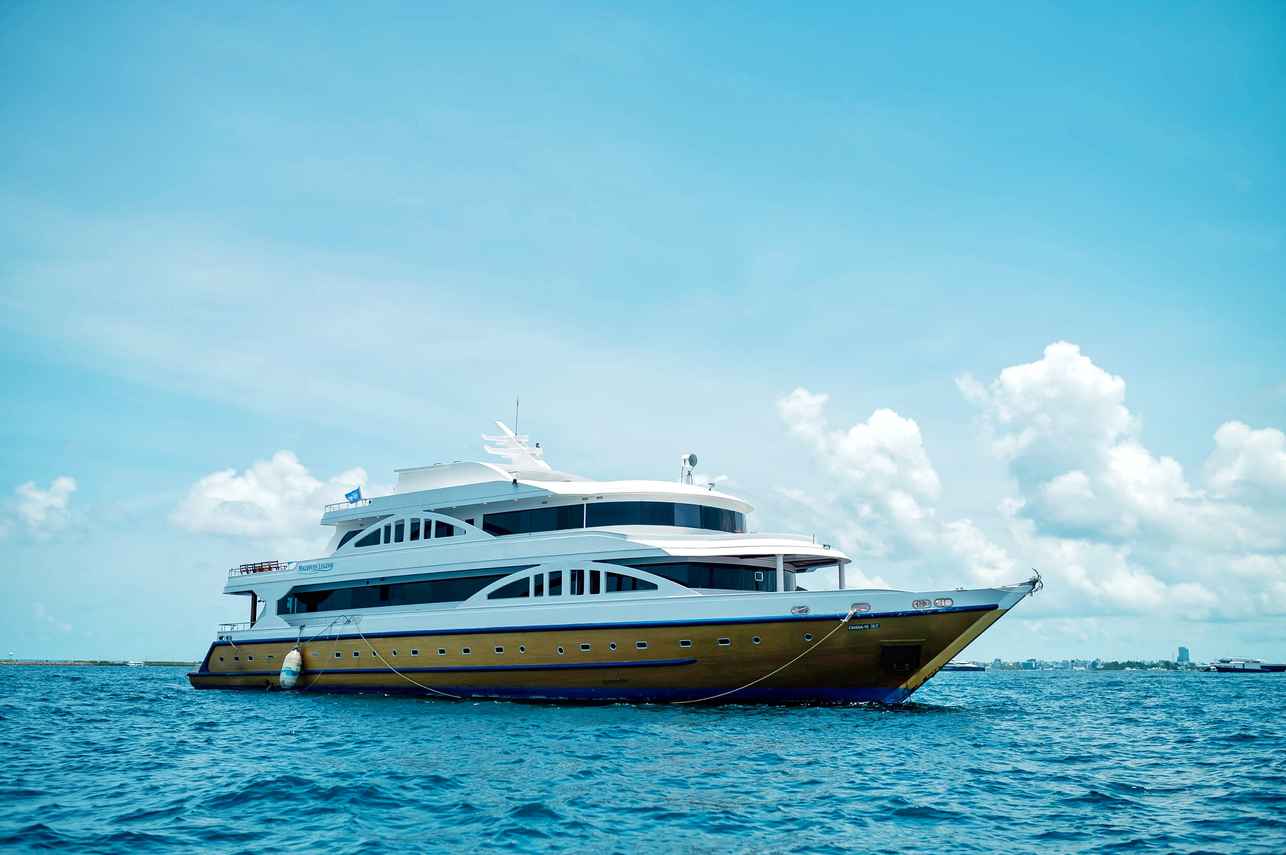
Maldives Legend Zen
Maldives
24 guests41 m
$316/day
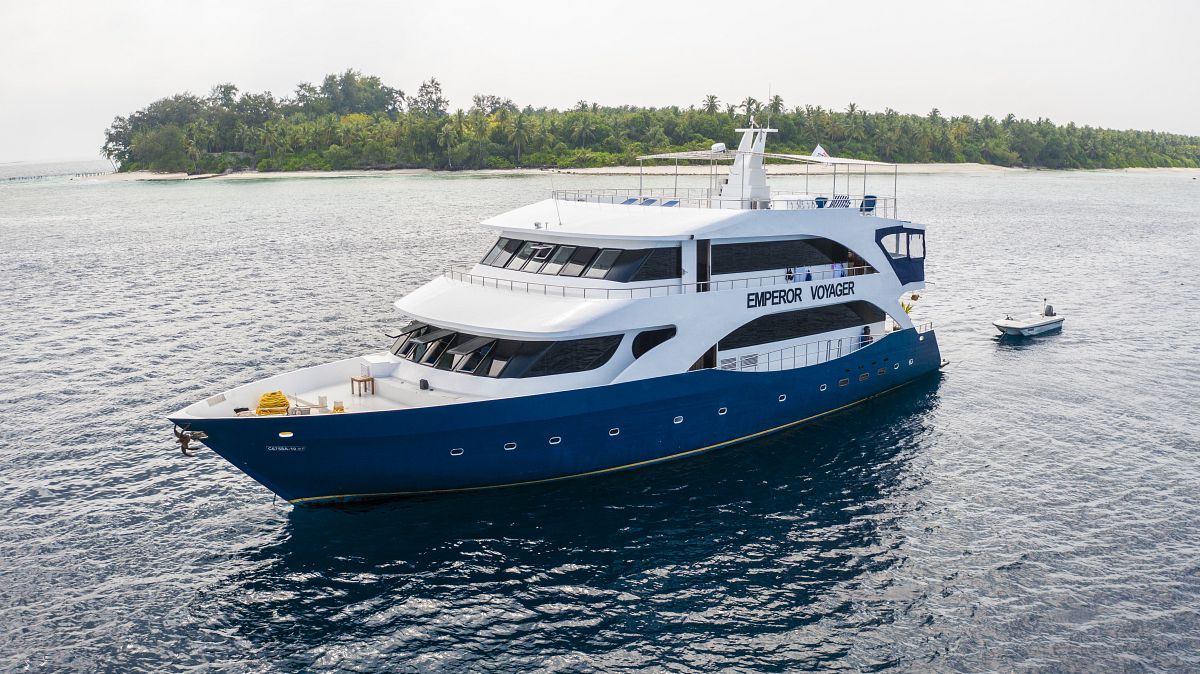
Emperor Voyager
Maldives
20 guests29.9 m
$332/day
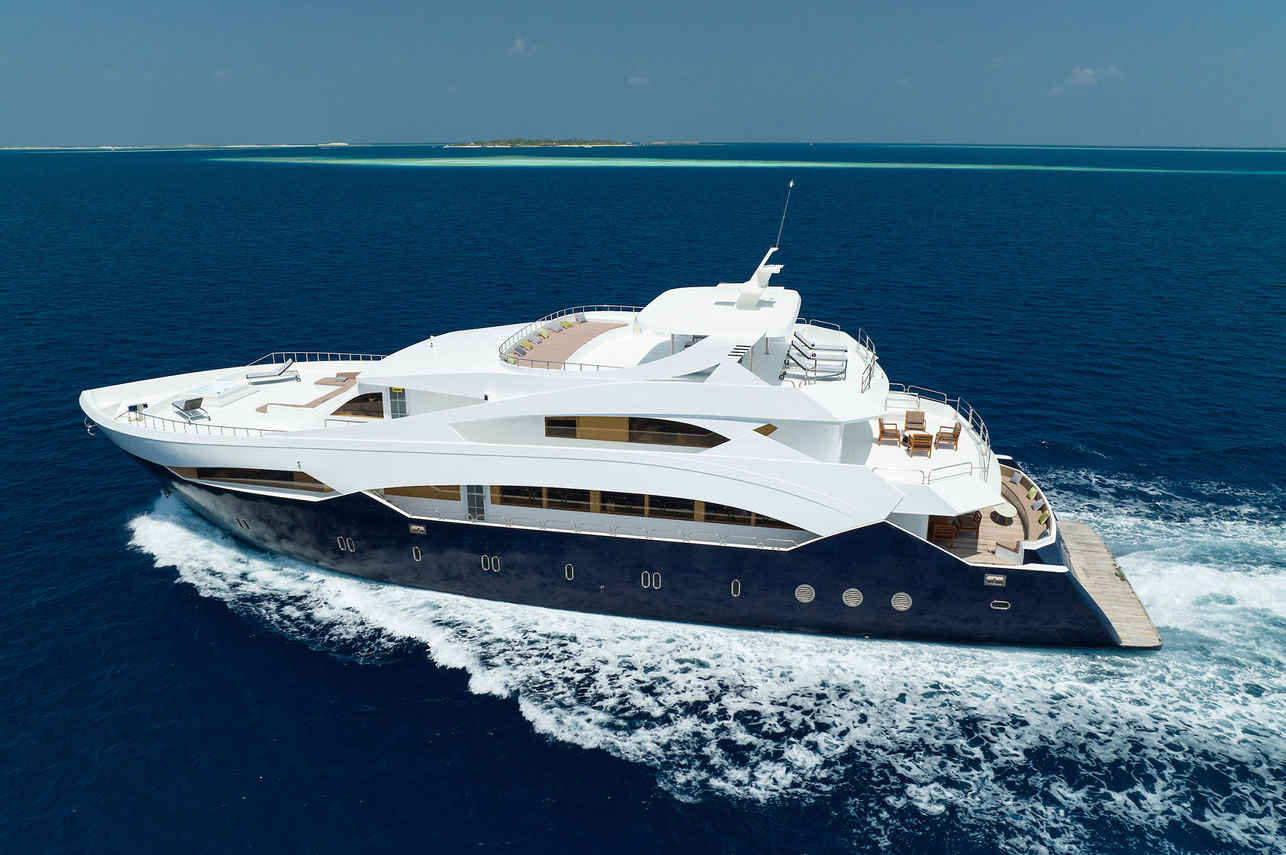
Felicity
Maldives
26 guests41 m
$229/day
Dive sites similar to Hanifaru Bay
Same character, same waters — six more sites divers love for the exact same reasons.Compare seasons, access and liveaboard routes — then pick the site that fits your trip best.
© Esri — Maxar, Earthstar, GIS
Kudimaa Wreck
Maldives
The Kudimaa Wreck is a compelling dive site in the Maldives, offering a fascinating artificial reef environment.
- Suitable for
- Advanced
- Current
- Moderate
- Access
- Liveaboard only
- Depth
- ≤ 30 m
- Theme
- Wreck / Reef
© Esri — Maxar, Earthstar, GIS
Filitheyo Reef (Faafu)
Maldives
Filitheyo Reef, situated in the Faafu Atoll, offers an unspoiled underwater paradise, unique as the only tourist island in the atoll.
- Suitable for
- Beginner
- Current
- Strong
- Access
- Liveaboard or dayboat
- Depth
- 1–30 m
- Theme
- Reef / Wall
© Esri — Maxar, Earthstar, GIS
Embudu Express
Maldives
Embudu Express, also known as Embudu Channel, is a celebrated dive site situated within the Malé Atoll of the Maldives, specifically in the South Malé Atoll.
- Suitable for
- Advanced
- Current
- Ripping
- Access
- Dayboat
- Depth
- 25–30 m
- Theme
- Drift / Reef
© Esri — Maxar, Earthstar, GIS
Gahaa Kandu
Maldives
Gahaa Kandu is a prime dive site within the Fuvahmulah Atoll in the Maldives, renowned for its dynamic underwater environment.
- Suitable for
- Advanced
- Current
- Moderate
- Access
- Liveaboard only
- Depth
- —
- Theme
- Reef
© Esri — Maxar, Earthstar, GIS
Skipjack 1 & 2
Maldives
Skipjack 1 & 2 are two distinct wreck dive sites located within the Lhaviyani Atoll in the northern Maldives.
- Suitable for
- Intermediate
- Current
- Moderate
- Access
- Liveaboard only
- Depth
- ≤ 28 m
- Theme
- Wreck / Reef
© Esri — Maxar, Earthstar, GIS
Maavaru Kandu
Maldives
Maavaru Kandu is a renowned dive site in the Maldives, characterized by its stunning underwater topography.
- Suitable for
- Intermediate
- Current
- Moderate
- Access
- Liveaboard only
- Depth
- 15–50 m
- Theme
- Reef / Drift