About The Three Rocks
The Three Rocks, also known as Las Tres Rocas, is a beloved dive site situated off the North Coast of the Dominican Republic, near Sosúa. It serves as an excellent starting point for divers of all skill levels, from beginners to those seeking access to deeper reefs. This site features three distinct coral pinnacles that rise from a sandy bottom, creating a diverse and easily navigable underwater landscape. Depths here range from 4 to 15 meters, offering a comfortable environment for extended exploration. The topography transitions smoothly from the shallow, sandy areas to more intricate coral formations as you approach the adjacent Coral Gardens. Marine life at The Three Rocks is abundant and varied, encompassing both small tropical reef fish and larger species. You can expect to encounter sergeant majors, trumpet fish, and various angelfish, alongside shrimps, crabs, and starfish nestled within the corals. Seasonally, from December to April, the songs of humpback whales can be heard echoing through the water. The dive experience is typically relaxed due to generally mild currents and consistently warm water temperatures. This allows for ample time to observe the healthy coral structures and the bustling ecosystem without significant physical exertion. The clear visibility further enhances the enjoyment, making it a prime location for photography and marine life observation.
Highlights
Three coral pinnaclesShallow sandy bottomCalm, clear waterBeginner-friendly depthsTropical reef fishShrimps and crabsOccasional barracudasHumpback whale songs (seasonal)
Season calendar
Best months to dive here
Jan
Feb
Mar
Apr
May
Jun
Jul
Aug
Sep
Oct
Nov
Dec
Excellent
Good
Dive site facts: The Three Rocks
- Depth
- 4–15 m (to 24m when combined with Coral Gardens)
- Typical dive
- 12–18 m, 50–60 min
- Current
- Mild
- Visibility
- 12–35 m
- Water temperature
- 26–29°C
- Entry
- Boat / back-roll
- Level
- Beginner to Advanced
- Dive type
- Reef, coral, macro
- Night dive
- Possible
- Region / port
- Sosúa, Puerto Plata
- Coordinates
- 19.1934° N, 69.6143° W
Conditions & Currents
Currents at The Three Rocks are consistently mild, creating an ideal environment for divers of all experience levels to enjoy a relaxed exploration. This allows for comfortable navigation among the coral formations and observation of marine life without strenuous finning. Entry into the water is typically a back-roll from the boat, placing divers directly into calm conditions. Divers can expect stable water temperatures between 26-29°C, minimizing the chance of thermoclines affecting comfort or visibility. Visibility can range significantly from 12 meters in winter to an impressive 35 meters in summer, so gas planning should factor in potentially longer bottom times during clearer conditions. Surface conditions are generally calm, making entries and exits straightforward and free from surge concerns.
Marine life & sighting chances
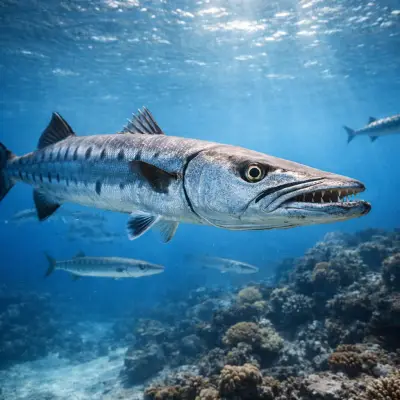
Barracuda
occasional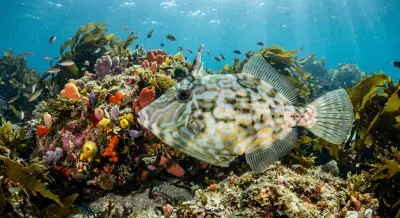
Leatherjacket fish
occasional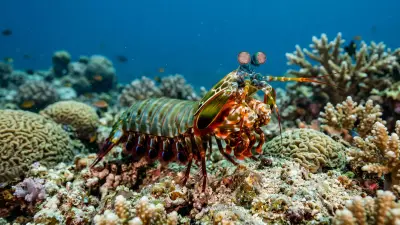
Shrimp
common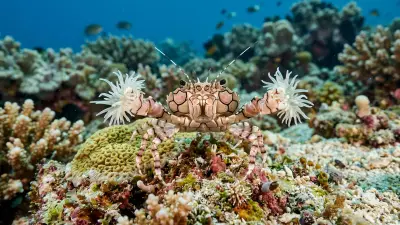
Crab
common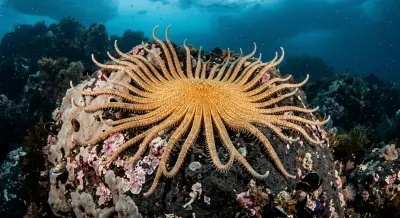
Starfish
common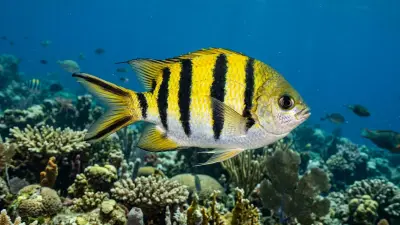
Sergeant Major
common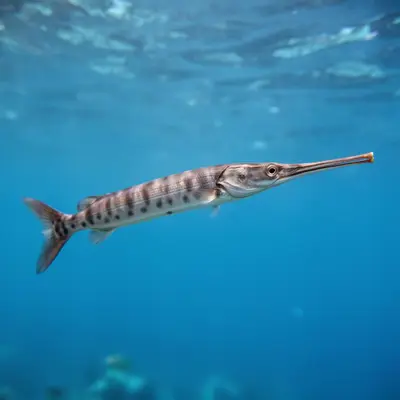
Trumpet Fish
common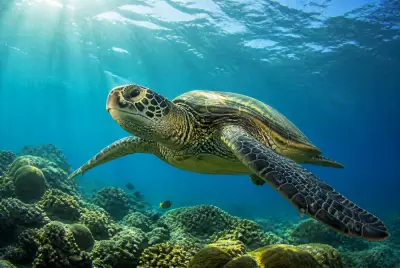
Turtle
occasional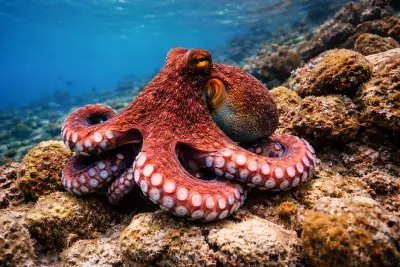
Octopus
occasional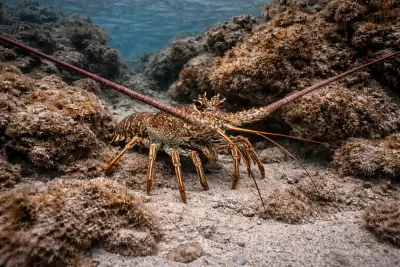
Lobster
occasional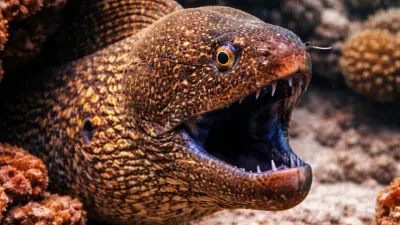
Moray Eel
occasional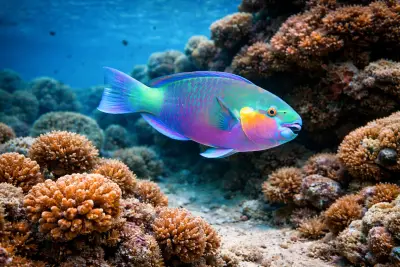
Parrotfish
common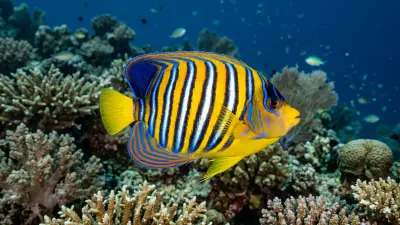
Angelfish
common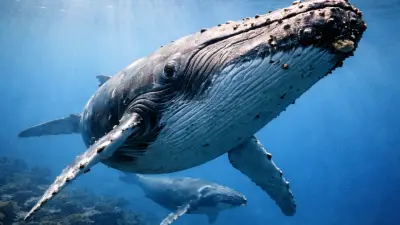
Humpback whale (songs)
December-April · occasionalDive profile & how the dive runs
Dives at The Three Rocks typically begin with a back-roll entry from the boat, positioning divers directly over the shallow coral pinnacles. The initial descent explores the three main rock formations that rise from a sandy bottom, with depths ranging from 4 to 7.5 meters. This shallow area is excellent for buoyancy practice and observing smaller reef inhabitants. Divers can then follow an artificial reef pathway that gently guides them deeper towards the Coral Gardens, where depths can reach up to 24 meters. The route meanders through coral pinnacles and sandy channels, allowing for exploration of features like a large brain coral and various hard and soft coral gardens. The dive usually follows the natural contours of the reef, providing a leisurely tour. The ascent is gradual, often concluding with a safety stop among the shallower corals of The Three Rocks area before returning to the boat.
Underwater photography
The Three Rocks offers excellent opportunities for both wide-angle and macro photography, thanks to its clear, calm waters and diverse marine life. For capturing the expansive coral pinnacles and healthy reef sections, a wide-angle lens is ideal, especially in the well-lit shallow areas. Macro photographers will find ample subjects in the intricate details of shrimps, crabs, and juvenile reef fish hiding within the coral crevices. The mild currents at this site facilitate stable camera positioning, making it easier to compose shots. While natural light works well in the shallows, strobes are recommended to enhance colors and contrast, especially for deeper sections or more detailed macro subjects. Maintaining good buoyancy is crucial to avoid disturbing the delicate coral and sandy bottom.
Combine with nearby dive sites
- The Wall
A deep underwater cliff offering diverse marine life and excellent visibility.
- Piedra Bonita
Known for spectacular coral gardens and larger marine species like eagle rays.
- Canyon
A deep, narrow cut in the ocean floor with impressive coral walls and various marine life.
- Airport Wall
A dramatic drop-off near the airport, featuring large barrel sponges and sea fans.
- The Zingara Wreck
An intentionally sunk 36-meter freighter, suitable for advanced divers and wreck penetration.
Getting there & logistics
The Three Rocks is accessed via day boats departing from Sosúa, located on the North Coast of the Dominican Republic, near Puerto Plata. Sosúa is readily accessible from Gregorio Luperón International Airport (POP), which is a short drive away. Dive trips to The Three Rocks are typically half-day excursions, often combined with an exploration of the adjacent Coral Gardens due to their close proximity and interconnected nature. Most local dive operators include transfers from nearby resorts in Sosúa and Puerto Plata. There are generally no specific park fees for diving this site, as it is a common recreational dive area within Sosúa Bay.
Safety & environment
For dive safety in the Dominican Republic, the nearest recompression chamber is typically located in Santo Domingo, which can be a significant distance from Sosúa. Divers should carry comprehensive dive insurance that covers emergency medical treatment and evacuation, as access to advanced medical facilities might require transport to larger cities. The Three Rocks generally presents mild conditions, but divers should still be mindful of maintaining good buoyancy to protect the coral. Adhere to dive briefing instructions and always dive within your certification limits. While currents are usually mild, staying aware of conditions and maintaining communication with your dive guide is always advised for a safe and enjoyable experience.
Who it suits — and who it doesn't
Suited for
- Beginner divers looking for easy conditions
- Divers seeking relaxed exploration of reef systems
- Underwater photographers interested in macro and wide-angle subjects
- Families or groups with varying experience levels
- Divers who enjoy calm, warm water diving
Less suited for
- Divers seeking strong currents or challenging drift dives
- Those primarily interested in large pelagic encounters
- Divers who prefer very deep or technical wreck penetration
- Individuals who dislike sandy bottom environments
- Divers expecting cold water thermoclines
FAQ
The Three Rocks FAQ
What is the typical depth at The Three Rocks?
The Three Rocks offers a relatively shallow dive experience, with the three coral pinnacles rising from a sandy bottom at depths ranging from 4 to 7.5 meters (13-25 feet). When combined with the adjacent Coral Gardens, the dive can extend to a maximum depth of approximately 24 meters (80 feet).
Is The Three Rocks suitable for beginner divers?
Yes, The Three Rocks is an ideal site for beginner and even first-time divers due to its shallow depths, calm conditions, and generally mild currents. The sandy bottom and clear water provide a comfortable and non-intimidating environment to practice skills and enjoy the vibrant marine life.
What kind of marine life can I expect to see at The Three Rocks?
Divers frequently encounter a variety of small tropical reef species such as sergeant majors, parrotfish, angelfish, and trumpet fish. You can also spot shrimps, crabs, and starfish nestled within the corals. Occasionally, larger species like barracudas or even turtles are sighted.
When is the best time to hear humpback whales at this dive site?
The best time to potentially hear the songs of humpback whales while diving at The Three Rocks is during their migration season, which typically runs from December to April. While direct sightings are rare at the site itself, the underwater acoustics can carry their vocalizations from nearby Silver Bank.
What is the visibility like at The Three Rocks?
Visibility at The Three Rocks is generally excellent, often ranging between 12 and 35 meters (39-115 feet). It tends to be best from June to September, reaching its peak in the summer months, and can be slightly less during the winter.
Can I do a night dive at The Three Rocks?
Yes, night dives are possible at The Three Rocks. The site's mild currents and shallow depths make it a suitable location for exploring nocturnal marine life, offering a different perspective on the reef's inhabitants.
Why dive The Three Rocks from a liveaboard?
The Three Rocks is one of Dominican Republic's signature dive sites. A liveaboard sleeps you on the water and puts you in the water for three to four guided dives per day, including dawn and night dives that day-boat operators rarely offer. You skip the daily commute back to port and reach quieter, less-crowded sites in the same region on a single trip.
Below are the liveaboards that include The Three Rocks on their Dominican Republic itineraries.
Liveaboards diving The Three Rocks
These liveaboards may visit The Three Rocks on selected itineraries — the exact dive sites depend on departure, weather and conditions.
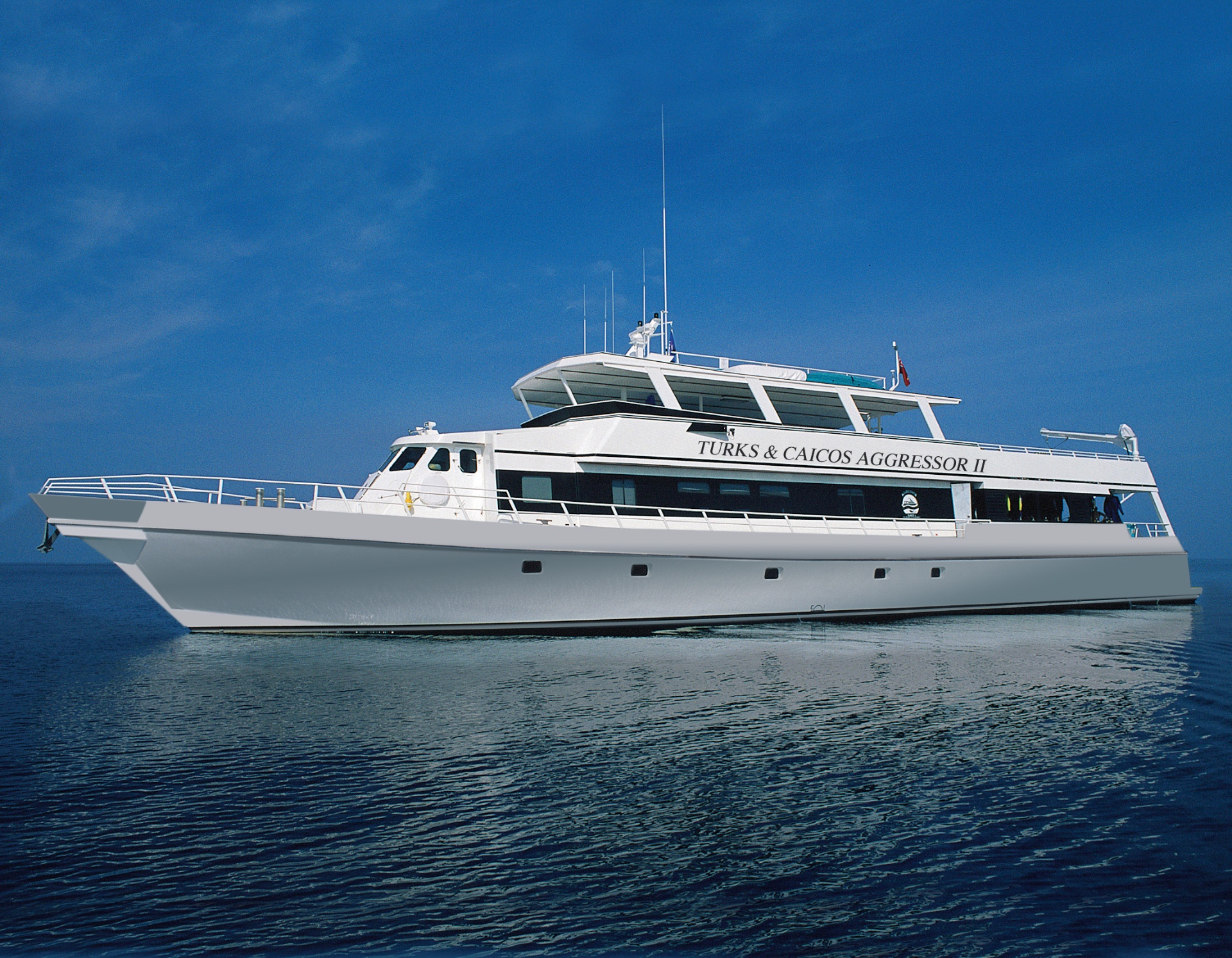
Turks & Caicos Aggressor II
Turks & Caicos
18 guests36.6 m
$287/day
Dive sites similar to The Three Rocks
Same character, same waters — six more sites divers love for the exact same reasons.Compare seasons, access and liveaboard routes — then pick the site that fits your trip best.
© Esri — Maxar, Earthstar, GIS
Canal Saona
Dominican Republic
Saona Island Reef, located within Cotubanamá National Park off the southeastern coast of the Dominican Republic, is a well-regarded dive site known for its rich coral ecosystems and abundant marine species.
- Suitable for
- Intermediate
- Current
- Moderate
- Access
- Liveaboard or dayboat
- Depth
- 20–20 m
- Theme
- Reef
El Peñon is a highly-regarded dive site located within the protected Parque Nacional del Este, near Bayahibe in the Dominican Republic.
- Suitable for
- Beginner
- Current
- No current
- Access
- Dayboat
- Depth
- 7–28 m
- Theme
- Reef
El Limón is a notable shipwreck site located within the La Caleta Underwater National Park, close to Santo Domingo.
- Suitable for
- Advanced
- Current
- Mild
- Access
- Dayboat
- Depth
- 30–30 m
- Theme
- Wreck / Reef
© Esri — Maxar, Earthstar, GIS
Sosua Marine Reserve
Dominican Republic
The Sosua Marine Reserve offers a premier diving experience directly accessible from Playa Sosua on the north coast of the Dominican Republic.
- Suitable for
- Beginner
- Current
- Mild
- Access
- Dayboat
- Depth
- 5–18 m
- Theme
- Reef
The Dominican Republic presents a varied underwater landscape, suitable for divers of all levels, with its calm Caribbean seas off the south coast providing ideal conditions for…
- Suitable for
- Intermediate
- Current
- Moderate
- Access
- Liveaboard or dayboat
- Depth
- 5–26 m
- Theme
- Reef