About Piedra Bonita
Piedra Bonita, also known as "The Tower," is a striking offshore rock pinnacle located near Las Galeras, on the Atlantic side of the Dominican Republic. This advanced boat dive site is characterized by its dramatic underwater topography, featuring a steep profile that plunges to significant depths and a face richly covered in corals. The pinnacle's structure includes overhangs, deep ridges, and stalagmites, creating a complex habitat for marine life. While not entirely blanketed in coral, specific areas boast dense, colorful formations akin to underwater flower fields, particularly on vertical sections adorned with sea fans and rods that sway with the water movement. The site is a haven for various reef species, and its conditions often attract larger pelagic visitors. Diving Piedra Bonita typically involves navigating strong currents and requires careful depth management, as the formation extends to approximately 55 meters. Although the full depth can be explored, divers are advised to stay above 35 meters to optimize their bottom time and experience the best of the coral life. The top of the pinnacle is an excellent location for safety stops, especially when bathed in direct sunlight.
Highlights
Advanced offshore rock diveSteep coral-covered pinnacleStrong currentsSharks, turtles, eagle raysDramatic underwater landscapeExcellent visibility
Best Season
The best time to dive the Dominican Republic, including Piedra Bonita, is generally considered June to September for peak underwater visibility. During this period, visibility can extend to 30 meters, though it coincides with hurricane season, which typically runs until October.
Dive site facts: Piedra Bonita
- Depth
- Up to 55 m
- Typical dive
- Above 35 m
- Current
- Very strong
- Visibility
- Excellent
- Entry
- Boat / Backroll
- Level
- Advanced
- Dive type
- Reef, Wall, Pinnacle
- Region / port
- Las Galeras / Samana
- Coordinates
- 19.1294° N, 69.5234° W
Conditions & Currents
Piedra Bonita is renowned for very strong currents, demanding advanced diving skills and excellent current awareness from participants. Divers should anticipate a challenging entry and maintain careful depth discipline due to these conditions. While currents can sometimes be mild around certain corners of the pinnacle, the overall characteristic of the site involves significant water movement. This necessitates precise buoyancy control and a thorough dive plan to avoid being swept off course or spending unintended time at deeper levels. The strong currents contribute to the health of the coral ecosystem and often attract larger pelagic species. Entry is typically a backroll from a small local boat, with great visibility often reported, even with the strong currents.
Marine life & sighting chances
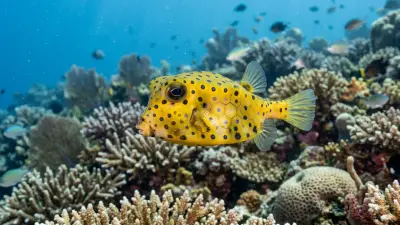
Boxfish
common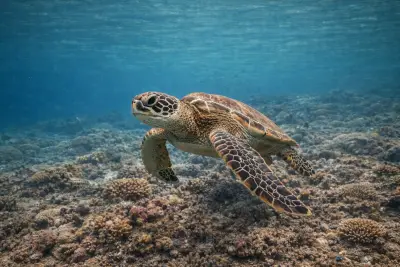
Green Turtle
occasional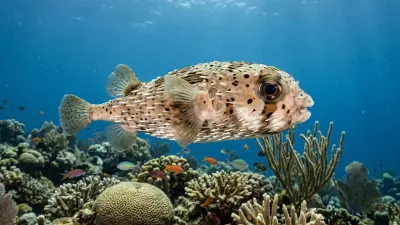
Porcupinefish
common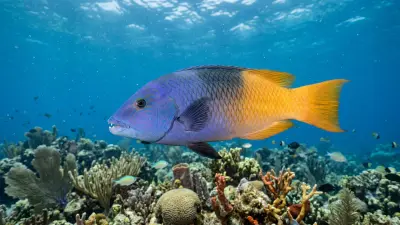
Wrasse
common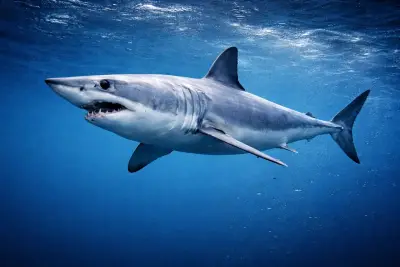
Shark
occasional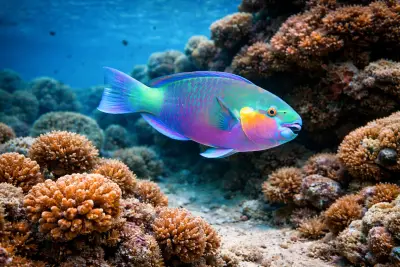
Parrotfish
common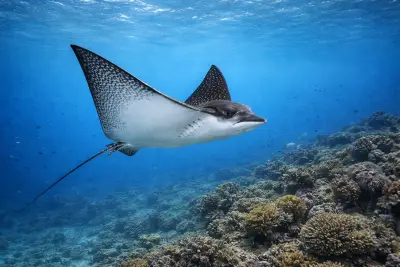
Eagle Ray
occasional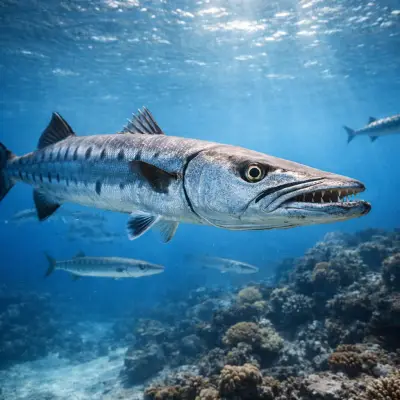
Barracuda
occasional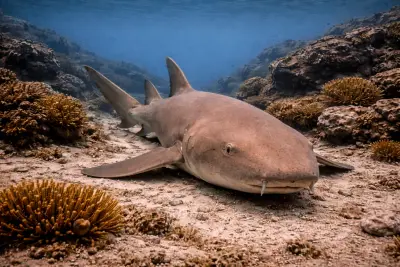
Nurse Shark
occasional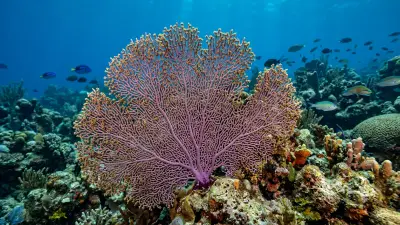
Sea Fan
commonDive profile & how the dive runs
Diving at Piedra Bonita begins with a boat entry, often a backward roll, directly near the pinnacle after mooring to a buoy. Upon descent, you follow the dramatic structure of the offshore rock, navigating its steep profile, overhangs, and ridges. The dive typically focuses on staying above 35 meters to maximize bottom time and observe the vibrant coral-covered face, which is especially dense with sea fans and rods in certain areas. Divers explore the dramatic landscape, keeping an eye out for hiding creatures in mild current zones and larger marine life in the stronger currents. The dive progresses along the wall-like sections, with the turn-around point dictated by air consumption and no-decompression limits. The final safety stop is conducted at the top of the pinnacle, which offers a great view and good natural light before ascending back to the boat.
Underwater photography
Piedra Bonita offers exceptional subjects for advanced underwater photographers due to its dramatic topography and abundant marine life. While wide-angle lenses can capture the grandeur of the pinnacle and its extensive coral gardens, be prepared for strong currents that demand excellent buoyancy and positioning. Shutter speeds may need to be adjusted to compensate for movement in current, and strobes are essential to reveal the true colors of the corals and sponges, especially on the steeper, deeper sections. Macro opportunities exist for smaller reef dwellers in sheltered areas. Patience is key when photographing marine life, as the site attracts both resident reef fish and larger pelagics like sharks and eagle rays. Maintaining neutral buoyancy is critical to avoid contact with the delicate coral structures.
Combine with nearby dive sites
- Cabo Cabron - The Wall
A wall dive with coral and marine life, approximately 2.5 km away.
- La Farola
A boat-access wall dive featuring holes, rays, and snappers, about 22.2 km distant.
- El Ferry (Wreck)
A shallow wreck with easy lines and fish life, located around 23.5 km away.
- Dolphin (Wreck)
An advanced wreck dive with open sections, approximately 30.1 km from Piedra Bonita.
- Las Terrenas
Reefs, canyons, and caverns accessible by boat, about 35.8 km away.
- Creole Reef
A reef line with a small wreck and sea fans, roughly 36.2 km distant.
Getting there & logistics
Piedra Bonita is primarily accessed by boat from Las Galeras, a beach town situated on the Samana peninsula. Dive centers like Las Galeras Divers arrange guided two-tank trips to this site and nearby Cabo Cabron, typically costing around $75 per person, with equipment rental available. The closest major airport would be Samana El Catey International Airport (AZS), though some divers might arrive via larger international hubs like Santo Domingo (SDQ) or Puerto Plata (POP) and arrange ground transport. The area maintains a more local and laid-back vibe compared to larger resort areas, with fewer crowds. Trips often include surface intervals with fresh fruit, enhancing the local experience.
Safety & environment
Diving Piedra Bonita requires careful safety considerations due to its strong currents and significant depths, making it suitable for advanced divers only. Hazards include dangerous wildlife, such as commonly encountered sharks, and the challenging current. Divers must plan their profiles to avoid spending excessive time at depths beyond their training or gas limits. It is advisable to have current experience and maintain strict depth discipline. While no specific recompression chamber information for Las Galeras is provided, the Dominican Republic has chambers in Puerto Plata and Santo Domingo, emphasizing the need for comprehensive dive insurance covering medical evacuation. Always dive with a reputable local operator familiar with the site's specific conditions.
Who it suits — and who it doesn't
Suited for
- Advanced divers comfortable with strong currents
- Experienced divers seeking challenging deep reef and wall profiles
- Divers interested in pelagic encounters and dramatic topography
- Underwater photographers with advanced skills for challenging conditions
- Those who appreciate pristine, less crowded dive sites
FAQ
Piedra Bonita FAQ
What is Piedra Bonita known for?
Piedra Bonita is renowned for being an advanced offshore rock dive site with a dramatic steep profile and vibrant coral coverage. It is characterized by very strong currents and the potential to encounter pelagic species like sharks and eagle rays. The site offers a challenging yet rewarding experience for experienced divers.
What kind of marine life can be seen at Piedra Bonita?
Divers at Piedra Bonita can expect to see a variety of marine life, including boxfish, porcupinefish, and various wrasse. Green turtles are occasionally sighted, and the site is known for attracting sharks, barracudas, and eagle rays, making it a dynamic ecosystem. The coral-covered face also hosts abundant sea fans and other reef organisms.
How deep is Piedra Bonita and what is the recommended diving depth?
The formation at Piedra Bonita reaches a maximum depth of approximately 55 meters. However, it is generally recommended that divers stay above 35 meters to optimize their dive time and fully appreciate the rich coral life. This allows for a longer and more focused exploration of the most vibrant sections of the pinnacle.
Are there strong currents at Piedra Bonita?
Yes, Piedra Bonita is known for very strong currents, which is a key characteristic of the dive site. These conditions make it suitable only for advanced divers who are comfortable and experienced in navigating challenging water movements. Divers must maintain excellent buoyancy control and be prepared for potential drift.
What is the best time of year to dive Piedra Bonita?
While diving is possible year-round in the Dominican Republic, the months of June to September are often cited as offering the best underwater visibility, extending up to 30 meters. This period provides optimal viewing conditions for Piedra Bonita's dramatic features, though it falls within the Atlantic hurricane season.
Why dive Piedra Bonita from a liveaboard?
Piedra Bonita is one of Dominican Republic's signature dive sites. A liveaboard sleeps you on the water and puts you in the water for three to four guided dives per day, including dawn and night dives that day-boat operators rarely offer. You skip the daily commute back to port and reach quieter, less-crowded sites in the same region on a single trip.
Below are the liveaboards that include Piedra Bonita on their Dominican Republic itineraries.
Liveaboards diving Piedra Bonita
These liveaboards may visit Piedra Bonita on selected itineraries — the exact dive sites depend on departure, weather and conditions.
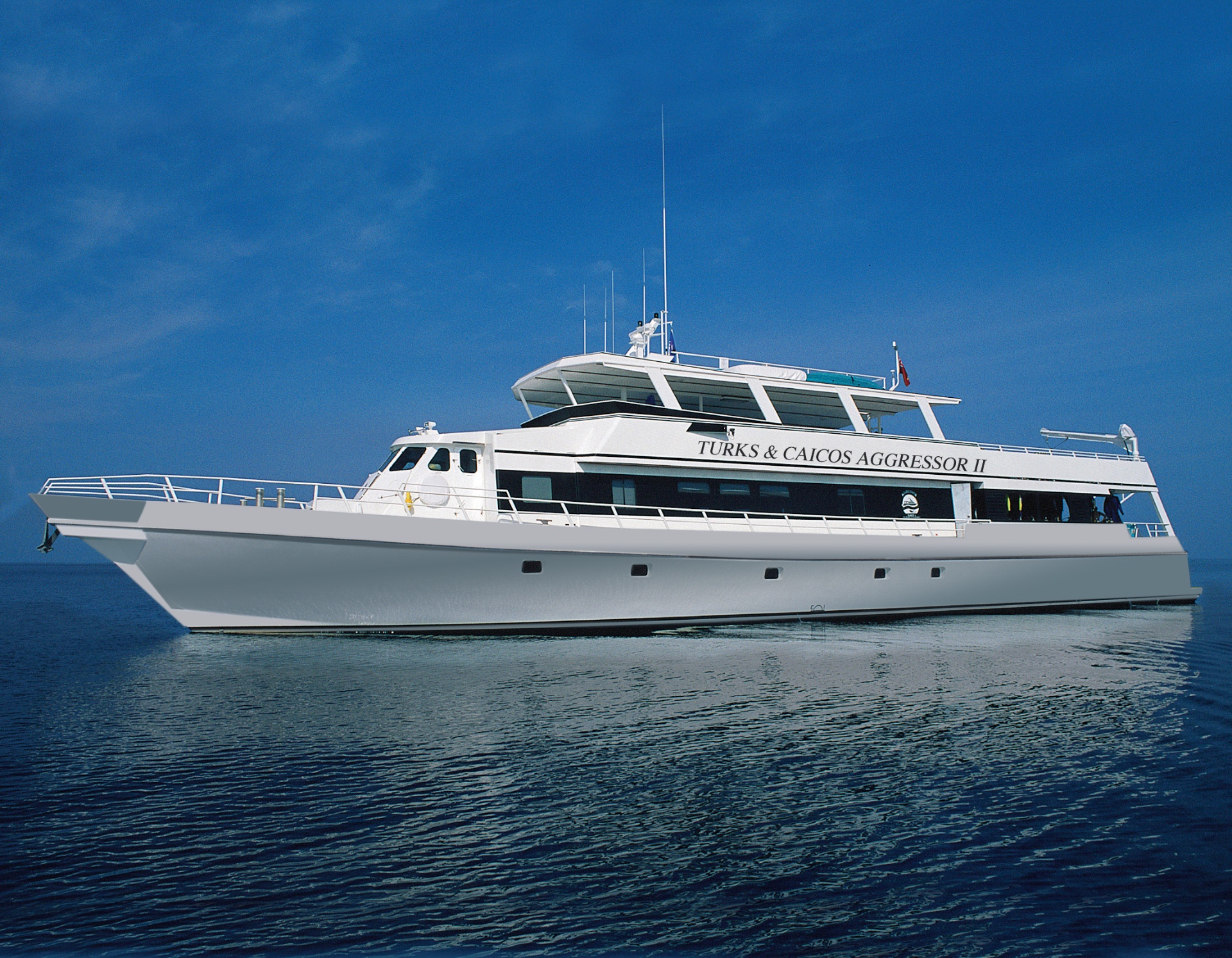
Turks & Caicos Aggressor II
Turks & Caicos
18 guests36.6 m
$287/day
Dive sites similar to Piedra Bonita
Same character, same waters — six more sites divers love for the exact same reasons.Compare seasons, access and liveaboard routes — then pick the site that fits your trip best.
© Esri — Maxar, Earthstar, GIS
Canal Saona
Dominican Republic
Saona Island Reef, located within Cotubanamá National Park off the southeastern coast of the Dominican Republic, is a well-regarded dive site known for its rich coral ecosystems and abundant marine species.
- Suitable for
- Intermediate
- Current
- Moderate
- Access
- Liveaboard or dayboat
- Depth
- 20–20 m
- Theme
- Reef
El Peñon is a highly-regarded dive site located within the protected Parque Nacional del Este, near Bayahibe in the Dominican Republic.
- Suitable for
- Beginner
- Current
- No current
- Access
- Dayboat
- Depth
- 7–28 m
- Theme
- Reef
The Polyxeni wreck is the remains of a Greek freighter, located within the Silver Bank, a designated marine mammal sanctuary approximately 70 to 85 miles north of the Dominican Republic's coast, near Puerto Plata.
- Suitable for
- Beginner
- Current
- No current
- Access
- Liveaboard only
- Depth
- ≤ 13 m
- Theme
- Reef
© Esri — Maxar, Earthstar, GIS
Coral Garden
Dominican Republic
Coral Garden is a significant dive site in the Dominican Republic, featuring an impressive brain coral that has thrived for over 400 years, establishing it as a natural monument.
- Suitable for
- Beginner
- Current
- Moderate
- Access
- Liveaboard or dayboat
- Depth
- 10–12 m
- Theme
- Reef
El Limón is a notable shipwreck site located within the La Caleta Underwater National Park, close to Santo Domingo.
- Suitable for
- Advanced
- Current
- Mild
- Access
- Dayboat
- Depth
- 30–30 m
- Theme
- Wreck / Reef
© Esri — Maxar, Earthstar, GIS
Sosua Marine Reserve
Dominican Republic
The Sosua Marine Reserve offers a premier diving experience directly accessible from Playa Sosua on the north coast of the Dominican Republic.
- Suitable for
- Beginner
- Current
- Mild
- Access
- Dayboat
- Depth
- 5–18 m
- Theme
- Reef