About Riding Rock Wall
Riding Rock Wall is a premier dive site located in the Out Islands of the Bahamas, renowned for its dramatic underwater topography and abundant marine life. This vertical wall plunges into impressive depths, beginning at a relatively shallow shelf before dropping significantly, making it accessible for various dive levels while still offering profound exploration opportunities. The site is characterized by vibrant coral formations clinging to the wall, interspersed with numerous crevices and ledges that provide shelter for a diverse array of reef fish and invertebrates. The unique geological structure, typical of Bahamian walls, means divers can experience the thrill of open ocean encounters while remaining close to the protective reef environment. Visibility here is consistently excellent, often exceeding 30 meters, allowing for expansive views of the wall's intricate details and distant pelagic action. Currents often dictate the dive profile, transforming it into an exhilarating drift, carrying divers along the extensive reef system. Marine life at Riding Rock Wall is diverse and active, featuring a mix of colorful reef fish, larger predatory species, and occasional pelagic visitors. You can expect to see parrotfish, angelfish, and snapper against a backdrop of healthy corals. Keep an eye out for Caribbean reef sharks patrolling the deeper sections and spotted eagle rays gracefully gliding past. Diving Riding Rock Wall typically involves boat access, often as part of a liveaboard itinerary or day trips from nearby islands. The dive experience can range from leisurely drifts over coral gardens to more adventurous descents along the sheer drop-off, catering to both recreational and advanced divers.
Highlights
Dramatic vertical wall topographyExceptional water clarityDiverse coral formationsAbundant reef fish populationsOccasional pelagic encountersExhilarating drift diving potentialHealthy Bahamian marine ecosystem
Season calendar
Best months to dive here
Jan
Feb
Mar
Apr
May
Jun
Jul
Aug
Sep
Oct
Nov
Dec
Excellent
Good
Dive site facts: Riding Rock Wall
- Depth
- 10–45 m
- Current
- Moderate to strong (drift potential)
- Visibility
- 20–40 meters
- Water temperature
- 24–31°C
- Entry
- Boat / Negative entry possible
- Level
- Intermediate to Advanced
- Dive type
- Wall, drift
- Night dive
- Possible
- Region / port
- Out Islands
- Coordinates
- 24.0631, -74.5536
Conditions & Currents
Currents at Riding Rock Wall can be a significant factor, frequently leading to exhilarating drift dives. The strength and direction of these currents vary, but they often contribute to the dynamic nature of the site, bringing in nutrients and attracting pelagic species. Divers should be prepared for negative entries to quickly reach the desired depth and avoid being swept away from the group or the wall. Maintaining excellent buoyancy control is crucial for navigating the wall without making contact with the coral. Due to the potential for strong currents, surface conditions can sometimes be choppy, making re-entry onto the boat challenging. Visibility remains consistently excellent, rarely dropping below 20 meters, even with stronger currents.
Marine life & sighting chances
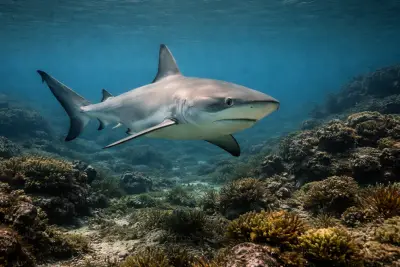
Caribbean reef shark
occasional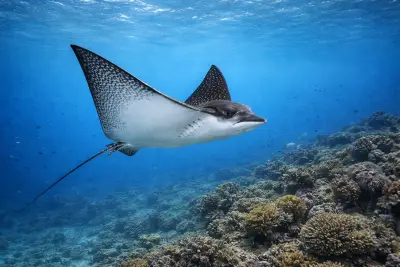
Spotted eagle ray
occasional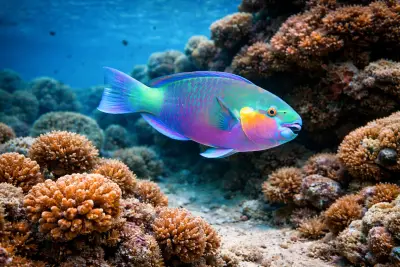
Parrotfish
common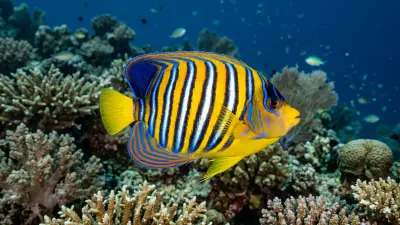
Angelfish
common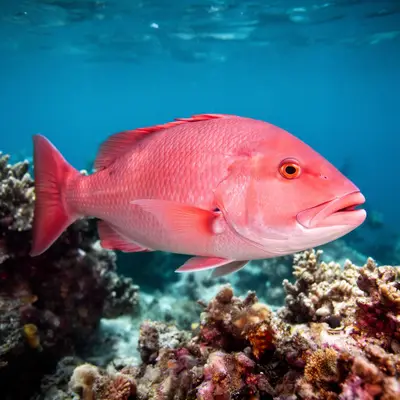
Snapper
common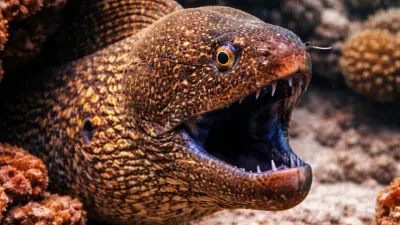
Moray eel
common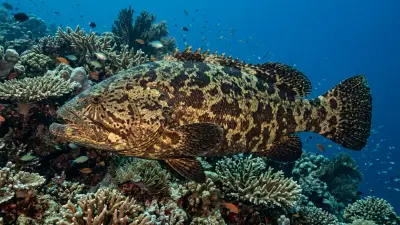
Grouper
common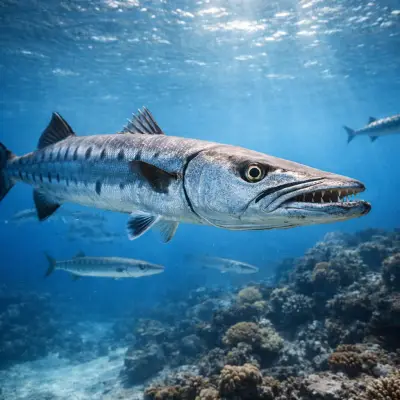
Barracuda
occasional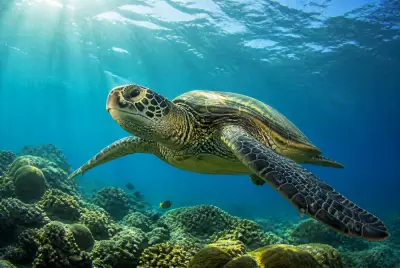
Turtles
occasional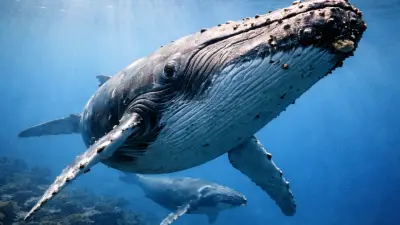
Humpback whale
December-April · rare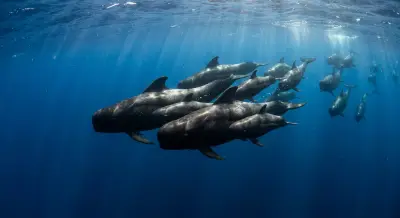
Pilot whale
December-April · rareDive profile & how the dive runs
Your dive at Riding Rock Wall typically begins with a negative entry from the boat to quickly descend onto the top of the wall, usually around 10-15 meters. From there, you'll follow the natural contours of the wall, allowing any prevailing current to guide your journey. The profile often involves a gentle descent along the wall's face, exploring overhangs and crevices where smaller marine life resides. As you progress, you can opt to go deeper, perhaps to 30 meters or more, to observe larger fish and the dramatic drop-off into the abyss. The dive usually culminates with a slow ascent back to shallower depths, allowing for a thorough exploration of the vibrant coral gardens on the reef plateau before completing your safety stop. The boat will then pick you up down-current from your entry point.
Underwater photography
Riding Rock Wall is a fantastic site for both wide-angle and macro photography, thanks to its dramatic wall and diverse marine life. For capturing the grandeur of the wall and any passing pelagics, a wide-angle lens is essential. The excellent visibility means natural light can be utilized effectively at shallower depths, but strobes are recommended to bring out the true colors of the corals and fish, especially as you go deeper. For macro enthusiasts, the numerous cracks and crevices along the wall harbor a variety of small, interesting creatures; a macro lens will be invaluable here. Pay close attention to buoyancy, particularly in currents, to avoid disturbing the delicate coral ecosystems and to maintain stable shots. Always position yourself carefully to avoid kicking up silt or touching any part of the wall.
Combine with nearby dive sites
- The Washing Machine
The Washing Machine is a renowned drift dive site located in the Exuma Cays, specifically off Highbourne Cay in the northern part of the…
- San Salvador Wall
San Salvador Wall, specifically the site known as Telephone Pole, is a premier wall dive located off the western coast of San Salvador…
- Cat Island Walls
Cat Island Walls provides an exceptional wall diving experience, characterized by its dramatic topography and vibrant marine ecosystem.
Getting there & logistics
Accessing Riding Rock Wall typically involves flying into one of the main international airports in the Bahamas, such as Lynden Pindling International Airport (NAS) in Nassau, and then connecting via commuter plane or ferry to the Out Islands where the dive site is located. Many divers experience Riding Rock Wall as part of a liveaboard itinerary that explores various sites in the central and southern Bahamas. These trips usually last 7 to 10 days, departing from ports like Nassau or Freeport. For shore-based diving, look for local operators on islands close to the site, though options might be more limited. No specific permits are generally required for diving this site, but ensure your dive operator handles any local fees.
Safety & environment
Diving at Riding Rock Wall, particularly with its potential for currents and deeper sections, requires adherence to strict safety protocols. Always dive within your certification limits and be proficient in buoyancy control, especially if conditions include strong currents. A recompression chamber is available in Nassau, approximately 240 kilometers away, meaning evacuation could be lengthy and complex. Therefore, comprehensive dive insurance, including coverage for medical emergencies and evacuation, is highly recommended. Always carry an audible and visual signaling device. Listen carefully to your dive brief regarding current conditions and emergency procedures. Avoid venturing too deep for too long, and always maintain conservative dive profiles to minimize decompression sickness risk.
Who it suits — and who it doesn't
Suited for
- Experienced divers comfortable with currents
- Wall diving enthusiasts
- Underwater photographers
- Divers seeking pelagic encounters
- Liveaboard guests exploring the Out Islands
Less suited for
- Beginner divers without current experience
- Divers uncomfortable with deep drop-offs
- Those prone to seasickness in choppy conditions
- Divers without comprehensive dive insurance
FAQ
Riding Rock Wall FAQ
What kind of marine life can I expect to see at Riding Rock Wall?
You can anticipate seeing a diverse range of reef fish such as parrotfish, angelfish, and snapper. Keep an eye out for larger predators like barracuda and grouper, and you might also spot Caribbean reef sharks or graceful spotted eagle rays passing by the wall.
How deep is Riding Rock Wall?
The wall starts at a relatively shallow depth, often around 10-15 meters, before plunging into much greater depths. Divers can explore various sections of the wall, from the vibrant coral gardens on the shelf to deeper sections exceeding 30 meters.
Are there strong currents at Riding Rock Wall?
Currents at Riding Rock Wall can be moderate to strong, often creating exciting drift dive opportunities. Divers should be comfortable with current conditions and maintain good buoyancy control. Your dive guide will provide a thorough briefing on current expectations.
Is Riding Rock Wall suitable for beginner divers?
While the top of the wall might be accessible, the site is generally better suited for intermediate to advanced divers due to potential currents and the depth of the wall. Beginners should have experience with drift diving and excellent buoyancy control before attempting this site.
What is the visibility like at Riding Rock Wall?
Visibility at Riding Rock Wall is consistently excellent, often ranging from 20 to 40 meters. The clear Bahamian waters offer spectacular views of the dramatic wall topography and abundant marine life.
How can I get to Riding Rock Wall?
Riding Rock Wall is typically visited as part of a liveaboard itinerary exploring the Out Islands of the Bahamas. You would generally fly into a major international airport like Nassau and then take a connecting flight or ferry to your liveaboard departure point or local dive operator.
Why dive Riding Rock Wall from a liveaboard?
Riding Rock Wall is one of Bahamas's signature dive sites. A liveaboard sleeps you on the water and puts you in the water for three to four guided dives per day, including dawn and night dives that day-boat operators rarely offer. You skip the daily commute back to port and reach quieter, less-crowded sites in the same region on a single trip.
Below are the liveaboards that include Riding Rock Wall on their Bahamas itineraries.
Liveaboards diving Riding Rock Wall
These liveaboards may visit Riding Rock Wall on selected itineraries — the exact dive sites depend on departure, weather and conditions.
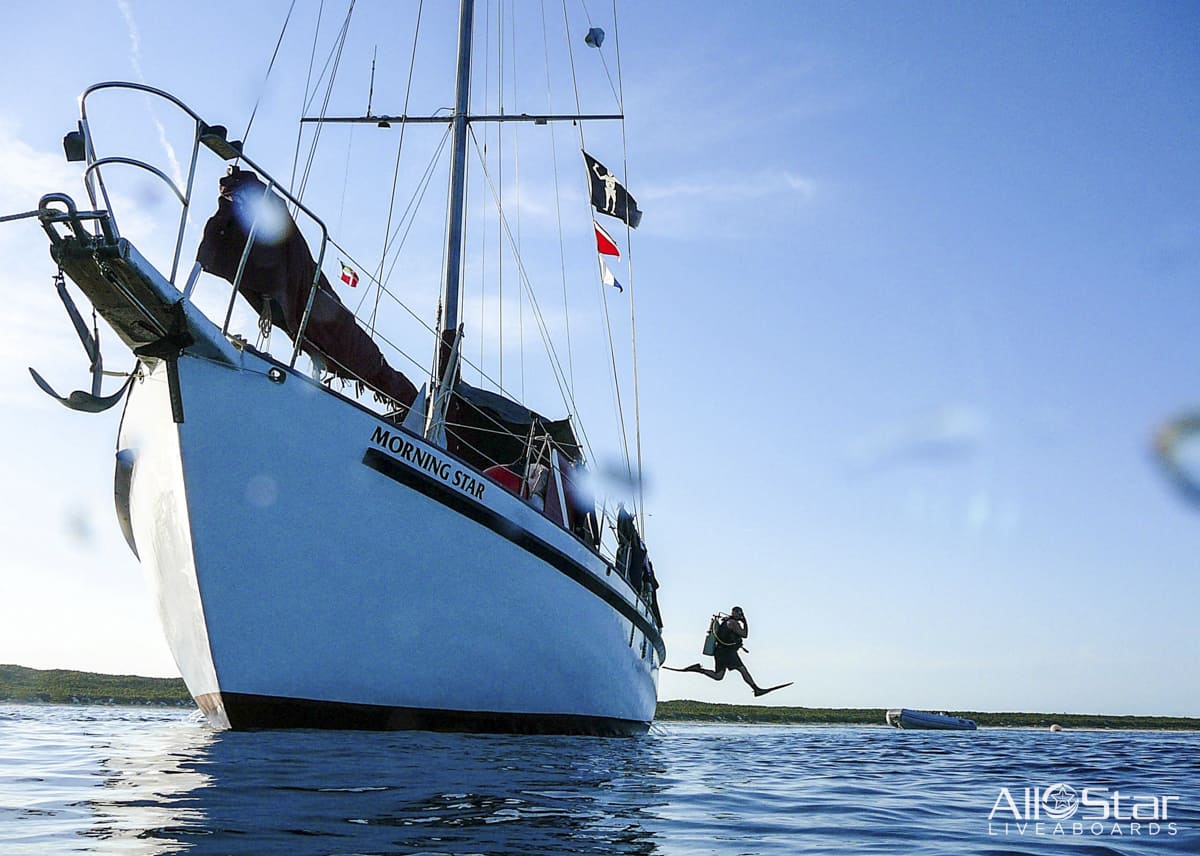
All Star Blackbeards Morning Star
Bahamas
24 guests19.81 m
$156/day
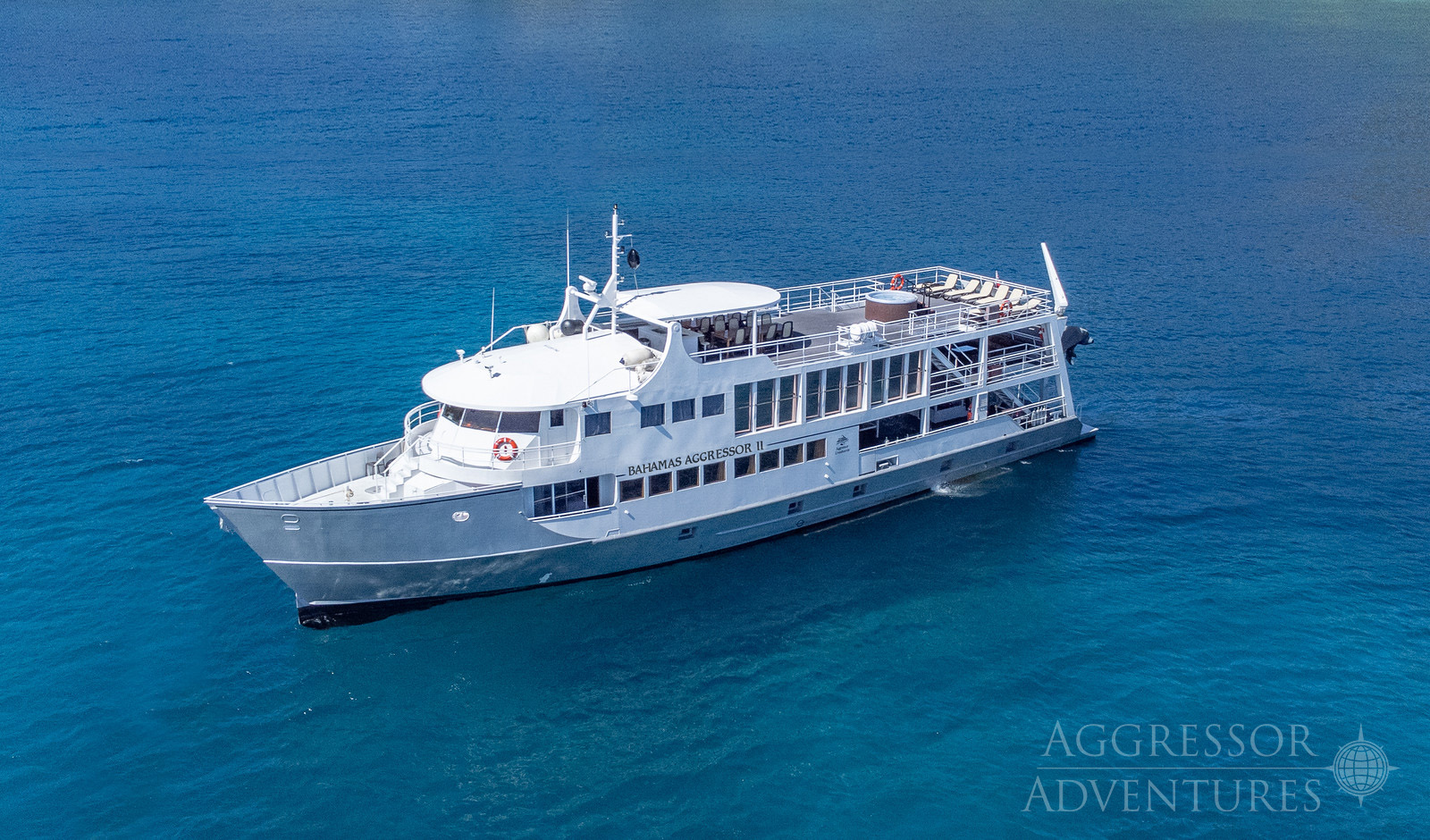
Bahamas Aggressor II
Bahamas
20 guests33.5 m
$328/day
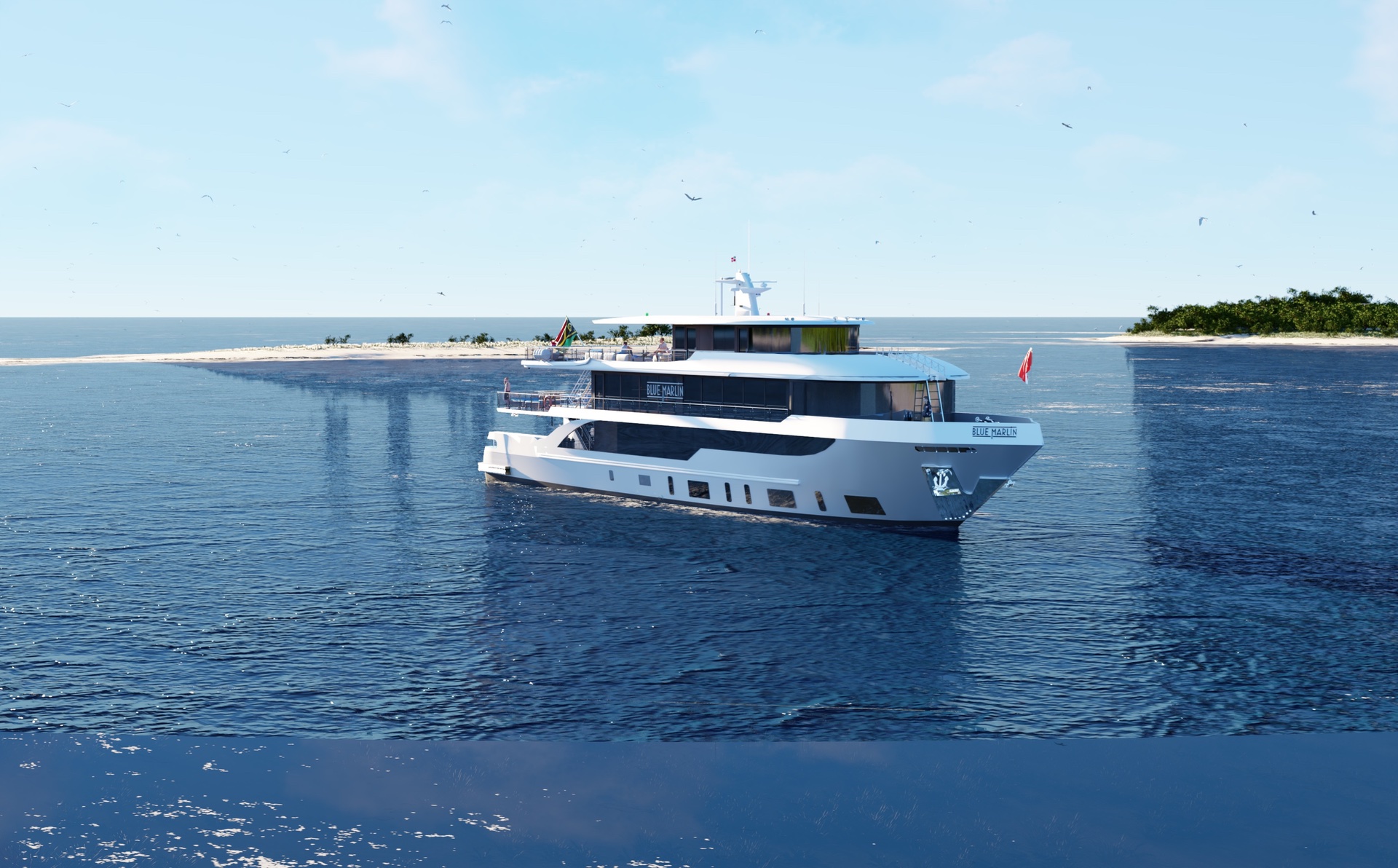
Blue Marlin
Bahamas
26 guests42 m
$318/day
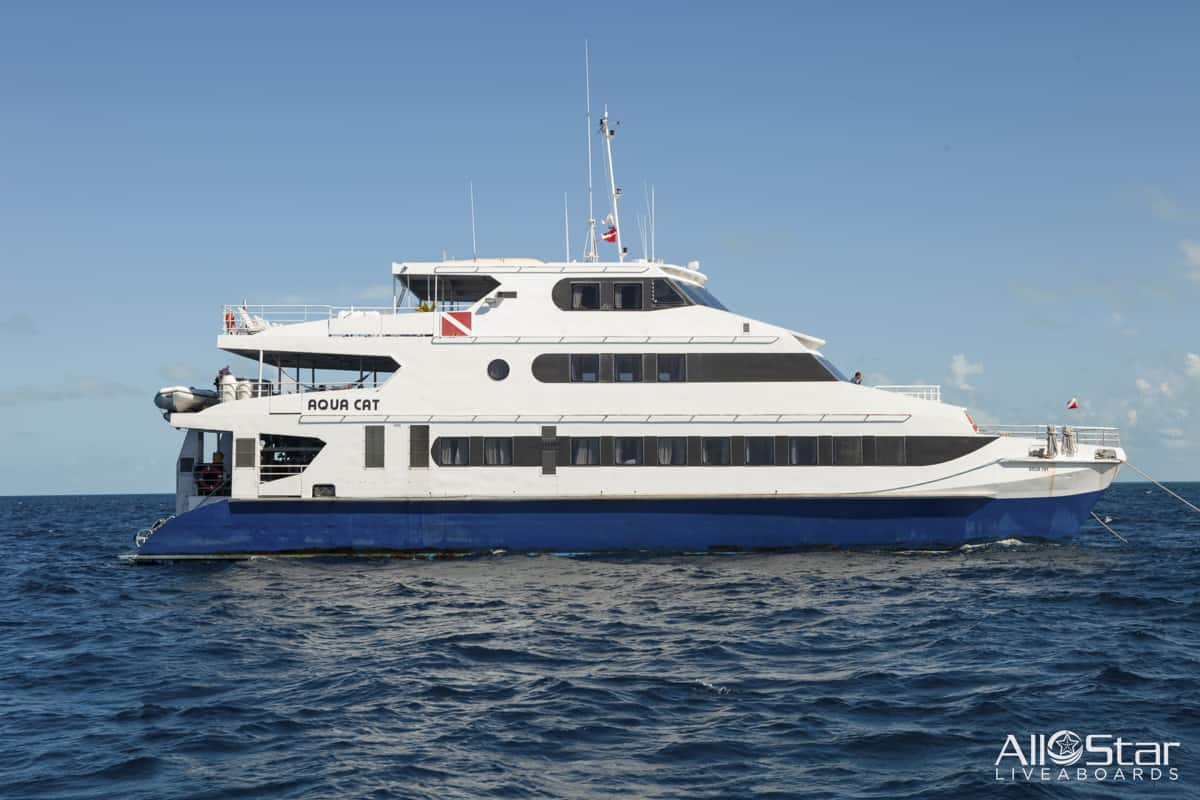
All Star Aqua Cat
Bahamas
30 guests31.09 m
$312/day
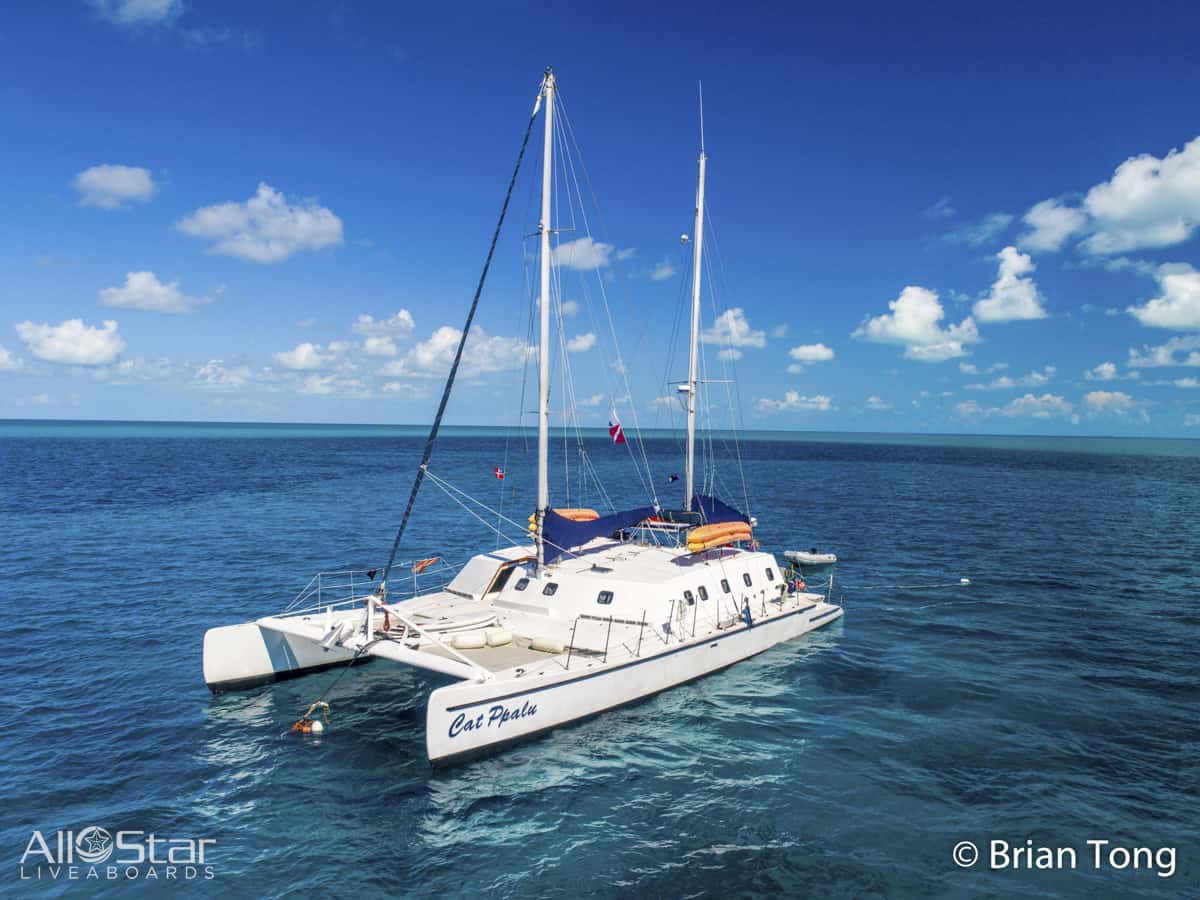
All Star Cat Ppalu
Bahamas
12 guests20 m
$237/day
Dive sites similar to Riding Rock Wall
Same character, same waters — six more sites divers love for the exact same reasons.Compare seasons, access and liveaboard routes — then pick the site that fits your trip best.
© Esri — Maxar, Earthstar, GIS
Columbus Point
Bahamas
Columbus Point, situated off Cat Island in the Bahamas, stands out as an advanced dive destination renowned for its dramatic wall diving along one of the region's most untouched reef systems.
- Suitable for
- Advanced
- Current
- Strong
- Access
- Dayboat
- Depth
- ≤ 40 m
- Theme
- Wall / Drift
© Esri — Maxar, Earthstar, GIS
Cut Through City
Bahamas
Cut Through City is a standout dive site located off the coast of Eleuthera in the Bahamas, a region renowned for its diverse underwater topography.
- Suitable for
- Intermediate
- Current
- Mild
- Access
- Liveaboard only
- Depth
- 27–40 m
- Theme
- Wall / Reef
© Esri — Maxar, Earthstar, GIS
The Bimini Barge
Bahamas
The Bimini Barge is a prominent wreck dive located on the extreme northwestern edge of the Great Bahama Bank, just a short distance from the deep wall and the powerful Gulf Stream currents.
- Suitable for
- Intermediate
- Current
- Moderate
- Access
- Liveaboard or dayboat
- Depth
- 30–30 m
- Theme
- Wreck / Drift
© Esri — Maxar, Earthstar, GIS
Mt. Olympus
Bahamas
Mt. Olympus is a dynamic dive site in the Bahamas, regularly visited by liveaboards, known for its healthy marine ecosystem and varied underwater terrain.
- Suitable for
- Advanced
- Current
- Moderate
- Access
- Liveaboard only
- Depth
- ≤ 122 m
- Theme
- Reef / Drift
Cathedral is a renowned dive site located within the Dog Rocks Reef, which is part of the extensive Exuma Cays in the Bahamas, specifically situated off the coast of Scotland Cay.
- Suitable for
- Beginner
- Current
- Moderate
- Access
- Liveaboard only
- Depth
- 10–15 m
- Theme
- Cavern / Wall
© Esri — Maxar, Earthstar, GIS
Tongue of the Ocean Wall
Bahamas
The Tongue of the Ocean Wall, located off New Providence near Nassau, represents a spectacular natural phenomenon—a deep oceanic trench that stretches for 120 miles and plunges to depths of 6,000 feet.
- Suitable for
- Advanced
- Current
- Strong
- Access
- Liveaboard or dayboat
- Depth
- 18–52 m
- Theme
- Wall