About Punta Eleonora
Punta Eleonora is renowned for its intense drift diving experience, driven by strong currents interacting with shallow terrain. Divers are carried on a three-mile underwater journey from the bay side to the Caribbean side of the island. This site's unique topography features a canyon that nurtures a rich ecosystem. The nutrient-rich waters at Punta Eleonora attract a variety of marine species, including dolphins, sea turtles, and nurse sharks. Small caves along the drift house additional marine life and are home to an ancient galleon ship anchor, adding a historical touch to the natural wonders. Optimal diving conditions for Punta Eleonora include warm waters and good visibility, making it an exciting destination for advanced divers. The site offers encounters with abundant pelagic and reef life, especially during specific seasons when sea turtle activity peaks. This dive provides an active and dynamic experience, demanding careful attention to dive briefings due to the significant current. Divers should be prepared for a sustained drift, allowing them to cover a substantial distance and observe a wide range of underwater scenery and inhabitants.
Highlights
Strongest drift dive experienceThree-mile underwater journeyAbundant marine life attractionSmall caves, galleon anchorMay to June turtle seasonNutrient-rich watersDynamic canyon topography
Season calendar
Best months to dive here
Jan
Feb
Mar
Apr
May
Jun
Jul
Aug
Sep
Oct
Nov
Dec
Excellent
Good
Nov – Apr (Peak)
Socorro season open (Nov–May) for giant mantas and hammerheads. Cozumel bull sharks Dec–Mar. Cenotes excellent year-round. Best overall conditions.
May – Oct (Transition & Sea of Cortez)
Socorro closing, Cozumel still good. Whale sharks arrive at Isla Mujeres Jun–Sep. From August, the Sea of Cortez comes alive: Midriff Islands offer massive sea lion colonies and schooling mobulas. September and October bring world-class diving around La Paz and Cabo Pulmo with whale sharks, hammerheads, and bull sharks on the Explore Baja route.
Dive site facts: Punta Eleonora
- Depth
- 16 m
- Current
- Strong
- Visibility
- 21 m
- Water temperature
- 28 °C
- Entry
- Boat / Drift entry
- Level
- Advanced Open Water Certified Diver
- Dive type
- Drift, wall, big_animals
- Region / port
- Sea of Cortez, Mexico
- Coordinates
- 25.7483, -111.1718
Conditions & Currents
Punta Eleonora is characterized by extremely strong currents, described as potentially the strongest drift dive you will ever experience. These currents are generated by the interaction of rapid shallow terrain with powerful flows from the Gulf of Mexico. Divers should anticipate a continuous, assisted drift over a three-mile underwater route, requiring advanced buoyancy control and streamlined positioning. Given the strong currents, meticulous attention to the dive briefing is essential for safety and enjoyment, covering entry procedures, descent timing, and communication signals. Divers must be proficient in managing their air consumption and prepared for a dynamic environment. The strong current necessitates a boat-supported drift dive operation, with clear plans for tracking and diver pickup to prevent separation.
Marine life & sighting chances


Dive profile & how the dive runs
Punta Eleonora is approached as a drift dive, with divers entering the water directly into the current from a boat. The dive begins on the bay side and progresses toward the Caribbean side of the island, covering an approximate three-mile route. Divers follow the natural flow of the current along a canyon, observing abundant marine life and rock formations, including small caves and an old galleon ship anchor. The maximum depth reached is 16 meters (52 feet), though the current dictates the exact path and depth progression. The entire dive is a continuous drift, requiring divers to maintain situational awareness and stay with their buddy group. The safety stop is typically conducted as a blue-water stop, with the boat tracking the divers for a safe and timely pickup.
Underwater photography
Capturing the dynamic environment of Punta Eleonora requires a wide-angle lens to encompass the expansive canyon views and the schools of fish that frequent its nutrient-rich waters. Given the strong current, a fast shutter speed is crucial to freeze the motion of marine life and maintain sharp images. Underwater photographers should prioritize excellent buoyancy control to navigate the drift efficiently while composing shots. While a video light can enhance colors, natural light is often sufficient in the clear waters. Focus on capturing the interaction of pelagic species like turtles and dolphins with the unique underwater topography.
Getting there & logistics
Diving in the Sea of Cortez, including sites like Punta Eleonora, typically involves access from Loreto, Mexico, which is situated on the eastern coast of the Baja California peninsula. The Loreto International Airport (LTO) serves as the primary gateway for international visitors. Divers generally reach these sites via day boats from local dive operators or as part of liveaboard itineraries exploring the Loreto Bay National Park. Trips often span several days to a week, allowing for exploration of multiple islands and dive spots within the protected area. While specific permit fees for Punta Eleonora are not detailed, the Loreto Bay National Park is a protected area, and environmental fees or permits are common for diving within such regions. Liveaboards often combine Sea of Cortez diving with other Mexican destinations, though Punta Eleonora is specifically mentioned in a local context.
Safety & environment
Due to the exceptionally strong currents at Punta Eleonora, advanced diver certification and experience with drift diving are essential. Divers must maintain excellent buoyancy control and stay vigilant regarding their buddy and the dive group. There are no specific details regarding the nearest recompression chamber; however, general practice dictates that major medical facilities and recompression chambers in Baja California Sur are located in larger cities such as La Paz or Cabo San Lucas, requiring significant evacuation time. Comprehensive dive insurance covering medical emergencies and evacuation is highly recommended. All divers must adhere strictly to the dive briefing instructions, including entry and exit procedures, communication signals, and emergency protocols. Awareness of boat traffic, especially during surface intervals, is also critical.
Who it suits — and who it doesn't
Suited for
- Advanced Open Water certified divers
- Divers seeking strong drift experiences
- Enthusiasts of large marine animal encounters (turtles, sharks, dolphins)
- Photographers with wide-angle lenses seeking dynamic underwater scenes
- Divers comfortable with variable conditions and blue-water safety stops
Less suited for
- Beginner divers or those new to drift diving
- Divers uncomfortable with strong currents
- Individuals prone to seasickness
- Divers solely interested in macro photography or still reef environments
- Those without comprehensive dive insurance
FAQ
Punta Eleonora FAQ
What makes Punta Eleonora a unique dive site?
Punta Eleonora is unique for its exceptionally strong currents, which create one of the most exhilarating drift dives available. The dive takes you on a three-mile journey along a canyon, transitioning from the bay to the Caribbean side, offering continuous, dynamic underwater scenery. This powerful drift experience, combined with nutrient-rich waters, attracts a diverse array of marine life.
What marine life can I expect to see at Punta Eleonora?
The nutrient-rich waters of Punta Eleonora attract abundant marine life, including dolphins, various species of sea turtles, and nurse sharks. During May and June, it becomes a prime location to observe sea turtle mating season, with the possibility of encountering up to 30 turtles on a single dive. Small caves along the canyon also host a variety of smaller marine species.
What dive experience level is required for Punta Eleonora?
Punta Eleonora requires an Advanced Open Water certification due to its very strong currents and the nature of drift diving. Divers should be confident in their buoyancy control and comfortable with dynamic underwater conditions. Understanding and adhering to the dive briefing is crucial for a safe and enjoyable experience at this challenging site.
What are the typical water temperature and visibility at Punta Eleonora?
The average water temperature at Punta Eleonora is around 28°C (82°F), providing comfortable diving conditions. Visibility typically averages about 21 meters (70 feet), which allows for clear views of the vibrant marine life and the underwater canyon structure despite the strong currents. These conditions are generally favorable, especially during the warmer months.
Are there any specific hazards to be aware of when diving Punta Eleonora?
The primary hazard at Punta Eleonora is the extremely strong current, which demands constant vigilance and adherence to drift diving procedures. Divers must stay with their group, maintain good air consumption, and be prepared for potential blue-water safety stops. It is crucial to pay close attention to the dive briefing for details on entry, exit, communication, and emergency plans, and to have appropriate dive insurance.
Why dive Punta Eleonora from a liveaboard?
Punta Eleonora is one of Mexico's signature dive sites. A liveaboard sleeps you on the water and puts you in the water for three to four guided dives per day, including dawn and night dives that day-boat operators rarely offer. You skip the daily commute back to port and reach quieter, less-crowded sites in the same region on a single trip.
Below are the liveaboards that include Punta Eleonora on their Mexico itineraries.
Liveaboards diving Punta Eleonora
These liveaboards may visit Punta Eleonora on selected itineraries — the exact dive sites depend on departure, weather and conditions.
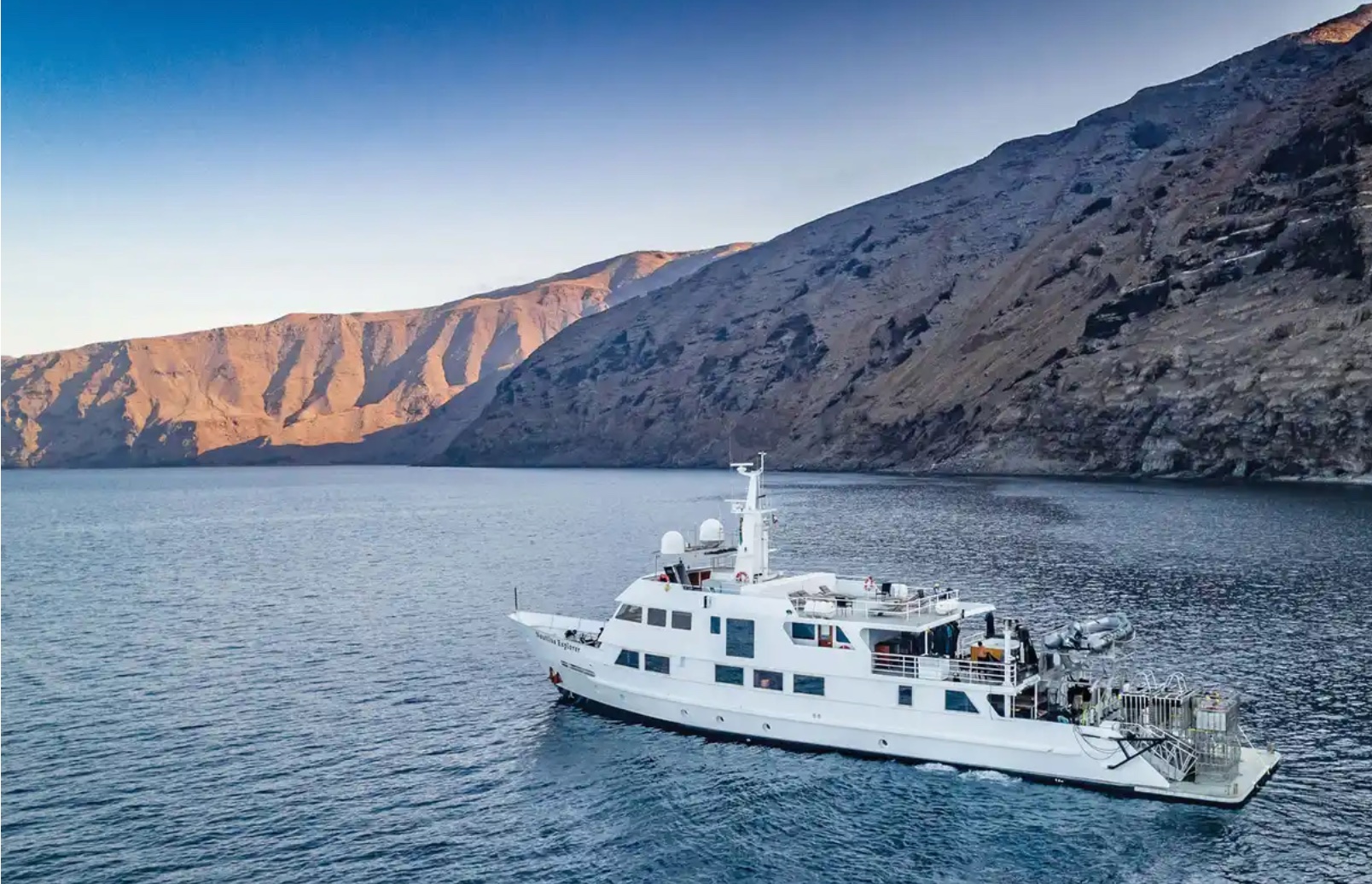
Nautilus Explorer
Mexico
25 guests45 m
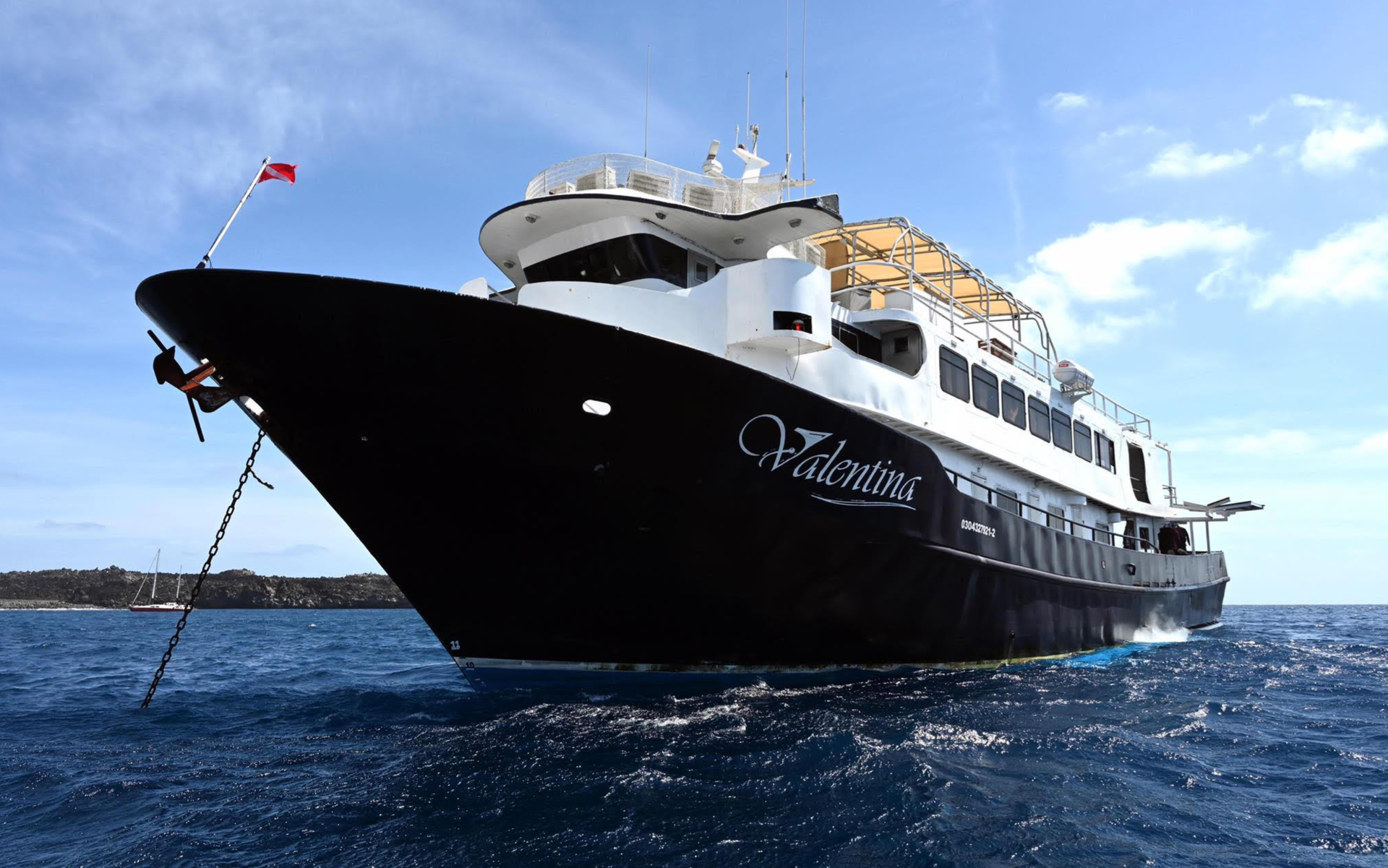
Valentina
Mexico
20 guests38 m
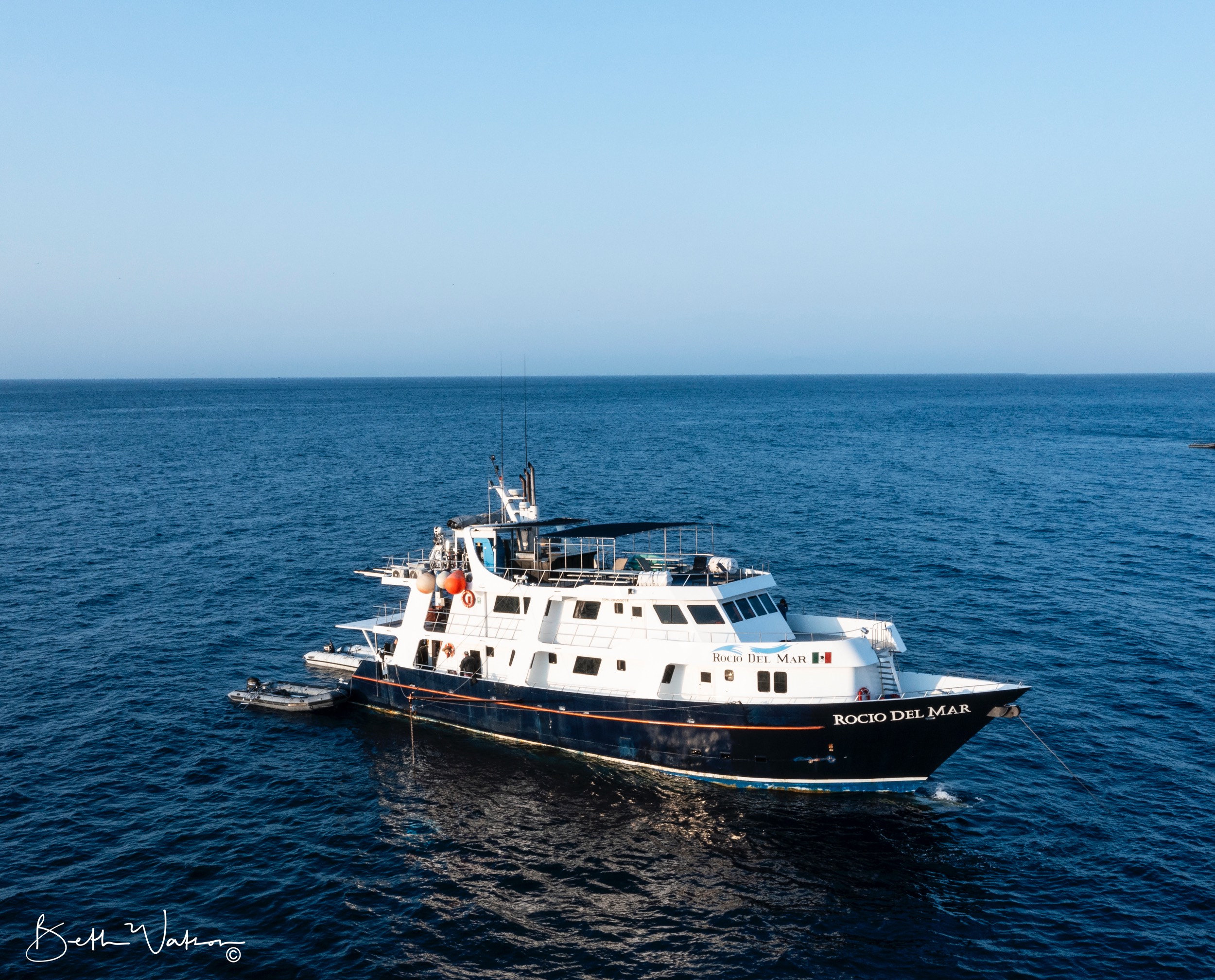
Rocio del Mar
Mexico
20 guests34 m
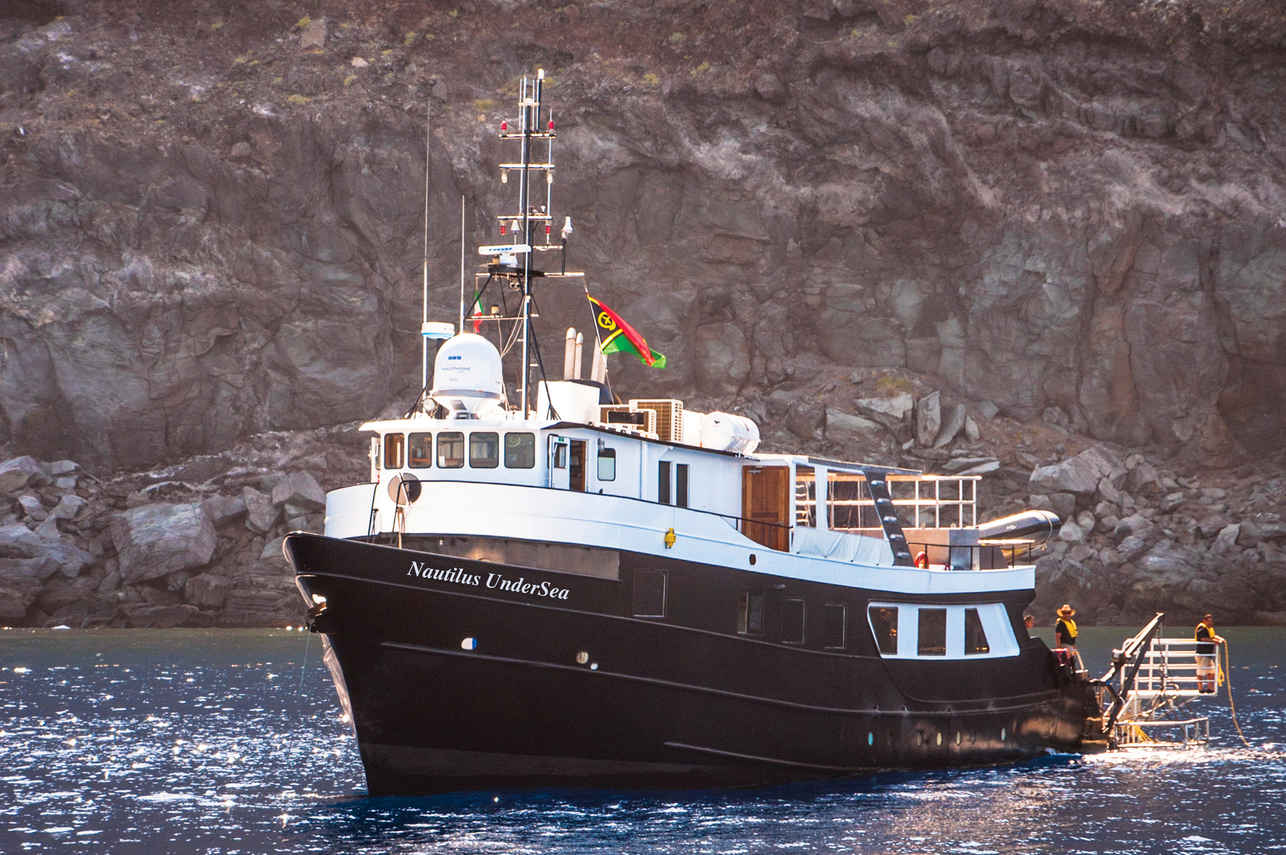
Nautilus Under Sea
Mexico
19 guests32 m
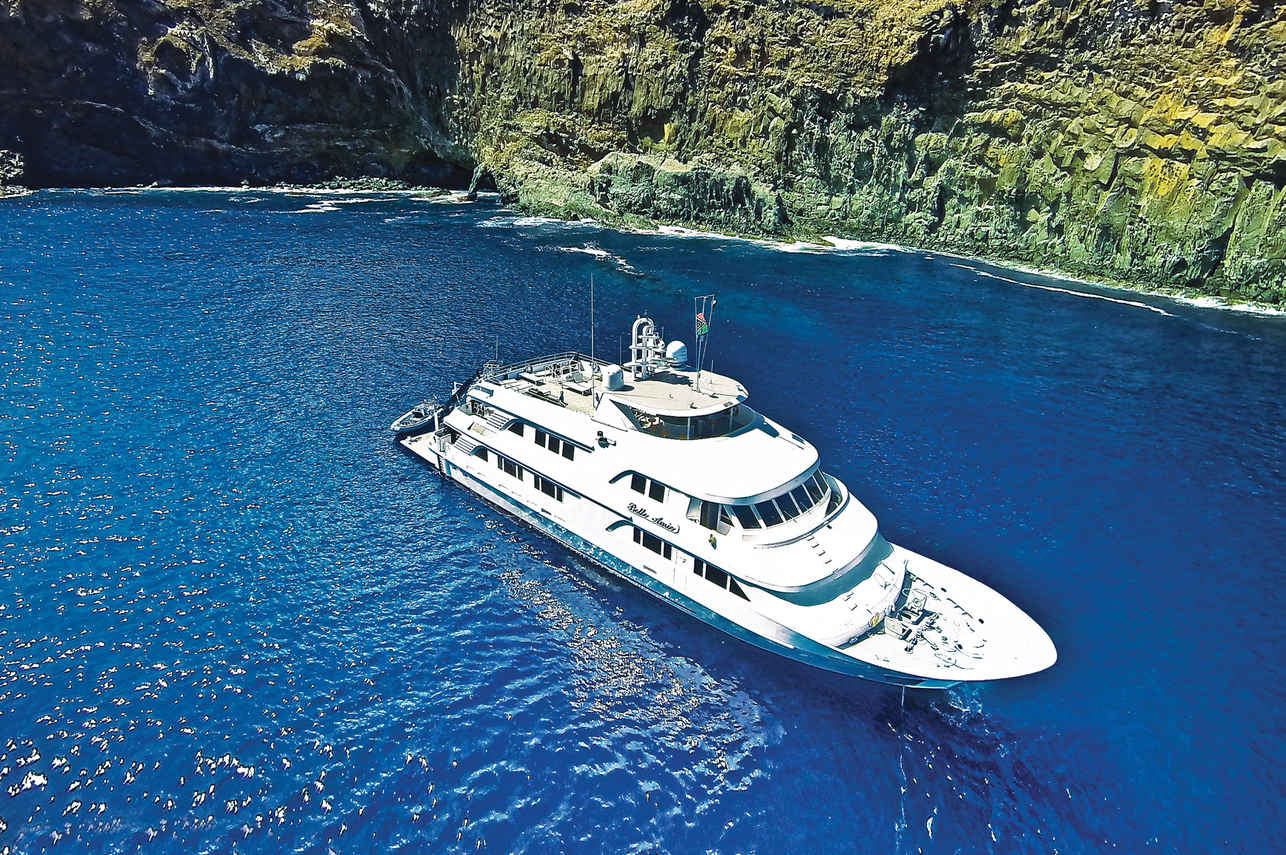
Nautilus Belle Amie
Mexico
32 guests45 m
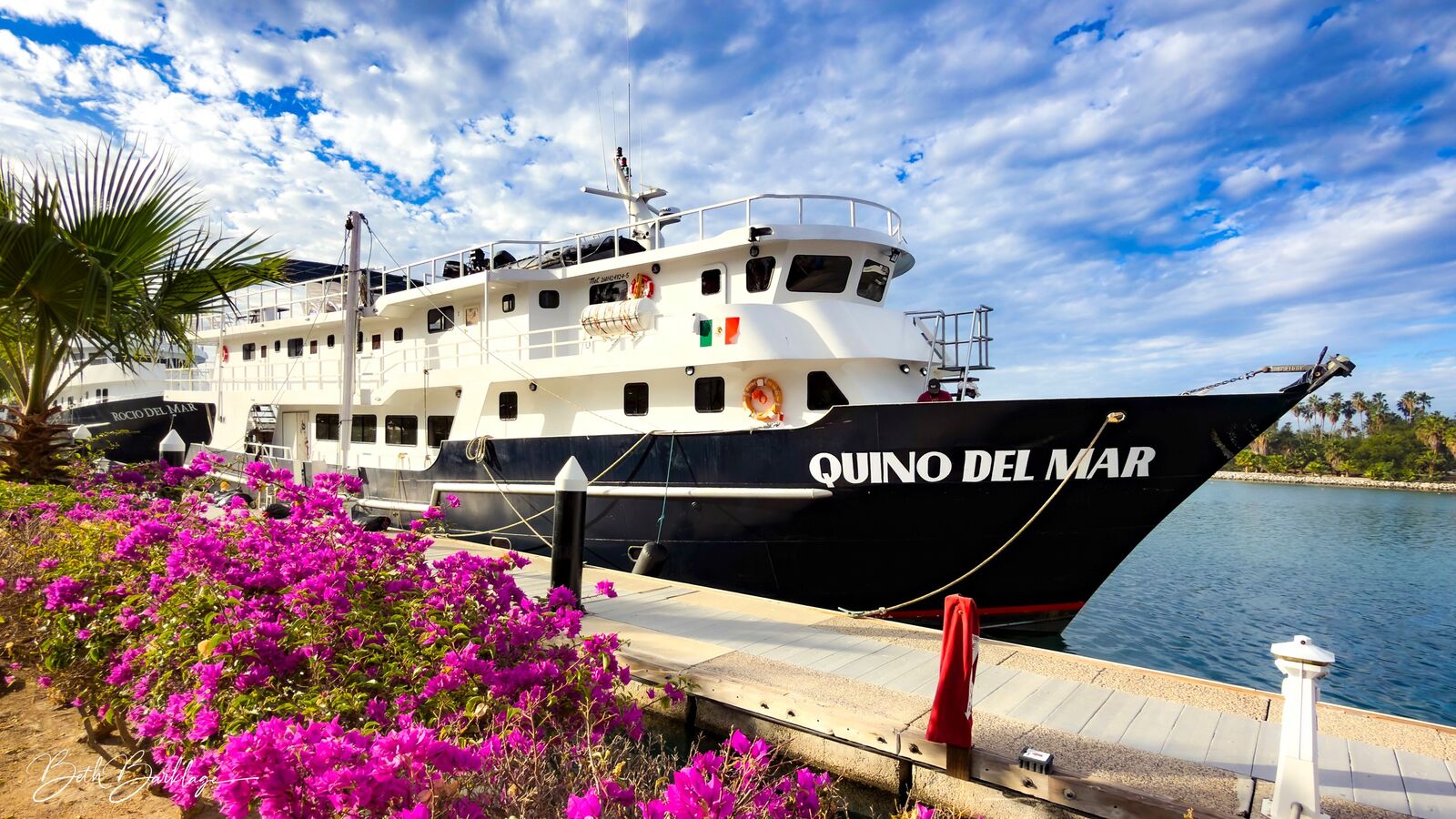
Quino del Mar
Mexico
20 guests36 m
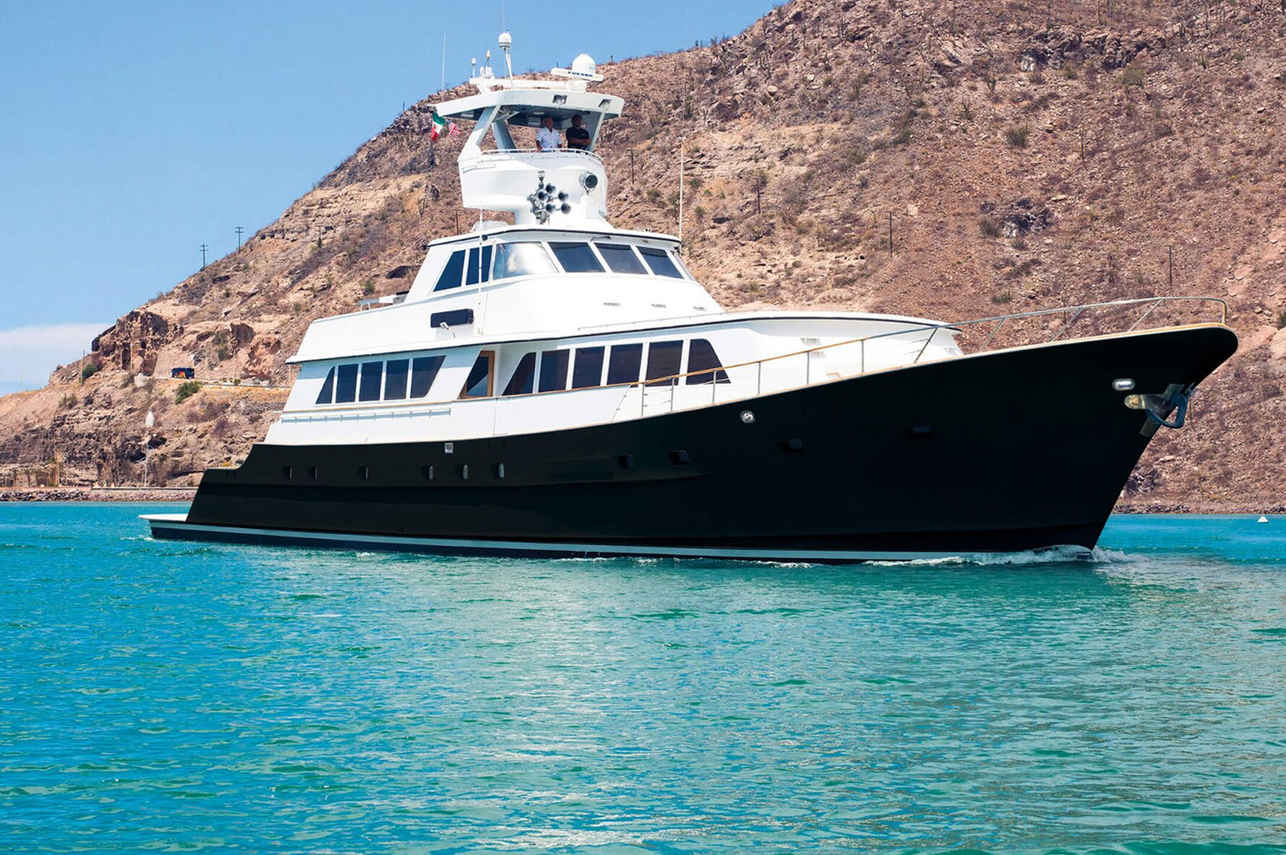
Nautilus Gallant Lady
Mexico
12 guests35 m
Dive sites similar to Punta Eleonora
Same character, same waters — six more sites divers love for the exact same reasons.Compare seasons, access and liveaboard routes — then pick the site that fits your trip best.
© Esri — Maxar, Earthstar, GIS
Agustín Melgar shipwreck
Mexico
The Agustín Melgar, also known as the C-54, is a 56-meter (185-foot) former minesweeper that rests on a sandy bottom at 24 meters (80 feet) south of Puerto Escondido within the Loreto Bay National Park.
- Suitable for
- Intermediate
- Current
- Mild
- Access
- Liveaboard only
- Depth
- 12–24 m
- Theme
- Wreck
Arco Iris, or "Rainbow" in Spanish, is a prominent dive site located near Brumel Island (Penahuaste), approximately 8km north of Playa Potrero in Costa Rica.
- Suitable for
- Beginner
- Current
- Moderate
- Access
- Dayboat
- Depth
- 9–30 m
- Theme
- Reef
© Esri — Maxar, Earthstar, GIS
Bahía de La Paz
Mexico
Bahía de La Paz serves as the capital of Baja California Sur and the primary gateway to the Sea of Cortez, a region famously dubbed the "world's aquarium" by Jacques Cousteau due to its exceptional biodiversity.
- Suitable for
- Advanced
- Current
- Mild
- Access
- Dayboat
- Depth
- 17–27 m
- Theme
- Big animals / Reef
© Esri — Maxar, Earthstar, GIS
Bahía de los Ángeles
Mexico
Bahía de los Ángeles, nestled in the northern Sea of Cortez, is a remarkable dive destination primarily known for its seasonal aggregations of whale sharks.
- Suitable for
- Intermediate
- Current
- Moderate
- Access
- Liveaboard only
- Depth
- 3–15 m
- Theme
- Reef
© Esri — Maxar, Earthstar, GIS
Bajo Alcyone
Costa Rica
Bajo Alcyone, a submerged seamount near Cocos Island, stands as a world-renowned dive site.
- Suitable for
- Advanced
- Current
- Strong
- Access
- Liveaboard only
- Depth
- 25–40 m
- Theme
- Drift / Seamount
© Esri — Maxar, Earthstar, GIS
Bajo de la Ballena
Mexico
El Bajo, often referred to as Bajo de la Ballena, is a prominent seamount situated approximately eight miles northeast of La Paz, Mexico.
- Suitable for
- Advanced
- Current
- Strong
- Access
- Liveaboard or dayboat
- Depth
- 18–35 m
- Theme
- Pinnacle