About Periwinkle Reef
Periwinkle Reef is a readily accessible dive site situated off the coast of New Providence in the Bahamas, known for its inviting shallow profile and consistently clear waters. This location is particularly well-suited for entry-level divers and snorkelers, providing an easy and relaxed Caribbean reef experience, especially on calm days. The reef boasts colorful coral formations and a reliable presence of marine inhabitants, including various sharks, rays, and turtles, alongside a diverse community of reef fish. It stands out as an excellent choice for a pleasant boat trip from Nassau, rather than a destination for highly technical or current-driven dives. The topography of Periwinkle Reef is predominantly shallow, with depths ranging from 0 to 8 meters (0 to 25 feet). This gentle depth profile allows for extended bottom times and a comfortable exploration of the reef's features. The site is characterized by healthy coral growth and a rich variety of aquatic life, making it a visually rewarding experience. While the Bahamas generally offers year-round diving, Periwinkle Reef's clear water and abundant marine life are consistent throughout, though calmer conditions are often found during the dry season from November to May. Species like angelfish, grouper, snapper, green turtles, nurse sharks, and stingrays are regularly sighted. Though less common, whitetip reef sharks may also be encountered. Divers typically access Periwinkle Reef by boat, enjoying excellent visibility on most days. Currents are generally light, creating a relaxed environment. The site is a favorite for those seeking a tranquil underwater experience focused on observing vibrant coral ecosystems and diverse marine species without demanding conditions.
Highlights
Shallow boat reefClear water conditionsAbundant Caribbean reef lifeBeginner and snorkeler friendlyHealthy coral coverSharks, rays, turtles sightings
Season calendar
Best months to dive here
Jan
Feb
Mar
Apr
May
Jun
Jul
Aug
Sep
Oct
Nov
Dec
Excellent
Good
Off-Season
Nov – May (Peak)
Tiger sharks at Tiger Beach, hammerheads off Cat Island, best visibility up to 40m, calm seas.
Jun & Oct (Shoulder)
Reef sharks, nurse sharks, dolphins. Slightly rougher seas but still diveable.
Jul – Sep (Hurricane)
Many operators pause. If open, expect reduced visibility and unpredictable weather.
Dive site facts: Periwinkle Reef
- Depth
- 0-8 m (0-25 ft)
- Current
- Light
- Visibility
- 30 m (100 ft)
- Water temperature
- 24-29°C (75-84°F)
- Entry
- Boat
- Level
- Beginner / All levels
- Dive type
- Reef, Snorkel
- Region / port
- New Providence, Bahamas
- Coordinates
- 25.0385° N, 77.3692° W
Conditions & Currents
Periwinkle Reef typically experiences light currents, making it an ideal site for divers of all levels, including beginners. The mild water movement contributes to a relaxed dive environment, allowing for unhurried exploration of the reef structure and marine life. Entry into the water is generally considered moderate effort, facilitated by boat access to the site. Visibility at Periwinkle Reef is consistently excellent on most days, often reaching 30 meters or more, which greatly enhances the diving experience. While thermoclines are not specifically noted, the water temperature remains warm year-round, typically between 24-29°C (75-84°F). Divers should be aware of potential boat traffic in the vicinity due to the site's popularity, but this usually does not affect the underwater experience. Overall, the predictable and gentle conditions at Periwinkle Reef mean gas planning can be stra
Marine life & sighting chances

Angelfish
common
Green Turtle
common
Grouper
common
Moray Eel
common
Nurse Shark
common
Snapper
common
Stingray
common
Whitetip Reef Shark
occasionalDive profile & how the dive runs
Diving at Periwinkle Reef typically begins with a boat entry, as the site is boat-accessed. The reef has a shallow profile, with maximum depths generally not exceeding 8 meters (25 feet). Divers can expect to explore the vibrant coral formations and abundant marine life across this relatively flat, expansive reef. The light current conditions allow for a relaxed, meandering route, giving divers ample time to observe the colorful ecosystem. Because of its shallow nature, the dive often involves a gradual progression over the reef, with plenty of opportunities for observing macro life and larger reef inhabitants. Safety stops are easily conducted anywhere along the reef's top, typically at 5 meters for three minutes, before ascending directly to the boat for exit. This gentle profile makes it an excellent site for photographers and those seeking a leisurely exploration.
Underwater photography
Periwinkle Reef's exceptional clarity and shallow depth make it ideal for wide-angle photography, capturing the expansive reef scenery and vibrant coral gardens. A fisheye lens is well-suited to encompass the broad underwater vistas, especially given the typically excellent visibility of 30 meters or more. Due to the shallow profile, natural light is abundant, often negating the need for powerful strobes, though they can enhance colors and reduce backscatter. For close-up shots of the numerous angelfish, grouper, or nurse sharks, a macro lens might not be the primary choice, but it can still be effective for smaller reef inhabitants. Divers should maintain excellent buoyancy control to avoid disturbing the healthy coral and sand, ensuring pristine photographic conditions and respecting the marine environment. Overcast conditions are rare, but ND filters may help manage bright Caribbean sun in very shallow areas.
Combine with nearby dive sites
- Lost Blue Hole - Bahamas
A boat-accessible blue hole with a reef-lined rim and cave features, south of Rose Island.
- The Pumpkin Patch
A shallow Nassau reef featuring a wall drop and active marine life.
- Ray of Hope (Wreck)
An intact freighter wreck dive off Nassau, known for sharks and swim-throughs.
- Twin Sister Wrecks
Two clear-water wrecks near Nassau, often with sharks present.
- Blacktip Wall
A classic wall dive in the Exumas with passages and canyons, frequently served by liveaboards.
Getting there & logistics
Access to Periwinkle Reef is exclusively by boat, typically arranged through local dive operators in Nassau, New Providence. Nassau is easily accessible via Lynden Pindling International Airport (NAS), which has regular flights from major cities in the US, Canada, and Europe. Most trips to Periwinkle Reef are day trips or part of shorter multi-site excursions from Nassau-based dive centers. There are no specific permits or fees mentioned for diving this particular site, but general park fees may apply to broader Bahamian dive itineraries if other protected areas are visited. Periwinkle Reef is often combined with other shallow reef dives or as a relaxed first dive, making it a convenient addition to any Nassau-based diving itinerary.
Safety & environment
While Periwinkle Reef offers gentle conditions, divers should always be aware of potential hazards, including the presence of dangerous wildlife such as sharks and rays. It is crucial to maintain appropriate distance and awareness when encountering marine life. Divers should carry comprehensive dive insurance that covers emergency medical treatment and evacuation, as the nearest recompression chamber is located in Nassau. In case of a diving emergency, evacuation procedures would involve initial treatment on the dive boat followed by transport to Nassau's medical facilities. General safe diving practices, such as buddy diving, monitoring air consumption, and adhering to depth limits, are essential. Given the shallow nature of the site, careful buoyancy control is also vital to protect the delicate coral ecosystem.
Who it suits — and who it doesn't
Suited for
- Beginner divers
- Snorkelers
- Underwater photographers (wide-angle)
- Divers seeking relaxed conditions
- Families with mixed experience levels
Less suited for
- Technical divers seeking deep profiles
- Divers desiring strong current dives
- Those looking for large pelagic encounters (though sharks and rays are present)
- Divers focused solely on macro photography
- Liveaboard itineraries (more commonly a day trip from Nassau)
FAQ
Periwinkle Reef FAQ
Can beginners dive Periwinkle Reef?
Yes, Periwinkle Reef is highly recommended for beginners due to its shallow depth profile, typically ranging from 0 to 8 meters (0 to 25 feet). The site experiences light currents and boasts clear water, creating an easy and comfortable environment for those new to scuba diving or still gaining confidence underwater.
Is Periwinkle Reef suitable for snorkeling?
Absolutely, Periwinkle Reef is an excellent snorkeling destination. Its shallow nature and consistently clear water provide fantastic visibility from the surface, allowing snorkelers to easily observe the vibrant coral formations and diverse marine life, such as angelfish, snapper, and even green turtles, especially on calm days.
What kind of marine life can I expect to see at Periwinkle Reef?
Periwinkle Reef is home to a steady array of Caribbean reef life. Divers and snorkelers commonly encounter angelfish, grouper, snapper, and moray eels among the healthy corals. Green turtles and stingrays are frequent visitors, and nurse sharks are reliably sighted. Occasionally, whitetip reef sharks may also be spotted.
How deep is Periwinkle Reef?
The maximum reported depth for Periwinkle Reef is quite shallow, typically between 6 to 8 meters (21 to 25 feet). This consistent shallow profile makes it a comfortable dive for extended bottom times and is ideal for both beginner divers and snorkelers looking to explore a colorful reef.
What are the typical water conditions at Periwinkle Reef?
Periwinkle Reef offers consistently favorable water conditions, characterized by excellent visibility, often around 30 meters (100 feet). Water temperatures remain warm throughout the year, ranging from 24-29°C (75-84°F). Currents are generally light, ensuring a relaxed and enjoyable experience for all levels of divers and snorkelers.
Why dive Periwinkle Reef from a liveaboard?
Periwinkle Reef is one of Bahamas's signature dive sites. A liveaboard sleeps you on the water and puts you in the water for three to four guided dives per day, including dawn and night dives that day-boat operators rarely offer. You skip the daily commute back to port and reach quieter, less-crowded sites in the same region on a single trip.
Below are the liveaboards that include Periwinkle Reef on their Bahamas itineraries.
Liveaboards diving Periwinkle Reef
These liveaboards may visit Periwinkle Reef on selected itineraries — the exact dive sites depend on departure, weather and conditions.
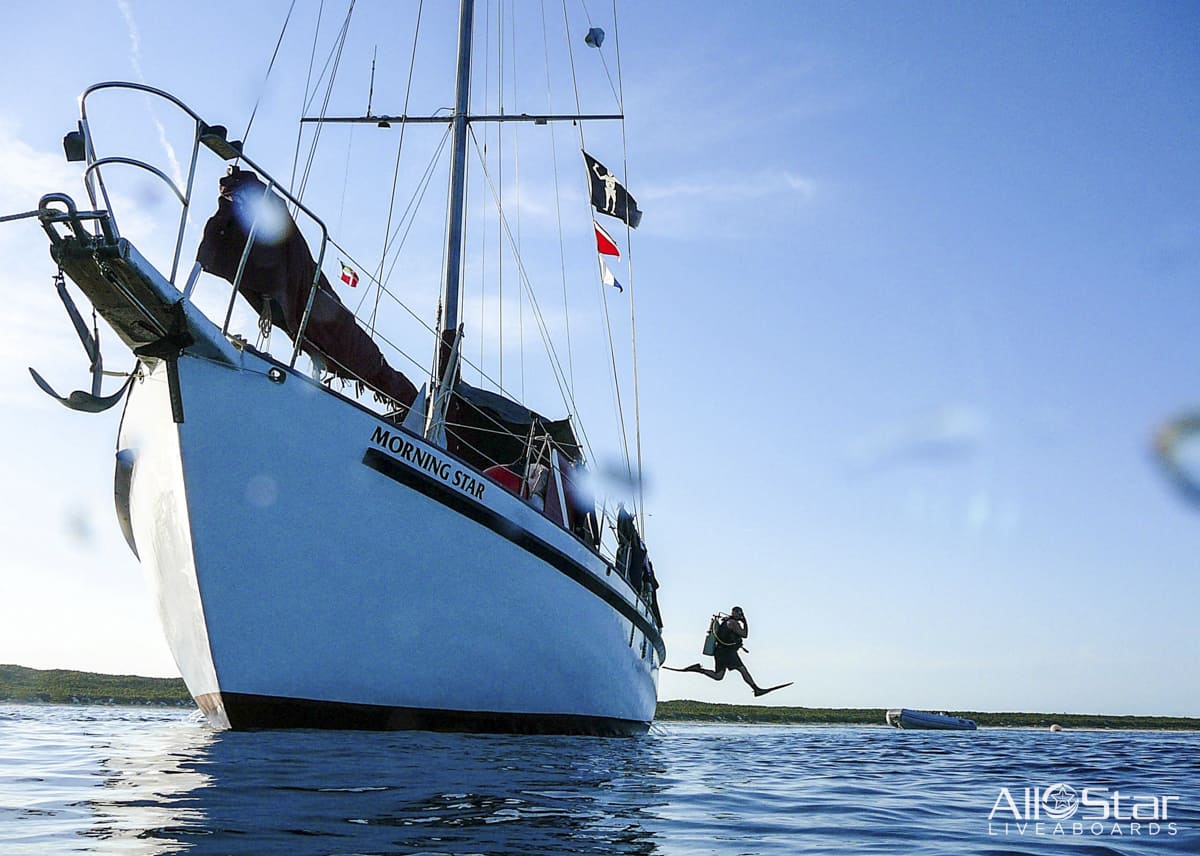
All Star Blackbeards Morning Star
Bahamas
24 guests20 m
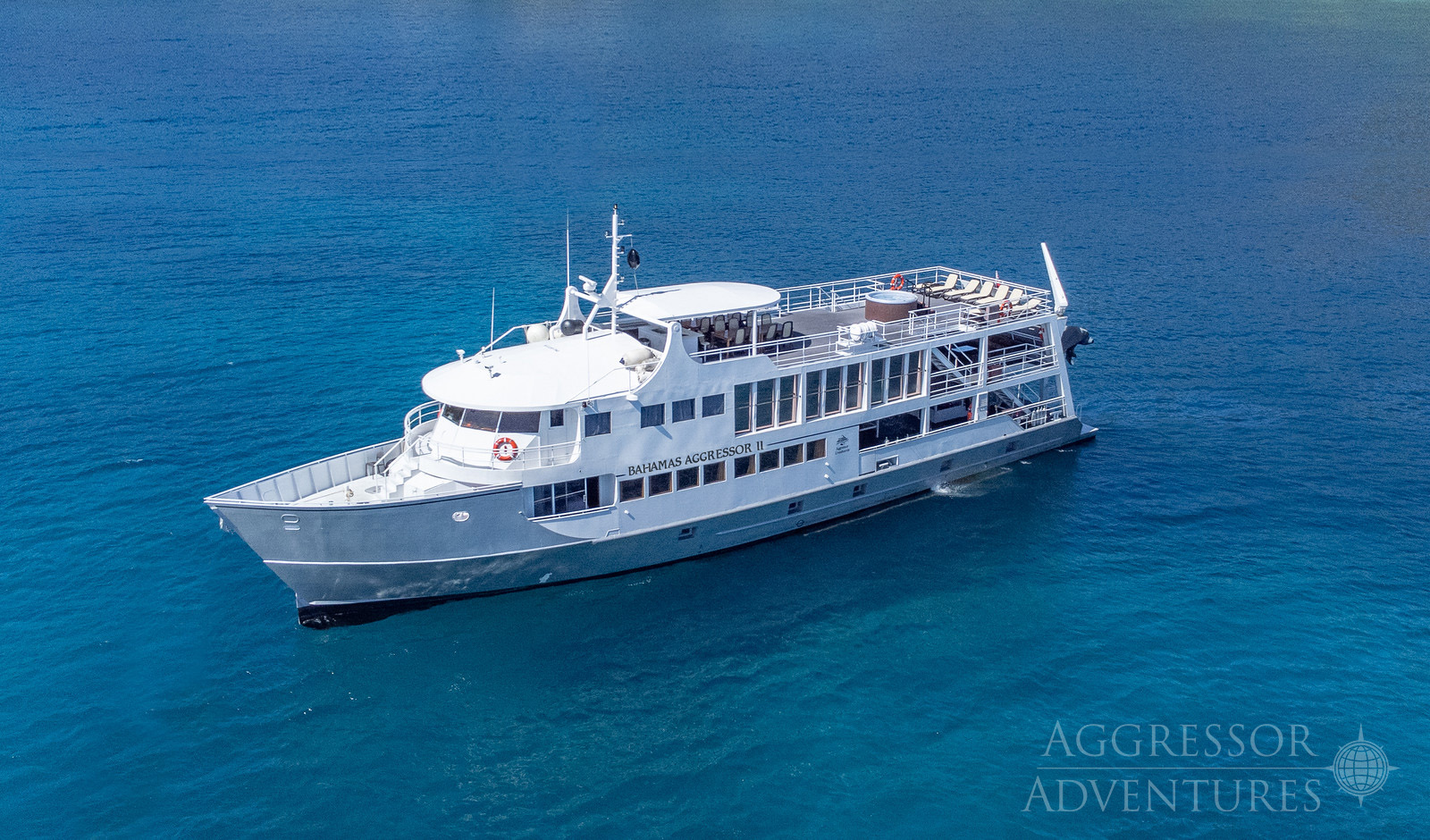
Bahamas Aggressor II
Bahamas
20 guests34 m
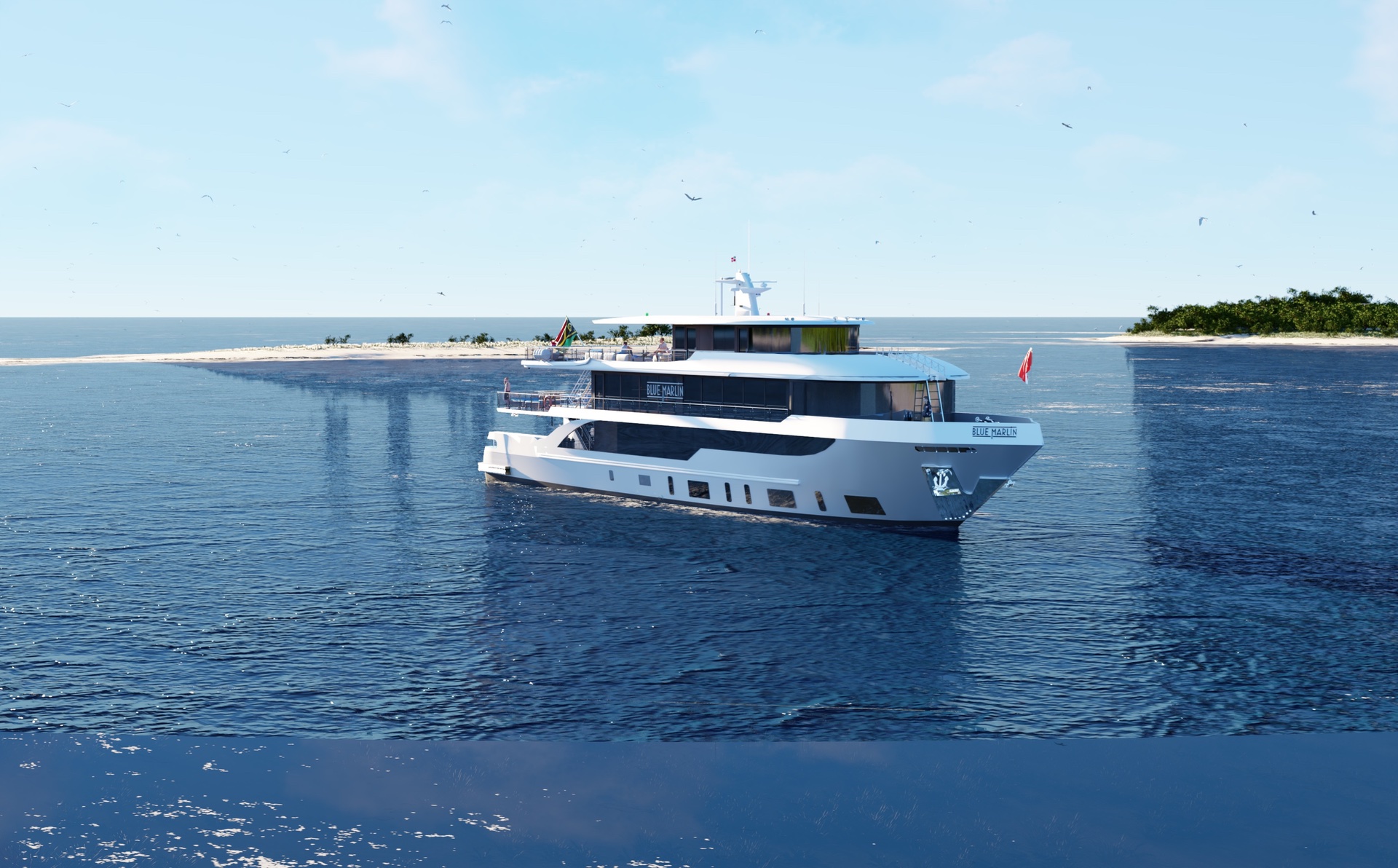
Blue Marlin
Bahamas
26 guests42 m
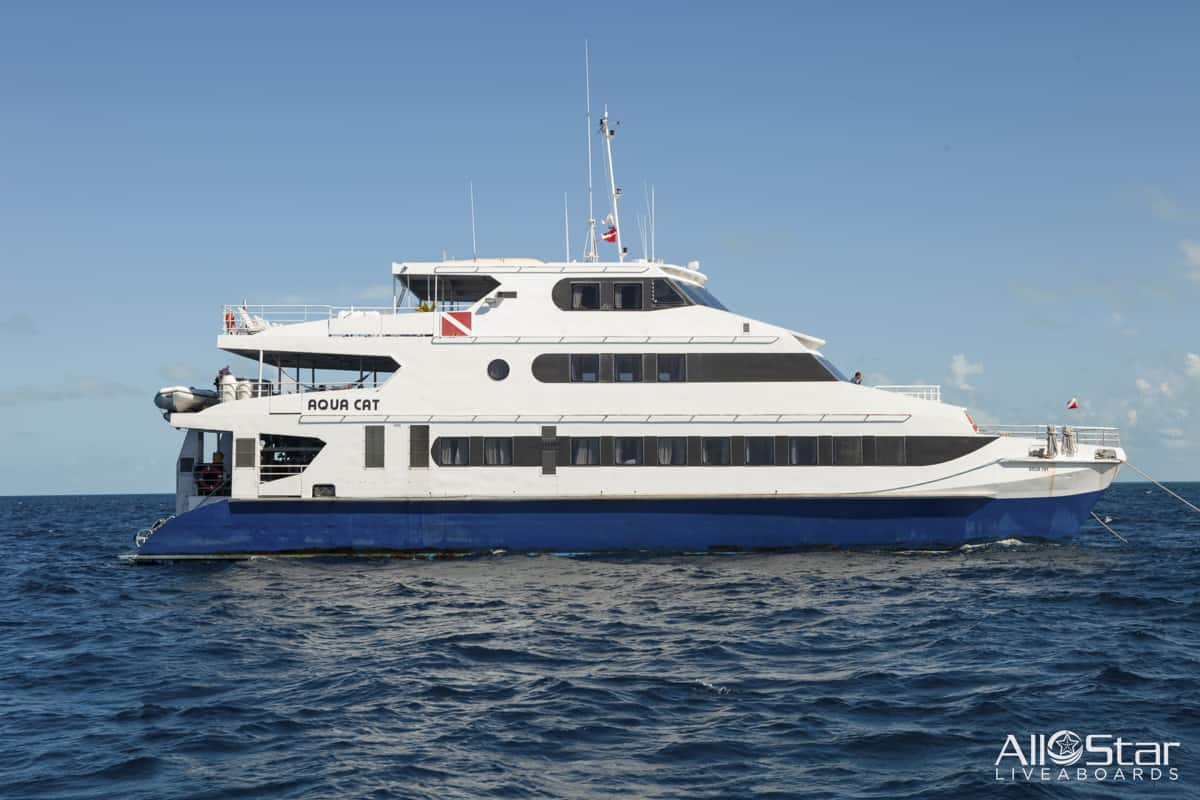
All Star Aqua Cat
Bahamas
30 guests31 m
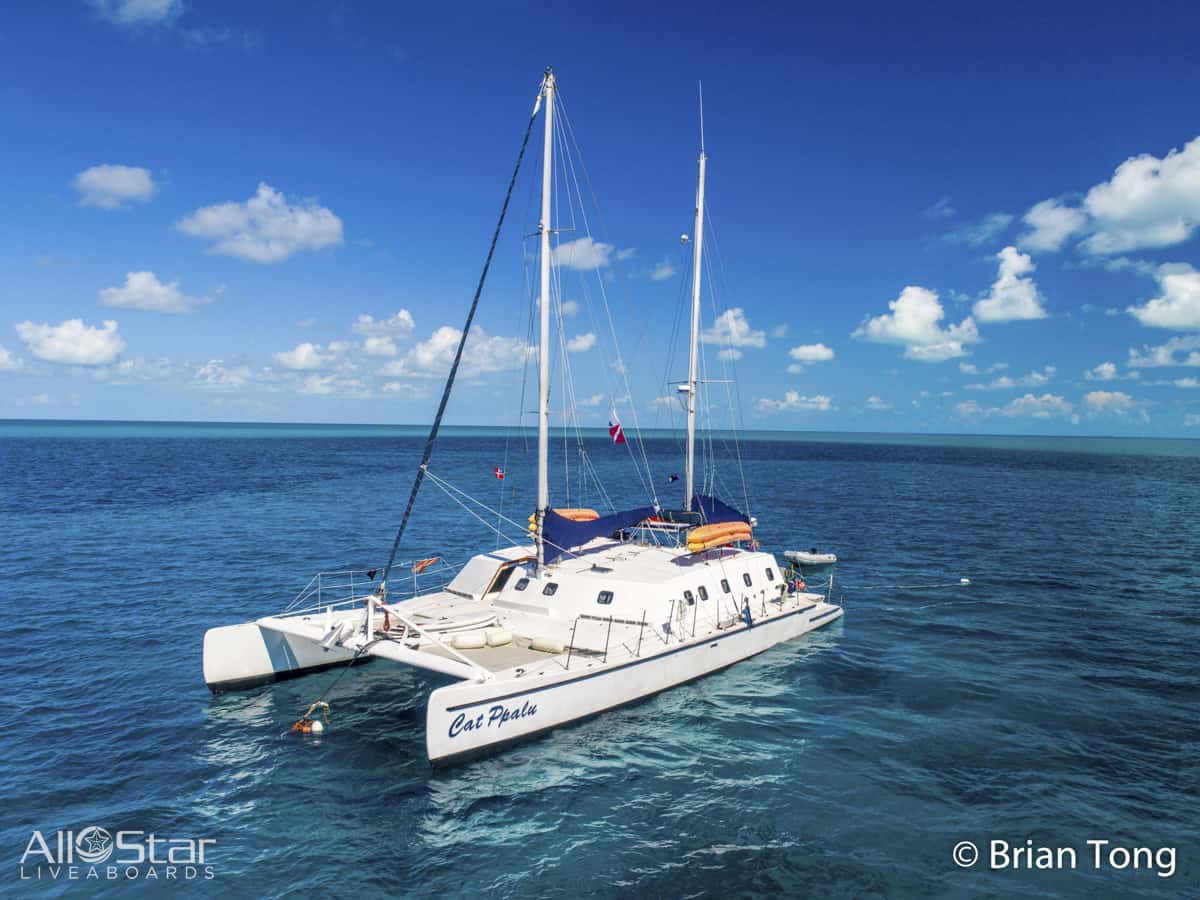
All Star Cat Ppalu
Bahamas
12 guests20 m
Dive sites similar to Periwinkle Reef
Same character, same waters — six more sites divers love for the exact same reasons.Compare seasons, access and liveaboard routes — then pick the site that fits your trip best.
© Esri — Maxar, Earthstar, GIS
3 Fathom Wall
Cayman Islands
3 Fathom Wall is an exciting and fish-filled dive site located in the Cayman Islands, specifically at the intersection of the renowned Bloody Bay Wall.
- Suitable for
- Intermediate
- Current
- Mild
- Access
- Liveaboard only
- Depth
- ≤ 3000 m
- Theme
- Reef
While specific details for a dive site named "3 Riff" are not present in the provided sources, general diving conditions and characteristics for the Dominican Republic…
- Suitable for
- Advanced
- Current
- Mild
- Access
- Dayboat
- Depth
- 30–55 m
- Theme
- Reef
The dive site known as 3 Rocks is located off the coast of Sosúa in Puerto Plata, Dominican Republic, offering an accessible and lively underwater experience.
- Suitable for
- Beginner
- Current
- Mild
- Access
- Dayboat
- Depth
- 2–8 m
- Theme
- Reef
4 Amigos is a notable dive site located in the Bay Islands of Honduras, an area renowned for its extensive Mesoamerican Barrier Reef System, which is the world's second-longest.
- Suitable for
- Intermediate
- Current
- Moderate
- Access
- Liveaboard or dayboat
- Depth
- 9–40 m
- Theme
- Reef
© Esri — Maxar, Earthstar, GIS
6 Toed Cat
Mexico
The dive site known as "6 Toed Cat" is not a recognized dive location in Mexico; rather, it refers to the polydactyl felines, many with six toes, that inhabit the Ernest Hemingway Home and Museum in Key West, Florida.
- Suitable for
- Beginner
- Current
- Mild
- Access
- Liveaboard or dayboat
- Depth
- —
- Theme
- Reef
© Esri — Maxar, Earthstar, GIS
Aaron's Backyard
Honduras
Aaron's Backyard is a noted dive site within the Roatan Marine Park in Honduras, part of the extensive Mesoamerican Barrier Reef System.
- Suitable for
- Intermediate
- Current
- Moderate
- Access
- Liveaboard or dayboat
- Depth
- 9–40 m
- Theme
- Reef