About Ray of Hope (Wreck)
The Ray of Hope, a 200-foot long Haitian freighter, was intentionally sunk in 2003 off New Providence, Bahamas, serving as an artificial reef. This wreck lies alongside the older Bahama Mama wreck, with both structures forming a spectacular and photogenic site. It is one of at least 16 wrecks sunk on the southwestern side of New Providence. The wreck rests in waters ranging from 40 to 60 feet deep on a sandy seabed, with the Tongue-of-the-Ocean wall directly behind it. The hull of the Ray of Hope remains fully intact, allowing divers to explore its interior compartments, cabins, and gangways. Colorful corals adorn its structure, creating a vivid backdrop for exploration. This site is renowned for frequent encounters with Caribbean reef sharks, often numbering in the dozens, which are drawn to the area. Divers regularly observe groupers, stingrays, nurse sharks, and various reef fish inhabiting the wreck's structure and the surrounding sand. The vibrant marine ecosystem makes it a popular destination for underwater photographers and shark enthusiasts. Dive operators regularly visit the Ray of Hope, sometimes incorporating shark feeding demonstrations. The consistent lee provided by New Providence's landmass ensures calm conditions, and its proximity to the deep Tongue of the Ocean contributes to generally excellent visibility. This combination of an intact wreck, abundant marine life, and good conditions makes it suitable for divers across various skill levels.
Highlights
Intact 200-foot freighterSide-by-side with Bahama Mama wreckCaribbean reef shark encountersExplore cabins and gangwaysColorful coral growthShallow depth for explorationTongue-of-the-Ocean proximityPhotogenic wreck structure
Season calendar
Best months to dive here
Jan
Feb
Mar
Apr
May
Jun
Jul
Aug
Sep
Oct
Nov
Dec
Excellent
Good
Off-Season
Nov – May (Peak)
Tiger sharks at Tiger Beach, hammerheads off Cat Island, best visibility up to 40m, calm seas.
Jun & Oct (Shoulder)
Reef sharks, nurse sharks, dolphins. Slightly rougher seas but still diveable.
Jul – Sep (Hurricane)
Many operators pause. If open, expect reduced visibility and unpredictable weather.
Dive site facts: Ray of Hope (Wreck)
- Depth
- 12–18 m
- Current
- Mild
- Visibility
- 15–24 m
- Water temperature
- 24–29 °C
- Entry
- Boat
- Level
- All skill levels
- Dive type
- Wreck, big animals, shark
- Region / port
- New Providence, Bahamas
- Coordinates
- 24.9877° N, 77.3551° W
Conditions & Currents
While diving the Ray of Hope, you may experience some current, particularly around the wreck structures, though it is generally not described as difficult. The site is located in a consistent lee on the southwest side of New Providence, which helps keep conditions calm, especially during winter winds. Visibility is typically excellent, often ranging from 50 to 80 feet horizontally, due to the proximity of the deep Tongue of the Ocean. During shark feeding activities, the sharks are noted to hunt in deeper currents before ascending to the plateau for feeding. Surface conditions can sometimes be choppy, especially during hurricane season, which may make reboarding the boat a precision timing exercise. Divers should be comfortable with potential mild currents and comfortable with boat entries/exits in varying surface chop.
Marine life & sighting chances

Caribbean reef shark
common
Grouper
common
Nurse shark
occasional
Stingray
occasional
Reef fish
common
Midnight parrotfish
occasional
Sea turtle
occasionalSchooling fish (inside wreck)
commonDive profile & how the dive runs
Dives at Ray of Hope typically begin from a boat anchored near the site, often at the edge of the Tongue-of-the-Ocean drop-off. Upon entering the clear water, divers can often see the wreck from the surface, then descend along a mooring line or directly to the wreck. The Ray of Hope lies on a sandy bottom, with its intact hull making it accessible for exploration. Divers often navigate through the ship's interior, including cabins and gangways, to observe marine life sheltering within. The site is frequently visited for shark encounters, where Caribbean reef sharks are often seen circling the wreck or responding to feeding activities. The dive plan may include exploring both the Ray of Hope and the adjacent Bahama Mama wreck. Due to the shallow maximum depth of 60 feet, bottom times are generous, allowing for extensive exploration before ascending for a safety stop, typically performed in the shallower reef areas or along the mooring line.
Underwater photography
The Ray of Hope wreck offers excellent wide-angle photography opportunities, especially given its intact structure and the presence of numerous Caribbean reef sharks. A fisheye or wide-angle lens is ideal for capturing the grandeur of the 200-foot freighter and the accompanying shark action. For close-ups of the colourful corals adorning the wreck or the reef fish hiding within compartments, a macro lens can be useful, though wide-angle is generally preferred for the site's main draws. External strobes are recommended to bring out the vibrant colors and to properly expose subjects in the clear Bahamian waters, especially when shooting into the wreck's interior. When shark feeding is occurring, focus on capturing the frenzied 'shark ballet' from a safe, respectful distance. Maintain excellent buoyancy control to avoid stirring up sand and to navigate tight interior spaces without damaging the wreck or marine life.
Combine with nearby dive sites
- Austin Smith Wreck
The Austin Smith Wreck, originally named HMBS Flamingo, was a 90-foot Bahamian Defense Force cutter that was decommissioned in 1995.
- Hawksbill Reef
Hawksbill Reef is a dynamic dive site located in the Bimini region of the Bahamas, renowned for its rich coral formations and abundant…
- Sapona Wreck
Mentioned as 'SS Sapona' in a source, a known site in Bimini
- Twin Sister Wrecks
Potentially referring to Ray of Hope and Bahama Mama as a pair, or another pair nearby
Getting there & logistics
Access to the Ray of Hope typically involves flying into Nassau's Lynden Pindling International Airport (NAS), which is the main international gateway to New Providence. From the airport, divers are usually transferred to dive operators located on the southwest side of New Providence, such as Stuart Cove's Dive Bahamas. This location offers quick access to the dive site. Many divers visiting the Ray of Hope are on day trips from cruise ships docking in Nassau, with shuttle services provided from the port. Liveaboard options also include this site in their itineraries, with vessels like Blackbeard Sea Explorer and Bahamas Aggressor II offering trips. There are no specific permits or fees mentioned for diving the wreck itself, but dive operator packages will cover boat fees. Trips are commonly combined with other nearby wrecks and reef sites in the New Providence area, allowing for multiple dives in a day.
Safety & environment
For divers exploring the Ray of Hope, the nearest recompression chamber is located in Nassau, New Providence. In the unlikely event of a dive emergency, evacuation would typically be by boat to shore, followed by transport to a medical facility. Dive insurance, such as that provided by DAN, is highly recommended to cover potential medical and evacuation expenses. Site-specific hazards include encountering numerous Caribbean reef sharks, particularly during shark feeding activities. While these dives are often managed by experienced shark feeders, divers should always follow strict instructions, maintain calm, and avoid sudden movements. Surface conditions can sometimes be choppy, especially during the hurricane season (June to November), which might present challenges during boat re-entry for some divers. All divers should ensure their buoyancy control is excellent, especially when navigating inside the wreck, to prevent entanglement or disturbing marine life.
Who it suits — and who it doesn't
Suited for
- Wreck enthusiasts
- Shark diving enthusiasts
- Underwater photographers
- Beginner and experienced divers
- Those seeking abundant marine life
Less suited for
- Divers uncomfortable with sharks
- Individuals prone to seasickness in choppy conditions
- Divers unwilling to follow strict safety briefings
- Those seeking extreme deep wreck penetration
FAQ
Ray of Hope (Wreck) FAQ
What kind of marine life can I expect to see at the Ray of Hope?
The Ray of Hope is famous for its abundant marine life, especially Caribbean reef sharks, which are frequently seen in large numbers. Divers often encounter groupers, stingrays, and nurse sharks, along with various species of colorful reef fish. The wreck's structure also provides shelter for schools of smaller fish.
Is the Ray of Hope suitable for beginner divers?
Yes, the Ray of Hope is considered suitable for divers of all skill levels. Its maximum depth ranges from 40 to 60 feet (12-18 meters), making it accessible for newer divers. The intact nature of the wreck also allows for exploration without requiring advanced penetration skills.
What are the typical water conditions like at the Ray of Hope?
Water conditions are generally excellent, with clear visibility often ranging from 50 to 80 feet (15-24 meters). Water temperatures are warm, typically between 24°C and 29°C (75°F to 84°F). While some mild currents can be present, the site benefits from being in a consistent lee, providing relatively calm conditions.
Is shark feeding conducted at the Ray of Hope?
Yes, shark feeding is regularly conducted at the Ray of Hope by some dive operators. This activity attracts numerous Caribbean reef sharks, creating dynamic and exciting encounters for divers. Specific protocols are followed, with divers observing from a designated area while a professional feeder manages the interaction.
Can I explore the interior of the Ray of Hope wreck?
The Ray of Hope remains fully intact, offering opportunities to explore its interior. Divers can navigate through cabins, gangways, and other compartments. This allows for an immersive wreck diving experience while observing marine life that has taken up residence within the ship's structure.
How is the Ray of Hope typically accessed for diving?
The Ray of Hope is primarily accessed via day boats from dive operators based on New Providence Island, particularly from the southwest coast near Nassau. It is also a featured site on various liveaboard itineraries in the Bahamas. Many visitors are cruise ship passengers taking day trips to dive the wreck.
Why dive Ray of Hope (Wreck) from a liveaboard?
Ray of Hope (Wreck) is one of Bahamas's signature dive sites. A liveaboard sleeps you on the water and puts you in the water for three to four guided dives per day, including dawn and night dives that day-boat operators rarely offer. You skip the daily commute back to port and reach quieter, less-crowded sites in the same region on a single trip.
Below are the liveaboards that include Ray of Hope (Wreck) on their Bahamas itineraries.
Liveaboards diving Ray of Hope (Wreck)
These liveaboards may visit Ray of Hope (Wreck) on selected itineraries — the exact dive sites depend on departure, weather and conditions.
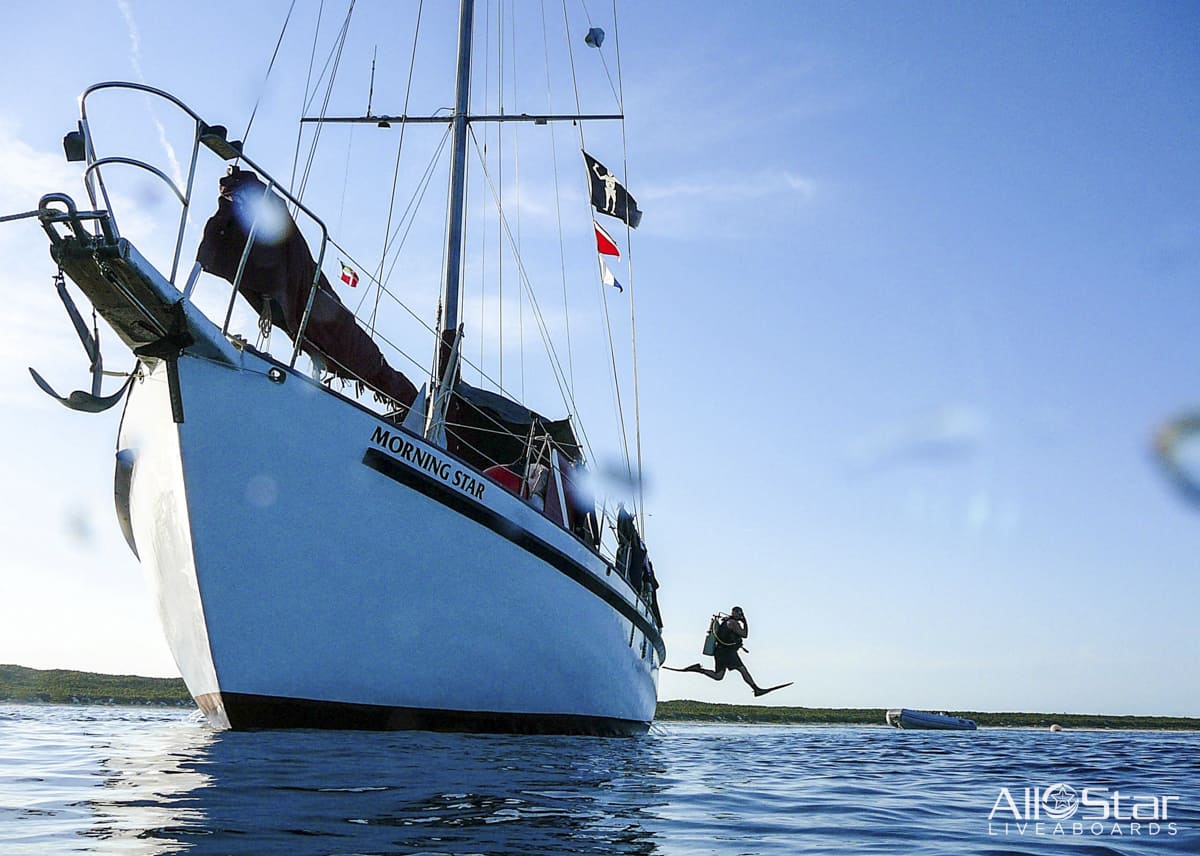
All Star Blackbeards Morning Star
Bahamas
24 guests20 m
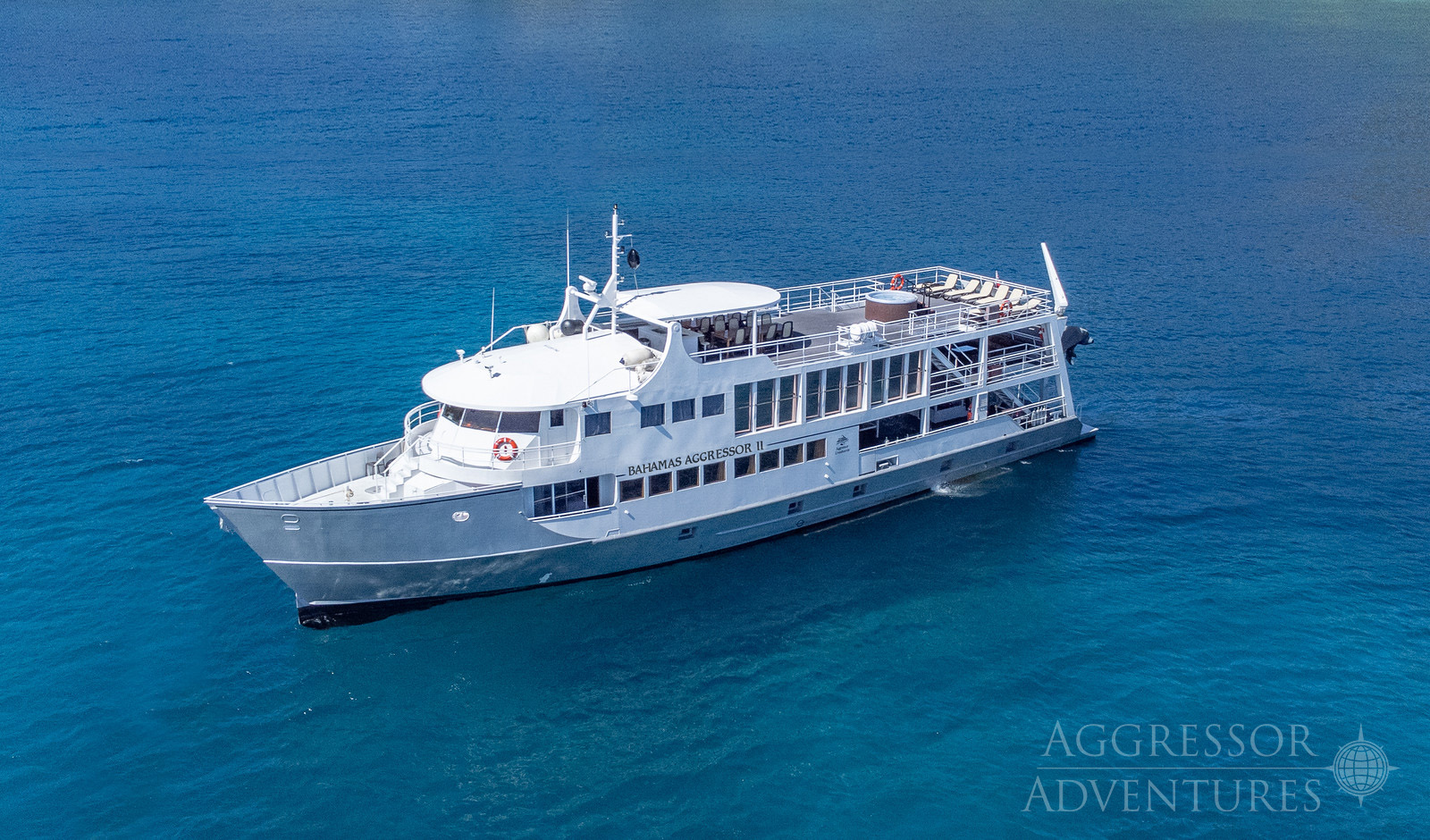
Bahamas Aggressor II
Bahamas
20 guests34 m
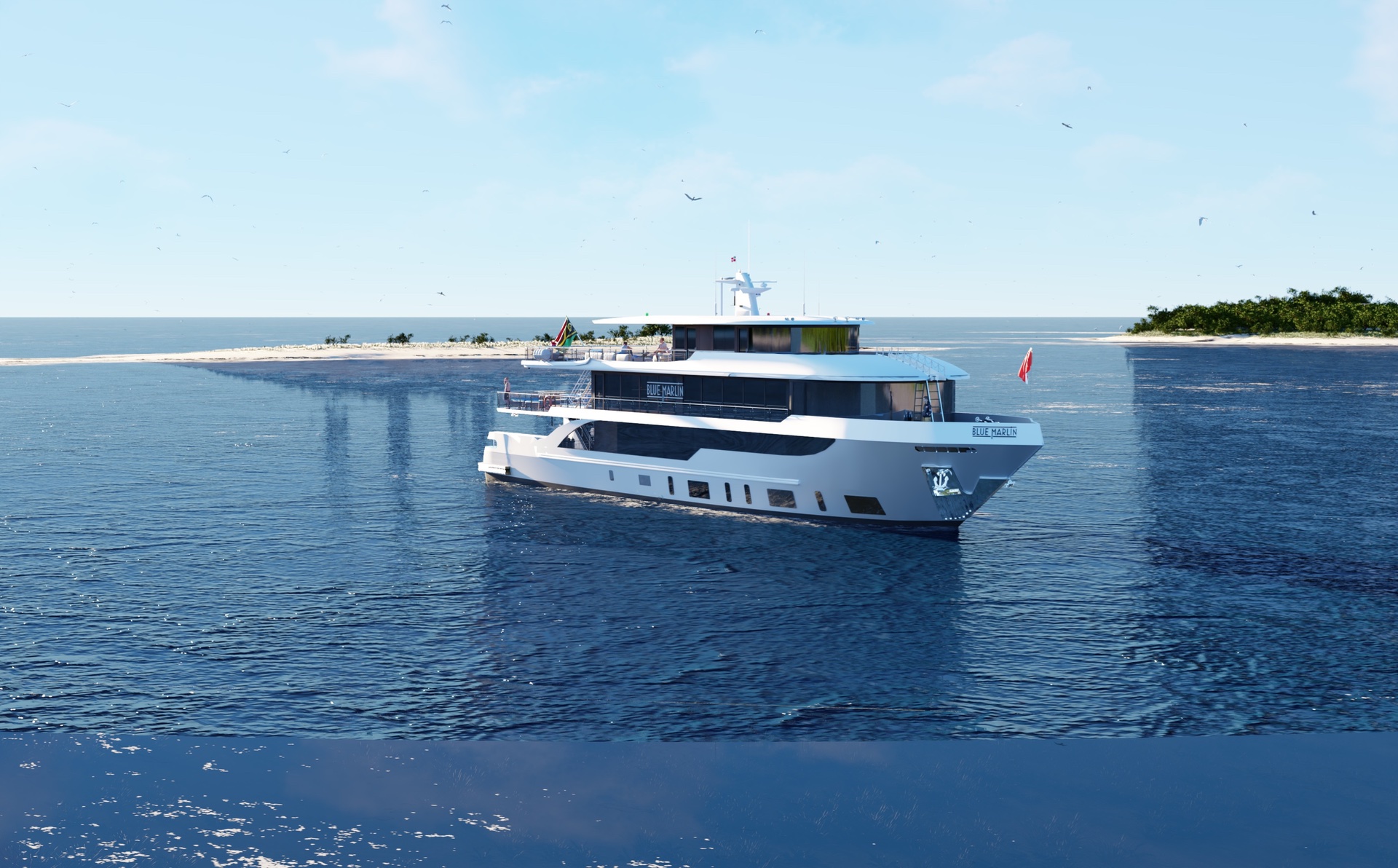
Blue Marlin
Bahamas
26 guests42 m
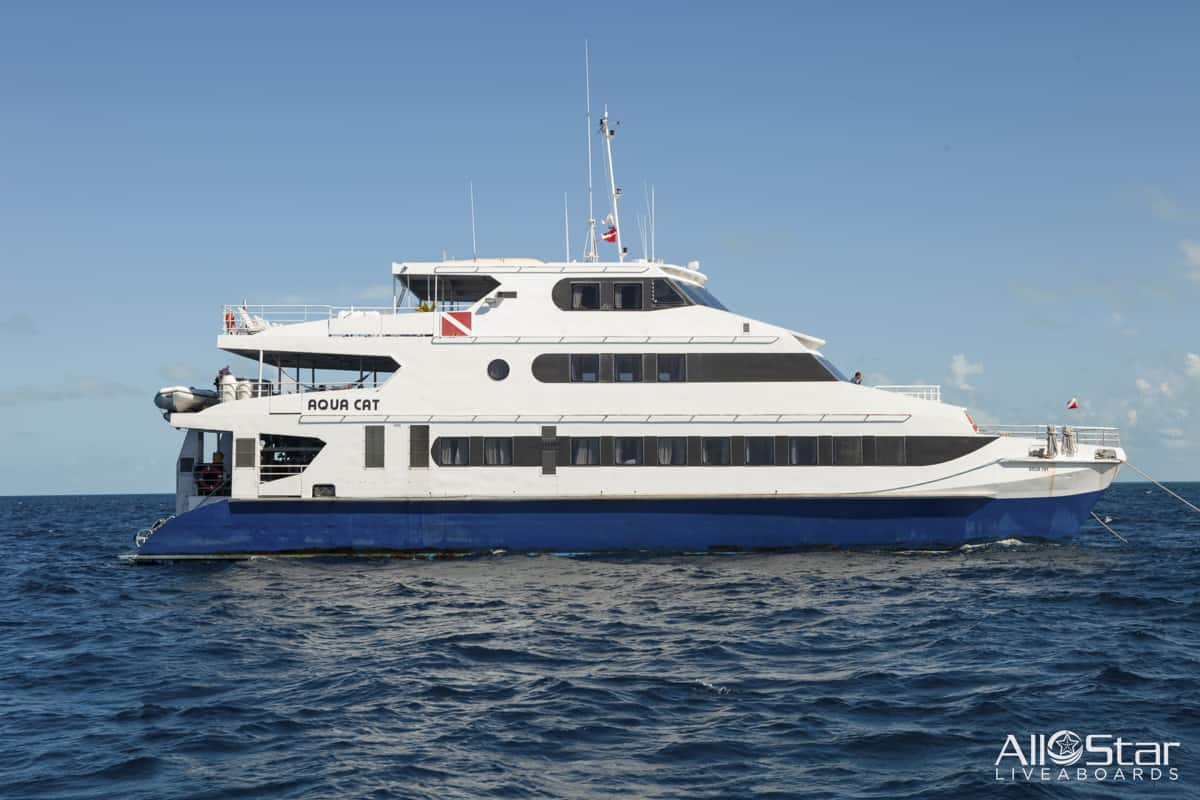
All Star Aqua Cat
Bahamas
30 guests31 m
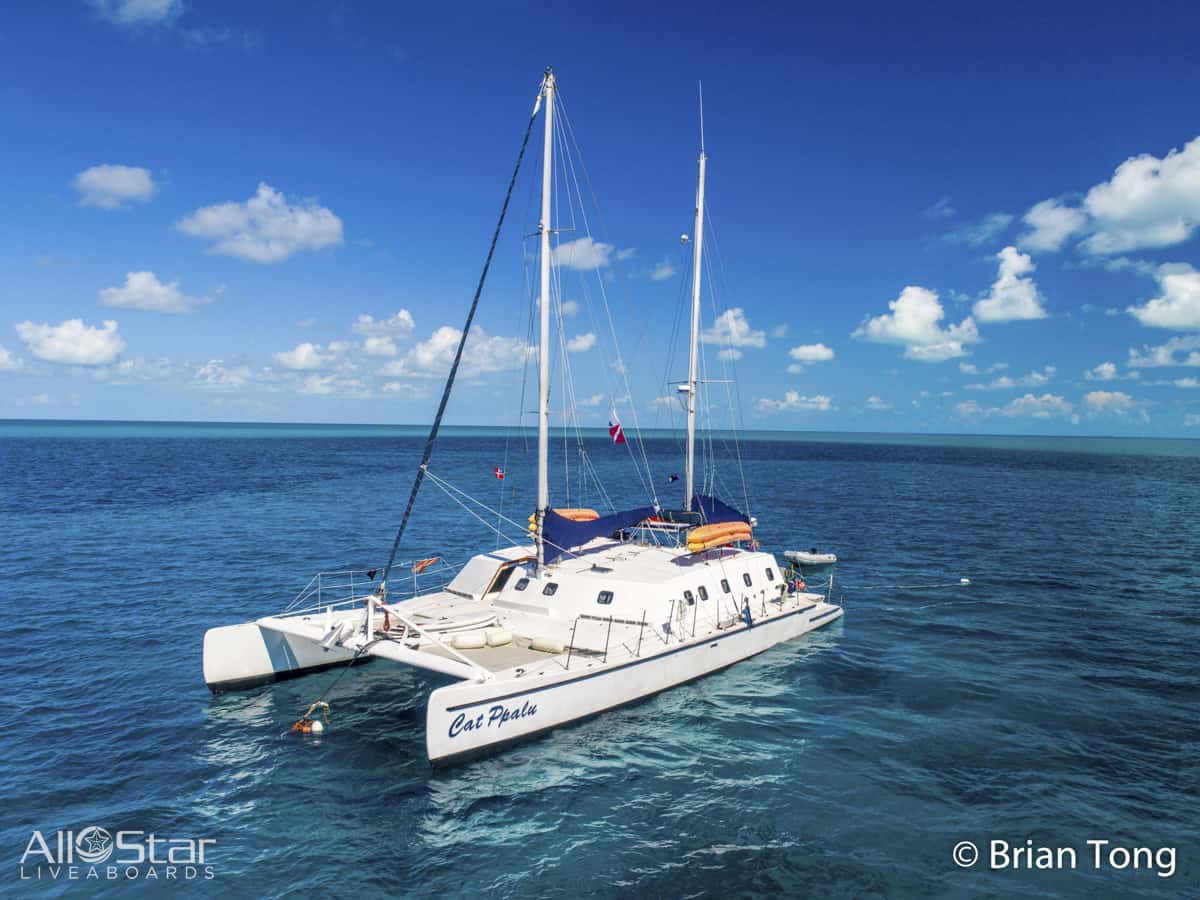
All Star Cat Ppalu
Bahamas
12 guests20 m
Dive sites similar to Ray of Hope (Wreck)
Same character, same waters — six more sites divers love for the exact same reasons.Compare seasons, access and liveaboard routes — then pick the site that fits your trip best.
© Esri — Maxar, Earthstar, GIS
3 Fathom Wall
Cayman Islands
3 Fathom Wall is an exciting and fish-filled dive site located in the Cayman Islands, specifically at the intersection of the renowned Bloody Bay Wall.
- Suitable for
- Intermediate
- Current
- Mild
- Access
- Liveaboard only
- Depth
- ≤ 3000 m
- Theme
- Reef
While specific details for a dive site named "3 Riff" are not present in the provided sources, general diving conditions and characteristics for the Dominican Republic…
- Suitable for
- Advanced
- Current
- Mild
- Access
- Dayboat
- Depth
- 30–55 m
- Theme
- Reef
The dive site known as 3 Rocks is located off the coast of Sosúa in Puerto Plata, Dominican Republic, offering an accessible and lively underwater experience.
- Suitable for
- Beginner
- Current
- Mild
- Access
- Dayboat
- Depth
- 2–8 m
- Theme
- Reef
4 Amigos is a notable dive site located in the Bay Islands of Honduras, an area renowned for its extensive Mesoamerican Barrier Reef System, which is the world's second-longest.
- Suitable for
- Intermediate
- Current
- Moderate
- Access
- Liveaboard or dayboat
- Depth
- 9–40 m
- Theme
- Reef
© Esri — Maxar, Earthstar, GIS
6 Toed Cat
Mexico
The dive site known as "6 Toed Cat" is not a recognized dive location in Mexico; rather, it refers to the polydactyl felines, many with six toes, that inhabit the Ernest Hemingway Home and Museum in Key West, Florida.
- Suitable for
- Beginner
- Current
- Mild
- Access
- Liveaboard or dayboat
- Depth
- —
- Theme
- Reef
© Esri — Maxar, Earthstar, GIS
Aaron's Backyard
Honduras
Aaron's Backyard is a noted dive site within the Roatan Marine Park in Honduras, part of the extensive Mesoamerican Barrier Reef System.
- Suitable for
- Intermediate
- Current
- Moderate
- Access
- Liveaboard or dayboat
- Depth
- 9–40 m
- Theme
- Reef