About Over the Wall
"Over the Wall" on Andros Island presents a unique and dramatic diving experience at the edge of the Tongue of the Ocean, an immense oceanic trench reaching depths of 1,820 meters. This site is characterized by an abrupt vertical drop, where the vibrant coral reef gives way to the deep blue abyss. Divers typically explore the upper reaches of this wall, navigating along its precipice. The location's oceanic exposure contributes to exceptional visibility, frequently offering clear views into the vast depths below. While day dives here offer expansive wall exploration, the site truly transforms after sunset. "Over the Wall" is particularly celebrated for its night dives, during which divers can witness spectacular natural light shows. Turning off artificial lights reveals a world illuminated by bioluminescent dinoflagellates, plankton that create shimmering, ethereal glows in the water. This phenomenon makes it a compelling destination for those seeking unique underwater photography opportunities and an unforgettable nocturnal experience. Due to its depth potential and the nature of wall diving, this site is best suited for experienced divers comfortable with advanced profiles and buoyancy control. It offers an encounter with the raw, untamed beauty of the deep ocean's edge.
Highlights
Dramatic vertical wall diveTongue of the Ocean accessSpectacular bioluminescent night divesDeep-water coral formationsUnique plankton displaysAdvanced dive profiles
Season calendar
Best months to dive here
Jan
Feb
Mar
Apr
May
Jun
Jul
Aug
Sep
Oct
Nov
Dec
Excellent
Dive site facts: Over the Wall
- Depth
- Up to 20 m (recreational limit); wall drops to 1,820 m
- Current
- Mild to moderate
- Visibility
- 30–45 m
- Water temperature
- 24–29°C
- Entry
- Boat
- Level
- Advanced
- Dive type
- Wall, night, technical
- Night dive
- Recommended
- Region / port
- Andros Island
- Coordinates
- 24.98, -77.54
Conditions & Currents
Currents at "Over the Wall" are typically mild, but due to its location on a vast oceanic wall, occasional moderate currents can be encountered, necessitating good buoyancy control and dive planning. Divers descend onto the reef plateau and follow the wall, which plunges past recreational limits, requiring careful depth management. The exceptional visibility, often ranging from 30 to 45 meters, provides clear views of the wall and any approaching marine life, though deep profiles demand attention to gas consumption. Entry and exit are usually boat-based, and careful monitoring of current conditions by the dive operator is essential to ensure diver safety along the vertical drop-off.
Marine life & sighting chances
Bioluminescent Dinoflagellates
common
Caribbean reef shark
occasional
Eagle ray
occasional
Grouper
occasional
Snapper
occasional
Jack
occasional
Barrel sponge
common
Black coral
common
Gorgonian
commonDive profile & how the dive runs
Dives at "Over the Wall" typically begin with a boat drop directly onto the reef plateau, which sits at approximately 18-20 meters. From here, divers navigate towards the wall, where the seabed abruptly drops into the Tongue of the Ocean. The dive profile involves exploring along the edge of this dramatic vertical face, with the vast abyss stretching downwards. Many recreational divers will stay within the 20-30 meter range, admiring the deep-water coral formations and seeking out marine life that patrols the wall. For night dives, the approach is similar, with the highlight being the controlled switching off of dive lights at around 20 meters to fully appreciate the natural bioluminescence. The turn point is determined by gas consumption and no-decompression limits, with the ascent along the wall to a safety stop on the reef plateau before a boat pick-up.
Underwater photography
Capturing the essence of "Over the Wall" requires a versatile approach. For wide-angle photography during the day, a fisheye lens is ideal to convey the sheer scale of the wall and the deep blue expanse. Strobes are essential to bring out the vibrant colors of the coral and sponge formations on the wall's edge. During night dives, the focus shifts entirely to capturing bioluminescence. This often means experimenting with long exposures, high ISO settings, and minimal artificial light, if any, to truly showcase the natural glow of the dinoflagellates. Buoyancy control is paramount, especially when navigating close to the wall's delicate corals or drifting in the dark, to avoid disturbing the environment and maintain stable shots.
Combine with nearby dive sites
- Andros Barrier Reef
The Andros Barrier Reef, located off Andros Island in the Bahamas, is the third-largest barrier reef system globally, stretching over 140…
- Lost Blue Hole
The Lost Blue Hole, situated off Andros Island and approximately 16 kilometers (10 miles) east of Nassau, presents a unique and captivating…
- Great Blue Hole Andros
The Great Blue Hole on Andros is a captivating inland blue hole that acts as a gateway to an extensive subterranean cave network, setting…
- The Washing Machine
A unique drift dive in the Exuma Cays, often combined with liveaboard itineraries that visit Andros.
- Tongue of the Ocean Wall
A broader geographic feature, of which 'Over the Wall' is a part, offering similar deep wall experiences.
Getting there & logistics
Accessing "Over the Wall" typically involves flying into Lynden Pindling International Airport (NAS) in Nassau, New Providence, or possibly Freeport Grand Bahama International Airport (FPO). From these major hubs, divers can take inter-island commuter flights or private speedboat transfers to Andros Island. Liveaboard trips are the most popular way to explore multiple sites, including "Over the Wall," offering week-long itineraries. Resort-based diving from Andros is also available. Permits are generally not required for this specific dive, though overall park fees or local marine conservation contributions might apply depending on the operator and itinerary.
Safety & environment
Diving "Over the Wall" requires advanced dive training due to the potential for deep profiles and the nature of wall diving. Excellent buoyancy control and careful gas management are critical. The nearest recompression chamber is likely located in Nassau. Evacuation from Andros Island to Nassau for medical emergencies would involve air transport, underscoring the importance of comprehensive dive insurance that covers emergency medical treatment and evacuation. Divers should always carry valid certification, follow dive leader instructions, and adhere to conservative dive plans, especially during night dives where visibility is purposefully limited to appreciate bioluminescence.
Who it suits — and who it doesn't
Suited for
- Advanced divers with wall diving experience
- Technical divers exploring deep profiles
- Night diving enthusiasts
- Underwater photographers interested in bioluminescence
- Divers seeking dramatic geological formations
Less suited for
- Beginner divers or those new to wall diving
- Divers uncomfortable with deep blue environments
- Individuals prone to motion sickness on boats
- Divers without excellent buoyancy control
- Those uninterested in night diving
FAQ
Over the Wall FAQ
What makes "Over the Wall" unique?
"Over the Wall" is unique for its dramatic vertical drop into the Tongue of the Ocean, an 1,820-meter deep trench. It offers expansive wall diving, but its true highlight is the spectacular bioluminescent display during night dives, where plankton create natural light shows in the darkness.
What is the recommended dive level for "Over the Wall"?
This site is recommended for advanced divers due to the potential for deep profiles and the inherent nature of wall diving. Technical diving enthusiasts also find it appealing. Excellent buoyancy control and a comfort level with deep blue environments are essential for a safe and enjoyable experience.
What kind of marine life can I expect to see during the day?
During day dives, you'll encounter a variety of reef fish inhabiting the coral formations along the wall, such as groupers, snappers, and jacks. Occasionally, pelagic species like Caribbean reef sharks or eagle rays might cruise by the deep blue. The wall itself is adorned with large barrel sponges, black corals, and gorgonians.
How do night dives at "Over the Wall" work?
Night dives at "Over the Wall" are a highlight. Divers descend to about 20 meters, and upon instruction, switch off their dive lights. This allows the incredible bioluminescent dinoflagellates to become visible, creating a natural, shimmering light show in the water, a truly unforgettable experience.
What are the typical diving conditions like?
Diving conditions at "Over the Wall" are generally excellent, with superb visibility often ranging from 30 to 45 meters. Water temperatures are comfortable, typically between 24-29°C. While currents are usually mild, occasional moderate currents can occur, requiring divers to maintain good buoyancy and awareness.
Why dive Over the Wall from a liveaboard?
Over the Wall is one of Bahamas's signature dive sites. A liveaboard sleeps you on the water and puts you in the water for three to four guided dives per day, including dawn and night dives that day-boat operators rarely offer. You skip the daily commute back to port and reach quieter, less-crowded sites in the same region on a single trip.
Below are the liveaboards that include Over the Wall on their Bahamas itineraries.
Liveaboards diving Over the Wall
These liveaboards may visit Over the Wall on selected itineraries — the exact dive sites depend on departure, weather and conditions.
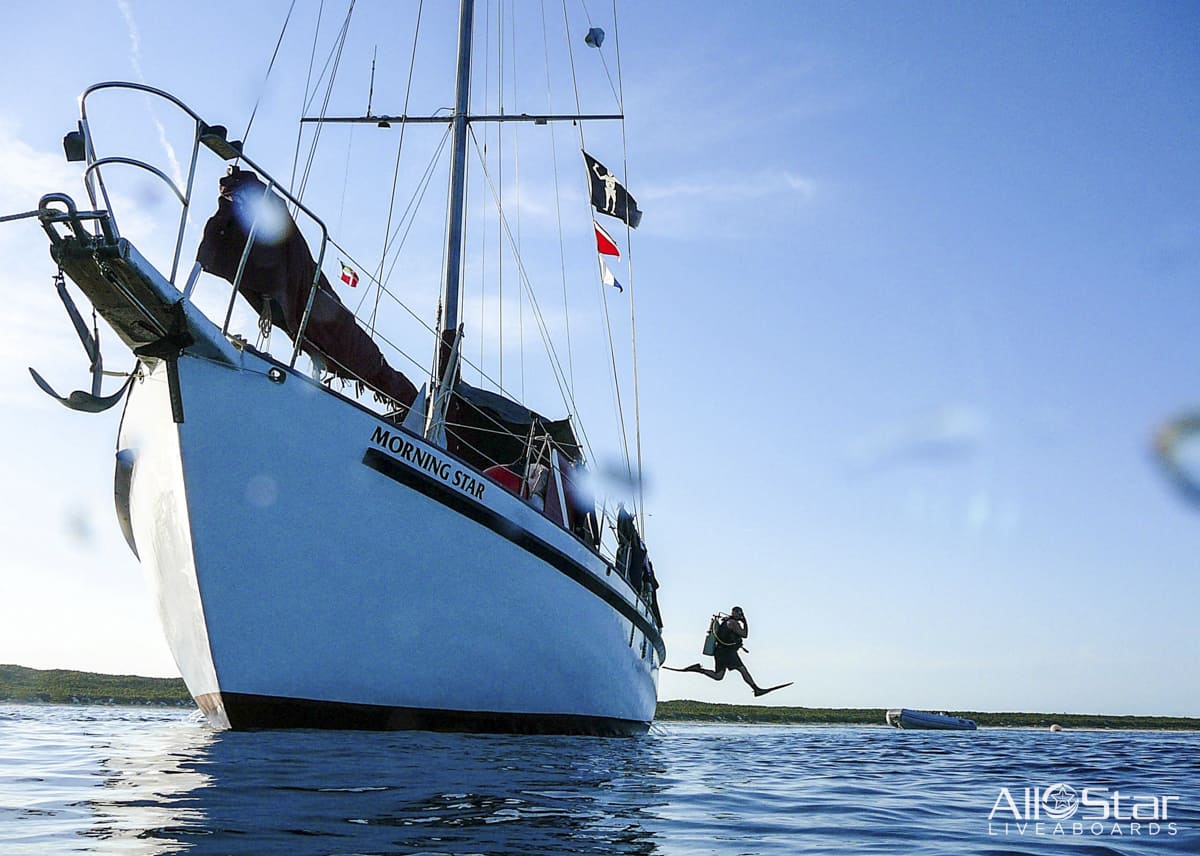
All Star Blackbeards Morning Star
Bahamas
24 guests19.81 m
$156/day
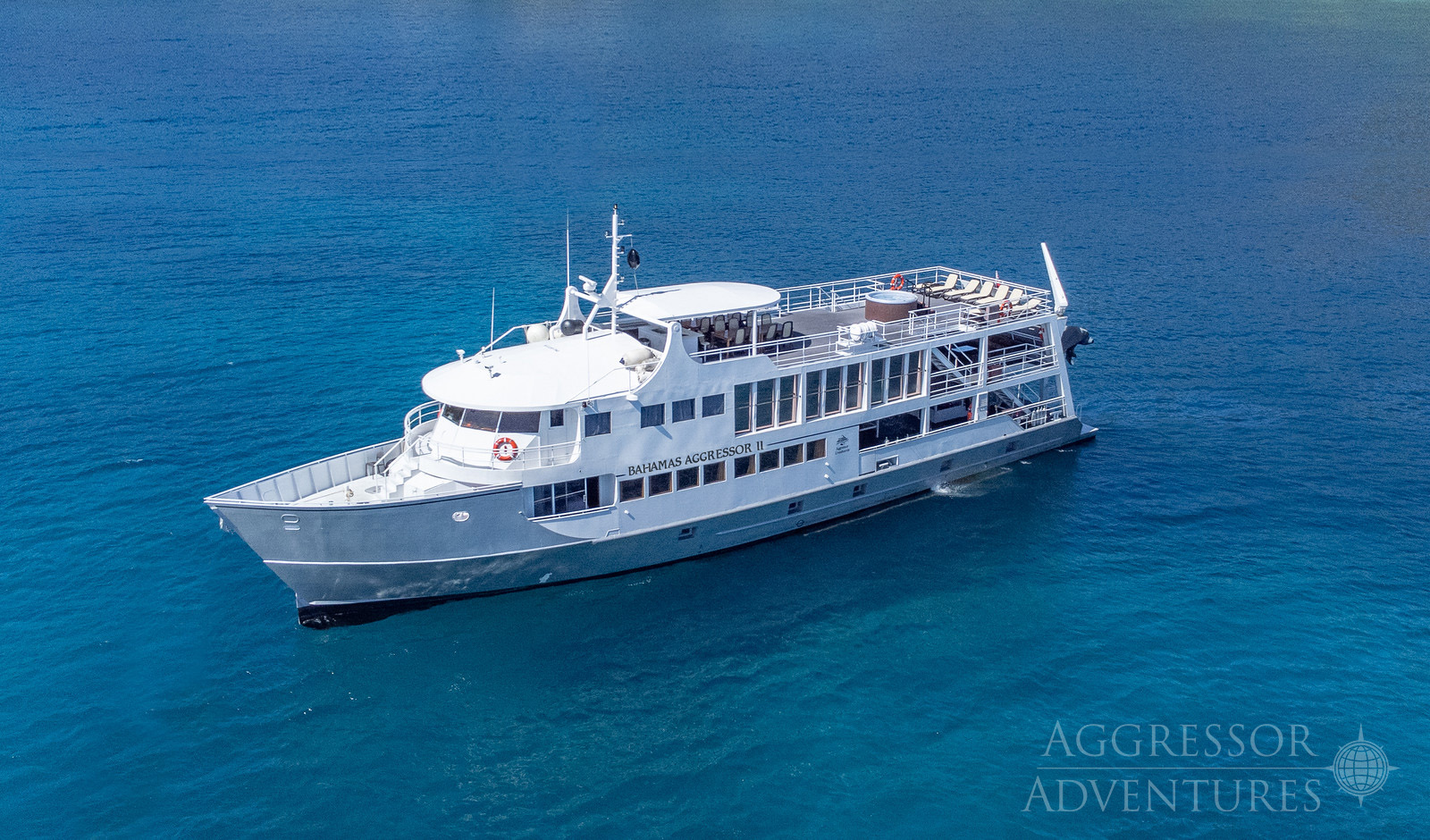
Bahamas Aggressor II
Bahamas
20 guests33.5 m
$328/day
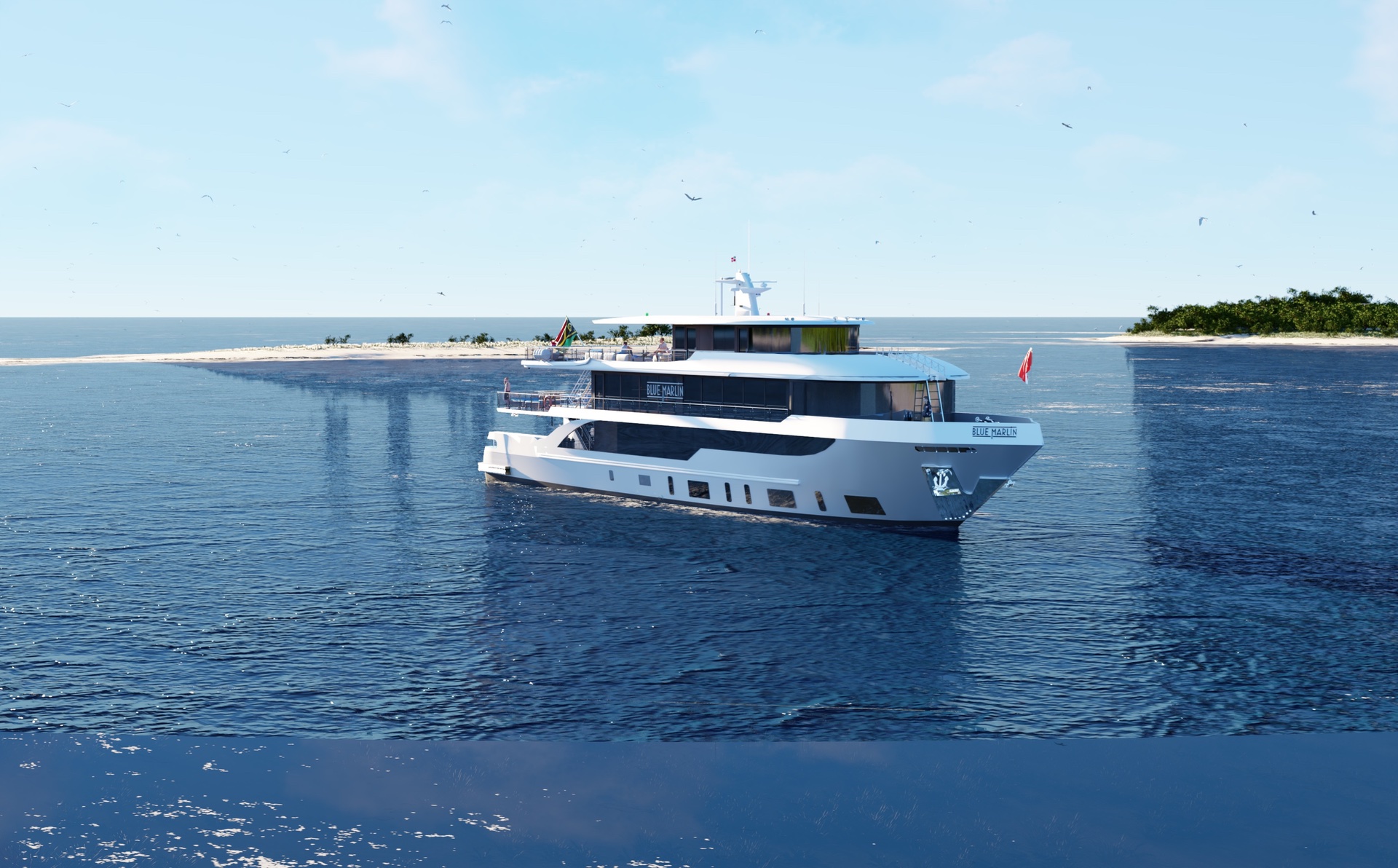
Blue Marlin
Bahamas
26 guests42 m
$318/day
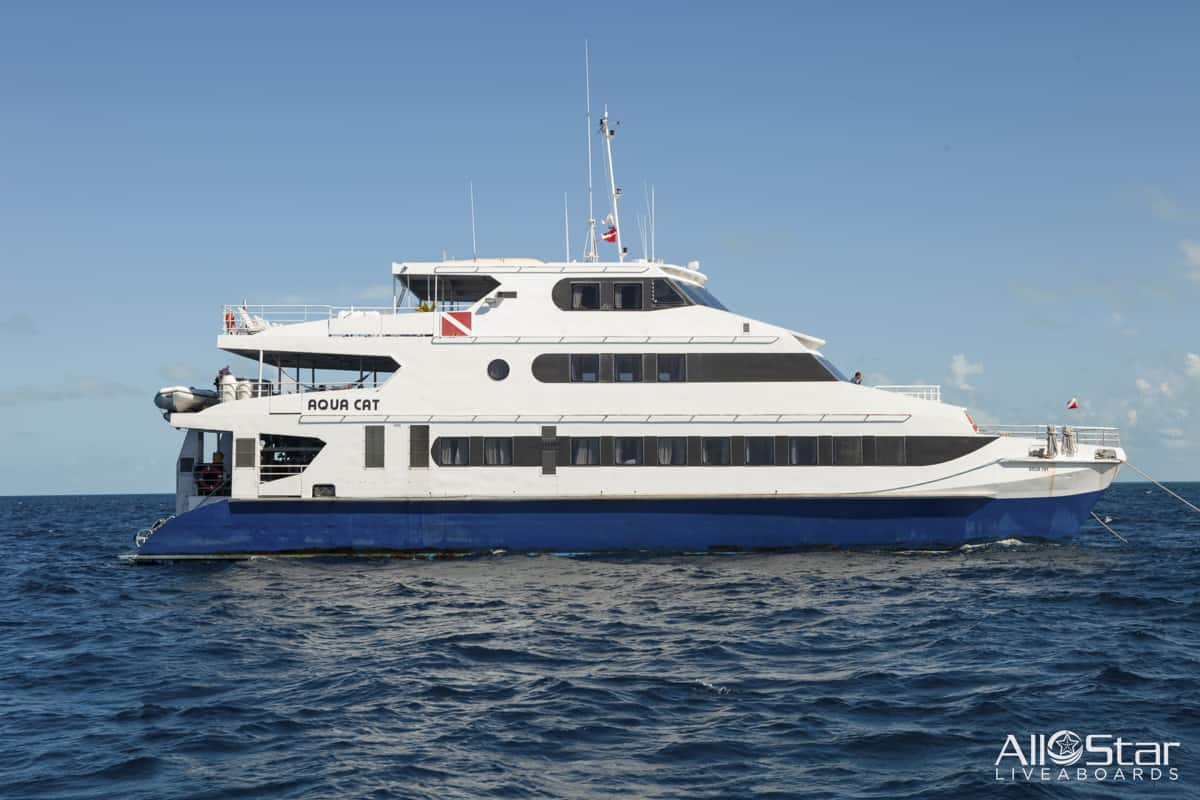
All Star Aqua Cat
Bahamas
30 guests31.09 m
$312/day
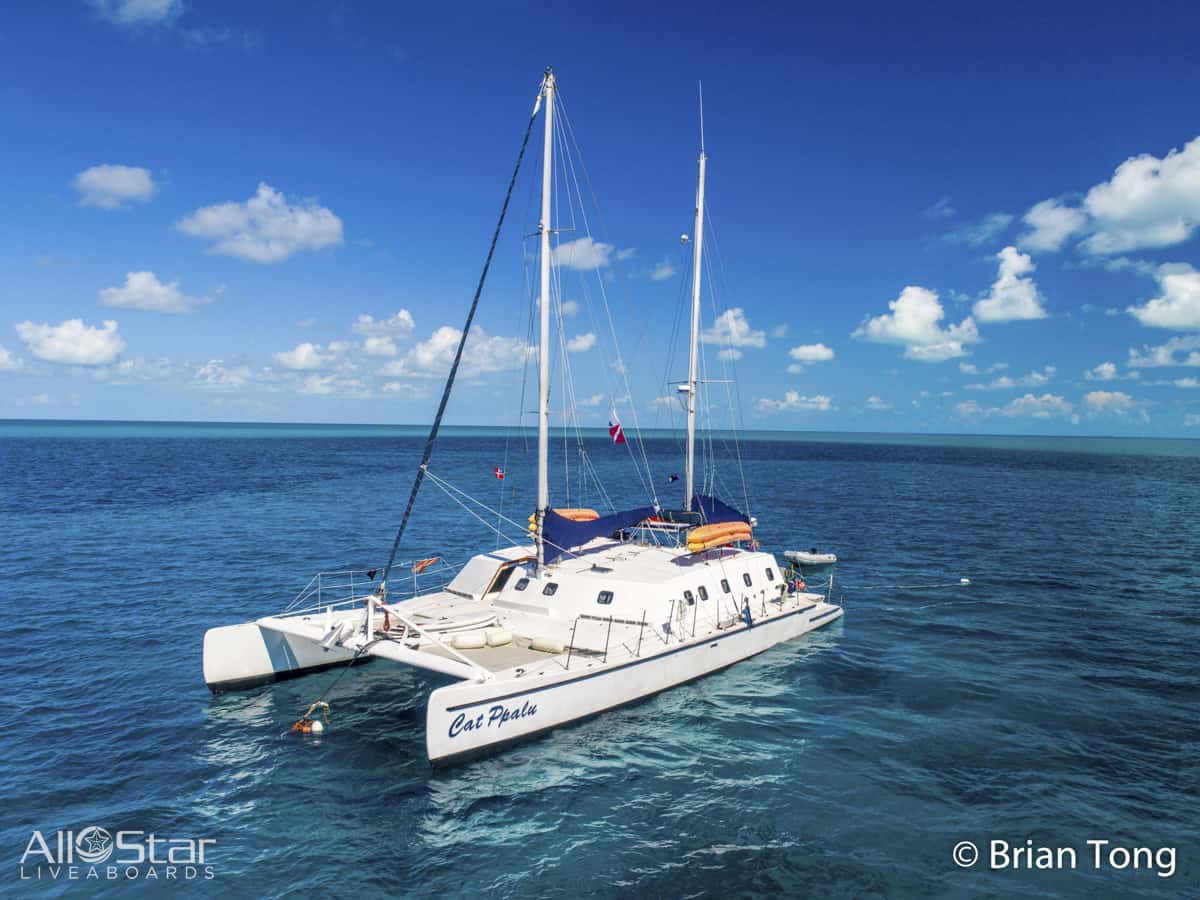
All Star Cat Ppalu
Bahamas
12 guests20 m
$237/day
Dive sites similar to Over the Wall
Same character, same waters — six more sites divers love for the exact same reasons.Compare seasons, access and liveaboard routes — then pick the site that fits your trip best.
© Esri — Maxar, Earthstar, GIS
Columbus Point
Bahamas
Columbus Point, situated off Cat Island in the Bahamas, stands out as an advanced dive destination renowned for its dramatic wall diving along one of the region's most untouched reef systems.
- Suitable for
- Advanced
- Current
- Strong
- Access
- Dayboat
- Depth
- ≤ 40 m
- Theme
- Wall / Drift
© Esri — Maxar, Earthstar, GIS
Cut Through City
Bahamas
Cut Through City is a standout dive site located off the coast of Eleuthera in the Bahamas, a region renowned for its diverse underwater topography.
- Suitable for
- Intermediate
- Current
- Mild
- Access
- Liveaboard only
- Depth
- 27–40 m
- Theme
- Wall / Reef
© Esri — Maxar, Earthstar, GIS
Tongue of the Ocean Wall
Bahamas
The Tongue of the Ocean Wall, located off New Providence near Nassau, represents a spectacular natural phenomenon—a deep oceanic trench that stretches for 120 miles and plunges to depths of 6,000 feet.
- Suitable for
- Advanced
- Current
- Strong
- Access
- Liveaboard or dayboat
- Depth
- 18–52 m
- Theme
- Wall
Nassau, located on New Providence Island in the Bahamas, stands out as a premier Caribbean scuba diving destination due to its convenient accessibility and diverse underwater topography.
- Suitable for
- Beginner
- Current
- Mild
- Access
- Dayboat
- Depth
- 2–24 m
- Theme
- Reef / Wall
Crab Wall is a prominent deep wall dive site in the Bahamas, specifically mentioned as part of the Exuma Cays itinerary for liveaboards.
- Suitable for
- Advanced
- Current
- No current
- Access
- Liveaboard only
- Depth
- 32–32 m
- Theme
- Wall
© Esri — Maxar, Earthstar, GIS
Sandals Wall
Bahamas
Sandals Wall is a premier advanced dive site accessible from Sandals Emerald Bay, presenting a dramatic underwater topography typical of Bahamian wall dives.
- Suitable for
- Advanced
- Current
- No current
- Access
- Shore / dayboat
- Depth
- 15–15 m
- Theme
- Wall