About Neptunes Throne
Neptune's Throne is a captivating dive site within the Revillagigedo Archipelago, often referred to as the Socorro Islands, a UNESCO World Heritage site located approximately 400 kilometers off the southern tip of Baja California, Mexico. This region is a sanctuary for unique marine life, rising dramatically from the deep Pacific waters where powerful ocean currents bring nutrient-rich waters. The site contributes significantly to the archipelago's reputation as a premier destination for large pelagic encounters, offering an immersive experience in one of the Eastern Pacific's most untamed protected marine environments. The underwater topography at Neptune's Throne, like other sites in the archipelago, features volcanic walls, rocky outcrops, and submerged ridges. These structures form natural cleaning stations that attract massive oceanic manta rays and other large animals. Dives typically unfold with exploration along these dramatic formations, potentially involving drift dives due to the prevailing currents. While hard corals are not a prominent feature, the dynamic seascape is constantly alive with action. Encounters with marine megafauna are a hallmark of Neptune's Throne. Divers frequently witness giant oceanic manta rays that often approach and interact closely, as well as playful bottlenose dolphins known for their curiosity. Various shark species, including scalloped hammerheads, Galapagos sharks, silvertips, silkies, and whitetip reef sharks, are common. During the winter months from mid-February to mid-April, humpback whales are present for breeding, and their songs can often be heard underwater. The abundant pelagic life is sustained by the strong currents that characterize the region. Liveaboard trips are the sole means of accessing this remote site, with itineraries typically spanning eight to ten days and offering multiple dives daily. The demanding conditions, often involving strong currents, require divers to be experienced. However, the extraordinary and often intimate animal encounters make Neptune's Throne a rewarding experience for those seeking adventure in a truly wild marine environment.
Highlights
Giant oceanic manta ray encountersBottlenose dolphin interactionsScalloped hammerhead sharksGalapagos and silvertip sharksHumpback whale songsVolcanic underwater topographyVast schools of pelagic fish
Season calendar
Best months to dive here
Jan
Feb
Mar
Apr
May
Jun
Jul
Aug
Sep
Oct
Nov
Dec
Excellent
Good
Nov – Apr (Peak)
Socorro season open (Nov–May) for giant mantas and hammerheads. Cozumel bull sharks Dec–Mar. Cenotes excellent year-round. Best overall conditions.
May – Oct (Transition & Sea of Cortez)
Socorro closing, Cozumel still good. Whale sharks arrive at Isla Mujeres Jun–Sep. From August, the Sea of Cortez comes alive: Midriff Islands offer massive sea lion colonies and schooling mobulas. September and October bring world-class diving around La Paz and Cabo Pulmo with whale sharks, hammerheads, and bull sharks on the Explore Baja route.
Dive site facts: Neptunes Throne
- Depth
- 50–118 m
- Current
- Moderate
- Entry
- Liveaboard only
- Level
- Advanced
- Dive type
- Pinnacle, Reef
- Region / port
- Mexico
- Coordinates
- 24.5451° N, 110.3580° W
Conditions & Currents
Diving at Neptune's Throne, like other sites in the Socorro Archipelago, is characterized by strong and sometimes unpredictable currents. These currents bring vital nutrients that support the abundant marine life but also demand advanced diving skills. Dives are typically conducted from liveaboards, often involving live boat pickups or negative entries to manage the conditions effectively. Divers should be proficient in drift diving and capable of maintaining buoyancy in varying water movements. Visibility is generally excellent, often exceeding 20-30 meters, though it can fluctuate. Thermoclines may be present at deeper depths, so appropriate thermal protection is advisable. Due to the remote nature and challenging conditions, divers should be experienced and comfortable with open ocean diving, and careful gas planning is essential given the depth potential and current exposure.
Why dive Neptunes Throne from a liveaboard?
Neptunes Throne is one of Mexico's signature dive sites. A liveaboard sleeps you on the water and puts you in the water for three to four guided dives per day, including dawn and night dives that day-boat operators rarely offer. You skip the daily commute back to port and reach quieter, less-crowded sites in the same region on a single trip.
Below are the liveaboards that include Neptunes Throne on their Mexico itineraries.
Liveaboards diving Neptunes Throne
These liveaboards may visit Neptunes Throne on selected itineraries — the exact dive sites depend on departure, weather and conditions.
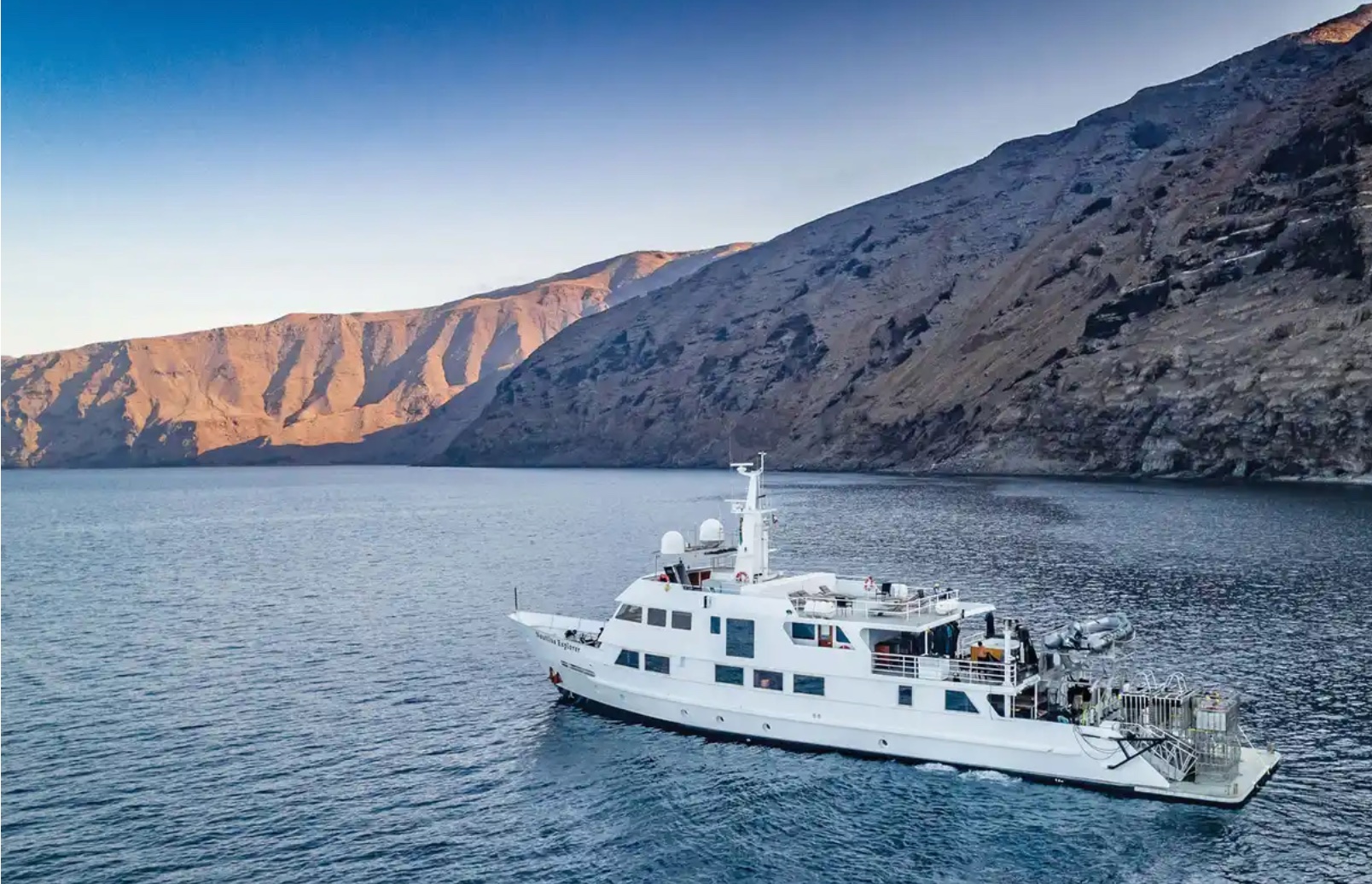
Nautilus Explorer
Mexico
25 guests45 m
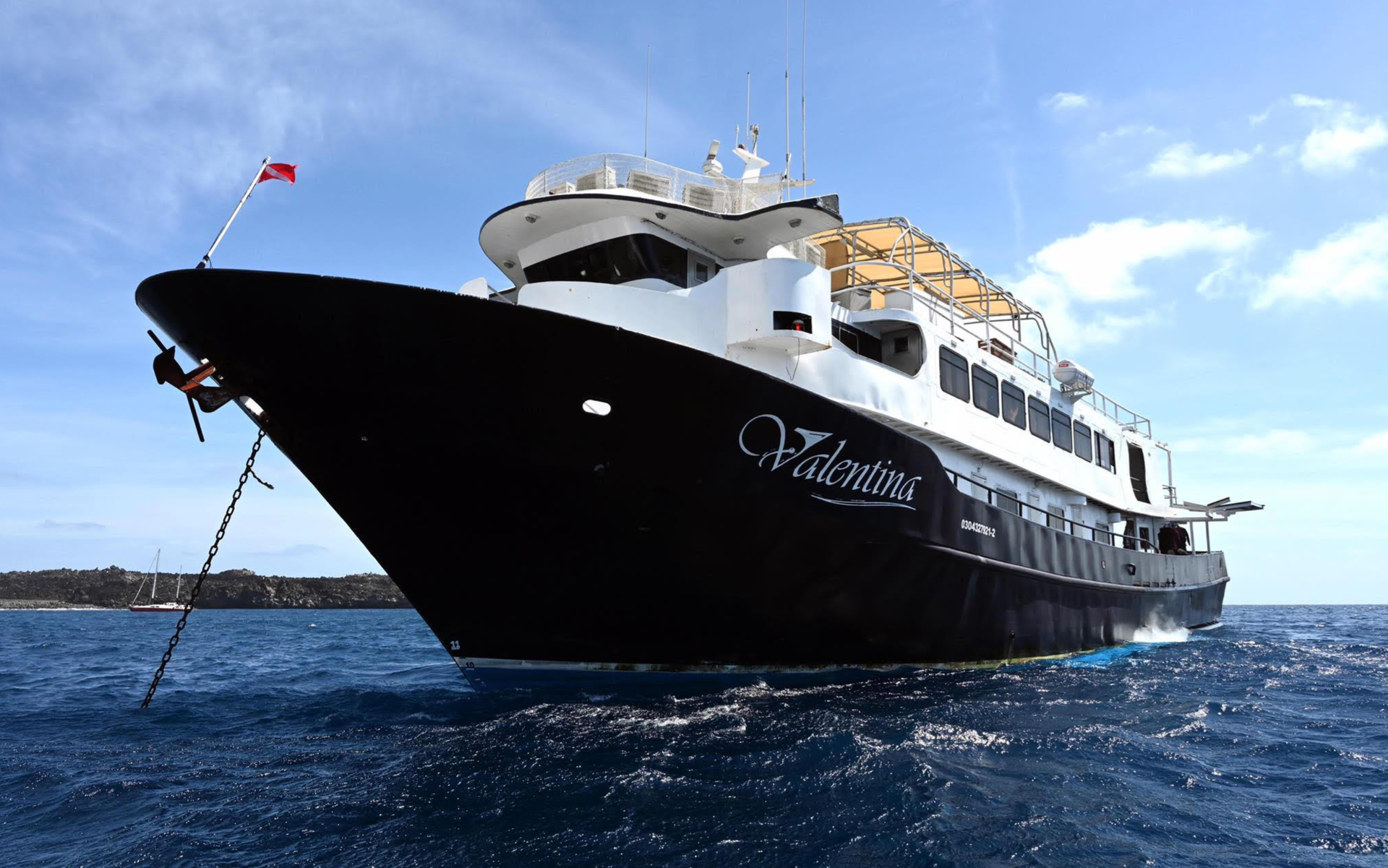
Valentina
Mexico
20 guests38 m
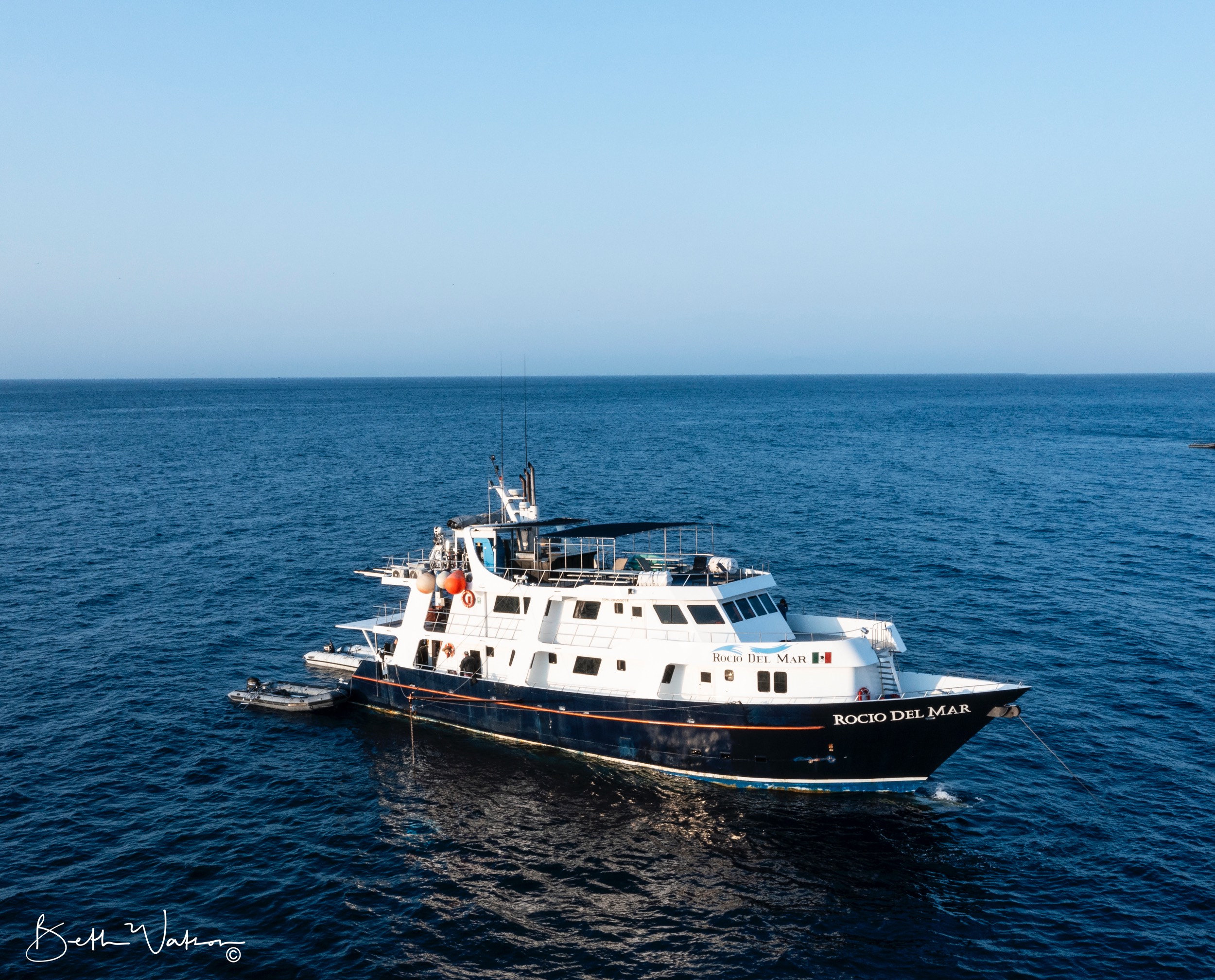
Rocio del Mar
Mexico
20 guests34 m
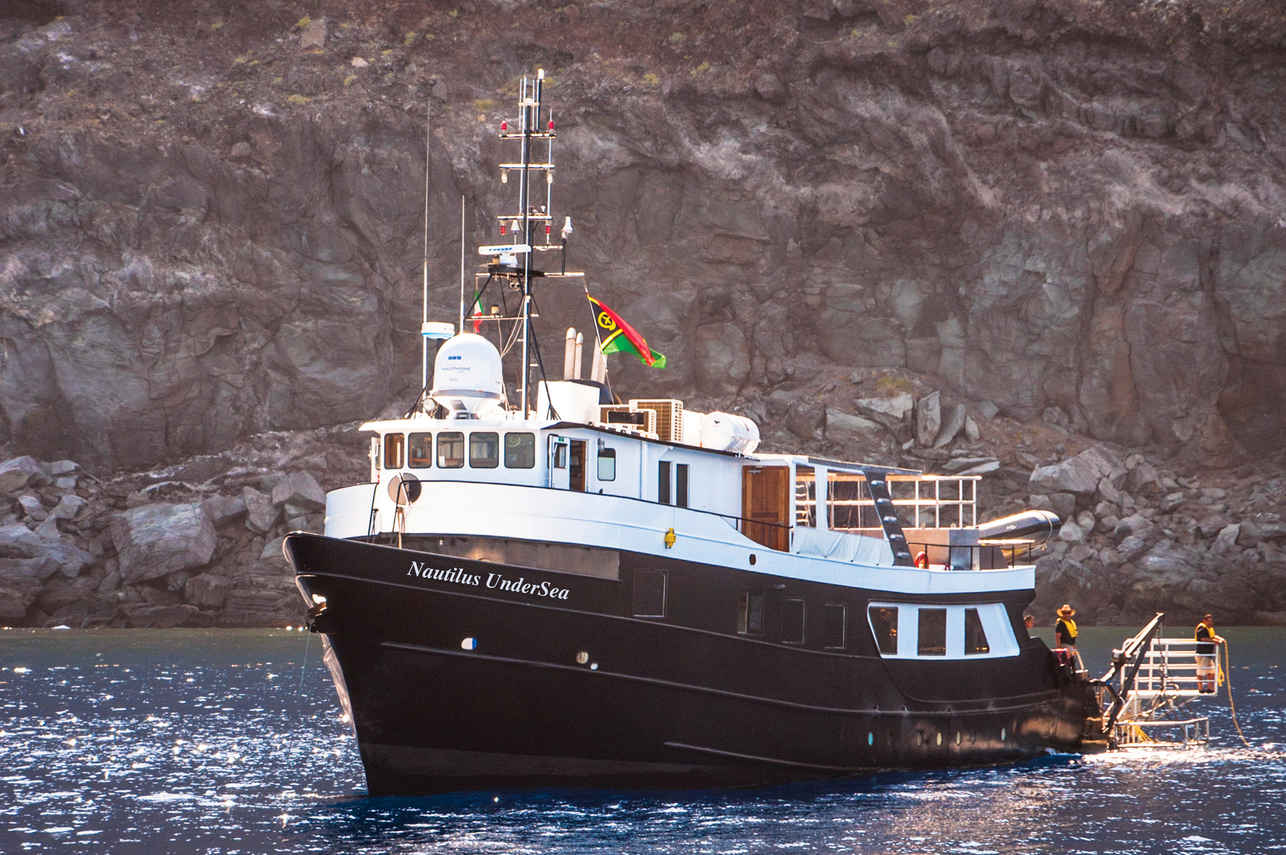
Nautilus Under Sea
Mexico
19 guests32 m
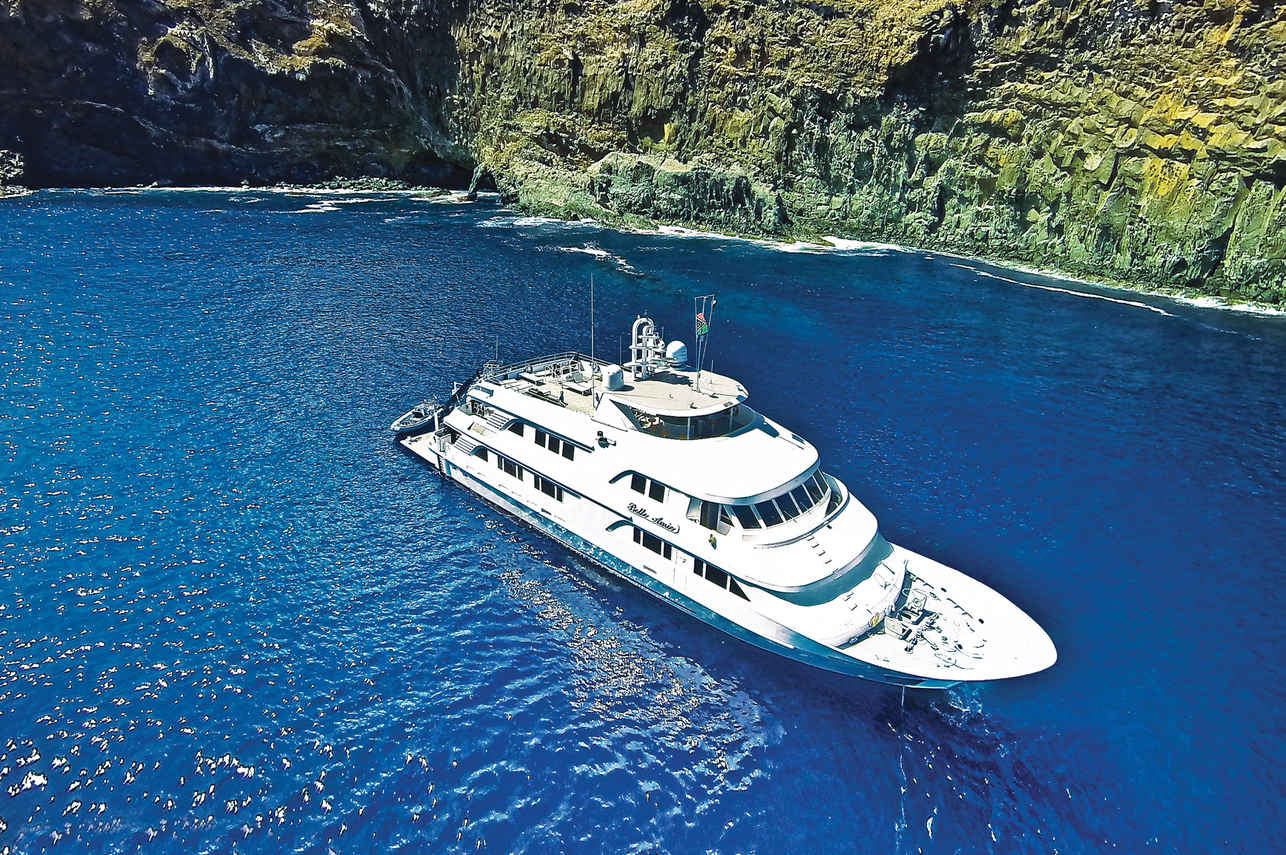
Nautilus Belle Amie
Mexico
32 guests45 m
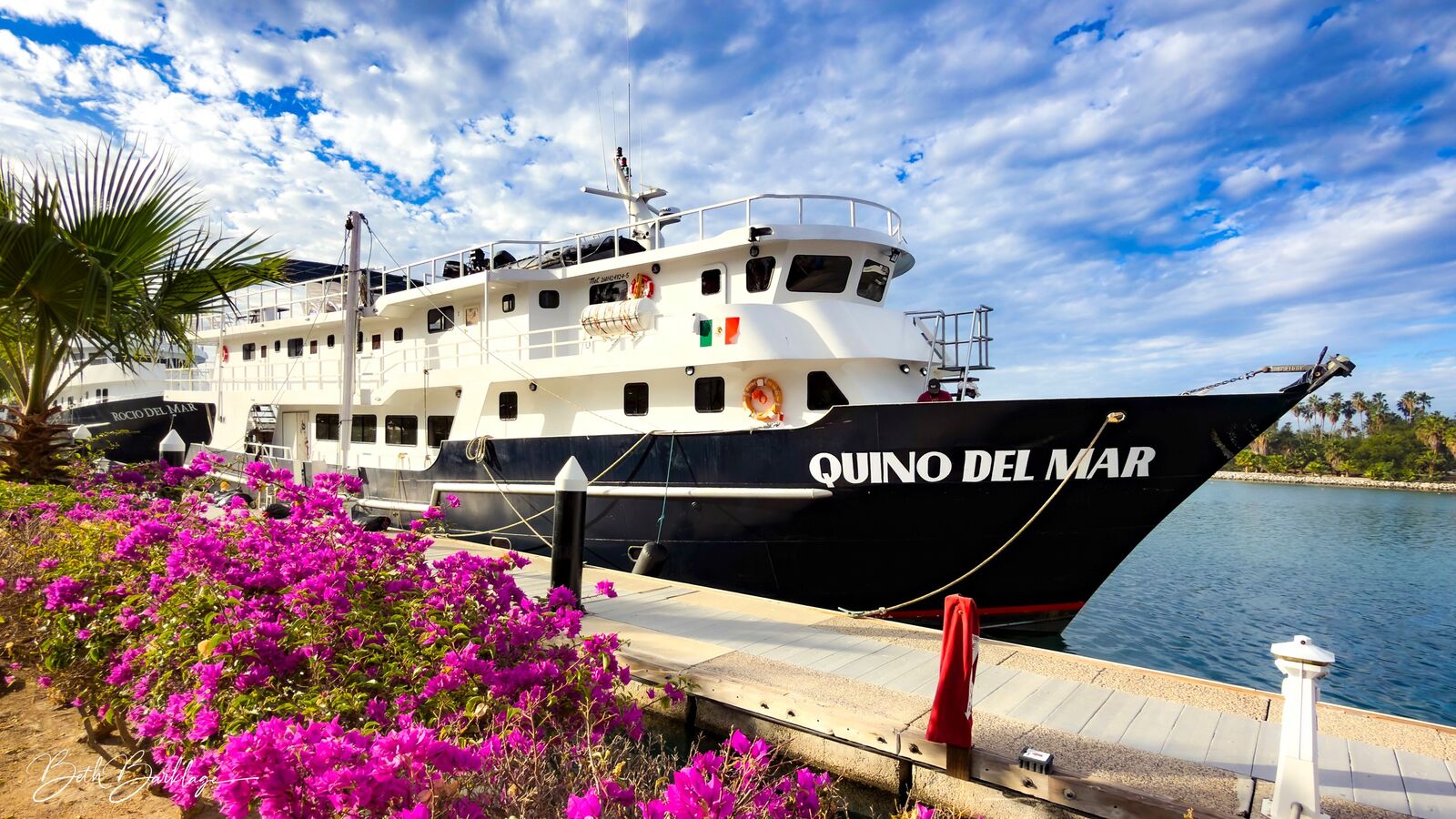
Quino del Mar
Mexico
20 guests36 m
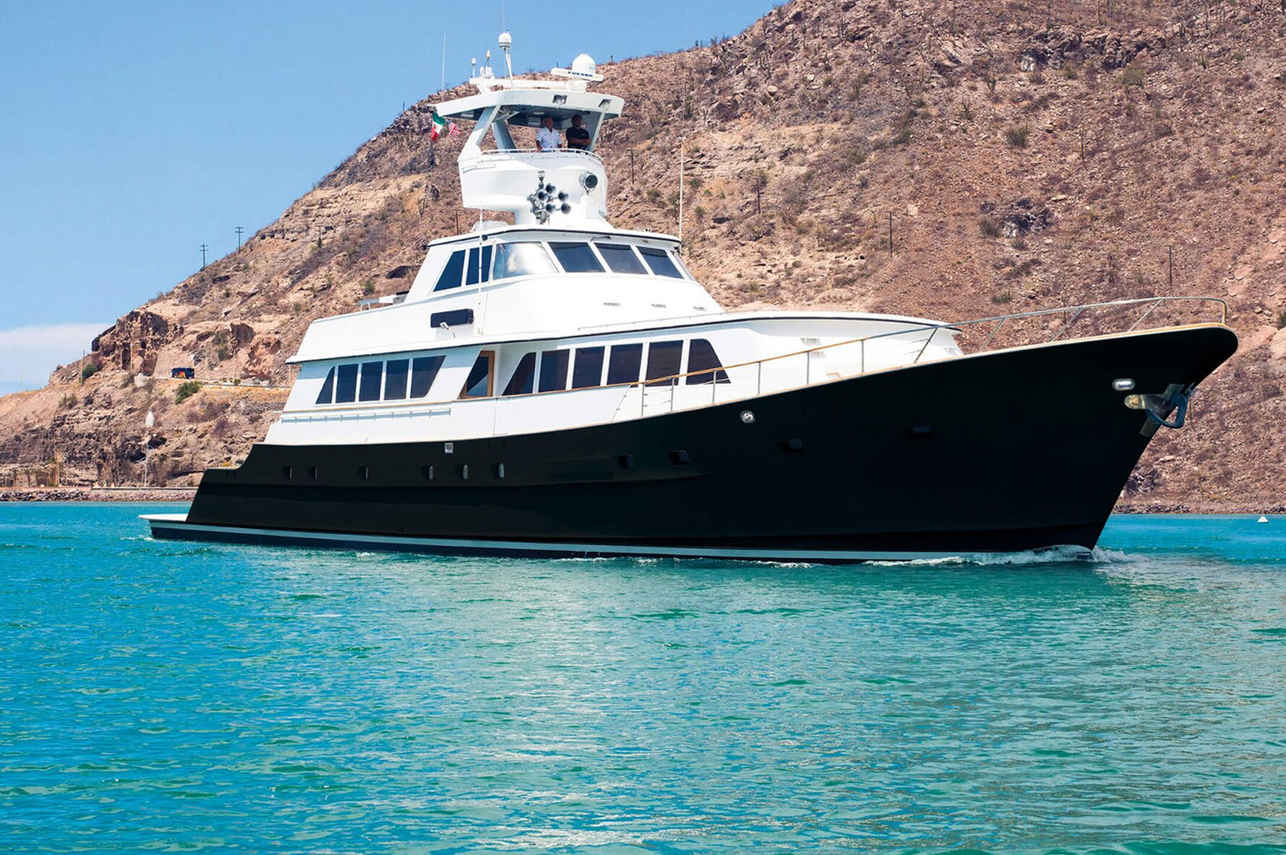
Nautilus Gallant Lady
Mexico
12 guests35 m
Dive sites similar to Neptunes Throne
Same character, same waters — six more sites divers love for the exact same reasons.Compare seasons, access and liveaboard routes — then pick the site that fits your trip best.
© Esri — Maxar, Earthstar, GIS
Agustín Melgar shipwreck
Mexico
The Agustín Melgar, also known as the C-54, is a 56-meter (185-foot) former minesweeper that rests on a sandy bottom at 24 meters (80 feet) south of Puerto Escondido within the Loreto Bay National Park.
- Suitable for
- Intermediate
- Current
- Mild
- Access
- Liveaboard only
- Depth
- 12–24 m
- Theme
- Wreck
Arco Iris, or "Rainbow" in Spanish, is a prominent dive site located near Brumel Island (Penahuaste), approximately 8km north of Playa Potrero in Costa Rica.
- Suitable for
- Beginner
- Current
- Moderate
- Access
- Dayboat
- Depth
- 9–30 m
- Theme
- Reef
© Esri — Maxar, Earthstar, GIS
Bahía de La Paz
Mexico
Bahía de La Paz serves as the capital of Baja California Sur and the primary gateway to the Sea of Cortez, a region famously dubbed the "world's aquarium" by Jacques Cousteau due to its exceptional biodiversity.
- Suitable for
- Advanced
- Current
- Mild
- Access
- Dayboat
- Depth
- 17–27 m
- Theme
- Big animals / Reef
© Esri — Maxar, Earthstar, GIS
Bahía de los Ángeles
Mexico
Bahía de los Ángeles, nestled in the northern Sea of Cortez, is a remarkable dive destination primarily known for its seasonal aggregations of whale sharks.
- Suitable for
- Intermediate
- Current
- Moderate
- Access
- Liveaboard only
- Depth
- 3–15 m
- Theme
- Reef
© Esri — Maxar, Earthstar, GIS
Bajo Alcyone
Costa Rica
Bajo Alcyone, a submerged seamount near Cocos Island, stands as a world-renowned dive site.
- Suitable for
- Advanced
- Current
- Strong
- Access
- Liveaboard only
- Depth
- 25–40 m
- Theme
- Drift / Seamount
© Esri — Maxar, Earthstar, GIS
Bajo de la Ballena
Mexico
El Bajo, often referred to as Bajo de la Ballena, is a prominent seamount situated approximately eight miles northeast of La Paz, Mexico.
- Suitable for
- Advanced
- Current
- Strong
- Access
- Liveaboard or dayboat
- Depth
- 18–35 m
- Theme
- Pinnacle