About Jack Neil Point
Jack Neil Point is a popular dive site situated on the south side of Utila, Honduras, offering a distinctive underwater experience suitable for all skill levels. The site is characterized by a broad, gently sloping sand patch that begins at just 2 meters and extends down to 40 meters. Flanking this sandy expanse are impressive coral walls, creating a varied landscape for exploration. Divers often refer to the location as 'Bridge House' due to two distinctive houses connected by a bridge on the shore above. The underwater scenery is a spectacle of vibrant coral gardens and rich sponge formations. The site is a haven for a wide array of reef fish, with schools of grunts, snappers, parrotfish, and angelfish frequently observed navigating the coral structures. Additionally, macro enthusiasts will delight in discovering smaller marine creatures such as shrimp, blennies, and various crustaceans nestled among the corals. Visibility here is consistently good, often ranging from 20 to 30 meters, contributing to relaxed and enjoyable dives. Conditions are typically calm, with only occasional mild currents that add a gentle dynamic without posing significant challenges. This makes Jack Neil Point an accessible and rewarding destination for both novice and experienced divers seeking to immerse themselves in the rich biodiversity of Utila's underwater realm.
Highlights
Sloping sand patch to 40 metersVibrant coral wallsAbundant reef fish schoolsDiverse macro lifeCalm, clear conditionsTwo houses with a bridge overhead
Season calendar
Best months to dive here
Jan
Feb
Mar
Apr
May
Jun
Jul
Aug
Sep
Oct
Nov
Dec
Excellent
Good
Dive site facts: Jack Neil Point
- Depth
- 2–40 m
- Typical dive
- 12–25 m, 50–60 min
- Current
- Mild
- Visibility
- 20–30 m
- Water temperature
- 24–28°C
- Entry
- Boat / Shore
- Level
- All levels
- Dive type
- Reef, wall, sand slope
- Night dive
- Possible
- Region / port
- Utila, Bay Islands, Honduras
- Coordinates
- 16.105, -86.96
Conditions & Currents
Currents at Jack Neil Point are typically mild, making it an accessible site for divers of all experience levels. While generally calm, gentle currents may occasionally be present, adding a slight drift without being overly demanding. Visibility is usually very good, ranging between 20 and 30 meters. Divers should be mindful of the significant depth range, from 2 meters on the sand patch to 40 meters along the walls, and plan their dive profiles accordingly to manage gas consumption and decompression limits. Surface conditions are usually placid, facilitating easy boat entry and exit. Awareness of boat traffic is also important, especially near the shore access points.
Marine life & sighting chances

French Grunt
common
Parrotfish
common
Angelfish
common
Sergeant Major
common
Blue Chromis
common
Shrimp
occasional
Blennies
occasional
Crustaceans
occasional
Seahorse
occasional
Green Sea Turtle
occasional
Southern Stingray
occasional

Nurse Shark
rareDive profile & how the dive runs
Your dive at Jack Neil Point typically begins with a boat entry, dropping you onto the broad sandy slope that characterizes the site. From the shallower sections around 5-10 meters, you can follow the gentle incline downwards. The route often involves exploring the sand patch for macro life and then transitioning towards the coral walls that frame either side of the slope. Divers can choose to explore the vibrant coral gardens along these walls, descending to depths of 25-30 meters or even pushing towards the maximum depth of 40 meters for advanced divers. The turn point is usually dictated by air consumption and planned bottom time, allowing for a gradual ascent back along the coral formations or the sand patch. Safety stops are conveniently conducted in the shallower sections of the reef, providing ample opportunity to observe reef fish before surfacing.
Underwater photography
Jack Neil Point presents excellent opportunities for both wide-angle and macro photography due to its diverse topography and marine life. For wide-angle shots, consider capturing the expansive sand patch contrasting with the vibrant coral walls, or schools of grunts and snappers moving through the reef; a dome port will be beneficial here. For macro, the site is rich with smaller creatures like blennies, shrimp, and crustaceans hiding in the corals, making a 60mm or 100mm macro lens ideal. The generally good visibility and calm conditions help in achieving sharp focus. External strobes are recommended to bring out the true colors of the corals and fish. Maintain excellent buoyancy control to avoid disturbing the sandy bottom or damaging delicate corals, particularly when focusing on macro subjects.
Combine with nearby dive sites
- Black Hills
A seamount dive known for schooling fish and pelagic encounters.
- Duppy Waters
Features sloping coral gardens with abundant marine life.
- Jado Trader Wreck
Another local wreck dive for those interested in artificial reefs.
- Jack Neil Bight
A sheltered site with clear water, sand, and hard coral.
- Half Moon Bay Wall
A nearby wall dive offering diverse reef structures.
Getting there & logistics
Access to Jack Neil Point is primarily by boat from Utila. The island of Utila is serviced by the Juan Manuel Gálvez International Airport (RTB) in Roatan, with subsequent ferry or small plane connections to Utila. Liveaboard trips in the Bay Islands often incorporate Utila dive sites, but most dives at Jack Neil Point are conducted as day trips from local dive operators. While specific permits or fees for this individual site are not typically required beyond standard dive operator costs, marine park fees for the wider Bay Islands National Marine Park may apply. Typical dive excursions last half a day, often combining Jack Neil Point with another nearby site on Utila's south side, providing a comprehensive diving experience.
Safety & environment
Safety at Jack Neil Point is generally straightforward due to mild conditions, but divers should always carry appropriate dive insurance and be aware of their personal limits. The nearest recompression chamber is located in Roatan, necessitating immediate evacuation in case of a serious dive emergency. It is crucial to dive with a reputable local operator who understands the site's conditions and can manage potential hazards like boat traffic, especially when entering or exiting. Always adhere to your planned depth and bottom time, and be mindful of the sloping topography that can lead to deeper depths quickly. Always dive with a buddy and maintain good buoyancy control to protect the marine environment and ensure your safety.
Who it suits — and who it doesn't
Suited for
- Beginner divers
- Macro photographers
- Wide-angle photographers
- Divers seeking calm conditions
- Coral reef enthusiasts
Less suited for
- Divers seeking strong currents
- Exclusively pelagic encounters
- Divers uncomfortable with depth variability
FAQ
Jack Neil Point FAQ
What kind of marine life can I expect to see at Jack Neil Point?
You can expect to encounter a vibrant array of reef fish, including schools of grunts, snappers, parrotfish, and angelfish. The site is also excellent for macro life, with frequent sightings of shrimp, blennies, and other crustaceans hiding among the corals. Occasionally, divers may spot green sea turtles, southern stingrays, or even nurse sharks.
Is Jack Neil Point suitable for beginner divers?
Yes, Jack Neil Point is considered suitable for all levels of divers, including beginners. The site features generally calm conditions and mild currents, making it ideal for relaxed diving sessions. The sloping sand patch allows for easy depth control, and the abundant marine life in shallower areas is accessible to less experienced divers.
What are the typical diving conditions at Jack Neil Point?
Conditions are typically calm with good visibility, often ranging from 20 to 30 meters. Water temperatures are warm, usually between 24-28°C (75-84°F). While currents are generally mild, occasional gentle currents may be present. These conditions make for very comfortable and enjoyable dives.
Does Jack Neil Point offer opportunities for underwater photography?
Absolutely. Jack Neil Point is great for both wide-angle and macro photography. The healthy coral walls and schools of fish provide excellent wide-angle subjects, while the numerous small creatures like seahorses, shrimp, and blennies make for fantastic macro opportunities. The clear water enhances photographic results.
How deep is Jack Neil Point and what are its main features?
The dive site features a large sloping sand patch that starts from a shallow 2 meters and extends down to 40 meters. On either side of this sand patch are vibrant coral walls. This unique topography offers a dynamic dive profile, allowing exploration of both shallow reef areas and deeper wall sections.
Why dive Jack Neil Point from a liveaboard?
Jack Neil Point is one of Honduras's signature dive sites. A liveaboard sleeps you on the water and puts you in the water for three to four guided dives per day, including dawn and night dives that day-boat operators rarely offer. You skip the daily commute back to port and reach quieter, less-crowded sites in the same region on a single trip.
Below are the liveaboards that include Jack Neil Point on their Honduras itineraries.
Liveaboards diving Jack Neil Point
These liveaboards may visit Jack Neil Point on selected itineraries — the exact dive sites depend on departure, weather and conditions.
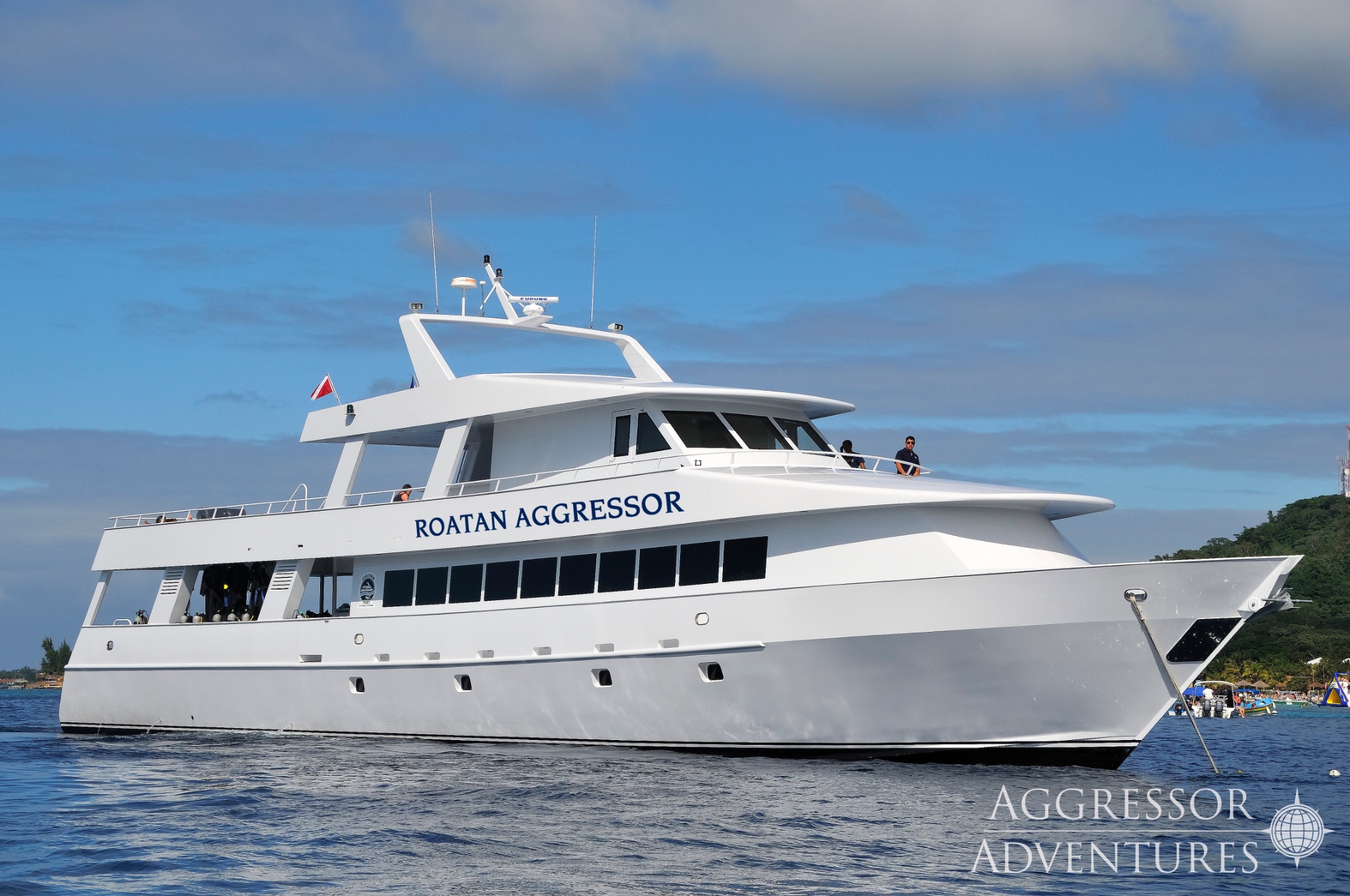
Roatan Aggressor
Honduras
18 guests31.1 m
$309/day
Dive sites similar to Jack Neil Point
Same character, same waters — six more sites divers love for the exact same reasons.Compare seasons, access and liveaboard routes — then pick the site that fits your trip best.
© Esri — Maxar, Earthstar, GIS
Satoshi’s Grave
Honduras
Satoshi’s Grave is a distinctive wreck site located on the southern shore of Roatan, specifically the Wreck of Mr. Bud.
- Suitable for
- Beginner
- Current
- Moderate
- Access
- Liveaboard or dayboat
- Depth
- 18–18 m
- Theme
- Wreck / Reef
© Esri — Maxar, Earthstar, GIS
Addie's Garden
Honduras
Addie's Garden is one of 350 dive and snorkel sites located around Roatan, Honduras, within the Mesoamerican Barrier Reef System.
- Suitable for
- Intermediate
- Current
- Moderate
- Access
- Liveaboard or dayboat
- Depth
- 5–30 m
- Theme
- Reef
© Esri — Maxar, Earthstar, GIS
Blackish Point
Honduras
Blackish Point is a captivating shore-drift wall dive located on the north side of Utila, offering a unique blend of volcanic rock formations, soft corals, and an intricate network of caves, overhangs, and crevices.
- Suitable for
- Intermediate
- Current
- Mild
- Access
- Shore / dayboat
- Depth
- 11–27 m
- Theme
- Cave & cavern / Drift
© Esri — Maxar, Earthstar, GIS
Marie's Kitchen
Honduras
Marie's Kitchen is a distinguished dive site located in Roatan, Honduras, forming a crucial part of the Mesoamerican Barrier Reef System, which stands as the world's second-largest coral reef.
- Suitable for
- Intermediate
- Current
- Moderate
- Access
- Liveaboard or dayboat
- Depth
- 5–30 m
- Theme
- Reef
© Esri — Maxar, Earthstar, GIS
Butcher's Bank
Honduras
Butcher's Bank is a celebrated dive site in Roatan, Honduras, widely regarded as one of the island's most enjoyable locations, particularly for novice divers.
- Suitable for
- Beginner
- Current
- Mild
- Access
- Dayboat
- Depth
- 12–18 m
- Theme
- Reef
© Esri — Maxar, Earthstar, GIS
Black Coral Wall
Honduras
Black Coral Wall is a captivating dive site situated off the coast of Utila, Honduras, characterized by its extensive formations of black coral.
- Suitable for
- Intermediate
- Current
- Moderate
- Access
- Liveaboard only
- Depth
- ≤ 50 m
- Theme
- Wall