About Isla Santa Catalina
Isla Santa Catalina is a prominent island in the Sea of Cortez, Mexico, renowned for its exceptional biodiversity both above and below the waterline. This UNESCO World Heritage site offers a truly wild diving experience, characterized by dramatic underwater landscapes, including steep drop-offs, rocky reefs, and occasional sandy flats that host an impressive array of endemic species. The island's submerged environment is a dynamic habitat where the deep blue of the open ocean meets intricate reef structures. Depths can range significantly, from shallow, sunlit coral gardens to plunging walls that disappear into the abyss, catering to various diving preferences and skill levels. The topography provides shelter and hunting grounds for a wide variety of pelagic and benthic marine life. Diving here often means encountering schools of Jacks and Mackerel, while the seasonal presence of mobula rays, particularly in warmer months, adds to the thrill. The unique ecosystem also supports numerous invertebrates and smaller fish, making every dive an opportunity for discovery. Surface intervals on the island might even offer a glimpse of the Santa Catalina rattleless rattlesnake, a species found nowhere else on Earth. The practical diving experience at Isla Santa Catalina is generally undertaken via liveaboard or multi-day boat trips from mainland ports due to its remote location. Divers can expect pristine conditions, often with excellent visibility, and the chance to explore a largely untouched marine environment. The journey to and around the island is as much a part of the adventure as the dives themselves.
Highlights
Endemic Santa Catalina rattleless rattlesnakeDiverse Sea of Cortez marine lifeDeep walls and rocky reefsSeasonal mobula ray sightingsPristine, remote island divingUNESCO World Heritage site
Best Season
The optimal time to dive Isla Santa Catalina is typically from late summer through late fall, when water temperatures are at their warmest and large pelagic species are more prevalent. Cooler, clearer waters in winter can bring unique sightings, though surface conditions may be less predictable.
Dive site facts: Isla Santa Catalina
- Depth
- 5–40+ m
- Typical dive
- 15–25 m, 45–60 min
- Current
- Mild to strong
- Visibility
- 20–30+ m
- Water temperature
- 20–29°C
- Entry
- Liveaboard tender / drift
- Level
- Intermediate to advanced
- Dive type
- Wall, reef, big_animals, drift
- Night dive
- Possible
- Region / port
- Sea of Cortez, Mexico
- Coordinates
- 25.684, -110.97
Conditions & Currents
Currents around Isla Santa Catalina can vary from mild to strong, depending on specific dive sites and lunar cycles, often influencing dive plans and entry/exit strategies. Divers should be prepared for potential drift dives, which are common in areas with stronger flows, allowing for effortless movement along the reefs while observing marine life. Visibility is generally excellent, often exceeding 20 meters, but can be temporarily reduced by plankton blooms during warmer months, especially when schooling fish are abundant. Entry is typically by tender from a liveaboard, emphasizing careful giant stride entries and controlled descents. Safety stops are usually conducted in the blue or along shallower reef sections, requiring good buoyancy control in varying currents. Experienced divers will find the conditions manageable and rewarding.
Dive profile & how the dive runs
Dives at Isla Santa Catalina typically begin with a giant stride entry from a tender directly onto the dive site, often along a prominent wall or rocky reef. Divers descend to target depths, which can range from 15 to 30 meters, exploring the vertical structures and crevices for resident species. The route often follows the contours of the island, progressing along the wall with the prevailing current, allowing for a drift dive experience. Attention is paid to overhangs and deeper ledges where larger fish and rays might be found. As bottom time approaches, the ascent is gradual, spiraling up the wall to shallower depths of 5-10 meters to observe reef fish and take in the vibrant coral formations. The safety stop is generally performed in the blue at 5 meters, often with a visual reference to the reef, before signaling the tender for pickup.
Underwater photography
Isla Santa Catalina offers diverse photographic opportunities, from wide-angle reefscapes to macro subjects hidden within crevices. For capturing the expansive walls, schooling fish, and mobula rays, a wide-angle lens is essential, ideally paired with strobes to bring out the natural colors at depth. During encounters with larger pelagic species, be ready for quick compositional changes. Macro lenses excel when focusing on the numerous invertebrates and smaller reef fish that populate the varied topography. Buoyancy control is paramount, especially when navigating current-swept areas or getting close to delicate marine life without disturbing them. Maintain respectful distances from all creatures, particularly the endemic wildlife, ensuring minimal impact while securing stunning shots.
Getting there & logistics
Access to Isla Santa Catalina primarily involves liveaboard trips departing from ports such as La Paz or Loreto, Mexico, given its remote location in the Sea of Cortez. Travelers typically fly into La Paz International Airport (LAP) or Loreto International Airport (LTO) before boarding their vessel. Trip durations for liveaboards usually range from 7 to 10 days, combining multiple dive sites around the Sea of Cortez, with Isla Santa Catalina being a key highlight. There are no specific dive permits mentioned for the island itself beyond standard national park or marine reserve fees often incorporated into liveaboard packages. It is advisable to confirm all logistical details and any potential fees with your chosen liveaboard operator.
Safety & environment
For diving at Isla Santa Catalina, comprehensive dive insurance, including coverage for emergency evacuation and recompression chamber treatment, is critical due to the island's remote location. The nearest recompression chamber facilities are located in La Paz, requiring significant travel time in an emergency. Liveaboards typically have well-defined emergency protocols, but divers should be aware of the logistical challenges associated with remote medical care. Site-specific hazards include variable currents, potential encounters with larger marine life such as sharks or mobula rays, and the rugged underwater topography. Always dive within your training limits, maintain excellent buoyancy, and strictly adhere to dive master briefings and buddy system protocols. Adequate hydration and sun protection are also essential during surface intervals.
Who it suits — and who it doesn't
Suited for
- Experienced divers comfortable with drift dives
- Underwater photographers seeking diverse subjects
- Marine biology enthusiasts
- Liveaboard adventurers
- Divers seeking pristine, remote environments
Less suited for
- Beginner divers without current experience
- Those prone to seasickness on liveaboards
- Divers preferring shore-based operations
- Individuals seeking heavily developed tourist infrastructure
- Divers with limited bottom time allowances
FAQ
Isla Santa Catalina FAQ
What kind of marine life can I expect to see at Isla Santa Catalina?
Isla Santa Catalina is known for its rich biodiversity. Divers frequently encounter schools of Jacks and Mackerel, various reef fish, and a wide array of invertebrates. Seasonal sightings include mobula rays, and the deep waters may also offer glimpses of hammerhead sharks or other pelagic species.
Are there strong currents at Isla Santa Catalina?
Currents at Isla Santa Catalina can be variable, ranging from mild to strong, and often depend on the specific dive site and tidal conditions. Divers should be prepared for potential drift dives, which allow for dynamic movement along the reef. It's advisable for divers to have experience with varying current conditions.
What is the visibility like for diving around the island?
Visibility at Isla Santa Catalina is generally excellent, often extending beyond 20 to 30 meters, providing clear views of the underwater landscape and marine life. However, visibility can occasionally be affected by plankton blooms, particularly during warmer water periods, which can sometimes attract large schools of fish.
How do I get to Isla Santa Catalina for diving?
Due to its remote location in the Sea of Cortez, Isla Santa Catalina is primarily accessed via liveaboard dive trips. These trips typically depart from mainland ports like La Paz or Loreto, Mexico. You would fly into the nearest international airport (LAP for La Paz or LTO for Loreto) and then transfer to your liveaboard vessel.
Is Isla Santa Catalina suitable for all diver levels?
Isla Santa Catalina is generally recommended for intermediate to advanced divers. The presence of potentially strong currents and deep wall diving opportunities means that good buoyancy control and experience with drift diving are beneficial. Beginner divers may find the conditions challenging without adequate prior experience.
Why dive Isla Santa Catalina from a liveaboard?
Isla Santa Catalina is one of Mexico's signature dive sites. A liveaboard sleeps you on the water and puts you in the water for three to four guided dives per day, including dawn and night dives that day-boat operators rarely offer. You skip the daily commute back to port and reach quieter, less-crowded sites in the same region on a single trip.
Below are the liveaboards that include Isla Santa Catalina on their Mexico itineraries.
Liveaboards diving Isla Santa Catalina
These liveaboards may visit Isla Santa Catalina on selected itineraries — the exact dive sites depend on departure, weather and conditions.
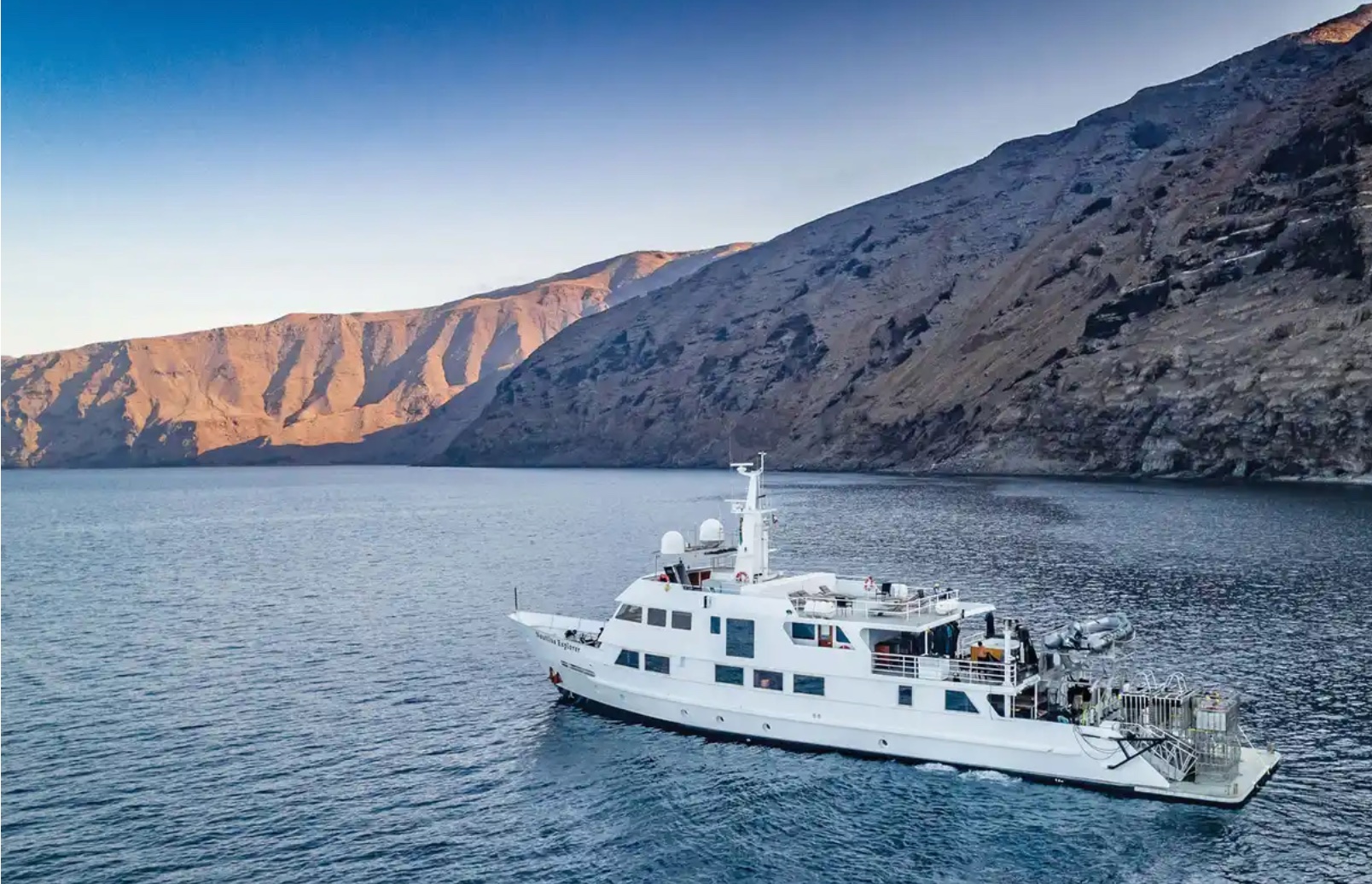
Nautilus Explorer
Mexico
25 guests44.8 m
$230/day
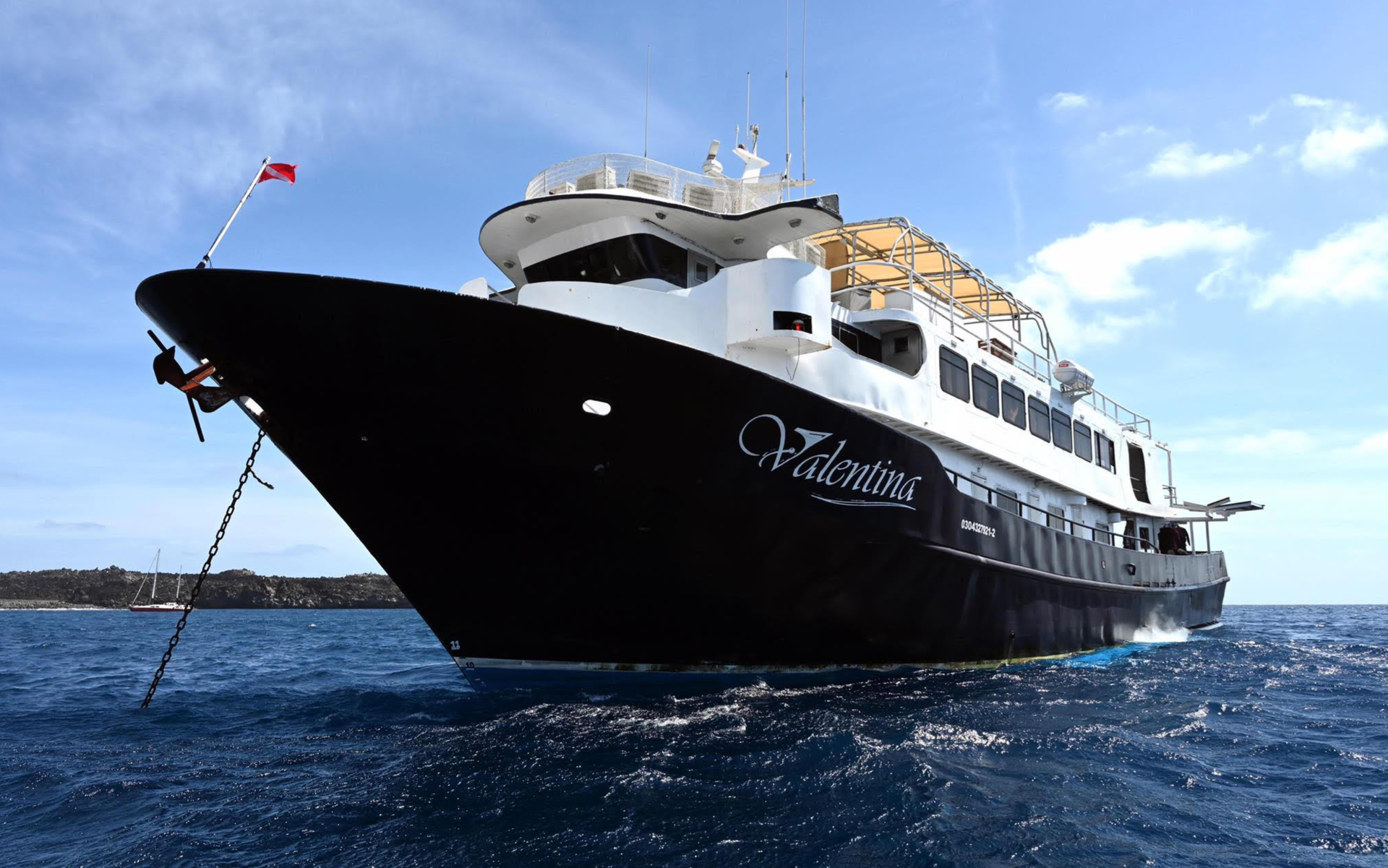
Valentina
Mexico
20 guests38.1 m
$430/day
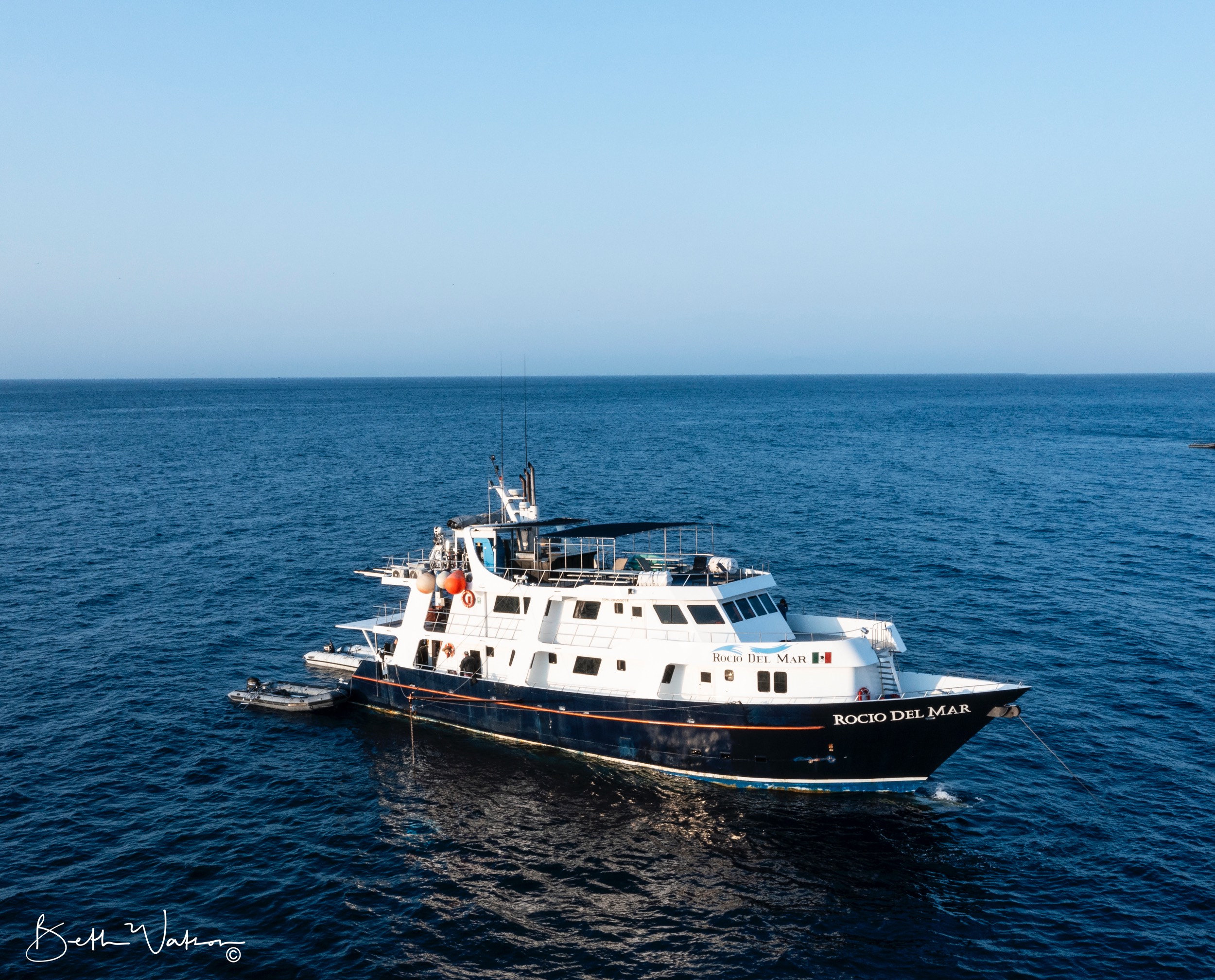
Rocio del Mar
Mexico
20 guests33.5 m
$392/day
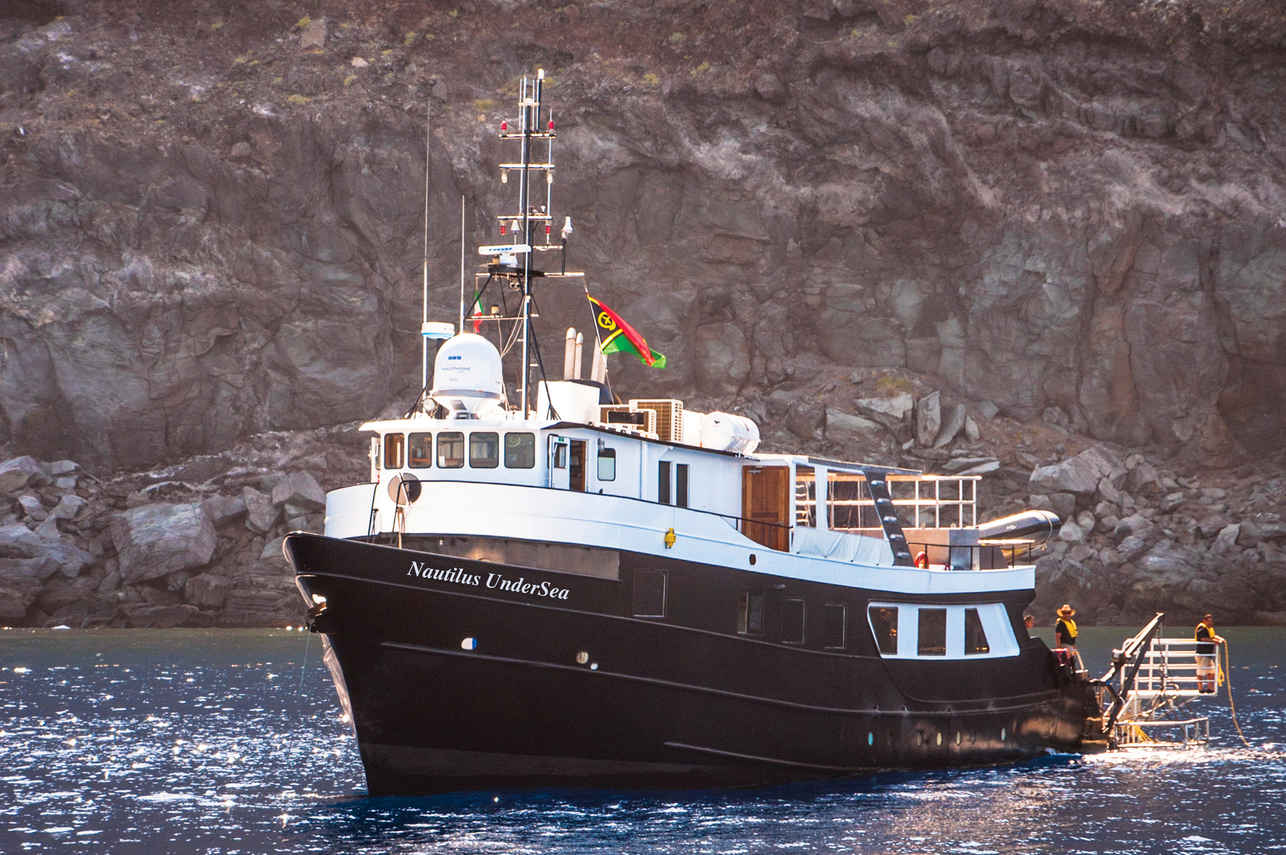
Nautilus Under Sea
Mexico
19 guests32 m
$261/day
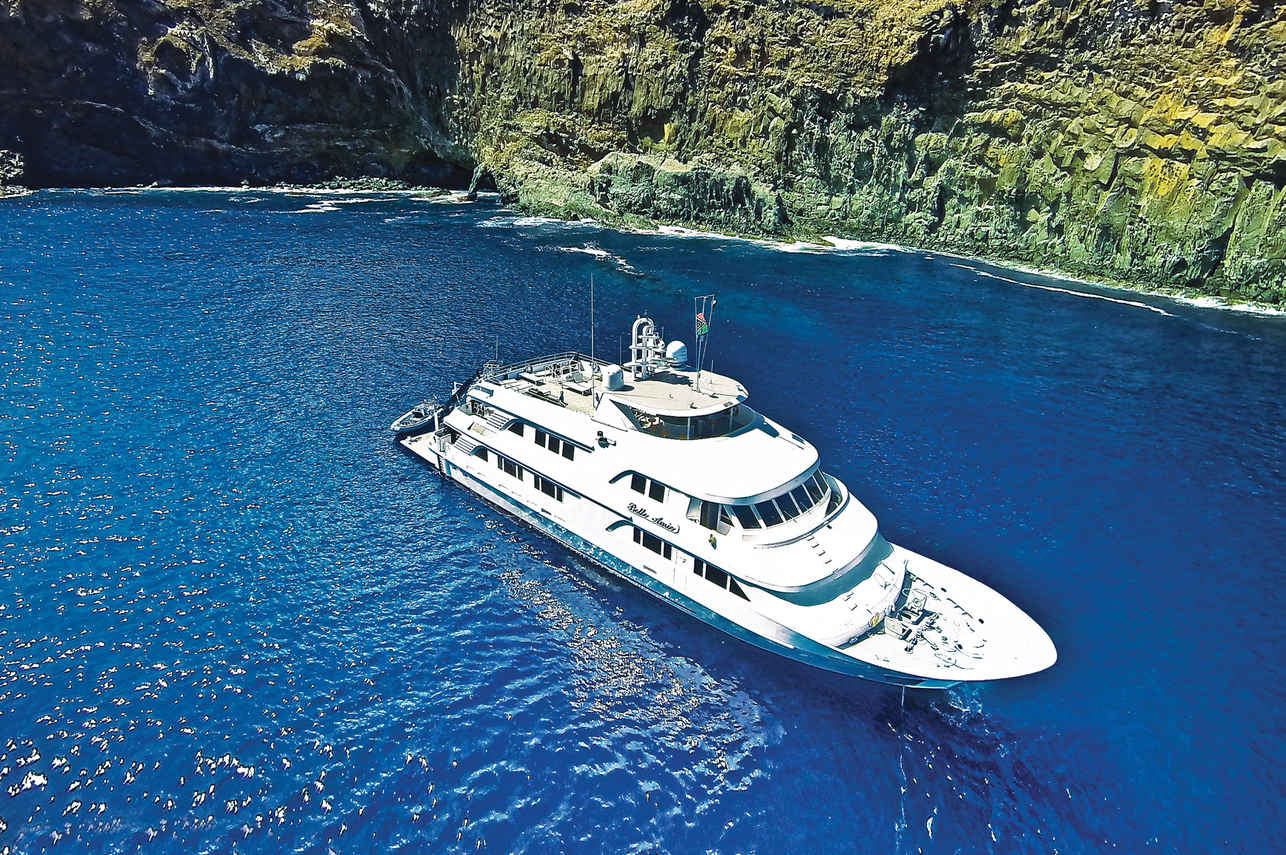
Nautilus Belle Amie
Mexico
32 guests44.8 m
$323/day
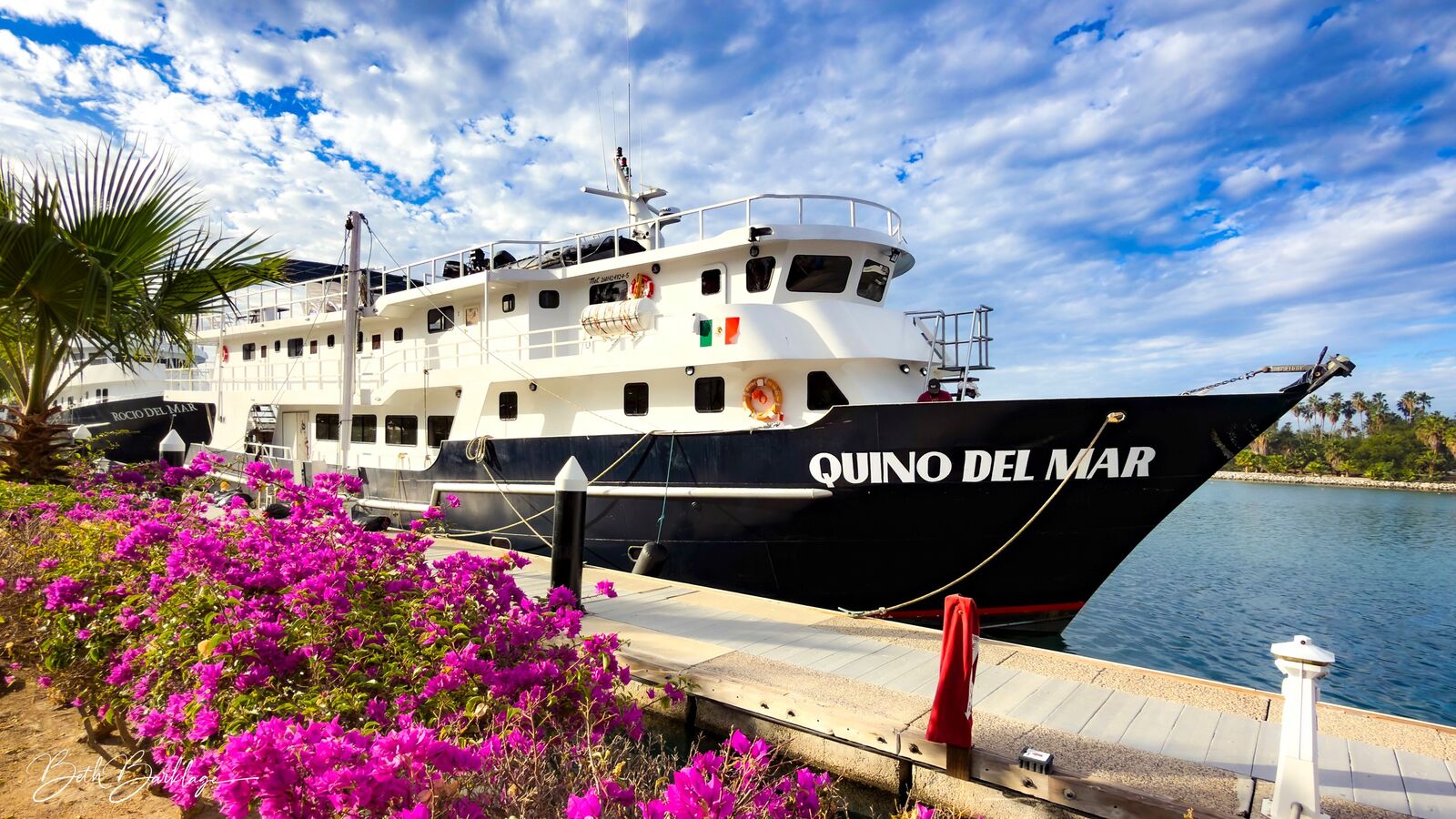
Quino del Mar
Mexico
20 guests36 m
$392/day
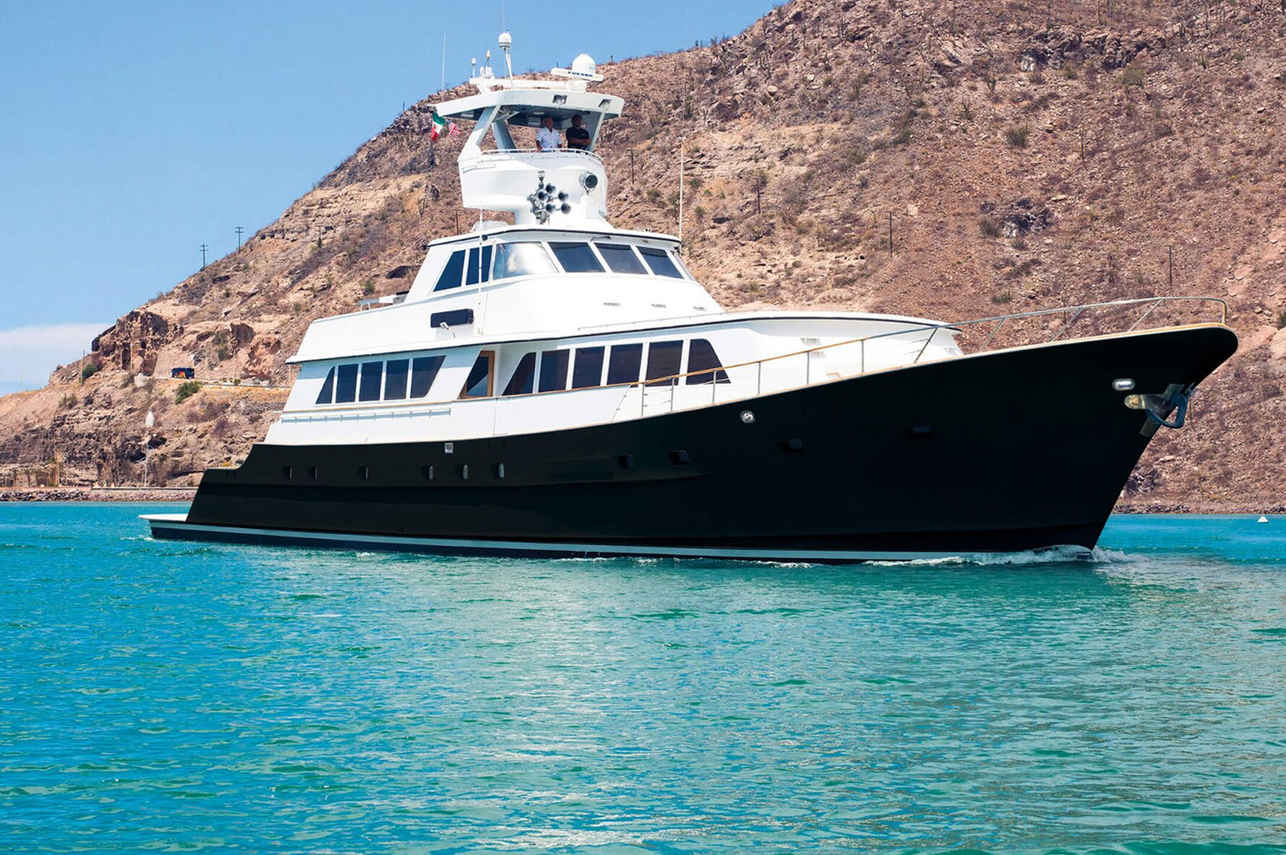
Nautilus Gallant Lady
Mexico
12 guests35.36 m
$332/day
Dive sites similar to Isla Santa Catalina
Same character, same waters — six more sites divers love for the exact same reasons.Compare seasons, access and liveaboard routes — then pick the site that fits your trip best.
© Esri — Maxar, Earthstar, GIS
Tak Be Luum
Mexico
Cenote Tak Be Luum, located in the Mexican state of Quintana Roo, is an exceptional cavern dive that forms part of the vast Sac Actun underwater cave system, one of the world's largest.
- Suitable for
- Advanced
- Current
- No current
- Access
- Shore / dayboat
- Depth
- 4–9 m
- Theme
- Reef
© Esri — Maxar, Earthstar, GIS
Neptune's Finger
Mexico
Neptune's Finger is a renowned dive site located in Cabo San Lucas, Mexico, at the southern tip of the Baja California Peninsula.
- Suitable for
- Beginner
- Current
- Mild
- Access
- Liveaboard or dayboat
- Depth
- 4–152 m
- Theme
- Reef
© Esri — Maxar, Earthstar, GIS
Pelican Rock
Mexico
Pelican Rock is a renowned dive site located within the Cabo San Lucas Marine Park in Baja California Sur, Mexico, just a few minutes by boat from the marina.
- Suitable for
- Beginner
- Current
- Mild
- Access
- Liveaboard or dayboat
- Depth
- 5–40 m
- Theme
- Wall
© Esri — Maxar, Earthstar, GIS
Majahuitas
Mexico
Majahuitas is a pristine and secluded cove located on the southern coast of Banderas Bay, near Puerto Vallarta, Mexico.
- Suitable for
- Beginner
- Current
- Mild
- Access
- Dayboat
- Depth
- 8–14 m
- Theme
- Reef
La Poza is a remarkable dive site located in Xcalak, a serene fishing village situated on Mexico's Caribbean coast, near the Belize border.
- Suitable for
- Advanced
- Current
- Mild
- Access
- Shore / dayboat
- Depth
- 20–25 m
- Theme
- Reef
© Esri — Maxar, Earthstar, GIS
Siete Bocas
Mexico
Cenote Siete Bocas, meaning "Seven Mouths," is a unique cavern dive site nestled along the Ruta de los Cenotes near Puerto Morelos in Mexico's Riviera Maya.
- Suitable for
- Intermediate
- Current
- No current
- Access
- Shore / dayboat
- Depth
- ≤ 30 m
- Theme
- Reef