About Gordo 2
Gordo Banks, specifically the outer bank known as Gordo 2, is a renowned deep dive site approximately seven miles offshore from the San Jose del Cabo marina in Mexico. This remote location is highly valued for its consistent encounters with large pelagic species, particularly scalloped hammerhead and silky sharks, making it a compelling destination for experienced divers seeking significant marine life. Diving here typically involves blue water descents over a seamount. A prominent feature is the presence of thermoclines, often encountered around 70 to 80 feet, where the water temperature can drop noticeably, sometimes to 74°F or even 68-72°F at 100 feet, while shallower depths remain warmer, around 82°F. Visibility can vary, ranging from 30-40 feet on some days to over 90 feet in warmer, shallower zones. Divers navigate the outer bank, keeping an eye out for activity in the deeper blue. The site is celebrated for its abundant shark encounters, with large schools of hammerheads frequently sighted, sometimes numbering over 60 individuals. Silky sharks and tope sharks are also common, along with mobula rays, yellowfin tunas, and schools of jacks and bonito. While shark sightings are a major draw, the specific numbers and proximity can vary between dives, but regular encounters are a key characteristic of the site throughout many months. Due to its offshore location and the strong potential for currents, Gordo 2 is considered an advanced dive. Divers typically undertake two dives per trip, with boats departing early from Cabo San Lucas for a journey of about 1 hour 15 minutes to 1 hour 30 minutes. A check dive with a local operator is often required to assess comfort and capability before venturing to this challenging yet rewarding site.
Highlights
Scalloped hammerhead shark schoolsSilky shark encountersMassive schools of jacksMobula ray sightingsThermoclines at 70-80 feetRemote offshore seamount
Season calendar
Best months to dive here
Jan
Feb
Mar
Apr
May
Jun
Jul
Aug
Sep
Oct
Nov
Dec
Excellent
Good
Nov – Apr (Peak)
Socorro season open (Nov–May) for giant mantas and hammerheads. Cozumel bull sharks Dec–Mar. Cenotes excellent year-round. Best overall conditions.
May – Oct (Transition & Sea of Cortez)
Socorro closing, Cozumel still good. Whale sharks arrive at Isla Mujeres Jun–Sep. From August, the Sea of Cortez comes alive: Midriff Islands offer massive sea lion colonies and schooling mobulas. September and October bring world-class diving around La Paz and Cabo Pulmo with whale sharks, hammerheads, and bull sharks on the Explore Baja route.
Dive site facts: Gordo 2
- Depth
- 33–40 m
- Current
- Strong
- Entry
- Liveaboard or dayboat
- Level
- Advanced
- Dive type
- Seamount, Drift
- Region / port
- Mexico
- Coordinates
- 22.9290° N, 109.4000° W
Conditions & Currents
Gordo Banks is known for potentially challenging conditions, reflecting its open-ocean location. Currents can be a significant factor, demanding advanced diving skills. The site's conditions are variable; while some days offer glassy seas and easy entries, others can present medium waves and wind, impacting surface conditions. A prominent feature is the presence of thermoclines, which can be encountered at depths between 40 and 80 feet, causing noticeable temperature drops from around 82°F at the surface to as low as 68-74°F in deeper water. Visibility also fluctuates, ranging from 30-40 feet on certain days to over 90 feet in warmer, shallower sections. Given the remote nature and the potential for strong currents and thermoclines, this is an advanced dive that typically involves live boat operations, and proficiency in drift diving techniques is highly recommended. Divers should be prepared for varying visibility and temperature changes at depth.
Why dive Gordo 2 from a liveaboard?
Gordo 2 is one of Mexico's signature dive sites. A liveaboard sleeps you on the water and puts you in the water for three to four guided dives per day, including dawn and night dives that day-boat operators rarely offer. You skip the daily commute back to port and reach quieter, less-crowded sites in the same region on a single trip.
Below are the liveaboards that include Gordo 2 on their Mexico itineraries.
Liveaboards diving Gordo 2
These liveaboards may visit Gordo 2 on selected itineraries — the exact dive sites depend on departure, weather and conditions.
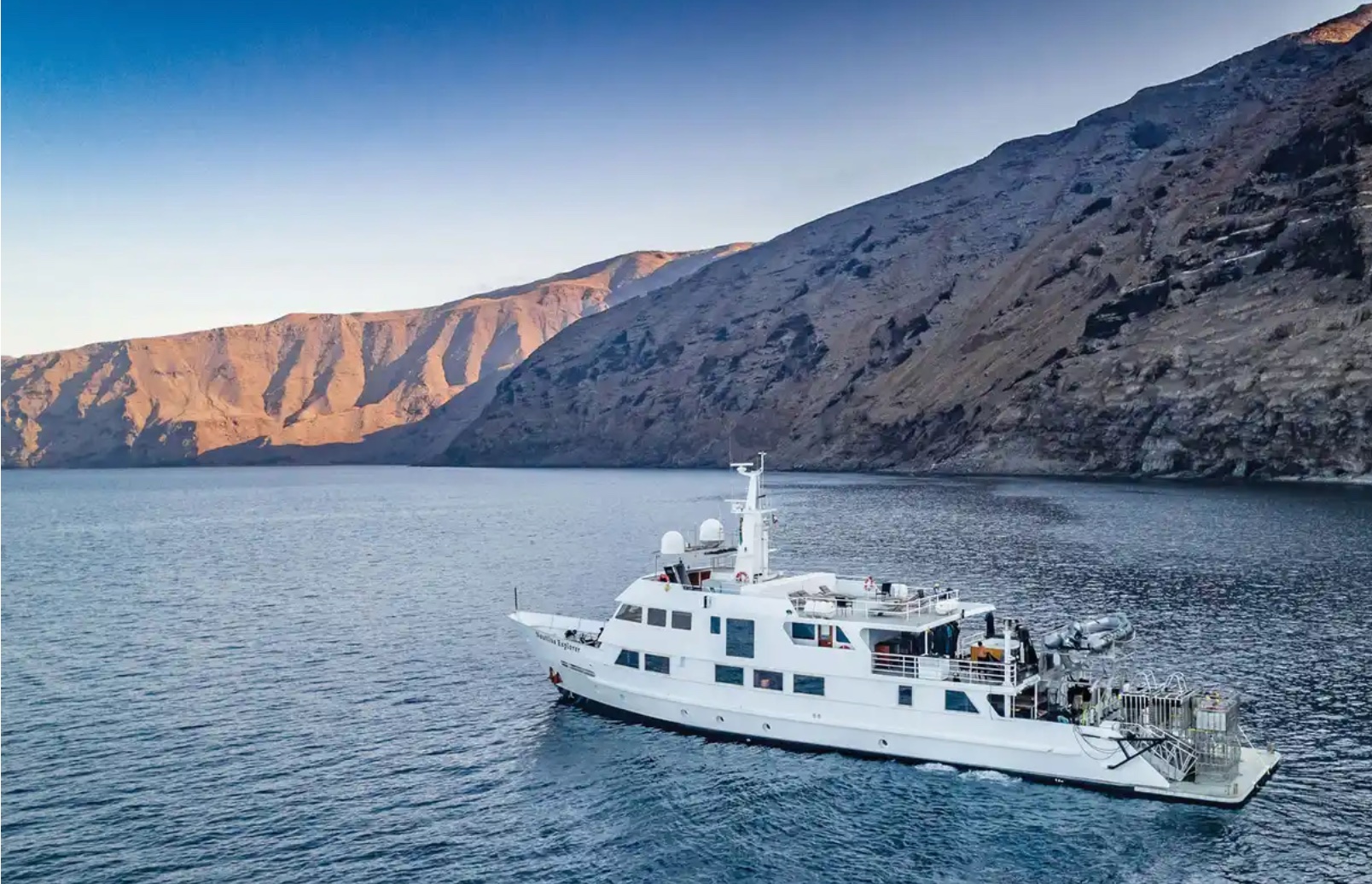
Nautilus Explorer
Mexico
25 guests45 m
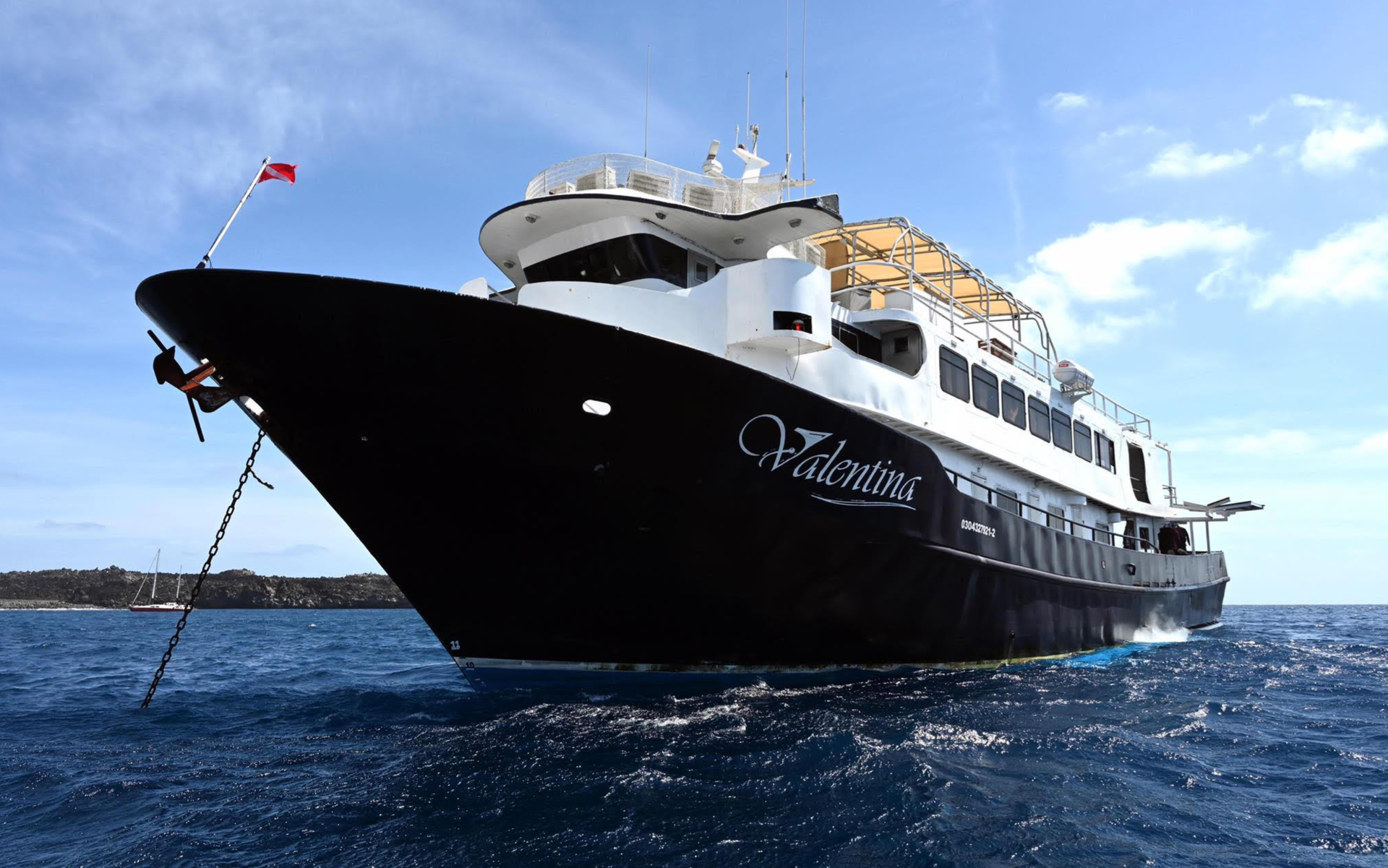
Valentina
Mexico
20 guests38 m
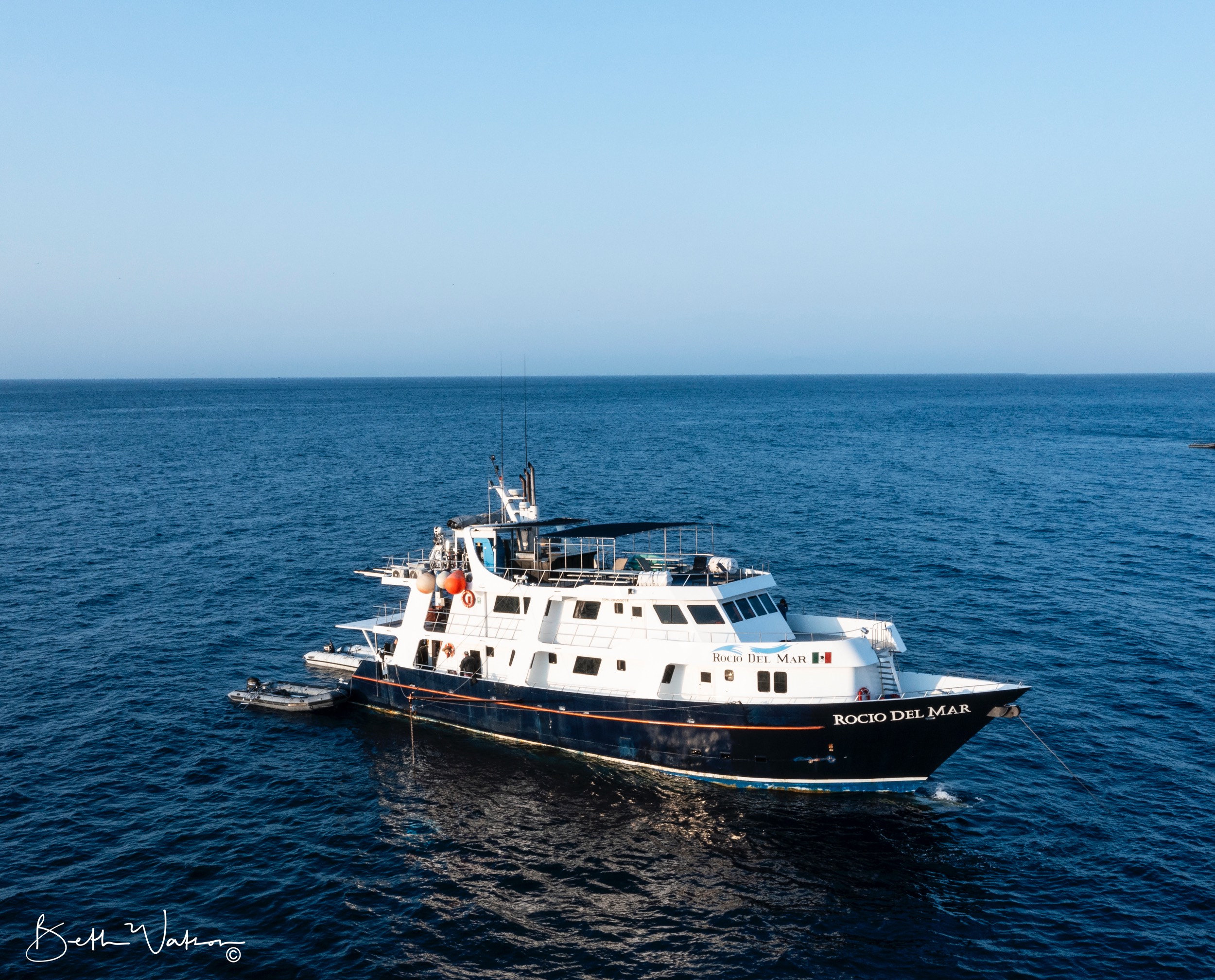
Rocio del Mar
Mexico
20 guests34 m
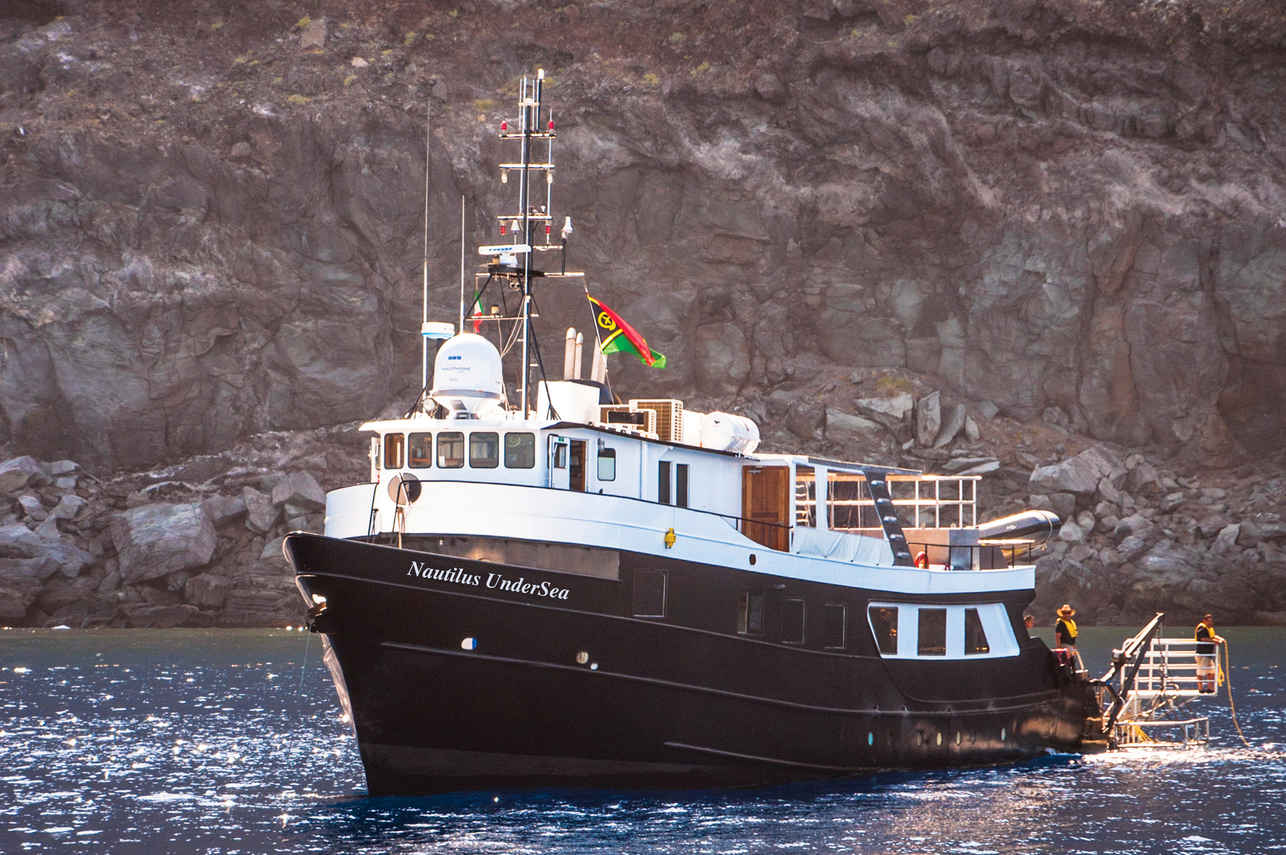
Nautilus Under Sea
Mexico
19 guests32 m
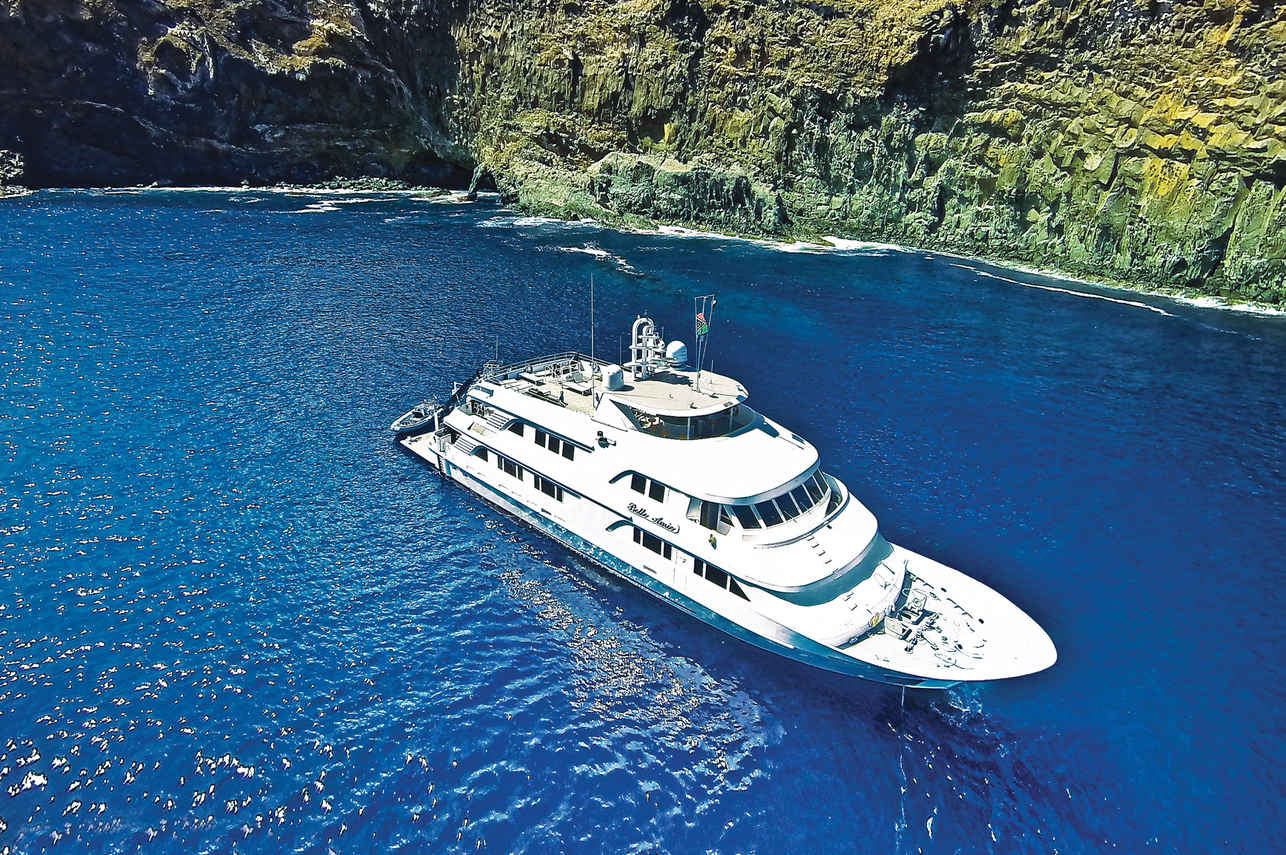
Nautilus Belle Amie
Mexico
32 guests45 m
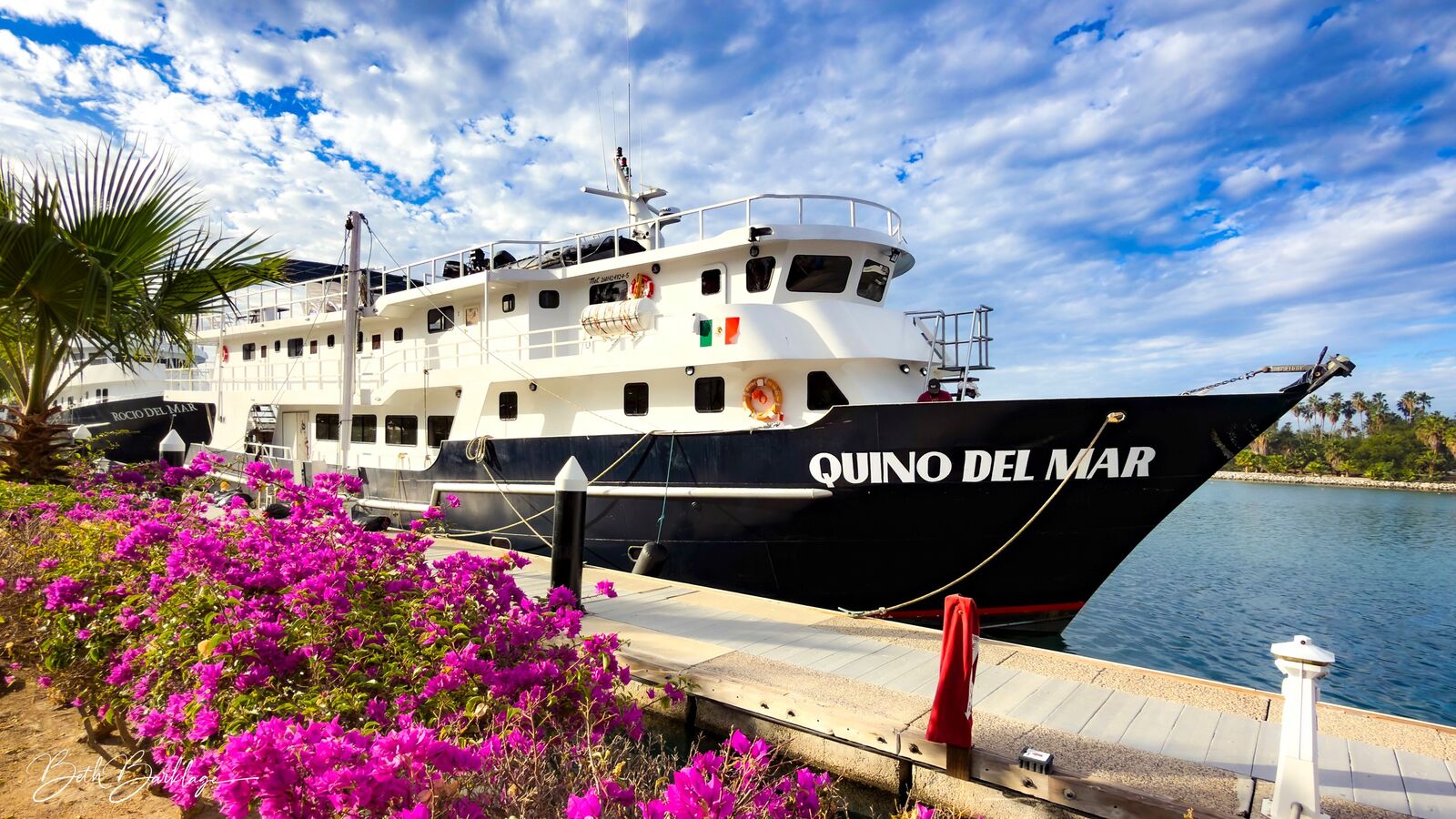
Quino del Mar
Mexico
20 guests36 m
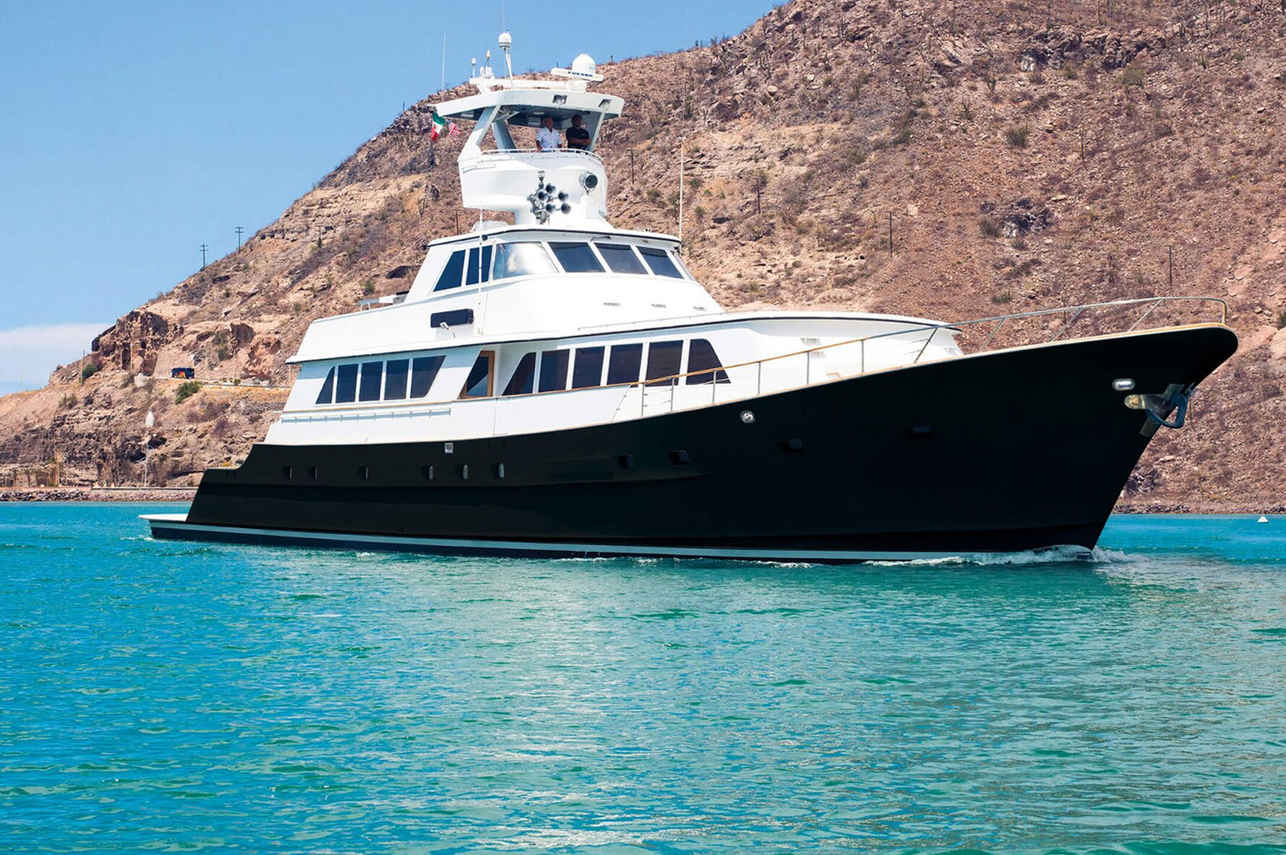
Nautilus Gallant Lady
Mexico
12 guests35 m
Dive sites similar to Gordo 2
Same character, same waters — six more sites divers love for the exact same reasons.Compare seasons, access and liveaboard routes — then pick the site that fits your trip best.
© Esri — Maxar, Earthstar, GIS
Agustín Melgar shipwreck
Mexico
The Agustín Melgar, also known as the C-54, is a 56-meter (185-foot) former minesweeper that rests on a sandy bottom at 24 meters (80 feet) south of Puerto Escondido within the Loreto Bay National Park.
- Suitable for
- Intermediate
- Current
- Mild
- Access
- Liveaboard only
- Depth
- 12–24 m
- Theme
- Wreck
Arco Iris, or "Rainbow" in Spanish, is a prominent dive site located near Brumel Island (Penahuaste), approximately 8km north of Playa Potrero in Costa Rica.
- Suitable for
- Beginner
- Current
- Moderate
- Access
- Dayboat
- Depth
- 9–30 m
- Theme
- Reef
© Esri — Maxar, Earthstar, GIS
Bahía de La Paz
Mexico
Bahía de La Paz serves as the capital of Baja California Sur and the primary gateway to the Sea of Cortez, a region famously dubbed the "world's aquarium" by Jacques Cousteau due to its exceptional biodiversity.
- Suitable for
- Advanced
- Current
- Mild
- Access
- Dayboat
- Depth
- 17–27 m
- Theme
- Big animals / Reef
© Esri — Maxar, Earthstar, GIS
Bahía de los Ángeles
Mexico
Bahía de los Ángeles, nestled in the northern Sea of Cortez, is a remarkable dive destination primarily known for its seasonal aggregations of whale sharks.
- Suitable for
- Intermediate
- Current
- Moderate
- Access
- Liveaboard only
- Depth
- 3–15 m
- Theme
- Reef
© Esri — Maxar, Earthstar, GIS
Bajo Alcyone
Costa Rica
Bajo Alcyone, a submerged seamount near Cocos Island, stands as a world-renowned dive site.
- Suitable for
- Advanced
- Current
- Strong
- Access
- Liveaboard only
- Depth
- 25–40 m
- Theme
- Drift / Seamount
© Esri — Maxar, Earthstar, GIS
Bajo de la Ballena
Mexico
El Bajo, often referred to as Bajo de la Ballena, is a prominent seamount situated approximately eight miles northeast of La Paz, Mexico.
- Suitable for
- Advanced
- Current
- Strong
- Access
- Liveaboard or dayboat
- Depth
- 18–35 m
- Theme
- Pinnacle