About Gomo
Gomo is a captivating dive site situated within the Bligh Waters of central Fiji, celebrated for its rich marine biodiversity and the dramatic interplay of currents that sculpt its underwater landscape. This site thrives on a medium current, which is instrumental in attracting vast schools of jacks, barracuda, and queenfish, creating an active and exciting environment for divers. The topography is characterized by flourishing soft corals and impressive reef structures, particularly at its neighbor Coral Corner, implying a similar coral abundance at Gomo. While specific depths for Gomo are not explicitly detailed, it is located in an area renowned for seamounts and pinnacles that rise from significant depths, suggesting a varied depth profile suitable for different dive progressions. The currents, described as medium, are key to the health and vibrancy of the corals and the presence of pelagic species. Marine life sightings at Gomo commonly include significant aggregations of jacks, barracuda, and queenfish, with grey reef sharks also frequenting the area. The site is part of a region praised for its healthy hard and soft coral gardens, promising a colorful backdrop to these pelagic encounters. Liveaboard trips to the Bligh Waters, where Gomo is located, are the preferred way to access and experience this site, allowing for optimal timing with current conditions. The diving experience here is characterized by exhilarating drift dives alongside schools of fish, amidst thriving coral formations, making it a highlight of Fijian diving.
Highlights
Huge schools of jacksAbundant barracudaGrey reef shark encountersVibrant soft coralsMedium current driftLush coral gardens
Season calendar
Best months to dive here
Jan
Feb
Mar
Apr
May
Jun
Jul
Aug
Sep
Oct
Nov
Dec
Excellent
Good
Off-Season
May – Oct
Dry season with best visibility up to 35m. Cooler water brings manta rays. Peak soft coral season.
Apr & Nov
Transition months with good conditions. Fewer tourists and competitive liveaboard rates.
Dec – Mar
Wet season with higher rainfall and reduced visibility. Warmer water. Cyclone season possible.
Dive site facts: Gomo
- Current
- Medium
- Visibility
- 30–50 m (seasonal)
- Water temperature
- 23–28°C
- Entry
- Liveaboard tender / drift
- Level
- Intermediate to Advanced
- Dive type
- Drift, pelagic, reef
- Region / port
- Bligh Water
- Coordinates
- -17.5738, 115.703
Conditions & Currents
Gomo is characterized by medium currents, which are a vital aspect of its ecosystem, bringing nutrients to the soft corals and attracting large schools of pelagic fish. These currents dictate the dive experience, transforming the site into a dynamic environment. While described as medium, divers should be prepared for varying current strengths common to the Bligh Waters, which can range from gentle drifts to more vigorous flows. Liveaboard operations often time dives at Gomo to coincide with favorable current conditions, optimizing encounters with schooling fish and providing exhilarating drift dives. Divers should possess good buoyancy control and follow dive guide instructions closely, especially during entry and exit, to navigate the currents safely. Although visibility is generally excellent in Fiji's dry season, plankton blooms during warmer months can slightly reduce it, but these
Marine life & sighting chances

Jacks
common
Barracuda
common
Queenfish
common
Grey Reef Shark
occasional
Hawksbill Turtle
occasional
Tuna
occasional
Mackerel
occasional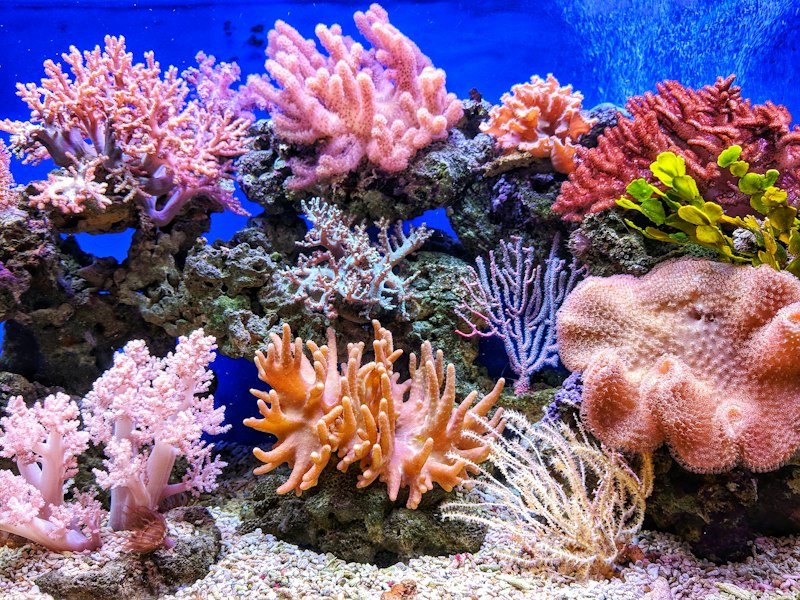
Soft Corals
common
Hard Corals
commonDive profile & how the dive runs
Diving Gomo typically involves an entry coordinated with the medium current, often as a drift dive to fully experience the site's dynamic nature. Liveaboard skiffs will drop divers at an optimal point, allowing the current to carry them along the reef. The dive will focus on navigating along the vibrant coral gardens, where massive schools of jacks, barracuda, and queenfish congregate, often accompanied by patrolling grey reef sharks. The depth progression will vary depending on the reef's contours and diver experience, but generally involves a multi-level profile, allowing for deeper exploration of pelagic encounters before ascending to shallower, richly decorated coral sections. The turn-around point is usually determined by air consumption and current conditions, with the safety stop conducted in the calmer, shallower parts of the reef, providing an opportunity to observe smaller reef inhabitants amidst the colorful corals. Constant communication with the dive guide is essential to maximize the experience and ensure a safe ascent.
Underwater photography
Gomo presents excellent opportunities for both wide-angle and macro photography, though the medium current requires careful planning. For wide-angle shots, a fisheye or wide-angle lens is ideal to capture the sweeping schools of jacks, barracuda, and queenfish, as well as the expansive, healthy coral gardens. Fast shutter speeds are advisable to freeze action, especially when pelagic species are active. For macro subjects, while not explicitly detailed for Gomo, the Bligh Waters are known for smaller critters. Given the dynamic environment, divers should practice excellent buoyancy to maintain position without touching the reef, and consider using a reef hook to stabilize for shots in stronger currents. Strobe placement is crucial to illuminate subjects and reduce backscatter, especially in areas with particulate matter from feeding activity.
Combine with nearby dive sites
- Coral Corner
Frequently combined with Gomo, known for red whip corals and orange fans
- Mellow Yellow
Famous for its vibrant yellow soft corals
- Mount Mutiny
A spectacular pinnacle with unique chironepthya corals and pelagic encounters
- The Whole Shebang
A site known for a diverse range of marine life and coral formations
- Namena Marine Reserve
A protected area offering world-class diving with diverse ecosystems
Getting there & logistics
Access to Gomo and other Bligh Water sites is primarily via liveaboard vessels departing from Viti Levu, Fiji's main island. Nadi International Airport (NAN) is the main point of entry, from which guests transfer to the liveaboard departure port, often in or near Lautoka or Suva. Trip durations for liveaboards exploring the Bligh Waters typically range from 7 to 10 days, allowing for comprehensive exploration of multiple sites, including Gomo. These trips frequently combine Gomo with other renowned sites such as Coral Corner, Mellow Yellow, Mount Mutiny, and sites within the Namena Marine Reserve. There are usually no specific permits or additional fees required for diving Gomo itself beyond the liveaboard package, which typically covers national park fees for protected areas.
Safety & environment
Diving in the Bligh Waters, including Gomo, necessitates adherence to strict safety protocols, particularly due to the dynamic currents. Divers must maintain excellent buoyancy control and be proficient in drift diving techniques. The nearest recompression chamber is located in Suva, Viti Levu. In the event of a dive emergency, evacuation would typically involve transport by the liveaboard to the nearest medical facility, followed by air or sea transfer to Suva, which can be time-consuming due to Fiji's dispersed island geography. Therefore, comprehensive dive accident insurance is highly recommended. Always carry a surface marker buoy (SMB) and know how to deploy it, as tenders often pick up divers down-current. Divers should follow their guide's instructions precisely and communicate any concerns promptly.
Who it suits, and who it doesn't
Suited for
- Experienced drift divers
- Photographers seeking pelagic action
- Divers comfortable with currents
- Liveaboard enthusiasts
- Those seeking abundant marine life
Less suited for
- Absolute beginners
- Divers uncomfortable with strong currents
- Those prone to seasickness
- Divers on limited timeframes (short trips)
FAQ
Gomo FAQ
What kind of currents can I expect at Gomo?
Gomo is known for medium currents that bring nutrients and attract large schools of fish. These currents are a key feature of the dive, often resulting in exhilarating drift dives. While generally manageable for experienced divers, conditions can vary, so good buoyancy and current diving skills are important.
What marine life is commonly seen at Gomo?
Gomo is famous for its large schools of pelagic fish, including jacks, barracuda, and queenfish, which thrive in the currents. Grey reef sharks are also frequently sighted patrolling the area. The site is also home to vibrant soft corals, contributing to a rich and colorful reef ecosystem.
Is Gomo suitable for beginner divers?
Gomo's medium currents make it more suitable for intermediate to advanced divers who are comfortable with drift diving techniques and have good buoyancy control. Beginners might find the conditions challenging, and it's generally recommended to gain experience in milder conditions before attempting dives here.
How do liveaboards manage diving Gomo with its currents?
Liveaboard operators are highly experienced in Fiji's Bligh Waters and meticulously plan dives at Gomo to coincide with optimal current conditions. They often use tenders for entry and exit, deploying divers upstream and picking them up downcurrent. Dive guides provide thorough briefings to ensure divers are prepared for the prevailing conditions.
What are the best photography opportunities at Gomo?
Gomo offers fantastic opportunities for wide-angle photography, capturing the large schools of pelagic fish and vibrant coral formations. While less known for macro, the healthy reef can still yield interesting smaller subjects. Photographers should be prepared for currents by maintaining excellent buoyancy and potentially using a reef hook to stabilize for shots.
Why dive Gomo from a liveaboard?
Gomo is one of Fiji's signature dive sites. A liveaboard sleeps you on the water and puts you in the water for three to four guided dives per day, including dawn and night dives that day-boat operators rarely offer. You skip the daily commute back to port and reach quieter, less-crowded sites in the same region on a single trip.
Below are the liveaboards that include Gomo on their Fiji itineraries.
Liveaboards diving Gomo
These liveaboards may visit Gomo on selected itineraries, the exact dive sites depend on departure, weather and conditions.

Nai'a
Fiji
16 guests37 m
Dive sites similar to Gomo
Same character, same waters, six more sites divers love for the exact same reasons.Compare seasons, access and liveaboard routes, then pick the site that fits your trip best.
© EsriMaxar, Earthstar, GIS
Agincourt Reef
Australia
Agincourt Reef sits on the outer edge of the Great Barrier Reef, roughly 60–72 km off Port Douglas in Far North Queensland, at the southern end of the true ribbon reefs that run…
- Suitable for
- Beginner
- Current
- Moderate
- Access
- Dayboat
- Depth
- 2–20 m
- Theme
- Reef / Wall
Ahe Atoll, a remote and authentic destination in French Polynesia, offers a dive experience deeply intertwined with its local pearl farming community.
- Suitable for
- Advanced
- Current
- Strong
- Access
- Liveaboard or dayboat
- Depth
- 5–22 m
- Theme
- Channel / Drift
© EsriMaxar, Earthstar, GIS
Alacrity Shoal
Fiji
Alacrity Shoal is a premier dive site in Fiji, renowned for its spectacular drift diving opportunities and rich marine biodiversity.
- Suitable for
- Advanced
- Current
- Strong
- Access
- Liveaboard or dayboat
- Depth
- 12–40 m
- Theme
- Drift / Seamount
Alibaba is a renowned drift dive located within the Garuae Pass in northern Fakarava, a UNESCO Biosphere Reserve in the Tuamotu Archipelago.
- Suitable for
- Intermediate
- Current
- Strong
- Access
- Liveaboard only
- Depth
- 5–30 m
- Theme
- Reef
© EsriMaxar, Earthstar, GIS
Aliko Reef
Micronesia
Aliko Reef is a prominent dive site within Yap, Micronesia, characterized by a captivating underwater topography that blends a mini-wall with an expansive coral plateau.
- Suitable for
- Intermediate
- Current
- Mild
- Access
- Dayboat
- Depth
- 6–15 m
- Theme
- Reef / Wall
© EsriMaxar, Earthstar, GIS
Amity Point
Australia
Amity Point is a popular shore diving destination located at the northwestern tip of North Stradbroke Island, within the protected waters of Moreton Bay.
- Suitable for
- Beginner
- Current
- Moderate
- Access
- Shore / dayboat
- Depth
- 5–15 m
- Theme
- Reef