
About
A tale of two oceans, Mexico offers a staggering duality of world-class diving found nowhere else. The true appeal of a Mexico liveaboard lies in its access to remote, pelagic-rich Pacific outposts, a world away from the mainland. These vol…
About
A tale of two oceans, Mexico offers a staggering duality of world-class diving found nowhere else. The true appeal of a Mexico liveaboard lies in its access to remote, pelagic-rich Pacific outposts, a world away from the mainland. These vol…
Available Liveaboards
Explore our handpicked fleet of liveaboards operating in this region
Loading vessels...
Why Dive Here
Great whites, whale sharks, mantas, and giant pacific mantas
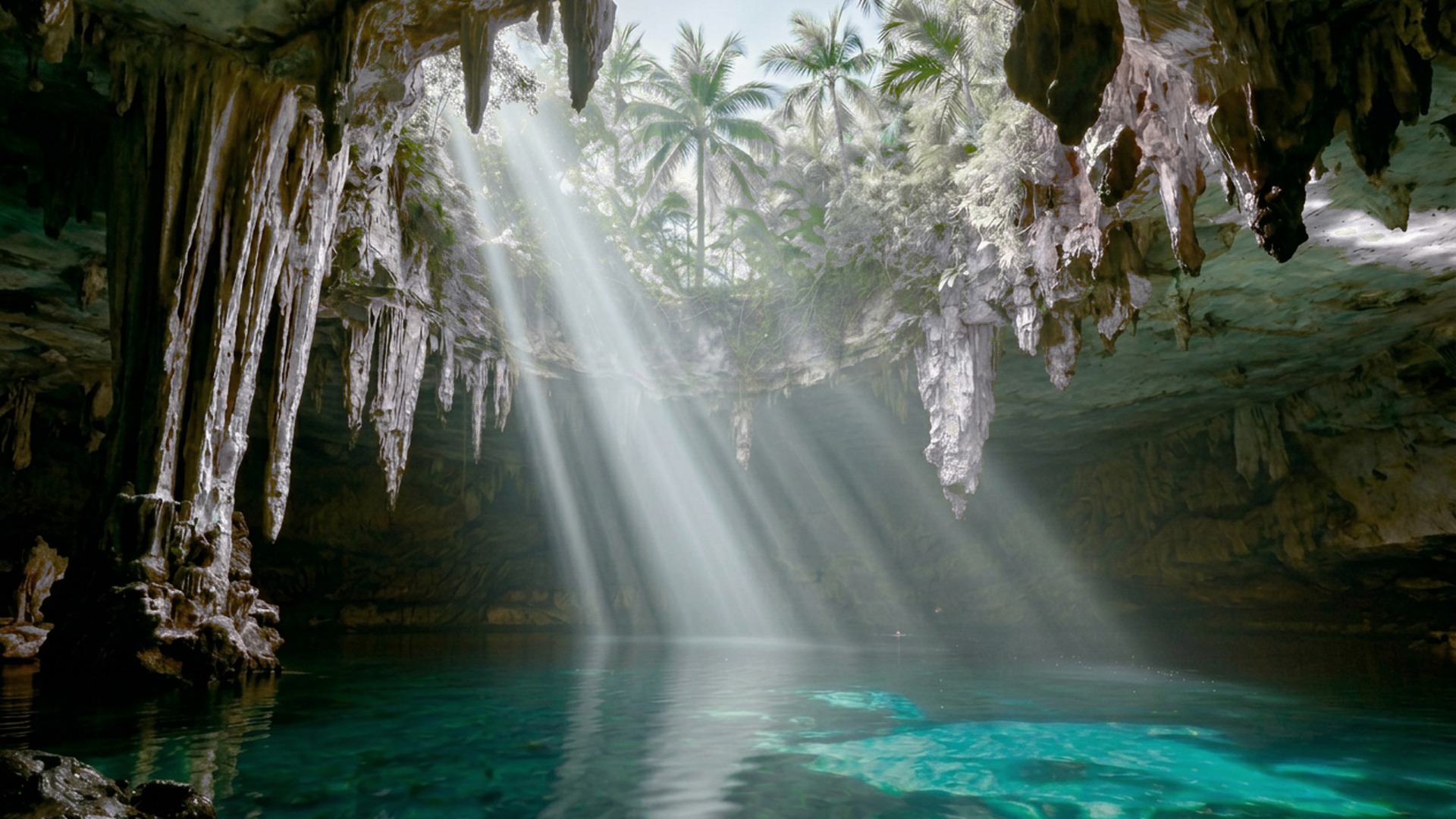
Mystical freshwater caverns unique to the Yucatan
The Mexican Galapagos with friendly giant mantas
Different seasons bring different megafauna
Dive Season
Plan your trip around the best conditions for diving, visibility, and marine encounters
Each region has distinct peak windows: Socorro opens November–May for giant mantas, hammerheads and humpback whales (closed Jun–Oct). The Sea of Cortez peaks July–November with whale sharks, mobula rays, sea lions and warm 26–30°C waters. Cozumel's Caribbean side is best December–April with calm seas, 30m+ visibility and vibrant drift diving along the Mesoamerican Reef.
Outside peak months, the Sea of Cortez still offers excellent macro life and whale watching in winter (Jan–Mar). Cozumel remains diveable year-round with water temperatures of 25–29°C, though summer and autumn bring occasional swells and reduced visibility. A 3mm shorty or full suit covers all conditions across Mexico.
The Revillagigedo National Park is closed to all visitors from June through October due to hurricane season in the eastern Pacific. No liveaboard trips operate to Socorro during this period. The Sea of Cortez and Cozumel remain accessible year-round.
Marine Life
Explore the incredible species that call these waters home
Seasonal Calendar
Plan your trip around the marine life you want to encounter most


Only in
Extraordinary natural events that make Mexico a once-in-a-lifetime diving destination

Magdalena Bay (San Carlos), Baja California Sur
Every autumn, massive schools of sardines migrate along the Baja coast near Todos Santos, creating a feeding frenzy that attracts striped marlin, sea lions, dolphins, whales, and frigatebirds. Often called the "Baja Sardine Run," this spectacle rivals South Africa's famous event and offers incredible open-water encounters with multiple predators hunting in coordinated attacks.
Read more
La Ventana, Baja California Sur
Each spring, thousands of Mobula rays gather in the warm waters off La Ventana and Cerralvo Island in one of nature's most mesmerizing displays. These elegant rays form massive aggregations, leaping out of the water in spectacular aerial displays. Snorkelers and freedivers can swim alongside these gentle creatures as they swirl in hypnotic formations.
Read more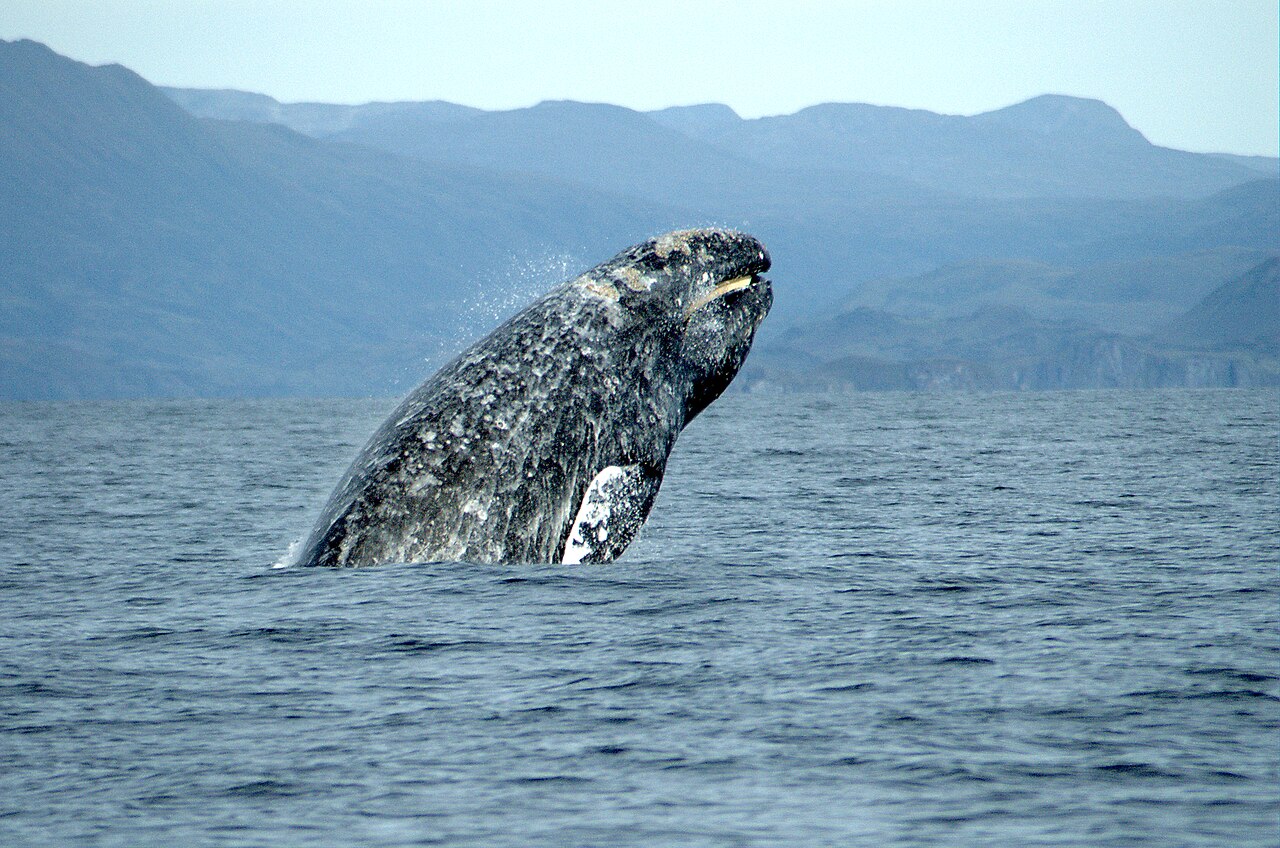
San Ignacio Lagoon, Baja California Sur
Every winter, over 20,000 grey whales travel 10,000 km from Alaska to the sheltered lagoons of Baja California to breed and nurse their calves. San Ignacio Lagoon is the most magical spot — the "friendly whales" here actively approach small pangas, allowing visitors to touch and interact with these gentle giants and their newborn calves.
Read more
Revillagigedo Archipelago (Socorro Island)
The remote Revillagigedo Islands offer some of the closest encounters with giant oceanic mantas anywhere on Earth. Add schooling hammerheads, dolphins, and the chance of humpback whales for an unforgettable experience.
Read moreExplore
The Cabo San Lucas Marine Park, located at the southern tip of the Baja California Peninsula where the Pacific Ocean meets the Sea of Cortez, was designated a protected underwater marine park by Mexico's president in 1973. This protected status helps preserve its rich marine biodiversity, supporting over 800 fish species and thousands of invertebrates, earning the Sea of Cortez the nickname "World's Largest Fish Trap." Dive sites within the park are conveniently accessible, typically a 10-minute boat ride from the marina, and are usually flat calm. While the specific site "South Wall" is not detailed in the provided sources, the broader marine park features walls that extend to depths exceeding 100 meters, catering to technical divers, with recreational depths ranging from 8 to 40 meters. The unique meeting of two major ocean bodies creates dynamic conditions beneath the surface. Coral formations, gorgonians, and sea fans are common sights, providing habitat for diverse marine life. The area is renowned for its seasonal pelagic encounters, with migrating Mobula Rays appearing in spring and autumn when water temperatures change, often seen in schools of tens of thousands. Other common sightings include playful California sea lions, large schools of snapper and jacks, white tip sharks, sardines, turtles, eels, puffers, groupers, seahorses, and nudibranchs. Humpback whales also visit the region during winter for breeding and calving. Visibility generally ranges from 30 to 60 feet during winter (January to May) and an excellent 50 to 150+ feet from June to December. Diving in the park typically involves clear and calm waters with minimal current, making for a generally accessible experience. Due to the proximity of the sites, divers can often enjoy multiple dives exploring the distinct ecosystems, from walls to resident marine mammal colonies. The calm conditions within the bay ensure reliable diving, even when external weather is rough.
Neptune's Finger is a renowned dive site located in Cabo San Lucas, Mexico, at the southern tip of the Baja California Peninsula. Its name comes from a distinctive rocky pinnacle that extends approximately 8 meters (26 ft) above the water's surface. This iconic formation marks a unique underwater landscape that has served as a navigational landmark for decades. The site is a premier destination for scuba diving due to its blend of geological wonders and diverse marine ecosystems, embodying the rich marine life of the Sea of Cortez. Beneath the waves, the site features a complex topography, including two distinct coral reefs and multiple shallow pinnacles adorned with various coral types. A prominent vertical wall drops dramatically to depths exceeding 152 meters (500 ft), making it suitable for technical diving and offering a dramatic backdrop for exploration. Divers will also encounter the largest sandfall within the Cabo San Lucas Marine Park, a mesmerizing natural phenomenon where sand cascades down the seabed. The pinnacles extend all the way to the surface, providing excellent opportunities for extended safety stops. Marine life at Neptune's Finger is abundant and varied. The shallow areas are particularly notable for macro subjects, including numerous nudibranchs. Along the wall, large schools of snapper are common, and a butterflyfish cleaning station provides interesting viewing. Visiting turtles are frequently sighted, and during the mobula and cow nose ray seasons, large schools of these rays are known to pass overhead. Other pelagic species such as tuna, bonitos, barracudas, and sardines are regularly encountered, alongside eagle rays, mantas, and guitarfish. Sharks, whales, and dolphins are also common sightings in the general area. The site is accessible to Open Water or CMAS* certified divers. While diving is possible year-round, calmer seas and clearer visibility are more prevalent during specific months. Divers can expect to explore unique geological formations and a rich diversity of marine life across various depth bands, from shallow reef tops to deep wall sections, typically making it a multi-faceted dive experience.
The C-58 Wreck, also known as the USS Harlequin or ARM DM-20, is a prominent artificial reef located off the coast of Cancún and Isla Mujeres. Originally a US Navy minesweeper launched in 1944, it was decommissioned in 1946, sold to the Mexican Navy in 1962, and intentionally sunk in May 2000 to create a dive site. The wreck now rests at 26 meters (85 feet) and serves as a vibrant ecosystem. It is accessible via a 25 to 40-minute boat ride from Isla Mujeres or Cancún. In 2005, Hurricane Wilma severely impacted the wreck, breaking it into two distinct pieces. This event inadvertently enhanced the dive experience by creating large openings and swim-throughs, allowing certified divers to penetrate the cargo holds and other sections. The stern, the larger part, offers open access and multiple rooms to explore, while the bow lies about 100 meters (300 feet) away, resting on its left side. Water temperatures generally range from 26°C to 29°C (79°F to 84°F), with visibility typically between 15 and 30 meters (50 and 100 feet). However, near the wreck, visibility can sometimes be reduced. Currents can be moderate to strong, making this a challenging drift dive, often without a descent line, and suitable for advanced divers. The C-58 attracts large pelagic species like black groupers, great barracudas, schooling jacks, and seasonally, eagle rays and nurse sharks. This dive is considered deep and requires advanced certification due to its depth and potential for strong currents. Dive groups are kept small to manage the drift entry and ensure safety. The wreck offers a unique blend of history and marine biodiversity, making it a captivating site for experienced wreck enthusiasts.
Bahía de los Ángeles, nestled in the northern Sea of Cortez, is a remarkable dive destination primarily known for its seasonal aggregations of whale sharks. This area is celebrated by divers for its unique blend of protected bay diving and rich pelagic encounters, making it a focal point for marine enthusiasts seeking large animal interactions. The bay itself is a sheltered haven, providing calmer conditions compared to some more exposed sites in the Gulf of California. The dive topography often features rocky reefs and diverse underwater landscapes that support a wide array of marine species. Depths can vary, allowing for both shallow, exploratory dives within the bay and deeper excursions to nearby pinnacles or seamounts that attract larger pelagic species. While specific depths for Bahía de los Ángeles are not extensively detailed, its location within the wider Sea of Cortez ecosystem suggests typical recreational diving depths. The primary draw to Bahía de los Ángeles is the presence of juvenile whale sharks, which gather here between October and December, drawn by seasonal plankton blooms. This period also coincides with continued sightings of mobula rays and other pelagic fish schools. Beyond the megafauna, the area is home to year-round residents like various reef fish, octopuses, and nudibranchs, contributing to a vibrant ecosystem. Diving here is often combined with liveaboard itineraries exploring the Midriff Islands or as a remote northern extension of resort-based trips. The experience is characterized by its focus on wildlife observation, particularly snorkeling with whale sharks, in a relatively remote and pristine marine environment. Access to this region typically involves a journey to more northern departure points, emphasizing its wild and unspoiled nature.
Beyond Diving
Perched dramatically on cliffs overlooking the Caribbean Sea, Tulum is the only major Mayan site built on the coast. The iconic El Castillo temple offers stunning photo opportunities.
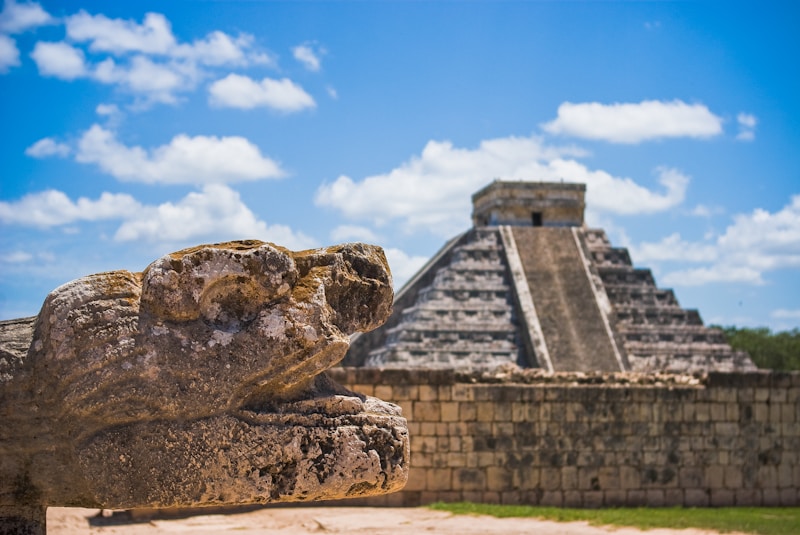
One of the New Seven Wonders of the World, this ancient Mayan city features the iconic El Castillo pyramid with remarkable astronomical precision.
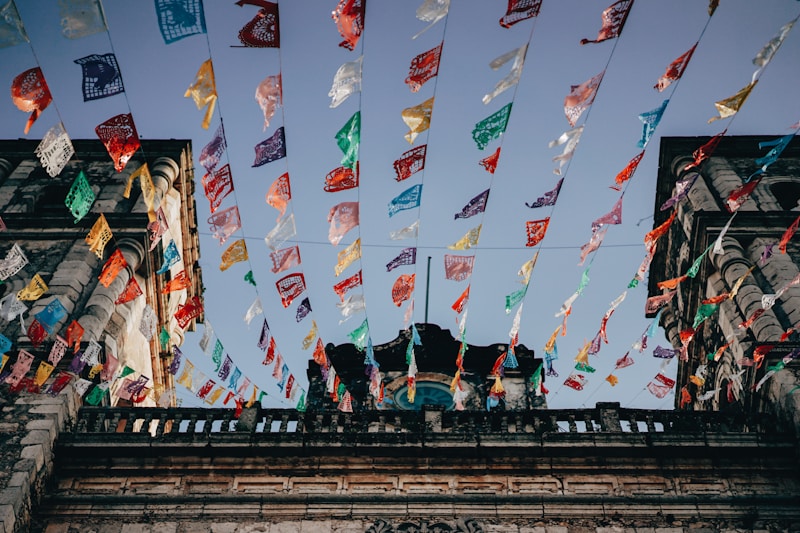
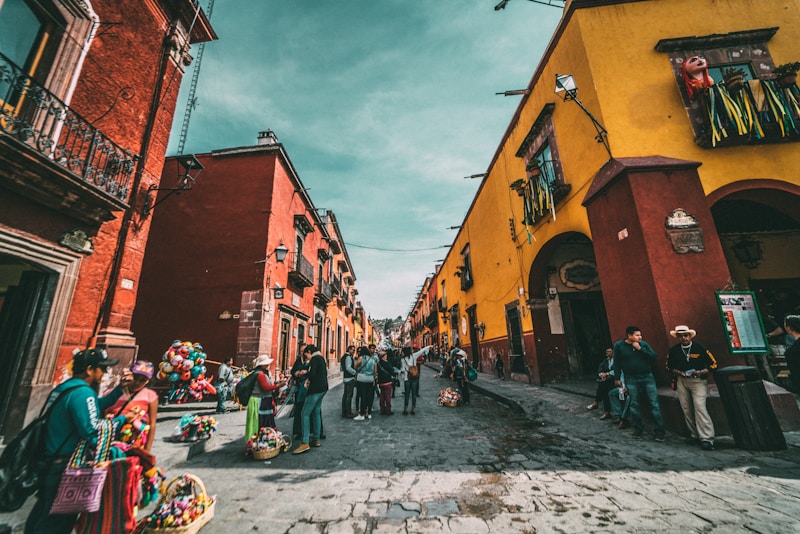
The vibrant pedestrian heart of Playa del Carmen stretches for miles with boutiques, restaurants, bars, and street performers.
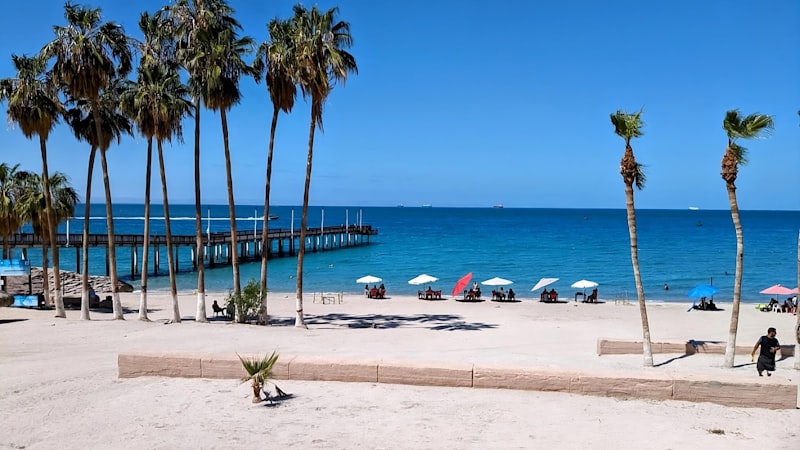
This beautiful 5km waterfront promenade offers stunning sunset views over the Sea of Cortez. Lined with sculptures, restaurants, and cafés.
Budget
How Mexico compares to other diving destinations worldwide.
$250–$400
per day liveaboard
$80–$150
per 2-tank dive trip
$45–$227
hotel per night
Prices reflect typical costs for mid-range to premium options. Budget alternatives may be available.
Socorro season open (Nov–May) for giant mantas and hammerheads. Cozumel bull sharks Dec–Mar. Cenotes excellent year-round. Best overall conditions.
Socorro closing, Cozumel still good. Whale sharks arrive at Isla Mujeres Jun–Sep. From August, the Sea of Cortez comes alive: Midriff Islands offer massive sea lion colonies and schooling mobulas. September and October bring world-class diving around La Paz and Cabo Pulmo with whale sharks, hammerheads, and bull sharks on the Explore Baja route.
The Yucatán offers excellent value compared to other Caribbean dive destinations
Cenote diving is relatively affordable at $50-80 per dive including guide
Street tacos and local restaurants provide delicious meals for $2-5
Book whale shark tours through local operators in Isla Mujeres for better prices
Stay in Playa del Carmen hostels from $15/night — Cozumel ferry is just $15 return
Travel by ADO bus instead of private transfers to save significantly
Dive shops in Playa del Carmen offer competitive multi-dive packages
Visit between May-November (low season) for 30-40% savings on accommodation
Travel
Cancún International Airport
Cancún, Mexico • CUN
Main gateway for Caribbean diving with direct flights from across North America and Europe
San José del Cabo International Airport
Los Cabos, Mexico • SJD
Gateway for Socorro/Pacific diving and Cabo Pulmo
Manuel Márquez de León International Airport
La Paz, Mexico • LAP
Alternative Pacific coast gateway for Sea of Cortez diving
Citizens of the US, Canada, UK, EU, Australia and many other countries do not require a visa for stays up to 180 days. A valid passport with at least 6 months validity is required. Complete the Forma Migratoria Múltiple (FMM) online or upon arrival.
This information is provided without guarantee. Please visit the official website for the latest entry requirements.
Official Immigration Information →Plan Your Trip
Good to know
Compare
Honest, in-depth comparisons to help you decide between destinations, certifications, equipment and dive styles.
Choosing between a liveaboard and a land-based dive trip is the most fundamental decision divers face when planning a serious diving holiday. The right answer depends on your priorities: maximum dive count and access to remote sites favor liveaboards; beach time, family flexibility and lower cost favor land-based resorts. Both formats have evolved significantly in the last decade, and the line between them has blurred — luxury dive resorts now offer multi-day expedition trips, while many liveaboards include topside excursions and even spa days. This guide compares the two formats across every meaningful dimension: cost per day, dives per day, marine life access, comfort, social dynamics, family-friendliness, and travel logistics. We'll also cover the hybrid models (resort + day-charter, or 'safari boat' itineraries) that try to capture the best of both worlds. If you're certified, in love with diving and want to maximize bottom time, a liveaboard is almost always the better choice — you can clock 25+ dives in a week and reach sites no day boat can. If you're traveling with non-divers, prefer land-based comfort, or want flexibility to take days off, a resort wins. We'll get into all the nuances below.
Read comparisonChoosing your next liveaboard destination can be a thrilling challenge, especially when weighing two iconic Caribbean and Pacific powerhouses like Mexico and Cuba. Both offer distinct underwater experiences, rich cultural encounters, and diverse marine ecosystems, but cater to different preferences and diving styles. Mexico, renowned for its vibrant Pacific waters, the unique cenotes of the Yucatán, and the rich biodiversity of the Sea of Cortez, presents a broad spectrum of diving opportunities. From pelagic encounters with great white sharks and schooling hammerheads to intricate coral reefs and ancient cave systems, Mexico appeals to divers seeking variety and adventure. Its well-developed tourism infrastructure and numerous liveaboard options make it an accessible and popular choice. Cuba, on the other hand, offers a glimpse into a remarkably preserved marine environment, largely untouched by mass tourism. Its protected Jardines de la Reina (Gardens of the Queen) marine park is a jewel, known for its pristine coral reefs, abundant shark populations, and healthy ecosystems. A liveaboard trip to Cuba is not just a dive vacation; it's an immersive journey into a unique cultural landscape, often characterized by a more rustic and intimate experience. This comparison will help you navigate the nuances and decide which destination best aligns with your liveaboard aspirations.
Read comparisonManta rays and stingrays are both rays — flattened, cartilaginous relatives of sharks — and that is roughly where the similarity ends. A manta is a filter-feeding giant of the open water with a wingspan that can exceed five metres and no stinging barb at all. A stingray is a bottom-dwelling ambush feeder, usually well under two metres across, that carries one or more venomous spines on its tail. For divers the practical difference is where and how you meet them. Mantas are the reason you hang motionless at a cleaning station in Raja Ampat or drift a channel in the Maldives. Stingrays are what you find when you slow down over a sand flat, look for the outline of a buried disc and wait for it to lift off in a cloud of silt. This guide breaks down the identification cues that actually work underwater, the behaviour to expect from each, and which liveaboard regions give you the best odds of a proper encounter with either.
Read comparisonExplore our expedition vessels and find your perfect trip to Mexico


