
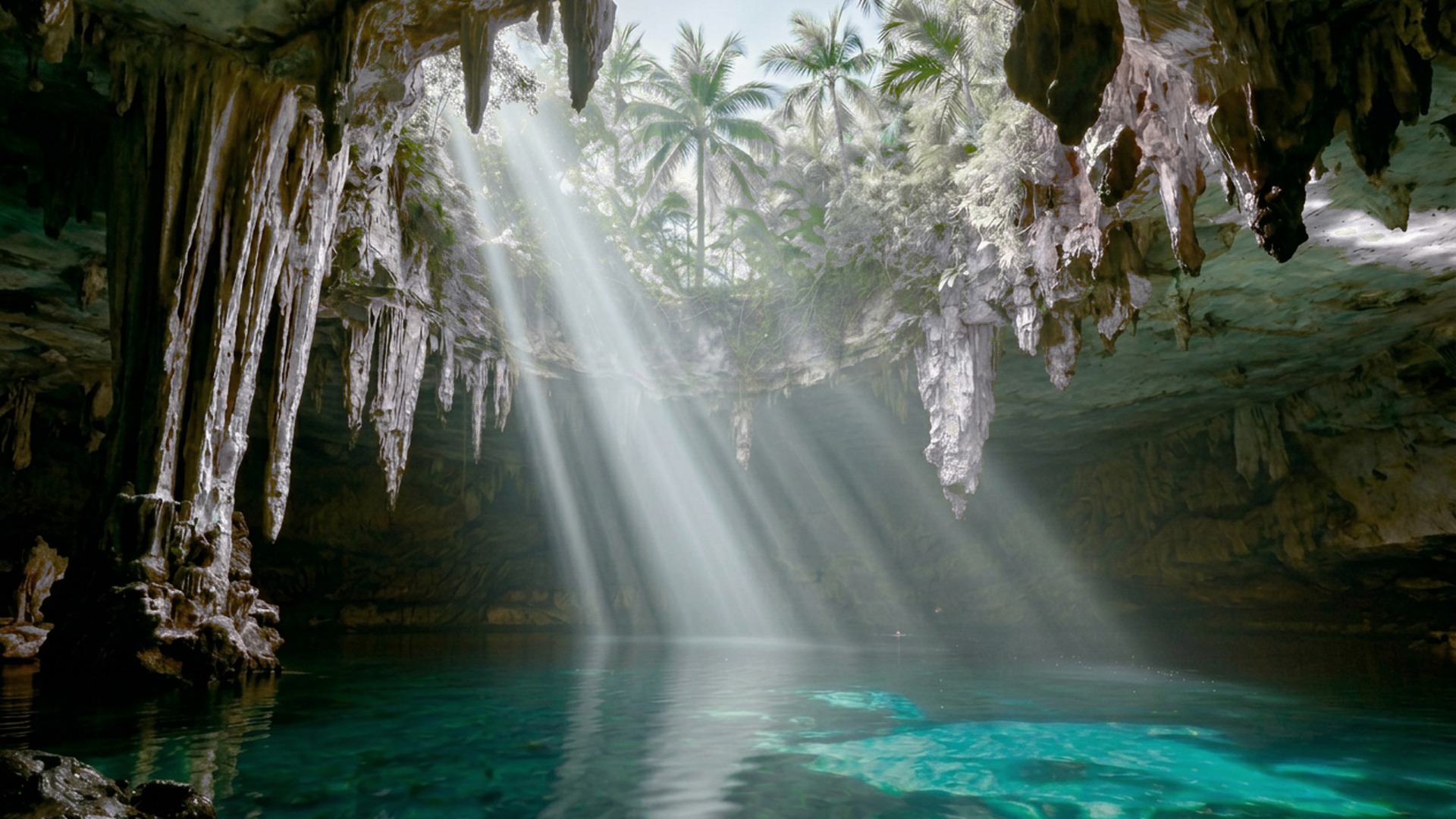
Socorro's giant mantas, Guadalupe great whites and Sea of Cortez wonders
Mexico is the only country in the world that offers two completely different world-class liveaboard experiences in opposite oceans, just a short flight apart. Off the Pacific coast, the Revillagigedo Islands — better known as the Socorro Archipelago — are a UNESCO marine biosphere 24-30 hours by boat from Cabo San Lucas, where giant oceanic mantas come to be cleaned, schools of hammerheads patrol the seamounts, and humpback whales sing within earshot of divers from January to April. In the Sea of Cortez between Baja California and the Mexican mainland, a different cast — sea lion rookeries, schooling mobula rays, whale sharks, marlin bait balls and mako sharks — combines with calm protected water and breathtaking desert-meets-sea topside scenery. Both regions are accessible by liveaboard from a handful of permitted operators, and a single trip to either delivers more big-animal action than most divers see in a lifetime.
The Socorro/Revillagigedo season runs November to May — outside this window, the Mexican Navy closes the islands to liveaboards. Early season (November to early January) brings the first oceanic mantas and excellent shark action. January to April is the peak: humpback whales are present and singing, mantas are at their most curious, hammerhead schools are reliable at Roca Partida, and bottlenose dolphins routinely engage with divers at El Boiler. April to May is the quiet end of the season — water warms (24-26°C), whale sharks become more frequent at San Benedicto, and you may see tiger sharks. The Sea of Cortez has its own calendar: October to December is peak for mobula schools (often thousands of fish in a single bait ball) and sea lion pups; June to September delivers whale sharks at La Paz; year-round the islands hold dense reef life and dolphin pods.
Socorro liveaboards depart exclusively from Cabo San Lucas (San José del Cabo airport, SJD) on the southern tip of Baja California. Direct flights from major US hubs (Los Angeles, Houston, Dallas, San Francisco) are 2-3 hours; from Europe, connect via Mexico City, Houston or Los Angeles. Sea of Cortez liveaboards depart from La Paz (LAP) — fewer direct international flights, most guests connect via Mexico City or fly into SJD and take the 2-hour shuttle north to La Paz. Mexican tourist cards (FMM) are issued free on arrival, valid 180 days. The crossing from Cabo to Socorro is 24-30 hours of open Pacific — bring seasickness medication. Sea of Cortez itineraries stay in protected water and are usually calm. Plan a buffer night on each end; both Cabo and La Paz are good overnights with restaurants, hotels and a working marina district.
Cabo San Lucas marina is the working hub for all Socorro/Revillagigedo trips — a busy fishing and luxury-yacht port with several dedicated liveaboard operators. La Paz marina (a 2-hour drive north of SJD) is the springboard for Sea of Cortez trips, smaller and more relaxed than Cabo. Both have customs, immigration and refueling capacity, and most operators include the airport-to-dock transfer in the package. A handful of Sea of Cortez itineraries embark in Loreto (LTO) further north; confirm your departure city before booking onward flights.
The Revillagigedo archipelago consists of four islands. San Benedicto is the iconic first stop — El Boiler is the world's most famous oceanic manta cleaning station, where 4-meter mantas hang in the current to be cleaned, often interacting playfully with divers; the Canyon hosts white-tip and Galápagos sharks. Socorro Island has Cabo Pearce and Punta Tosca, where bottlenose dolphins approach divers and humpback whales sing through the entire dive. Roca Partida — a tiny pinnacle rising from 3,000 meters — is the planet's most reliable site for schooling scalloped hammerheads, white-tip sharks (resting in a ring around the rock), silky sharks, yellowfin tuna and the occasional whale shark. Clarion is rarely visited but offers untouched walls. The Sea of Cortez delivers Los Islotes (a sea lion rookery where playful pups mob divers), El Bajo seamount (formerly the planet's most famous hammerhead site, now recovering), Cabo Pulmo National Park (a no-take zone with the largest fish biomass in the Sea of Cortez) and the open-water spectacle of mobula rays leaping by the thousand.
Water temperatures vary: Socorro is 21-26°C (5-7 mm wetsuit, hood recommended in winter), Sea of Cortez ranges 18°C in winter to 28°C in summer (3-7 mm depending on month). Bring a rash guard for sea lion encounters (their teeth are sharp during play). Tipping is 10-15% of trip cost or $250-450 per guest per week, paid in cash USD at the end. Most liveaboards include all meals, soft drinks and beer; spirits and wine are charged extra. Marine park fees ($60-80 for Socorro, $20-30 for Sea of Cortez parks) are usually extra and paid in cash. Bring your widest-angle camera setup — Socorro is one of the world's premier wide-angle destinations. Nitrox is widely available, often included; advanced certifications are recommended for Roca Partida.
Socorro is regulated by the Mexican Navy: only a handful of licensed boats are permitted, divers must stay with their guide, and certain protective rules apply (no touching, no flash photography on resting sharks, no chasing mantas). Hyperbaric chambers are in Cabo San Lucas and La Paz. Phone signal is non-existent in Socorro and intermittent in the Sea of Cortez; some boats now offer Starlink. Expect mostly American clientele on Mexico boats — booking a year ahead is wise for both regions, and Christmas/New Year/Easter weeks book out 18 months in advance. Mexican boats typically run 4 dives per day at the islands, with rest days during long crossings.
Socorro requires Advanced Open Water plus 50 logged dives minimum; many operators require 100+ and prefer Nitrox certification. The crossing to Socorro is open Pacific — seas can be rough, and a percentage of guests get seasick on the first 12 hours. Bring scopolamine patches or your preferred medication. Currents at Roca Partida and El Boiler can be strong — diving with reef hooks is sometimes used. Marine park fees, fuel surcharges, port fees and naval permits add $250-450 per guest above the headline price — confirm what's included. Drone use is restricted in marine parks. Mexico is generally safe for liveaboard travel — stay in Cabo and La Paz tourist zones and you'll have no issues; both ports are well-policed and tourist-focused.
Compare every liveaboard, every itinerary, every cabin — book direct with the operator at the best price.