
Top destinations for liveaboard snorkeling
The Maldives is renowned for its shallow coral reefs, sandy lagoons and regular gatherings of manta rays and whale sharks. Many coral pinnacles and channel edges sit just beneath the surface, allowing snorkelers to drift comfortably alongside marine life in warm water. Protected atoll bays provide calm conditions where non-divers can spend hours observing sea turtles, reef sharks and schooling fish without dealing with heavy ocean swells.
Indonesia offers some of the richest coral reefs on the planet, with areas like Komodo and Raja Ampat featuring shallow reef flats teeming with colourful marine life. While some channels have strong currents meant only for advanced divers, sheltered bays and fringing reefs provide pristine snorkeling over hard corals, giant clams and macro critters. A well-chosen route gives snorkelers access to remote islands that land-based day boats cannot easily reach.
Beyond tropical coral gardens, destinations like Mexico, the Red Sea and the Galápagos provide distinct wildlife experiences. The Red Sea features sheltered lagoons and vibrant walls that rise almost to the surface in clear, warm water. In Mexico and the Galápagos, colder currents draw sea lions, marine iguanas, rays and visiting pelagic species, creating unforgettable encounters for confident swimmers who are comfortable in open ocean environments.
- Maldives atolls for manta rays and shallow coral gardens
- Indonesia for vibrant biodiversity across shallow reefs
- Red Sea reefs offering clear water and sheltered lagoons
- Mexico and Galápagos for pelagic species and sea lions
Best seasons for marine life and calm conditions
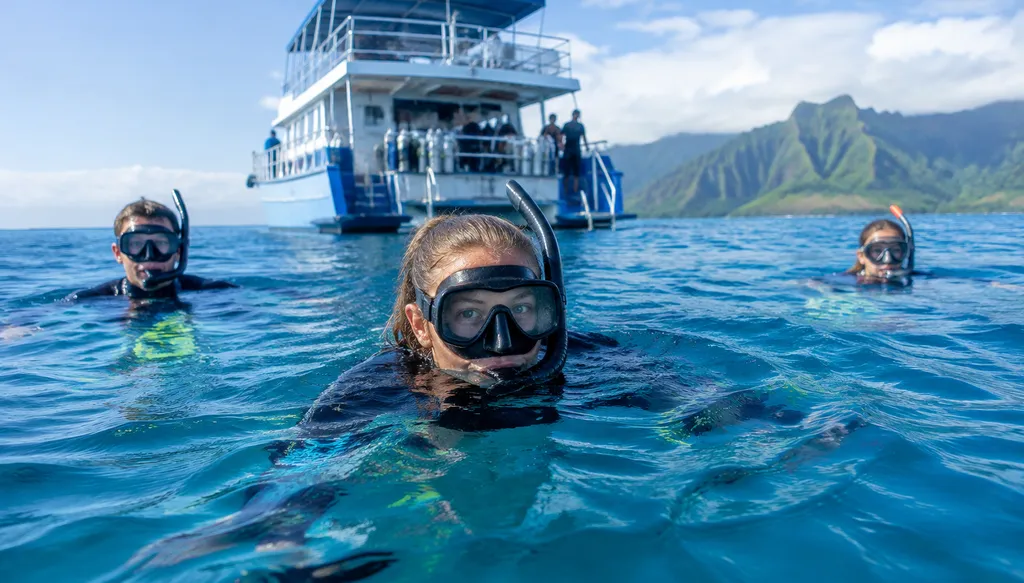
Timing your trip carefully is essential for both water clarity and wildlife encounters. Across many tropical destinations, dry periods tend to bring the calmest surface conditions, which makes swimming, entering the water and boarding tender boats far easier for snorkelers. Calm seas also allow sunlight to penetrate deeper into the water, lighting up shallow coral heads and improving visibility from the surface.
Megafauna encounters often follow specific seasonal patterns linked to water temperatures and feeding cycles. Manta rays and whale sharks tend to gather in greater numbers when nutrient-rich currents pass through island chains and shallow bays. While these plankton blooms can occasionally reduce overall underwater visibility, they provide the primary food source that draws large filter feeders right up to the surface alongside snorkelers.
Water temperature also shifts between seasons and can significantly affect how much time you spend in the sea. In regions like the Galápagos or Pacific Mexico, cooler upwellings bring incredible marine activity but demand thicker thermal protection to prevent you from chilling quickly. Researching regional sea temperatures and wind patterns helps ensure you arrive when conditions match your comfort level and swimming abilities.
- Plan around seasonal whale shark and manta migrations
- Dry seasons generally bring calmer seas and sunny days
- Plankton blooms reduce visibility but attract filter feeders
- Check regional water temperatures before choosing your travel dates

Maldives
Manta cleaning stations in shallow bays, whale sharks in South Ari Atoll and the famous Hanifaru Bay feeding events, snorkel-only, no scuba allowed.
Best season: Year-round; Hanifaru mantas roughly May–November.

Egypt / Red Sea
Shallow coral gardens, dolphin house reefs and house-reef snorkeling straight off the boat.
Best season: Year-round; calmest and warmest May–October.

Indonesia (Raja Ampat, Komodo)
Coral cover in just a few metres of water, manta channels and mangrove snorkeling in Raja Ampat and Komodo.
Best season: Raja Ampat October–April; Komodo April–November.

Mexico
Whale shark aggregations off Isla Mujeres and playful sea-lion colonies in the Sea of Cortez.
Best season: Whale sharks June–September; Sea of Cortez July–October.

Galápagos
Sea lions, penguins, marine iguanas and turtles, most of it in shallow bays.
Best season: Year-round; warmest and calmest December–May.

Australia
Ningaloo whale sharks and the coral flats of the Great Barrier Reef.
Best season: Ningaloo March–July; Great Barrier Reef June–October.
Choosing boats that welcome snorkelers
Not every liveaboard is set up to provide a rewarding experience for non-divers. Many dive vessels focus entirely on deep walls, offshore pinnacles and drift dives where the main attractions sit far below free-swimming depth. To avoid spending long hours waiting on deck, look for operators that explicitly advertise mixed itineraries or dedicate specific tender boats and guides to exploring nearby shallow reefs.
A dedicated snorkel guide on board makes a tremendous difference to safety and enjoyment. These guides understand surface currents, spot wildlife from above and escort snorkelers directly to the most vibrant sections of a reef while scuba divers descend below. They also coordinate with skippers so that tender boats remain nearby on the surface, ready to pick you up whenever you become tired.
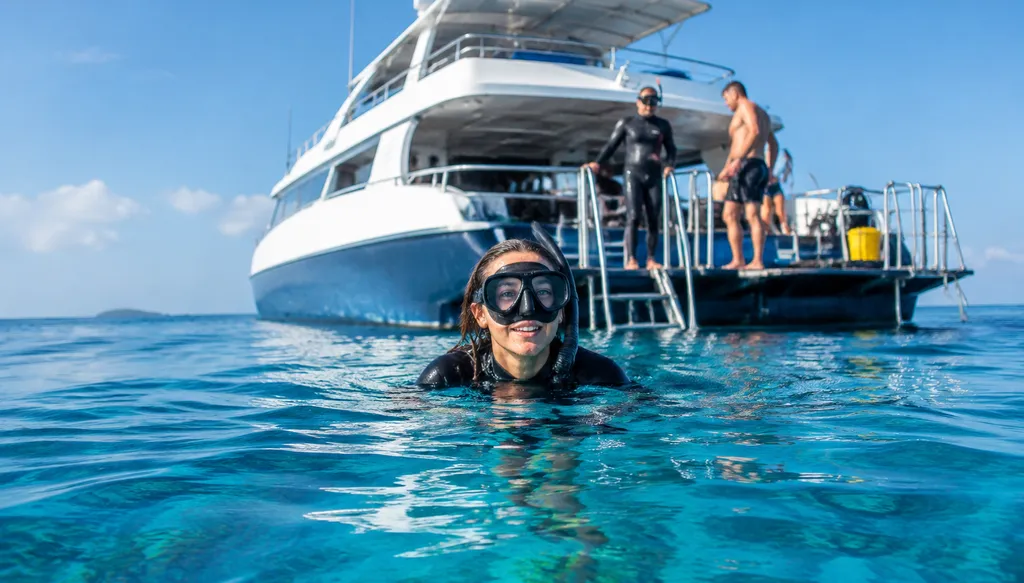
Boat layout is another important consideration for surface swimmers. Vessels with broad, low swim platforms, sturdy boarding ladders and freshwater deck showers make entering and exiting the water seamless. Inquire beforehand whether the boat offers separate briefings for snorkelers and whether non-diving guests receive a discount on their berth, as many operators reduce rates when scuba equipment and tank fills are not used.
- Check if dedicated snorkel guides accompany surface sessions
- Ask whether tender boats drop guests on shallow reefs
- Look for vessels offering non-diver discounts on cabin rates
- Confirm easy water access via spacious swim platforms
Trip costs and typical inclusions
Liveaboard pricing generally operates on a per-person basis in shared twin or double cabins, with full board included. Your fare typically covers all meals, snacks, drinking water, cabin housekeeping and guided water sessions throughout the itinerary. Because you are not paying for gas fills, heavy dive equipment or deep-dive logistics, some operators offer a modest reduction off the standard diver rate for dedicated snorkelers.
Additional expenses often include national marine park entrance fees, port clearances and environmental taxes, which are usually collected on board or added at checkout. Airport transfers, crew gratuities and alcoholic beverages are also standard out-of-pocket costs on most vessels. Always review the detailed booking terms to verify whether local government permits and tender transport to beaches are included in the headline price.
Travel and medical insurance that explicitly covers surface water sports, open-water swimming and remote medical evacuation is strongly recommended. Remote island itineraries may be hours away from major medical facilities, so comprehensive coverage provides valuable reassurance. Clarify the refund and cancellation terms before finalising your booking, especially if you plan to travel during shoulder seasons when weather can occasionally alter planned routes.
- Cabin rates cover accommodation, meals and surface excursions
- Marine park fees and port taxes are usually extra
- Non-diver discounts frequently apply on mixed charter trips
- Budget for gear rental, crew tips and island transfers
Essential gear and packing tips for snorkelers
Having properly fitted personal equipment is the foundation of a successful snorkeling holiday. While many liveaboards keep spare rental gear on board, a poorly fitting mask that leaks or fogs can ruin an encounter with marine life. Purchasing your own low-volume mask and having it fitted before you travel guarantees a watertight seal, while a dry-top or purge snorkel prevents unwanted seawater from entering.
Thermal protection and sun safety are equally critical when spending several hours a day on the surface. Long-sleeved rash vests, swim leggings or thin neoprene wetsuits protect your skin from intense tropical sun and incidental contact with stinging hydroids. In cooler destinations such as the Galápagos or Mexico, a full three-millimetre or five-millimetre wetsuit is necessary to preserve body heat during extended swimming sessions.
Full-foot fins with comfortable foot pockets help prevent blisters and provide steady propulsion against gentle surface currents. Avoid short training fins, which require excessive kicking and cause unnecessary fatigue over multiple daily outings. Finally, pack reef-safe mineral sunscreen, a defog solution, an inflatable surface marker buoy for safety in open water, and a sturdy dry bag to keep towels and cameras dry on tender boat rides.
- Pack a comfortable mask and flexible purge snorkel
- Bring long-blade fins designed for efficient surface propulsion
- Wear rash guards or wetsuits for sun and thermal protection
- Carry reef-safe sunscreen and a lightweight waterproof dry bag
