Daily schedules and dive volume
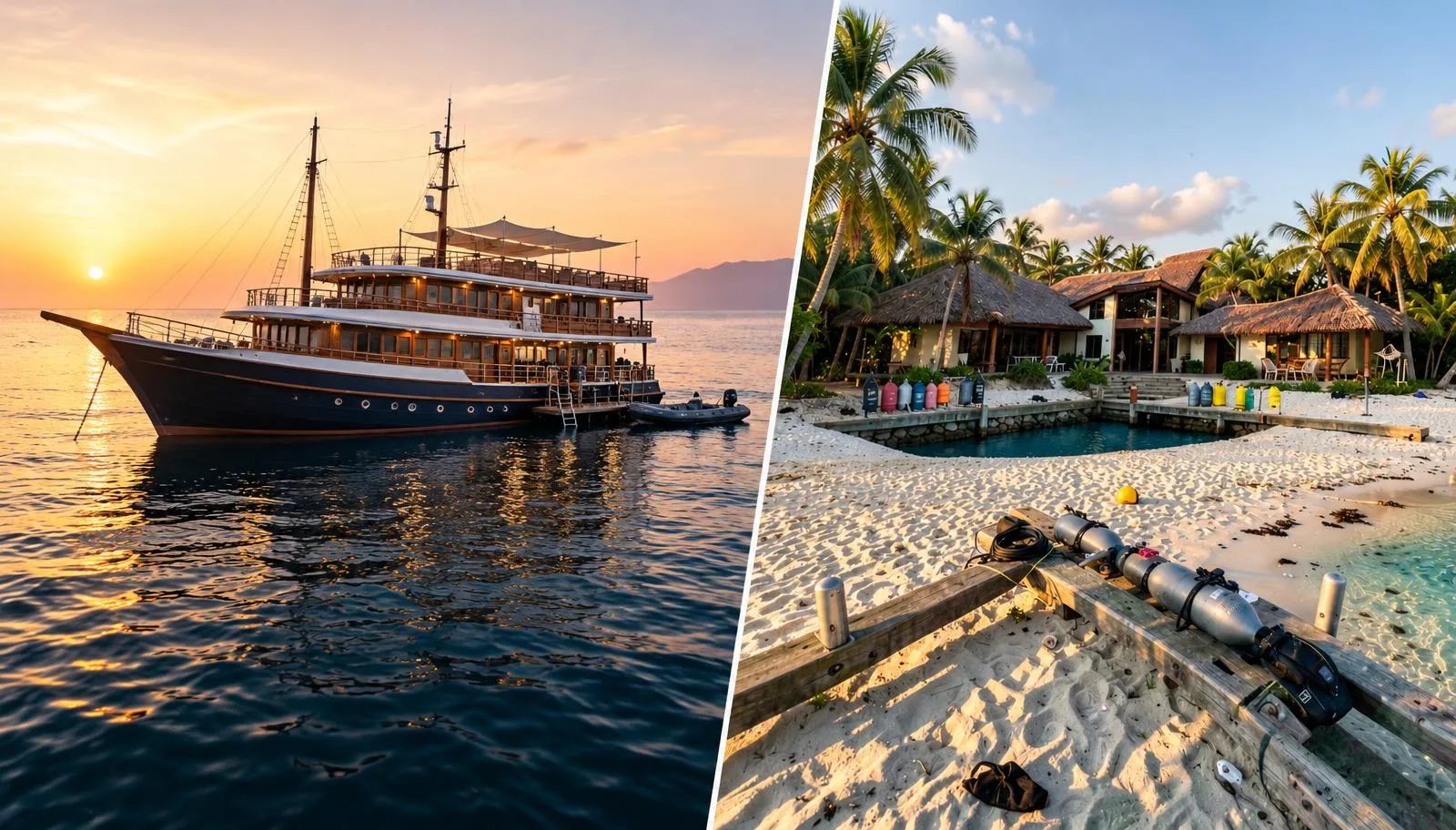
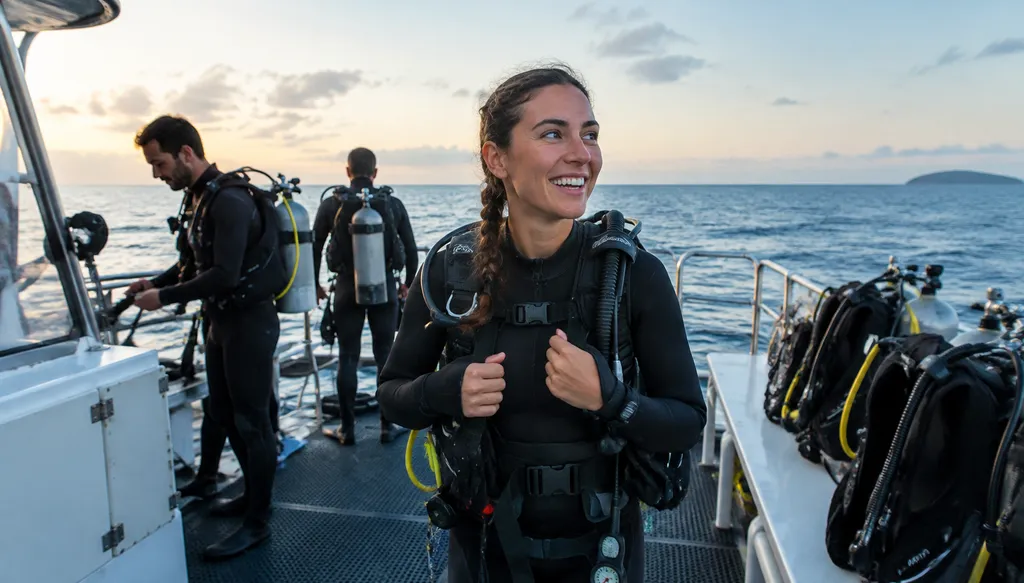
The biggest functional difference between a liveaboard and a dive resort is the daily rhythm. On a liveaboard, your entire day revolves around the ocean. Boats typically offer three to four dives a day, starting with an early dawn dive before day boats arrive, followed by mid-morning, afternoon and night dives. Your equipment stays set up on the dive deck, eliminating transit hassles. Between dives, you eat, rest and attend briefings on board without packing bags or travelling back to a marina.
A land-based dive resort operates on a much more relaxed, flexible schedule. Most resorts schedule a morning two-tank boat trip, returning in time for lunch. Divers can spend the afternoon taking a third boat dive, exploring house reefs from shore, or resting by the pool. You have complete freedom to skip a day of diving to sightsee, hike or visit local towns, which is rarely an option once a liveaboard has departed from port.
For divers looking to maximise underwater time, liveaboards deliver far higher dive volume over a week. Logging twenty or more dives on a single trip is standard on a boat. At a resort, reaching that number requires dedicated effort and afternoon boat bookings. However, high dive volumes require good physical stamina, making the gentler resort pace preferable for those seeking a true leisure holiday.
- Liveaboards typically offer three to four dives each day
- Dive resorts usually run two morning boat dives with afternoons free
- Boat guests dive early before day boats reach the reef
- Land resorts allow flexible itineraries and relaxed rest days
Access to remote dive sites and pristine reefs
Day boats operating from land resorts are naturally limited by fuel range and passenger comfort. They usually travel no more than an hour or two from shore, restricting diving to nearby coastal fringes and continental shelves. In popular areas, these reefs experience higher diver traffic and can suffer greater wear. While many resort areas boast superb local reefs, they cannot reach offshore seamounts, isolated atolls or distant national marine parks.
Liveaboards function as floating hotels that travel through the night, dropping anchor right beside remote dive sites at sunrise. This enables access to pristine coral systems and offshore drop-offs where currents attract pelagics such as manta rays, hammerhead sharks and schooling tuna. Divers are often the only people on the reef, experiencing marine life in undisturbed conditions without encountering day-tripper boats or crowded dive sites.
Certain world-class diving destinations can only be explored by boat. Locations like Wolf and Darwin islands in the Galápagos, Cocos Island, or remote parts of Raja Ampat have no dive resorts within striking distance. If encountering schooling megafauna at oceanic seamounts is your primary goal, a liveaboard is often the only realistic option to reach these protected regions.
- Liveaboards reach isolated marine parks beyond day-boat range
- Resorts focus on accessible coastal reefs and local house reefs
- Remote sites often host larger pelagic species and healthier coral
- Certain iconic destinations can only be dived by liveaboard
Comfort, living space and motion sickness
Accommodation standards differ significantly between land and sea. Modern liveaboards provide comfortable air-conditioned cabins, private bathrooms and plush communal lounges, but living quarters remain compact. Storage space is limited, stairways are narrow, and guests share communal dining areas with a small group of divers for a week. There is little private space outside your own cabin, requiring an adaptable mindset.
Dive resorts offer the comfort of traditional hotels, with spacious rooms, expansive balconies, swimming pools, private gardens and on-site spas. You can walk around freely, choose between different restaurants, and retreat to private spaces without feeling confined. For travellers who appreciate quiet evenings, unhurried dinners and room to unpack multiple suitcases, a resort delivers a far more luxurious terrestrial environment.
Motion sickness is another vital consideration. While modern vessels have stabilizers and seek sheltered anchorages, rough sea crossings can occur, particularly in windy seasons or open ocean areas. Divers who suffer from acute motion sickness may find prolonged boat living exhausting. At a resort, you return to dry land every afternoon, ensuring stable, undisturbed sleep on solid ground regardless of offshore weather.
- Resorts provide spacious bedrooms, full bathrooms and expansive grounds
- Liveaboard cabins are compact with efficient storage and en-suite facilities
- Motion sickness is a genuine factor during open ocean crossings
- Land-based resorts provide calm nights and total stability on solid ground
Suitability for non-divers and solo travellers
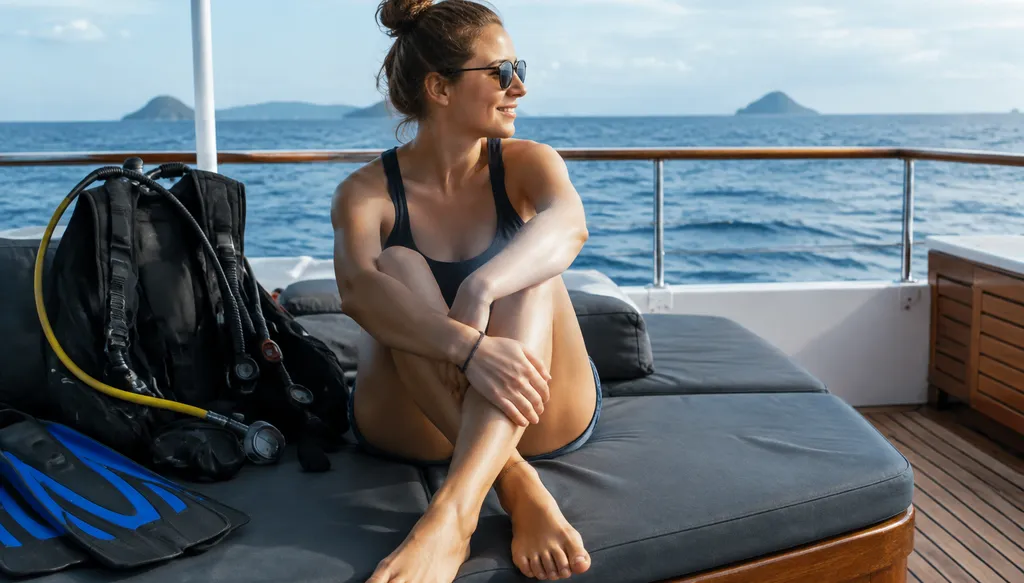
Travelling with a partner or family member who does not dive is a major consideration. For non-divers, liveaboards offer very few pastimes beyond sunbathing, reading, and the occasional snorkelling session. Being confined to a dive boat for several days while everyone else dives multiple times can become tedious. Resorts, by contrast, offer beaches, water sports, cultural tours, hiking and spa facilities to keep non-divers fully engaged.
Couples with mixed interests find land-based resorts far more practical and accommodating. The diver can complete two morning boat dives and return in time to spend the afternoon together exploring local attractions, relaxing by the pool or dining at shorefront restaurants. Both partners enjoy a genuine holiday without either person feeling isolated or forced to compromise on their preferred daily pace.
For solo travellers, however, liveaboards offer an exceptional social structure. You share meals, dive briefings and deck time with an intimate group of like-minded enthusiasts, making new friends effortlessly. Dive guides pair solo guests with compatible buddies, so you never dive alone. At a resort, solo travellers often find meals and evenings more solitary unless they actively seek company.
- Resorts offer diverse land activities, beaches and excursions for non-divers
- Non-divers on liveaboards face limited space and repetitive schedules
- Solo divers easily find buddies and community on liveaboards
- Resort holidays allow couples to tailor different daily itineraries
Comparing overall costs and value
At first glance, liveaboards often look considerably more expensive than dive resorts. A week on a boat carries a high upfront price tag, whereas hotel nightly rates appear much lower. However, liveaboard pricing is largely all-inclusive, covering your room, three to four boat dives every day, and all meals and snacks throughout the voyage. Once on board, your core holiday expenses are already settled.
Resort bills accumulate gradually through daily additions. The initial booking covers accommodation and breakfast, but boat diving packages, lunches, dinners, bar tabs and taxi fares quickly add up. When you calculate the combined total of two or three daily boat dives alongside restaurant dining over a full week, a resort holiday often costs just as much as an entry-level or mid-range liveaboard.
To compare genuine value, calculate your anticipated cost per dive. For divers planning to log four dives a day, a liveaboard offers superior value per underwater hour. If you only plan to dive once or twice a day and enjoy evenings dining out in local towns, a resort is far more economical and avoids paying for dives you will not use.
- Liveaboard prices include accommodation, meals and multiple daily dives
- Resort baseline rates often exclude boat dive packages and equipment
- Liveaboard extra costs include marine park fees, nitrox and tips
- Liveaboards generally offer lower cost per dive for dedicated divers
