Liveaboard price ranges by destination
The entry point for liveaboard diving worldwide is the Egyptian Red Sea, where seven-night itineraries typically cost between $170 and $300 per night, starting around $1,200 per person. In mid-tier tropical destinations such as the Maldives and the Caribbean, standard week-long cruises generally range from $250 to $550 per night, meaning starting prices sit between $1,800 and $2,100. These trips usually include full board, shared accommodation, and up to four dives daily across established marine routes.
Longer routes and more expansive regions require a higher overall budget. In Indonesia, ten-night cruises through Komodo or Raja Ampat generally command between $300 and $650 per night, bringing trip totals from $3,000 upward. Similarly, voyages to Socorro and the Revillagigedo Islands off Mexico run from $500 to $800 per night, resulting in baseline costs of around $4,000 for an eight-night crossing. In these destinations, longer itineraries reflect the substantial distances travelled between pristine dive sites.
At the upper end of the spectrum, remote expedition destinations such as Galápagos and Cocos Island carry the highest daily rates. A seven-night Galápagos itinerary costs between $600 and $900 per night, starting from roughly $4,200. Ten-night expeditions to Cocos Island range from $700 to $950 nightly, starting at $7,000. Polar expeditions to Antarctica represent the true peak of diving travel, costing upwards of $1,200 per night, with complete voyages often starting from $14,000.
- Red Sea from $1,200 for seven nights
- Maldives and Caribbean from $1,800 to $2,100 weekly
- Indonesia itineraries from $3,000 for ten nights
- Galápagos and Cocos Island from $4,200 to $7,000
Key factors that influence trip pricing
Geographical remoteness is the primary driver of liveaboard costs. The further a vessel ventures from major supply ports, the more fuel, logistical coordination and complex provisioning the operator must finance. An expedition to Cocos Island, for instance, requires an open-ocean crossing of thirty-six hours each way. Transporting fresh food, drinking water and fuel across such distances explains why a Cocos voyage costs roughly three times more than an equivalent itinerary in the accessible waters of the Red Sea.
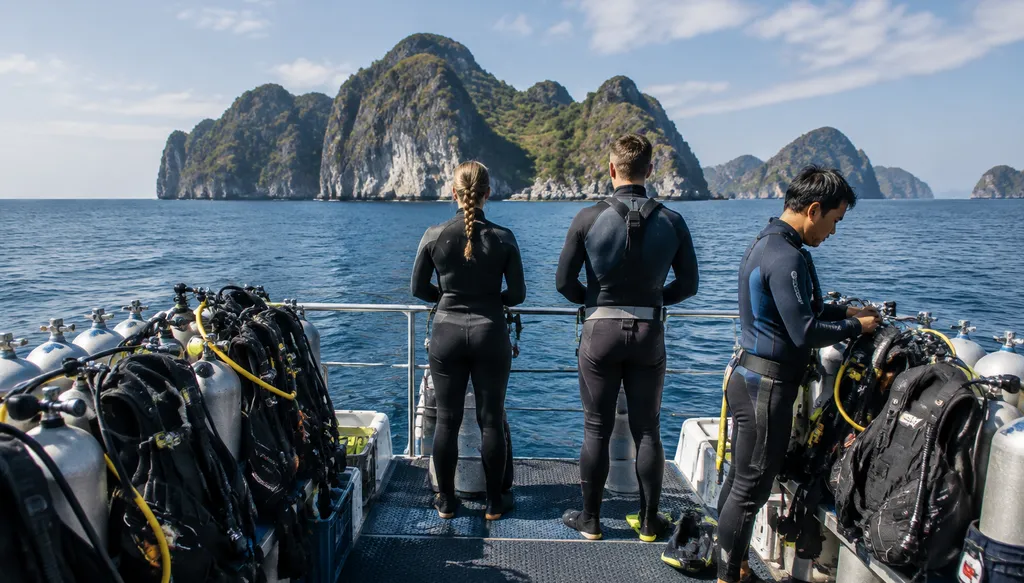
Vessel standards also create wide variations in pricing across the same itinerary. Budget boats often feature older steel hulls, compact twin cabins with shared facilities, and functional dive decks. Mid-range vessels provide private en-suite bathrooms, dedicated camera tables and Nitrox blending stations. Luxury yachts introduce hotel-style suites, fine dining, sommelier services and spa facilities. The standard of the boat directly shapes the baseline fare, even when sailing the exact same marine reserve.
Seasonality is another decisive variable. Peak diving months command a fifteen to thirty-five percent premium over standard dates. In the Maldives, the peak window runs from December through April, whereas Galápagos peaks from June to November, and the Red Sea sees highest demand between April and October. Operators adjust their pricing according to optimal underwater conditions, pelagic migration patterns and international holiday periods, meaning timing your booking has an immediate impact on the final invoice.
- Remoteness increases fuel consumption, provisioning logistics and crossing times
- Vessel class dictates deck space, onboard amenities and comfort
- Peak seasons command price premiums of fifteen to thirty-five percent
- Longer crossing times significantly increase operational overheads for operators
Cabin categories and single supplements
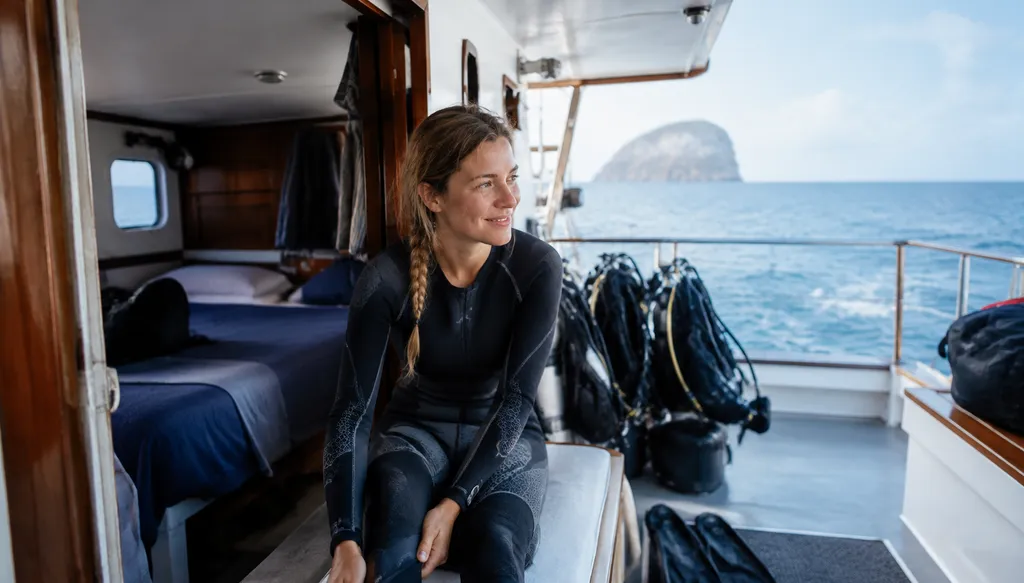
Accommodation options on board a liveaboard vessel follow a tiered pricing structure similar to cruise ships. Lower-deck twin cabins are consistently the most affordable option, often costing between thirty and forty-five percent less than upper-deck suites on the same departure. While lower cabins have smaller portholes rather than large windows, their central position close to the waterline often provides greater stability in rough seas, making them an excellent choice for budget-conscious divers.
Upper deck cabins and master suites occupy the top tier of standard boat layouts. These rooms provide panoramic sea views, larger beds, private desks, mini-bars and occasionally direct access to sun decks. Divers who spend most of their surface intervals resting inside their rooms or working on underwater photography setups frequently find the additional cost worthwhile. However, divers who only use their room for sleeping gain identical diving while saving hundreds of pounds.
Solo divers must navigate cabin sharing rules and single supplements. Most published rates assume double occupancy. Solo travellers willing to share a twin room with another guest of the same gender pay the standard per-person rate. If you prefer sole occupancy of a twin cabin, operators generally apply a single supplement ranging from fifty to one hundred percent of the base fare. Booking a dedicated single cabin avoids this surcharge entirely when such rooms are available.
- Lower deck cabins are often thirty to forty-five percent cheaper
- Master suites offer panoramic windows, extra space and higher rates
- Single supplements typically add fifty to one hundred percent
- Dedicated single cabins eliminate standard supplement penalties
Practical strategies to get the best price
Securing the best liveaboard rate depends heavily on timing your reservation properly. For high-demand expedition routes, such as Galápagos or peak winter weeks in the Maldives from December to February, booking six to nine months in advance is essential. Popular vessels fill their best-value lower deck cabins early. Reserving ahead secures standard prices before availability shrinks to higher cabin tiers, while providing ample time to arrange reasonably priced international flights to the port.
Conversely, flexible travellers can capitalise on substantial late-booking promotions. Operators frequently discount unsold berths by fifteen to thirty percent four to eight weeks prior to sailing. If you have the flexibility to travel on short notice, monitoring departure schedules can unlock premium liveaboard experiences at budget prices. Solo travellers should also watch for special promotions that waive the single supplement on designated departures, eliminating the penalty for private cabin occupancy.
Targeting shoulder seasons is another reliable technique for trimming overall expenditure without sacrificing quality. In many tropical destinations, transitional months such as May or November deliver marine life and visibility comparable to peak season, but at noticeably discounted rates. Furthermore, travelling as a group of four or more often unlocks direct group discounts of five to ten percent from operators, making small club trips or family groups significantly more economical per person.
- Book peak routes six to nine months in advance
- Look for late deals four to eight weeks before departure
- Shoulder season bookings provide identical diving at reduced rates
- Small groups of four or more can secure exclusive discounts
