About The Gully
The Gully, a distinctive wall dive near West Caicos, is renowned for its unique coral formations and offers a glimpse into the diverse marine ecosystem of the Turks & Caicos Islands. This site is characterized by a prominent split in the reef, dividing it into two distinct sections, beyond which the main wall descends vertically into the depths. It is an integral part of the extensive barrier reef system that encircles the islands, contributing to the region's fame for its spectacular wall diving. Diving at The Gully typically involves exploring this impressive vertical drop-off, which is richly adorned with a variety of sponges, anemones, and corals, particularly within numerous undercuts. The topography includes unique coral structures and channels that make for an engaging spatial experience underwater. While no specific depth bands are mentioned for the dive, wall dives in this region often offer varying depths along the drop-off, catering to different certification levels. Marine life at The Gully is vibrant and diverse, with common sightings including stingrays, barracuda, and reef sharks patrolling the wall. Other species like garden eels, hogfish, and moray eels are also frequently encountered. The site is also known for spotted eagle rays. Given the consistent warm water temperatures and excellent visibility in West Caicos, these species can be observed year-round, contributing to reliable encounters. This site is usually accessed via a liveaboard or boat trip from Providenciales, often as part of a two-tank dive day. With clear waters and stable conditions common to West Caicos, it offers a practical and rewarding dive experience for divers, allowing for focused exploration of its unique reef structure and marine inhabitants.
Highlights
Unique coral formationsProminent reef splitSponge and anemone-covered undercutsWall descending verticallyFrequent stingray sightingsSpotted eagle raysBarracuda and reef sharks
Season calendar
Best months to dive here
Jan
Feb
Mar
Apr
May
Jun
Jul
Aug
Sep
Oct
Nov
Dec
Excellent
Good
Off-Season
Jan – Apr
Best visibility, whale season, calm seas, perfect conditions
May – Jul & Nov – Dec
Great diving with warm water and good visibility
Aug – Oct
Hurricane season but still diveable with warmer water
Dive site facts: The Gully
- Depth
- 14–23 m (45–75 ft)
- Typical dive
- 18–30 m (60–100 ft)
- Current
- Mild
- Visibility
- 24–30 m (80–100 ft)
- Water temperature
- 26–29°C (79–84°F)
- Entry
- Boat
- Level
- Intermediate
- Dive type
- Wall, reef, swim-through
- Night dive
- Possible
- Region / port
- West Caicos
- Coordinates
- 21.6669, -72.4939
Conditions & Currents
Currents at The Gully are generally not described as strong, suggesting a comfortable diving experience, though conditions can vary. As a wall dive off West Caicos, which can be reached via a longer boat ride from Provo, conditions here benefit from the generally clear and calm waters characteristic of the area. Visibility is consistently excellent, often ranging from 80 to 100 feet, allowing for expansive views of the wall and its inhabitants. Entry is typically from a day boat, where divers descend to the reef top before heading to the wall. Divers should maintain good buoyancy control, especially when navigating the gully swim-through, and be mindful of gas consumption given the potential for deeper exploration along the wall. The site is part of the West Caicos Marine National Park, benefiting from protected status.
Marine life & sighting chances

Moray eels
occasional
Garden eels
occasional
Hogfish
occasional
Spotted eagle rays
occasional
Barracuda
common
Grey reef sharks
occasional
Grouper
common
Sea turtles
common
Schooling fish
common
Sponge formations
common
Vibrant corals
commonDive profile & how the dive runs
Your dive at The Gully begins with a descent from the boat, typically to a white sandy bottom at around 50 feet. From here, you'll head towards the edge of the wall to locate the distinctive 'penny slot' gully. This swim-through starts at approximately 45 feet and deepens to about 75 feet, offering a unique navigational experience. After exiting the gully, the dive continues along the dramatic wall, which drops into deeper waters. Along the wall's edge and top, you'll observe diverse coral formations and schooling fish. Divers should monitor their no-decompression limits (NDL) and air supply, as deeper sections of the wall can be enticing. The turn point is determined by NDL and gas, after which a gradual ascent is made, with the safety stop conducted in the shallower, coral-rich areas near the reef top before surfacing.
Underwater photography
The Gully offers excellent opportunities for wide-angle photography due to its dramatic wall topography, clear visibility, and the unique 'penny slot' gully. A wide-angle lens is ideal for capturing the expansive reef architecture, large sponge formations, and the overall grandeur of the wall and swim-through. For close-ups of schooling fish or individual species like moray eels and hogfish, a macro lens can be rewarding, especially within the gully or reef crevices. Strobes are beneficial to bring out the true colors of the corals and sponges, which often appear muted at depth without artificial light. Practice good buoyancy to avoid disturbing delicate corals, particularly when navigating the narrower sections of the gully. Be prepared for subjects like barracuda and reef sharks, which might require quick adjustments from macro to wide-angle.
Combine with nearby dive sites
- Elephant Ear Canyon
Another West Caicos wall dive with impressive formations.
- Highway to Heaven
A West Caicos site known for its extensive coral and marine life.
- Driveway
A diverse West Caicos site with a sand chute leading to the wall.
- Rock Garden Interlude
West Caicos wall divided into sections with beautiful sponge formations.
- The Anchor/Whiteface
Features a 17th-century anchor and swim-through gully.
Getting there & logistics
Access to The Gully typically involves flying into Providenciales International Airport (PLS), which has direct flights from North America and other Caribbean hubs. From Providenciales, dive operators offer day trips by boat to West Caicos. These trips often last a half-day or full-day and include multiple dives. For more extensive exploration of West Caicos and other remote sites, liveaboard options like the Turks & Caicos Aggressor II offer week-long itineraries, providing up to five dives daily. West Caicos is part of a marine national park, ensuring a pristine environment. Park fees are usually included in dive trip costs, but it's advisable to confirm with your chosen operator. The site is a key highlight in West Caicos wall diving itineraries.
Safety & environment
Safety at The Gully, like all dives in Turks and Caicos, prioritizes responsible diving practices. The nearest recompression chamber is located on Providenciales. Divers should carry personal dive insurance covering medical emergencies and evacuation, as access to advanced medical facilities can be limited. Site-specific hazards include potential currents, especially in and around the gully, though usually mild. Good buoyancy control is essential to prevent contact with the wall and its delicate ecosystems, particularly when traversing the narrow gully. Always dive with a reputable operator, follow your dive guide's instructions, and adhere to dive computer limits, ensuring adequate gas for the dive profile and safety stops.
Who it suits, and who it doesn't
Suited for
- Intermediate to advanced divers seeking wall dives
- Divers comfortable with swim-throughs
- Underwater photographers interested in dramatic topography
- Divers keen on seeing diverse coral and sponge formations
- Those looking for marine life such as barracuda and schooling fish
Less suited for
- Beginner divers without sufficient buoyancy control
- Divers uncomfortable with depths up to 75 feet
- Individuals prone to claustrophobia in confined spaces like gullies
- Divers preferring shallow, current-free reef dives exclusively
FAQ
The Gully FAQ
What makes The Gully a unique dive site?
The Gully is unique due to its distinctive 'penny slot' gully, a natural swim-through that starts at 45 feet and exits around 75 feet. This geological feature, combined with vibrant sponge formations and a dramatic wall, offers a memorable and immersive diving experience that sets it apart from other sites in West Caicos.
What kind of marine life can I expect to see at The Gully?
At The Gully, you can anticipate encountering a variety of marine life commonly found in West Caicos. This includes moray eels and hogfish nestled within the reef, schools of fish along the wall, and occasional sightings of barracuda, reef sharks, and spotted eagle rays cruising by. The rich coral and sponge formations also harbor numerous smaller reef creatures.
What is the typical depth range for diving The Gully?
The main gully feature at The Gully starts at an approximate depth of 45 feet (14 meters) and descends to about 75 feet (23 meters) at its exit. The dive then continues along a wall that drops into much deeper waters, so divers often explore between 60 to 100 feet (18 to 30 meters) to fully appreciate the site.
Is The Gully suitable for beginner divers?
The Gully is generally recommended for intermediate to advanced divers. While the site is beautiful, navigating the 'penny slot' gully and managing depths up to 75 feet requires good buoyancy control and comfort with wall diving. Beginner divers without sufficient experience or advanced training may find it challenging.
How is visibility at The Gully?
Visibility at The Gully is consistently excellent, typical of West Caicos dive sites. Divers can usually expect visibility ranging from 80 to 100 feet (24 to 30 meters), providing clear, expansive views of the dramatic wall, the gully, and the abundant marine life. This makes it an ideal spot for underwater photography.
Why dive The Gully from a liveaboard?
The Gully is one of Turks & Caicos's signature dive sites. A liveaboard sleeps you on the water and puts you in the water for three to four guided dives per day, including dawn and night dives that day-boat operators rarely offer. You skip the daily commute back to port and reach quieter, less-crowded sites in the same region on a single trip.
Below are the liveaboards that include The Gully on their Turks & Caicos itineraries.
Liveaboards diving The Gully
These liveaboards may visit The Gully on selected itineraries, the exact dive sites depend on departure, weather and conditions.
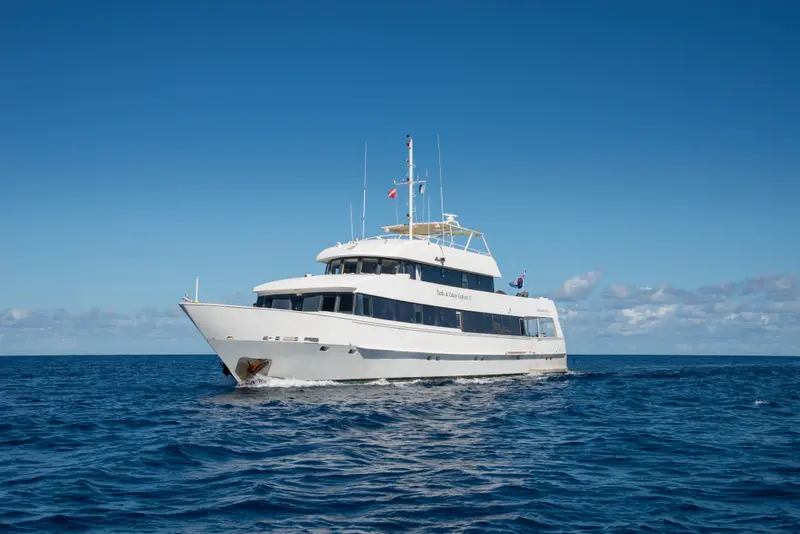
Turks and Caicos Explorer II
Turks & Caicos
20 guests
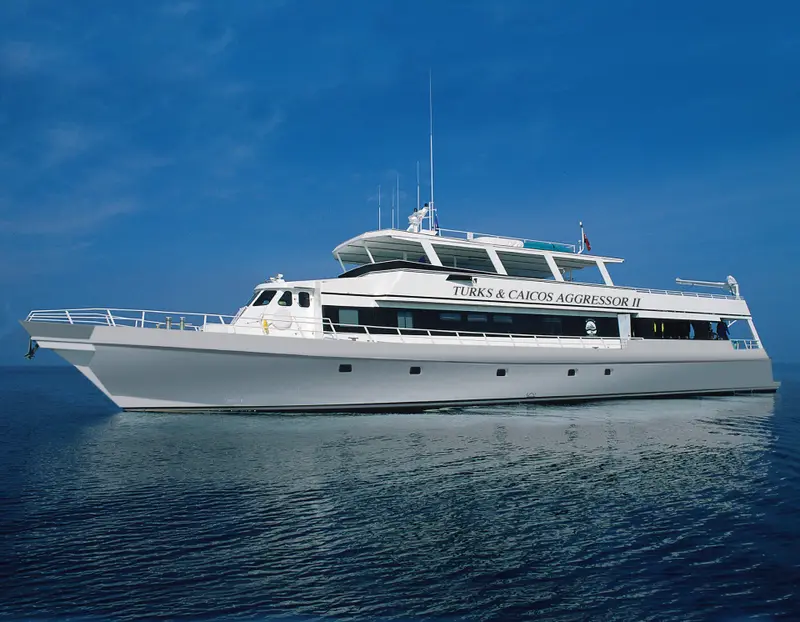
Turks & Caicos Aggressor II
Turks & Caicos
18 guests37 m
Dive sites similar to The Gully
Same character, same waters, six more sites divers love for the exact same reasons.Compare seasons, access and liveaboard routes, then pick the site that fits your trip best.
© EsriMaxar, Earthstar, GIS
3 Fathom Wall
Cayman Islands
3 Fathom Wall is an exciting and fish-filled dive site located in the Cayman Islands, specifically at the intersection of the renowned Bloody Bay Wall.
- Suitable for
- Intermediate
- Current
- Mild
- Access
- Liveaboard only
- Depth
- ≤ 3000 m
- Theme
- Reef
While specific details for a dive site named "3 Riff" are not present in the provided sources, general diving conditions and characteristics for the Dominican Republic…
- Suitable for
- Advanced
- Current
- Mild
- Access
- Dayboat
- Depth
- 30–55 m
- Theme
- Reef
The dive site known as 3 Rocks is located off the coast of Sosúa in Puerto Plata, Dominican Republic, offering an accessible and lively underwater experience.
- Suitable for
- Beginner
- Current
- Mild
- Access
- Dayboat
- Depth
- 2–8 m
- Theme
- Reef
4 Amigos is a notable dive site located in the Bay Islands of Honduras, an area renowned for its extensive Mesoamerican Barrier Reef System, which is the world's second-longest.
- Suitable for
- Intermediate
- Current
- Moderate
- Access
- Liveaboard or dayboat
- Depth
- 9–40 m
- Theme
- Reef
© EsriMaxar, Earthstar, GIS
6 Toed Cat
Mexico
The dive site known as "6 Toed Cat" is not a recognized dive location in Mexico; rather, it refers to the polydactyl felines, many with six toes, that inhabit the Ernest Hemingway Home and Museum in Key West, Florida.
- Suitable for
- Beginner
- Current
- Mild
- Access
- Liveaboard or dayboat
- Depth
- —
- Theme
- Reef
© EsriMaxar, Earthstar, GIS
Aaron's Backyard
Honduras
Aaron's Backyard is a noted dive site within the Roatan Marine Park in Honduras, part of the extensive Mesoamerican Barrier Reef System.
- Suitable for
- Intermediate
- Current
- Moderate
- Access
- Liveaboard or dayboat
- Depth
- 9–40 m
- Theme
- Reef