About Tanjung Rusa
Tanjung Rusa, located within the renowned Komodo National Park, is a dive site primarily recommended for exploration during the slack tide. Situated in an area characterized by the powerful and often unpredictable currents of the Flores and Savu Seas, the timing of a dive here is crucial due to the unique hydrological dynamics between these two large bodies of water. While specific topographical details like depth bands, structure, or particular features of Tanjung Rusa are not detailed in the available information, the general characteristic of Komodo's dive sites often includes rich coral formations and diverse marine habitats. However, its specific allure is derived from the challenges and opportunities presented by its currents. The marine life at Tanjung Rusa, like much of Komodo, benefits from these nutrient-rich currents, contributing to the high biodiversity of the region. Although no specific species are mentioned for this exact site, Komodo National Park as a whole is globally recognized for its abundant marine ecosystems. Encounter probabilities for various species are generally high across the park, particularly for pelagic life attracted by the strong water flow. Divers planning to visit Tanjung Rusa must be prepared for conditions that necessitate precise timing and a high degree of adaptability. Dives are typically conducted during the brief windows of slack tide, which can be non-existent or short-lived. This demands flexibility in dive scheduling and reliance on experienced local guides who can interpret the complex current patterns. The site is best suited for advanced divers due to the potential for strong currents outside of slack tide, requiring excellent buoyancy control and comfort in challenging conditions.
Highlights
Komodo National Park marine biodiversityPrecise slack tide divingChallenging current experienceNutrient-rich watersDiverse marine habitats
Season calendar
Best months to dive here
Jan
Feb
Mar
Apr
May
Jun
Jul
Aug
Sep
Oct
Nov
Dec
Excellent
Good
Off-Season
Mar – May & Sep – Nov (Mar–May, Sep–Nov)
Best overall conditions with comfortable temperatures. Southern mantas Apr–Jun, northern mantas Sep–Nov. Good visibility and manageable currents.
Dec – Feb (Dec–Feb)
Excellent visibility up to 30m. Warmer water temperatures. Good manta activity in transition. Busiest tourist period.
Jun – Aug (Jun–Aug)
Cooler water from upwellings (24–26°C) brings nutrient-rich plankton. Reduced visibility but exciting pelagic action. Fewer boats and lower prices.
Dive site facts: Tanjung Rusa
- Depth
- ≤ 40 m
- Current
- Strong
- Entry
- Liveaboard only
- Level
- Advanced
- Dive type
- Reef, Drift
- Region / port
- Komodo, Indonesia
- Coordinates
- 8.5913° S, 119.5029° E
Conditions & Currents
Tanjung Rusa is a dive site that necessitates diving exclusively during the slack tide due to the significant and potentially hazardous currents characteristic of Komodo National Park. These currents are primarily driven by the tidal exchange between the Flores Sea and the Savu Sea, with falling tides generally being stronger. The interaction of gravity and local terrain can unpredictably affect tidal changes, sometimes delaying or advancing the slack water period, or even eliminating it entirely. Divers must be prepared for highly variable conditions, including potential downcurrents or upcurrents that can pose risks even to experienced individuals. Entry and exit strategies will depend entirely on the guide's assessment of real-time conditions, often requiring a live boat pickup or specific negative entry techniques. Given the requirement for diving during slack tide, precise planning and flexibility are essential, making this site more appropriate for advanced divers comfortable with strong current environments.
Why dive Tanjung Rusa from a liveaboard?
Tanjung Rusa is one of Komodo, Indonesia's signature dive sites. A liveaboard sleeps you on the water and typically offers several guided dives per day (the exact number depends on the vessel and itinerary), including dawn and night dives that day-boat operators rarely offer. You skip the daily commute back to port and reach quieter, less-crowded sites in the same region on a single trip.
Liveaboards diving Tanjung Rusa
These liveaboards may visit Tanjung Rusa on selected itineraries, the exact dive sites depend on departure, weather and conditions.
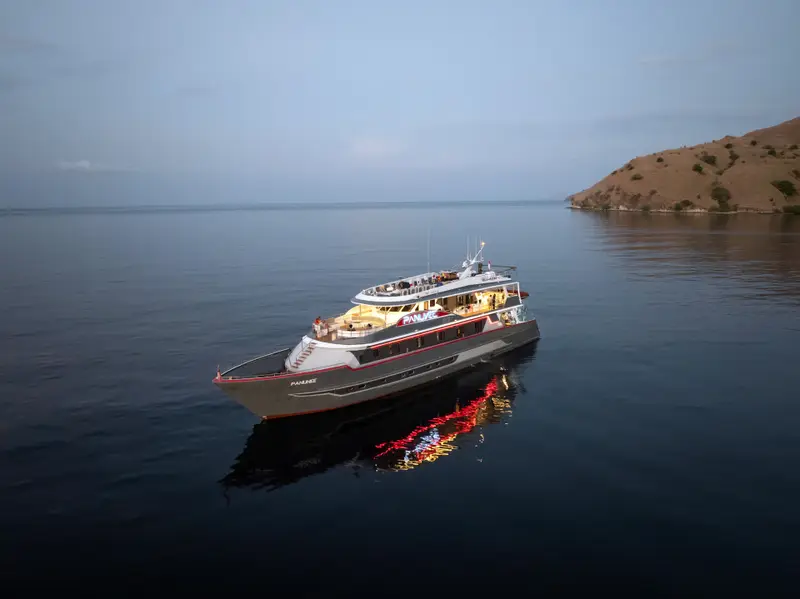
Panunee
Indonesia
18 guests38 m
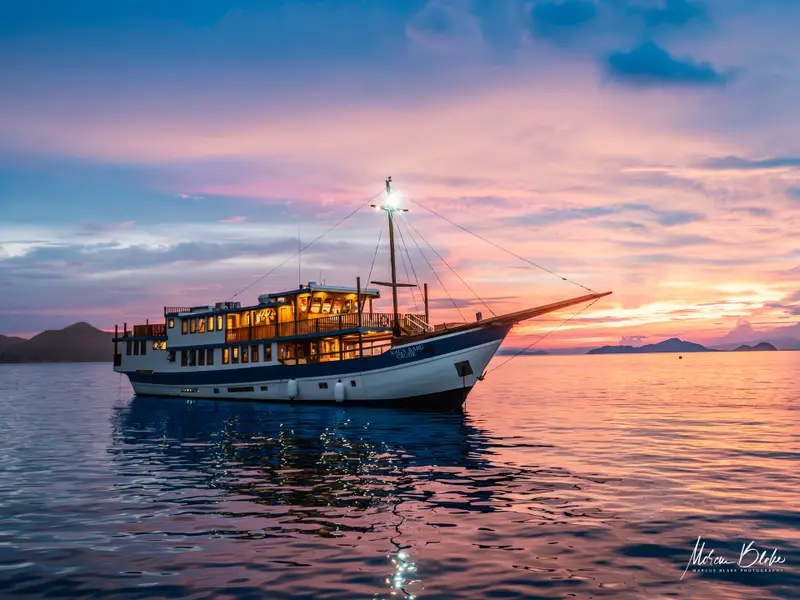
Naga Biru
Indonesia
12 guests40 m
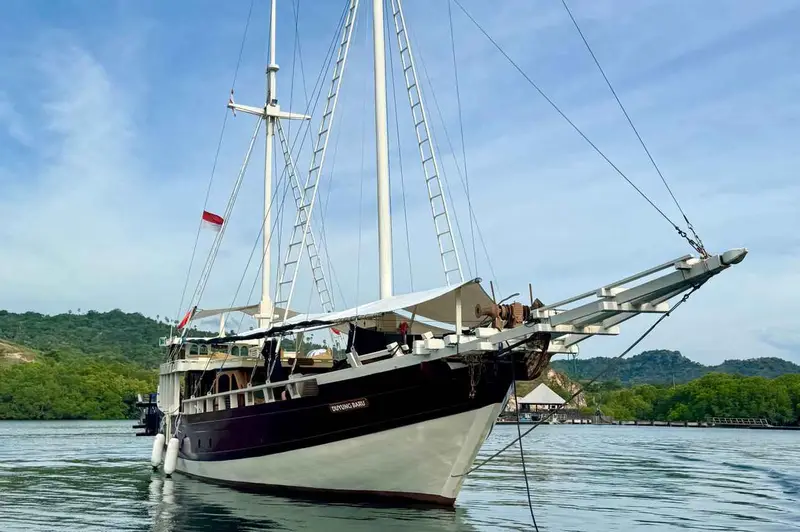
Ecopro Duyung Baru
Indonesia
6 guests27 m
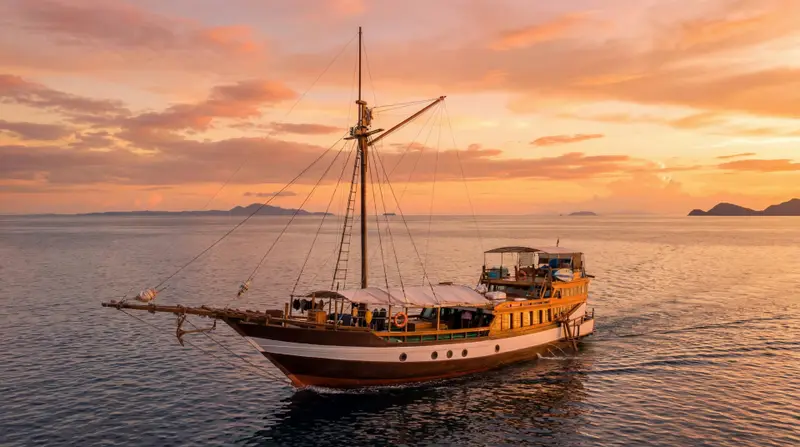
Wellenreng
Indonesia
9 guests25 m

Komodo Aggressor
Komodo, Indonesia
16 guests29 m
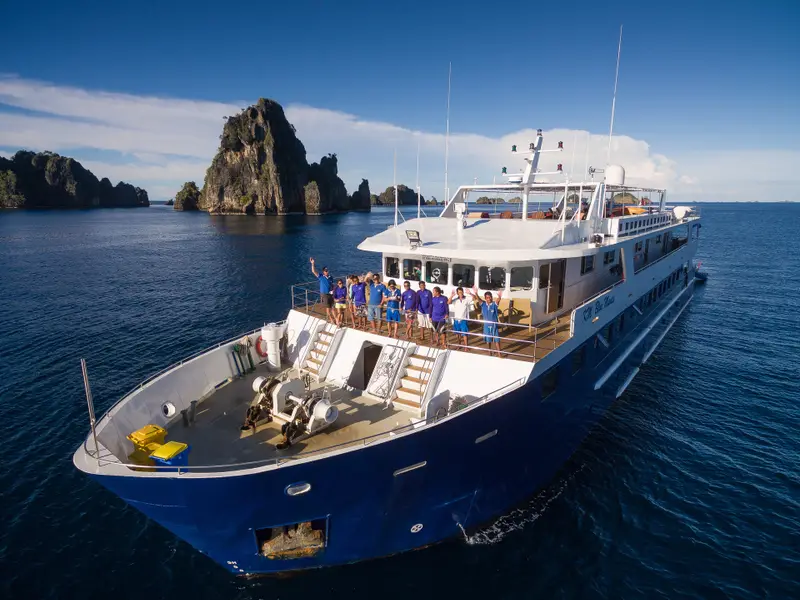
Blue Manta
Indonesia
20 guests45 m
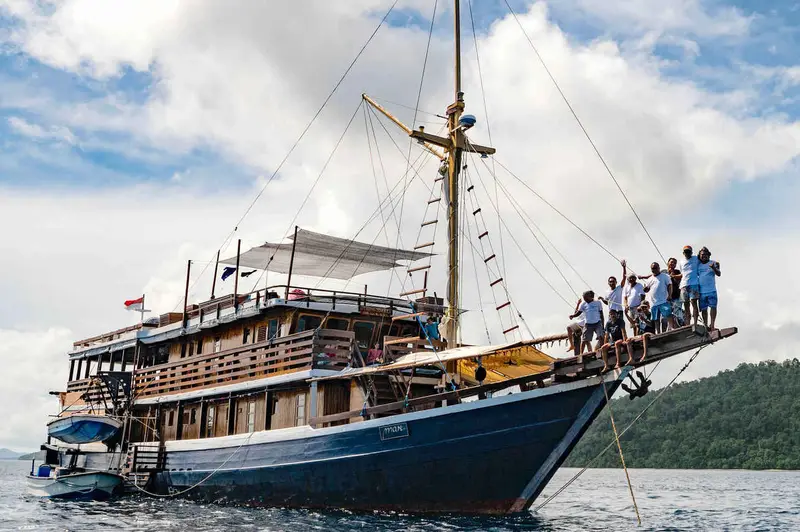
Mari
Indonesia
14 guests32 m
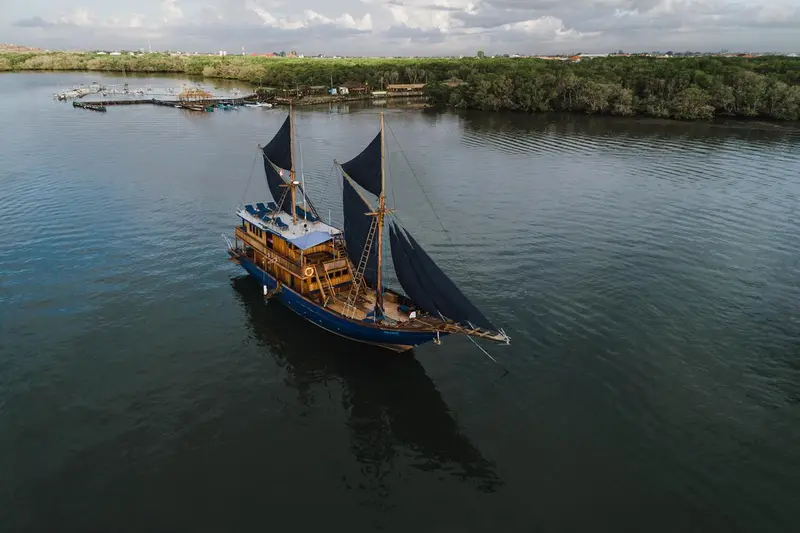
Situju7
Komodo, Indonesia
10 guests33 m
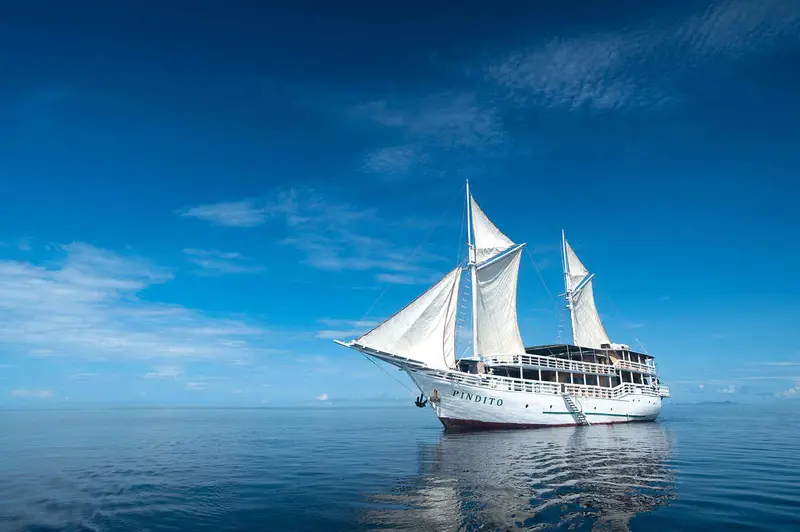
Pindito
Indonesia
16 guests38 m
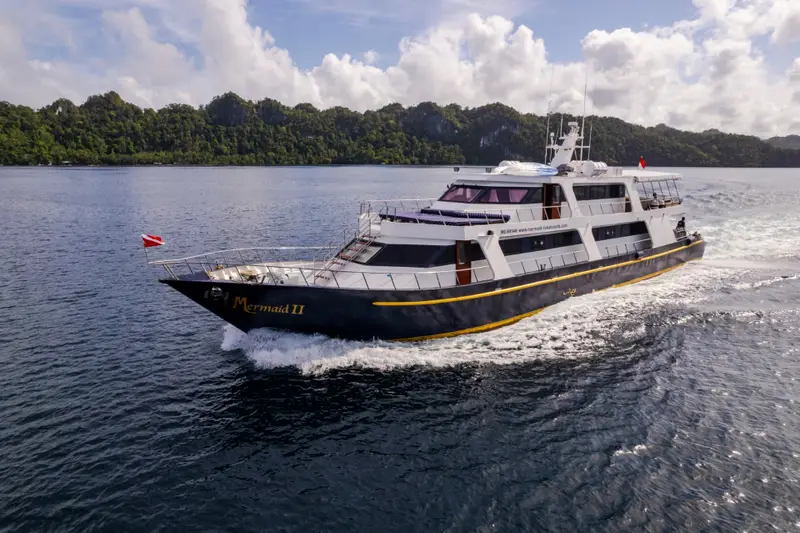
Mermaid II
Komodo, Indonesia
18 guests
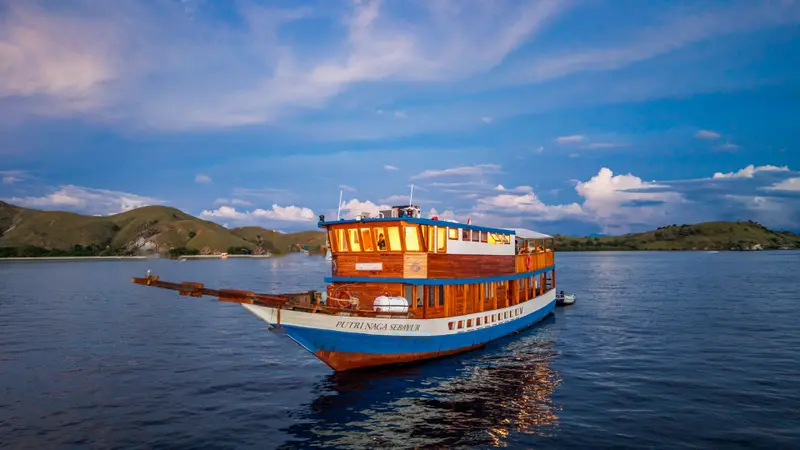
Putri Naga
Komodo, Indonesia
6 guests25 m
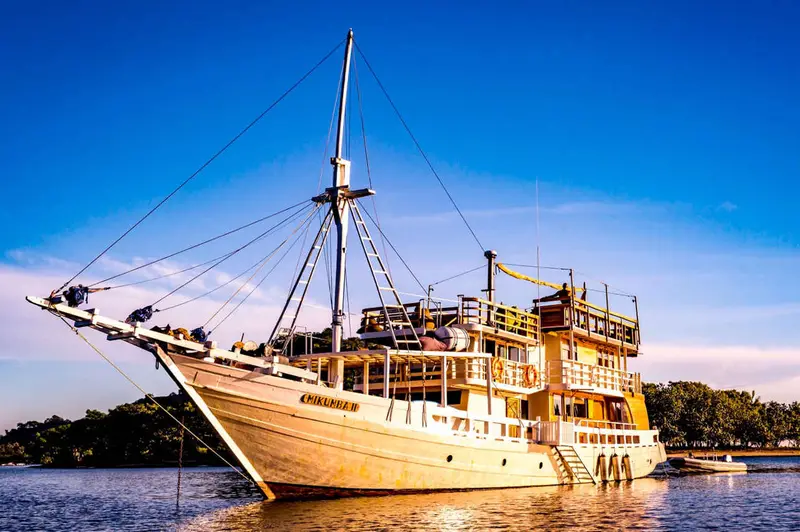
Mikumba Dua
Indonesia
10 guests30 m
Dive sites similar to Tanjung Rusa
Same character, same waters, six more sites divers love for the exact same reasons.Compare seasons, access and liveaboard routes, then pick the site that fits your trip best.
Abila is a notable dive site located within the Alor Islands Marine Park, an area celebrated for its rich marine biodiversity due to its position in the Coral Triangle.
- Suitable for
- Beginner
- Current
- Mild
- Access
- Liveaboard only
- Depth
- —
- Theme
- Reef
© EsriMaxar, Earthstar, GIS
Adonara Channel
Alor
Adonara Channel stands as one of Alor's most iconic dive sites, celebrated for its dynamic currents and exceptionally rich biodiversity.
- Suitable for
- Advanced
- Current
- Strong
- Access
- Liveaboard or dayboat
- Depth
- 10–40 m
- Theme
- Drift / Wall
© EsriMaxar, Earthstar, GIS
Adonara Wall
Indonesia
Adonara is an Indonesian island dive site, renowned for its vibrant underwater topography characterized by submerged seamounts.
- Suitable for
- Intermediate
- Current
- Strong
- Access
- Liveaboard or dayboat
- Depth
- 5–35 m
- Theme
- Seamount / Wall
© EsriMaxar, Earthstar, GIS
Agnay Fish Sanctuary
Philippines
Agnay Fish Sanctuary is nestled in a sheltered bay near the village of Agnay in Romblon, a province celebrated for its rich marine biodiversity.
- Suitable for
- Beginner
- Current
- Mild
- Access
- Dayboat
- Depth
- 9–18 m
- Theme
- Reef
© EsriMaxar, Earthstar, GIS
Ai Island Reef
Banda Sea
Ai Island Reef, nestled within the Banda Sea, offers a remarkable diving experience characterized by its rich marine biodiversity and varied underwater topography.
- Suitable for
- Beginner
- Current
- Strong
- Access
- Liveaboard only
- Depth
- 3–30 m
- Theme
- Reef / Seamount
© EsriMaxar, Earthstar, GIS
Akitsushima
Philippines
The Akitsushima is a distinguished World War II Japanese seaplane tender, sunk in September 1944 during an American air raid in Coron Bay, Palawan.
- Suitable for
- Advanced
- Current
- Strong
- Access
- Dayboat
- Depth
- 22–38 m
- Theme
- Wreck