About Sparta Wreck
The Sparta Wreck, located at 21.605, -83.165 off the Cuban coast, presents a compelling dive for those interested in maritime history and vibrant ecosystems. This artificial reef has transformed from a sunken vessel into a thriving habitat, attracting a diverse range of marine species. While specific details about the Sparta's original purpose and sinking are less common, its current role as an underwater structure provides complex topography. Divers can navigate through its various sections, observing how the wreck has been colonized by corals and sponges over time. The site's depths and current conditions make it suitable for experienced divers looking for an engaging exploration. The marine life at the Sparta Wreck includes numerous reef fish, often found schooling around the structure. Larger pelagic species may also frequent the area, drawn by the abundance of smaller fish. The encrusting organisms on the wreck contribute to a colorful environment, offering excellent opportunities for underwater photography. Access to the Sparta Wreck is typically facilitated by liveaboard or local dive operators, as it is often part of a broader itinerary exploring the unique dive offerings of the Cuban region. The dive experience here is characterized by the interaction between a man-made structure and natural marine processes, providing a dynamic and ever-evolving underwater landscape.
Highlights
Historic shipwreck explorationArtificial reef ecosystemDiverse marine lifeIntricate wreck topographyUnderwater photography opportunities
Best Season
The best time to dive the Sparta Wreck is generally from October to May, aligning with Cuba's dry season. During these months, visibility is at its peak, offering clear views of the wreck and its inhabitants.
Dive site facts: Sparta Wreck
- Depth
- 5–10 m
- Current
- Moderate
- Entry
- Boat
- Level
- Advanced recommended
- Dive type
- Wreck, artificial reef
- Region / port
- Cuba
- Coordinates
- 21.605, -83.165
Conditions & Currents
Currents at the Sparta Wreck can vary, with moderate flows being common, particularly at deeper sections of the site. Divers should anticipate drift conditions and be prepared for entry and exit procedures that account for water movement. Surface conditions can also be subject to changes, influenced by regional weather patterns, so understanding marine forecasts is essential. Visibility can be excellent, especially during the dry season, but plankton blooms or stronger currents might occasionally reduce clarity. Divers should maintain strong situational awareness, stay close to their buddy, and be mindful of air consumption as currents can increase exertion.
Dive profile & how the dive runs
A typical dive at the Sparta Wreck begins with a boat entry, followed by a controlled descent directly onto the wreck. Divers often navigate along the main structure, exploring the exterior first to observe the general layout and marine growth. Depending on the wreck's integrity, limited penetration into accessible sections might be possible for experienced divers, always with extreme caution. The dive progresses along the length of the vessel, allowing for observation of both the historical artifact and the thriving ecosystem it supports. Turn points are usually determined by gas consumption and no-decompression limits. The ascent typically follows the wreck structure, culminating in a safety stop, often performed using a descent line or freely drifting while maintaining visual contact with the boat.
Underwater photography
Capturing the Sparta Wreck effectively benefits from a wide-angle lens to encompass the scale of the wreck and its surrounding marine life. Given the potential for varying light conditions and depths, external strobes are highly recommended to bring out the vibrant colors of corals and fish that have colonized the structure. Pay attention to buoyancy to avoid disturbing silt and impacting visibility for your shots. When photographing marine life on the wreck, approach subjects slowly and maintain a respectful distance to avoid causing stress or altering their natural behavior. The intricate details of encrusting organisms and schooling fish provide excellent macro opportunities as well, making a versatile setup beneficial.
Combine with nearby dive sites
- Maria la Gorda
Maria la Gorda is a premier diving destination located on the Guanahacabibes Peninsula in western Cuba, within a UNESCO Natural Biosphere…
- Pipin
Pipin is a renowned dive site located within the highly protected Jardines de la Reina Marine Park, off Cuba's southern coast.
- Black Coral Wall
Black Coral I and II are prominent dive sites within Cuba's renowned Jardines de la Reina marine reserve, an area celebrated for its…
- Cayo Anclitas
Cayo Anclitas is a jewel within Cuba's protected Jardines de la Reina marine reserve, celebrated for its pristine shallow coral gardens.
Getting there & logistics
Diving the Sparta Wreck often requires travel to Cuba, typically involving flights into Havana or another international airport, followed by domestic transport or transfers to a liveaboard departure point. Liveaboards provide the most common and convenient access to remote sites like the Sparta Wreck, often including it as part of multi-day itineraries that explore various Cuban dive destinations. Trip lengths can vary, but a week-long liveaboard is common to cover multiple sites. Divers should be aware of specific Cuban currency regulations, generally requiring the exchange of Euros, Canadian Dollars, or Pounds into Cuban Convertible Pesos upon arrival.
Safety & environment
Diving the Sparta Wreck necessitates a focus on safety due to its nature as a wreck dive and potential current conditions. Divers should ensure their insurance covers technical or wreck diving, as immediate recompression chamber access in remote Cuban regions may be limited; the closest facilities would likely require significant evacuation time. Always carry an adequate first-aid kit with oxygen and ensure proficiency in its use. Adhere strictly to the dive briefing, pay close attention to buddy separation, and monitor bottom times and gas supply diligently. Penetration of the wreck should only be attempted by appropriately trained and equipped divers, recognizing the risks of entanglement and disorientation.
Who it suits — and who it doesn't
Suited for
- Experienced wreck divers
- Underwater photographers
- Divers interested in artificial reefs
- Those comfortable with moderate currents
- Liveaboard enthusiasts
Less suited for
- Beginner divers
- Divers without wreck experience
- Those prone to seasickness
- Divers preferring shallow, calm reefs
- Individuals not comfortable with remote diving
FAQ
Sparta Wreck FAQ
What kind of marine life can I expect at the Sparta Wreck?
The Sparta Wreck acts as a vibrant artificial reef, attracting a variety of marine species. You can expect to see numerous reef fish schooling around the structure, various corals and sponges colonizing the wreck, and potentially larger pelagic species passing by. The diversity is typical of a healthy Caribbean wreck environment.
Is the Sparta Wreck suitable for beginner divers?
The Sparta Wreck is generally recommended for experienced divers. This is due to potential moderate currents, the depths involved, and the complexities of navigating a wreck. Beginners may find the conditions challenging, making it less suitable for their skill level.
What are the typical diving conditions at the Sparta Wreck?
Conditions at the Sparta Wreck usually involve moderate currents, requiring divers to be proficient in drift diving techniques. Visibility is often excellent, particularly during the dry season, providing clear views of the wreck and marine life. Water temperatures are generally warm, but a full wetsuit is recommended for comfort during longer dives.
How do I get to the Sparta Wreck?
Access to the Sparta Wreck is primarily via liveaboard trips that operate along the Cuban coast. These multi-day itineraries typically depart from designated ports after divers have arrived in Cuba via international flights. Specific logistics, including transfers to the liveaboard, are usually handled by the tour operator.
Are there any specific safety considerations for diving the Sparta Wreck?
Yes, safety considerations for the Sparta Wreck include managing potential currents, being mindful of depth and bottom time, and ensuring proper wreck diving training if planning any penetration. It is crucial to have comprehensive dive insurance and to be aware of the remote nature of the site regarding recompression chamber access.
Why dive Sparta Wreck from a liveaboard?
Sparta Wreck is one of Cuba's signature dive sites. A liveaboard sleeps you on the water and puts you in the water for three to four guided dives per day, including dawn and night dives that day-boat operators rarely offer. You skip the daily commute back to port and reach quieter, less-crowded sites in the same region on a single trip.
Below are the liveaboards that include Sparta Wreck on their Cuba itineraries.
Liveaboards diving Sparta Wreck
These liveaboards may visit Sparta Wreck on selected itineraries — the exact dive sites depend on departure, weather and conditions.
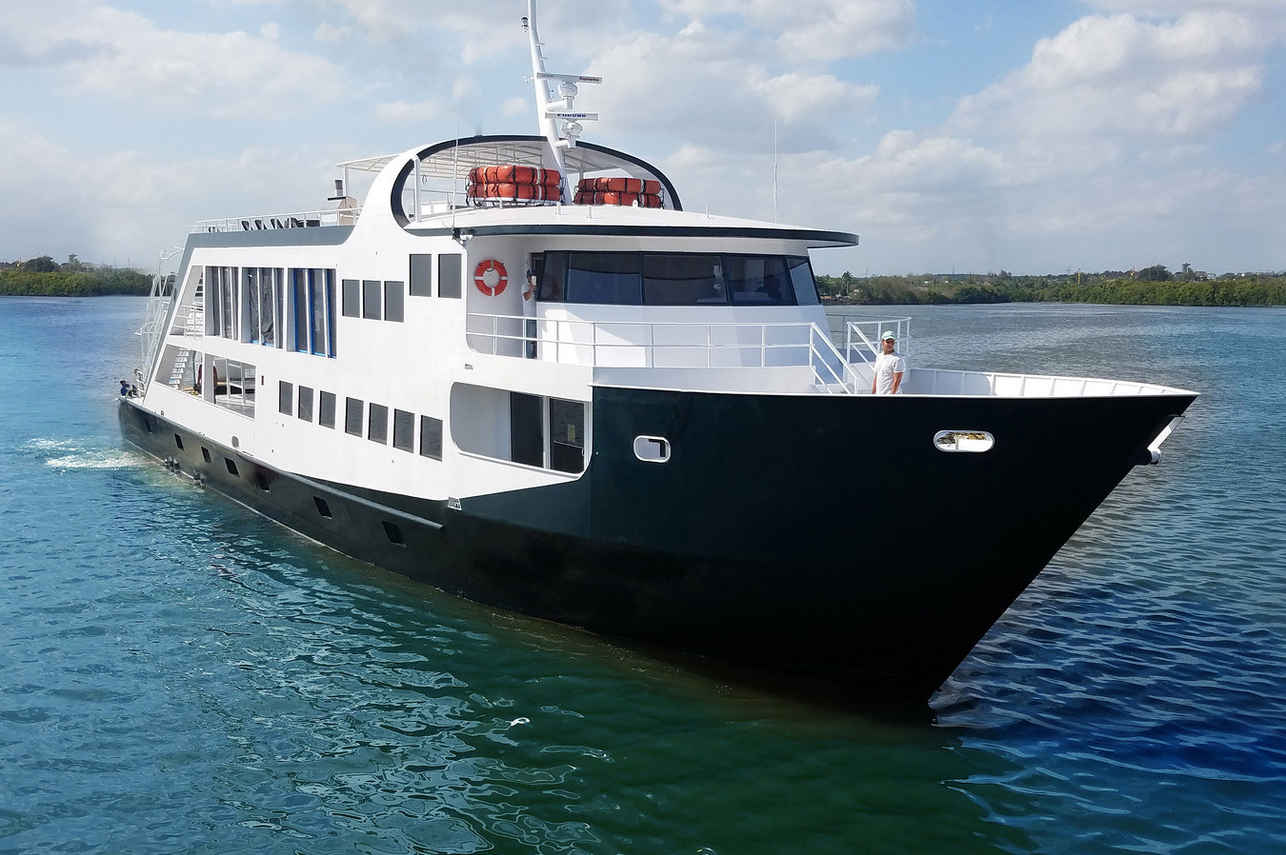
Jardines Avalon Fleet
Cuba
20 guests35.05 m
$494/day
Dive sites similar to Sparta Wreck
Same character, same waters — six more sites divers love for the exact same reasons.Compare seasons, access and liveaboard routes — then pick the site that fits your trip best.
Caribe is an advanced dive site situated in the waters off Varadero, on Cuba's northern coast.
- Suitable for
- Advanced
- Current
- Moderate
- Access
- Liveaboard or dayboat
- Depth
- —
- Theme
- Wreck
© Esri — Maxar, Earthstar, GIS
Los Túneles
Cuba
Los Túneles, part of Cuba's extensive underwater attractions, is located on the southern coast of the Bay of Pigs, approximately midway between the towns of Playa Larga and Playa…
- Suitable for
- Beginner
- Current
- Moderate
- Access
- Shore / dayboat
- Depth
- —
- Theme
- Cavern / Wreck
The P383 is a prominent shipwreck located off the coast of Varadero, Cuba's premier beach resort on the narrow Hicacos Peninsula.
- Suitable for
- Intermediate
- Current
- Moderate
- Access
- Liveaboard or dayboat
- Depth
- ≤ 24 m
- Theme
- Wreck
© Esri — Maxar, Earthstar, GIS
Camaronero III
Cuba
The Camaronero III dive site in Cuba is centered around a well-preserved wreck that has become an integral part of the local reef ecosystem.
- Suitable for
- Intermediate
- Current
- Mild
- Access
- Liveaboard or dayboat
- Depth
- 6–40 m
- Theme
- Cave & cavern / Pinnacle
© Esri — Maxar, Earthstar, GIS
El Jaruco Wreck
Cuba
The El Jaruco wreck is a purposely scuttled ship located off the coast near Playa Larga, within the Bay of Pigs region of Cuba.
- Suitable for
- Intermediate
- Current
- Mild
- Access
- Shore / dayboat
- Depth
- 12–25 m
- Theme
- Cenote / Wall
© Esri — Maxar, Earthstar, GIS
The USS Merrimac, a former coal ship, holds a significant place in naval history as a blockship from the 1898 Spanish-American War.
- Suitable for
- Advanced
- Current
- Strong
- Access
- Liveaboard or dayboat
- Depth
- 25–30 m
- Theme
- Wreck