About Shark Junction
Shark Junction is Grand Bahama's premier shark diving destination, celebrated for its consistent, close-up interactions with Caribbean reef sharks. This boat-accessed site primarily consists of a sandy bottom interspersed with small structures and adjacent reef formations, creating a natural amphitheater for observing shark behavior. Beyond the dominant reef sharks, divers frequently spot groupers, jacks, and various rays, adding to the vibrant marine display. Operators often conduct managed interactions, sometimes involving feeding, to ensure consistent shark presence, making it a reliable choice for certified divers seeking an exhilarating shark encounter without navigating complex reef systems. The dive typically takes place at recreational depths, ranging from 6 to 24 meters, allowing for extended bottom times and excellent light penetration. The topography serves as a natural cleaning station, attracting sharks that come to have parasites removed by smaller fish. This setup provides ample opportunities for photography and observing the sharks' natural movements and social dynamics in a clear, well-lit environment. The focus here is on the direct engagement with these apex predators, offering a unique and thrilling experience that defines Grand Bahama's shark diving industry. Dive operators like UNEXSO regularly lead excursions, emphasizing adherence to briefing instructions and respectful interaction with marine life. While the site is known for active engagements, it is generally considered accessible for certified divers who are comfortable in open water and prepared for the dynamic presence of large marine animals. The consistent conditions and reliable sightings contribute to its reputation as a must-visit for shark enthusiasts.
Highlights
Consistent Caribbean reef shark encountersSandy bottom shark arenaActive marine life interactionsRecreational depth shark diveManaged shark feeding opportunitiesExcellent underwater photography potential
Season calendar
Best months to dive here
Jan
Feb
Mar
Apr
May
Jun
Jul
Aug
Sep
Oct
Nov
Dec
Good
Dive site facts: Shark Junction
- Depth
- 6–24 m
- Current
- Light to no current
- Visibility
- 20–30 m
- Water temperature
- 24–31°C
- Entry
- Boat
- Level
- Certified Open Water
- Dive type
- Shark encounter, reef
- Region / port
- Grand Bahama, Freeport
- Coordinates
- 26.6875, -79.0061
Conditions & Currents
Shark Junction typically experiences light to no current, making it a generally calm and accessible site for various diver levels. However, conditions can vary, so always consult with your local operator. Visibility is usually very good, often exceeding 20 meters, which is crucial for observing the agile Caribbean reef sharks. Water temperatures generally mirror warm ambient air temperatures, though thermoclines can occasionally be present. Entry is almost exclusively via boat, with simple access to the dive site. Divers should always stay with their group and follow the dive brief, especially during managed shark encounters, to ensure safety and responsible interaction with the marine life.
Marine life & sighting chances

Caribbean reef shark
Year-round · common
Grouper
common
Jackfish
occasional
Stingrays
occasional
Nurse Shark
occasional
Lemon Shark
occasional
Moray Eel
occasional
Lobster
occasional
Tarpon
occasional
Seahorse
occasional
Sea Turtle
occasionalDive profile & how the dive runs
Dives at Shark Junction commence with a boat entry to the designated sandy plateau, typically around 12 to 15 meters deep. Divers descend to the sandy bottom and settle in a designated area, often in a semicircle, to observe the circling Caribbean reef sharks. The dive is usually static, with divers maintaining position as the sharks patrol the area, often joined by nurse sharks resting on the sand. The interaction is guided, focusing on observation and managed encounters, which may involve feeding. After a suitable bottom time observing the shark activity, the dive concludes with a direct ascent to the surface, followed by a safety stop. The relatively shallow depth makes the safety stop straightforward, often conducted in the clear, calm water above the main action.
Underwater photography
Shark Junction is an exceptional site for underwater photography, particularly for capturing large marine life. A wide-angle lens, such as a fisheye, is ideal for encompassing the circling Caribbean reef sharks and the expansive sandy backdrop. External strobes are highly recommended to bring out the vibrant colors of the sharks and any accompanying reef fish, especially against the bright Bahamian waters. Given the managed nature of the encounters, divers should maintain excellent buoyancy control to avoid stirring up sand from the bottom, which can quickly degrade visibility for everyone. Focus on anticipating shark movements and positioning yourself for clean, dramatic shots. Respect ethical guidelines provided by your dive operator, particularly regarding flash use and proximity to the animals, to ensure a positive experience for both divers and marine life.
Combine with nearby dive sites
- Theos Wreck
A 228-foot freighter resting at 32 meters, offering a contrasting wreck dive experience.
- Picasso Gallery
A vibrant reef site known for its colorful coral heads and diverse reef life.
- Tiger Beach
Internationally famous for guaranteed tiger shark encounters in shallow, clear water.
- Anns Paradise
Ann's Paradise is a distinctive dive site located within the dynamic underwater landscape near Nassau, Bahamas.
Getting there & logistics
Access to Shark Junction is exclusively by boat, typically departing from Freeport on Grand Bahama. Several local dive operators, including UNEXSO and Reef Oasis Dive Club, offer excursions to this site. Grand Bahama is easily reached via international flights into Freeport Grand Bahama International Airport (FPO), which has regular connections from major cities in the US, Canada, and Europe. Dive trips are generally day excursions, often combined with other local reef or wreck dives. While no site-specific permit is usually required for Shark Junction, divers should adhere to the rules and guidelines set by their dive operator, especially concerning shark interaction. Liveaboard options are less common for this specific site, as it is a frequent day-trip destination from Freeport.
Safety & environment
Diving at Shark Junction necessitates strict adherence to operator briefings due to the presence of potentially dangerous wildlife. While encounters are usually managed, divers must always keep hands tucked in and follow all instructions regarding interaction with the sharks. Adequate dive accident insurance is highly recommended, covering potential evacuation and recompression. The nearest recompression chamber is generally in Nassau, which could involve significant travel time for emergency evacuation from Grand Bahama. Always dive with a reputable operator, maintain good buoyancy, and avoid any actions that could alter animal behavior, especially if baiting or feeding is involved. Treating the site as a guided shark encounter, rather than a free-for-all, is paramount for safety.
Who it suits — and who it doesn't
Suited for
- Certified Open Water divers comfortable with large marine animals
- Photographers seeking wide-angle shark shots
- Divers desiring reliable shark encounters
- Those interested in managed wildlife interactions
- Divers looking for relatively shallow, calm shark dives
Less suited for
- Beginner divers without confidence around large predators
- Divers uncomfortable with potential shark feeding activities
- Individuals seeking complex reef navigation
- Free divers or snorkelers (not a primary site)
- Divers unwilling to follow strict safety protocols
FAQ
Shark Junction FAQ
What kind of sharks can I expect to see at Shark Junction?
You can consistently expect to encounter Caribbean reef sharks at Shark Junction. Additionally, nurse sharks are frequently observed resting on the sandy bottom, and there's a possibility of spotting lemon sharks or other species, depending on the day.
Is Shark Junction suitable for beginner divers?
Shark Junction is suitable for certified Open Water divers who are comfortable in open water and have no issues being in close proximity to large marine animals. While the depths are recreational, the dynamic environment with active sharks requires a certain level of comfort and adherence to dive briefings.
Are shark feeding dives conducted at Shark Junction?
Some operators at Shark Junction do conduct managed shark feeding or baiting to ensure consistent shark presence for diver interaction. It is important to be aware of this practice and to follow all safety guidelines provided by your dive operator. Diver safety and responsible interaction are always prioritized.
What is the typical depth and visibility at Shark Junction?
The dive typically occurs at recreational depths ranging from 6 to 24 meters, with the main action often concentrated around 12 to 15 meters on a sandy plateau. Visibility at Shark Junction is generally excellent, often exceeding 20 to 30 meters, providing clear views of the sharks and other marine life.
How do I get to Shark Junction?
Shark Junction is accessed via boat trips, primarily from Freeport on Grand Bahama. You can book excursions with local dive operators in Freeport, such as UNEXSO or Reef Oasis Dive Club, who regularly organize trips to this popular shark diving site.
What other marine life can be seen besides sharks?
While sharks are the main attraction, divers at Shark Junction can also observe large groupers, various species of jacks, and stingrays. The sandy bottom and adjacent reef structures also support other reef fish and occasional sightings of moray eels, lobsters, or tarpon.
Why dive Shark Junction from a liveaboard?
Shark Junction is one of Bahamas's signature dive sites. A liveaboard sleeps you on the water and puts you in the water for three to four guided dives per day, including dawn and night dives that day-boat operators rarely offer. You skip the daily commute back to port and reach quieter, less-crowded sites in the same region on a single trip.
Below are the liveaboards that include Shark Junction on their Bahamas itineraries.
Liveaboards diving Shark Junction
These liveaboards may visit Shark Junction on selected itineraries — the exact dive sites depend on departure, weather and conditions.
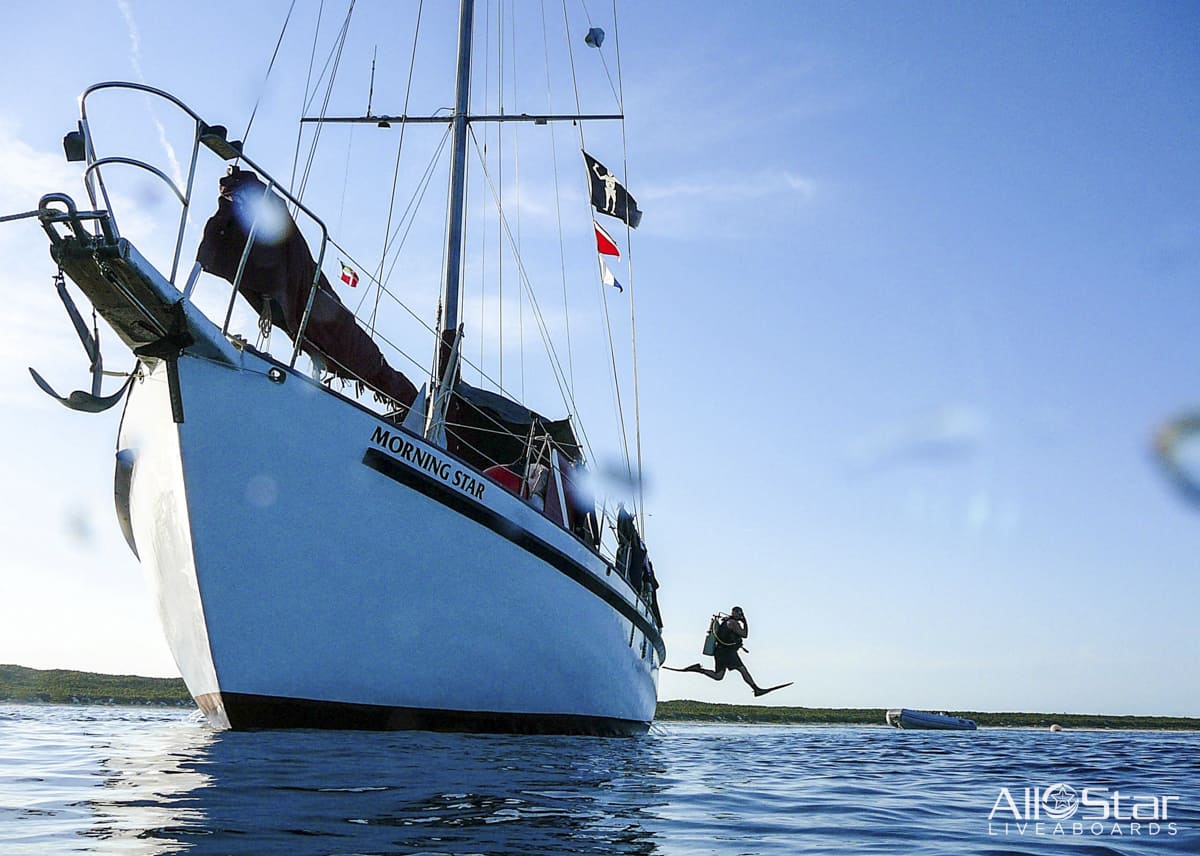
All Star Blackbeards Morning Star
Bahamas
24 guests19.81 m
$156/day
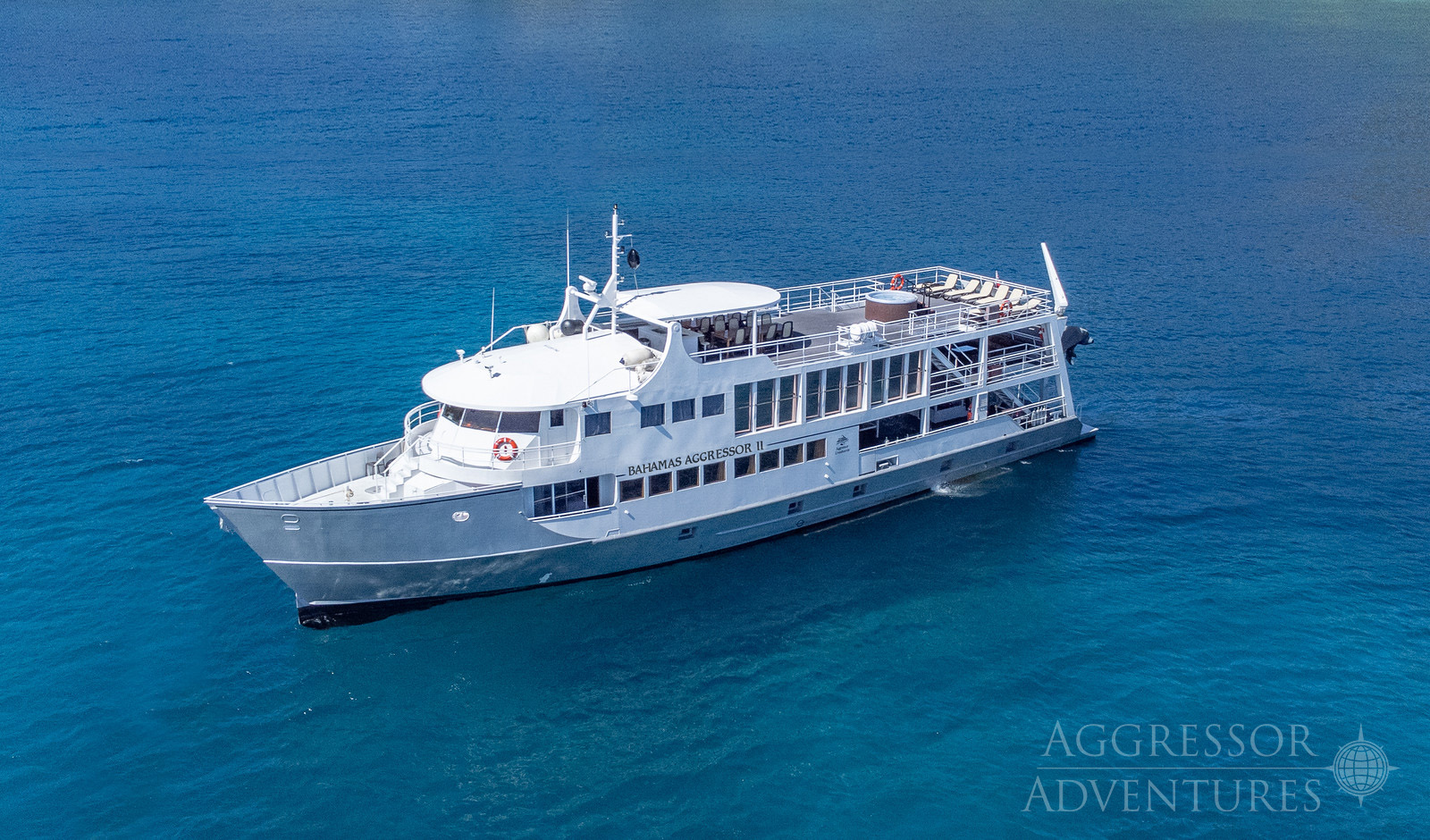
Bahamas Aggressor II
Bahamas
20 guests33.5 m
$328/day
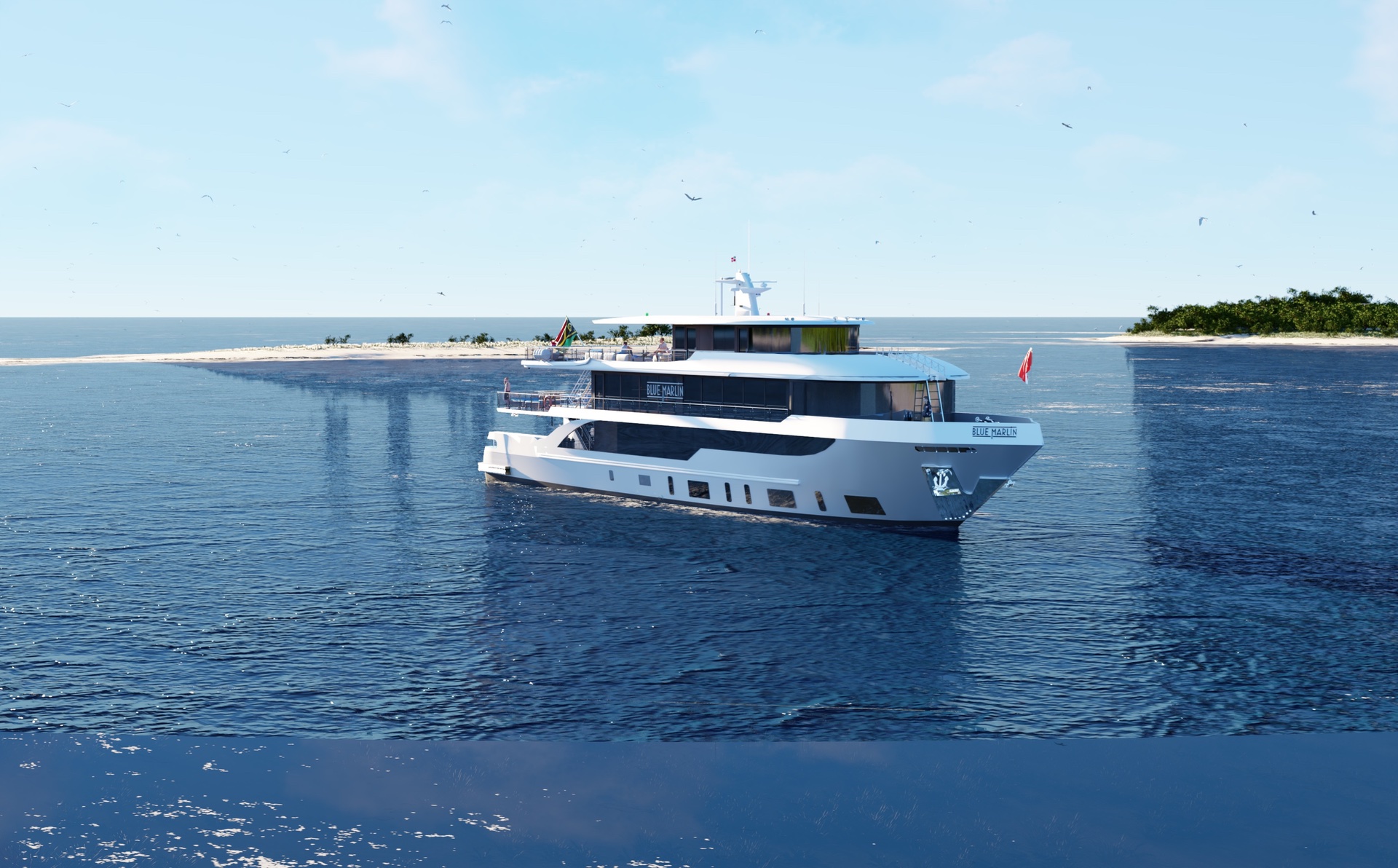
Blue Marlin
Bahamas
26 guests42 m
$318/day
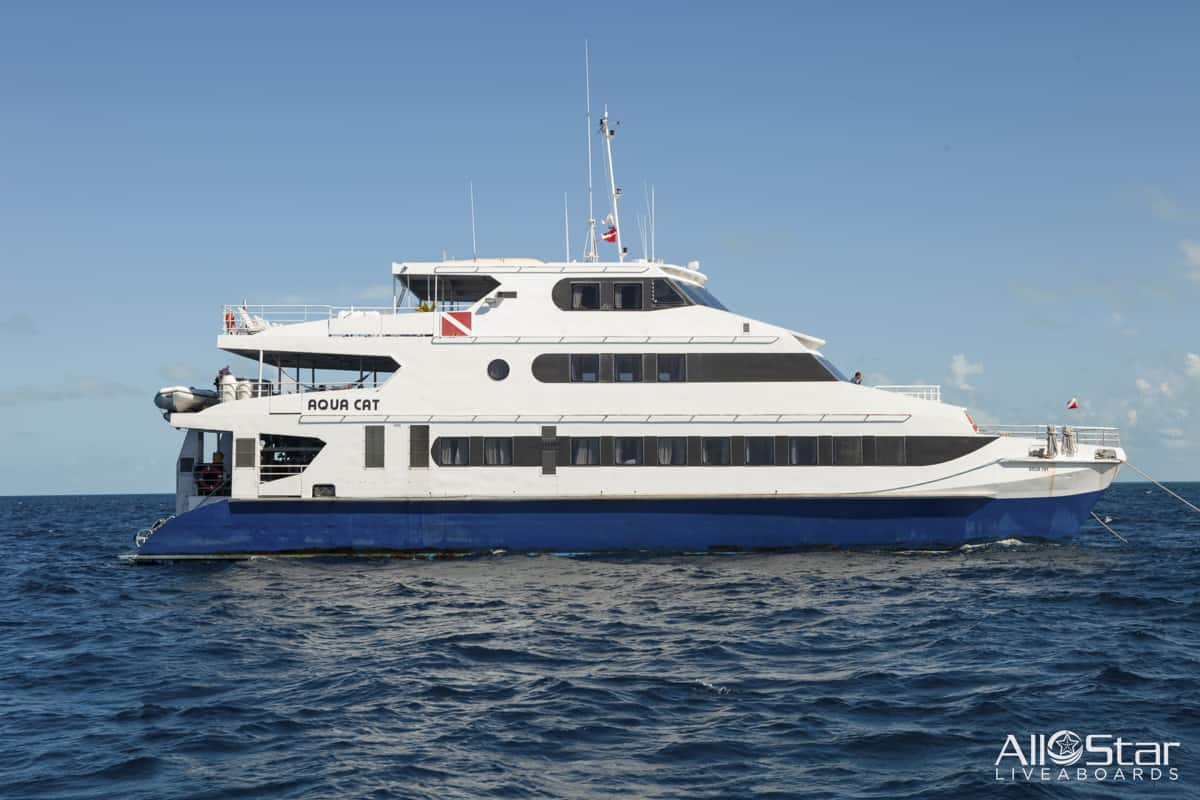
All Star Aqua Cat
Bahamas
30 guests31.09 m
$312/day
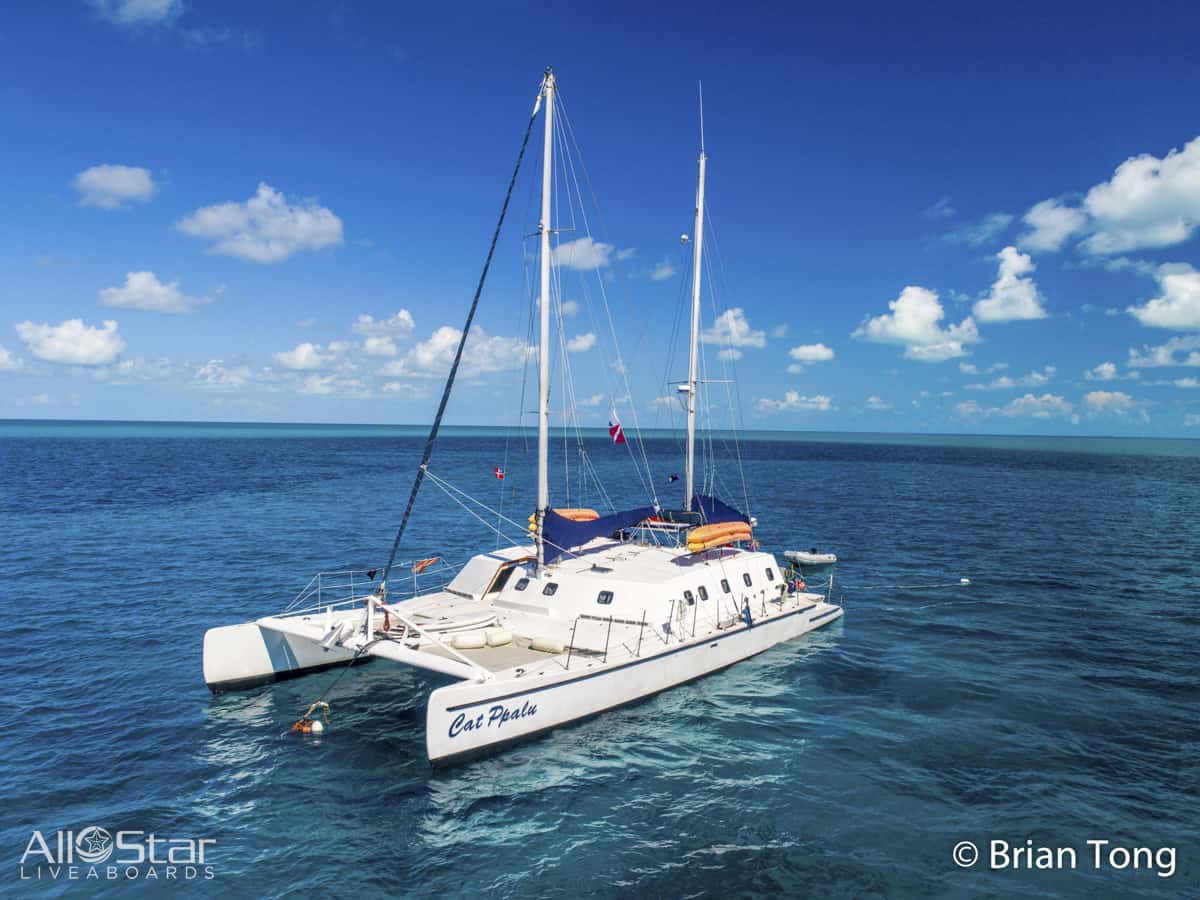
All Star Cat Ppalu
Bahamas
12 guests20 m
$237/day
Dive sites similar to Shark Junction
Same character, same waters — six more sites divers love for the exact same reasons.Compare seasons, access and liveaboard routes — then pick the site that fits your trip best.
© Esri — Maxar, Earthstar, GIS
Cut Through City
Bahamas
Cut Through City is a standout dive site located off the coast of Eleuthera in the Bahamas, a region renowned for its diverse underwater topography.
- Suitable for
- Intermediate
- Current
- Mild
- Access
- Liveaboard only
- Depth
- 27–40 m
- Theme
- Wall / Reef
© Esri — Maxar, Earthstar, GIS
Metropolis
Bahamas
Metropolis is a standout dive site in the Bahamas, renowned for its consistent and diverse shark encounters, making it a thrilling destination for divers seeking pelagic action.
- Suitable for
- Intermediate
- Current
- Moderate
- Access
- Liveaboard only
- Depth
- ≤ 13 m
- Theme
- Reef
© Esri — Maxar, Earthstar, GIS
Mt. Olympus
Bahamas
Mt. Olympus is a dynamic dive site in the Bahamas, regularly visited by liveaboards, known for its healthy marine ecosystem and varied underwater terrain.
- Suitable for
- Advanced
- Current
- Moderate
- Access
- Liveaboard only
- Depth
- ≤ 122 m
- Theme
- Reef / Drift
© Esri — Maxar, Earthstar, GIS
Ras Mohammed
Bahamas
Ras Mohammed National Park, situated approximately 20 kilometers south of Sharm El Sheikh, marks the southernmost tip of the Sinai Peninsula in Egypt.
- Suitable for
- Advanced
- Current
- No current
- Access
- Shore / dayboat
- Depth
- ≤ 100 m
- Theme
- Reef
© Esri — Maxar, Earthstar, GIS
Split Coral Head
Bahamas
Split Coral Head is a notable dive site located in Eleuthera, Bahamas, celebrated for its impressive coral formations and the distinctive split in a massive coral head from which it derives its name.
- Suitable for
- Beginner
- Current
- No current
- Access
- Liveaboard only
- Depth
- 14–17 m
- Theme
- Reef
© Esri — Maxar, Earthstar, GIS
Danger Reef
Bahamas
Danger Reef is an integral part of the Exuma Cay Reef Dives, nestled within the expansive Exuma Cays.
- Suitable for
- Intermediate
- Current
- Mild
- Access
- Liveaboard only
- Depth
- ≤ 18 m
- Theme
- Reef