About Sea Star Wreck
The Sea Star Wreck in Grand Bahama offers an exceptional diving experience, particularly noted for its vibrant marine life and established coral growth since its sinking. This artificial reef has transformed into a thriving habitat, attracting a wide array of fish species and providing an excellent opportunity for divers to explore a sunken vessel that actively supports local biodiversity. The wreck itself is situated in accessible waters, making it suitable for divers eager to discover an underwater relic that contributes significantly to the surrounding ecosystem. Its structure provides shelter and a foundation for various marine organisms, contributing to the rich tapestry of the Bahamian underwater world. Divers here can expect encounters with numerous reef fish, schools of grunts, and possibly larger pelagic species that frequent the area. The clear waters of Grand Bahama enhance visibility, allowing for detailed exploration of the wreck and its resident inhabitants. This site perfectly balances historical intrigue with natural beauty, making it a compelling dive for many. While not as deep as some other wreck sites in the region, the Sea Star Wreck's ecological richness and accessibility make it a frequent inclusion on local dive itineraries. It provides a less challenging yet highly rewarding wreck dive, ideal for those looking to immerse themselves in both the history and marine abundance of the Bahamas.
Highlights
Abundant fish speciesThriving coral formationsAccessible wreck explorationClear Bahamian watersDiverse marine ecosystemRich artificial reef
Season calendar
Best months to dive here
Jan
Feb
Mar
Apr
May
Jun
Jul
Aug
Sep
Oct
Nov
Dec
Excellent
Good
Dive site facts: Sea Star Wreck
- Depth
- 10–18 m
- Current
- Mild to moderate
- Visibility
- 30+ m
- Water temperature
- 24–31°C
- Entry
- Boat
- Level
- All divers
- Dive type
- Wreck, reef
- Night dive
- Possible
- Region / port
- Grand Bahama
- Coordinates
- 24.985, -77.44
Conditions & Currents
Currents at the Sea Star Wreck are generally mild to moderate, making it a suitable dive for various skill levels. Tidal influences can occasionally strengthen the current, so divers should be mindful of local conditions and follow their guide's instructions. Visibility remains excellent for most of the year, often exceeding 30 meters, which allows for clear views of the wreck and its marine inhabitants. Entry is typically by tender, and divers usually descend directly onto the site or nearby to begin their exploration. The relatively gentle conditions make it easy to navigate around the wreck, though maintaining good buoyancy is always recommended to protect the delicate coral growth.
Marine life & sighting chances
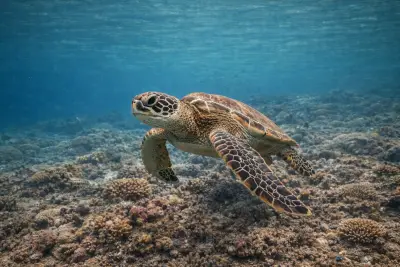
Green sea turtles
common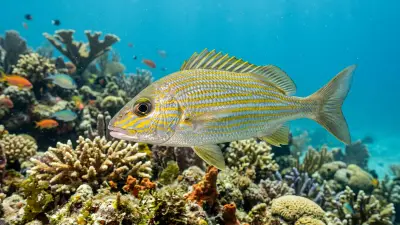
Caesar grunts
common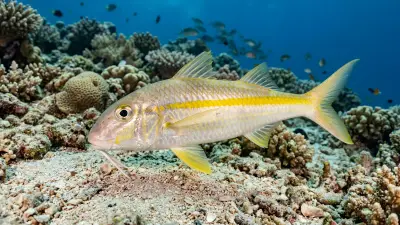
Goatfish
common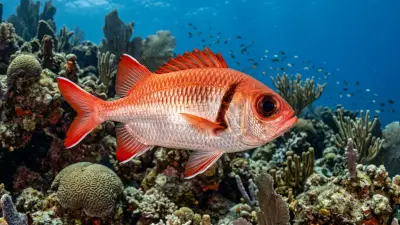
Blackbar soldierfish
common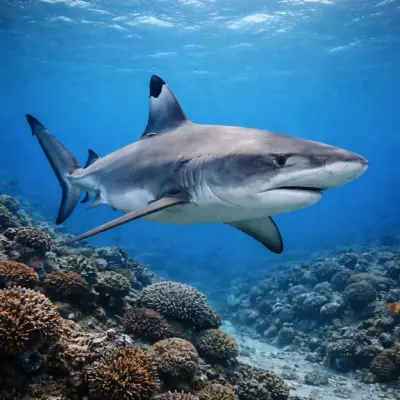
Grey reef sharks
occasional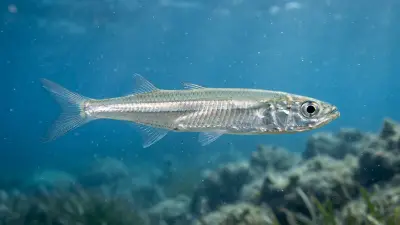
Silversides
occasional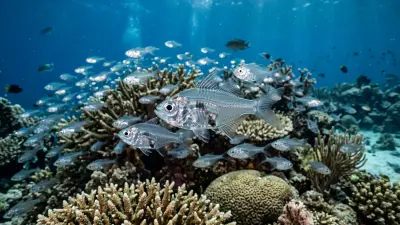
Glassfish
occasional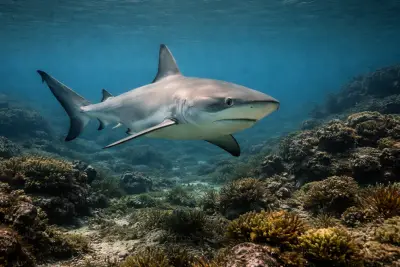
Caribbean reef sharks
occasional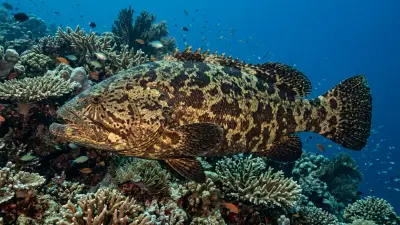
Groupers
common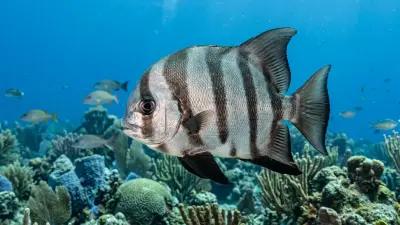
Spadefish
common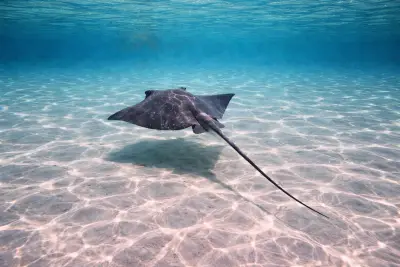
Stingrays
occasional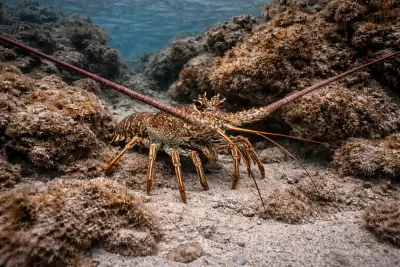
Lobsters
occasional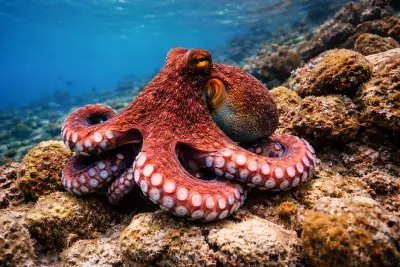
Octopus
occasionalDive profile & how the dive runs
Diving the Sea Star Wreck typically begins with a boat entry, followed by a descent along the mooring line to the wreck. You can explore the exterior of the wreck, observing the diverse marine life that has made it home. The wreck itself is covered in corals and sponges, with schools of fish often seen congregating around its structure. Divers usually circumnavigate the wreck, paying close attention to any crevices or overhangs where smaller creatures might hide. The depth is moderate, allowing for ample bottom time. Your dive guide will lead you through the most interesting sections, pointing out significant marine species and features. After exploring the wreck, you'll ascend gradually, completing a safety stop before returning to the surface.
Underwater photography
The Sea Star Wreck offers fantastic wide-angle opportunities to capture the entire wreck draped in coral, surrounded by schools of fish, especially in the clear Bahamian waters. A fisheye lens is ideal for showcasing the scale of the wreck against the blue backdrop. For macro enthusiasts, there are plenty of smaller subjects among the coral growth and within the wreck's nooks and crannies, including various fish species and crustaceans; a macro lens will capture these details beautifully. Strobes are highly recommended to bring out the vibrant colors of the corals and marine life, as ambient light alone may not fully illuminate the deeper sections. Pay attention to your buoyancy to avoid disturbing the fragile ecosystems on the wreck, and be patient when approaching marine life for the best shots.
Combine with nearby dive sites
- Theo’s Wreck
A larger freighter wreck teeming with marine life, offering a deeper wreck diving experience.
- Tiger Beach
Famous for reliable encounters with tiger sharks in shallow, clear waters.
- Train Wreck
An unusual wreck site featuring train cars from a past era, now an artificial reef.
- Shark Alley
Known for abundant Caribbean reef sharks and other large pelagics, often visited in conjunction with the Pretenders Wreck.
Getting there & logistics
To reach the Sea Star Wreck, you'll fly into Freeport (FPO) on Grand Bahama Island. Many liveaboards and land-based dive operators depart from Freeport, offering trips that include this wreck. Direct flights are available from several major US cities, including Miami. Typical dive packages from resorts often include a set number of boat dives over a week, making it convenient for divers. Trips often combine the Sea Star Wreck with other notable sites like Theo's Wreck or various reef dives around Grand Bahama. Permit requirements for diving are usually handled by the dive operators as part of your package, and there are typically no additional fees beyond the trip cost.
Safety & environment
Diving at the Sea Star Wreck is generally considered safe, but standard diving protocols apply. Always dive within your training limits and ensure your equipment is well-maintained. The nearest recompression chamber is located in Freeport, Grand Bahama, offering medical support for diving emergencies. Evacuation from the dive site to medical facilities would typically involve boat transfer to shore, followed by ground transportation. It is strongly advised to have comprehensive dive insurance that covers medical emergencies and evacuation. Site-specific hazards include potential mild to moderate currents, so maintaining good buoyancy control is crucial. Always follow your dive guide's briefing and instructions, and avoid penetrating the wreck unless specifically trained and accompanied.
Who it suits — and who it doesn't
Suited for
- New wreck divers
- Underwater photographers
- Marine life enthusiasts
- Divers seeking vibrant artificial reefs
- All skill levels
Less suited for
- Divers seeking extreme depths
- Those uninterested in artificial reefs
- Divers expecting only pelagic encounters
FAQ
Sea Star Wreck FAQ
What kind of marine life can I expect to see at the Sea Star Wreck?
The Sea Star Wreck is home to a rich variety of marine life. You can commonly observe green sea turtles, Caesar grunts, goatfish, and blackbar soldierfish. Occasional sightings include grey reef sharks, silversides, glassfish, and Caribbean reef sharks. Large groupers, spadefish, and stingrays are also present, alongside lobsters and octopuses, especially during night dives.
Is the Sea Star Wreck suitable for beginner divers?
Yes, the Sea Star Wreck is considered suitable for divers of all experience levels. The currents are generally mild to moderate, and the wreck is not exceptionally deep, allowing for a comfortable and enjoyable dive. Local dive operators typically include it in itineraries that accommodate newer divers, and it's an excellent site for those new to wreck diving.
What are the water conditions like at Sea Star Wreck?
Water temperatures at the Sea Star Wreck range from 24°C (75°F) in winter to 31°C (88°F) in summer, offering comfortable diving year-round. Visibility is consistently excellent, often exceeding 30 meters (100 feet), providing clear views of the wreck and marine life. Currents are typically mild to moderate, making for generally calm dive conditions.
Can I combine a dive at Sea Star Wreck with other sites?
Yes, Sea Star Wreck is often combined with other popular dive sites in Grand Bahama. Operators frequently pair it with deeper wreck dives like Theo's Wreck, or with shark encounters at sites such as Tiger Beach or Shark Alley. This allows divers to experience a diverse range of underwater environments within a single trip.
What is the best time of year to dive Sea Star Wreck?
The best time to dive the Sea Star Wreck is generally from November to May, which is the dry season in the Bahamas. During these months, the weather is stable, seas are calmer, and water clarity is at its peak. While diving is possible year-round, this period offers the most optimal conditions for an enjoyable experience.
Why dive Sea Star Wreck from a liveaboard?
Sea Star Wreck is one of Bahamas's signature dive sites. A liveaboard sleeps you on the water and puts you in the water for three to four guided dives per day, including dawn and night dives that day-boat operators rarely offer. You skip the daily commute back to port and reach quieter, less-crowded sites in the same region on a single trip.
Below are the liveaboards that include Sea Star Wreck on their Bahamas itineraries.
Liveaboards diving Sea Star Wreck
These liveaboards may visit Sea Star Wreck on selected itineraries — the exact dive sites depend on departure, weather and conditions.
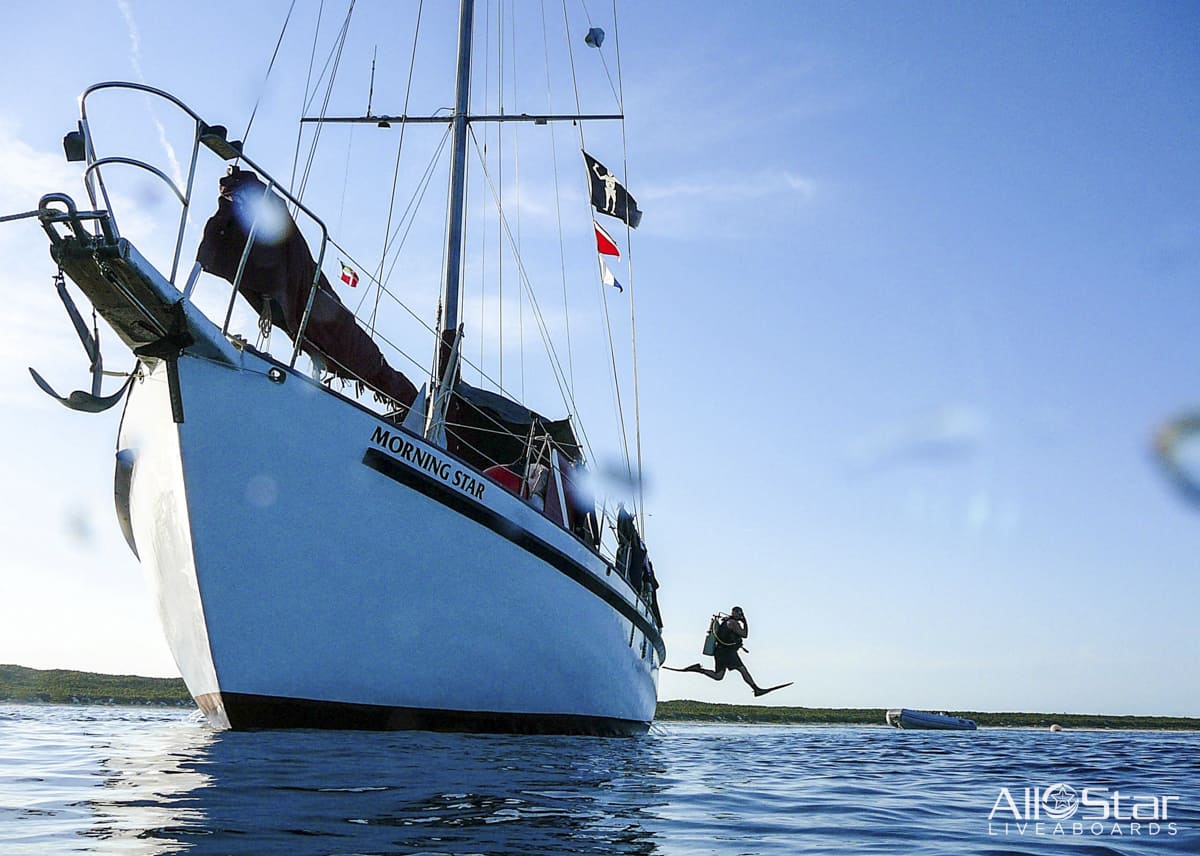
All Star Blackbeards Morning Star
Bahamas
24 guests19.81 m
$156/day
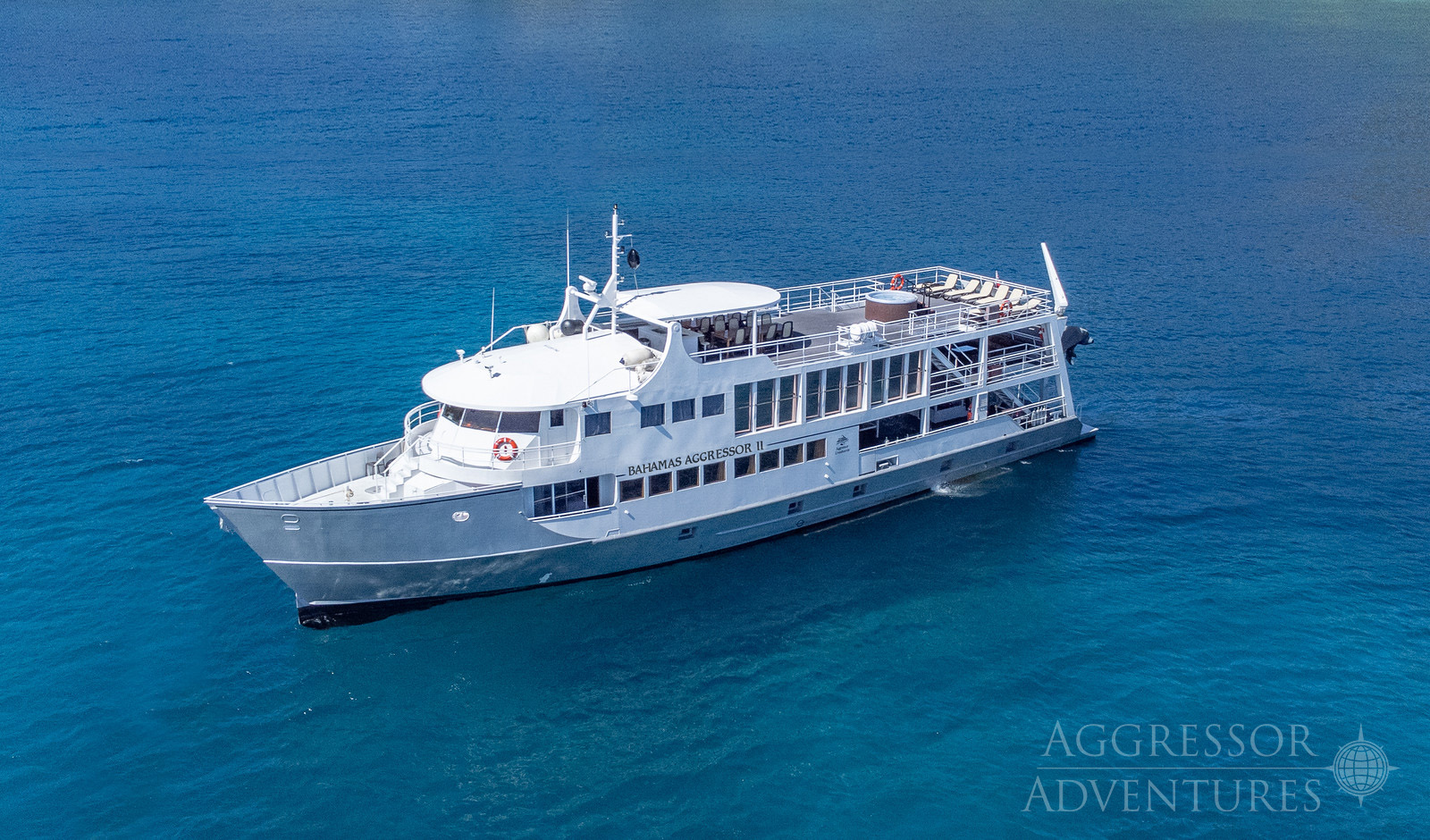
Bahamas Aggressor II
Bahamas
20 guests33.5 m
$328/day
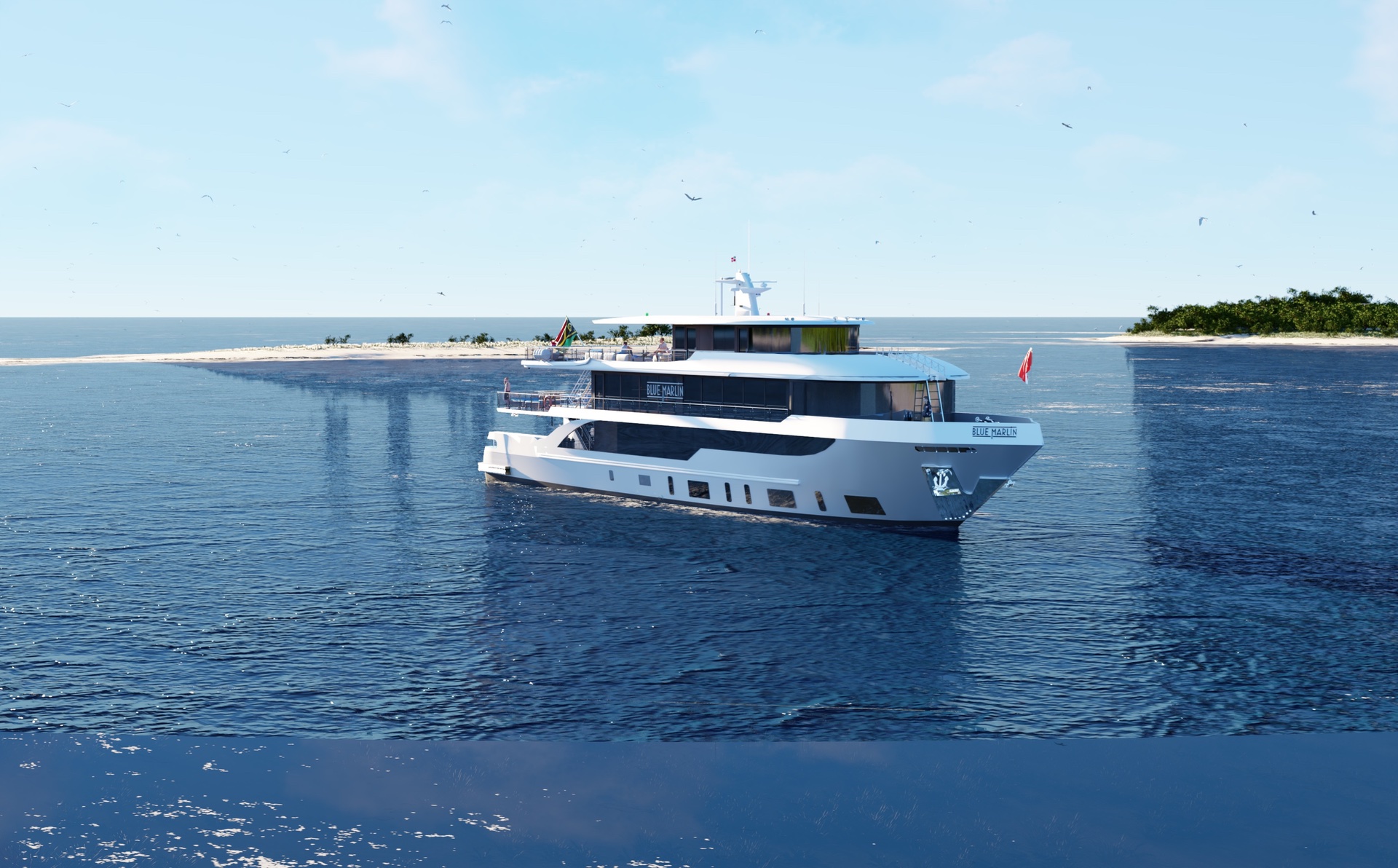
Blue Marlin
Bahamas
26 guests42 m
$318/day
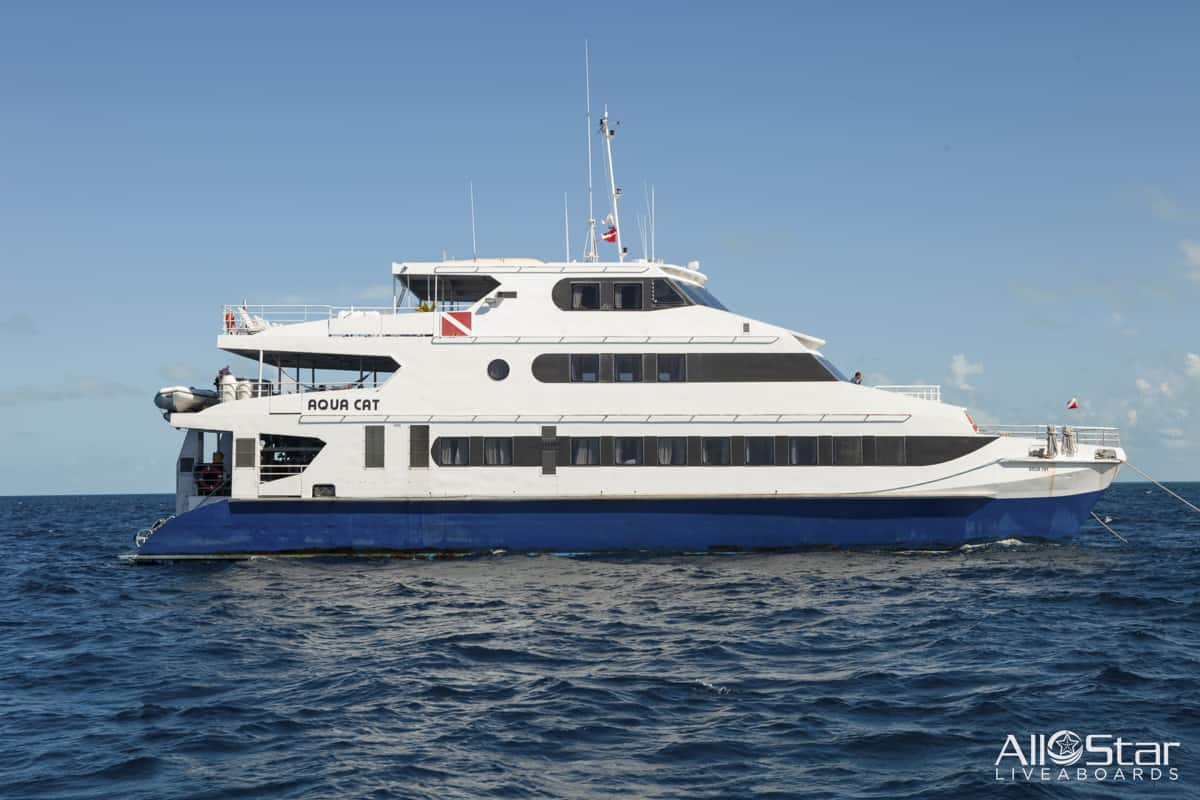
All Star Aqua Cat
Bahamas
30 guests31.09 m
$312/day
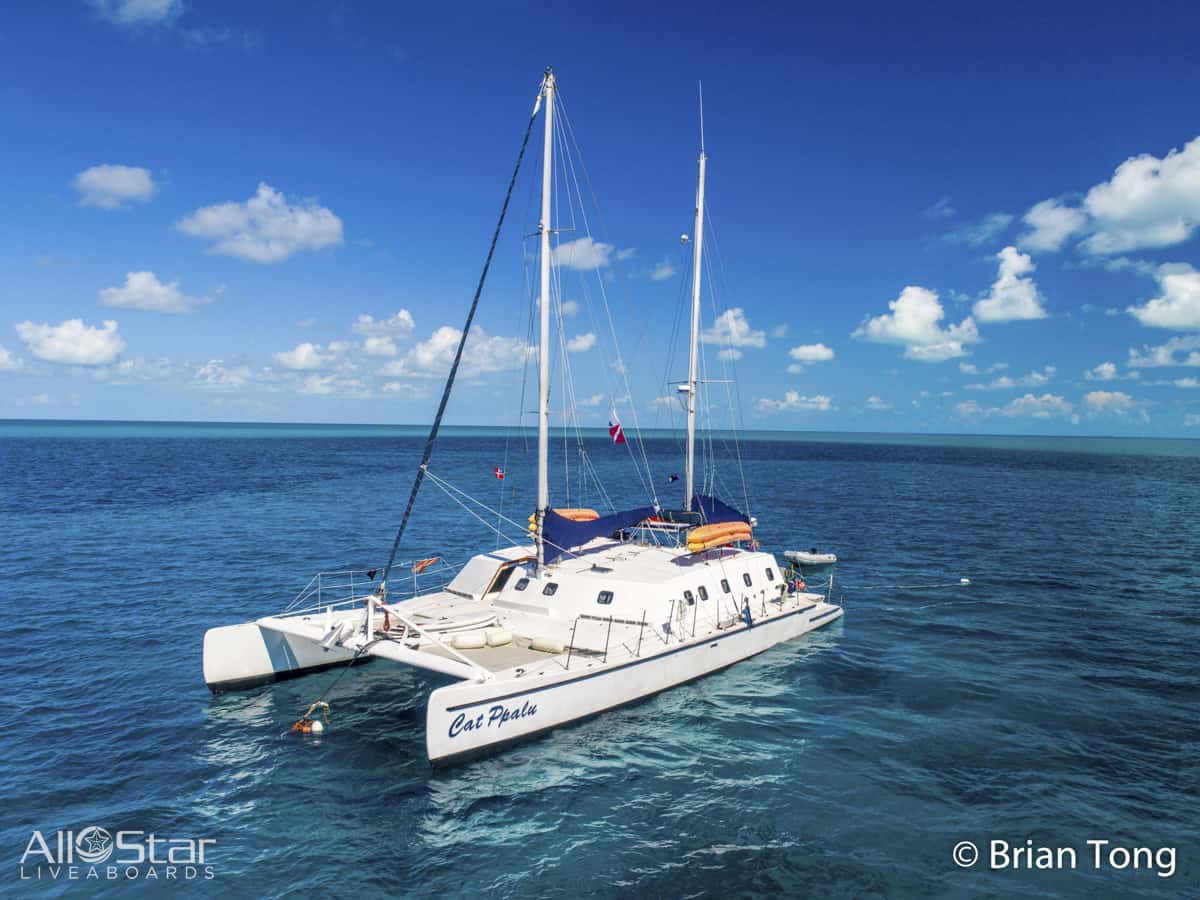
All Star Cat Ppalu
Bahamas
12 guests20 m
$237/day
Dive sites similar to Sea Star Wreck
Same character, same waters — six more sites divers love for the exact same reasons.Compare seasons, access and liveaboard routes — then pick the site that fits your trip best.
© Esri — Maxar, Earthstar, GIS
The Bimini Barge
Bahamas
The Bimini Barge is a prominent wreck dive located on the extreme northwestern edge of the Great Bahama Bank, just a short distance from the deep wall and the powerful Gulf Stream currents.
- Suitable for
- Intermediate
- Current
- Moderate
- Access
- Liveaboard or dayboat
- Depth
- 30–30 m
- Theme
- Wreck / Drift
© Esri — Maxar, Earthstar, GIS
Twin Sister Wrecks
Bahamas
The Twin Sister Wrecks offer a compelling paired wreck dive experience off New Providence, presenting two small tanker hulls that rest at differing depths.
- Suitable for
- Intermediate
- Current
- Mild
- Access
- Dayboat
- Depth
- 13–30 m
- Theme
- Wreck
The Vanaheim is a captivating wreck dive located off North Eleuthera, an island chain celebrated for its diverse underwater landscapes.
- Suitable for
- Beginner
- Current
- Mild
- Access
- Dayboat
- Depth
- 8–10 m
- Theme
- Wreck / Reef
The Carnarvon is a prominent wreck site located on the infamous Devil's Backbone, a shallow, rocky reef stretching along the northern coast of Eleuthera.
- Suitable for
- Beginner
- Current
- Mild
- Access
- Dayboat
- Depth
- 7–8 m
- Theme
- Wreck / Reef
© Esri — Maxar, Earthstar, GIS
Cobia Cage
Bahamas
The Cobia Cage off Eleuthera in the Bahamas presents a truly unique underwater landscape.
- Suitable for
- Beginner
- Current
- No current
- Access
- Liveaboard only
- Depth
- 15–27 m
- Theme
- Wreck
© Esri — Maxar, Earthstar, GIS
Austin Smith
Bahamas
The Austin Smith wreck, also known as the HMBS Flamingo, is a former 90-foot Bahamian Defense Force Cutter that was decommissioned in 1995. Originally intended as an artificial…
- Suitable for
- Intermediate
- Current
- Moderate
- Access
- Liveaboard only
- Depth
- 18–18 m
- Theme
- Wreck / Reef