About Punta Tosca
Punta Tosca is a notable dive site located on Socorro Island, which is part of the remote Revillagigedo Archipelago, also known as the Socorro Islands, off the Pacific coast of Baja California, Mexico. This UNESCO World Heritage Site is celebrated for its abundant pelagic life, drawing divers to its unique underwater landscapes. The site features distinctive hardened lava formations that extend from the island's shore into the ocean. These lava fingers create a semi-protected cove, offering a diverse topography. Divers can explore between these outcroppings or along the perimeter of the inlet, observing more coral and colorful reef inhabitants compared to other sites in the archipelago. While depths can extend significantly, divers should remain mindful of their depth, especially when encountering captivating marine life. Punta Tosca is renowned for interactions with playful bottlenose dolphins and giant oceanic manta rays. Divers frequently encounter whitetip reef sharks, and lobster are also common. The site also supports a variety of smaller, colorful reef fish like Panamic green moray eels, Guinea fowl pufferfish, and Moorish idols, adding a macro element to the dive. Although primarily a reef dive, pelagic sightings are frequent here. Diving Punta Tosca typically occurs via liveaboard, which is the only way to access the Revillagigedo Archipelago. Currents can be present and may be strong, requiring divers to sometimes hold onto rocks while waiting for marine life to appear. Divers are encouraged to monitor their depth, particularly during exciting encounters, as the site offers opportunities for deeper exploration.
Highlights
Playful bottlenose dolphinsGiant oceanic manta raysHardened lava formationsWhitetip reef sharksPanamic green moray eelsColorful reef fishLobster encounters
Season calendar
Best months to dive here
Jan
Feb
Mar
Apr
May
Jun
Jul
Aug
Sep
Oct
Nov
Dec
Excellent
Good
Dive site facts: Punta Tosca
- Depth
- ≤ 38 m
- Current
- Moderate
- Entry
- Liveaboard only
- Level
- Advanced
- Dive type
- Reef
- Region / port
- Mexico
- Coordinates
- 18.7291° N, 110.9168° W
Conditions & Currents
Currents at Punta Tosca can range from medium to strong, often requiring divers to seek shelter or use reef hooks to maintain position, especially when observing pelagic animals. A negative entry may be beneficial depending on conditions. The site's unique lava topography provides some natural protection, allowing for varied dive profiles along or between the rock formations. Visibility is generally very good, typically ranging from 10 to 50 meters, though thermoclines are possible in the region due to converging currents. Divers must be attentive to depth, as the excitement of interacting with large marine life can be distracting, leading to deeper excursions. Due to the potential for strong currents and deeper profiles, this site is best suited for advanced divers with experience in open ocean conditions.
Why dive Punta Tosca from a liveaboard?
Punta Tosca is one of Mexico's signature dive sites. A liveaboard sleeps you on the water and typically offers several guided dives per day (the exact number depends on the vessel and itinerary), including dawn and night dives that day-boat operators rarely offer. You skip the daily commute back to port and reach quieter, less-crowded sites in the same region on a single trip.
Liveaboards diving Punta Tosca
These liveaboards may visit Punta Tosca on selected itineraries, the exact dive sites depend on departure, weather and conditions.
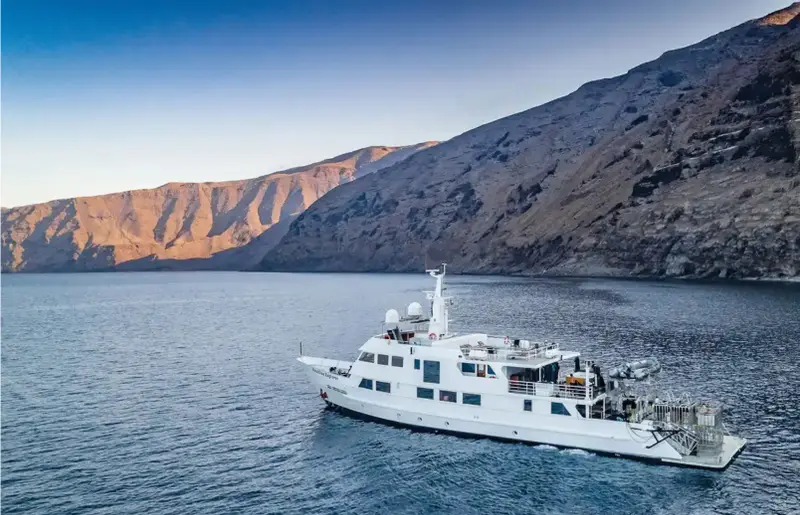
Nautilus Explorer
Mexico
25 guests45 m
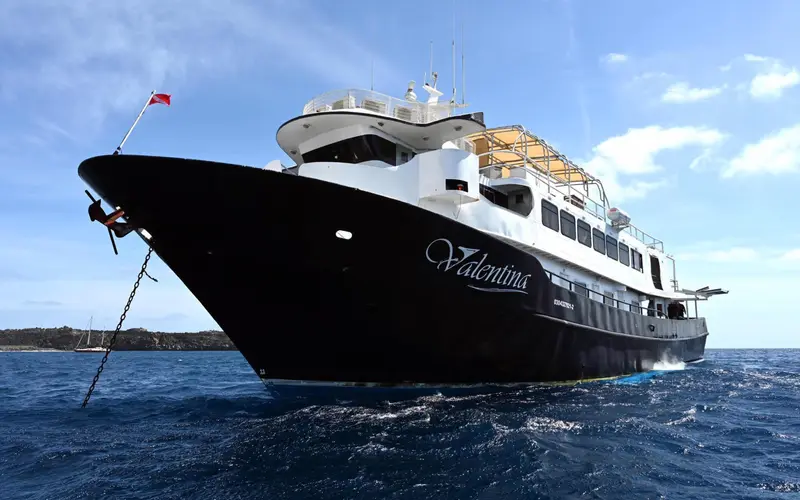
Valentina
Mexico
20 guests38 m
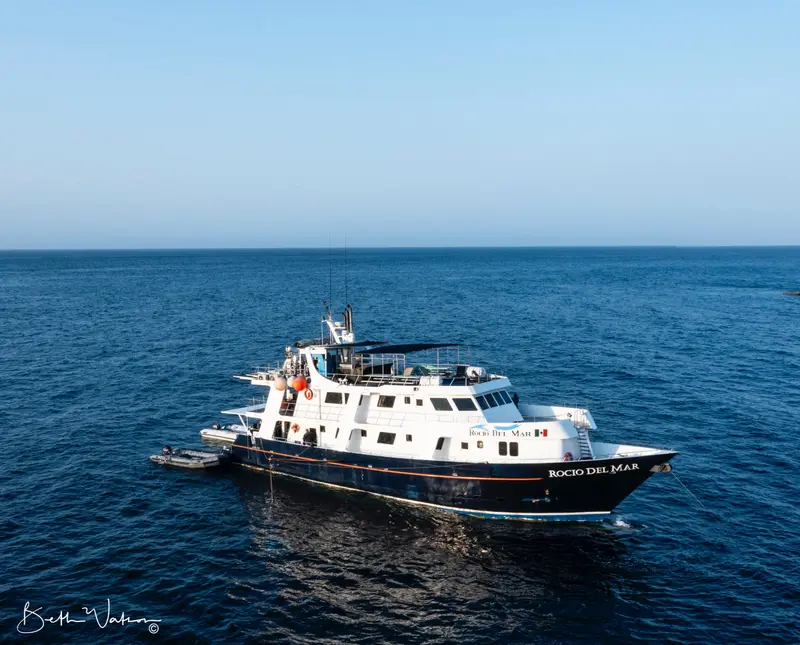
Rocio del Mar
Mexico
20 guests34 m
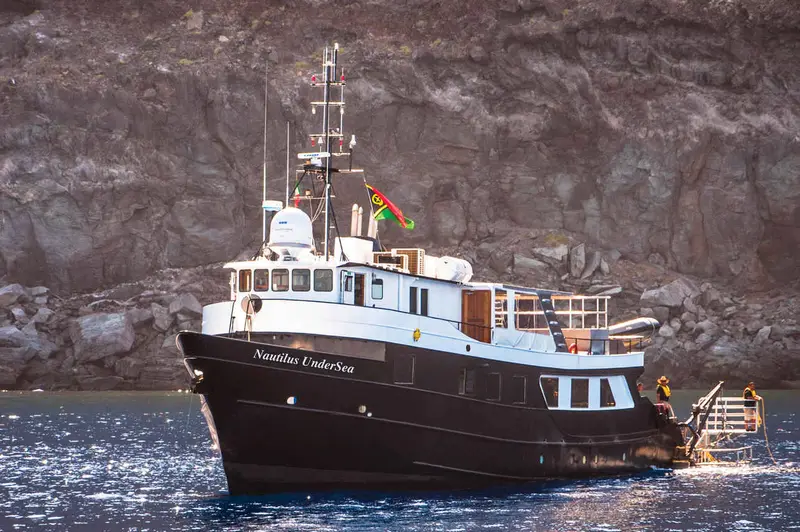
Nautilus Under Sea
Mexico
19 guests32 m
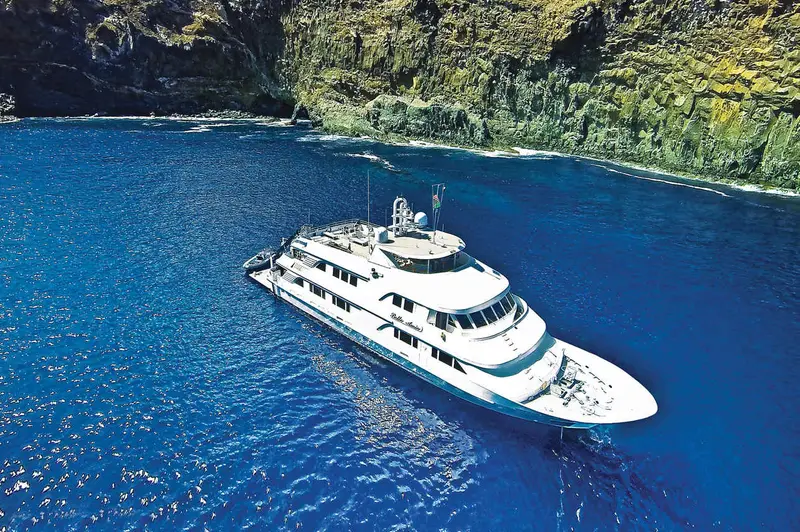
Nautilus Belle Amie
Mexico
32 guests45 m
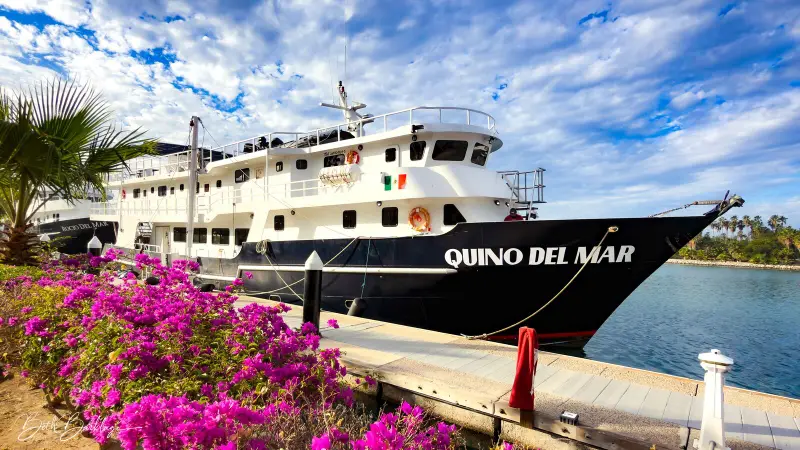
Quino del Mar
Mexico
20 guests36 m
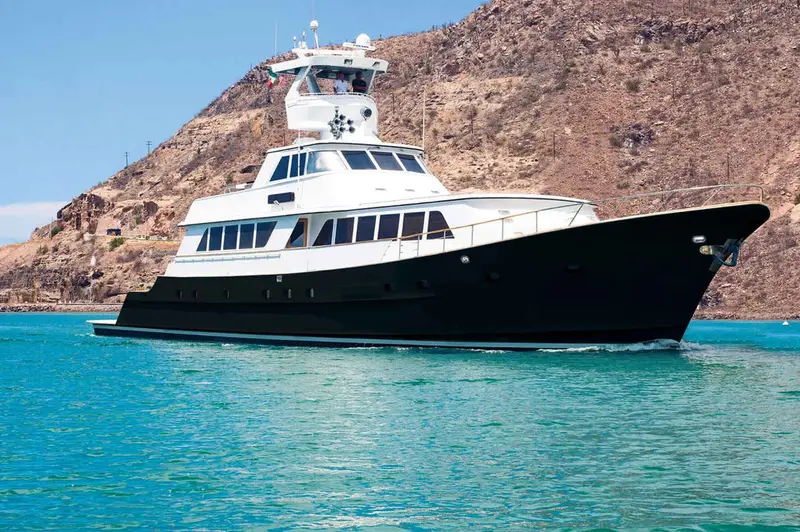
Nautilus Gallant Lady
Mexico
12 guests35 m
Dive sites similar to Punta Tosca
Same character, same waters, six more sites divers love for the exact same reasons.Compare seasons, access and liveaboard routes, then pick the site that fits your trip best.
© EsriMaxar, Earthstar, GIS
Bahía de La Paz
Mexico
Bahía de La Paz serves as the capital of Baja California Sur and the primary gateway to the Sea of Cortez, a region famously dubbed the "world's aquarium" by Jacques Cousteau due to its exceptional biodiversity.
- Suitable for
- Advanced
- Current
- Mild
- Access
- Dayboat
- Depth
- 17–27 m
- Theme
- Big animals / Reef
© EsriMaxar, Earthstar, GIS
Black Rock
Costa Rica
Black Rock, also known as Bajo Negro, is a remote and challenging pinnacle dive site situated within the Bat Islands, part of Costa Rica's Santa Rosa National Park.
- Suitable for
- Advanced
- Current
- Strong
- Access
- Dayboat
- Depth
- 20–30 m
- Theme
- Reef / Pinnacle
© EsriMaxar, Earthstar, GIS
Cape Douglas - Fernandina
Galápagos
Cape Douglas, located off the secluded Fernandina Island in the Galápagos, offers a truly unique dive experience centered around its endemic marine life.
- Suitable for
- Advanced
- Current
- Strong
- Access
- Liveaboard only
- Depth
- 5–33 m
- Theme
- Reef
Clasico is a prominent dive site situated on the western side of Costa Rica's Catalina Islands, an archipelago formed by volcanic peaks.
- Suitable for
- Advanced
- Current
- Strong
- Access
- Liveaboard only
- Depth
- 10–30 m
- Theme
- Drift / Reef
© EsriMaxar, Earthstar, GIS
Devil's Rock
Costa Rica
Devil's Rock is a prominent dive site located in Costa Rica's Caño Island Biological Reserve, positioned to the northwest as an extension of the larger Bajo del Diablo platform.
- Suitable for
- Advanced
- Current
- Strong
- Access
- Liveaboard or dayboat
- Depth
- 18–35 m
- Theme
- Reef / Pinnacle