About Hole in the Wall
The Hole in the Wall is a distinctive dive site located in the Eleuthera Exuma Islands, celebrated for its namesake swim-through. This site offers an immersive experience, blending the thrill of a cavern dive with the expansive beauty of a coral wall. Divers navigate through a wide natural formation before emerging to a breathtaking view of the deep, where the wall descends into the abyss. The topography here is characterized by the prominent 'hole' or swim-through, followed by an impressive wall that showcases a rich diversity of coral and sponge life. Barrel sponges are a notable feature, along with various hard and soft corals. The depth range accommodates both recreational divers and those seeking deeper exploration, with a maximum recorded depth of 94 feet. Marine life at Hole in the Wall includes a variety of reef fish such as Creole wrasse and queen angelfish, with groupers often found sheltering in crevices. While larger pelagics are always a possibility in the Bahamas, the focus here is often on the unique geological features and the vibrant ecosystem thriving on the wall. Visibility is generally excellent, enhancing the photographic opportunities. The dive typically involves a 'follow the leader' approach through the swim-through, which, despite potential silting from previous divers, remains a highlight. Post-swim-through, the dive transitions to exploring the expansive wall, allowing for a more relaxed drift and observation of the diverse marine environment.
Highlights
Unique swim-through formationDramatic wall diveAbundant barrel spongesCreole wrasse schoolsQueen angelfish sightingsExuma and Eleuthera itinerary
Season calendar
Best months to dive here
Jan
Feb
Mar
Apr
May
Jun
Jul
Aug
Sep
Oct
Nov
Dec
Excellent
Good
Dive site facts: Hole in the Wall
- Depth
- 15–94 ft (5–29 m)
- Typical dive
- 50 ft (15 m), 50 min
- Current
- Mild, with potential for surge in swim-through
- Visibility
- 65–130 ft (20–40 m)
- Water temperature
- 75–88°F (24–31°C)
- Entry
- Descent with group, followed by swim-through
- Level
- Open Water Diver, good buoyancy control recommended
- Dive type
- Wall, swim-through, reef
- Night dive
- Possible
- Region / port
- Eleuthera, Exumas
- Coordinates
- 24.985, -77.555
Conditions & Currents
Currents at Hole in the Wall are generally mild at depth, though the swim-through itself can experience noticeable flow. Divers should be mindful of potential surge, especially near the entry or exit points of the swim-through. Visibility is typically excellent, often ranging from 65 to 130 feet, which can be slightly reduced after heavy rainfall or during periods of increased surface activity, but usually remains clear. There is rarely a noticeable thermocline in the Bahamas, meaning water temperature remains fairly consistent from surface to depth. Divers should maintain good buoyancy control to avoid silting up the swim-through for those following and to protect fragile coral formations on the wall.
Marine life & sighting chances


Dive profile & how the dive runs
The dive at Hole in the Wall typically begins with a descent to the entrance of the swim-through, which is often a 'follow the leader' experience due to its unique nature. Divers queue to enter, maintaining good buoyancy to avoid disturbing the sediment for those behind. The swim-through itself is described as quite wide, accommodating divers with camera rigs. After traversing the 'hole,' the dive transitions to exploring the impressive wall, where divers can observe barrel sponges and various reef fish like Creole wrasse and queen angelfish. The dive generally maintains an average depth of around 50 feet, though a maximum depth of 94 feet has been recorded early in the dive, likely upon exiting the swim-through. The dive typically lasts about 50 minutes, with the safety stop conducted in the shallower reef areas after exploring the main wall.
Underwater photography
Hole in the Wall offers excellent opportunities for both wide-angle and macro photography, especially given the clear visibility. For capturing the grandeur of the swim-through and the expansive wall, a wide-angle or fisheye lens is recommended to convey scale and depth. Ensure proper lighting with strobes to bring out the vibrant colors of the corals and sponges, particularly within the swim-through where natural light may be diminished. When photographing marine life like the Creole wrasse schools or the resident groupers, be patient and move slowly to avoid startling them. Good buoyancy control is crucial for steady shots and to prevent silting, especially within the confines of the swim-through. For macro enthusiasts, inspect the coral formations for smaller inhabitants like crabs and slugs, which are abundant on similar Bahamian reefs. Post-swim-through, the ambient light on the wall is often sufficient for stunning wide-angle shots without excessive strobing.
Combine with nearby dive sites
Getting there & logistics
Diving Hole in the Wall is typically part of a liveaboard itinerary originating from Nassau, the capital of the Bahamas. Major international airports like Lynden Pindling International Airport (NAS) in Nassau provide easy access from the US, Canada, and Europe. Liveaboards cruise through the Exumas and Eleuthera, offering a week-long diving experience that often includes this site. Inter-island travel is via commuter planes, ferries, or private speedboats. No specific permits are mentioned for diving this site, but liveaboard costs will include all necessary fees. It is advisable to book liveaboard trips in advance, especially during peak season, to secure a spot and experience a range of Bahamian dive sites.
Safety & environment
Diving in the Bahamas, including Hole in the Wall, generally maintains a high safety standard, but divers should always carry appropriate travel and dive insurance. While specific recompression chamber locations are not given for Eleuthera, medical facilities are available in major population centers. Evacuation reality depends on the remoteness of the site and can involve inter-island transfers. The primary site-specific hazard at Hole in the Wall is the swim-through, which requires excellent buoyancy control to prevent disorientation or contact with the rock. Divers should also be aware of others in the confined space and practice good situational awareness. Always follow the dive leader's instructions, especially during 'follow the leader' dives through passages. Strong currents are not typically a concern at depth, but conditions can vary, so stay alert.
Who it suits — and who it doesn't
Suited for
- Experienced Open Water Divers
- Divers seeking unique geological formations
- Underwater photographers with wide-angle setups
- Liveaboard enthusiasts exploring the Exumas and Eleuthera
- Divers comfortable with mild currents
Less suited for
- Beginner divers without good buoyancy control
- Divers prone to claustrophobia in confined spaces
- Those uninterested in swim-throughs or wall diving
- Divers expecting large pelagic encounters as the primary highlight
FAQ
Hole in the Wall FAQ
What makes 'Hole in the Wall' a unique dive site?
The 'Hole in the Wall' is unique primarily for its prominent swim-through, a natural tunnel within the reef that divers navigate. This leads to a dramatic wall dive, offering a blend of cavern exploration and expansive deep-water views. It provides a distinctive experience compared to typical reef or wall dives.
What kind of marine life can I expect to see at Hole in the Wall?
Divers at Hole in the Wall can anticipate seeing schools of Creole wrasse, queen angelfish, and various groupers sheltering in crevices. The wall itself is adorned with barrel sponges and a diverse array of corals. While larger pelagic sightings are possible in the Bahamas, the focus here is often on the reef life inhabiting the unique geological structures.
Is 'Hole in the Wall' suitable for new divers?
Hole in the Wall is suitable for Open Water Divers who possess good buoyancy control. The swim-through requires careful navigation to avoid silting and contact with the environment. Divers should be comfortable in confined spaces and able to manage their depth effectively during the wall portion of the dive.
What are the typical dive conditions like at this site?
Dive conditions are generally favorable with excellent visibility, often ranging from 65 to 130 feet. Water temperatures are warm, typically between 75-88°F, and thermoclines are rare. Currents are usually mild, but divers may experience some surge or noticeable flow within the swim-through itself.
How long does a typical dive at 'Hole in the Wall' last?
A typical dive at Hole in the Wall lasts approximately 50 minutes, with an average depth around 50 feet. Divers will spend time navigating the swim-through and then exploring the main wall, ascending gradually for a safety stop before surfacing. The maximum depth reached is around 94 feet.
Why dive Hole in the Wall from a liveaboard?
Hole in the Wall is one of Bahamas's signature dive sites. A liveaboard sleeps you on the water and puts you in the water for three to four guided dives per day, including dawn and night dives that day-boat operators rarely offer. You skip the daily commute back to port and reach quieter, less-crowded sites in the same region on a single trip.
Below are the liveaboards that include Hole in the Wall on their Bahamas itineraries.
Liveaboards diving Hole in the Wall
These liveaboards may visit Hole in the Wall on selected itineraries — the exact dive sites depend on departure, weather and conditions.
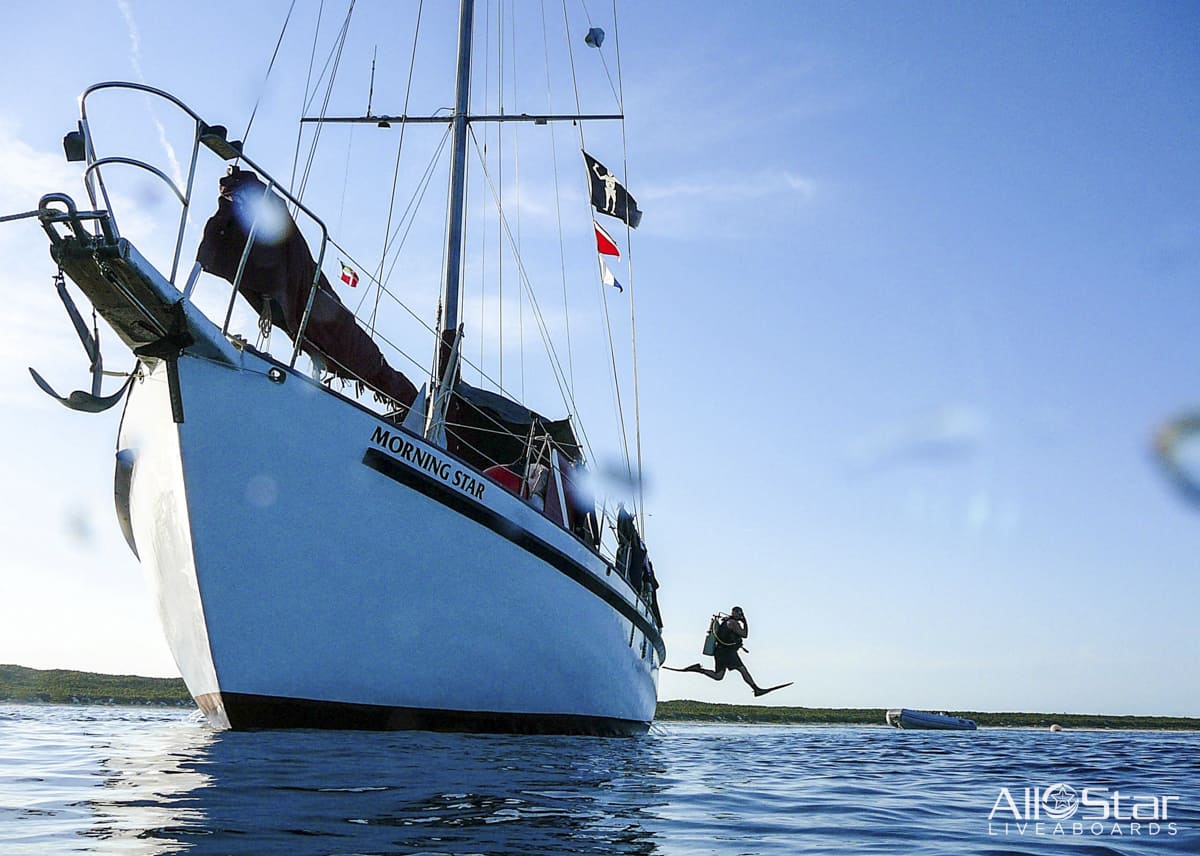
All Star Blackbeards Morning Star
Bahamas
24 guests19.81 m
$156/day
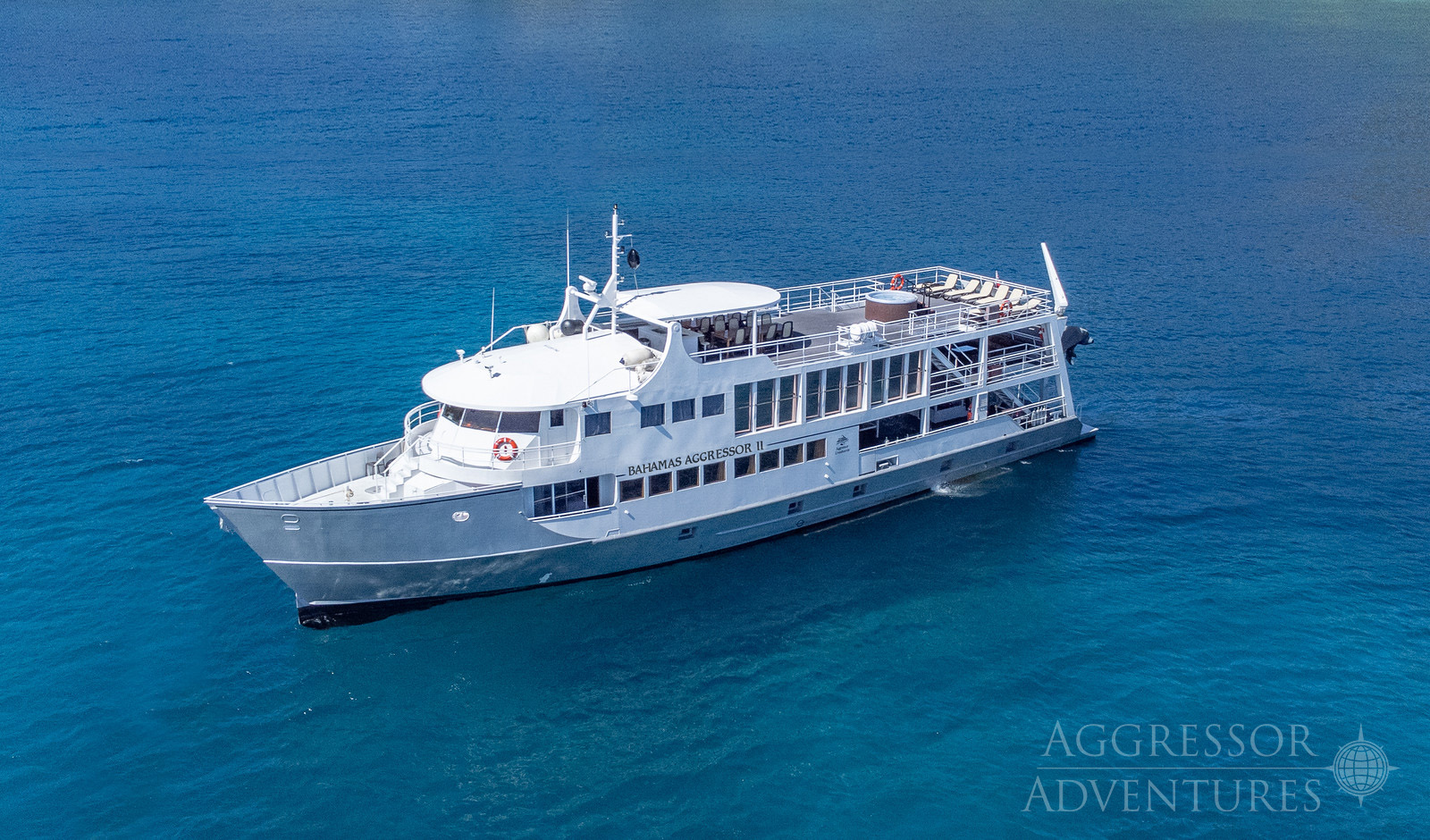
Bahamas Aggressor II
Bahamas
20 guests33.5 m
$328/day
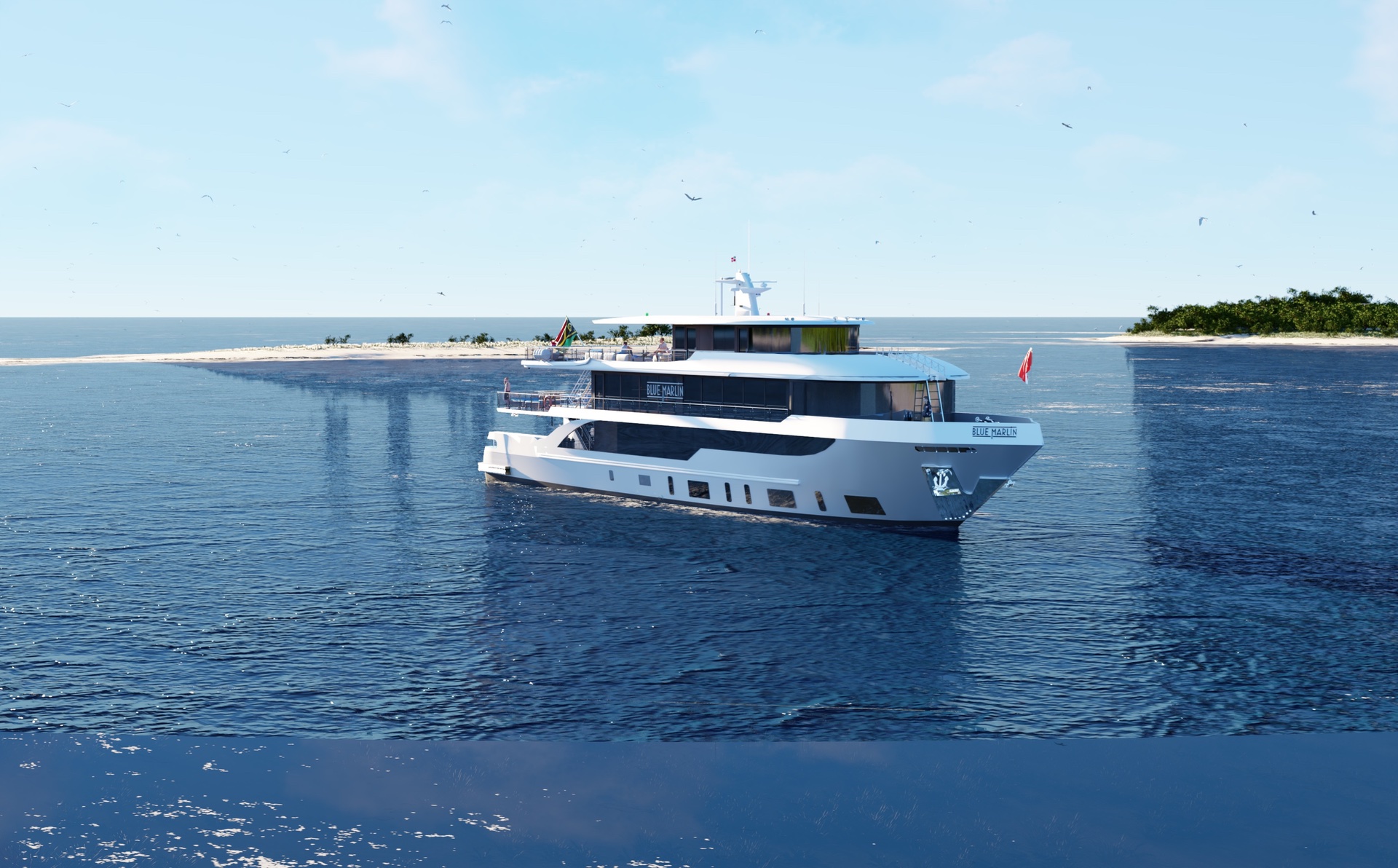
Blue Marlin
Bahamas
26 guests42 m
$318/day
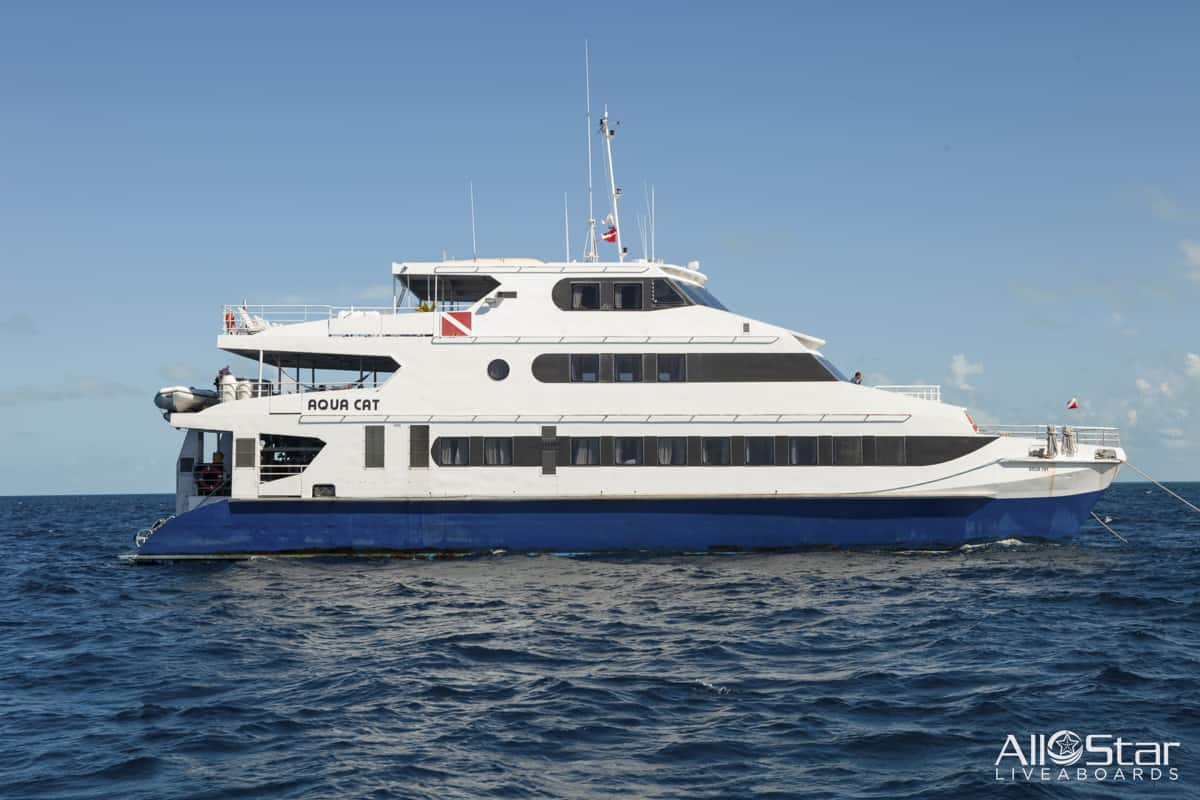
All Star Aqua Cat
Bahamas
30 guests31.09 m
$312/day
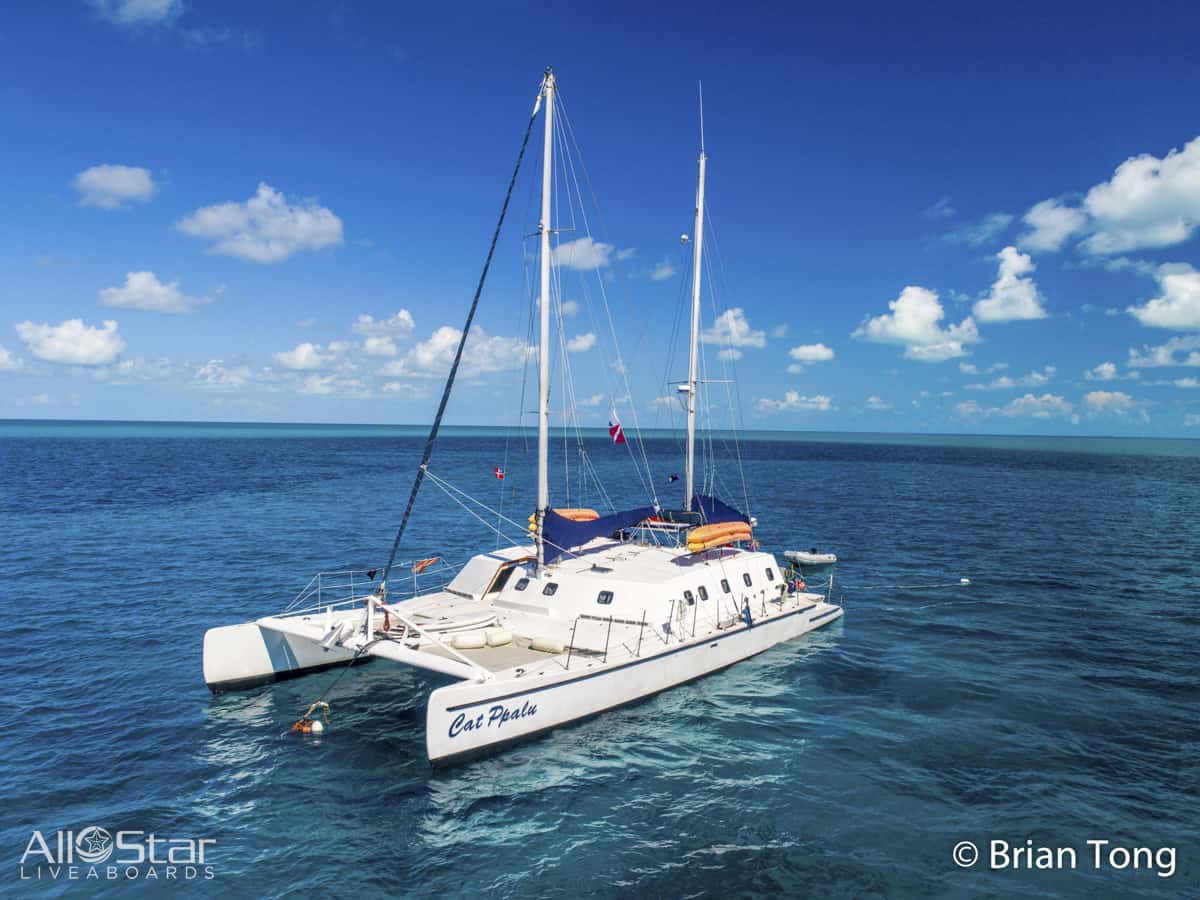
All Star Cat Ppalu
Bahamas
12 guests20 m
$237/day
Dive sites similar to Hole in the Wall
Same character, same waters — six more sites divers love for the exact same reasons.Compare seasons, access and liveaboard routes — then pick the site that fits your trip best.
© Esri — Maxar, Earthstar, GIS
Columbus Point
Bahamas
Columbus Point, situated off Cat Island in the Bahamas, stands out as an advanced dive destination renowned for its dramatic wall diving along one of the region's most untouched reef systems.
- Suitable for
- Advanced
- Current
- Strong
- Access
- Dayboat
- Depth
- ≤ 40 m
- Theme
- Wall / Drift
© Esri — Maxar, Earthstar, GIS
Cut Through City
Bahamas
Cut Through City is a standout dive site located off the coast of Eleuthera in the Bahamas, a region renowned for its diverse underwater topography.
- Suitable for
- Intermediate
- Current
- Mild
- Access
- Liveaboard only
- Depth
- 27–40 m
- Theme
- Wall / Reef
© Esri — Maxar, Earthstar, GIS
The Bimini Barge
Bahamas
The Bimini Barge is a prominent wreck dive located on the extreme northwestern edge of the Great Bahama Bank, just a short distance from the deep wall and the powerful Gulf Stream currents.
- Suitable for
- Intermediate
- Current
- Moderate
- Access
- Liveaboard or dayboat
- Depth
- 30–30 m
- Theme
- Wreck / Drift
© Esri — Maxar, Earthstar, GIS
Mt. Olympus
Bahamas
Mt. Olympus is a dynamic dive site in the Bahamas, regularly visited by liveaboards, known for its healthy marine ecosystem and varied underwater terrain.
- Suitable for
- Advanced
- Current
- Moderate
- Access
- Liveaboard only
- Depth
- ≤ 122 m
- Theme
- Reef / Drift
Cathedral is a renowned dive site located within the Dog Rocks Reef, which is part of the extensive Exuma Cays in the Bahamas, specifically situated off the coast of Scotland Cay.
- Suitable for
- Beginner
- Current
- Moderate
- Access
- Liveaboard only
- Depth
- 10–15 m
- Theme
- Cavern / Wall
© Esri — Maxar, Earthstar, GIS
Cousteau's Blue Hole
Bahamas
Cousteau's Blue Hole, located on Andros Island, is an inland blue hole known for its distinctive light effects created by sun rays entering its wide opening.
- Suitable for
- Advanced
- Current
- No current
- Access
- Dayboat
- Depth
- 10–60 m
- Theme
- Cave & cavern