Spoilsport
Australia's award-winning liveaboard for unparalleled Great Barrier Reef and Coral Sea diving.
- En-Suite bathrooms
- Aircon Cabins
- Warm Water Showers
4.6(89 reviews)
28 guestsfrom $403/day
 Free dive insuranceincluded with every booking
Australia's award-winning liveaboard for unparalleled Great Barrier Reef and Coral Sea diving.
4.6(89 reviews)
The Ribbon Reefs form a long chain along the outer Great Barrier Reef north of Cairns. Multi-night boats reach Cod Hole, lighthouse bommies and remote coral gardens, while longer expeditions continue east into the Coral Sea toward Osprey and Bougainville reefs.
This route is distinct from a one-day Great Barrier Reef tour: more time offshore means dawn dives, night dives and access to reefs beyond the busiest pontoons. June and July can also bring dwarf minke whale expeditions.
The Ribbon Reefs are numbered outer reefs running north toward Lizard Island, not one single dive site. Operators combine coral gardens, bommies and Cod Hole in different sequences; fly-dive itineraries use Lizard Island to cover more distance without retracing the whole coast.
Coral Sea expeditions are a separate step beyond the Ribbon Reefs. Osprey and Bougainville are isolated oceanic reefs reached by long crossings, with steep walls, clearer blue water and shark-focused dives. They demand more sea time and should not be assumed on a standard northern reef trip.
Choose the route that fits your experience and dream encounters — each region has its own season, character and story.
Cairns liveaboards reach the remote Ribbon Reefs, Cod Hole and Coral Sea walls beyond the day-boat corridor.
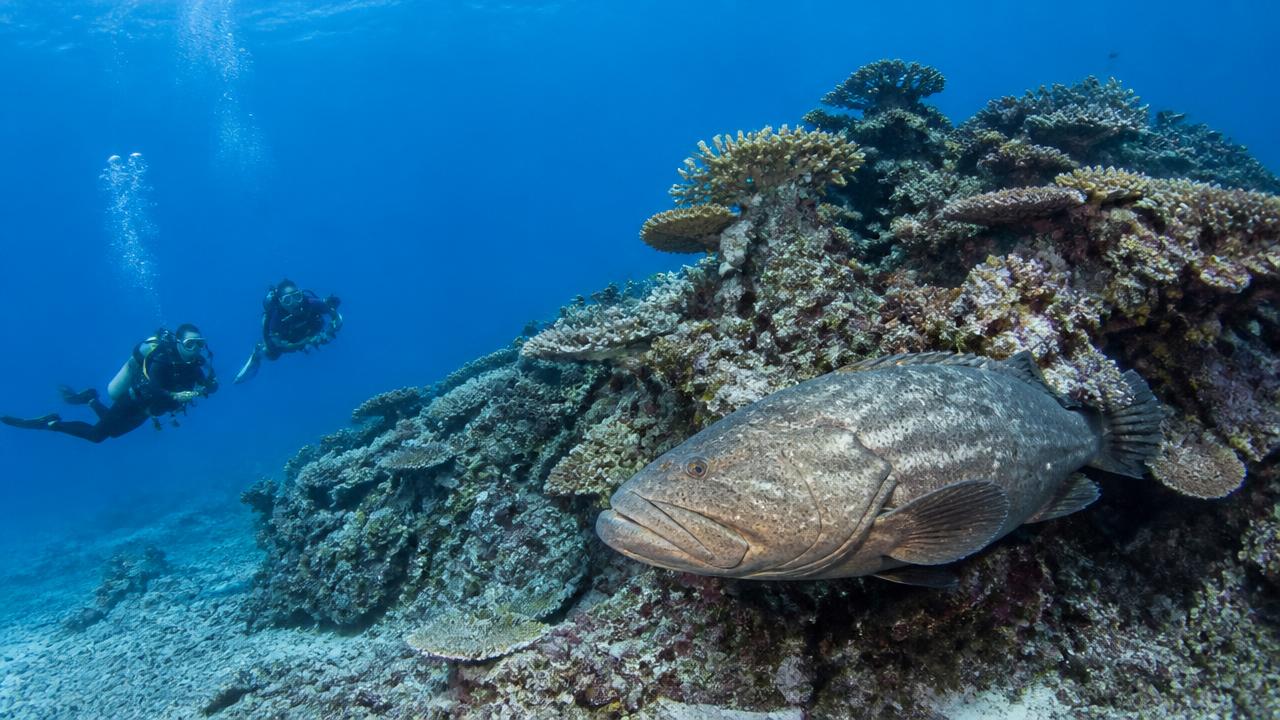
Large potato cod have made this northern Ribbon Reef site famous, with guides managing encounters around the coral bommies. Potato cod are the signature residents, while the surrounding bommies and gardens make the stop more than a single-animal dive. Guides often carry small amounts of food to manage the encounter, ensuring the cod approach calmly without changing natural behaviour.
Large potato cod are the signature residents of this famous Ribbon Reef site.
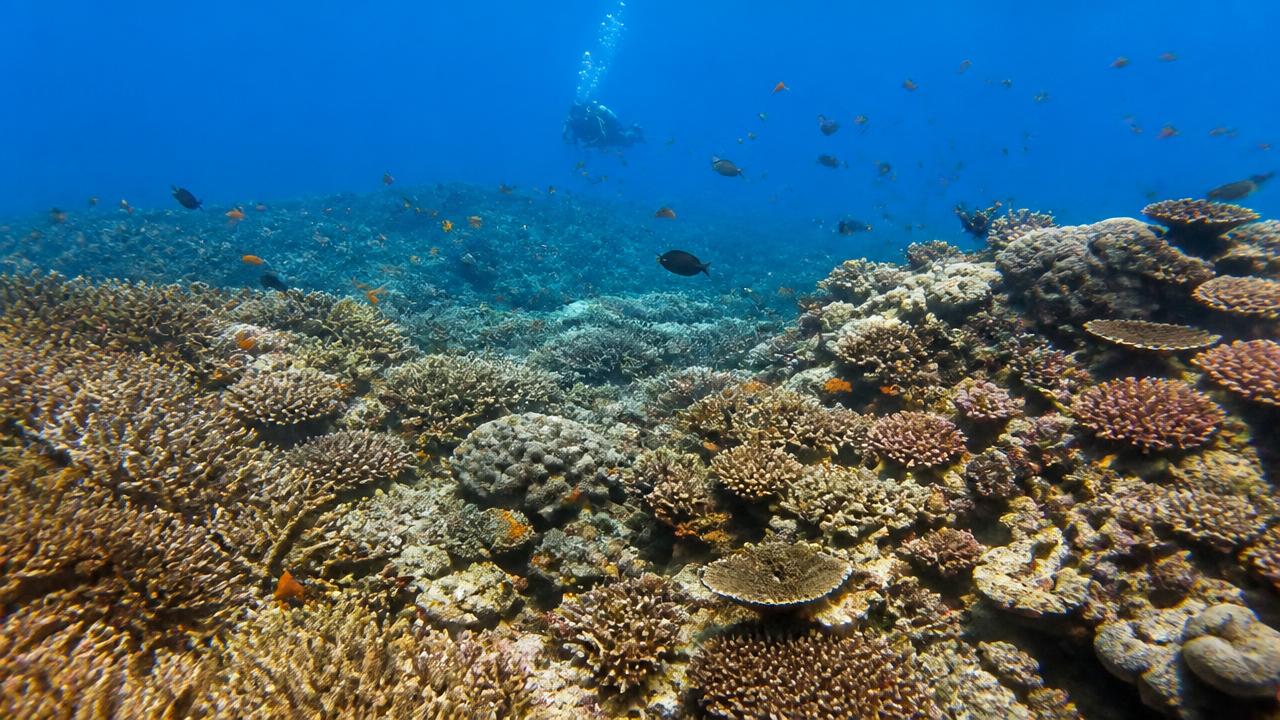
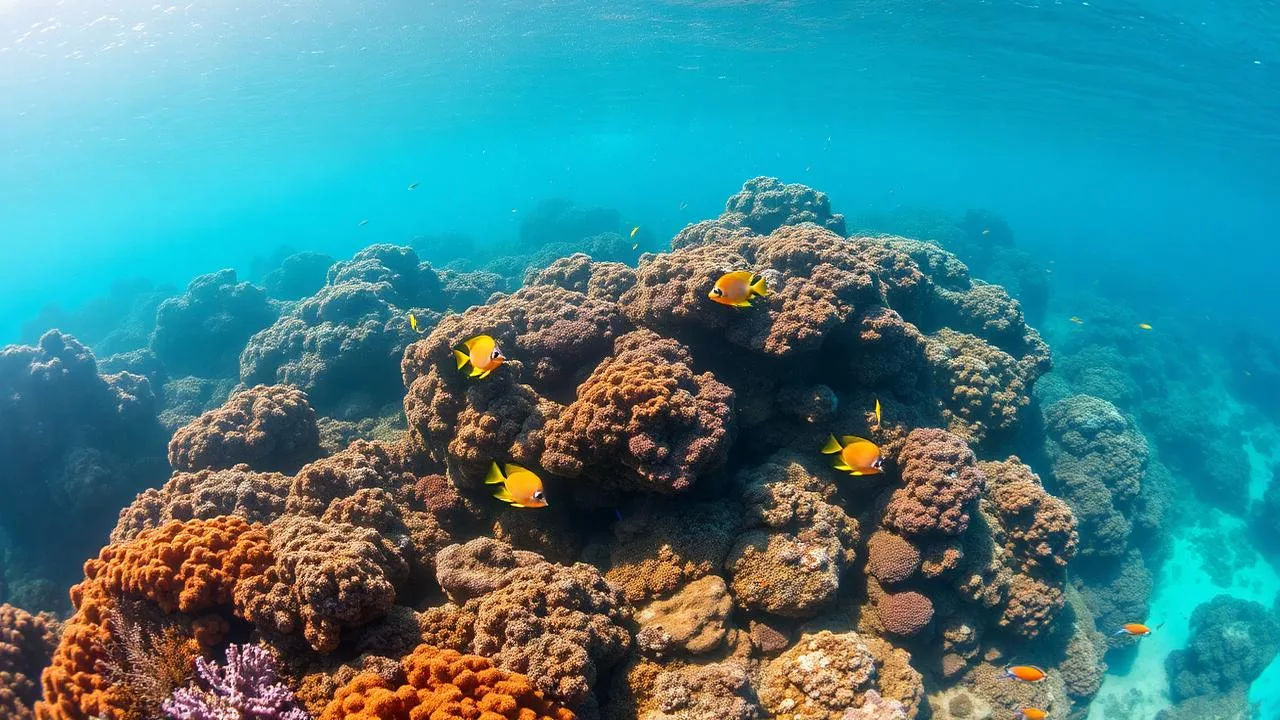
Liveaboards move beyond the busiest day-boat platforms to spend dawn, day and night dives on offshore Ribbon Reefs. Multi-night boats can schedule dawn and night dives and reach northern sites well beyond the fixed day-trip pontoons. Night dives on the outer Ribbon Reefs reveal sleeping turtles, hunting sharks and bioluminescence away from coastal glare.
Multi-night boats reach outer-reef coral beyond the busiest Cairns day-trip sites.
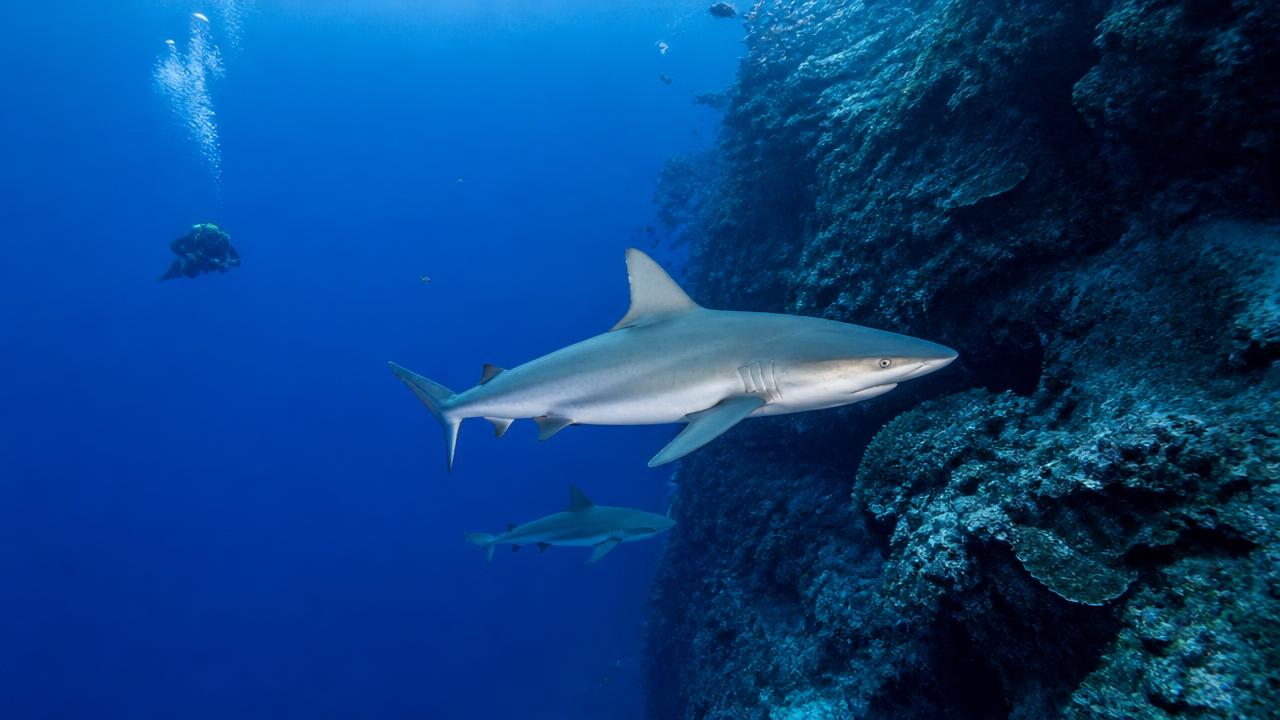
Longer expeditions reach oceanic reefs such as Osprey, where steep walls and reef sharks define the diving. Osprey and Bougainville add walls, sharks and open-ocean visibility for divers comfortable with remote expedition diving. Visibility can exceed 40 metres on the oceanic reefs, with steep walls dropping into deep blue water.
Coral Sea extensions add deep walls, blue water and shark-focused dives.
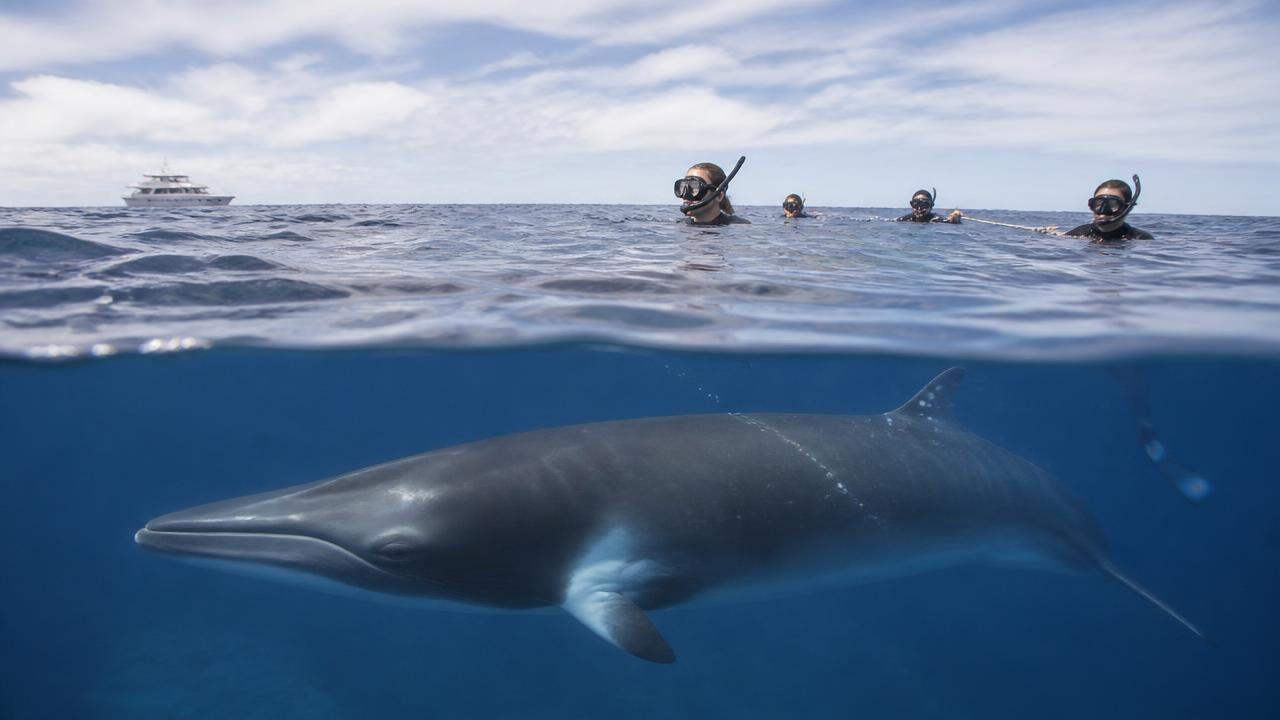
A tightly regulated June–July season creates rare in-water encounters on selected northern Ribbon Reef expeditions. Licensed programmes follow a code of practice during the short June–July aggregation, and the whales choose whether to approach. The encounter is entirely on the whales' terms; divers hold a line and wait for the animals to approach and circle the group.
Permitted June and July expeditions follow strict in-water encounter procedures.
Choose the Great Barrier Reef & Ribbon Reefs itinerary that matches your experience, season and wildlife priorities. Route names can look similar while covering different ports, sites and sea conditions, so compare the actual daily programme rather than the headline alone.
Lizard Island, Cod Hole, coral bommies and remote numbered Ribbon Reefs beyond day-boat range
mostly recreational profiles with current on outer reef edges
Year-round; June–July adds the regulated dwarf-minke encounter season
Osprey and Bougainville reefs, steep blue-water walls and shark dives far east of Cairns
50 dives recommended, long crossings, deep walls and exposed conditions
September–December for many dedicated Coral Sea expedition departures
Northern Ribbon Reefs with licensed, code-of-practice encounters when dwarf minkes approach
confident swimming and strict adherence to the in-water encounter briefing
June–July; a short aggregation window with no guaranteed approach
Operator rules vary, but the practical guidance below helps you choose a route you can enjoy safely.
| Route | Certification | Logged dives | Conditions | Gear |
|---|---|---|---|---|
| Ribbon Reefs & Cod Hole | Advanced Open Water recommended | 30+ recommended | Coral gardens and bommies at 8–25 m, 15–25 m visibility, mild to moderate current on outer reef edges | DSMB; nitrox recommended where available |
| Coral Sea expedition | Advanced Open Water recommended | 50+ recommended | Oceanic walls dropping past 40 m, 25–40 m visibility, blue-water shark dives and exposed open-sea conditions | DSMB; nitrox recommended where available |
| Dwarf minke expedition | Open Water or Advanced | 30+ recommended | Shallow northern Ribbon Reefs at 8–20 m, 15–25 m visibility, calm winter conditions on a drift line | DSMB; nitrox recommended where available |
Reef condition varies across a system longer than many countries. Responsible copy cannot promise that every site is untouched; skippers select the strongest available reefs around weather, permits and current conditions. The operator's published minimum, check-dive assessment and safety rules always take precedence.
These are the sites that define a Great Barrier Reef & Ribbon Reefs liveaboard itinerary. Compare their topography, conditions and location against the daily programme rather than assuming every regional cruise visits the same places.
The tropical northern Great Barrier Reef is diveable year-round. Dry-season months usually offer calmer humidity and clearer water, while the warmer wet season brings coral spawning, summer storms and different wildlife activity.
Dec–Feb
28–30 °CWarm, humid wet-season diving brings tropical showers and occasional cyclonic disruption. Coral spawning follows specific late-spring moon cycles rather than covering the entire period.
Mar–May
26–29 °CA transition toward drier weather combines warm water with improving surface conditions. Visibility remains site-dependent, particularly after rain near the coast.
Jun–Aug
23–26 °CDry-season air, lower humidity and often excellent outer-reef visibility suit Ribbon Reef expeditions. June and July are the licensed dwarf-minke encounter window.
Sep–Nov
25–29 °CWater warms through spring, winds often ease and coral reproductive activity builds toward spawning nights. November can be spectacular but exact timing varies annually.
The outer Ribbon Reefs are much farther offshore than Cairns day sites and usually have clearer oceanic water. Trade winds can still create chop in the dry season, while dwarf-minke and coral-spawning encounters follow strict codes and natural timing; neither should be presented as guaranteed.
Plan a Great Barrier Reef & Ribbon Reefs liveaboard around the encounters that matter most to you. The bars show stronger historical windows, not promises, and the location line explains where each animal is normally sought.
Peak bars show historically stronger encounter windows; shoulder months can still produce excellent dives, while wild-animal encounters are never guaranteed.
Cairns is the principal gateway for Ribbon Reef and Coral Sea expeditions. Longer one-way trips may include a light-aircraft sector to or from Lizard Island instead of returning by sea.
Cairns Marlin Marina
The main embarkation point for multi-night outer-reef vessels. It is in central Cairns, around 10–20 minutes by road from the international airport.
Cairns Airport (CNS)
The best-connected air gateway for the northern Great Barrier Reef fleet. Domestic connections run from Australia's major cities, with selected international services.
Lizard Island
A fly-in or fly-out point on selected one-way Ribbon Reef itineraries. The small aircraft sector is weather-dependent and has stricter baggage limits.
Townsville
An alternative Queensland gateway for selected central-reef or Coral Sea voyages. It is not interchangeable with Cairns, so confirm the vessel's actual marina before booking.
Stay in Cairns the night before departure, particularly when the trip includes a light-aircraft sector. Soft luggage is often required on small planes, weather can alter fly-dive timing, and divers must retain the operator's stated no-fly interval after the final dive.
Leave the day boats behind for coral gardens, remote Ribbon Reefs and the vast blue edge of the Coral Sea. Compare live departures and find the journey that reveals Australia's reef at its most spectacular.
Great Barrier Reef & Ribbon Reefs liveaboards
Fly-dive legs and longer Coral Sea expeditions command higher prices than short outer-reef trips.
A cabin, meals, tanks, weights, guides and the scheduled dives are normally included; exact inclusions vary by boat.
Budget separately for flights, transfers, marine-park or port fees, nitrox, rental gear, gratuities and any required hotel nights.
Prices move with season, cabin type, trip length and remaining availability. Open a departure for the final operator breakdown.
The calendar below shows how liveaboard prices shift month by month, so you can see exactly when your money goes furthest. We want every diver to get the best possible value, which is why we highlight the seasons that balance great conditions with the fairest rates.
$403–$403
per day liveaboard
Prices reflect typical costs for mid-range to premium options. Budget alternatives may be available.
Compare Great Barrier Reef & Ribbon Reefs with its country overview and other strong liveaboard regions.
Explore our expedition vessels and find your perfect trip to Great Barrier Reef & Ribbon Reefs