About Tiger Beach South
Tiger Beach South, situated on the western edge of the Little Bahama Bank, is not a single dive site but a expansive area celebrated globally for its consistent shark encounters. This shallow, sandy expanse offers divers unparalleled opportunities to interact with apex predators, primarily tiger sharks, making it a bucket-list destination for shark enthusiasts and underwater photographers. The topography consists mainly of clear, shallow sand flats, interspersed with healthy reef systems teeming with diverse marine life. Depths typically range from 3 to 30 meters, with much of the action occurring around 6 meters, providing extended bottom times and excellent natural light for photography. The pristine white sand bottom and exceptional visibility contribute to an ethereal underwater experience, particularly with large marine fauna. While tiger sharks are the undeniable stars, the site also hosts a resident population of lemon sharks, Caribbean reef sharks, and occasional nurse sharks. Great hammerheads are more likely to appear during specific months, adding another layer of excitement. The year-round presence of these sharks is largely due to the protective ban on shark fishing in the Bahamas, allowing populations to thrive. Dive experiences here are unique, often involving a professional shark feeder and divers positioned strategically to observe the sharks up close. This controlled environment ensures safety while maximizing interaction, making it accessible even for newly certified divers who are comfortable with the unique nature of the dives.
Highlights
Reliable tiger shark encountersShallow sand flat divesExceptional water clarityLemon and reef shark sightingsOpportunities for great hammerheadsDedicated shark feeding sessionsUnique underwater photographyProtected marine environment
Season calendar
Best months to dive here
Jan
Feb
Mar
Apr
May
Jun
Jul
Aug
Sep
Oct
Nov
Dec
Excellent
Good
Off-Season
Nov – May (Peak)
Tiger sharks at Tiger Beach, hammerheads off Cat Island, best visibility up to 40m, calm seas.
Jun & Oct (Shoulder)
Reef sharks, nurse sharks, dolphins. Slightly rougher seas but still diveable.
Jul – Sep (Hurricane)
Many operators pause. If open, expect reduced visibility and unpredictable weather.
Dive site facts: Tiger Beach South
- Depth
- 3–30 m
- Typical dive
- 6 m, up to 120 min
- Current
- Mild to moderate, afternoon increase
- Visibility
- 18–120 m
- Water temperature
- 24–31°C
- Entry
- Boat / Giant stride
- Level
- Open Water Diver, comfortable with sharks
- Dive type
- Shark diving, wide-angle photography
- Night dive
- Not specified
- Region / port
- Grand Bahama, Bahamas
- Coordinates
- 26.85, -79.05
Conditions & Currents
Currents at Tiger Beach South are generally manageable, but they can be a factor, especially in the afternoon when regular currents tend to pick up. Divers often position themselves in a 'V' formation facing into the current during shark feeds, allowing the chum to drift through the group. The shallow depths mean divers can usually remain stationary on the sandy bottom, heavily weighted, making current less of a strenuous issue for finning but important for maintaining position. Visibility is consistently excellent, often reaching 18 to 120 meters, though particulate matter from sand disturbed by sharks or divers can occasionally reduce it locally. Entry is typically a giant stride from a boat, and negative entries might be recommended to quickly get below surface currents, though this is more for other Bahamian drift dives than the specific sand flat shark encounters here.
Marine life & sighting chances

Tiger shark
Year-round, peak Oct-Jan · common
Lemon shark
Year-round · common
Caribbean reef shark
Year-round · common
Great hammerhead shark
Dec-Mar · occasional
Nurse shark
Year-round · occasional
Bull shark
occasional
Remora
Year-round · common
Atlantic spotted dolphin
occasional
Bottlenose dolphin
occasional
Green sea turtle
occasional
Eagle ray
occasionalDive profile & how the dive runs
Dives at Tiger Beach South typically begin with a giant stride entry from the boat. Divers are usually advised to be overweighted to quickly descend and remain stationary on the shallow, sandy bottom, often forming a 'V' shape. Professional shark feeders work at the apex of the 'V', using chum to attract sharks and guide their movements through the group. The focus is on observing the tiger sharks, lemon sharks, and reef sharks as they investigate the area. Dives are generally long, up to 120 minutes, due to the shallow depth, mostly around 6 meters, allowing for extended observation. There is no specific 'turn point' or 'route' in the traditional sense; instead, divers remain largely in position, observing the action. Safety stops are standard at the end of the dive, before ascending back to the boat.
Underwater photography
Tiger Beach South is a premier location for wide-angle underwater photography, especially for sharks. The exceptionally clear, shallow water and bright sandy bottom provide ideal conditions for natural light photography and strong strobe illumination. A fisheye lens is highly recommended to capture the full scope of multiple large sharks in close proximity. External strobes are essential to bring out colors and freeze motion, especially when sharks move quickly. Given the shallow depth, managing ambient light with shutter speed and aperture is crucial. Divers should practice excellent buoyancy control to avoid disturbing the sandy bottom, which can reduce visibility. Always maintain a respectful distance and follow the instructions of the shark wranglers, prioritizing safety over getting a specific shot. The consistent presence of sharks means ample opportunities for unique and dramatic images.
Combine with nearby dive sites
- Tiger Beach
The broader area of shark encounters, Tiger Beach South is part of this larger zone.
- The Washing Machine
A unique drift dive characterized by strong currents and a 'washing machine' effect before a relaxing drift over a reef.
- Shark Alley
Another shark diving site, often part of broader Bahamian itineraries.
Getting there & logistics
Access to Tiger Beach South is predominantly via liveaboard vessels departing from ports in the Bahamas, such as Freeport on Grand Bahama, or sometimes from Florida in the US. Grand Bahama International Airport (FPO) in Freeport and Lynden Pindling International Airport (NAS) in Nassau are the main international gateways. Liveaboard trips typically range from 5 to 7 days, with some focusing exclusively on Tiger Beach, while others combine it with other Bahamian dive sites. Booking well in advance, especially for peak season (December to April) shark-specific itineraries, is highly recommended due to high demand. While most dive sites don't require permits, specialized shark diving excursions may involve additional costs or briefings. Consider dive-specific travel insurance to cover potential weather cancellations, particularly during the wetter months.
Safety & environment
Diving at Tiger Beach South involves close interactions with large predatory sharks, requiring adherence to strict safety protocols. While operators employ experienced shark wranglers, divers must remain vigilant and follow all instructions implicitly. The primary risk is often not from unprovoked attacks, but from rapid, unexpected movements by sharks, especially when chum is present. Maintaining a calm demeanor, keeping limbs close to the body, and being aware of your surroundings (360-degree check) are crucial. Nearest recompression chambers are typically in Freeport or Nassau. Emergency evacuation would involve boat transport to the nearest medical facility, followed by air evacuation if necessary. Dive insurance, including coverage for shark diving and emergency medical evacuation, is non-negotiable. Divers should never attempt to touch or feed the sharks themselves. Given the shallow depths, it's vital to avoid rapid ascents, especially if startled by a shark encounter.
Who it suits — and who it doesn't
Suited for
- Shark diving enthusiasts
- Underwater photographers
- Experienced divers comfortable with large animals
- Divers seeking unique animal encounters
- Those who enjoy extended bottom times
Less suited for
- Divers uncomfortable with sharks
- Beginner photographers not yet comfortable with strobes/wide-angle
- Divers prone to panic in close proximity to large marine life
- Those seeking traditional reef dives without shark interactions
- Divers with poor buoyancy control
FAQ
Tiger Beach South FAQ
What kind of sharks can I expect to see at Tiger Beach South?
At Tiger Beach South, you are virtually guaranteed to encounter tiger sharks, often alongside numerous lemon sharks and Caribbean reef sharks. Nurse sharks are also occasional visitors. During the cooler months, especially from December to March, there is a good chance of seeing great hammerhead sharks, making it an incredibly diverse shark diving experience.
Is Tiger Beach South suitable for all dive levels?
While the diving conditions in terms of depth and current are generally not challenging, the nature of the dive—interacting closely with large, wild sharks—requires a certain comfort level. Newly certified divers can participate, but it is essential to be calm, follow all instructions from the dive masters, and be comfortable being in the water with numerous apex predators. It is less about advanced diving skills and more about psychological readiness.
How are the shark encounters managed for safety?
Safety at Tiger Beach South is meticulously managed by experienced shark wranglers and dive professionals. Dives often involve a controlled feeding setup where divers remain stationary on the sand while sharks are attracted by chum. Divers are instructed to maintain specific positions, use shark safety poles if necessary, and avoid any sudden movements or attempts to touch the sharks. These protocols ensure a safe and respectful interaction.
What is the visibility like at Tiger Beach South?
Visibility at Tiger Beach South is consistently excellent, often ranging from 18 to 120 meters (60 to 400 feet). The clear, shallow waters and bright, sandy bottom contribute to outstanding clarity. While the presence of many sharks and divers can sometimes stir up the sand, causing localized temporary reductions, the overall visibility remains superb, ideal for photography and observation.
What is the best way to get to Tiger Beach South?
The most common and recommended way to experience Tiger Beach South is by booking a liveaboard trip, often departing from Freeport on Grand Bahama or sometimes from Florida. Liveaboards provide dedicated access to the site and offer multiple dives over several days. Some land-based operators from Grand Bahama also offer day trips, but liveaboards generally provide a more immersive experience.
Are there any strong currents at Tiger Beach South?
Currents at Tiger Beach South are typically mild to moderate. While they can pick up, especially in the afternoon, they are generally manageable. Divers usually position themselves facing into the current during shark feeds. The shallow depths allow divers to be heavily weighted and remain stationary on the sandy bottom, minimizing the effort required to combat any currents.
Why dive Tiger Beach South from a liveaboard?
Tiger Beach South is one of Bahamas's signature dive sites. A liveaboard sleeps you on the water and puts you in the water for three to four guided dives per day, including dawn and night dives that day-boat operators rarely offer. You skip the daily commute back to port and reach quieter, less-crowded sites in the same region on a single trip.
Below are the liveaboards that include Tiger Beach South on their Bahamas itineraries.
Liveaboards diving Tiger Beach South
These liveaboards may visit Tiger Beach South on selected itineraries — the exact dive sites depend on departure, weather and conditions.
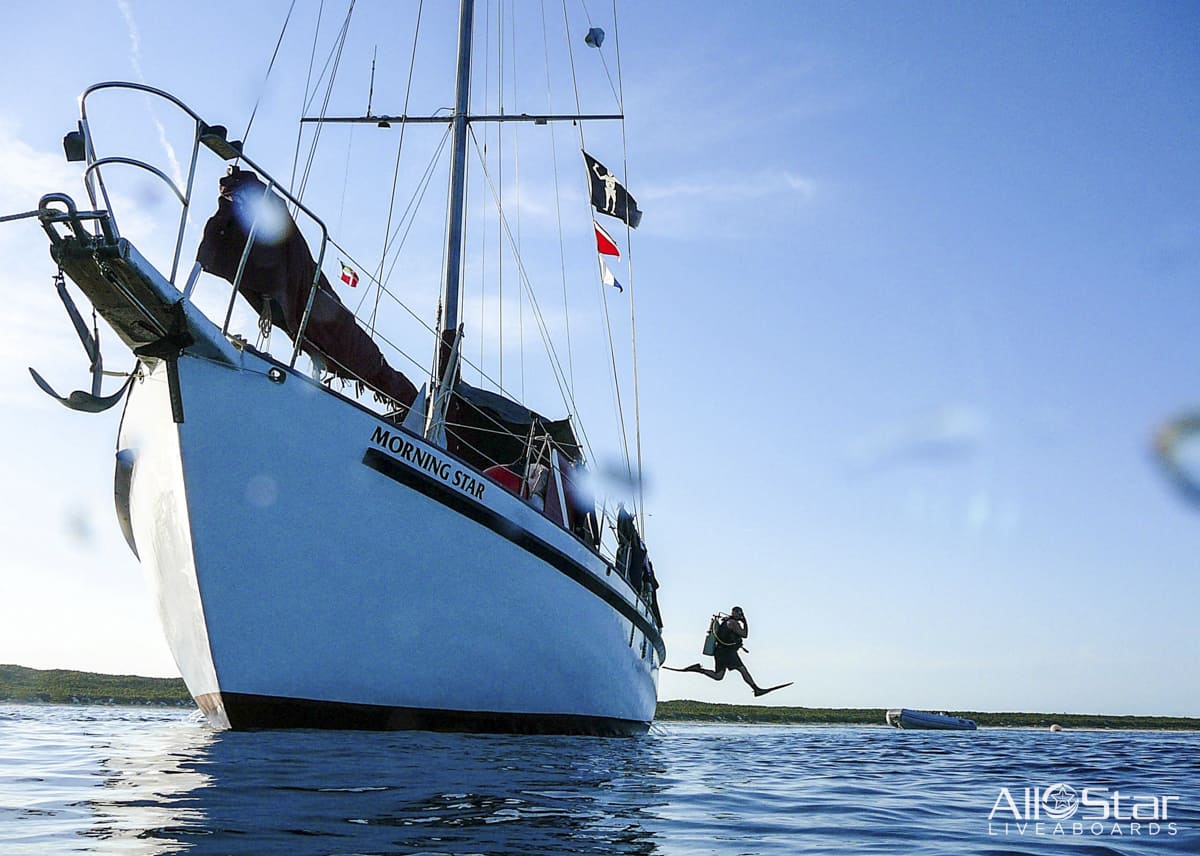
All Star Blackbeards Morning Star
Bahamas
24 guests20 m
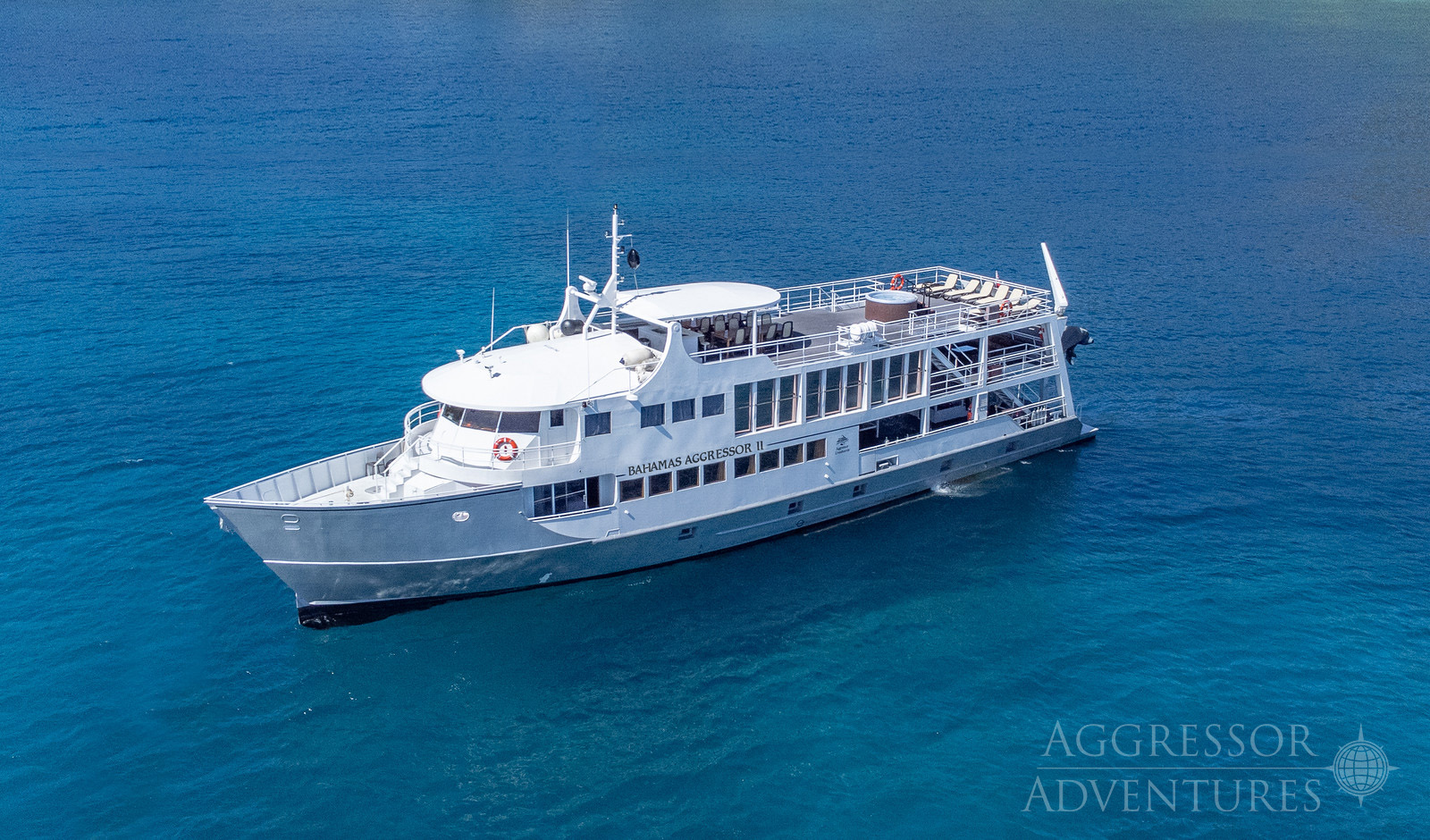
Bahamas Aggressor II
Bahamas
20 guests34 m
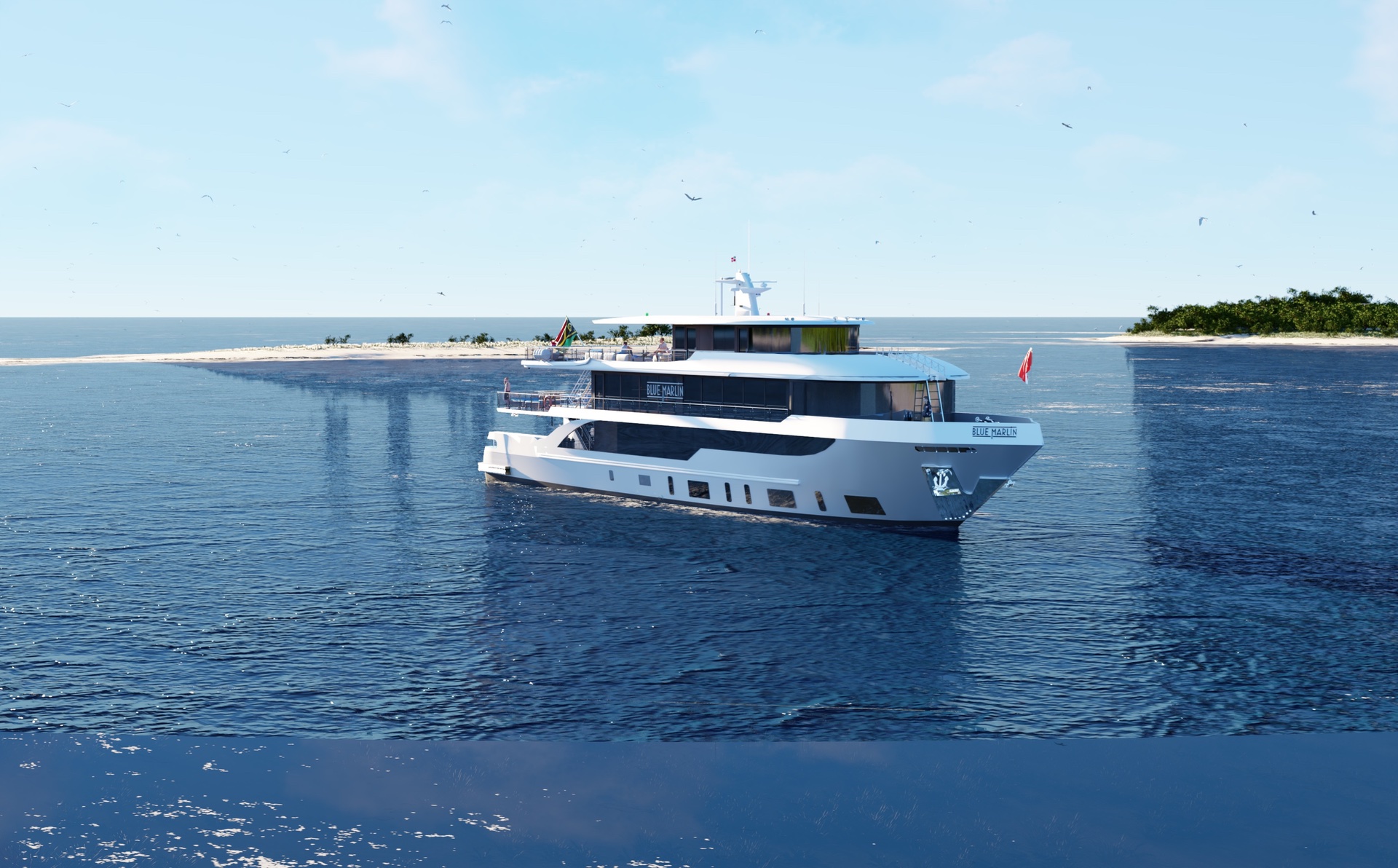
Blue Marlin
Bahamas
26 guests42 m
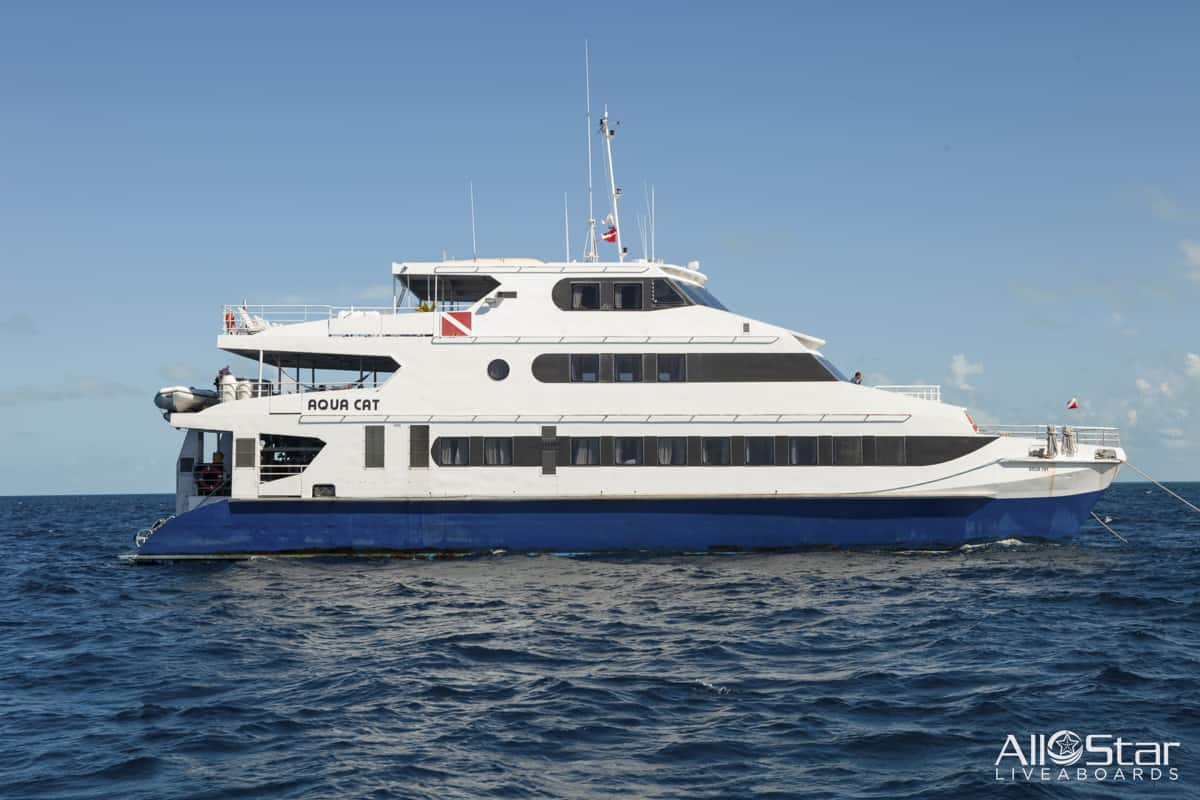
All Star Aqua Cat
Bahamas
30 guests31 m
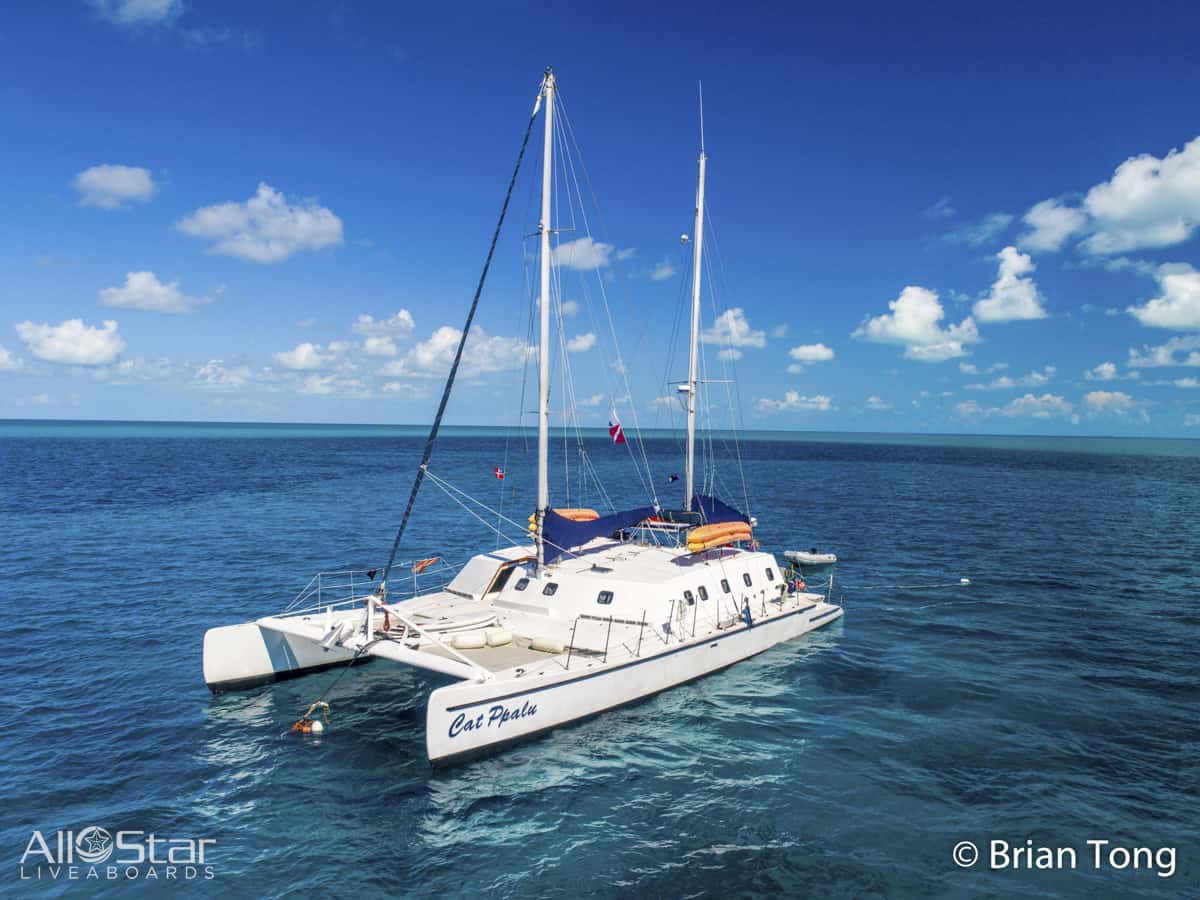
All Star Cat Ppalu
Bahamas
12 guests20 m
Dive sites similar to Tiger Beach South
Same character, same waters — six more sites divers love for the exact same reasons.Compare seasons, access and liveaboard routes — then pick the site that fits your trip best.
© Esri — Maxar, Earthstar, GIS
3 Fathom Wall
Cayman Islands
3 Fathom Wall is an exciting and fish-filled dive site located in the Cayman Islands, specifically at the intersection of the renowned Bloody Bay Wall.
- Suitable for
- Intermediate
- Current
- Mild
- Access
- Liveaboard only
- Depth
- ≤ 3000 m
- Theme
- Reef
While specific details for a dive site named "3 Riff" are not present in the provided sources, general diving conditions and characteristics for the Dominican Republic…
- Suitable for
- Advanced
- Current
- Mild
- Access
- Dayboat
- Depth
- 30–55 m
- Theme
- Reef
The dive site known as 3 Rocks is located off the coast of Sosúa in Puerto Plata, Dominican Republic, offering an accessible and lively underwater experience.
- Suitable for
- Beginner
- Current
- Mild
- Access
- Dayboat
- Depth
- 2–8 m
- Theme
- Reef
4 Amigos is a notable dive site located in the Bay Islands of Honduras, an area renowned for its extensive Mesoamerican Barrier Reef System, which is the world's second-longest.
- Suitable for
- Intermediate
- Current
- Moderate
- Access
- Liveaboard or dayboat
- Depth
- 9–40 m
- Theme
- Reef
© Esri — Maxar, Earthstar, GIS
6 Toed Cat
Mexico
The dive site known as "6 Toed Cat" is not a recognized dive location in Mexico; rather, it refers to the polydactyl felines, many with six toes, that inhabit the Ernest Hemingway Home and Museum in Key West, Florida.
- Suitable for
- Beginner
- Current
- Mild
- Access
- Liveaboard or dayboat
- Depth
- —
- Theme
- Reef
© Esri — Maxar, Earthstar, GIS
Aaron's Backyard
Honduras
Aaron's Backyard is a noted dive site within the Roatan Marine Park in Honduras, part of the extensive Mesoamerican Barrier Reef System.
- Suitable for
- Intermediate
- Current
- Moderate
- Access
- Liveaboard or dayboat
- Depth
- 9–40 m
- Theme
- Reef