About Omega Reef
Omega Reef is a vibrant reef site situated in Grand Cayman's East End, within Old Man Bay. This location was historically identified by captains who aligned their vessels with a distinctive crooked palm tree on the shore, shaped like the Greek letter omega, before GPS and mooring balls became common. Its sheltered position allows for an exceptional proliferation of corals and sponges, even in shallower areas, creating a vivid display of marine colors. The dive begins directly beneath the boat at a miniwall, rich with life, where the full spectrum of color is visible at depths as shallow as 25 feet, unaffected by significant light absorption. After exploring this bustling miniwall, divers can head north for a short distance to reach the main wall, which starts at a depth of 60 feet. While not a traditional wall dive that descends into extreme depths, a leisurely journey to this drop-off and back offers a rewarding exploration of the site's full extent. Marine life includes occasional Cero, often referred to as Kingfish, observed swimming purposefully through the water column. The coral and sponge growth in the shallows is particularly striking, presenting a kaleidoscope of color. Although specific seasonal highlights for Omega Reef are not detailed, Grand Cayman's waters generally offer stable temperatures year-round, typically between 78–84°F, with excellent visibility often exceeding 100 feet. The island's lack of rivers and runoff contributes to these clear conditions. Omega Reef is suitable for a range of divers, with a maximum depth of 60 feet. It is frequently visited by dive operators, suggesting it's accessible and offers consistent conditions. The typical run time from the dock to the site is around 30 minutes. Divers can expect to enjoy a colorful and active reef experience, making it a popular choice for exploring the East End's underwater landscape.
Highlights
East End reef diveAbundant marine lifeHealthy coral formationsCalm summer conditionsExcellent visibilityPart of Old Man Bay zone
Season calendar
Best months to dive here
Jan
Feb
Mar
Apr
May
Jun
Jul
Aug
Sep
Oct
Nov
Dec
Excellent
Good
Dive site facts: Omega Reef
- Depth
- 8–18 m
- Current
- Mild
- Visibility
- 100 ft+
- Water temperature
- 78–84°F (26–29°C)
- Entry
- Boat
- Level
- All levels
- Dive type
- Reef
- Region / port
- Grand Cayman, East End
- Coordinates
- 19.5053° N, 80.9133° W
Conditions & Currents
Sea conditions around Grand Cayman are typically favorable year-round, characterized by calm waters and minimal swells, simplifying entry and exit procedures. The Cayman Islands have a small tidal range, which results in milder currents compared to many other global dive locations. This allows for a more relaxed diving experience, suitable for exploring reefs without the added stress of strong flows. While currents are generally mild, understanding local water movement is key, especially during an incoming tide which often brings clearer water and more stable conditions. Prevailing northeast winds in winter contribute to stable, safe conditions, while summer months might see wind shifts leading to choppier surface conditions, but usually without impacting the mild underwater currents significantly. Divers should always be aware of their position relative to the current and be prepared f
Marine life & sighting chances
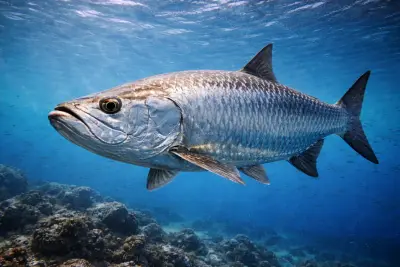
Tarpon
common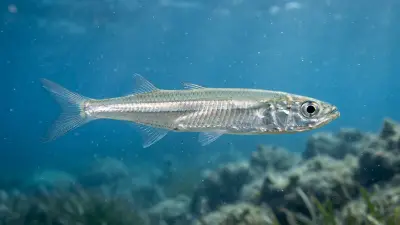
Silversides
common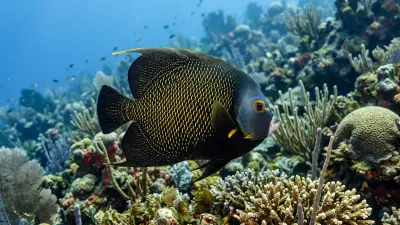
French Angelfish
common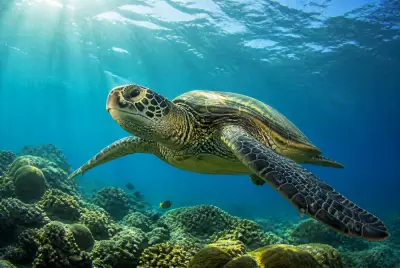
Turtles
occasional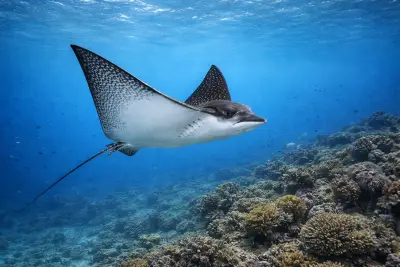
Eagle Rays
occasional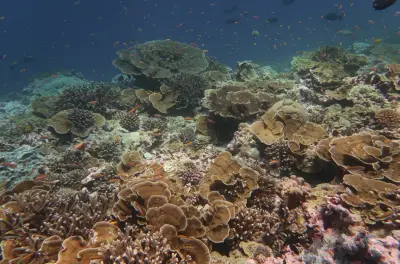
Colorful Reef Fish
commonVarious critters
commonDive profile & how the dive runs
Diving at Omega Reef typically involves a boat entry, with the dive boat positioning divers upstream of the reef. The dive follows the natural contours of the reef, allowing divers to drift gently with the mild currents characteristic of the East End. Divers will explore the vibrant coral formations and abundant marine life. Depth progression will likely be relatively shallow, consistent with a reef dive, allowing for extended bottom times. The turnaround point is determined by air consumption and dive time, ensuring a comfortable safety stop. The boat tracks divers and performs a pickup at the surface, eliminating the need to swim back against any current. Buoyancy control is paramount to avoid contact with the delicate reef system while enjoying the drift.
Underwater photography
Omega Reef offers excellent opportunities for wide-angle photography, capturing the healthy coral formations and the overall reefscape. Its abundant and unafraid marine life also makes it suitable for macro photography, so consider bringing a versatile setup. Given the clear waters, natural light can be sufficient in shallower areas, but strobes or video lights will enhance colors and clarity, especially when shooting into the reef or at greater depths. Maintain impeccable buoyancy to avoid disturbing sediment or corals, ensuring clear shots and preserving the environment. Be mindful of not chasing or cornering marine life, allowing for natural, unforced interactions.
Combine with nearby dive sites
- Julie’s Wall
Julie’s Wall is a standout dive site located in the East End of Grand Cayman, an area cherished for its remote and unspoiled nature.
- Babylon Wall
Babylon is a captivating dive site located in the Alor Sea, renowned for its exceptional visibility and vibrant marine ecosystem.
- McCurley’s Wall
McCurley’s Wall is a distinctive dive site located in Grand Cayman's East End, within the Old Man Bay zone, known for its dramatic wall…
- Northern Lights
Northern Lights is an exceptional coral reef dive site located on the East End of Grand Cayman, known for its dazzling visual effects.
- Top Secret Reef
Top Secret is a shallow reef dive site located in Grand Cayman's East End, specifically in Old Man Bay.
- Little Bluff Reef
Getting there & logistics
Grand Cayman is served by Owen Roberts International Airport (GCM), with numerous direct flights. Dive trips to Omega Reef typically depart from operators in the East End, such as Ocean Frontiers, which is about a 30-minute boat ride to the Old Man Bay zone where Omega Reef is located. Most dive operations offer complimentary pickups from hotels or condos along Seven Mile Beach. Trips are usually day excursions, often two-tank dives, providing snacks and water on board. While no specific permits or fees are mentioned for Omega Reef itself, diving in the Cayman Islands generally operates within marine parks, adhering to responsible diving practices. This site is frequently combined with other East End reef and wall dives as part of multi-day dive packages or challenges like the 'Green Short Challenge'.
Safety & environment
In case of a diving emergency in Grand Cayman, the nearest recompression chamber is located at Georgetown Hospital. For non-emergency medical needs, Chrissie Tomlinson Memorial Hospital is also available. Divers should always carry valid dive insurance to cover potential medical and evacuation costs, as evacuation, while possible, can be complex and expensive. On-site, dive guides are highly experienced with local conditions, including currents, ensuring safe entry and exit procedures. It is crucial to pay close attention to the dive briefing, stay with your buddy, and maintain neutral buoyancy to protect the reef. The East End dive operators monitor weather and sea conditions carefully, relocating dives to calmer areas if necessary, such as the North, West, or South sides of the island when winds are high.
Who it suits — and who it doesn't
Suited for
- Divers seeking vibrant reef ecosystems
- Underwater photographers focusing on wide-angle or macro shots
- Divers who appreciate calm, clear water conditions
- Those looking for abundant marine life encounters
- Divers participating in multi-site challenges
Less suited for
- Divers primarily interested in deep wall diving (though walls are nearby)
- Those expecting strong currents or drift challenges
- Divers who prefer shore-based entries
- Individuals seeking wreck-specific exploration
- Beginners unfamiliar with boat entries or mild currents
FAQ
Omega Reef FAQ
What kind of marine life can I expect to see at Omega Reef?
Omega Reef is known for its abundant and unafraid marine life. Divers frequently encounter silvery Tarpon hovering in mid-water, schools of glittery Silversides, and colorful French Angelfish. Occasional sightings of turtles and eagle rays are also possible, alongside a variety of smaller reef fish and critters that thrive in this healthy coral environment.
Are the currents strong at Omega Reef?
The Cayman Islands, including Omega Reef, are characterized by generally mild currents due to their small tidal range. This creates a relaxed diving experience where divers can often drift gently along the reef. Dive operators typically plan entries and exits to utilize these currents, minimizing effort for divers.
Is Omega Reef suitable for beginner divers?
Yes, Omega Reef is generally suitable for divers of all experience levels, including beginners. The calm waters, excellent visibility, and mild currents make it an accessible site. Dive operators in Grand Cayman maintain small group sizes and provide guided tours, ensuring personalized attention and a safe experience for less experienced divers.
How do I get to Omega Reef?
Omega Reef is located in the East End of Grand Cayman, specifically in the Old Man Bay zone. Access is exclusively by boat, with dive operators like Ocean Frontiers providing trips. The journey from the dive center to the site typically takes about 30 minutes, and operators often offer complimentary transportation from accommodations along Seven Mile Beach.
What is the water temperature and visibility like at Omega Reef?
Grand Cayman boasts consistently warm water temperatures, ranging from 80-84°F (26-29°C) between April and October, and 78-80°F (26-27°C) from October to March. Visibility is exceptional year-round, often exceeding 100 feet. While occasional rain or tide changes can slightly reduce it, excellent clarity is the norm.
Why dive Omega Reef from a liveaboard?
Omega Reef is one of Cayman Islands's signature dive sites. A liveaboard sleeps you on the water and puts you in the water for three to four guided dives per day, including dawn and night dives that day-boat operators rarely offer. You skip the daily commute back to port and reach quieter, less-crowded sites in the same region on a single trip.
Below are the liveaboards that include Omega Reef on their Cayman Islands itineraries.
Liveaboards diving Omega Reef
These liveaboards may visit Omega Reef on selected itineraries — the exact dive sites depend on departure, weather and conditions.
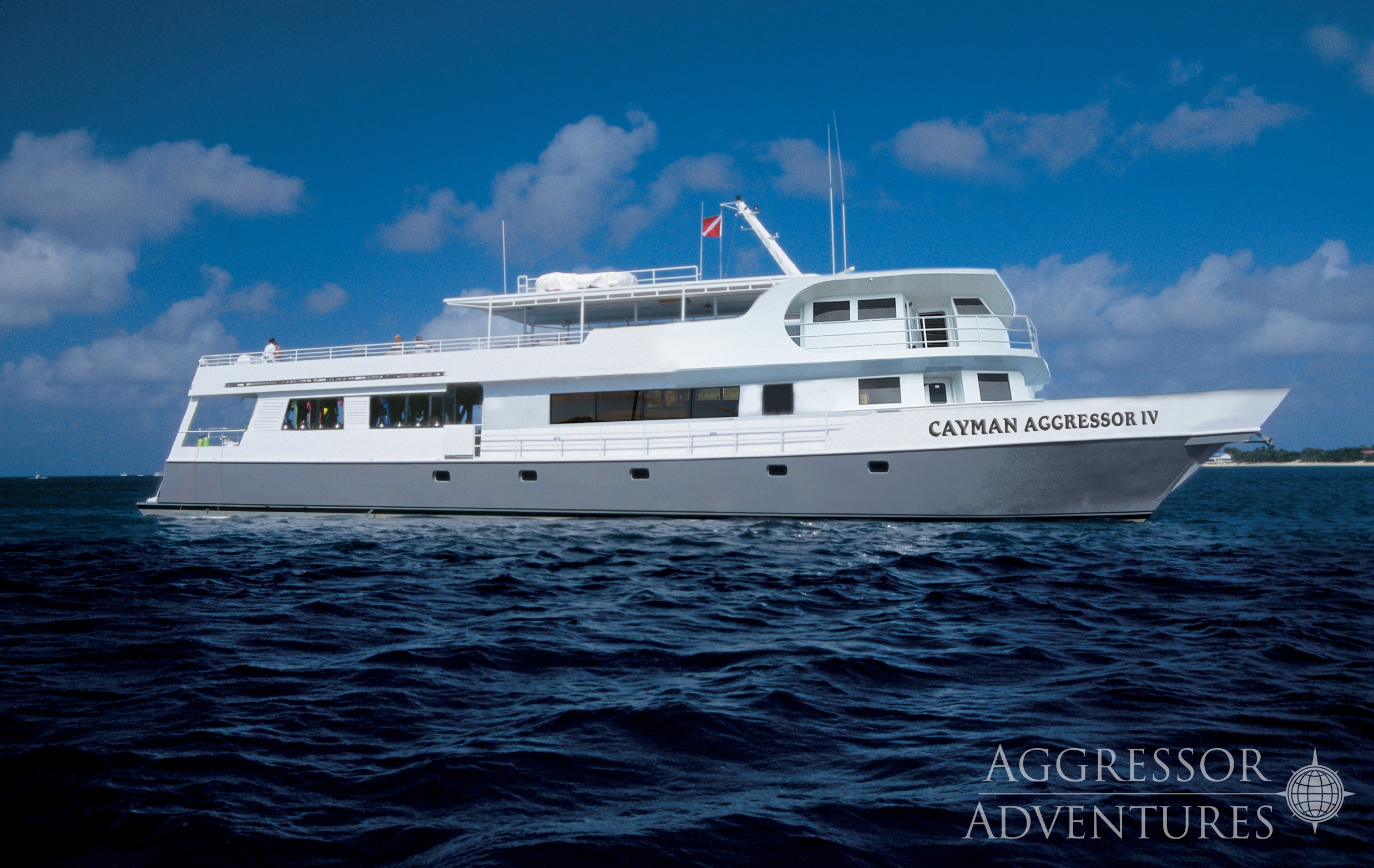
Cayman Aggressor IV
Cayman Islands
18 guests32.9 m
$328/day
Dive sites similar to Omega Reef
Same character, same waters — six more sites divers love for the exact same reasons.Compare seasons, access and liveaboard routes — then pick the site that fits your trip best.
© Esri — Maxar, Earthstar, GIS
Big Table Rock
Cayman Islands
Big Table Rock is a well-known dive site located in George Town, Grand Cayman, offering a diverse and visually striking underwater landscape.
- Suitable for
- Intermediate
- Current
- Mild
- Access
- Dayboat
- Depth
- 10–30 m
- Theme
- Reef / Wall
© Esri — Maxar, Earthstar, GIS
North Wall
Cayman Islands
The North Wall of Grand Cayman stands as one of the most celebrated and visually striking dive regions, stretching along the island's northern coastline.
- Suitable for
- Advanced
- Current
- Mild
- Access
- Liveaboard or dayboat
- Depth
- 50–100 m
- Theme
- Reef
© Esri — Maxar, Earthstar, GIS
Parrot's Reef
Cayman Islands
Parrot's Reef is a notable dive site found along Grand Cayman's South coast, distinct from the more frequently dived West and North Walls.
- Suitable for
- Beginner
- Current
- Mild
- Access
- Dayboat
- Depth
- 12–15 m
- Theme
- Reef
© Esri — Maxar, Earthstar, GIS
Lighthouse Reef
Cayman Islands
Lighthouse Reef, situated near the West End dock of Cayman Brac, provides a distinctive shallow reef diving experience.
- Suitable for
- Beginner
- Current
- Strong
- Access
- Shore / dayboat
- Depth
- 10–25 m
- Theme
- Reef
© Esri — Maxar, Earthstar, GIS
Marty's Wall
Cayman Islands
Marty's Wall is a dive site located in West Bay, Grand Cayman, an area known for its dramatic wall dives and pristine coral ecosystems.
- Suitable for
- Intermediate
- Current
- Mild
- Access
- Dayboat
- Depth
- 12–36 m
- Theme
- Wall / Reef
© Esri — Maxar, Earthstar, GIS
Japanese Gardens
Cayman Islands
Japanese Gardens is a notable dive site located on the South Coast of Grand Cayman, primarily visited when northerly winds make diving on the North Wall less accessible.
- Suitable for
- Beginner
- Current
- Mild
- Access
- Liveaboard or dayboat
- Depth
- 12–15 m
- Theme
- Reef