About McCurley’s Wall
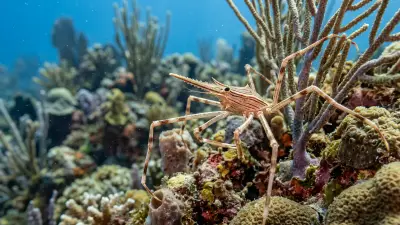
McCurley’s Wall is a distinctive dive site located in Grand Cayman's East End, within the Old Man Bay zone, known for its dramatic wall diving. Named after McCurley Greene, who lives directly onshore, this site is approximately a 30-minute boat ride from Ocean Frontiers' dock. It is particularly frequented in the summer months when southeast winds create calm seas in this area. The site is characterized by its shallow starting depth of 12 meters (40 feet), where the reef top abruptly transitions into a vertical, sheer drop-off. The topography allows for varied dive profiles, beginning on a vibrant reef shelf before descending along the wall. Notable features include abundant black coral and deep-sea fans, which provide habitat for unique marine life. An exciting aspect of the dive is a narrow chimney accessible from a crack in the wall at approximately 24 meters (80 feet), offering a unique transition from the deep wall to the shallower reef. While specific species are not extensively detailed, the site is known for sighting neck crabs camouflaged among the corals and fans. The conditions in this area, including prevailing winds and calm waters, make it accessible and enjoyable for divers of various experience levels. The East End generally offers some of the best visibility in the Caribbean, often ranging from 18 to 30 meters (60 to 100 feet), ensuring clear views of the wall and its inhabitants.
Highlights
Dramatic sheer drop-offShallow reef top entryNarrow chimney swim-throughBlack coral formationsDeep-sea fansUnique neck crabs
Season calendar
Best months to dive here
Jan
Feb
Mar
Apr
May
Jun
Jul
Aug
Sep
Oct
Nov
Dec
Good
Dive site facts: McCurley’s Wall
- Depth
- 12m to >24m
- Current
- Mild
- Visibility
- 18–30m
- Water temperature
- 26–29°C
- Entry
- Boat
- Level
- All levels
- Dive type
- Wall, reef, swim-through
- Region / port
- Grand Cayman, East End
- Coordinates
- 19.4153° N, 80.7903° W
Conditions & Currents
Currents at McCurley's Wall are generally mild, especially when diving the East End during summer months when prevailing southeast winds create calm conditions. However, like many wall dives, occasional gentle currents may be encountered along the drop-off, making a relaxed drift possible. Divers should always be mindful of their position relative to the wall and the boat's location. Visibility here is excellent, often exceeding 18-30 meters (60-100 feet), providing clear views of the dramatic topography. Water temperatures are consistently warm, ranging from 26-29°C (78-84°F) year-round, eliminating concerns about thermoclines. Entry and exit are typically boat-based, and divers should maintain good buoyancy control, especially when exploring the chimney feature to avoid disturbing the delicate coral environment. The calm conditions in Old Man Bay during specific seasons minimize surge
Marine life & sighting chances
Neck crab
occasional
Black coral
common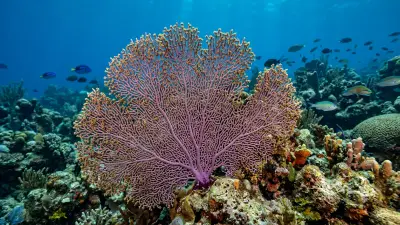
Deep-sea fan
commonSea turtle
occasional
Stingray
occasional
Reef fish
common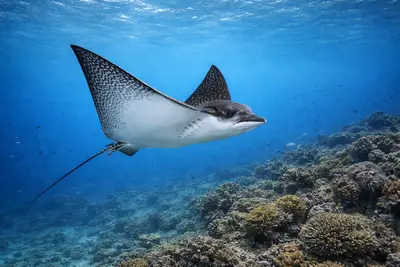
Eagle ray
rareDive profile & how the dive runs
Divers at McCurley's Wall typically start their descent onto the shallow reef shelf at 12 meters (40 feet). From there, the dive progresses along the dramatic vertical wall, allowing exploration of the extensive black coral and deep-sea fans that adorn its face. Experienced divers can explore deeper sections, often reaching 24 meters (80 feet) to locate the narrow chimney. This chimney provides an exhilarating transition as divers ascend through it, emerging back onto the dazzling shallower reef shelf. The latter part of the dive is spent exploring the shallower areas, maximizing bottom time while observing macro life like neck crabs. The safety stop is conducted in the clear, warm waters near the reef top, often at around 5 meters (15 feet), before ascending to the boat.
Underwater photography
McCurley's Wall offers excellent opportunities for both wide-angle and macro photography. The dramatic sheer drop-off, particularly with the reef top visible above, is ideal for wide-angle shots to capture the grand scale of the wall. Consider using a wide-angle lens to showcase the vibrant black coral and deep-sea fans against the deep blue background. For macro enthusiasts, a macro lens is essential to capture the intricate details of neck crabs camouflaged within the corals and other small creatures hiding along the wall and reef shelf. Good buoyancy control is crucial, especially when navigating the narrow chimney at 24 meters (80 feet), to avoid disturbing the delicate environment. Natural light is abundant on the shallow reef, but strobes will enhance color saturation at depth and in the shadowed areas of the wall and chimney. Be patient when searching for well-camouflaged marine life.
Combine with nearby dive sites
- Julie’s Wall
Julie’s Wall is a standout dive site located in the East End of Grand Cayman, an area cherished for its remote and unspoiled nature.
- Top Secret Reef
Top Secret is a shallow reef dive site located in Grand Cayman's East End, specifically in Old Man Bay.
- Omega Reef
Omega Reef is a vibrant reef site situated in Grand Cayman's East End, within Old Man Bay.
- Babylon
Babylon is a captivating dive site located in the Alor Sea, renowned for its exceptional visibility and vibrant marine ecosystem.
Getting there & logistics
Access to McCurley's Wall is via boat, typically originating from dive operators in Grand Cayman's East End, such as Ocean Frontiers, which is located approximately a 30-minute drive from the site. International travelers arrive at Owen Roberts International Airport (GCM) on Grand Cayman, with direct flights from the US, Canada, and the UK. Most dive packages include transfers from hotels along Seven Mile Beach or the East End. Dive trips to East End sites are usually day trips, often consisting of two-tank dives. While no specific permits or fees are mentioned for this particular site, adherence to general Cayman Islands marine park regulations is expected. Divers will typically combine this site with other East End wall or reef dives in their itinerary, often staying at resorts that offer direct access to dive operations.
Safety & environment
For diving at McCurley's Wall, several safety measures are important. The nearest recompression chamber is located at Georgetown Hospital in Grand Cayman (phone: 949-8600). In case of a medical emergency, services can be reached by calling 9-1-1, and emergency VHF radio channel 16 is monitored. Divers are strongly advised to have comprehensive dive insurance, such as through DAN (Diver's Alert Network: 1-919-684-9111), to cover potential evacuation and medical costs. Site-specific hazards are minimal due to generally calm conditions, but divers should maintain excellent buoyancy control to avoid contact with the wall's delicate coral formations, especially when exploring the chimney. Respecting marine life and adhering to standard diving guidelines are crucial for environmental preservation and personal safety. If it has been more than 18 months since your last dive and you have fewer than 10 logged dives, a refresher course is recommended.
Who it suits — and who it doesn't
Suited for
- Certified divers of all levels
- Photographers (wide-angle and macro)
- Divers seeking dramatic wall topography
- Divers interested in unique macro marine life
- Those who enjoy drift diving in mild currents
Less suited for
- Divers unwilling to manage moderate depths
- Those who prefer purely shallow reef dives
- Divers without good buoyancy control for chimney exploration
- Those uncomfortable with boat access
FAQ
McCurley’s Wall FAQ
What makes McCurley’s Wall a popular dive site?
McCurley’s Wall is renowned for its dramatic topography, featuring a shallow reef top at 12 meters that quickly descends into a deep vertical drop-off. Its appeal also comes from the vibrant black coral and deep-sea fan formations, along with the chance to spot unique macro life like neck crabs. The site's accessible nature, suitable for various skill levels, contributes to its popularity among Grand Cayman's East End dive locations.
Are there any unique geological features to explore at McCurley’s Wall?
Yes, McCurley’s Wall features a notable geological highlight: a narrow chimney. This chimney is accessible from a crack in the wall at approximately 24 meters (80 feet) deep. It provides an exciting and distinct experience for divers to transition from the deeper wall section back to the shallower reef shelf, offering a unique perspective of the site’s underwater landscape.
What kind of marine life can I expect to see at McCurley's Wall?
McCurley's Wall is known for its extensive black coral and deep-sea fan gardens, which are home to various smaller creatures. A specific highlight for divers is the occasional sighting of neck crabs, which are decorator crabs camouflaged among these corals and fans. While not explicitly listed, general reef fish and occasional larger pelagics common to Cayman wall dives may also be encountered.
What are the typical dive conditions at McCurley's Wall?
Dive conditions at McCurley’s Wall are generally excellent, particularly during the summer months when the East End experiences calm seas due to prevailing southeast winds. Visibility is consistently high, often ranging from 18 to 30 meters (60 to 100 feet), and water temperatures are warm, typically between 26-29°C (78-84°F) year-round. Currents are usually mild, making for comfortable diving.
Is McCurley’s Wall suitable for all levels of divers?
Yes, McCurley’s Wall is considered suitable for divers of all experience levels. The shallow reef top at 12 meters (40 feet) makes it accessible for beginners, while the dramatic drop-off and features like the chimney offer deeper exploration for seasoned professionals. This versatility allows divers to tailor their experience based on their comfort and certification levels, maximizing bottom time in the shallower sections.
Why dive McCurley’s Wall from a liveaboard?
McCurley’s Wall is one of Cayman Islands's signature dive sites. A liveaboard sleeps you on the water and puts you in the water for three to four guided dives per day, including dawn and night dives that day-boat operators rarely offer. You skip the daily commute back to port and reach quieter, less-crowded sites in the same region on a single trip.
Below are the liveaboards that include McCurley’s Wall on their Cayman Islands itineraries.
Liveaboards diving McCurley’s Wall
These liveaboards may visit McCurley’s Wall on selected itineraries — the exact dive sites depend on departure, weather and conditions.
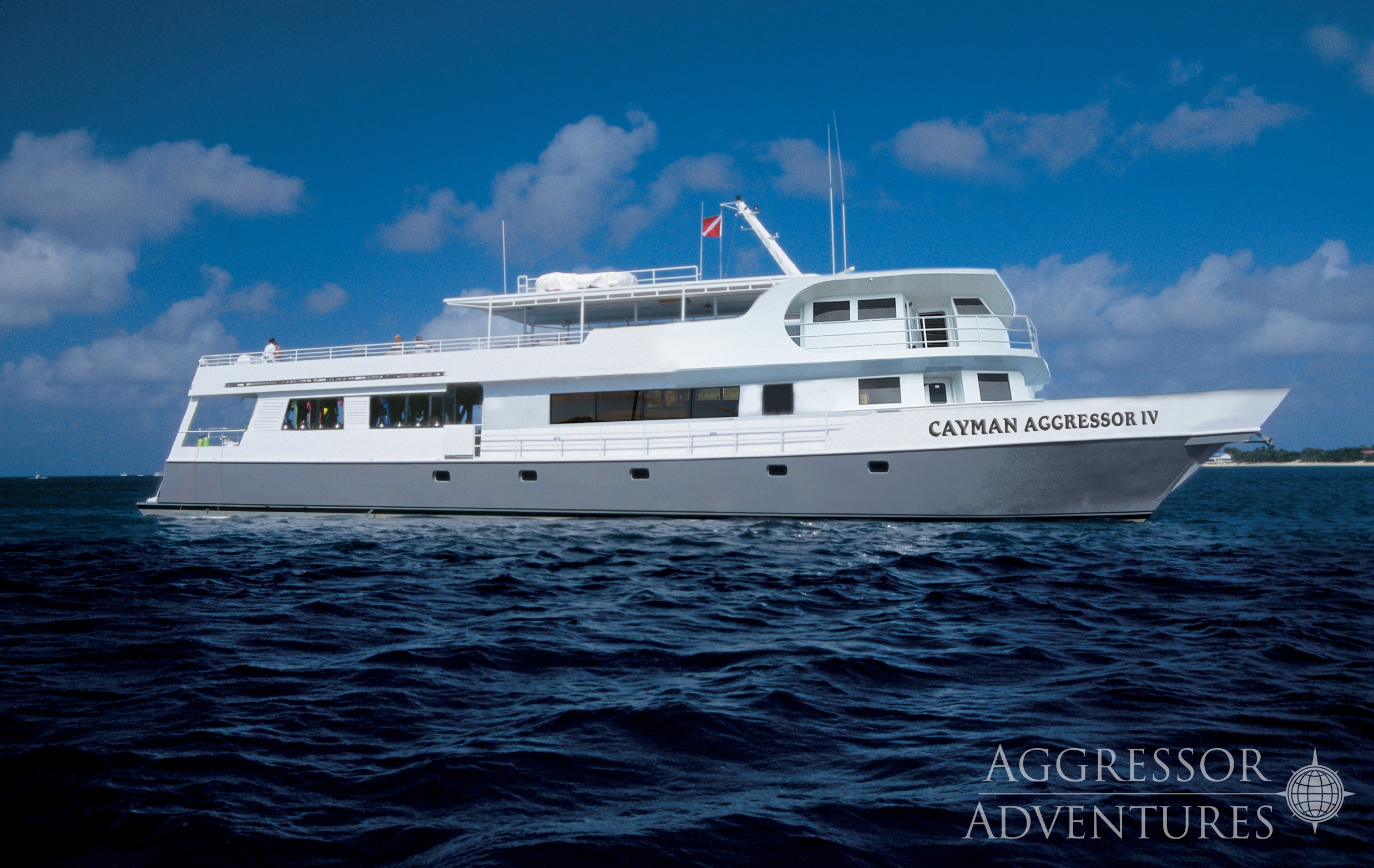
Cayman Aggressor IV
Cayman Islands
18 guests32.9 m
$328/day
Dive sites similar to McCurley’s Wall
Same character, same waters — six more sites divers love for the exact same reasons.Compare seasons, access and liveaboard routes — then pick the site that fits your trip best.
Big Table Rock
Cayman Islands
Big Table Rock is a well-known dive site located in George Town, Grand Cayman, offering a diverse and visually striking underwater landscape.
- Suitable for
- Intermediate
- Current
- Mild
- Access
- Dayboat
- Depth
- 10–30 m
- Theme
- Reef / Wall
North Wall
Cayman Islands
The North Wall of Grand Cayman stands as one of the most celebrated and visually striking dive regions, stretching along the island's northern coastline.
- Suitable for
- Advanced
- Current
- Mild
- Access
- Liveaboard or dayboat
- Depth
- 50–100 m
- Theme
- Reef
Parrot's Reef
Cayman Islands
Parrot's Reef is a notable dive site found along Grand Cayman's South coast, distinct from the more frequently dived West and North Walls.
- Suitable for
- Beginner
- Current
- Mild
- Access
- Dayboat
- Depth
- 12–15 m
- Theme
- Reef
Marty's Wall
Cayman Islands
Marty's Wall is a dive site located in West Bay, Grand Cayman, an area known for its dramatic wall dives and pristine coral ecosystems.
- Suitable for
- Intermediate
- Current
- Mild
- Access
- Dayboat
- Depth
- 12–36 m
- Theme
- Wall / Reef
Big Tunnels
Cayman Islands
Big Tunnels is a prominent dive site located on the West Side of Grand Cayman, specifically south of Northwest Point and near Orange Canyon, forming part of the extensive western wall system.
- Suitable for
- Intermediate
- Current
- Mild
- Access
- Liveaboard or dayboat
- Depth
- 17–27 m
- Theme
- Reef
Randy's Gazebo
Cayman Islands
Randy's Gazebo is a highly regarded dive site located in Little Cayman, one of the three Cayman Islands, renowned for its spectacular underwater scenery and healthy marine ecosystems.
- Suitable for
- Intermediate
- Current
- Mild
- Access
- Dayboat
- Depth
- 5–18 m
- Theme
- Reef / Wall