About Northern Lights
Northern Lights is an exceptional coral reef dive site located on the East End of Grand Cayman, known for its dazzling visual effects. The site derives its name from the way natural sunlight interacts with the vibrant coral formations, casting shifting hues and an almost ethereal glow across the underwater landscape. Divers here are treated to a dynamic display of light and color, creating a truly unique and memorable experience. This wall dive is part of the larger East End dive zone, which features prolific coral reefs and dramatic walls. It is situated along the north coast from Old Man Bay to Little Bluff Bay, an area frequently visited during summer months when southeast winds bring calm seas. The site's topography contributes to its unique appeal, offering intricate coral gardens that support a rich ecosystem. The dive site is teeming with schools of shimmering fish and a diverse array of other marine life, creating a lively underwater environment. The healthy coral structures provide habitat for numerous species, making every dive an opportunity for discovery. Its inclusion in multi-tank dive excursions highlights its importance as a premier reef dive in Grand Cayman. Access to Northern Lights is typically by boat, often as part of a 2-tank morning wall dive. Conditions in Grand Cayman are generally favorable for diving, with clear waters and warm temperatures promoting comfortable exploration. It's an ideal location for divers looking to experience the vibrant, light-filled coral ecosystems for which the Cayman Islands are renowned.
Highlights
Dazzling sunlight displayVibrant coral gardensTeeming with shimmering fishDiverse marine lifeEast End wall dive
Season calendar
Best months to dive here
Jan
Feb
Mar
Apr
May
Jun
Jul
Aug
Sep
Oct
Nov
Dec
Excellent
Dive site facts: Northern Lights
- Current
- Mild
- Visibility
- 100+ ft
- Water temperature
- 78-84°F (26-29°C)
- Entry
- Boat
- Level
- All levels
- Dive type
- Coral reef, Wall
- Region / port
- East End, Grand Cayman
- Coordinates
- 19.3982° N, 81.3901° W
Conditions & Currents
Sea conditions around the Cayman Islands are generally favorable, with calm waters and minimal swells facilitating easy entries and exits. The limited tidal range contributes to milder currents compared to many other global dive sites, making for a more relaxed experience. While the Caribbean Current brings warm water, local currents are not typically strong enough to pose significant challenges for divers. Visibility is consistently excellent, often exceeding 100 feet year-round, though it can be slightly affected by tide changes and heavy rain. Northeast winds prevail during winter months, creating stable conditions, while summer months may experience wind shifts leading to choppier waters. Divers can generally expect comfortable conditions suitable for various experience levels.
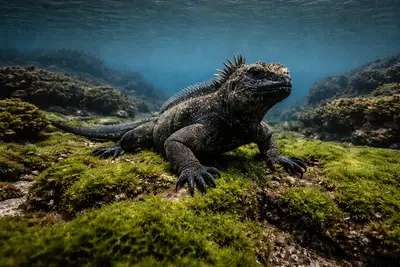
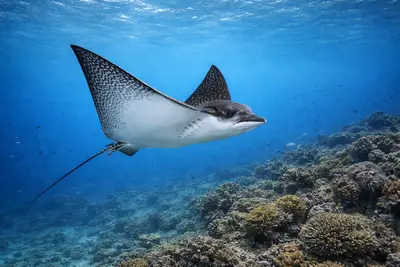
Marine life & sighting chances

Dive profile & how the dive runs
Northern Lights is typically explored as a wall dive, often initiated from a boat as part of a two-tank morning excursion. Divers will descend into vibrant coral gardens that define the upper sections of the wall, where sunlight creates its namesake 'northern lights' effect. The dive progresses along the wall, allowing for exploration of colorful sponges and diverse marine life inhabiting the coral formations. The depth profile varies as divers navigate the wall, with opportunities to observe both shallower reef ecosystems and deeper wall inhabitants. Turnaround points are determined by air consumption and no-decompression limits, ensuring a safe ascent path. Safety stops are performed in the shallow, protected areas of the reef, allowing for a relaxed three-minute stop while observing additional marine activity before surfacing.
Underwater photography
Capturing the 'Northern Lights' effect requires a wide-angle lens to encompass the vast coral gardens and the play of sunlight. Divers should aim for midday dives when the sun is highest to best illuminate the reef and create the dynamic lighting. Strobes can enhance coral colors but use them judiciously to balance with natural light. Pay attention to buoyancy to avoid disturbing delicate coral formations while positioning for shots. Look for schools of fish shimmering in the light for dynamic compositions. For macro enthusiasts, while the site emphasizes wide views, smaller critters can be found within the corals if you slow down and look closely.
Combine with nearby dive sites
- Julie’s Wall
Julie’s Wall is a standout dive site located in the East End of Grand Cayman, an area cherished for its remote and unspoiled nature.
- Babylon
A wall dive on the North Wall
- McCurley’s Wall
McCurley’s Wall is a distinctive dive site located in Grand Cayman's East End, within the Old Man Bay zone, known for its dramatic wall…
- Top Secret Reef
Top Secret is a shallow reef dive site located in Grand Cayman's East End, specifically in Old Man Bay.
- Omega Reef
Omega Reef is a vibrant reef site situated in Grand Cayman's East End, within Old Man Bay.
Getting there & logistics
Grand Cayman is served by Owen Roberts International Airport (GCM). Most dive operators offer complimentary pickup from hotels and condos along Seven Mile Beach. Northern Lights is located in the East End, approximately a 30-minute boat ride from Ocean Frontiers, one of the main operators in that region. Dive trips are typically booked as multi-tank excursions, often combining wall dives like Northern Lights with other reef sites. There are no specific permits or fees mentioned for diving this site beyond standard dive operator costs, which in Grand Cayman range from $150-$250 for Discover Scuba Diving programs and higher for certified dives. Typical dive trips are half-day excursions, often departing in the morning.
Safety & environment
For dive emergencies in Grand Cayman, the nearest recompression chamber is at Georgetown Hospital, which can be reached via phone at 949-8600. Other hospitals include Chrissie Tomlinson (949-6066). Marine Police can be contacted at 949-7710, and general emergency services at 9-1-1. Divers should always have appropriate medical and dive insurance, such as DAN (Diver’s Alert Network, 1-919-684-9111), as evacuations can be costly. Site-specific hazards are minimal due to generally calm conditions and mild currents, but standard safe diving practices apply. Divers should ensure proper buoyancy control to avoid damaging the delicate coral gardens and be mindful of marine life, observing without touching. A dive refresher course is recommended if it has been over a year since your last dive with fewer than 25 total dives.
Who it suits — and who it doesn't
Suited for
- Certified divers seeking vibrant reef and wall dives
- Underwater photographers capturing wide-angle reefscapes
- Divers interested in diverse marine life in healthy ecosystems
- Those looking for comfortable, clear water diving conditions
- Visitors staying at Grand Cayman's East End resorts
Less suited for
- Divers seeking strong current drift dives
- Individuals uncomfortable with boat entries and exits
- Those primarily interested in shore diving access
- Divers looking for extreme wreck penetration
- Beginners without prior open water experience (though DSD is available at other sites)
FAQ
Northern Lights FAQ
What makes the 'Northern Lights' dive site unique?
The Northern Lights dive site is unique for its stunning visual spectacle created by sunlight interacting with the vibrant coral gardens. This natural phenomenon casts dynamic, shifting hues across the reef, giving the impression of an underwater light show. It's renowned for a dazzling display of color and light not commonly found elsewhere.
Where is the Northern Lights dive site located in Grand Cayman?
Northern Lights is situated on the East End of Grand Cayman, specifically within the Old Man Bay zone. This area runs along the north coast of Grand Cayman, from Old Man Bay through Little Bluff Bay. It's typically accessed via a boat trip, often from operators based in the East End.
What kind of marine life can I expect to see at Northern Lights?
Divers at Northern Lights can expect to see a diverse range of marine life inhabiting the vibrant coral gardens. The site is known for teeming schools of shimmering fish. While not explicitly listed, the healthy reef ecosystem supports various tropical fish species and invertebrate life characteristic of Caribbean reefs.
Is Northern Lights suitable for beginner divers?
While the specific 'level' for Northern Lights isn't detailed, Grand Cayman's generally calm and clear conditions make many sites accessible. It's typically part of a 2-tank wall dive. Certified divers with some experience would likely enjoy it, but those new to diving might benefit from introductory programs at shallower, designated beginner sites first.
What are the typical diving conditions at Northern Lights?
Diving conditions at Northern Lights, like much of Grand Cayman, are generally excellent. You can expect crystal-clear waters with visibility often exceeding 100 feet and warm water temperatures ranging from 78-84°F (26-29°C). Currents are typically mild, making for a comfortable and enjoyable diving experience.
How is Northern Lights usually included in a dive trip?
Northern Lights is commonly included as part of a 2-tank morning wall dive excursion by East End operators, such as Red Sail Sports. It's often paired with another nearby reef or wall dive in the same zone. Dive boats provide access to this site, which is too far from shore for direct entry.
Why dive Northern Lights from a liveaboard?
Northern Lights is one of Cayman Islands's signature dive sites. A liveaboard sleeps you on the water and puts you in the water for three to four guided dives per day, including dawn and night dives that day-boat operators rarely offer. You skip the daily commute back to port and reach quieter, less-crowded sites in the same region on a single trip.
Below are the liveaboards that include Northern Lights on their Cayman Islands itineraries.
Liveaboards diving Northern Lights
These liveaboards may visit Northern Lights on selected itineraries — the exact dive sites depend on departure, weather and conditions.
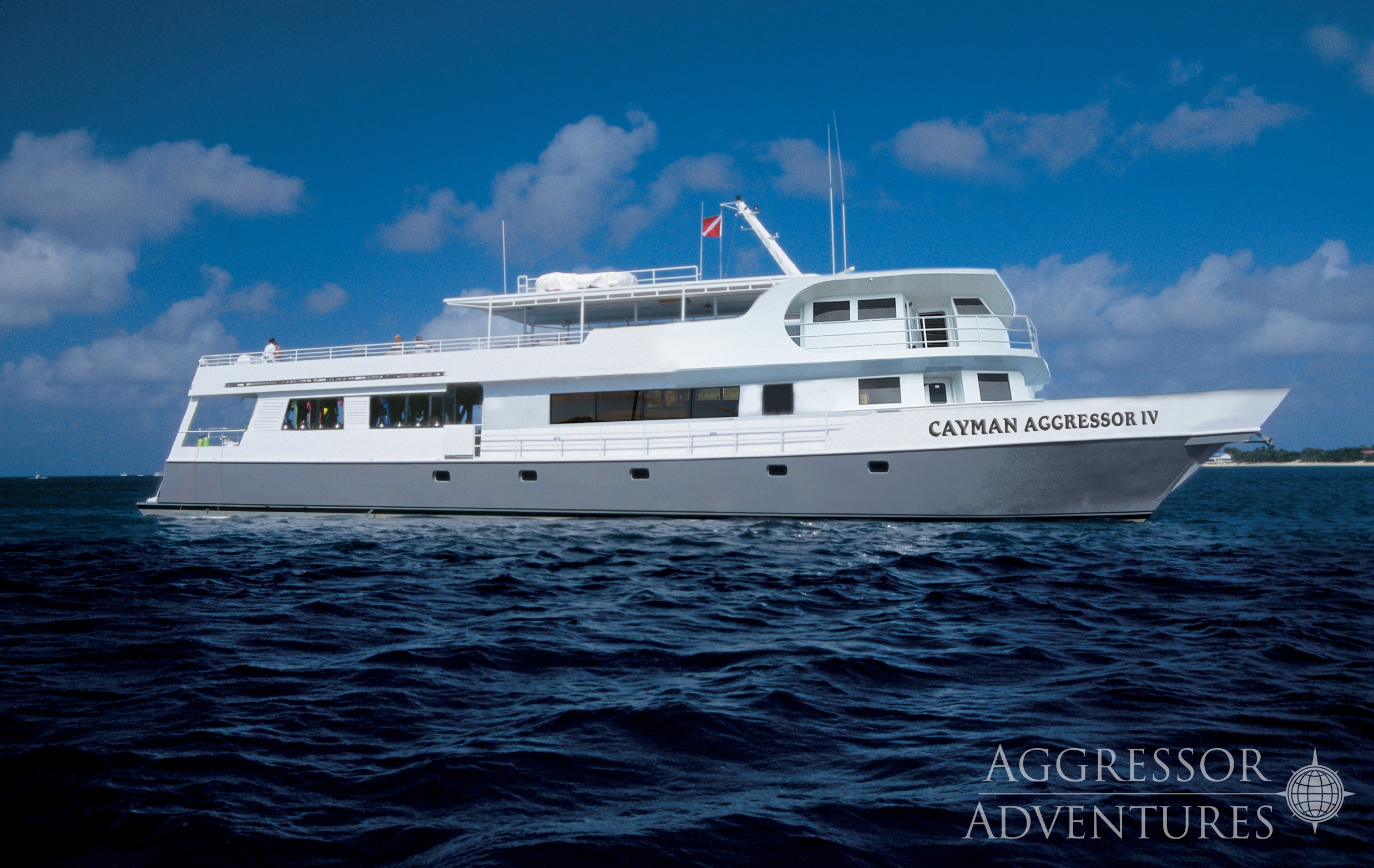
Cayman Aggressor IV
Cayman Islands
18 guests32.9 m
$328/day
Dive sites similar to Northern Lights
Same character, same waters — six more sites divers love for the exact same reasons.Compare seasons, access and liveaboard routes — then pick the site that fits your trip best.
© Esri — Maxar, Earthstar, GIS
Big Table Rock
Cayman Islands
Big Table Rock is a well-known dive site located in George Town, Grand Cayman, offering a diverse and visually striking underwater landscape.
- Suitable for
- Intermediate
- Current
- Mild
- Access
- Dayboat
- Depth
- 10–30 m
- Theme
- Reef / Wall
© Esri — Maxar, Earthstar, GIS
North Wall
Cayman Islands
The North Wall of Grand Cayman stands as one of the most celebrated and visually striking dive regions, stretching along the island's northern coastline.
- Suitable for
- Advanced
- Current
- Mild
- Access
- Liveaboard or dayboat
- Depth
- 50–100 m
- Theme
- Reef
© Esri — Maxar, Earthstar, GIS
Parrot's Reef
Cayman Islands
Parrot's Reef is a notable dive site found along Grand Cayman's South coast, distinct from the more frequently dived West and North Walls.
- Suitable for
- Beginner
- Current
- Mild
- Access
- Dayboat
- Depth
- 12–15 m
- Theme
- Reef
© Esri — Maxar, Earthstar, GIS
Marty's Wall
Cayman Islands
Marty's Wall is a dive site located in West Bay, Grand Cayman, an area known for its dramatic wall dives and pristine coral ecosystems.
- Suitable for
- Intermediate
- Current
- Mild
- Access
- Dayboat
- Depth
- 12–36 m
- Theme
- Wall / Reef
© Esri — Maxar, Earthstar, GIS
Big Tunnels
Cayman Islands
Big Tunnels is a prominent dive site located on the West Side of Grand Cayman, specifically south of Northwest Point and near Orange Canyon, forming part of the extensive western wall system.
- Suitable for
- Intermediate
- Current
- Mild
- Access
- Liveaboard or dayboat
- Depth
- 17–27 m
- Theme
- Reef
© Esri — Maxar, Earthstar, GIS
Randy's Gazebo
Cayman Islands
Randy's Gazebo is a highly regarded dive site located in Little Cayman, one of the three Cayman Islands, renowned for its spectacular underwater scenery and healthy marine ecosystems.
- Suitable for
- Intermediate
- Current
- Mild
- Access
- Dayboat
- Depth
- 5–18 m
- Theme
- Reef / Wall