About Hanse Explorer
The Hanse Explorer is an expedition superyacht that serves as a floating base camp for diving adventures across French Polynesia's Tuamotu Islands. It offers a unique blend of luxury amenities and access to highly remote, ecologically significant dive sites like Fakarava and Rangiroa, which are designated UNESCO Biosphere Reserves. The region is renowned for its thrilling channel dives where ocean meets lagoon, providing spectacular marine spectacles. Diving in the Tuamotus is characterized by strong currents in passes, attracting a high concentration of pelagic species. Divers can expect encounters with vast numbers of sharks, schools of jackfish and scad, as well as dolphins and rays. The yacht's operations are designed to navigate these challenging yet rewarding environments, offering an unparalleled diving experience. The vessel provides state-of-the-art diving facilities, including a full onboard dive center with Nitrox availability and equipment for up to 12 divers. This setup ensures comfort and safety while exploring some of the world's most untouched underwater landscapes. The experience caters to those seeking transformative dives and extraordinary wildlife encounters in remote locales that are otherwise inaccessible. Expedition yachting with Hanse Explorer allows for flexible, bespoke itineraries focused on exploring wild places. It combines the grandeur of traditional yachting with the durability and self-sufficiency required for extreme conditions, making it an ideal platform for in-depth underwater exploration.
Highlights
Expedition superyacht divingTuamotu Islands explorationStrong current channel divesAbundant shark encountersRemote, pristine atollsLuxury liveaboard experienceDolphin and ray sightingsUNESCO Biosphere Reserves
Season calendar
Best months to dive here
Jan
Feb
Mar
Apr
May
Jun
Jul
Aug
Sep
Oct
Nov
Dec
Excellent
Good
Dive site facts: Hanse Explorer
- Depth
- Up to 30 m (with higher qualifications, deeper)
- Current
- Strong, fast currents in passes
- Visibility
- 30-50 m
- Water temperature
- 26-29°C
- Entry
- Tender / Negative entry (current dependent)
- Level
- Experienced divers recommended (current experience essential)
- Dive type
- Drift, pelagic, shark
- Region / port
- Tuamotu Archipelago, French Polynesia
- Coordinates
- 16.5167° S, 145.4167° W
Conditions & Currents
Diving in the Tuamotu atolls, particularly in the passes, often involves strong and fast currents as water flows between the ocean and the lagoons. These high-energy conditions are a primary draw for abundant pelagic life, including large shark aggregations. Entry techniques must account for these currents, often involving negative entries to quickly descend and position oneself with the current. Divers must possess strong buoyancy control and experience in current diving. Slack tide dives are possible at some sites, offering a different experience. Visibility is generally excellent, often exceeding 30-40 meters, but can temporarily decrease near shore after heavy rain. Water temperatures are consistently warm, averaging 26-29°C, reducing the risk of thermoclines affecting comfort, though deeper dives will be cooler. Dive guides who know these waters intimately are essential for safe nav
Marine life & sighting chances

Grey Reef Shark
Year-round · common
Hammerhead Shark
December-March (best Jan-Feb) · occasional
Silvertip Shark
occasional
Whitetip Shark
common
Blacktip Shark
common
Dolphin
common
Manta Ray
Dry season (March-November) · occasional
Eagle Ray
occasional
Humpback Whale
August-October (snorkeling only) · occasional
Jackfish
common
Scad
common
Marbled Grouper
Mid-June to early July (spawning) · occasional
Snapper
commonDive profile & how the dive runs
Dives from the Hanse Explorer typically begin with a tender ride to the entry point, often at the mouth of a pass where currents are strong. A negative entry is commonly used to rapidly descend and avoid being swept away from the target area. The dive then becomes a drift, following the current into or out of a lagoon, dictated by the tide. Divers often position themselves along reef walls or in channels, observing the pelagic action attracted by the flowing water. Depths are generally limited to around 30 meters unless divers hold higher-level qualifications. The turn point is determined by air consumption, no-decompression limits, and the current's direction and strength. Safety stops are conducted in shallower, less current-affected areas or by deploying a safety sausage for boat pickup downstream. The boat crew closely monitors conditions to ensure safe entry and exit for all divers.
Underwater photography
Capturing the vibrant pelagic life and spectacular wide-angle scenes in the Tuamotu passes requires specific gear and techniques. A wide-angle lens is essential for photographing large schools of sharks, jacks, and dolphins in their natural environment. Due to the generally excellent visibility, natural light can be sufficient in shallower depths, but strobes are beneficial for color and detail at greater depths or for filling shadows. Practicing good buoyancy is crucial, especially in currents, to maintain position and avoid damaging the reef or stirring up sediment. Patience and observing marine life behavior will lead to the best shots; avoid chasing or disturbing animals. Given the abundant shark activity, be prepared for dynamic, fast-moving subjects.
Combine with nearby dive sites
- Fakarava
Known for the 'Wall of Sharks' in its South Pass and strong currents in the North Pass.
- Rangiroa
Famous for Tiputa Pass with frequent dolphin and shark encounters.
- Tahiti - Shark's Hole
Shark's Hole, locally known as "The Shark Hole," is a notable dive site located in the Tuamotu atolls of French Polynesia, specifically…
- Moorea - The Canyons
The Canyons is a notable dive site located off the mythical Ōpūnohu Bay in Moorea, one of French Polynesia's easily accessible Society…
Getting there & logistics
Diving with Hanse Explorer in French Polynesia typically begins with an international flight into Faa’a Airport (PPT) in Tahiti. From there, guests often take a domestic flight to an outer atoll like Fakarava to meet the yacht. Trip durations are customized, with expedition yachting itineraries often spanning several days or weeks, allowing extensive exploration of remote areas. The Hanse Explorer is fully equipped for dive operations, including Nitrox, compressors, and full gear for 12 divers, so divers only need to bring personal items. No specific dive park fees for this yacht are mentioned, but general French Polynesia regulations, including strict dive-safety rules and marine interaction guidelines, apply. The yacht operates as a self-sufficient base, allowing access to hard-to-reach dive sites not typically visited by land-based operations.
Safety & environment
Diving in the Tuamotu atolls demands adherence to strict dive safety protocols due to strong currents and deep pass dives. French Polynesia imposes depth limits around 30 meters for recreational divers, with higher qualifications needed for deeper excursions. Divers should carry appropriate insurance that covers dive accidents and potential medical evacuation, as recompression chambers may be distant, with the nearest major facility likely on Tahiti. Evacuation can be complex and expensive from remote atolls. It is imperative to listen carefully to local guides, maintain excellent buoyancy control, and practice a no-touch, no-chase approach to marine life. The Hanse Explorer's onboard dive center prioritizes safety, offering Nitrox to increase bottom time and reduce fatigue, but individual responsibility remains paramount.
Who it suits — and who it doesn't
Suited for
- Experienced divers comfortable with strong currents
- Advanced Open Water certified divers
- Divers seeking pelagic and shark encounters
- Underwater photographers targeting wide-angle subjects
- Liveaboard enthusiasts valuing luxury and remote access
- Divers interested in unique expedition-style trips
Less suited for
- Entry-level open water divers without current experience
- Divers uncomfortable with deep or drift diving
- Those prone to seasickness on longer cruises
- Individuals preferring calm, shallow reef dives exclusively
- Budget travelers (expedition yachting is a luxury experience)
FAQ
Hanse Explorer FAQ
What kind of diving can I expect on the Hanse Explorer in French Polynesia?
You can expect world-class expedition diving, primarily focusing on the vibrant pass dives in the Tuamotu atolls. These dives are known for strong currents and abundant pelagic life, including large numbers of sharks, dolphins, and schooling fish. The experience combines thrilling underwater adventures with the comfort and luxury of a superyacht.
Do I need to be an experienced diver to join a Hanse Explorer trip?
Yes, experience is highly recommended. The challenging conditions, particularly the strong currents in the passes, require advanced diving skills, including excellent buoyancy control and familiarity with drift diving. While Open Water certifications can be obtained on board, the best experience is for those already comfortable in dynamic environments.
What marine life can I see while diving from the Hanse Explorer?
The Tuamotus are famous for their shark populations, including grey reef sharks, hammerheads, and silvertips. You can also expect to encounter large schools of jackfish, scad, dolphins, manta rays, and eagle rays. Seasonal sightings of humpback whales are also possible, often with snorkeling opportunities.
What is the best time of year to dive with the Hanse Explorer in French Polynesia?
The period from April to September is generally considered the best time for diving in French Polynesia, offering optimal visibility and calmer seas. This also aligns with the peak season for many pelagic species. However, diving is possible year-round, with specific seasonal events like whale migration or grouper spawning at other times.
Are there any specific safety considerations for diving from the Hanse Explorer?
Safety is paramount, especially when diving in strong currents and remote locations. Divers must be proficient in buoyancy and current management. The yacht provides professional divemasters and full Nitrox operations. It's crucial to have comprehensive dive insurance covering medical emergencies and potential remote evacuations, as recompression chambers are not immediately available in the outer atolls.
Why dive Hanse Explorer from a liveaboard?
Hanse Explorer is one of French Polynesia's signature dive sites. A liveaboard sleeps you on the water and puts you in the water for three to four guided dives per day, including dawn and night dives that day-boat operators rarely offer. You skip the daily commute back to port and reach quieter, less-crowded sites in the same region on a single trip.
Below are the liveaboards that include Hanse Explorer on their French Polynesia itineraries.
Liveaboards diving Hanse Explorer
These liveaboards may visit Hanse Explorer on selected itineraries — the exact dive sites depend on departure, weather and conditions.
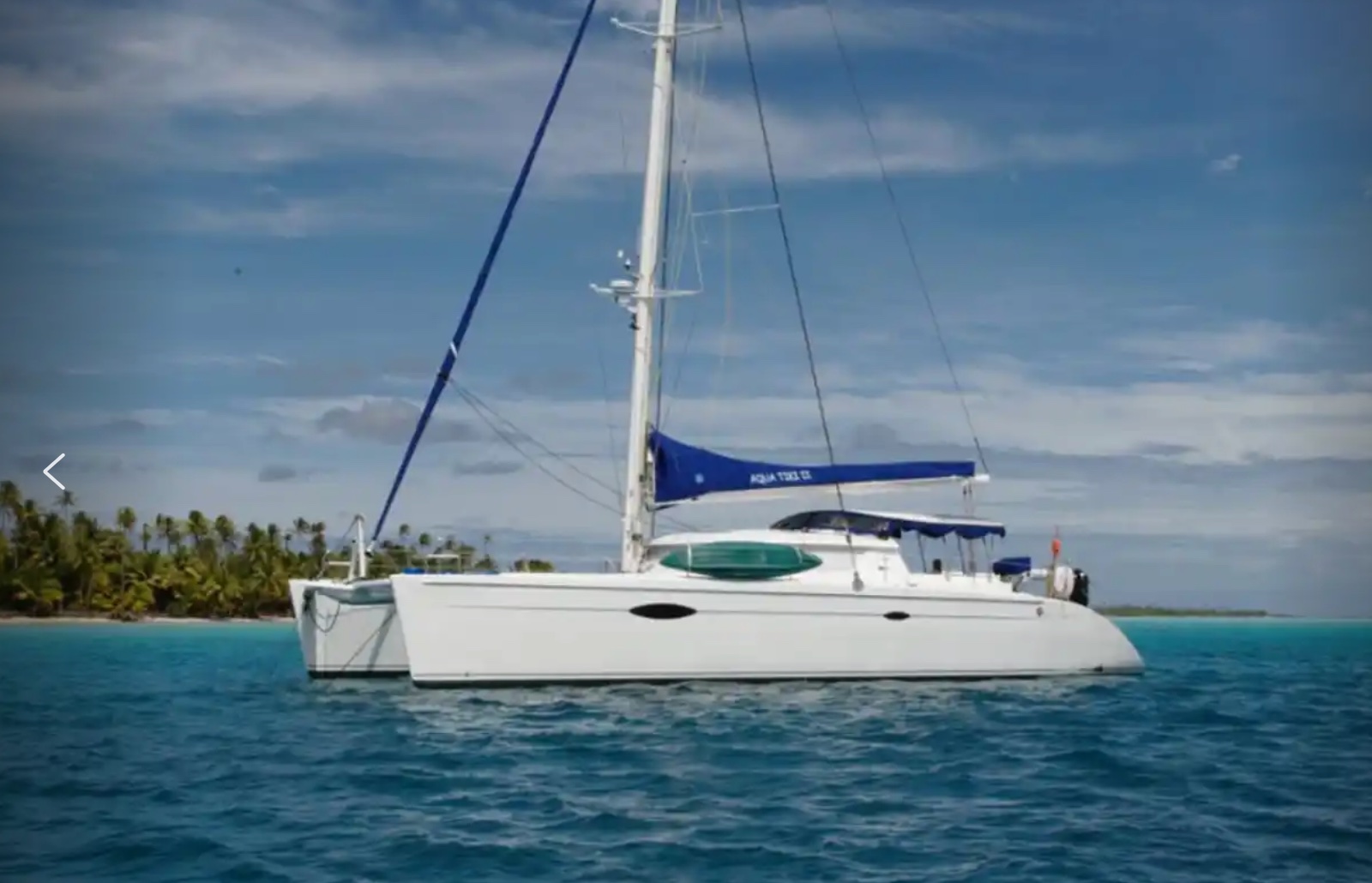
Aqua Tiki II
French Polynesia
8 guests
$578/day
Aqua Tiki III
French Polynesia
10 guests20 m
$504/day
Dive sites similar to Hanse Explorer
Same character, same waters — six more sites divers love for the exact same reasons.Compare seasons, access and liveaboard routes — then pick the site that fits your trip best.
© Esri — Maxar, Earthstar, GIS
Fakarava - Ohotu Reef
French Polynesia
Ohotu Reef, situated in Fakarava's immense Garuae Pass, is a premier dive destination within the UNESCO Biosphere Reserve of French Polynesia.
- Suitable for
- Advanced
- Current
- Strong
- Access
- Liveaboard or dayboat
- Depth
- 5–18 m
- Theme
- Drift / Reef
© Esri — Maxar, Earthstar, GIS
Moorea - Ray Corridor
French Polynesia
The Ray Corridor in Moorea offers an exhilarating drift dive experience within a natural lagoon, making it a favorite for divers seeking dynamic encounters.
- Suitable for
- Beginner
- Current
- Moderate
- Access
- Liveaboard or dayboat
- Depth
- 3–12 m
- Theme
- Drift / Reef
Taotoi, situated in Moorea, French Polynesia, is widely recognized as a premier location for divers seeking an accessible yet vibrant underwater experience.
- Suitable for
- Beginner
- Current
- Mild
- Access
- Dayboat
- Depth
- 9–19 m
- Theme
- Reef
© Esri — Maxar, Earthstar, GIS
The Windmill
French Polynesia
The Windmill is a renowned dive site located within Rangiroa's expansive Tiputa Pass, positioned on the right ocean-side slope.
- Suitable for
- Intermediate
- Current
- Moderate
- Access
- Liveaboard or dayboat
- Depth
- 25–26 m
- Theme
- Reef
Alibaba is a renowned drift dive located within the Garuae Pass in northern Fakarava, a UNESCO Biosphere Reserve in the Tuamotu Archipelago.
- Suitable for
- Intermediate
- Current
- Strong
- Access
- Liveaboard only
- Depth
- 5–30 m
- Theme
- Reef
© Esri — Maxar, Earthstar, GIS
The Crossing
French Polynesia
The Crossing is an advanced dive site located within Rangiroa’s famous Tiputa Pass, designed for highly experienced divers.
- Suitable for
- Expert
- Current
- Ripping
- Access
- Liveaboard or dayboat
- Depth
- 50–50 m
- Theme
- Reef