About Camaronero III
The Camaronero III dive site in Cuba is centered around a well-preserved wreck that has become an integral part of the local reef ecosystem. This site provides an immersive experience into maritime history fused with vibrant marine biology, attracting divers interested in both artificial reefs and the species they host. The wreck lies at depths accessible to most recreational divers, making it a popular choice for exploring underwater structures. The topography of Camaronero III is defined by the ship's structure, which lies upright on a sandy bottom. Hard and soft corals have colonized various parts of the vessel, transforming it into a living reef. Surrounding the wreck are expanses of sandy seabed interspersed with small coral formations, offering a habitat for a variety of reef fish and invertebrates. Marine life at Camaronero III includes a range of Caribbean species, with sightings of reef sharks and schools of fish being common, particularly during the primary diving season from November to May. The wreck itself provides shelter and hunting grounds for predators and smaller creatures alike, ensuring dynamic underwater encounters. While specific seasonality for individual species isn't detailed, the general abundance of life is consistent with protected Caribbean reefs. Diving Camaronero III typically involves a guided tour around and through sections of the wreck, allowing for close inspection of its features and inhabitants. Conditions are generally calm, contributing to excellent visibility that enhances the exploration. The dive is usually conducted from a day boat, with easy entry and exit procedures, making it suitable for divers with a range of experience levels who appreciate historical sites and abundant marine life.
Highlights
Camaronero III shrimp boat wreckExtensive coral gardensNotre Dame coral formationNatural underwater labyrinthsSchools of tropical fishOccasional rays and lobstersUnderwater caverns and valleys
Season calendar
Best months to dive here
Jan
Feb
Mar
Apr
May
Jun
Jul
Aug
Sep
Oct
Nov
Dec
Excellent
Good
Off-Season
Nov – May (Dry Season)
Best visibility 30–40m, calm seas. Peak season for Jardines de la Reina. Whale sharks, silky sharks, crocodiles.
Jun – Jul & Oct (Shoulder)
Warm water, occasional rain. Good shark diving continues. Fewer tourists.
Aug – Sep (Hurricane Season)
Peak hurricane risk. Some operators pause. Rough seas and reduced visibility when storms pass.
Dive site facts: Camaronero III
- Depth
- 6–40 m
- Current
- Mild to negligible
- Visibility
- 20–40 m
- Water temperature
- 26–30°C
- Entry
- Day boat
- Level
- Open Water Diver
- Dive type
- Wreck, reef
- Region / port
- Cuba
- Coordinates
- 21.6777, -80.2876
Conditions & Currents
Currents at Camaronero III are generally mild to negligible, which contributes to the site's calm conditions and makes it suitable for divers of varying experience levels. This allows for relaxed exploration of the wreck without concerns about strong drift. Surface conditions are typically stable, especially during the peak season, ensuring smooth boat entries and exits. Visibility is consistently good, often ranging from 20 to 40 meters, thanks to the clear Caribbean waters and minimal water movement. Thermoclines are generally not a significant factor at recreational depths during the main dive season, maintaining comfortable water temperatures throughout the dive profile. Divers should nonetheless maintain good buoyancy control to avoid disturbing the sandy bottom or fragile wreck structures.
Marine life & sighting chances

Caribbean reef shark
November-May · common
Silky shark
November-May · common
Goliath grouper
November-May · common
Schooling fish
All year · common
Hard corals
All year · common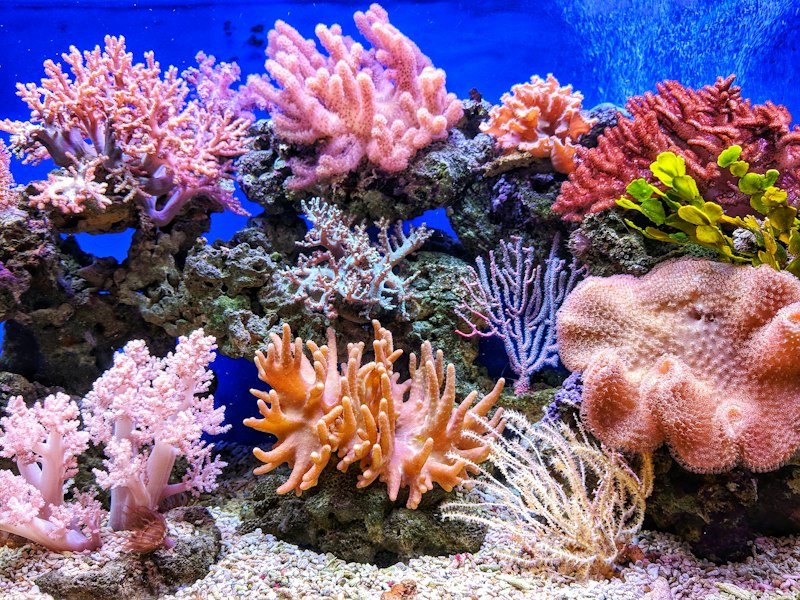
Soft corals
All year · common
Nurse shark
All year · occasionalDive profile & how the dive runs
Diving Camaronero III typically begins with a descent directly onto the wreck from a day boat, with easy access to various sections. The general route involves circumnavigating the ship's exterior first, observing the marine life that congregates around its hull and superstructure. Divers then proceed to explore open holds and accessible compartments, being mindful of overhead environments and maintaining neutral buoyancy. Depth progression is relatively consistent, as the wreck lies mostly on a level sandy seabed, allowing for extended bottom time within recreational limits. The turnaround point is usually determined by air consumption and no-decompression limits, ensuring a safe ascent. The safety stop is performed at 5 meters, often near the boat's mooring line or an accessible part of the wreck, allowing for observation of shallower reef fish before surfacing.
Underwater photography
Camaronero III offers excellent opportunities for both wide-angle and macro photography due to its diverse structure and resident marine life. For capturing the scale of the wreck and schooling fish, a wide-angle lens is ideal. Consider using external strobes to bring out the vibrant colors of corals and fish, especially within the deeper parts of the wreck or shaded areas. For smaller inhabitants and intricate coral formations on the wreck, a macro lens will yield stunning detail. Buoyancy control is paramount to avoid stirring up sediment from the sandy bottom or damaging delicate corals and parts of the wreck. When photographing inside compartments, ensure proper training and adherence to safety protocols for overhead environments. Be patient when approaching marine life for close-up shots, allowing subjects to become accustomed to your presence to capture more natural behaviors.
Combine with nearby dive sites
- El Almirante
El Almirante is an advanced dive site located off the shores of Maria la Gorda, on Cuba's Guanahacabibes Peninsula.
- La Patana
La Patana is a prominent dive site within the protected marine park of Jardines de la Reina, a vast archipelago stretching 150 kilometers…
- Arrecife Somero
Arrecife Somero, located near Key Sigua within the UNESCO-recognized Zapata Swamp biosphere reserve, presents a unique reef crest forming a…
- Puente Escondido
Puente Escondido is a notable dive site nestled within the Jardines de la Reina marine park, an expansive and highly protected area off…
Getting there & logistics
Access to Camaronero III and other prime dive sites in Cuba, particularly those within protected areas like Jardines de la Reina, is primarily via liveaboard operations departing from Port Jucaro. These trips typically span a full week, as the sites are remote and require dedicated travel. Divers usually fly into international airports in Cuba, such as Havana or Cienfuegos, before arranging transfers to the departure port. Permits are strictly controlled for protected marine parks, making liveaboard bookings the most reliable way to gain access, as operators handle all necessary authorizations. There are no direct individual site fees, as they are integrated into the liveaboard package costs. These itineraries are designed to combine multiple top dive sites, offering a comprehensive experience of Cuba's pristine underwater environments.
Safety & environment
Diving at Camaronero III, like all remote Cuban dive sites, necessitates a strong emphasis on diver safety and preparedness. While no specific recompression chamber location is detailed for this immediate area, emergency evacuation to larger medical facilities would involve significant logistical challenges due to the site's isolation. Therefore, having comprehensive dive insurance that covers emergency medical treatment and evacuation is essential. Divers should adhere strictly to dive plans, maintain conservative dive profiles, and always dive within their certification limits. Excellent buoyancy control is critical to protect the wreck and its delicate coral growth. Though currents are generally mild, divers should be aware of changing conditions. Liveaboard operators typically provide thorough briefings and have experienced dive guides to ensure safe practices.
Who it suits, and who it doesn't
Suited for
- Certified Open Water Divers
- Wreck enthusiasts
- Underwater photographers (macro and wide-angle)
- Divers seeking pristine Caribbean reef experiences
- Those comfortable with liveaboard travel
Less suited for
- First-time divers (Discover Scuba Diving)
- Divers unwilling to commit to a week-long liveaboard
- Those sensitive to motion on a boat
- Divers preferring shore access
- Individuals expecting strong currents or specific pelagic encounters not typical of wreck sites
FAQ
Camaronero III FAQ
What kind of wreck is Camaronero III?
Camaronero III is a well-preserved historic wreck, likely a shrimp trawler given its name, that rests upright on the seabed. Over time, it has transformed into a vibrant artificial reef, extensively colonized by various hard and soft corals. This makes it a fascinating site for both wreck exploration and marine life observation.
What is the typical visibility at Camaronero III?
Visibility at Camaronero III is consistently excellent, often ranging between 20 to 40 meters. The clear Caribbean waters contribute to superb viewing conditions, allowing divers to appreciate the entire wreck structure and the diverse marine life from a distance.
Are there strong currents at the Camaronero III dive site?
No, currents at Camaronero III are generally mild to negligible, providing calm diving conditions. This makes the site accessible and enjoyable for divers of various experience levels, allowing for relaxed and thorough exploration of the wreck without the challenge of significant drift.
What marine life can be seen at Camaronero III?
Camaronero III attracts a rich variety of marine life typical of Caribbean reefs and artificial structures. Divers commonly encounter Caribbean reef sharks, silky sharks, and large Goliath groupers. Schools of various reef fish, along with abundant hard and soft corals, thrive on and around the wreck, creating a dynamic ecosystem.
How is Camaronero III typically accessed for diving?
Camaronero III is primarily accessed via liveaboard diving trips, usually departing from Port Jucaro in Cuba. These multi-day excursions combine diving at Camaronero III with other premier sites within Cuba's protected marine parks, offering a comprehensive and organized dive experience.
Why dive Camaronero III from a liveaboard?
Camaronero III is one of Cuba's signature dive sites. A liveaboard sleeps you on the water and puts you in the water for three to four guided dives per day, including dawn and night dives that day-boat operators rarely offer. You skip the daily commute back to port and reach quieter, less-crowded sites in the same region on a single trip.
Below are the liveaboards that include Camaronero III on their Cuba itineraries.
Liveaboards diving Camaronero III
These liveaboards may visit Camaronero III on selected itineraries, the exact dive sites depend on departure, weather and conditions.

Jardines Avalon Fleet
Cuba
20 guests35 m
Dive sites similar to Camaronero III
Same character, same waters, six more sites divers love for the exact same reasons.Compare seasons, access and liveaboard routes, then pick the site that fits your trip best.
© EsriMaxar, Earthstar, GIS
3 Fathom Wall
Cayman Islands
3 Fathom Wall is an exciting and fish-filled dive site located in the Cayman Islands, specifically at the intersection of the renowned Bloody Bay Wall.
- Suitable for
- Intermediate
- Current
- Mild
- Access
- Liveaboard only
- Depth
- ≤ 3000 m
- Theme
- Reef
While specific details for a dive site named "3 Riff" are not present in the provided sources, general diving conditions and characteristics for the Dominican Republic…
- Suitable for
- Advanced
- Current
- Mild
- Access
- Dayboat
- Depth
- 30–55 m
- Theme
- Reef
The dive site known as 3 Rocks is located off the coast of Sosúa in Puerto Plata, Dominican Republic, offering an accessible and lively underwater experience.
- Suitable for
- Beginner
- Current
- Mild
- Access
- Dayboat
- Depth
- 2–8 m
- Theme
- Reef
4 Amigos is a notable dive site located in the Bay Islands of Honduras, an area renowned for its extensive Mesoamerican Barrier Reef System, which is the world's second-longest.
- Suitable for
- Intermediate
- Current
- Moderate
- Access
- Liveaboard or dayboat
- Depth
- 9–40 m
- Theme
- Reef
© EsriMaxar, Earthstar, GIS
6 Toed Cat
Mexico
The dive site known as "6 Toed Cat" is not a recognized dive location in Mexico; rather, it refers to the polydactyl felines, many with six toes, that inhabit the Ernest Hemingway Home and Museum in Key West, Florida.
- Suitable for
- Beginner
- Current
- Mild
- Access
- Liveaboard or dayboat
- Depth
- —
- Theme
- Reef
© EsriMaxar, Earthstar, GIS
Aaron's Backyard
Honduras
Aaron's Backyard is a noted dive site within the Roatan Marine Park in Honduras, part of the extensive Mesoamerican Barrier Reef System.
- Suitable for
- Intermediate
- Current
- Moderate
- Access
- Liveaboard or dayboat
- Depth
- 9–40 m
- Theme
- Reef