About
Imagine a Caribbean reef thriving as it did 50 years ago. This is Jardines de la Reina, a vast and strictly protected marine park off Cuba's southern coast. Decades of shielding from commercial fishing and development have created an unpara…
About
Imagine a Caribbean reef thriving as it did 50 years ago. This is Jardines de la Reina, a vast and strictly protected marine park off Cuba's southern coast. Decades of shielding from commercial fishing and development have created an unpara…
Available Liveaboards
Explore our handpicked fleet of liveaboards operating in this region
Loading vessels...
Why Dive Here
Caribbean's largest marine protected area—2,170 km²
Healthiest coral systems remaining in the Caribbean
Silky sharks, reef sharks, and nurse sharks on every dive
Protected waters with consistent conditions Dec–Aug
Dive Season
Plan your trip around the best conditions for diving, visibility, and marine encounters
Best visibility 30–40m, calm seas. Peak season for Jardines de la Reina. Whale sharks, silky sharks, crocodiles.
Warm water, occasional rain. Good shark diving continues. Fewer tourists.
Peak hurricane risk. Some operators pause. Rough seas and reduced visibility when storms pass.
Marine Life
Explore the incredible species that call these waters home
Seasonal Calendar
Plan your trip around the marine life you want to encounter most


Only in
Extraordinary natural events that make Cuba a once-in-a-lifetime diving destination

Jardines de la Reina
Dive Cuba's pristine marine reserve – one of the Caribbean's largest and most protected reef systems, teeming with sharks, groupers, and untouched coral formations.
Read more
Jardines de la Reina
Snorkel with American crocodiles in their natural mangrove habitat – a unique and exhilarating wildlife encounter available at very few places worldwide.
Read more
Isle of Youth
Explore dramatic wall dives along Cuba's southern coast, where towering sponges and pristine hard coral gardens thrive in crystal-clear Caribbean waters.
Read moreExplore
Cañón de Sigua is a captivating dive site situated near Key Sigua, within Cuba's Zapata Swamp region, a UNESCO-recognised biosphere reserve. This area is renowned for its well-preserved marine ecosystems and healthy coral reefs, offering pristine diving conditions away from heavy tourism. The topography at Cañón de Sigua features a distinct progression: it begins with a seagrass bed at 10 meters, transitioning to a sandy slope that gently deepens to 15 meters. This sand bar then continues its smooth descent until 24 meters, where a dramatic, almost vertical wall begins. This impressive wall plunges to depths exceeding 32 meters, characterized by small steps and overhangs that create a complex and diverse habitat. The site is rich in marine life, with abundant coral formations found even on the sandy areas before the wall. The vertical wall itself is adorned with numerous small colonies of black coral and sponges of various shapes, creating a vibrant underwater landscape. Divers frequently encounter goliath groupers, jacks, and barracudas, with rays occasionally spotted. Exceptional visibility, often exceeding 20 meters, allows for clear views of this vibrant ecosystem. Dives are typically conducted from liveaboards navigating the Zapata area, providing access to this remote and unspoiled location. The site caters to a range of divers, from those exploring the shallower plateaus to experienced individuals keen to venture along the deeper vertical drop-offs.
La Patana is a prominent dive site within the protected marine park of Jardines de la Reina, a vast archipelago stretching 150 kilometers off Cuba's southern coast. This area, named 'Gardens of the Queen' by Christopher Columbus, boasts one of the healthiest coral reef systems in the Caribbean, largely due to its remote location and stringent protection measures that limit diver access to less than three thousand annually. The site features a spectacular coral wall, descending into deeper waters, teeming with diverse reef life and pelagic species. The topography includes intricate coral formations, creating a rich habitat for various marine species. Depths typically range from the shallower coral gardens near the top of the wall to significant depths along the drop-off, catering to a range of dive levels. The healthy coral ecosystems, including vibrant soft corals, sponges, and sea fans, are sustained by cold water upwellings that bring nutrient-rich currents to the area. Divers at La Patana can expect to encounter a thriving ecosystem, often featuring larger marine predators attracted by the abundant fish. Silky sharks and Caribbean reef sharks are common, with nurse and hammerhead sharks also making appearances. The site's pristine condition offers an exceptional opportunity to observe marine life that has diminished in other Caribbean locations. This location provides a fully immersive dive experience, often leading to multiple daily encounters with significant marine biodiversity. Diving here is typically part of a liveaboard itinerary, with divers transported to the site by tender from a floating hotel base. The experience is characterized by back-to-back diving in warm, clear waters, offering ample opportunity for observation and photography. The emphasis on disconnecting from outside distractions allows for a deep appreciation of the underwater environment.
Arrecife Somero, located near Key Sigua within the UNESCO-recognized Zapata Swamp biosphere reserve, presents a unique reef crest forming a horseshoe shape. This site is renowned for its exceptionally healthy colonies of elkhorn coral, creating a visually stunning and ecologically rich environment. The reef crest itself spans depths ideal for varied exploration, ranging from 2 to 5 meters. This shallow profile makes it highly accessible and suitable for both divers and snorkelers seeking to experience the vibrant Cuban marine life. While specific seasonality for marine life at Arrecife Somero isn't detailed, the healthy coral system supports a resident population of schooling jacks, blue tangs, grunts, and barracudas, offering consistent sightings. The site's pristine conditions, typical of the Zapata region, ensure a lively underwater experience year-round. Divers typically access Arrecife Somero from liveaboards navigating the Zapata area. Its gentle depths and abundant reef structure make it particularly appealing for night dives behind the crest, revealing nocturnal species that shelter among the corals.
Los Mogotes is a shallow reef dive site located within the highly protected Jardines de la Reina marine park, off Cuba's southern coast. This area is renowned for its exceptional biodiversity and pristine underwater conditions, largely due to strict conservation efforts since its designation as a no-take national marine park in 1996. The site is characterized by healthy coral formations and an abundance of marine life, making it a vibrant ecosystem for exploration. While specific depth details for Los Mogotes are not explicitly stated in all sources, it is generally described as a shallow reef, part of the broader Jardines de la Reina area which typically features dive depths between 5 and 30 meters. The overall region boasts clear waters and thriving coral gardens, providing an excellent environment for both casual observation and detailed photography. Marine life encounters at Los Mogotes, consistent with the wider Jardines de la Reina, include numerous Caribbean reef sharks, various grouper species, and a rich display of reef fish. The protected status of the park ensures a high biomass of marine creatures throughout the year, with optimal conditions for viewing in the dry season. The site is a testament to the success of marine conservation, showcasing what Caribbean reefs might have looked like decades ago. Diving at Los Mogotes is typically arranged through licensed liveaboard operators, ensuring organized logistics and guided boat dives. The site offers generally easy underwater conditions with minimal current and flat calm surge, making it accessible and enjoyable for a range of diver experience levels. This structured access helps maintain the pristine nature of the reef, providing a consistent, high-quality dive experience.
Beyond Diving
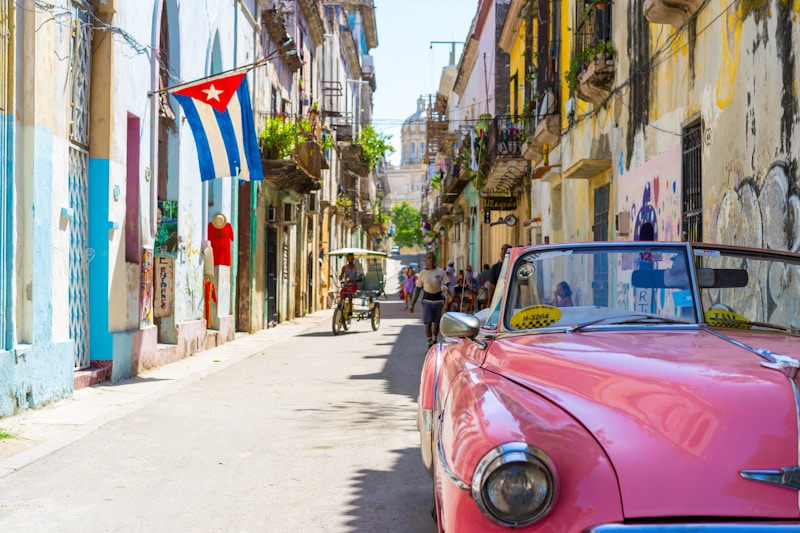
A UNESCO World Heritage Site frozen in time. Colorful colonial buildings, vintage American cars, and live salsa music create an atmosphere unlike anywhere else.
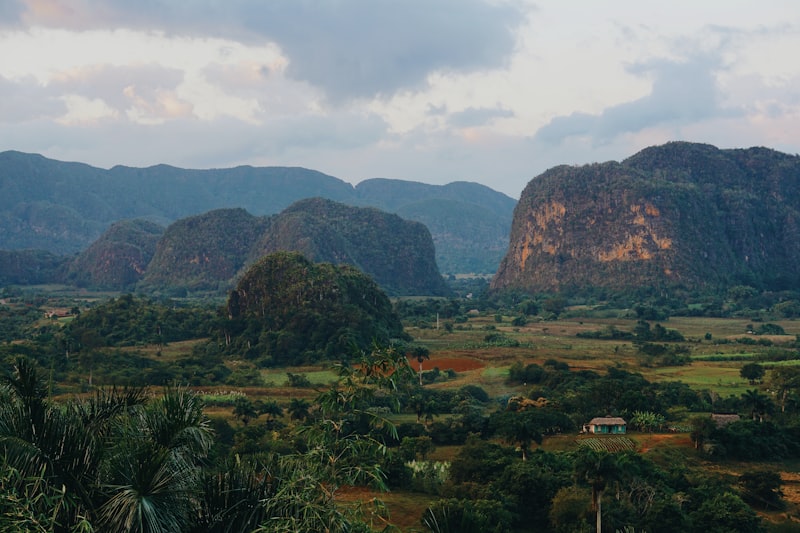
Dramatic limestone mogotes rise from tobacco fields in this UNESCO-protected landscape. Visit cigar farms and explore caves.
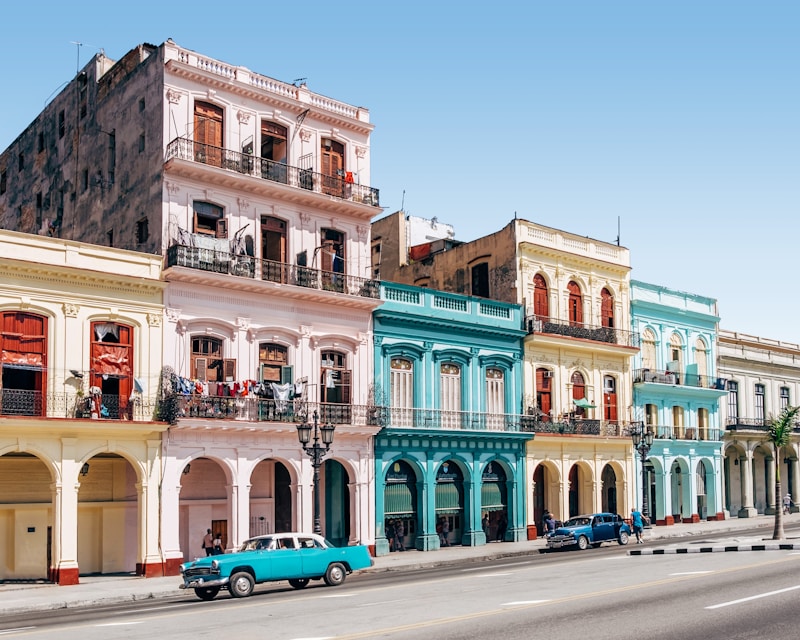
Cobblestone streets and pastel-painted colonial mansions transport you to 19th-century Cuba. One of the best-preserved colonial cities.

From paladares to legendary jazz clubs, experience authentic Cuban culture—the birthplace of salsa, son, and world-famous rum cocktails.
Budget
How Cuba compares to other diving destinations worldwide.
$398–$625
per day liveaboard
$91–$171
per 2-tank dive trip
$34–$136
hotel per night
Prices reflect typical costs for mid-range to premium options. Budget alternatives may be available.
Peak hurricane risk. Some operators pause. Rough seas and reduced visibility when storms pass.
Warm water, occasional rain. Good shark diving continues. Fewer tourists.
Best visibility 30–40m, calm seas. Peak season for Jardines de la Reina. Whale sharks, silky sharks, crocodiles.
Book through licensed tour operators for the best rates on Gardens of the Queen trips
Consider casa particulares (private homestays) for affordable accommodation in Havana
The diving season runs year-round but Dec-May offers the best conditions
Bring your own gear—rental options are limited in Cuba
Travel
José Martí International Airport
Havana • HAV
Main gateway, international flights from Mexico, Canada, Europe and Caribbean
Abel Santamaría Airport
Santa Clara • SNU
Alternative for central Cuba, connections from Miami and Toronto
Most visitors need a tourist visa (tarjeta de turista) which can be purchased through airlines or travel agencies. US citizens face additional restrictions and must travel under specific OFAC-licensed categories.
This information is provided without guarantee. Please visit the official website for the latest entry requirements.
Official Immigration Information →Plan Your Trip
Good to know
Compare
Honest, in-depth comparisons to help you decide between destinations, certifications, equipment and dive styles.
Choosing between a liveaboard and a land-based dive trip is the most fundamental decision divers face when planning a serious diving holiday. The right answer depends on your priorities: maximum dive count and access to remote sites favor liveaboards; beach time, family flexibility and lower cost favor land-based resorts. Both formats have evolved significantly in the last decade, and the line between them has blurred — luxury dive resorts now offer multi-day expedition trips, while many liveaboards include topside excursions and even spa days. This guide compares the two formats across every meaningful dimension: cost per day, dives per day, marine life access, comfort, social dynamics, family-friendliness, and travel logistics. We'll also cover the hybrid models (resort + day-charter, or 'safari boat' itineraries) that try to capture the best of both worlds. If you're certified, in love with diving and want to maximize bottom time, a liveaboard is almost always the better choice — you can clock 25+ dives in a week and reach sites no day boat can. If you're traveling with non-divers, prefer land-based comfort, or want flexibility to take days off, a resort wins. We'll get into all the nuances below.
Read comparisonChoosing your next liveaboard destination can be a thrilling challenge, especially when weighing two iconic Caribbean and Pacific powerhouses like Mexico and Cuba. Both offer distinct underwater experiences, rich cultural encounters, and diverse marine ecosystems, but cater to different preferences and diving styles. Mexico, renowned for its vibrant Pacific waters, the unique cenotes of the Yucatán, and the rich biodiversity of the Sea of Cortez, presents a broad spectrum of diving opportunities. From pelagic encounters with great white sharks and schooling hammerheads to intricate coral reefs and ancient cave systems, Mexico appeals to divers seeking variety and adventure. Its well-developed tourism infrastructure and numerous liveaboard options make it an accessible and popular choice. Cuba, on the other hand, offers a glimpse into a remarkably preserved marine environment, largely untouched by mass tourism. Its protected Jardines de la Reina (Gardens of the Queen) marine park is a jewel, known for its pristine coral reefs, abundant shark populations, and healthy ecosystems. A liveaboard trip to Cuba is not just a dive vacation; it's an immersive journey into a unique cultural landscape, often characterized by a more rustic and intimate experience. This comparison will help you navigate the nuances and decide which destination best aligns with your liveaboard aspirations.
Read comparisonChoosing your next liveaboard destination can be a delightful dilemma, especially when faced with two Caribbean gems like Cuba and the Bahamas. Both offer unparalleled underwater experiences, but cater to different preferences and diving styles. Cuba, with its rich history and relatively untouched Jardines de la Reina, promises pristine coral reefs and a dense population of sharks, harking back to a bygone era of marine conservation. On the other hand, the Bahamas is renowned for its crystal-clear waters, iconic shark diving encounters, and a more established tourism infrastructure. While Cuba offers a journey into a unique cultural landscape alongside its diving, the Bahamas provides a more accessible, often luxurious, dive vacation. This comparison will help you navigate the nuances, from marine encounters and dive conditions to logistics and budget, ensuring you pick the liveaboard that perfectly matches your dive dreams.
Read comparisonExplore our expedition vessels and find your perfect trip to Cuba