
About
The Cayman Islands — Grand Cayman, Cayman Brac, and Little Cayman — sit on the Cayman Ridge, an underwater mountain chain that rises from the 7,000-meter-deep Cayman Trench. This dramatic geology produces the country's signature fea…
About
The Cayman Islands — Grand Cayman, Cayman Brac, and Little Cayman — sit on the Cayman Ridge, an underwater mountain chain that rises from the 7,000-meter-deep Cayman Trench. This dramatic geology produces the country's signature fea…
Available Liveaboards
Explore our handpicked fleet of liveaboards operating in this region
Loading vessels...
Why Dive Here
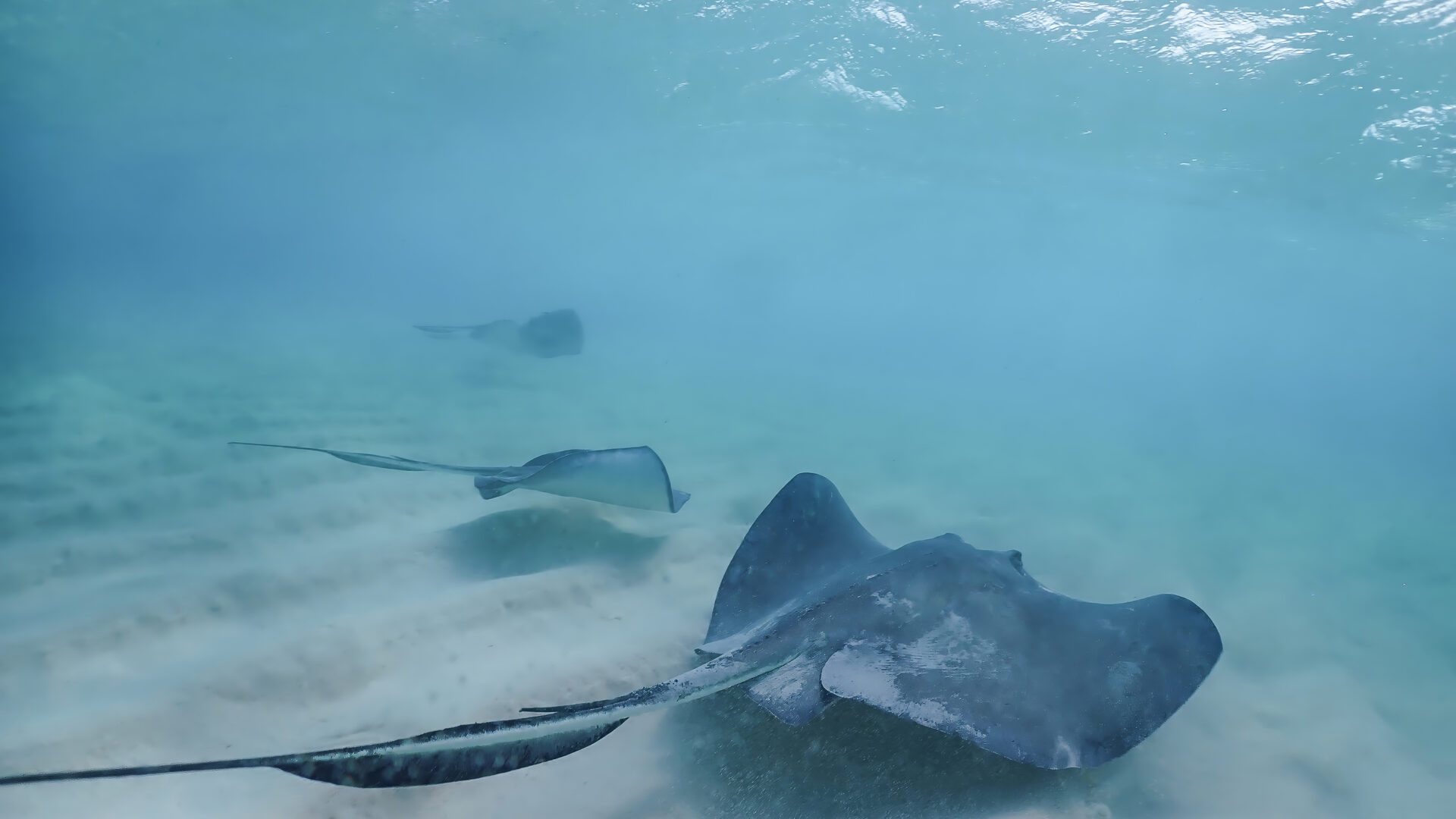
World-famous shallow sandbar with dozens of friendly stingrays
Dramatic drop-offs plunging from 6m to over 1,800m
Three islands offering incredible variety for all levels
Visibility regularly exceeds 30 metres year-round
Dive Season
Plan your trip around the best conditions for diving, visibility, and marine encounters
Best visibility up to 40m, calm seas, comfortable temperatures, ideal conditions for wall diving.
Warmer water, occasional rain, still excellent diving. Good time for tarpon and turtle sightings.
Hurricane season with unpredictable weather. Some operators may limit trips. Best prices of the year.
Marine Life
Explore the incredible species that call these waters home
Seasonal Calendar
Plan your trip around the marine life you want to encounter most


Only in
Extraordinary natural events that make Cayman Islands a once-in-a-lifetime diving destination

North Sound, Grand Cayman
Wade into the crystal-clear shallows of the North Sound and interact with dozens of friendly Southern stingrays – the most famous shallow-water wildlife encounter in the Caribbean.
Read more
Seven Mile Beach
Explore the purposely sunk USS Kittiwake, a 77-meter submarine rescue vessel resting in just 20 meters of water, now transformed into a thriving artificial reef.
Read more
Little Cayman
Plunge over the dramatic Bloody Bay Wall on Little Cayman, one of the Caribbean's most spectacular drop-offs, descending from 6 meters to over 1,800 meters.
Read moreExplore
Aquarium is a well-regarded dive site located in the West Bay region of Grand Cayman, known for its pristine waters and rich marine ecosystems. This area is characterized by its dynamic underwater topography, featuring extensive vertical wall drop-offs that begin in relatively shallow depths, alongside intricate coral formations and sand channels. The dive site offers consistent visibility, often exceeding 80 feet, providing excellent conditions for observing the abundant marine life. Divers can explore healthy coral gardens teeming with schooling fish and various invertebrates. The dramatic drop-offs into the deep blue Caribbean Sea create a thrilling backdrop for exploration. While specific seasonal marine life details for Aquarium are not provided, Grand Cayman generally offers regular encounters with sea turtles, rays, and tropical fish. The relatively calm sea conditions and predictable currents make it an accessible site for certified divers looking for both relaxing exploration and dramatic wall diving. DiveTech operates boat dives to this site, highlighting its appeal for experienced divers seeking clear waters and stunning formations.
The North Wall of Grand Cayman stands as one of the most celebrated and visually striking dive regions, stretching along the island's northern coastline. It is renowned for its sheer vertical drop-offs that plunge thousands of feet into the deep ocean, beginning just minutes from shore at reef edges typically between 50 to 60 feet. The topography features towering coral buttresses, intricate swim-through systems, and dramatic pinnacles, creating a dynamic environment for divers. The diverse depth gradient of the North Wall supports a rich marine ecosystem. Shallower reef tops teem with angelfish, parrotfish, and turtles, while the deeper wall faces are frequented by eagle rays, tarpon, reef sharks, and large schools of horse-eye jacks. The open ocean exposure means pelagic sightings are more common here compared to more sheltered reef areas, with massive barrel sponges forming a prominent 'sponge belt' at deeper levels. While the reef top offers a controlled setting suitable for Open Water divers, certain North Wall sites can experience stronger currents, making them better suited for advanced divers or those with current experience. Visibility often exceeds 80 to 100 feet when conditions are calm, though currents can range from mild to strong, offering exciting drift opportunities. Dive plans can be tailored to experience levels and daily conditions, especially with private charters. Popular specific sites along the North Wall include Babylon, known for its towering coral pinnacle and sea fans, and Ghost Mountain, a remote pinnacle offering breathtaking blue-water scenery. Big Tunnels and Trinity Caves provide impressive coral-formed swim-throughs, while Princess Penny's Pinnacle and Sentinel Rock feature adventurous passes between reef and pinnacle structures.
Paradise Reef is a stunning shallow reef situated on Grand Cayman, celebrated for its vibrant ecosystem. Located conveniently close to the famous Oro Verde wreck, divers can easily navigate between these two sites, allowing for a combined dive experience within a typical duration. The reef itself offers a relaxed dive, showcasing diverse coral structures and a rich variety of marine life. This underwater haven is characterized by a colorful display of both hard and soft corals, forming the foundation of its thriving ecosystem. Divers frequently encounter schooling horse-eye jacks, elegant sea turtles gliding through the water, or nurse sharks resting peacefully among the reef formations. The proximity to the Oro Verde wreck adds an extra dimension, attracting species like barracudas, groupers, and eagle rays to the area. Thanks to its shallow average depth, Paradise Reef is particularly suitable for divers of all levels, including beginners, as well as snorkelers and freedivers. The Cayman Islands offer consistent warm waters and excellent visibility year-round, making it an accessible and enjoyable dive destination at any time. Combining a dive here with the Oro Verde wreck provides a unique dual-site adventure for an unforgettable experience in Grand Cayman.
Parrot's Reef is a notable dive site found along Grand Cayman's South coast, distinct from the more frequently dived West and North Walls. This area is characterized by its shallower wall top, typically ranging from 12 to 15 meters (40-50 feet), making it particularly appealing for divers who appreciate extensive reef exploration and smaller marine inhabitants. The site shines when northerly winds make other areas less accessible, offering divers a sheltered and engaging alternative. The topography features flourishing coral reefs that provide a habitat for a diverse array of tropical fish and invertebrates. Unlike the dramatic drop-offs of the North Wall, Parrot's Reef presents a gentler underwater landscape, fostering an environment where intricate coral structures and macro subjects thrive. This makes it an ideal location for observation and underwater photography. While specific seasonality for marine life at Parrot's Reef isn't detailed, the Cayman Islands generally offer excellent conditions year-round for tropical species. The site is a haven for reef and macro lovers, where encounters with colorful fish and smaller creatures are common. The consistent warm waters of the Caribbean Current further support a healthy and active ecosystem at Parrot's Reef. Diving here provides a more relaxed experience, often with fewer boats compared to the busier West Wall. Operators typically schedule visits to the South coast when wind conditions favor this sheltered side, ensuring calm waters and optimal diving enjoyment. This strategic rotation allows divers to experience varied underwater environments around Grand Cayman, with Parrot's Reef offering a unique perspective on the island's southern marine biodiversity.
Beyond Diving

One of the Caribbean's most celebrated stretches of sand, Seven Mile Beach offers crystal-clear turquoise waters and powdery white sand.

A world-class marine park where visitors can interact with green sea turtles at various life stages.

Stand waist-deep in warm Caribbean waters as friendly southern stingrays glide around you.

Explore a spectacular underground world of ancient caverns adorned with stunning stalactites and stalagmites.
Budget
How Cayman Islands compares to other diving destinations worldwide.
$400–$600
per day liveaboard
$150–$250
per 2-tank dive trip
$200–$400
hotel per night
Prices reflect typical costs for mid-range to premium options. Budget alternatives may be available.
Best visibility up to 40m, calm seas, comfortable temperatures, ideal conditions for wall diving.
Hurricane season with unpredictable weather. Some operators may limit trips. Best prices of the year.
Warmer water, occasional rain, still excellent diving. Good time for tarpon and turtle sightings.
Book early for peak season – Liveaboards fill up 6-12 months ahead
September offers best deals – Lowest prices but monitor weather forecasts
Consider land-based diving – Day trips from George Town are more affordable than liveaboards
Fly midweek – Tuesday & Wednesday flights often 15-25% cheaper
Compare Grand Cayman vs. Sister Islands – Little Cayman and Cayman Brac offer better rates
Bring your own gear – Rental equipment fees add up quickly over a multi-day trip
Travel
Owen Roberts International Airport
Grand Cayman • GCM
Direct flights from Miami, New York, London, Toronto, and major US cities
Charles Kirkconnell International Airport
Cayman Brac • CYB
Inter-island flights from Grand Cayman
Citizens of the US, Canada, UK, EU, and most Commonwealth countries do not require a visa for stays up to 30 days. A valid passport and return ticket are required.
This information is provided without guarantee. Please visit the official website for the latest entry requirements.
Official Immigration Information →Plan Your Trip
Good to know
Compare
Honest, in-depth comparisons to help you decide between destinations, certifications, equipment and dive styles.
Choosing between a liveaboard and a land-based dive trip is the most fundamental decision divers face when planning a serious diving holiday. The right answer depends on your priorities: maximum dive count and access to remote sites favor liveaboards; beach time, family flexibility and lower cost favor land-based resorts. Both formats have evolved significantly in the last decade, and the line between them has blurred — luxury dive resorts now offer multi-day expedition trips, while many liveaboards include topside excursions and even spa days. This guide compares the two formats across every meaningful dimension: cost per day, dives per day, marine life access, comfort, social dynamics, family-friendliness, and travel logistics. We'll also cover the hybrid models (resort + day-charter, or 'safari boat' itineraries) that try to capture the best of both worlds. If you're certified, in love with diving and want to maximize bottom time, a liveaboard is almost always the better choice — you can clock 25+ dives in a week and reach sites no day boat can. If you're traveling with non-divers, prefer land-based comfort, or want flexibility to take days off, a resort wins. We'll get into all the nuances below.
Read comparisonChoosing your next liveaboard destination can be a thrilling challenge, especially when comparing two Caribbean giants like the Cayman Islands and Belize. Both offer spectacular underwater experiences, but they cater to slightly different preferences and diving styles. The Cayman Islands, renowned for its dramatic wall dives, pristine visibility, and iconic Stingray City, presents a more polished, accessible diving experience. Belize, on the other hand, boasts the second-largest barrier reef in the world, the legendary Blue Hole, and a more rugged, biodiverse appeal. Its liveaboard itineraries often combine diverse dive sites, from shallow coral gardens to deep, mysterious atolls, offering a broader spectrum of exploration. This side-by-side comparison will help you dissect the nuances of each destination, from marine life encounters and dive conditions to trip logistics and costs, ensuring you pick the perfect liveaboard adventure for your skill level and diving aspirations.
Read comparisonChoosing your next liveaboard adventure in the Caribbean can be a delightful dilemma, especially when considering two iconic destinations like the Cayman Islands and Honduras. Both offer exceptional underwater experiences, but cater to slightly different preferences and dive styles. The Cayman Islands, comprising Grand Cayman, Cayman Brac, and Little Cayman, are renowned for their pristine visibility, dramatic wall dives, and world-class infrastructure. It’s a destination often associated with ease of access and consistently excellent conditions, making it a favorite for divers seeking a polished, comfortable experience. Conversely, Honduras, particularly the Bay Islands of Roatán, Utila, and Guanaja, offers a more rugged, adventurous vibe with its vibrant reef systems, unique marine life encounters, and a reputation for affordability, especially for those looking to extend their stay or combine diving with other activities. While both are situated in the warm waters of the Caribbean, their distinct characteristics in terms of marine biodiversity, dive site types, and overall travel experience warrant a closer look to help you decide which liveaboard journey best suits your diving aspirations.
Read comparisonExplore our expedition vessels and find your perfect trip to Cayman Islands


