About Blanca Flor
Blanca Flor is a cenote located within the extensive underground river system of Mexico's Yucatán Peninsula, offering a unique freshwater diving experience. Cenotes are natural sinkholes formed in the region's limestone, providing access to submerged caverns and caves. This site is part of a vast network characterized by crystal-clear freshwater, typically maintaining a constant temperature of 25°C year-round. Divers explore ancient caverns adorned with stalactites and stalagmites, showcasing millions of years of geological formation. While the sources do not detail specific topographical features or depth bands unique to Blanca Flor, cenote diving generally involves navigating these distinctive overhead environments. Marine life in cenotes is not typically the primary focus, as these are freshwater systems. The main attraction lies in the geological formations and the unique underwater landscapes. However, the consistent conditions of 25°C water temperature and visibility exceeding 100 meters contribute to a serene diving environment. Diving Blanca Flor is typically done as a guided excursion, with dive operators often offering two cenote dives per day. Open Water certification is a prerequisite, and dives are led by cave-certified guides. This ensures a controlled and safe experience, focusing on appreciating the geological wonders of the cenote.
Highlights
Freshwater sinkhole divingYucatán Peninsula cenoteUnderground river systemAncient Mayan sacred siteCrystal-clear water visibilityLimestone geological formationsEthereal light effectsUnique cave topography
Season calendar
Best months to dive here
Jan
Feb
Mar
Apr
May
Jun
Jul
Aug
Sep
Oct
Nov
Dec
Excellent
Good
Nov – Apr (Peak)
Socorro season open (Nov–May) for giant mantas and hammerheads. Cozumel bull sharks Dec–Mar. Cenotes excellent year-round. Best overall conditions.
May – Oct (Transition & Sea of Cortez)
Socorro closing, Cozumel still good. Whale sharks arrive at Isla Mujeres Jun–Sep. From August, the Sea of Cortez comes alive: Midriff Islands offer massive sea lion colonies and schooling mobulas. September and October bring world-class diving around La Paz and Cabo Pulmo with whale sharks, hammerheads, and bull sharks on the Explore Baja route.
Dive site facts: Blanca Flor
- Depth
- 5–30 m
- Typical dive
- 10–20 m, 45–60 min
- Current
- None
- Visibility
- 30+ m
- Water temperature
- 24–26°C (75–79°F)
- Entry
- Stairs / platform
- Level
- AOWD recommended, cave/cavern experience helpful
- Dive type
- Cave, cavern, freshwater, geological
- Night dive
- Possible (guided)
- Region / port
- Yucatán Peninsula, Mexico
- Coordinates
- 20.315642, -87.276621
Conditions & Currents
Cenotes like Blanca Flor are characterized by exceptionally still water with virtually no currents, a stark contrast to ocean diving. The freshwater environment means divers will not encounter surge or tidal influences. Entry and exit are typically calm and controlled, often involving stairs or platforms. Visibility is consistently excellent, often exceeding 30 meters, due to the natural filtration of the water through limestone. Water temperatures remain stable throughout the year, usually around 24-26°C (75-79°F), though thermoclines can occasionally be encountered at greater depths within some systems. Divers should focus on precise buoyancy control to avoid disturbing the delicate silt on the cenote floor, which can quickly reduce visibility for others. The absence of currents means gas planning can be more straightforward, but awareness of depth and no-decompression limits is alway
Marine life & sighting chances

Freshwater fish
Year-round · occasional
Catfish
Year-round · occasional
Cave-dwelling crustaceans
Year-round · rareSmall turtles
Year-round · rareDive profile & how the dive runs
Dives at Blanca Flor typically begin with a gradual descent from a designated entry point, such as a set of stairs or a platform, leading into the main cavern. Following your guide, the dive route emphasizes navigating through intricate limestone formations, including stalactites and stalagmites, while maintaining excellent buoyancy to prevent disturbing the fine silt that can settle on the floor. Depths usually range from 10 to 20 meters, allowing for ample bottom time to explore the unique geological structures and the play of light entering from the surface openings. The dive typically follows a circuitous path within the cavern zone, ensuring divers remain within sight of natural light or guide lines. Turn points are determined by air consumption or planned dive time, leading to a gentle ascent back to the entry point. Safety stops are conducted in the shallower sections of the cenote, often near the surface opening, enjoying the serene freshwater environment.
Underwater photography
Capturing the beauty of Blanca Flor requires specific photographic techniques due to the overhead environment and unique lighting. A wide-angle lens is essential to encompass the expansive caverns, intricate formations, and light beams. External strobes are highly recommended to illuminate darker areas and bring out the textures of the limestone, with careful positioning to avoid backscatter from any disturbed silt. Natural light photography, utilizing the sunbeams that penetrate the cenote openings, can yield dramatic results; patience is key to capturing these ephemeral moments. For macro enthusiasts, specialized lenses can highlight the rare and delicate freshwater fauna. Buoyancy control is paramount to avoid silting up the environment, which would ruin shots for everyone. Always respect the delicate formations and follow guide instructions to protect this fragile ecosystem.
Combine with nearby dive sites
- Cenote Cristalino
Another popular open-air cenote nearby for swimming and snorkeling.
- Cenote Kukulkan (Chikin Ha)
Part of a larger park system, offering both open and cavern diving experiences.
- Tak Be Luum
A less frequented cenote known for its quiet, natural beauty and clear waters.
- Siete Bocas
A cenote complex with multiple entry points, providing diverse light and cavern experiences.
Getting there & logistics
Access to Blanca Flor, like most cenotes, typically involves a day trip from major tourist hubs such as Tulum or Playa del Carmen on the Yucatán Peninsula. The nearest international airports are Cancun International Airport (CUN) or Cozumel International Airport (CZM), requiring ground transfer to the cenote region. Diving cenotes is usually arranged through local dive centers that provide transportation, guides, and necessary permits. Most trips are half-day or full-day excursions, often combining two different cenote dives. There are usually entrance fees to the cenote parks, which are sometimes included in the dive package. Divers should confirm that their dive operator is certified for cavern or cave diving, as specialized guiding is required for these overhead environments.
Safety & environment
Diving in Blanca Flor requires adherence to specific safety protocols due to its overhead environment. The nearest recompression chambers are located in Playa del Carmen and Cozumel, emphasizing the importance of conservative dive planning. Evacuation from a remote cenote location can be challenging and time-consuming, necessitating robust dive insurance with coverage for hyperbaric treatment and emergency evacuation. Divers must maintain excellent buoyancy control to avoid contacting the ceiling or silting out the environment. Always follow the instructions of your certified cavern or cave guide, stay on designated guide lines, and never venture into areas beyond your training limits. Proper gas management, including the rule of thirds for air supply, is crucial for all cenote dives.
Who it suits — and who it doesn't
Suited for
- Experienced divers seeking unique freshwater environments
- Divers interested in geological formations and cave diving
- Photographers looking for dramatic light effects and pristine visibility
- Divers who appreciate quiet, serene underwater exploration
- Those with excellent buoyancy control
Less suited for
- Beginner divers without overhead environment training
- Divers uncomfortable with confined spaces or dark environments
- Those expecting abundant marine life or colorful coral reefs
- Divers who struggle with precise buoyancy control
- Individuals without appropriate cavern/cave certification for certain routes
FAQ
Blanca Flor FAQ
What is the visibility like in Blanca Flor?
Visibility in Blanca Flor is typically exceptional, often exceeding 30 meters. The freshwater is naturally filtered through the limestone bedrock, resulting in crystal-clear conditions that allow for excellent views of the formations and light beams. Maintaining good buoyancy is essential to prevent stirring up the fine silt on the bottom, which can temporarily reduce visibility.
Are there strong currents in Blanca Flor?
No, Blanca Flor is a freshwater cenote and experiences virtually no currents. The water within the cenote system is still and calm, providing a very relaxed diving environment. This absence of currents allows divers to focus entirely on buoyancy control and exploring the unique geological features without external forces affecting their position.
What kind of marine life can be seen in Blanca Flor?
As a freshwater cenote, Blanca Flor does not host the same vibrant marine life found in ocean dives. You might occasionally spot small freshwater fish, catfish, or tiny cave-dwelling crustaceans. The primary attraction here is the stunning geological formations, the play of light, and the unique experience of diving in an overhead freshwater environment, rather than abundant fauna.
What dive certifications are required for Blanca Flor?
For introductory cavern dives in Blanca Flor, an Advanced Open Water Diver certification is typically recommended. However, to venture deeper into the true cave sections, specialized cavern or full cave diving certifications are mandatory. Always ensure your guide is appropriately certified for the specific areas you plan to explore, as safety in overhead environments is paramount.
What is the water temperature in Blanca Flor?
The water temperature in Blanca Flor remains consistently cool and stable throughout the year, typically ranging between 24-26°C (75-79°F). While this is comfortable for extended dives, a 3mm or 5mm wetsuit is generally recommended to ensure warmth during longer bottom times. The stable temperature contributes to the year-round diving appeal of cenotes.
Why dive Blanca Flor from a liveaboard?
Blanca Flor is one of Mexico's signature dive sites. A liveaboard sleeps you on the water and puts you in the water for three to four guided dives per day, including dawn and night dives that day-boat operators rarely offer. You skip the daily commute back to port and reach quieter, less-crowded sites in the same region on a single trip.
Below are the liveaboards that include Blanca Flor on their Mexico itineraries.
Liveaboards diving Blanca Flor
These liveaboards may visit Blanca Flor on selected itineraries — the exact dive sites depend on departure, weather and conditions.
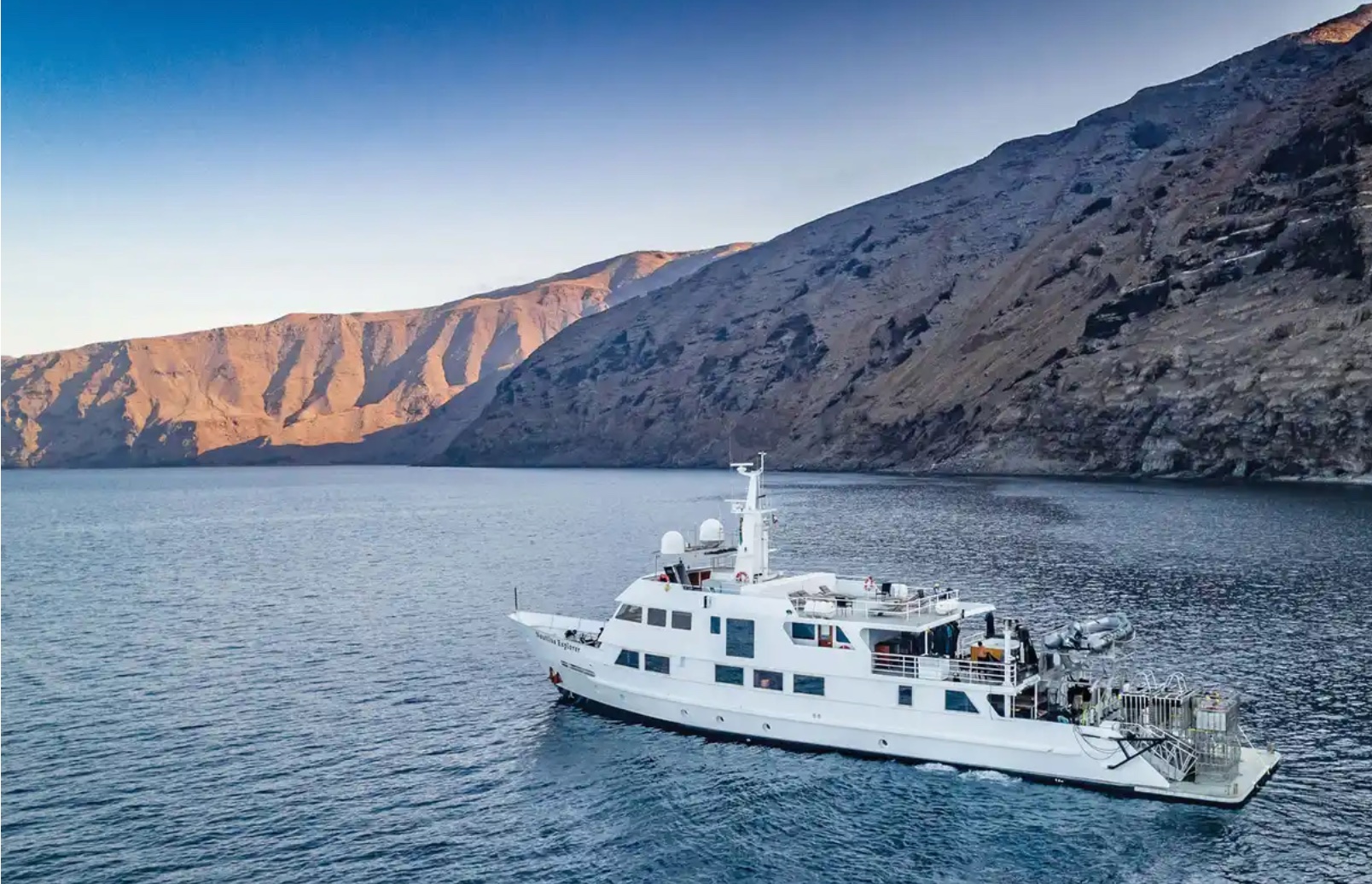
Nautilus Explorer
Mexico
25 guests45 m
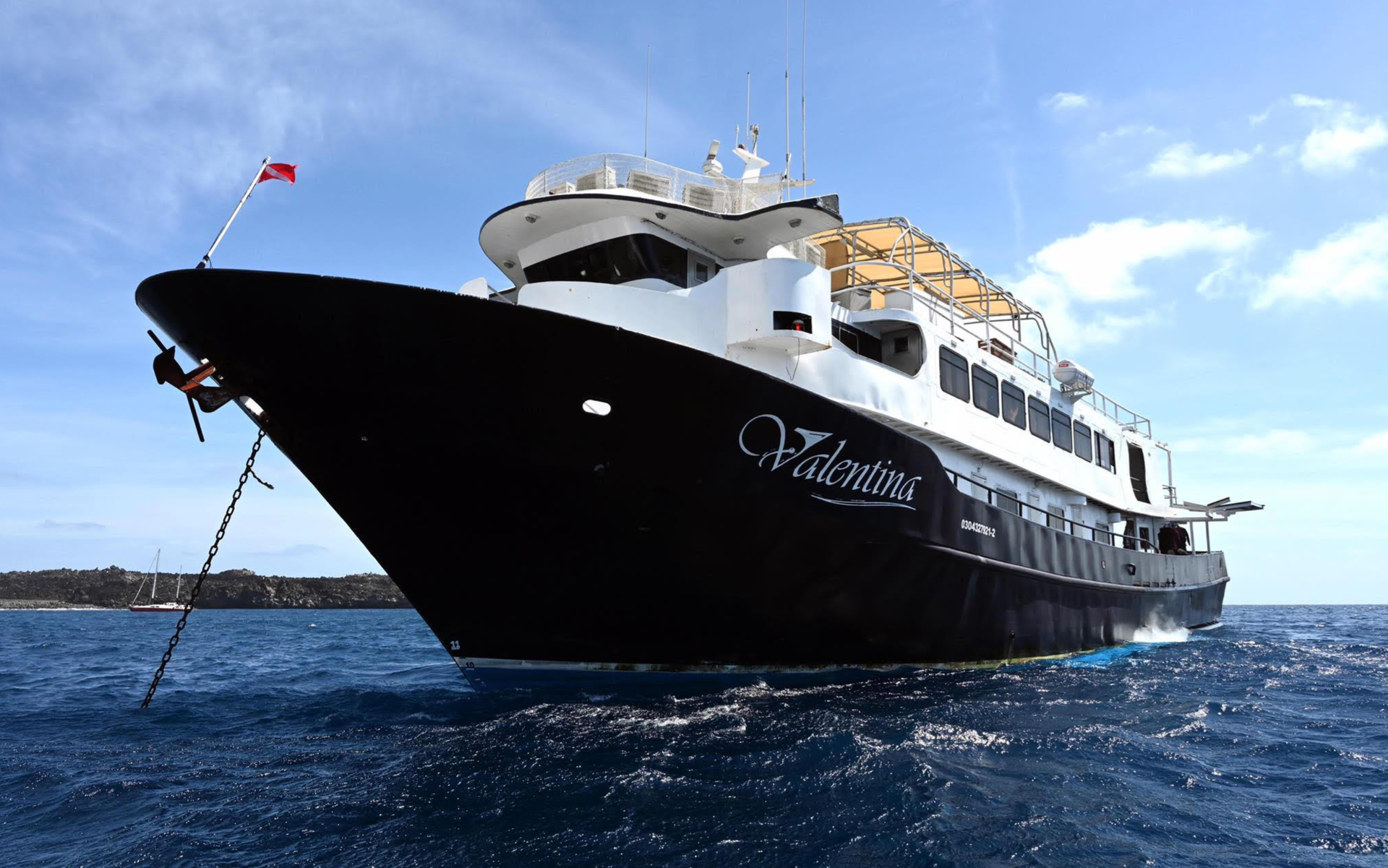
Valentina
Mexico
20 guests38 m
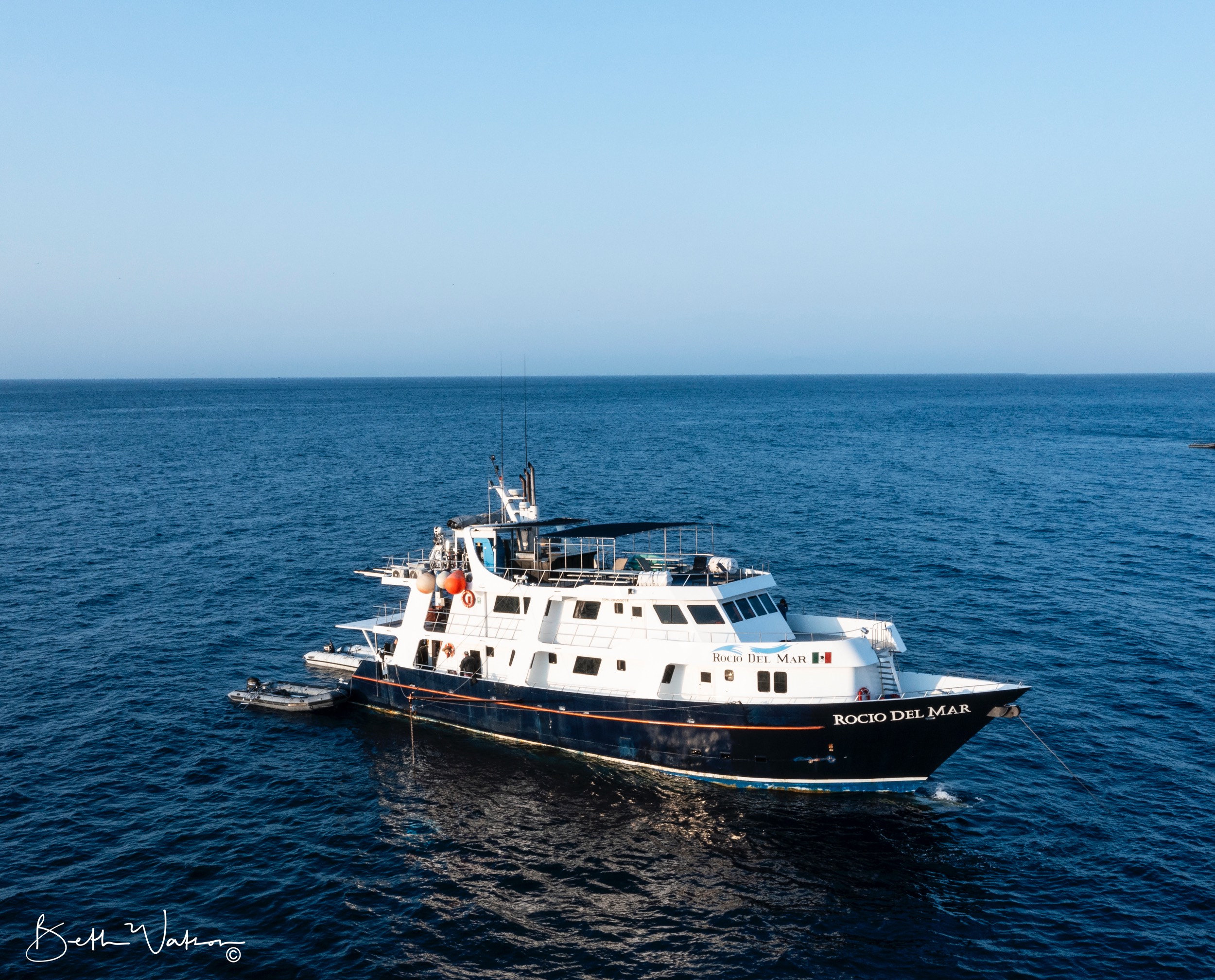
Rocio del Mar
Mexico
20 guests34 m
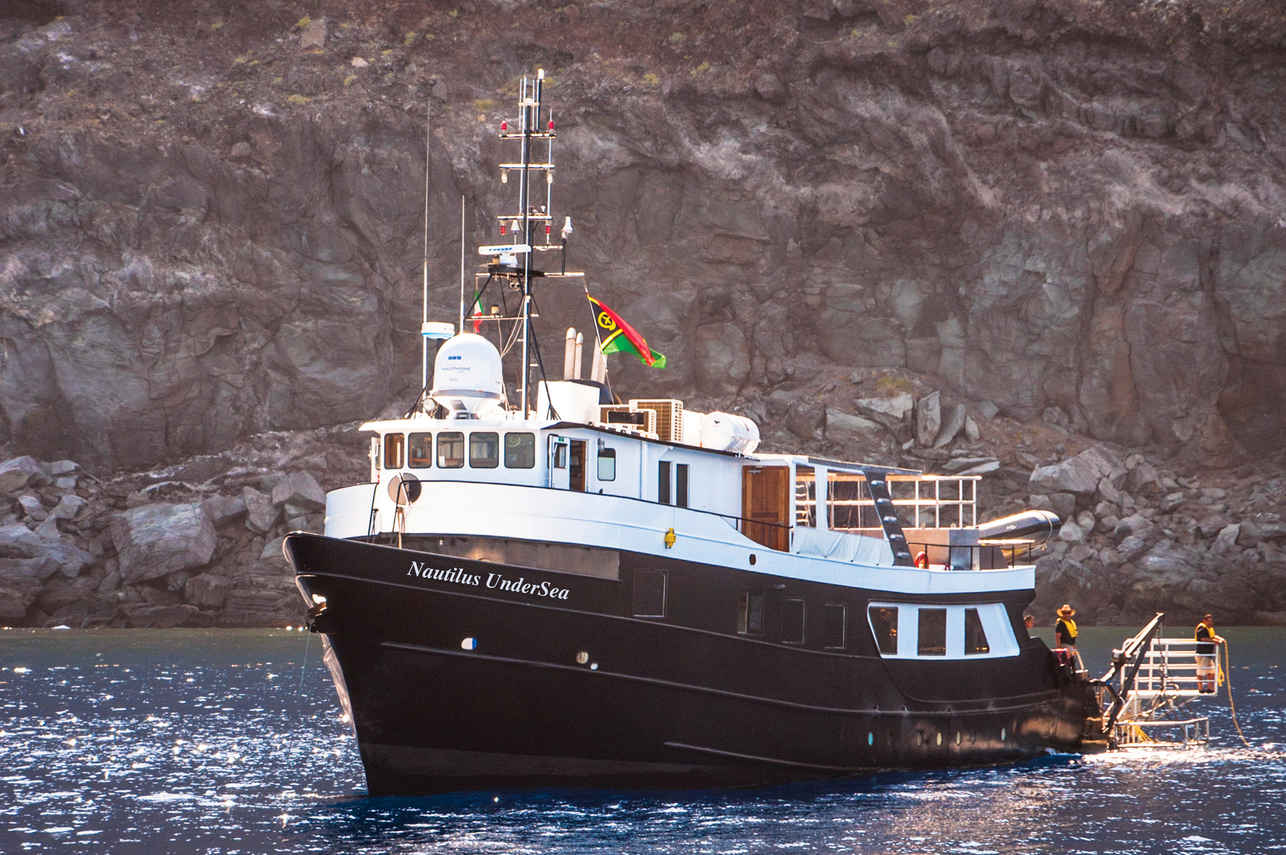
Nautilus Under Sea
Mexico
19 guests32 m
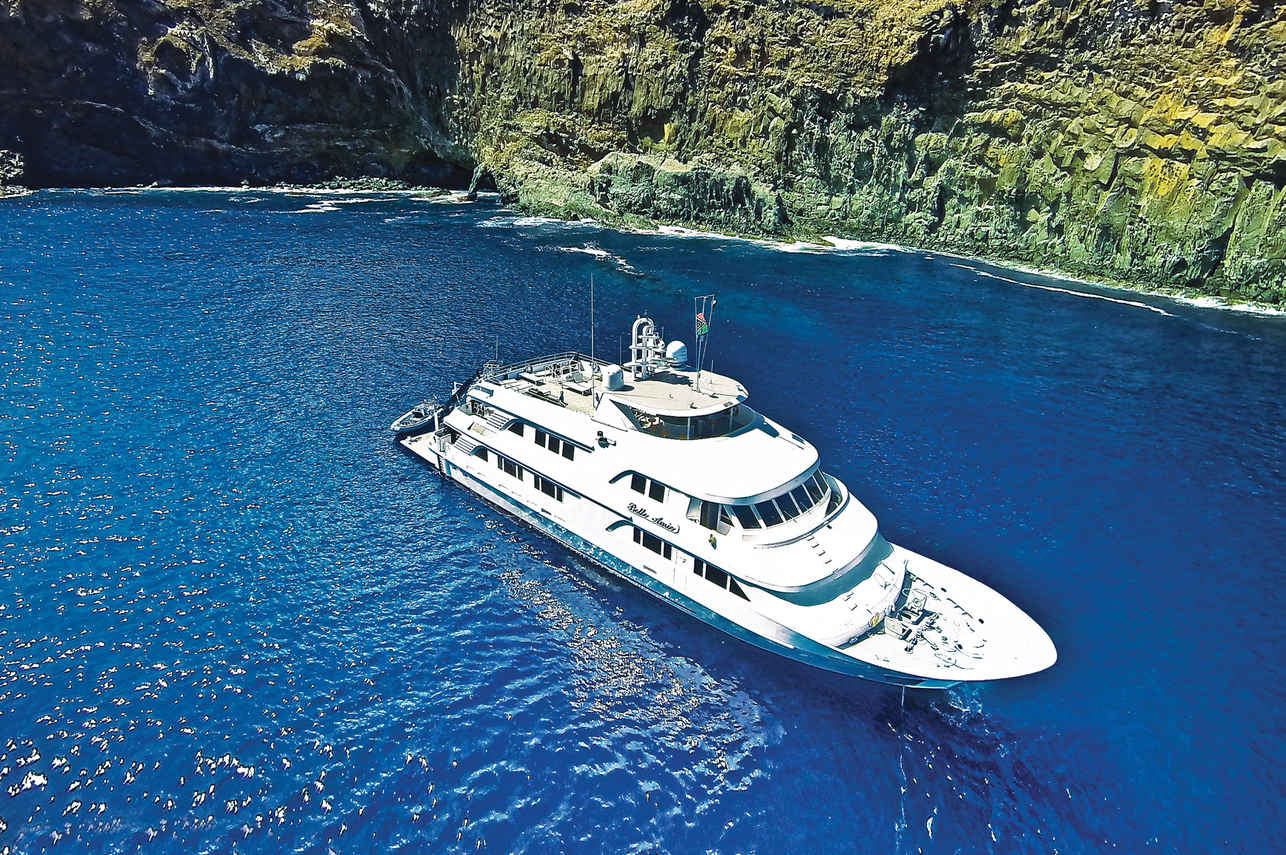
Nautilus Belle Amie
Mexico
32 guests45 m
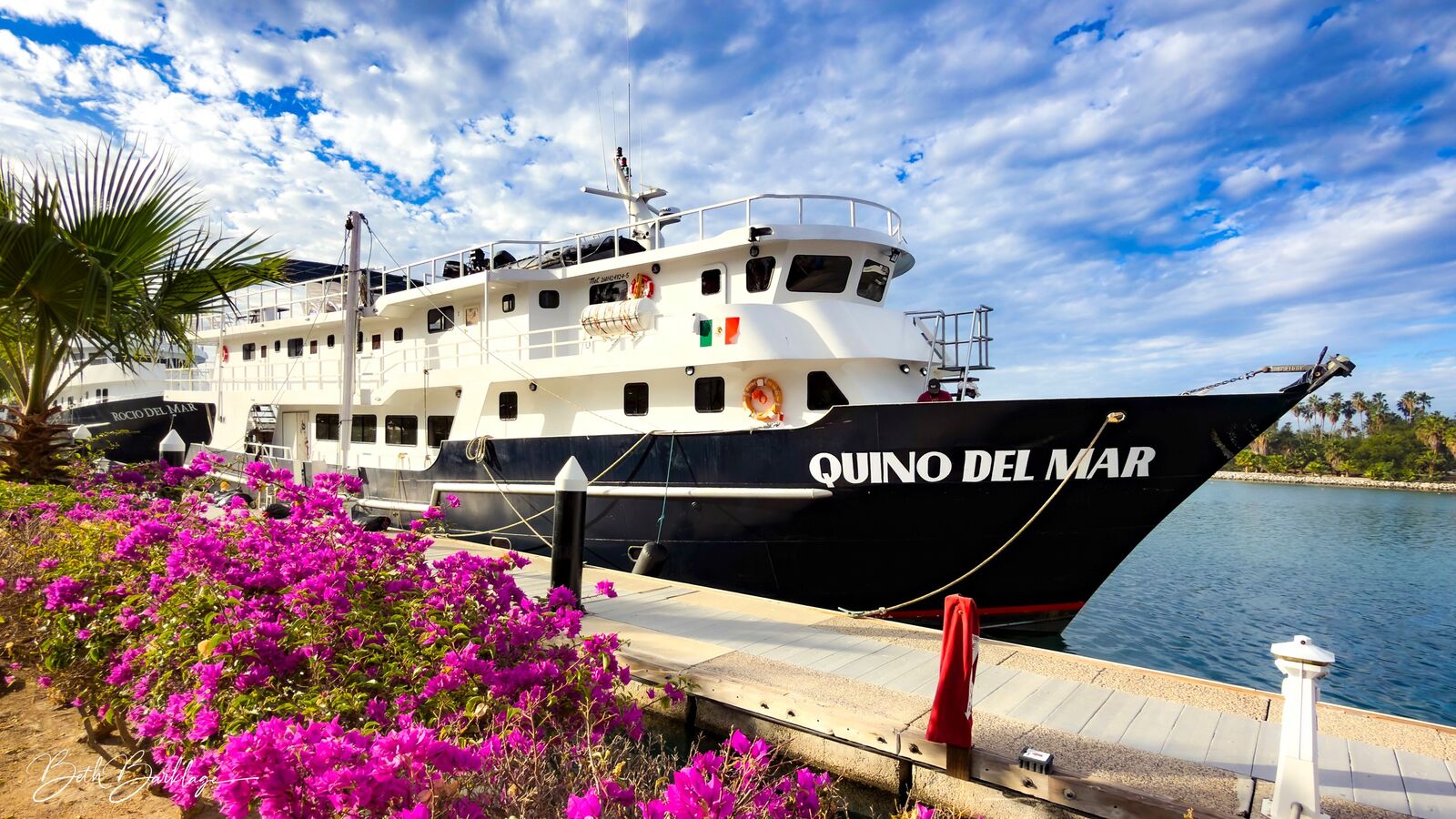
Quino del Mar
Mexico
20 guests36 m
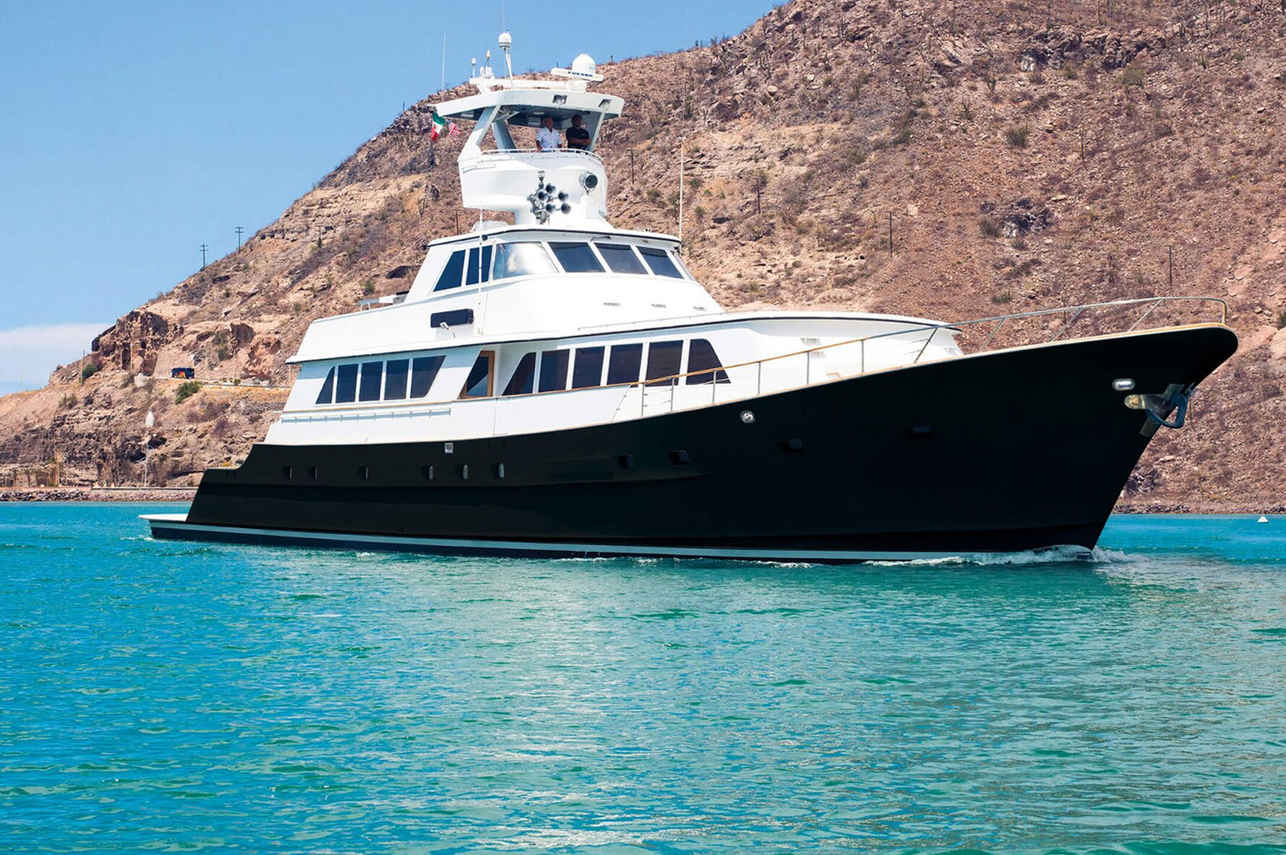
Nautilus Gallant Lady
Mexico
12 guests35 m
Dive sites similar to Blanca Flor
Same character, same waters — six more sites divers love for the exact same reasons.Compare seasons, access and liveaboard routes — then pick the site that fits your trip best.
© Esri — Maxar, Earthstar, GIS
3 Fathom Wall
Cayman Islands
3 Fathom Wall is an exciting and fish-filled dive site located in the Cayman Islands, specifically at the intersection of the renowned Bloody Bay Wall.
- Suitable for
- Intermediate
- Current
- Mild
- Access
- Liveaboard only
- Depth
- ≤ 3000 m
- Theme
- Reef
While specific details for a dive site named "3 Riff" are not present in the provided sources, general diving conditions and characteristics for the Dominican Republic…
- Suitable for
- Advanced
- Current
- Mild
- Access
- Dayboat
- Depth
- 30–55 m
- Theme
- Reef
The dive site known as 3 Rocks is located off the coast of Sosúa in Puerto Plata, Dominican Republic, offering an accessible and lively underwater experience.
- Suitable for
- Beginner
- Current
- Mild
- Access
- Dayboat
- Depth
- 2–8 m
- Theme
- Reef
4 Amigos is a notable dive site located in the Bay Islands of Honduras, an area renowned for its extensive Mesoamerican Barrier Reef System, which is the world's second-longest.
- Suitable for
- Intermediate
- Current
- Moderate
- Access
- Liveaboard or dayboat
- Depth
- 9–40 m
- Theme
- Reef
© Esri — Maxar, Earthstar, GIS
6 Toed Cat
Mexico
The dive site known as "6 Toed Cat" is not a recognized dive location in Mexico; rather, it refers to the polydactyl felines, many with six toes, that inhabit the Ernest Hemingway Home and Museum in Key West, Florida.
- Suitable for
- Beginner
- Current
- Mild
- Access
- Liveaboard or dayboat
- Depth
- —
- Theme
- Reef
© Esri — Maxar, Earthstar, GIS
Aaron's Backyard
Honduras
Aaron's Backyard is a noted dive site within the Roatan Marine Park in Honduras, part of the extensive Mesoamerican Barrier Reef System.
- Suitable for
- Intermediate
- Current
- Moderate
- Access
- Liveaboard or dayboat
- Depth
- 9–40 m
- Theme
- Reef