About
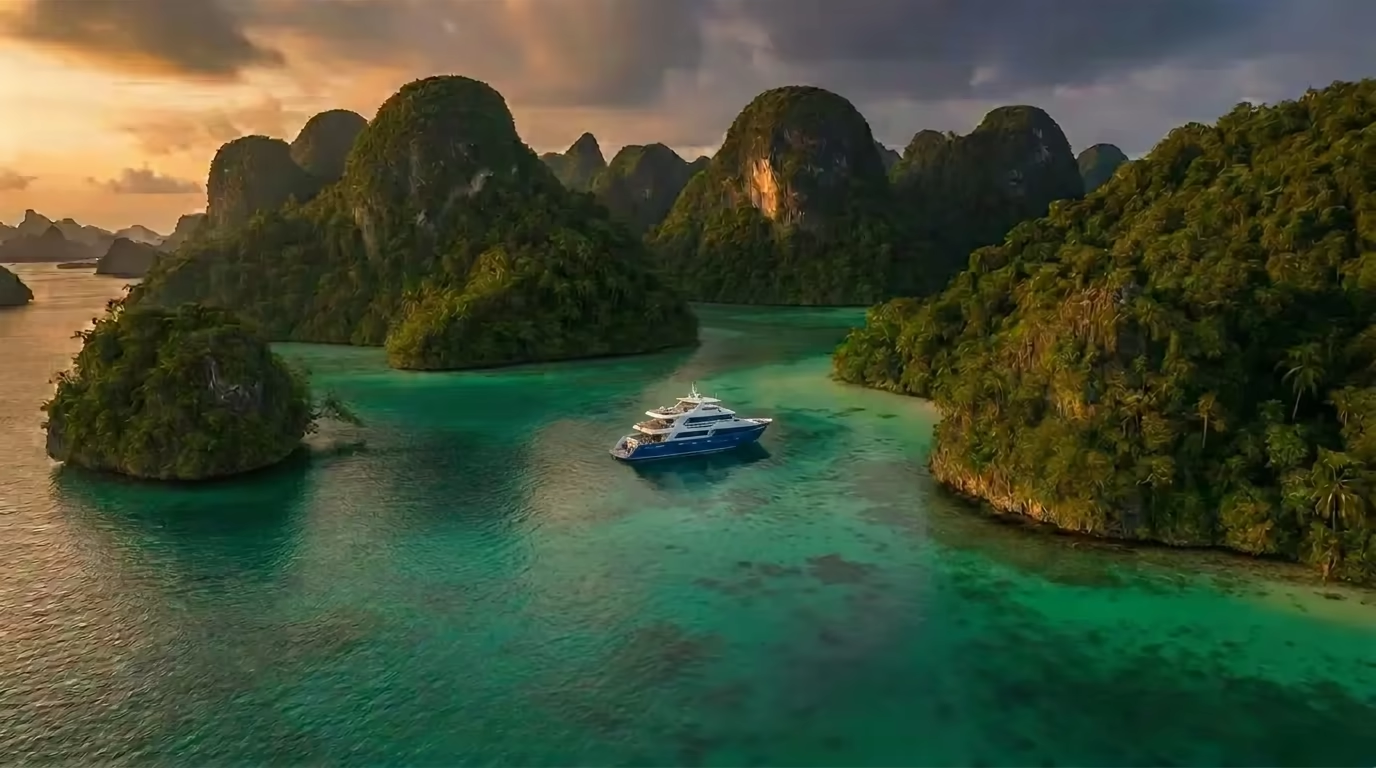
Scattered across 1.3 million square kilometers of the South Pacific, Fiji's 333 islands sit at the meeting point of warm tropical currents and cooler southern waters — a unique convergence that has earned the country its reputation as t…
About
Scattered across 1.3 million square kilometers of the South Pacific, Fiji's 333 islands sit at the meeting point of warm tropical currents and cooler southern waters — a unique convergence that has earned the country its reputation as t…
Available Liveaboards
Explore our handpicked fleet of liveaboards operating in this region
Loading vessels...
Why Dive Here
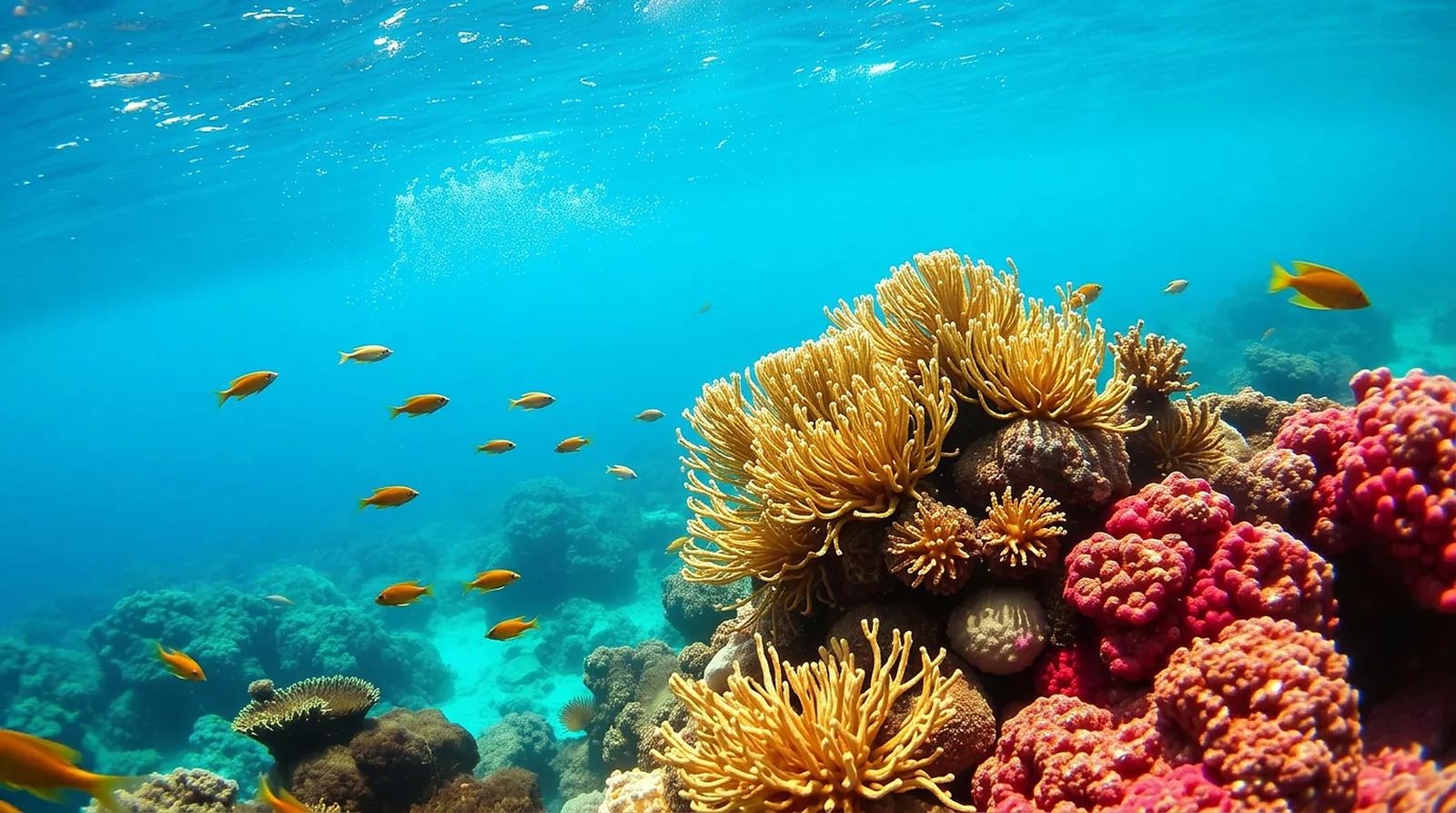
The world's densest and most colourful soft coral gardens
Up to 8 shark species on a single Beqa Lagoon dive
The warmest hospitality in the Pacific
Legendary dive site in the Somosomo Strait
Dive Season
Plan your trip around the best conditions for diving, visibility, and marine encounters
Dry season with best visibility up to 35m. Cooler water brings manta rays. Peak soft coral season.
Transition months with good conditions. Fewer tourists and competitive liveaboard rates.
Wet season with higher rainfall and reduced visibility. Warmer water. Cyclone season possible.
Marine Life
Explore the incredible species that call these waters home
Seasonal Calendar
Plan your trip around the marine life you want to encounter most


Only in
Extraordinary natural events that make Fiji a once-in-a-lifetime diving destination

Beqa Lagoon
Descend to Shark Reef Marine Reserve for guaranteed encounters with up to 8 species of sharks, including massive bull sharks fed by local dive operators.
Read more
Taveuni
Drift through the Somosomo Strait, known as the soft coral capital of the world, where rainbow-colored soft corals blanket every surface in stunning profusion.
Read more
Yasawa Islands
Encounter majestic manta rays at cleaning stations and feeding areas throughout Fiji's nutrient-rich channels during the peak season.
Read moreExplore
Jim's Alley is a renowned soft coral garden located off Gau Island in Fiji's Koro Sea, forming part of a multi-stop diving itinerary in the region. This site lives up to Fiji's reputation as the 'Soft Coral Capital of the World,' showcasing an incredibly diverse ecosystem in relatively shallow waters. It is specifically characterized by three distinct bommies that act as anchors for an explosion of marine life. The topography features numerous hard and soft corals, sea fans, and whips, creating a lush underwater landscape. The site's shallow depth band allows for extended bottom times, perfect for observing the intricate details of the reef. Beyond the corals, the area is teeming with a vast array of reef fish species, making it a dynamic and colorful dive experience. A significant highlight of Jim's Alley is the frequent presence of a group of manta rays that regularly 'fly' through the channel close to the reef, offering incredible encounters. The site is also a paradise for macro enthusiasts, with abundant small creatures hiding among the corals and anemones. Visibility at Jim's Alley is typically excellent, especially during the cooler, drier months, enhancing the visual spectacle of its vibrant ecosystem. Diving here usually involves exploring the bommies and surrounding coral gardens, allowing divers to immerse themselves in the rich biodiversity. The dive profile is generally relaxed, suitable for various experience levels, and is often combined with other Koro Sea sites accessible via liveaboard.
Sam's Point is one of the celebrated patch reefs found within the Somosomo Strait, a narrow channel between Vanua Levu and Taveuni in Fiji. This region is world-renowned for its exceptional biodiversity and breathtaking soft coral diving, earning Fiji the title of the "soft coral capital of the world" by Jacques Cousteau. The Somosomo Strait's unique topography creates strong tidal currents that funnel nutrient-rich water across these reefs, fostering an unparalleled environment for coral growth and a thriving marine ecosystem. As a patch reef, Sam's Point is a submerged volcanic pinnacle, distinct from the strait's extensive fringing or barrier reefs. These isolated structures are dynamic habitats, constantly visited by pelagic species drawn to the abundance of food. The currents here are vital, bringing plankton and nutrients that fuel the entire food chain, resulting in a vibrant underwater spectacle. The site is characterized by an explosion of multi-colored soft corals that blanket its surfaces, creating scenes comparable to those found in dive magazines. Divers can anticipate encountering a wide variety of reef fish and invertebrates, all thriving in the nutrient-rich waters. The constant flow ensures healthy coral gardens and a lively environment. Diving Sam's Point typically involves navigating the currents, which are a defining feature of the Somosomo Strait. Dive operators schedule visits based on tidal conditions to optimize the experience, often allowing for drift dives. The site offers a chance to witness the intricate dance between current and marine life, making it a truly immersive and world-class Fijian dive.
Rainbow's End is a top dive site located in the Somosomo Strait, a channel separating Taveuni and Vanua Levu islands, known as the 'Soft Coral Capital of the World'. The site is celebrated for its extensive and colorful coral gardens, thriving due to the nutrient-rich currents flowing through the strait. Depths at Rainbow's End range from 10 to 30 meters, accommodating various diving experiences. The topography is characterized by stunning coral formations and potential for diverse marine encounters throughout the dive. This location is particularly famous for its spectacular coral ecosystems, making it a focal point for divers visiting Taveuni Island. While vibrant soft corals are a year-round attraction, the site also hosts schools of barracuda and frequent sightings of Napoleon wrasse, especially during morning dives. The constant tidal flow in the Somosomo Strait ensures a continuous supply of food for the thriving marine ecosystem, leading to remarkable biodiversity. Divers typically visit Rainbow's End during morning dives, especially on an incoming tide, to experience optimal conditions and the most vivid coral displays. It is a favored spot for capturing the quintessential beauty of Fijian reefs.
Wilkes Passage is a dive site located within the Malolo Barrier Reef in Fiji's Mamanuca Group, southwest of Nadi on Viti Levu. As a pass in the barrier reef, it serves as a channel that connects the calmer lagoon waters with the open ocean, making it a dynamic environment for marine life and divers. The site primarily features a sandy and hard bottom, ranging in depth from approximately 15 to 20 meters. It is distinguished by substantial colonies of *Tubinaria* coral and a rich presence of soft corals, providing a vibrant underwater landscape. Beyond these coral formations, the passage's open nature can expose divers to a variety of pelagic species drawn to the nutrient-rich currents. Water temperatures in the Mamanucas generally range from 25°C to 30°C throughout the year, supporting a healthy reef ecosystem, though specific bleaching was noted on some deeper bommies inside the lagoon at 27 meters in 2005. Visibility typically ranges from 20 to 40 meters across the Mamanuca Islands, but can vary within passages depending on currents and plankton. Diving Wilkes Passage often involves a drift along the natural flow, offering a different perspective than static reef dives. Its accessibility from resorts on Malolo Lailai, such as Plantation Island Resort and Musket Cove Resort, makes it a frequent inclusion in daily dive itineraries for those exploring the Mamanuca Islands.
Beyond Diving

Participate in a sacred Fijian kava ceremony, a cornerstone of village culture. Share the earthy drink from a communal bowl as locals welcome you with songs and stories of island life.
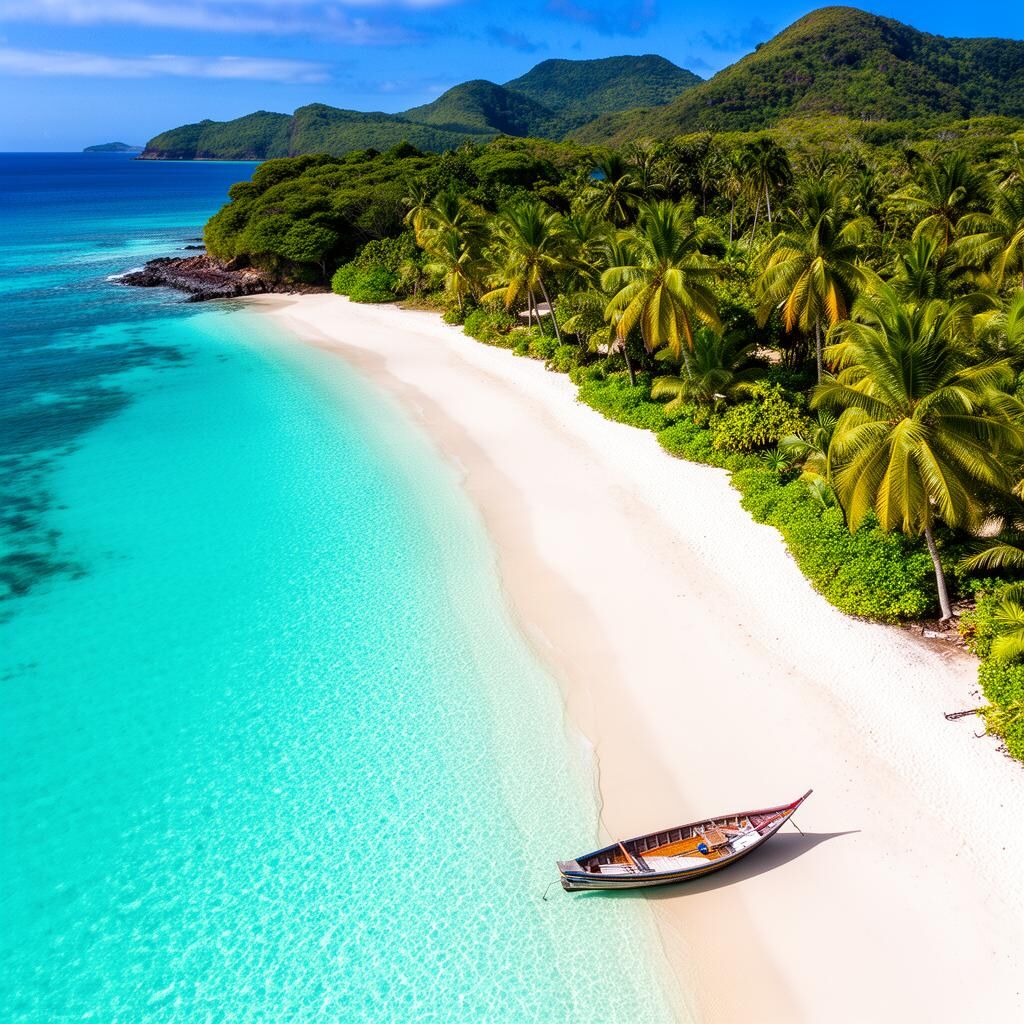
Relax on the pristine white-sand beaches of the remote Yasawa island chain. Crystal lagoons, swaying palms, and dramatic volcanic backdrops create a picture-perfect tropical paradise.

Raft through the lush Navua River Gorge on a bamboo bilibili raft. Towering canyon walls draped in tropical vegetation, hidden waterfalls, and traditional village visits make this a unique adventure.
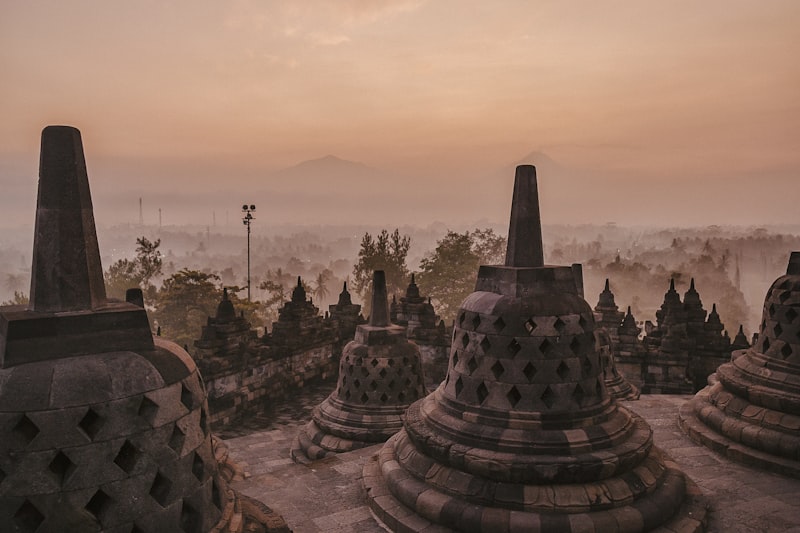
Experience daily life in an authentic Fijian village. Learn about traditional crafts, meke dance performances, and the communal "lovo" earth oven feast cooked underground with hot stones.
Budget
How Fiji compares to other diving destinations worldwide.
$300–$550
per day liveaboard
$120–$250
per 2-tank dive trip
$60–$300
hotel per night
Prices reflect typical costs for mid-range to premium options. Budget alternatives may be available.
Wet season with higher rainfall and reduced visibility. Warmer water. Cyclone season possible.
Transition months with good conditions. Fewer tourists and competitive liveaboard rates.
Dry season with best visibility up to 35m. Cooler water brings manta rays. Peak soft coral season.
Visit during dry season shoulder months (May, Oct) – Excellent diving with lower prices than peak season
Choose outer island resorts over Denarau – Better diving access and more affordable packages
Book liveaboard trips for remote reefs – All-inclusive pricing covers meals, dives and transfers
Travel midweek on Fiji Airways – Domestic flights to outer islands are cheaper on weekdays
Bring your own dive gear – Rental equipment adds up quickly, especially on remote islands
Look for multi-dive packages – Many operators offer significant discounts for 10+ dive bundles
Travel
Nadi International Airport
Nadi • NAN
Main gateway with flights from Sydney, Auckland, Los Angeles, Singapore, Hong Kong
Most nationalities receive a free 4-month visa on arrival. Valid passport with 6 months validity required.
This information is provided without guarantee. Please visit the official website for the latest entry requirements.
Official Immigration Information →Plan Your Trip
Good to know
Compare
Honest, in-depth comparisons to help you decide between destinations, certifications, equipment and dive styles.
Choosing between a liveaboard and a land-based dive trip is the most fundamental decision divers face when planning a serious diving holiday. The right answer depends on your priorities: maximum dive count and access to remote sites favor liveaboards; beach time, family flexibility and lower cost favor land-based resorts. Both formats have evolved significantly in the last decade, and the line between them has blurred — luxury dive resorts now offer multi-day expedition trips, while many liveaboards include topside excursions and even spa days. This guide compares the two formats across every meaningful dimension: cost per day, dives per day, marine life access, comfort, social dynamics, family-friendliness, and travel logistics. We'll also cover the hybrid models (resort + day-charter, or 'safari boat' itineraries) that try to capture the best of both worlds. If you're certified, in love with diving and want to maximize bottom time, a liveaboard is almost always the better choice — you can clock 25+ dives in a week and reach sites no day boat can. If you're traveling with non-divers, prefer land-based comfort, or want flexibility to take days off, a resort wins. We'll get into all the nuances below.
Read comparisonWhen planning your next liveaboard dive trip in the South Pacific, Fiji and the Solomon Islands often emerge as top contenders. Both destinations promise spectacular underwater encounters, vibrant coral reefs, and unique cultural experiences, yet they offer distinct flavors of adventure. Fiji, often dubbed the 'Soft Coral Capital of the World,' is renowned for its kaleidoscopic reefs, teeming with colorful fish and larger pelagics. It's a well-established dive tourism hub, offering a range of liveaboard options catering to various budgets and experience levels. Its ease of access and diverse dive sites make it a perennial favorite. The Solomon Islands, in contrast, offer a more rugged and off-the-beaten-path experience. Famed for its pristine coral reefs, abundant WWII wrecks, and rich biodiversity, it appeals to divers seeking adventure, history, and a touch of the unexplored. While less developed for tourism, its raw beauty and historical significance provide an unparalleled dive journey.
Read comparisonChoosing your next liveaboard destination can be a thrilling yet challenging decision, especially when comparing two world-renowned dive powerhouses like Australia and Fiji. Both offer unparalleled underwater experiences, from vibrant coral reefs to encounters with iconic megafauna, but they cater to slightly different preferences and budgets. Australia, home to the immense Great Barrier Reef and the remote Coral Sea, promises grand-scale biodiversity, dramatic drop-offs, and encounters with large pelagics. Its liveaboard offerings often focus on extended expeditions to pristine, offshore sites, appealing to divers seeking adventure and vast, untouched ecosystems. Fiji, the 'Soft Coral Capital of the World,' presents a different kind of allure with its kaleidoscopic reefs, abundant reef sharks, and warm, inviting waters. Its liveaboards often navigate through archipelagos, offering a blend of exhilarating drift dives and serene reef exploration, perfect for those who appreciate vibrant colors and a more intimate island-hopping experience.
Read comparisonExplore our expedition vessels and find your perfect trip to Fiji


