
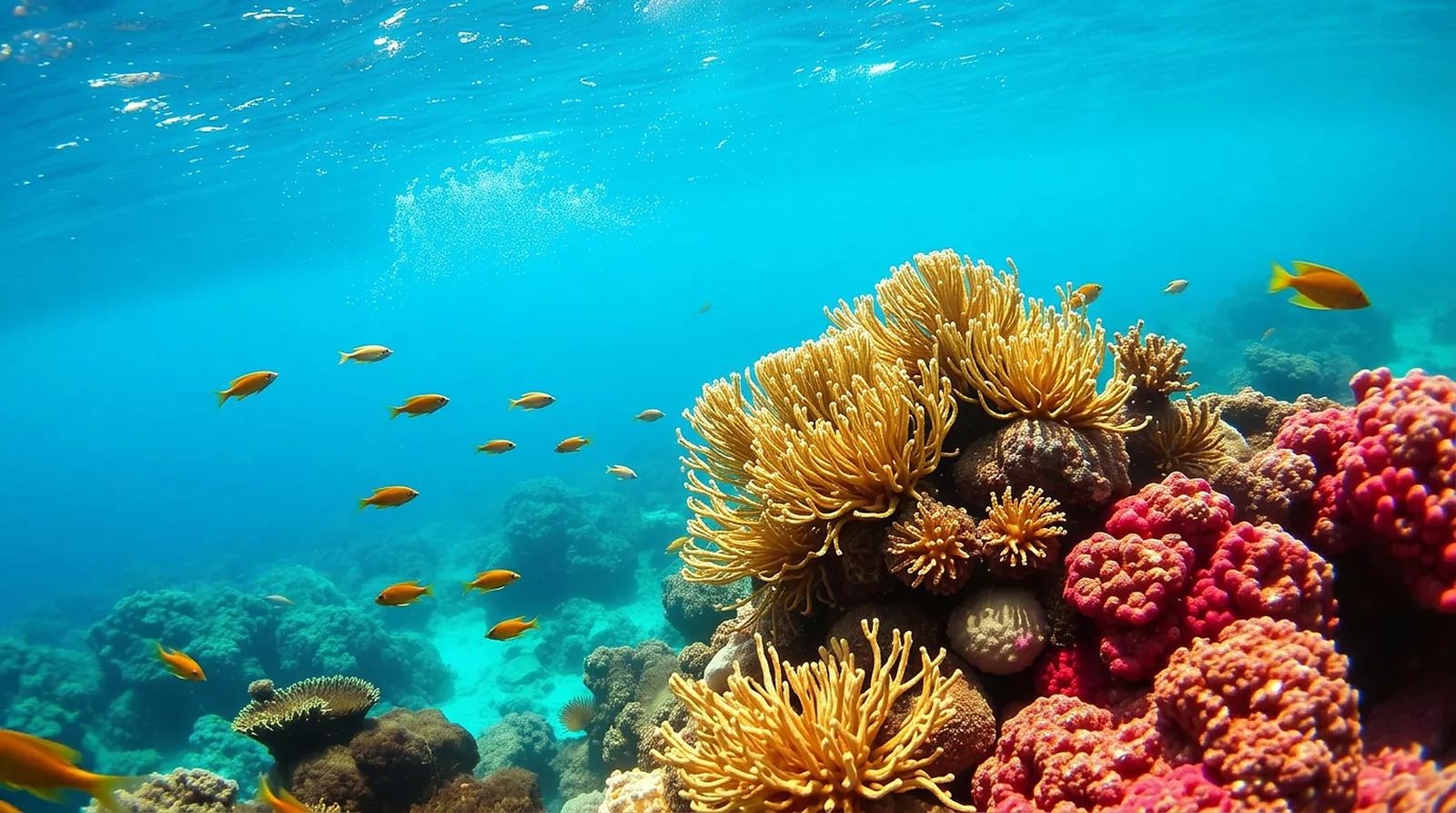
Soft coral capital of the world — vibrant reefs, friendly currents and warm waters across 300+ islands.
Fiji is widely known as the Soft Coral Capital of the World. A liveaboard here unlocks the most pristine sites in the Bligh Water, Somosomo Strait and the remote Lau Group — areas that day boats simply cannot reach. Expect technicolour reefs, frequent shark action and some of the warmest, friendliest dive culture in the South Pacific.
Diving is excellent year-round, but the dry season (May–October) brings the best visibility (25–40 m) and cooler water (24–27 °C). November–April is warmer (28–30 °C) with more plankton — better for soft coral colour and manta encounters in the Yasawas.
Most international flights arrive at Nadi International Airport (NAN) on Viti Levu. Fiji Airways connects Nadi to Los Angeles, Sydney, Auckland, Hong Kong, Tokyo and Singapore. From Nadi, internal flights or transfers reach the liveaboard departure ports.
Lautoka (close to Nadi, gateway to Bligh Water) is the most common embarkation port. Some boats depart from Suva for southern itineraries or from Pacific Harbour for Beqa Lagoon shark-feed trips. Charter transfers from Nadi are usually included.
Bligh Water sits between the two main islands and hosts world-famous pinnacles such as Mount Mutiny, E-6 and the Cathedral, draped in soft corals. The Somosomo Strait is home to the legendary Great White Wall and Rainbow Reef. Beqa Lagoon offers controlled bull and tiger shark dives. The Lau Group, only reached by long-range liveaboards, is virtually untouched.
Bring a 3 mm wetsuit (5 mm in winter), a reef hook for current dives and a torch for swim-throughs. Sevusevu (a small kava gift) is appreciated when visiting villages. Fijian time is relaxed — embrace it. Bula!
Fijian English is widely spoken. Fiji uses 240 V plugs (Type I, Australian style). Tap water in resorts is safe; on liveaboards stick to bottled or filtered. Tipping is not expected but always appreciated.
Currents on outer-reef sites can be strong — the use of reef hooks and surface marker buoys is mandatory. Cyclone season (December–April) can occasionally disrupt itineraries; book with a flexible operator. Decompression chambers are limited; dive insurance covering remote evacuation is strongly recommended.
Compare every liveaboard, every itinerary, every cabin — book direct with the operator at the best price.