About
A Bahamas liveaboard is the key to unlocking the secrets of this vast 700-island archipelago, offering an unparalleled variety of underwater experiences. From the legendary shark encounters of the north to the pristine, current-swept walls…
About
A Bahamas liveaboard is the key to unlocking the secrets of this vast 700-island archipelago, offering an unparalleled variety of underwater experiences. From the legendary shark encounters of the north to the pristine, current-swept walls…
Available Liveaboards
Explore our handpicked fleet of liveaboards operating in this region
Loading vessels...
Why Dive Here
Tiger, hammerhead, and reef sharks in abundance
Mystical underwater sinkholes and cave systems
Endless variety across pristine archipelago
Warm waters and visibility up to 60 metres
Dive Season
Plan your trip around the best conditions for diving, visibility, and marine encounters
Tiger sharks at Tiger Beach, hammerheads off Cat Island, best visibility up to 40m, calm seas.
Reef sharks, nurse sharks, dolphins. Slightly rougher seas but still diveable.
Many operators pause. If open, expect reduced visibility and unpredictable weather.
Marine Life
Explore the incredible species that call these waters home
Seasonal Calendar
Plan your trip around the marine life you want to encounter most


Only in
Extraordinary natural events that make Bahamas a once-in-a-lifetime diving destination

Tiger Beach, Grand Bahama
Experience heart-pounding encounters with majestic tiger sharks at Tiger Beach, one of the world's premier shark diving destinations with crystal-clear visibility.
Read more
Cat Island
Encounter the legendary oceanic whitetip sharks in the deep blue waters of Cat Island – once the most abundant large predator on Earth, now a rare and humbling sight.
Read more
Long Island
Descend into the mysterious Dean's Blue Hole and underwater cave systems of the Bahamas, exploring ancient stalactite formations created during the Ice Age.
Read more
Bimini
Witness schools of great hammerhead sharks congregating in the shallow waters of Bimini during their annual winter migration – an electrifying spectacle.
Read moreExplore
The SS Sapona is one of Bimini's most iconic dive sites, a concrete-hulled cargo steamer that ran aground during a hurricane in 1926. This unique ferro-cement vessel, originally built in 1911, was repurposed during the Prohibition era as a rum-running base and later served as target practice for the US Army Air Forces and Navy during WWII, adding to its compelling history. Today, the wreck sits in a remarkably shallow depth of 4.5 to 6 meters (15-20 feet), with significant portions still rising above the water's surface. This accessibility makes it an excellent site for divers of all levels, including beginners, as well as snorkelers. You can navigate through broken hull sections and peer into old storage rooms, experiencing the intertwining of history and marine life. Over the decades, the Sapona has transformed into a vibrant artificial reef, heavily encrusted with corals and sponges. It provides a sanctuary for various marine species, including schools of grunts and soldierfish, and often serves as a resting spot for nurse sharks beneath its stern. The wreck's exposed position and historical significance make it a distinctive landmark in Bimini.
Crab Wall is a prominent deep wall dive site in the Bahamas, specifically mentioned as part of the Exuma Cays itinerary for liveaboards. It stands out for its breathtaking topography, characterized by continuous massive coral structures and intricate ravines that provide shelter for elusive marine creatures. Divers experience an intense descent, witnessing profound changes in color as they explore depths reaching at least 32 meters (106 feet). The wall offers an exhilarating view into the seemingly endless blue, where the anticipation of larger pelagic species appearing from the deep is a constant thrill. While specific seasonal details for Crab Wall are not extensively provided, the Bahamas generally offers excellent diving conditions year-round, with warm waters conducive to vibrant coral health. The site is noted for its diverse macro life and occasional sightings of larger species. This dive site presents a unique opportunity for advanced divers to explore extensive wall systems, perfect for working on buoyancy and enjoying the vast scale of the underwater environment. It is frequently included in liveaboard itineraries departing from Nassau, showcasing the rich variety of diving experiences in the Exuma Sound.
Cut Through City is a standout dive site located off the coast of Eleuthera in the Bahamas, a region renowned for its diverse underwater topography. As part of the extensive Eleuthera island chain, this site contributes to an area celebrated for dramatic drop-offs, healthy reef systems, and exceptionally clear visibility, making it a favorite for both day divers and liveaboard guests. The site is generally characterized by deep walls, typical of Eleuthera's southwestern coast, where the shallow Bahama Bank transitions abruptly into the profound depths of the Atlantic. These vertical structures are adorned with a rich tapestry of corals, sponges, and gorgonians, thriving in abundant sunlight and supported by active water movement. The topography also features unique ledges, potential swim-throughs, and varied coral formations that offer distinct aesthetic possibilities for exploration. While specific marine life details for Cut Through City are not extensively detailed, the broader Eleuthera region is home to turtles, rays, and schooling fish, with Caribbean reef sharks being a common sight. The visibility here can often range from 50 to 80 feet, influenced by the season and local conditions, particularly benefiting from cooler winter waters. Water temperatures typically range between 73°F and 75°F in cooler months. Accessibility to Cut Through City is primarily through liveaboard cruises operating out of Nassau, which are ideally suited for reaching remote sites like this across the Eleuthera region. Divers can expect a dive experience that involves navigating along impressive wall structures, with opportunities for both wide-angle and macro photography amidst the diverse coral growth.
Split Coral Head is a notable dive site located in Eleuthera, Bahamas, celebrated for its impressive coral formations and the distinctive split in a massive coral head from which it derives its name. This site offers divers a visual spectacle, particularly on sunny days when the light illuminates the crystal-clear Bahamian waters and unique topography. The site is characterized by large, complex coral structures that are home to a variety of reef inhabitants. One central feature is a substantial coral head with a prominent split or channel running through it, large enough for divers to swim through. This geological feature, combined with the surrounding vibrant coral gardens, creates an engaging underwater landscape. Marine life sightings at Split Coral Head frequently include various shark species, great barracuda, and schools of jacks. Groupers, such as tiger grouper and Nassau grouper, are also commonly observed taking refuge within the formations. The site is part of the Eleuthera diving experience, which is known for its walls, healthy reef systems, and diverse species. Diving here typically involves exploring the impressive coral formations, navigating through the signature split, and observing the resident marine fauna. With excellent visibility often exceeding 30 meters (100 feet), divers can fully appreciate the scale and beauty of this unique Bahamian site, often as part of a liveaboard itinerary exploring both the Exumas and Eleuthera.
Beyond Diving
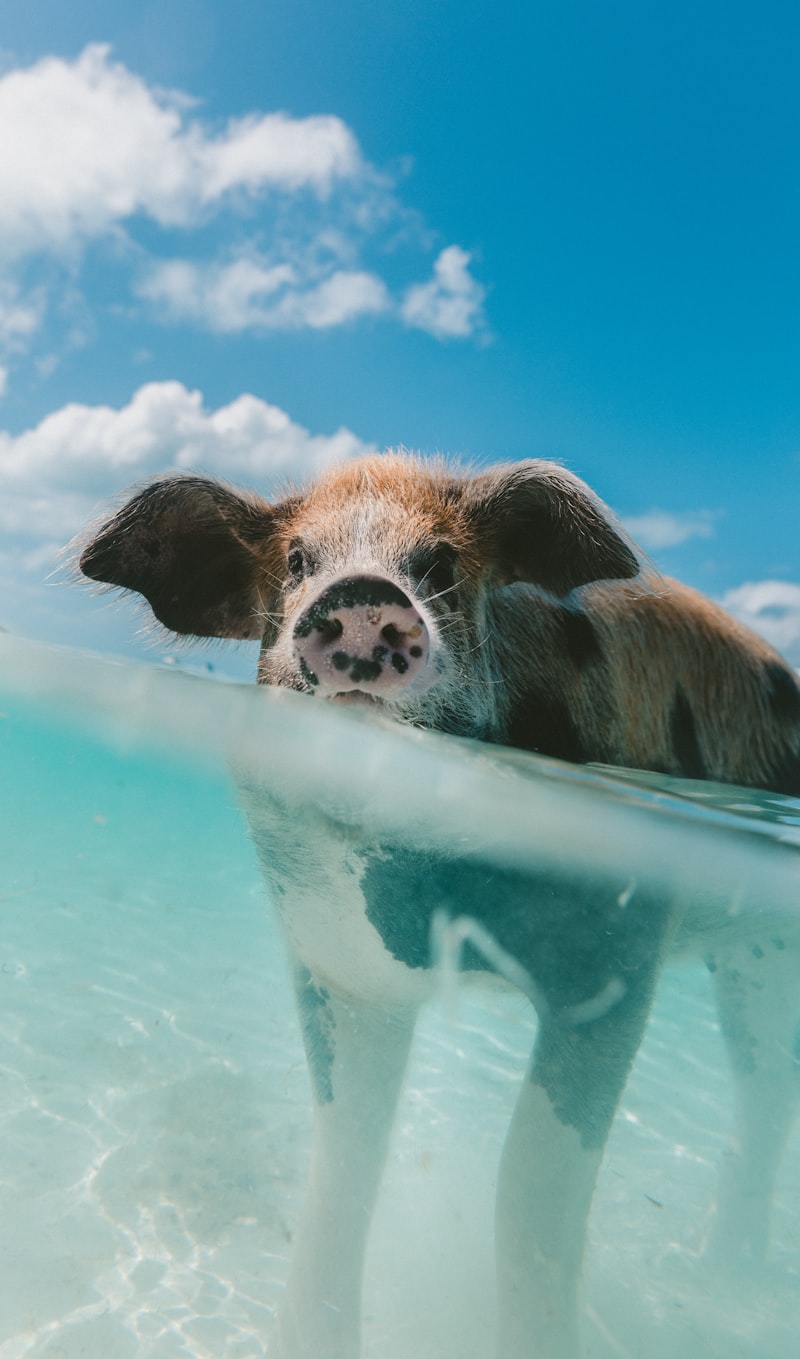
The world-famous swimming pigs of Exuma have become a Bahamian icon. Wade into the turquoise shallows as friendly pigs paddle up to greet you—a surreal and unforgettable experience that perfectly captures the islands' laid-back charm.
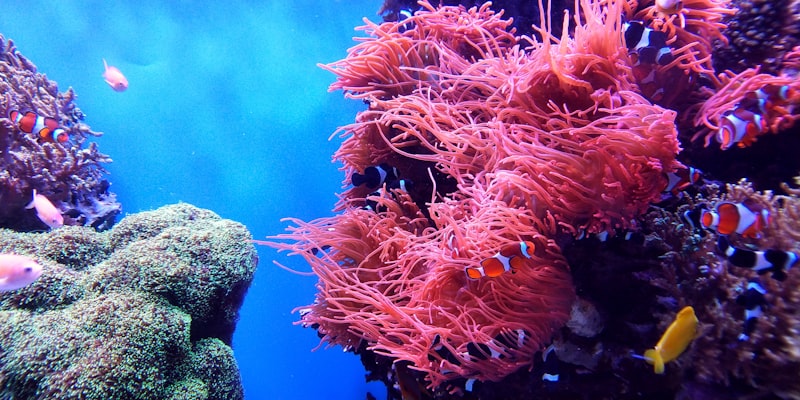
This underwater sea cave near Staniel Cay gained fame in two James Bond films. Snorkel through the entrance at low tide and emerge into a cathedral of light where sunbeams pierce through rock openings, illuminating schools of tropical fish.
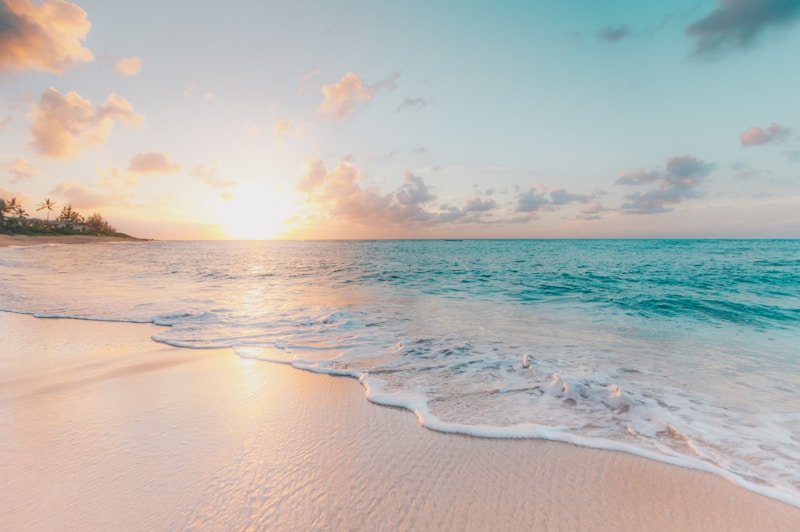
Stretching three miles along Harbour Island's eastern shore, this beach owes its rosy hue to microscopic coral fragments mixed with white sand. Consistently ranked among the world's most beautiful beaches, it's a photographer's paradise.
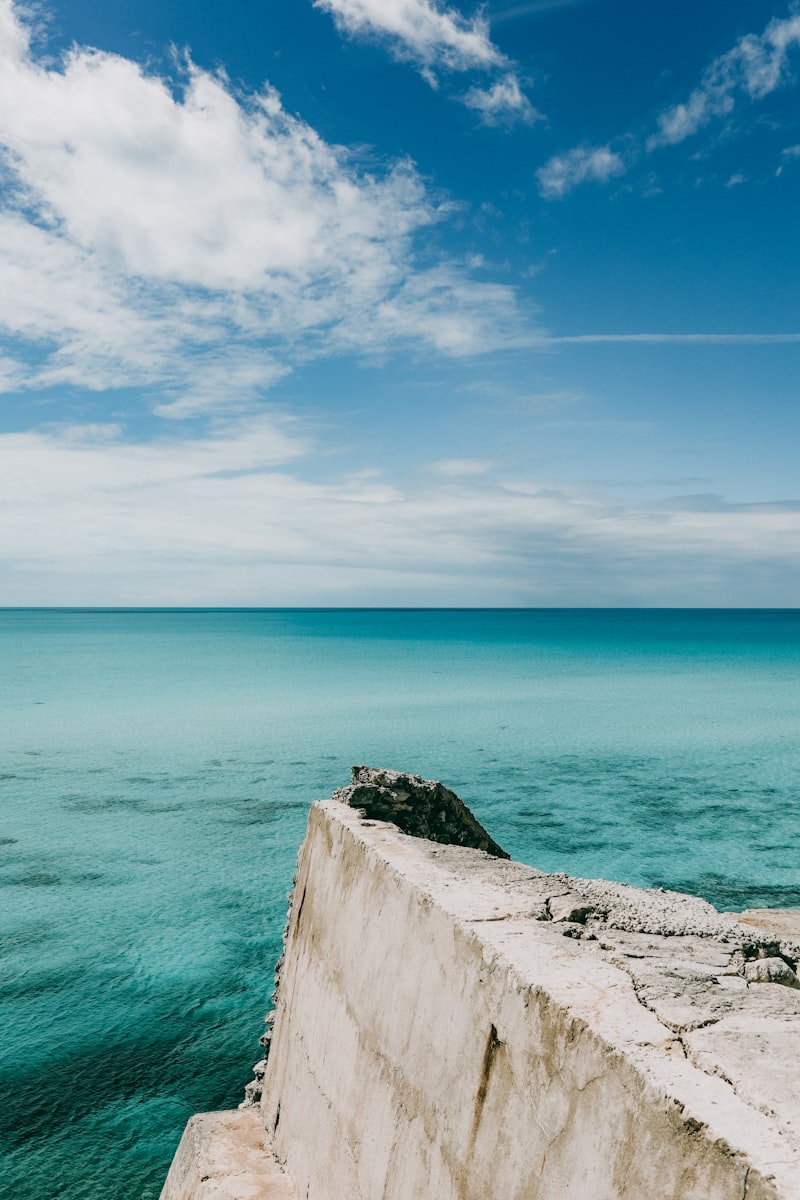
A narrow land bridge on Eleuthera where the dark blue Atlantic crashes against rocks on one side while the calm, turquoise Caribbean Sea laps gently on the other—nature's most dramatic contrast captured in a single breathtaking view.
Budget
How Bahamas compares to other diving destinations worldwide.
$350–$600
per day liveaboard
$150–$250
per 2-tank dive trip
$200–$400
hotel per night
Prices reflect typical costs for mid-range to premium options. Budget alternatives may be available.
Many operators pause. If open, expect reduced visibility and unpredictable weather.
Reef sharks, nurse sharks, dolphins. Slightly rougher seas but still diveable.
Tiger sharks at Tiger Beach, hammerheads off Cat Island, best visibility up to 40m, calm seas.
Book early for peak season – Liveaboards fill up 6-12 months ahead
September offers best deals – Lowest prices but monitor weather forecasts
Consider land-based diving – Day trips from Nassau are more affordable than liveaboards
Fly midweek – Tuesday & Wednesday flights often 15-25% cheaper
Compare Nassau vs. outer islands – Better rates but more limited dive options
Bring your own gear – Rental equipment fees add up quickly over a multi-day trip
Travel
Lynden Pindling International Airport
Nassau • NAS
Main gateway with direct flights from Miami, New York, Atlanta, Toronto, London
Grand Bahama International Airport
Freeport • FPO
Gateway for Grand Bahama diving, flights from Miami and Fort Lauderdale
Citizens of the US, Canada, UK, EU, and many other countries do not require a visa for stays up to 90 days. A valid passport with at least 6 months validity is required. All visitors must complete the Bahamas Health Travel Visa online before arrival.
This information is provided without guarantee. Please visit the official website for the latest entry requirements.
Official Immigration Information →Plan Your Trip
Good to know
Compare
Honest, in-depth comparisons to help you decide between destinations, certifications, equipment and dive styles.
Choosing between a liveaboard and a land-based dive trip is the most fundamental decision divers face when planning a serious diving holiday. The right answer depends on your priorities: maximum dive count and access to remote sites favor liveaboards; beach time, family flexibility and lower cost favor land-based resorts. Both formats have evolved significantly in the last decade, and the line between them has blurred — luxury dive resorts now offer multi-day expedition trips, while many liveaboards include topside excursions and even spa days. This guide compares the two formats across every meaningful dimension: cost per day, dives per day, marine life access, comfort, social dynamics, family-friendliness, and travel logistics. We'll also cover the hybrid models (resort + day-charter, or 'safari boat' itineraries) that try to capture the best of both worlds. If you're certified, in love with diving and want to maximize bottom time, a liveaboard is almost always the better choice — you can clock 25+ dives in a week and reach sites no day boat can. If you're traveling with non-divers, prefer land-based comfort, or want flexibility to take days off, a resort wins. We'll get into all the nuances below.
Read comparisonChoosing between the Turks & Caicos and the Bahamas for your next liveaboard dive adventure can be a delightful dilemma. Both archipelagos boast crystal-clear Caribbean waters, abundant marine life, and world-class dive sites, yet they offer distinct experiences tailored to different preferences and skill levels. Blue Rides is here to help you navigate these vibrant destinations, ensuring you pick the perfect liveaboard for your underwater dreams. From the dramatic walls of the Turks & Caicos to the shark-filled waters and blue holes of the Bahamas, each destination promises unforgettable encounters. We'll delve into the specifics, comparing everything from the best time to visit and the marine species you're likely to encounter, to the practicalities of trip length, pricing, and accessibility. Whether you're a seasoned diver seeking thrilling drifts or a newer enthusiast looking for vibrant reefs, understanding these differences is key to planning your ideal liveaboard trip.
Read comparisonChoosing your next liveaboard destination can be a delightful dilemma, especially when faced with two Caribbean gems like Cuba and the Bahamas. Both offer unparalleled underwater experiences, but cater to different preferences and diving styles. Cuba, with its rich history and relatively untouched Jardines de la Reina, promises pristine coral reefs and a dense population of sharks, harking back to a bygone era of marine conservation. On the other hand, the Bahamas is renowned for its crystal-clear waters, iconic shark diving encounters, and a more established tourism infrastructure. While Cuba offers a journey into a unique cultural landscape alongside its diving, the Bahamas provides a more accessible, often luxurious, dive vacation. This comparison will help you navigate the nuances, from marine encounters and dive conditions to logistics and budget, ensuring you pick the liveaboard that perfectly matches your dive dreams.
Read comparisonExplore our expedition vessels and find your perfect trip to Bahamas