Komodo, East of Flores & Alor (Labuan Bajo - Alor)
Seven Seas · Indonesia · 11 nights
About this route
This liveaboard expedition aboard the Seven Seas explores a diverse route from Sumbawa Besar to Labuan Bajo, venturing through the iconic dive sites of Komodo National Park. Guests will encounter an array of marine life, from manta rays at Manta Alley to the vibrant reef systems of Batu Bolong and Castle Rock. The journey offers a blend of exciting drift dives, encounters with pelagic species, and opportunities to observe the unique biodiversity of the Indonesian archipelago, promising an unforgettable underwater adventure.
Regions on this route
Highlights
Alor
Alor offers exceptional diving with pristine reefs, dramatic drop-offs, and strong currents that attract a variety of pelagic species. The area is renowned for its diverse macro life, vibrant coral gardens, and encounters with larger marine creatures. Diving conditions can be challenging, but the rewards include breathtaking underwater scenery and unique marine encounters.
- Pristine reefs
- Dramatic drop-offs
- Diverse macro life
- Pelagic encounters
Castle Rock
Castle Rock is another iconic dive site in Komodo, known for its dramatic topography and strong currents that attract large pelagic species. Divers can expect to see grey reef sharks, barracuda, and various trevallies. The site's rich ecosystem includes healthy corals and a vibrant array of reef fish, offering an exhilarating dive.
- Dramatic topography
- Strong currents
- Grey reef sharks
- Pelagic fish schools
Crystal Rock
Crystal Rock is a renowned dive site in Komodo National Park, characterized by its vibrant reef and strong, often unpredictable currents. It is a hub for schooling fish, barracuda, trevallies, and snappers. White-tip reef sharks and Napoleon wrasse are commonly sighted, making it a thrilling and dynamic dive experience.
- Vibrant reef
- Strong currents
- Schooling fish
- White-tip reef sharks
Flores
The Flores region, including areas like Teluk Saleh and Sangeang, offers a mix of unique diving experiences. Teluk Saleh is famous for its whale shark encounters around traditional fishing platforms, while Sangeang is an active volcanic island known for its black sand slopes and rare macro critters. The area provides a blend of pelagic encounters and specialized macro photography opportunities.
- Whale shark encounters
- Volcanic black sand slopes
- Rare macro critters
- Muck diving
Komodo
Komodo National Park is a UNESCO World Heritage site known for its rich biodiversity and endemic Komodo dragons. The diving here is characterized by strong currents, vibrant coral reefs, and abundant marine life, including large pelagics, manta rays, and various reef fish. The diverse underwater topography ranges from pinnacles and walls to sloping reefs and muck diving sites.
- UNESCO World Heritage site
- Komodo dragons
- Strong currents
- Rich biodiversity
Komodo National Park
Komodo National Park is a world-renowned dive destination, famous for its strong currents, vibrant coral reefs, and a plethora of marine life. It is a key area for encountering manta rays, sharks, and a wide array of reef fish. The park's diverse sites, from northern pinnacles to southern nutrient-rich waters, offer thrilling drift dives and rich biodiversity.
- World Heritage Site
- Strong currents
- Manta rays and sharks
- Vibrant coral reefs
Manta Alley
Manta Alley, located in South Komodo, is one of the world's best places to encounter manta rays, especially during the dry season. The cool, nutrient-rich waters and strong currents create an ideal environment for both reef and oceanic manta rays to feed and visit cleaning stations. The site is a premier destination for manta ray photography.
- Manta ray encounters
- Cleaning stations
- Nutrient-rich waters
- Manta ray photography
Moyo Island
Moyo Island, near Sumbawa, offers a tranquil escape with beautiful landscapes and pristine waters. Its surrounding reefs provide excellent diving opportunities with healthy corals and diverse marine life. The island is also known for its stunning waterfalls and lush environment, making it a picturesque location for both diving and topside exploration.
- Pristine reefs
- Healthy corals
- Diverse marine life
- Stunning waterfalls
Requirements
- CertificationOpen Water
- Minimum logged dives30
- ExperienceDiving experience is required for this trip.
Shore excursions
- Enjoy a sunset over Moyo's coastline with an evening of delicious dinner.
- Experience kayaking and paddleboarding in Batu Moncho Bay.
- Partake in a beach barbecue at Pink Beach.
- Take a sunset hike at Gili Lawa for panoramic views.
- Visit Loh Liang to observe Komodo dragons in their natural habitat.
Good to know
- Diver certification of Open Water with 30 logged dives is required for this trip.
- Divers are recommended to wait 24 hours after their last dive before flying.
- Itinerary details are illustrative and may change based on local regulations, guest experience, weather, and captain's discretion.
Day-by-day plan
Day 1: Pulau Moyo, West Nusa Tenggara
The trip begins with transfer to the Seven Seas at Sumbawa Besar, allowing guests to settle into their cabins. After a comprehensive briefing and refreshments, the first check-out dive is scheduled at Angel Reef. This vibrant site boasts spectacular coral gardens with soft and hard corals, teeming with fusiliers, snappers, trevallies, and bannerfish. The underwater landscape also features smaller creatures like nudibranchs and leaf scorpionfish, making it an excellent start to the diving adventure.
Dive sites: Angel Reef
Day 2: Teluk Saleh, Sumbawa – Whale Shark Bay
Today's dives focus on Teluk Saleh, a renowned area in Sumbawa famous for its consistent whale shark sightings around traditional fishing platforms. While sightings are not guaranteed, the region is highly regarded for these gentle giants. The morning activities center around potential whale shark encounters, followed by a move to the reef for more diving in the afternoon. The day often concludes with a night dive at Tanjung Berhenti, offering a chance to spot unique nocturnal creatures.
Dive sites: Tanjung Berhenti
Day 3: Sangeang, Flores Sea – Volcanic Activity
The day is dedicated to exploring Sangeang, an active volcanic island in the Flores Sea, known for its unique black sand slopes and vibrant reef systems. The area is characterized by bubbling sand, which creates a fascinating underwater landscape. Divers can expect to see diverse macro life, pristine hard and soft corals, and large ribbon eels. The village of Bontoh, built from traditional wood, offers a glimpse into local culture and a chance to experience the island's unique atmosphere.
Day 4: Gili Lawa, Komodo National Park – Scenic Views
Today explores Gili Lawa, a northern part of Komodo National Park, celebrated for its iconic dive destinations and stunning panoramic hilltop views. Dive sites like Castle Rock are known for strong currents that attract pelagic species such as trevallies, Napoleon wrasse, and barracuda. Crystal Rock offers vibrant coral and diverse reef fish, while the Passage is ideal for thrilling drift dives. A sunset hike provides breathtaking views, making for a memorable end to the day.
Dive sites: Castle Rock, Crystal Rock, The Passage
Day 5: Batu Moncho, Komodo National Park – Calm Reefs
The expedition continues to Batu Moncho, a calm bay within Komodo's northwestern side, offering relaxed dives. The shallow coral reefs are home to a vibrant array of reef fish, butterflyfish, parrotfish, and octopus. Key sightings often include cuttlefish and the occasional juvenile manta ray. The bay is also suitable for kayaking and paddleboarding, providing non-diving activities.
Day 6: N'Dobo, Sumbawa – Pristine Reefs
Today's diving explores N'Dobo, a remote eastern side location known for its pristine reefs and rich marine life. The area features healthy soft corals, sponges, and crinoids, alongside abundant reef fish. Expect to see surgeonfish, leaf scorpionfish, and various turtles. Dives also include visits to white-tip reef sharks, often resting on sandy slopes.
Day 7: Manta Alley & Nusa Kode, South Komodo National Park
The itinerary moves to Manta Alley in South Komodo, globally recognized for its consistent manta ray encounters, particularly during the dry season. The dive site is known for strong currents and cool waters, attracting both reef and oceanic manta rays. Other dive sites in Nusa Kode, such as Cannibal Rock and a vibrant fjord, feature rich marine diversity, including pygmie seahorses and various cephalopods. A night dive at Torpedo Alley offers a chance to spot electric torpedo rays and other unique nocturnal creatures.
Dive sites: Manta Alley, Cannibal Rock, Fjord, Torpedoe Alley
Day 8: Central Komodo National Park – Diverse Marine Life
Today explores Central Komodo, a region boasting diverse marine life and varied reef topography. Sites like Makasar Mangrove (Manta Point) are famous for manta ray cleaning stations, while Tatawa Kecil offers advanced drift diving with large schooling fish. Batu Bolong, a pinnacle, is dense with anthias, fusiliers, and Napoleon wrasse. The day often includes a night dive at Pulau Tessa or a visit to Loh Liang to potentially see Komodo dragons.
Dive sites: Makasar Mangrove (Manta Point), Tatawa Kecil, Batu Bolong
Day 9: Loh Liang & Central Komodo, Komodo National Park
The day combines a visit to Loh Liang, a park headquarters known for its Komodo dragon conservation efforts, with further diving in Central Komodo. Guests can observe the dragons in their natural habitat before or after diving. The diving includes sites rich in biodiversity, offering encounters with various reef fish, turtles, and sharks. The focus remains on showcasing the vibrant ecosystems and unique wildlife of the region, ensuring a comprehensive Komodo experience both above and below the water.
Day 10: Labuan Bajo – Final Dives
This day marks the penultimate day of diving. Guests will enjoy the final dives of the trip in the waters around Labuan Bajo, focusing on areas known for diverse marine life. The last dive will be completed, with a recommendation for divers to wait 24 hours before flying. The evening is spent relaxing on board, sharing memories of the journey, and preparing for disembarkation.
Day 11: Labuan Bajo – Final Dives
This day marks the penultimate day of diving. Guests will enjoy the final dives of the trip in the waters around Labuan Bajo, focusing on areas known for diverse marine life. The last dive will be completed, with a recommendation for divers to wait 24 hours before flying. The evening is spent relaxing on board, sharing memories of the journey, and preparing for disembarkation.
Day 12: Disembarkation – Labuan Bajo
The trip concludes with disembarkation in Labuan Bajo. Guests will enjoy a final breakfast on board before transferring to their onward travel arrangements.
Upcoming departures
No departures scheduled for this route right now.
All routes of this liveaboard
- Forgotten Island (Saumlaki - Tual) · 15D14N
- Sumbawa Whalesharks & Komodo (Sumbawa Besar - Labuan Bajo) · 11 nights
- Banda Sea & Triton Bay (Tual → Kaimana) · 15D14N
- Komodo and Sumbawa Whalesharks (Labuan Bajo - Sumbawa Besar) · 12 Days / 11 Nights
- Forgotten Islands (Alor - Saumlaki) · 14 nights
- Alor & East of Flores (Alor - Maumere) · 10 nights
- Triton Bay (Kaimana - Kaimana) · 11 nights
- Komodo National Park (Labuan Bajo - Labuan Bajo) · 9 nights
- Triton Bay (Kaimana - Kaimana) · 13 Days / 12 Nights
- Raja Ampat (Sorong - Sorong) · 11 Days / 10 Nights
- Triton Bay & Banda Sea (Kaimana - Ambon) · 15 Days / 14 Nights
- Sumbawa, Komodo & Flores (Sumbawa Besar - Maumere) · 13 Days / 12 Nights
- Flores, Komodo & Sumbawa (Maumere - Sumbawa Besar) · 13 Days / 12 Nights
- East of Flores (Maumere - Alor) · 11 Days / 10 Nights
- Komodo National Park · 11 Days / 10 Nights
- Sumbawa Whalesharks & Komodo National Park · 11 Days / 10 Nights
- Komodo National Park , Sumbawa & Flores · 11 Days / 10 Nights
- East of Flores & Alor · 12 Days / 11 Nights
- Alor & East of Flores · 12 Days / 11 Nights
- Banda Sea & Alor · 13 Days / 12 Nights
- Komodo National Park & Sumbawa Whalesharks · 11 Days / 10 Nights
- Alor to Alor · 12 nights
- Alor to Maumere · 12 nights
- Forgotten Islands & Alor · 14 nights
- Banda Sea, Flores & Komodo National Park · 13 nights
- Raja Ampat (Sorong - Sorong) · 11 nights
- Triton Bay (Kaimana - Kaimana) · 9 nights
- Sumbawa Whalesharks & Komodo National Park · 14 nights
- Alor to Alor (Alor - Alor) · 8 nights
About the vessel
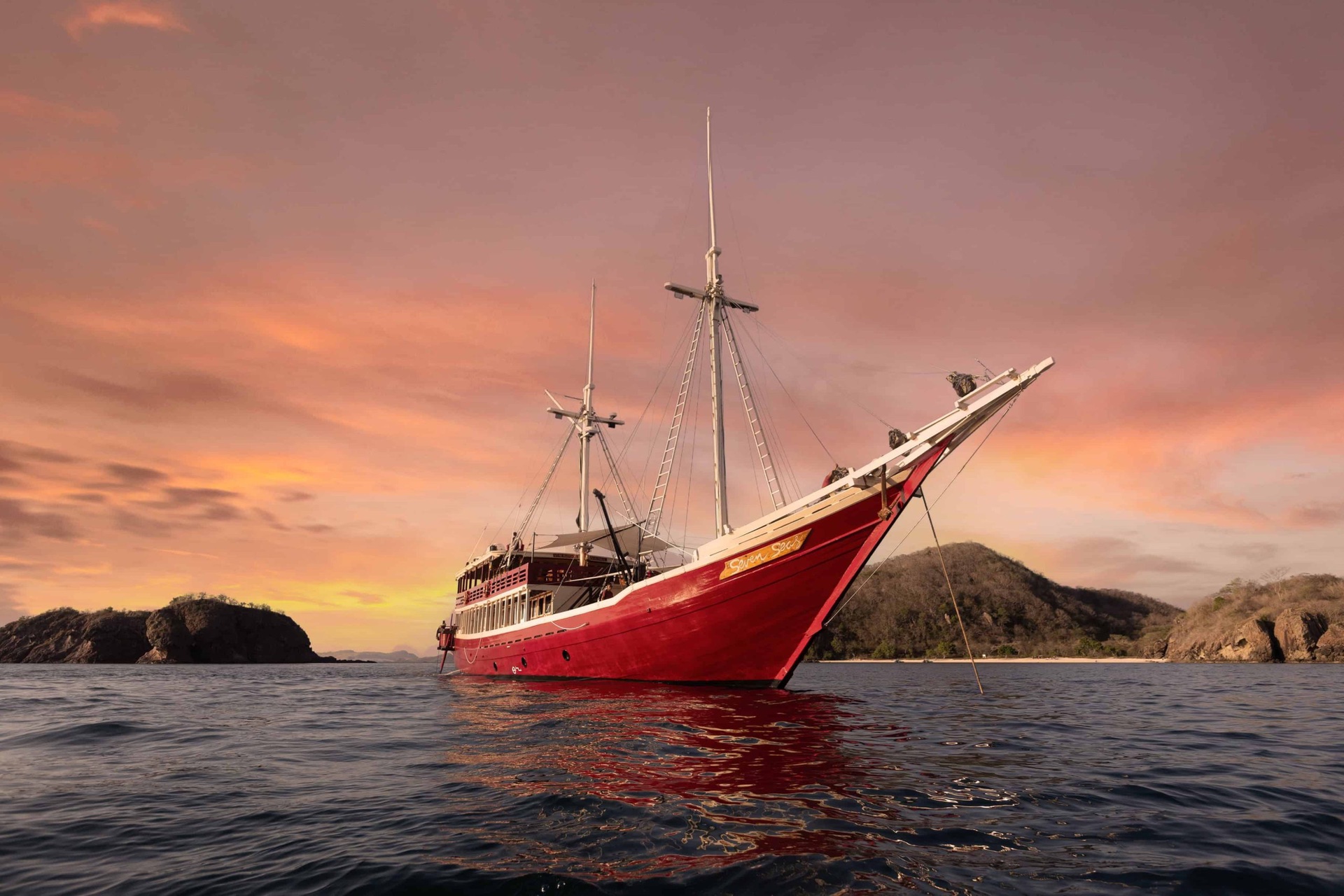 Seven SeasIndonesia