Triton Bay (Kaimana - Kaimana)
Seven Seas · Indonesia · 11 nights
About this route
Embark on an incredible diving adventure through Triton Bay, exploring the pristine waters around Kaimana. This itinerary offers a unique opportunity to discover a region renowned for its exceptional marine biodiversity and diverse underwater landscapes. The trip provides a blend of vibrant reef exploration and critter spotting, promising memorable encounters for experienced divers.
Regions on this route
Highlights
Kaimana
The Kaimana area, encompassing Triton Bay, is part of a larger marine protected area recognized for its breathtaking underwater scenery. Beyond the vibrant corals, the region offers unique black and white sand dive sites, which are ideal for macro photography and critter spotting. The healthy ecosystems support large schools of reef fish and provide a crucial habitat for a wide array of fascinating creatures, including unique shark species.
- Black and white sand sites
- Critter spotting
- Healthy fish populations
- Unique shark species
Triton Bay
Triton Bay is celebrated for its exceptional marine biodiversity, boasting a significant percentage of the world's total coral species. The underwater environment is incredibly varied, featuring vibrant soft corals, expansive sea fans, and robust hard coral formations. Divers can explore shallow reefs, dramatic drop-offs, mysterious caves, and critically important seagrass beds and mangrove areas. The region is a haven for diverse marine life, making every dive a discovery.
- High coral biodiversity
- Varied topography
- Mangrove habitats
- Rich marine life
Requirements
- CertificationAdvanced Open Water
- Minimum logged dives50
- ExperienceDivers should have Advanced Open Water certification and a minimum of 50 logged dives.
Good to know
- Dives are not permitted within 24 hours of flying.
- Itinerary is subject to change due to unforeseen circumstances.
Day-by-day plan
Day 1: Embarkation – Kaimana
Upon arrival, the Seven Seas crew will facilitate your transfer from the airport to the ship. Guests will receive a warm welcome briefing from the Cruise Director, followed by cabin allocation and a comprehensive ship orientation. This day allows time to settle in, familiarize with the vessel, and prepare your dive equipment for the exciting days ahead.
Day 2: Triton Bay & Kaimana – Diverse Underwater Landscapes
Explore the rich marine ecosystems of Triton Bay and the Kaimana region. Divers can anticipate a maximum of four dives daily, including three day dives and one night dive. The area is known for its remarkable variety in topography, ranging from soft coral gardens and expansive sea fans to hard coral formations, seagrass beds, and mangrove habitats. Shallow reefs, deep drop-offs, caves, and both black and white sand environments offer a diverse range of diving experiences.
Day 3: Triton Bay & Kaimana – Diverse Underwater Landscapes
Explore the rich marine ecosystems of Triton Bay and the Kaimana region. Divers can anticipate a maximum of four dives daily, including three day dives and one night dive. The area is known for its remarkable variety in topography, ranging from soft coral gardens and expansive sea fans to hard coral formations, seagrass beds, and mangrove habitats. Shallow reefs, deep drop-offs, caves, and both black and white sand environments offer a diverse range of diving experiences.
Day 4: Triton Bay & Kaimana – Diverse Underwater Landscapes
Explore the rich marine ecosystems of Triton Bay and the Kaimana region. Divers can anticipate a maximum of four dives daily, including three day dives and one night dive. The area is known for its remarkable variety in topography, ranging from soft coral gardens and expansive sea fans to hard coral formations, seagrass beds, and mangrove habitats. Shallow reefs, deep drop-offs, caves, and both black and white sand environments offer a diverse range of diving experiences.
Day 5: Triton Bay & Kaimana – Diverse Underwater Landscapes
Explore the rich marine ecosystems of Triton Bay and the Kaimana region. Divers can anticipate a maximum of four dives daily, including three day dives and one night dive. The area is known for its remarkable variety in topography, ranging from soft coral gardens and expansive sea fans to hard coral formations, seagrass beds, and mangrove habitats. Shallow reefs, deep drop-offs, caves, and both black and white sand environments offer a diverse range of diving experiences.
Day 6: Triton Bay & Kaimana – Diverse Underwater Landscapes
Explore the rich marine ecosystems of Triton Bay and the Kaimana region. Divers can anticipate a maximum of four dives daily, including three day dives and one night dive. The area is known for its remarkable variety in topography, ranging from soft coral gardens and expansive sea fans to hard coral formations, seagrass beds, and mangrove habitats. Shallow reefs, deep drop-offs, caves, and both black and white sand environments offer a diverse range of diving experiences.
Day 7: Triton Bay & Kaimana – Diverse Underwater Landscapes
Explore the rich marine ecosystems of Triton Bay and the Kaimana region. Divers can anticipate a maximum of four dives daily, including three day dives and one night dive. The area is known for its remarkable variety in topography, ranging from soft coral gardens and expansive sea fans to hard coral formations, seagrass beds, and mangrove habitats. Shallow reefs, deep drop-offs, caves, and both black and white sand environments offer a diverse range of diving experiences.
Day 8: Triton Bay & Kaimana – Diverse Underwater Landscapes
Explore the rich marine ecosystems of Triton Bay and the Kaimana region. Divers can anticipate a maximum of four dives daily, including three day dives and one night dive. The area is known for its remarkable variety in topography, ranging from soft coral gardens and expansive sea fans to hard coral formations, seagrass beds, and mangrove habitats. Shallow reefs, deep drop-offs, caves, and both black and white sand environments offer a diverse range of diving experiences.
Day 9: Triton Bay & Kaimana – Diverse Underwater Landscapes
Explore the rich marine ecosystems of Triton Bay and the Kaimana region. Divers can anticipate a maximum of four dives daily, including three day dives and one night dive. The area is known for its remarkable variety in topography, ranging from soft coral gardens and expansive sea fans to hard coral formations, seagrass beds, and mangrove habitats. Shallow reefs, deep drop-offs, caves, and both black and white sand environments offer a diverse range of diving experiences.
Day 10: Triton Bay & Kaimana – Diverse Underwater Landscapes
Explore the rich marine ecosystems of Triton Bay and the Kaimana region. Divers can anticipate a maximum of four dives daily, including three day dives and one night dive. The area is known for its remarkable variety in topography, ranging from soft coral gardens and expansive sea fans to hard coral formations, seagrass beds, and mangrove habitats. Shallow reefs, deep drop-offs, caves, and both black and white sand environments offer a diverse range of diving experiences.
Day 11: Triton Bay & Kaimana – Final Dives
This day marks the penultimate day of the trip, offering the last opportunities for diving in the incredible waters of Triton Bay and Kaimana. Divers are advised to observe the recommended 24-hour no-fly period after their final dive. Continue to experience the rich biodiversity and unique underwater scenery that defines this region.
Day 12: Disembarkation – Kaimana
After breakfast, check-out from the Seven Seas liveaboard. The crew will assist with transfers from the ship to the airport, concluding your memorable diving journey in Triton Bay and Kaimana.
Upcoming departures
All routes of this liveaboard
- Forgotten Island (Saumlaki - Tual) · 15D14N
- Sumbawa Whalesharks & Komodo (Sumbawa Besar - Labuan Bajo) · 11 nights
- Banda Sea & Triton Bay (Tual → Kaimana) · 15D14N
- Komodo and Sumbawa Whalesharks (Labuan Bajo - Sumbawa Besar) · 12 Days / 11 Nights
- Forgotten Islands (Alor - Saumlaki) · 14 nights
- Alor & East of Flores (Alor - Maumere) · 10 nights
- Komodo National Park (Labuan Bajo - Labuan Bajo) · 9 nights
- Triton Bay (Kaimana - Kaimana) · 13 Days / 12 Nights
- Raja Ampat (Sorong - Sorong) · 11 Days / 10 Nights
- Triton Bay & Banda Sea (Kaimana - Ambon) · 15 Days / 14 Nights
- Sumbawa, Komodo & Flores (Sumbawa Besar - Maumere) · 13 Days / 12 Nights
- Flores, Komodo & Sumbawa (Maumere - Sumbawa Besar) · 13 Days / 12 Nights
- East of Flores (Maumere - Alor) · 11 Days / 10 Nights
- Komodo National Park · 11 Days / 10 Nights
- Sumbawa Whalesharks & Komodo National Park · 11 Days / 10 Nights
- Komodo National Park , Sumbawa & Flores · 11 Days / 10 Nights
- East of Flores & Alor · 12 Days / 11 Nights
- Alor & East of Flores · 12 Days / 11 Nights
- Banda Sea & Alor · 13 Days / 12 Nights
- Komodo National Park & Sumbawa Whalesharks · 11 Days / 10 Nights
- Alor to Alor · 12 nights
- Alor to Maumere · 12 nights
- Forgotten Islands & Alor · 14 nights
- Banda Sea, Flores & Komodo National Park · 13 nights
- Raja Ampat (Sorong - Sorong) · 11 nights
- Triton Bay (Kaimana - Kaimana) · 9 nights
- Komodo, East of Flores & Alor (Labuan Bajo - Alor) · 11 nights
- Sumbawa Whalesharks & Komodo National Park · 14 nights
- Alor to Alor (Alor - Alor) · 8 nights
About the vessel
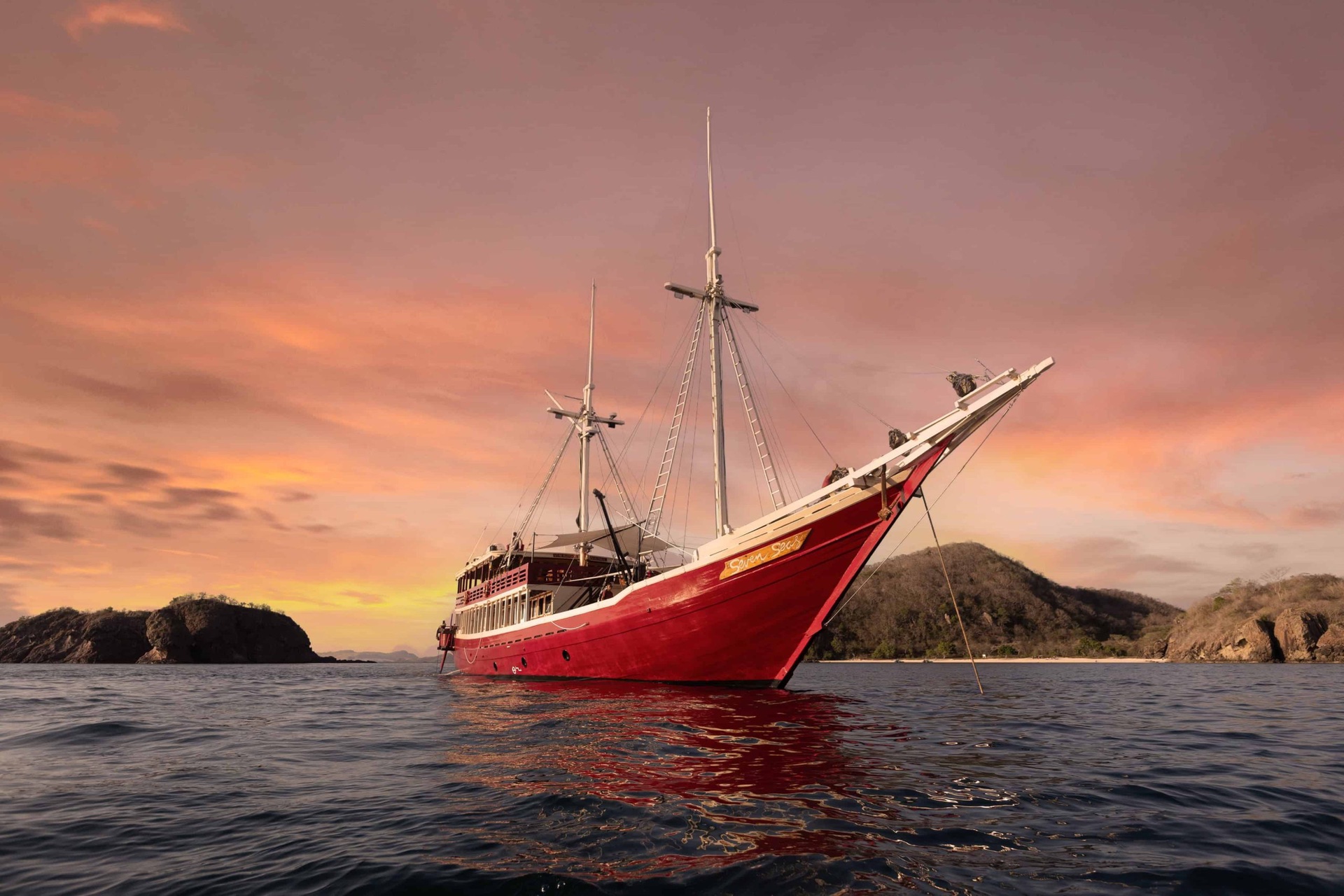 Seven SeasIndonesia