Visayas/Batangas (Cebu - Batangas)
Philippines Aggressor · Philippines · 11 nights
About this route
This 11-night transition voyage explores the heart of the Philippines, connecting Cebu in the Visayas to Batangas. The route visits renowned diving hotspots including the thresher shark sanctuary of Malapascua, the underwater tunnels of Gato Island, and the manta-rich waters of Ticao Pass. Divers can expect a diverse mix of topography ranging from deep walls and caves to vibrant coral gardens and macro-focused sites across Romblon and Verde Island.
Regions on this route
Highlights
Batangas
The concluding port and a major diving hub, Batangas offers access to the Verde Island Passage, known for having the highest concentration of marine species in the world.
- High species density
- Verde Island Passage
- Marine biodiversity
Cebu
The starting point of the cruise, Cebu serves as a gateway to the Visayas with diverse reef systems and accessible coastal diving nearby.
- Diverse reef systems
- Island gateway
- Coastal diving
Coron
A region noted for its dramatic limestone landscapes and historical significance, often featuring deeper dives and unique underwater topography.
- Limestone formations
- Deep reef structures
- Scenic topography
Malapascua
Famous worldwide as a premier location for reliable sightings of pelagic thresher sharks, which frequent the cleaning stations at dawn. The region also offers excellent muck diving and vibrant reef sites.
- Thresher shark sightings
- Cleaning station activity
- Macro photography
Requirements
- CertificationOpen Water
- ExperienceNo minimum logged dives required.
Good to know
- Divers are advised to observe a 24-hour surface interval after the final dive before flying.
- Tidal timing significantly influences site selection and current strength in Puerto Galera.
- Itinerary is subject to change based on local weather conditions and sea state.
- Advanced Open Water is recommended for some of the deeper sites and current-heavy areas.
Day-by-day plan
Day 1: Embarkation – Cebu Yacht Club
Guests arrive at the Cebu Yacht Club for boarding and a comprehensive safety briefing. The vessel begins its journey overnight, heading approximately 70 nautical miles toward Malapascua.
Day 2: Malapascua – Pelagic Thresher Sharks
The diving starts with a focus on pelagic encounters at Kimud Shoal, known for its deep-water visitors. The area typically features submerged plateaus where visibility is often clear enough to spot sharks rising from the depths. A late afternoon or dusk dive provides the chance to witness the unique mating rituals of resident reef species.
Dive sites: Kimud Shoal, Dona Marilyn, Lighthouse
Day 3: Gato Island – Caverns and Critters
Gato Island is celebrated for its unique tunnel system that cuts through the island's base, offering a dramatic swim-through experience. The underwater landscape is characterized by limestone formations and rocky overhangs where reef sharks are frequently found resting. Marine life here is diverse, ranging from macro subjects to larger cave-dwelling species.
Dive sites: Whitetip Alley, Cave, Guardhouse, Nudibranch City
Day 4: Ticao Pass – Manta Ray Station
This region is a primary corridor for large pelagics, specifically known for the cleaning stations at Manta Bowl. Stronger currents often sweep through the pass, bringing nutrient-rich waters that attract rays and schools of tuna. The diving is typically focused on drift sites where divers can observe the action from the reef edge.
Dive sites: Manta Bowl, Tuna Alley, RAC Point
Day 5: Romblon / Logbon – Coral Canyons
Diving around Logbon offers a rich tapestry of hard and soft coral formations set against varied topography. The sites are often sheltered, providing excellent conditions for searching out rare macro creatures in the reef crevices. Night dives in this area are particularly productive for observing nocturnal crustaceans and active cephalopods.
Dive sites: Coral Canyon, Magnificat, Anchor Bay
Day 6: Romblon / Alad / Cobrador – Island Reefs
The islands of Alad and Cobrador feature expansive coral gardens and sanctuary areas that teem with life. Gorgonian fans and massive sponges decorate the walls, while the shallow reefs are home to a dizzying array of tropical fish. The currents here can vary, dictating whether the dive is a gentle cruise or a spirited drift along the reef face.
Dive sites: Agpanabat Canyons, Alad Sanctuary, Gorgonian Garden, Cobrador Reef
Day 7: Romblon – Northern Reef Exploration
The northern reaches of Romblon offer dramatic drop-offs and hidden reef corners such as Bonbon Reef. Divers can explore vertical walls that disappear into the blue, often patrolled by schools of jacks and snappers. The area is prized for its high biodiversity and the potential for spotting unusual invertebrates among the corals.
Dive sites: Cabanbanan Drop, Bonbon Reef, Bang Og Forest, Lonos
Day 8: Northern Tablas – Blue Holes and Walls
The coastline of Northern Tablas is famous for its dramatic geological features, including a notable blue hole. This vertical chimney provides a unique entry into a cavern system filled with light beams and interesting shadows. The surrounding walls are often steep and feature deep crevices where large groupers and lobsters are commonly sighted.
Dive sites: Blue Hole, Gorda Wall, Carmen's Cliff, Cavayan Cave
Day 9: Puerto Galera – Canyons and Wrecks
Puerto Galera offers a high concentration of dive sites, including current-swept canyons and historical wrecks. The canyons are known for their high energy and abundance of marine life, requiring careful timing with the tides. The wrecks serve as artificial reefs, completely encrusted in corals and providing shelter for large schools of fish.
Dive sites: Canyons, Hole in the Wall, Kilima Steps, Sabang Wrecks
Day 10: Puerto Galera / Verde – Marine Biodiversity
The waters between Puerto Galera and Verde Island are considered a center of marine shore fish biodiversity. Divers will explore lush coral gardens and steep walls that host an incredible density of marine species. Visibility is typically excellent here, allowing for great views of the vibrant reef colors and passing pelagics.
Dive sites: Alma Jane, Monkey Beach, Coral Garden, Verde Island
Day 11: Verde Island – The Washing Machine
The trip concludes with the famous 'Washing Machine' site at Verde Island, known for its swirling currents and high oxygen levels. These conditions support a massive amount of life, from tiny anthias to large predatory fish. The final dives are conducted within a short distance of Batangas, allowing for a smooth transition to port.
Dive sites: Drop Off, Verde Island Wall, Washing Machine
Day 12: Disembarkation – Batangas
After a final breakfast on board, guests disembark the vessel in Batangas for their onward transfers or flights. The crew assists with luggage and farewells as the 11-night journey concludes.
Upcoming departures
All routes of this liveaboard
- Coron/Batangas (Coron - Batangas) · 10 nights
- Coron Dive and Cruise · 7N
- Batangas / Coron (Crossing) · 10N
- Tubbataha/Visayas · 11D10N
- Visayas/Tubbataha (Cebu - Puerto Princesa) · 12D11N
- Visayas - South (Cebu - Dumaguete) · 7N
- Tubbataha Reef National Park · 8 Days / 7 Nights
- Visayas - South (Dumaguete - Cebu) · 8D7N
- Visayas & Cebu Route · 8 Days / 7 Nights
- Visayas & Cebu Extended · 11 Days / 10 Nights
About the vessel
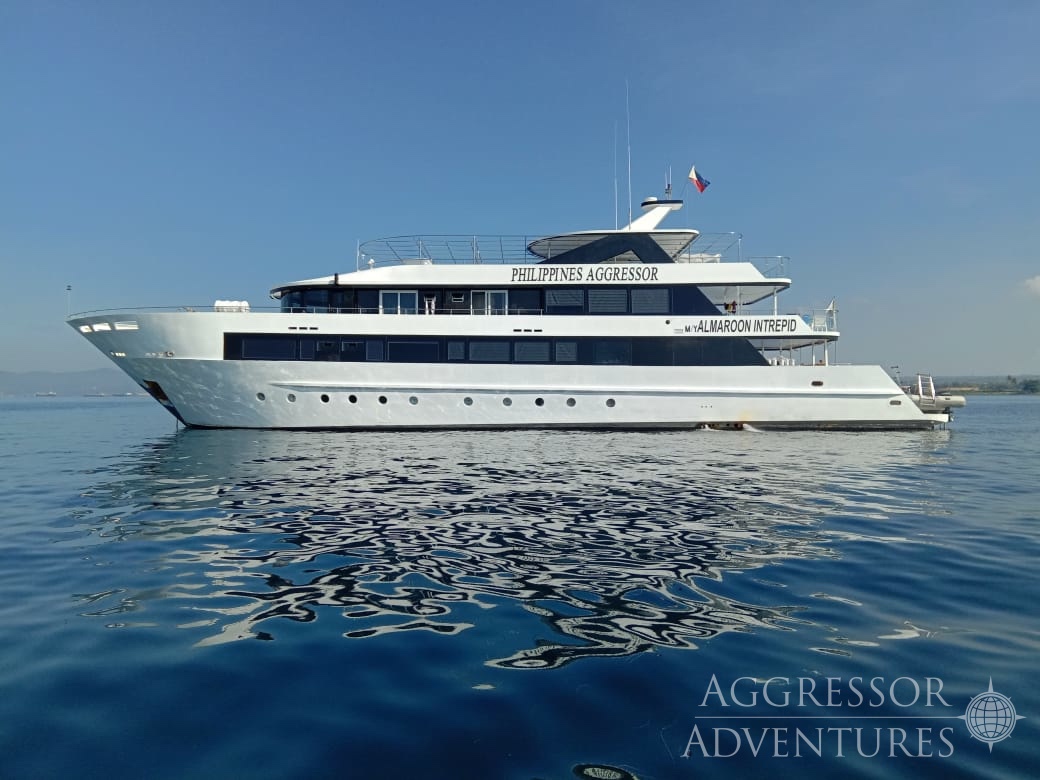 Philippines AggressorPhilippines