Coron/Batangas (Coron - Batangas)
Philippines Aggressor · Philippines · 10 nights
About this route
This extensive trip explores the Philippines' most iconic wreck and reef diving regions, offering a unique blend of historical sites and vibrant marine ecosystems. Divers will discover the legendary World War II shipwrecks in Coron, which have transformed into thriving artificial reefs. The itinerary also highlights diving in Apo Reef Natural Park, the second largest barrier reef in the world, renowned for its incredible biodiversity. Additionally, Verde Island Passage, a marine biodiversity hotspot, is included, promising a diverse underwater experience.
Regions on this route
Highlights
Apo Reef
Apo Reef Natural Park is the second largest contiguous coral reef system in the world and a UNESCO World Heritage Site. This protected area is a biodiversity hotspot, featuring vibrant coral gardens, diverse reef topography, and a rich variety of marine life. It is known for its clear waters and opportunities to encounter numerous fish species and pelagics.
- Second-largest barrier reef
- UNESCO World Heritage
- High biodiversity
- Pelagic encounters
Batangas
Batangas, particularly the Verde Island Passage area, is celebrated as a center of marine biodiversity. The region is known for its vibrant reefs, strong currents, and a remarkable variety of marine species. Divers can expect to find diverse coral formations and an abundance of both macro and pelagic life, making it a prime destination for underwater photography and exploration.
- Marine biodiversity hotspot
- Vibrant coral reefs
- Strong currents
- Macro and pelagic life
Coron
Coron is renowned for its legendary World War II shipwrecks, which have transformed into thriving artificial reefs. These historical sites provide unique diving opportunities to explore sunken vessels that now teem with marine life. The area also features interesting reef formations and diverse ecosystems around the wrecks.
- WWII wrecks
- Artificial reefs
- Historical exploration
- Fish abundance
Requirements
- CertificationOpen Water
Good to know
- Diver certification of Open Water is required for this trip.
- A waiting period of 24 hours is recommended before flying after the last dive.
- Exact routes and sites may change based on local regulations, weather, and logistics.
Day-by-day plan
Day 1: Coron – Embarkation & Check Dive
Boarding and check-in to the vessel takes place in Coron. After settling into cabins and receiving a welcome briefing, a check dive is conducted to ensure all divers are comfortable and familiar with the equipment. This initial dive allows guests to acclimate to the local conditions and prepare for the exciting dives ahead.
Day 2: Coron – East Bay Wreck Dives
Today's dives focus on the historic World War II wrecks located in Coron's East Bay. These sunken vessels, including the Akitsushima and Tangat Gunboat, have become artificial reefs, attracting diverse marine life. The wrecks offer fascinating opportunities for exploration, with varying depths and structures that reveal the history of the region and provide shelter for numerous species. Visibility can be good, and currents are typically manageable around these sites.
Dive sites: Coron Wrecks – East Bay: Oikawa Maru, Akitsushima, Tangat Gunboat
Day 3: Coron – Lusong Gunboat & Reefs
The day's diving continues around the Coron area, with a focus on the Lusong Gunboat and other nearby reef systems. The Lusong Gunboat is a relatively shallow wreck, making it accessible for many divers and offering opportunities for extended bottom time. Surrounding reefs often feature vibrant coral gardens and a variety of smaller reef inhabitants. An optional night dive may be planned, revealing the nocturnal marine life that emerges after sunset.
Dive sites: Lusong Gunboat
Day 4: Coron – West Bay & Barracuda Lake
Diving today explores the western side of Coron, including sites like Irako and Kogyo Maru, and the unique Barracuda Lake. The wrecks here offer more historical exploration, providing habitats for various fish species. Barracuda Lake is a thermocline lake renowned for its dramatic temperature changes and the presence of large barracudas, offering a distinct and memorable diving experience. The area is known for clear waters and interesting geological formations.
Dive sites: Coron Wrecks – West Bay: Irako, Kogyo Maru, Nanshin Maru, Barracuda Lake
Day 5: Malajon Island (Dugong Area) – Snorkeling & Diving
The itinerary moves to Malajon Island, an area known for its rich marine biodiversity and the potential for dugong sightings. Divers will explore the vibrant reefs and observe the diverse ecosystem that supports these gentle giants. Snorkeling opportunities are also available, allowing for a different perspective of the underwater world. The area is protected, creating a sanctuary for marine life and offering a unique chance to witness rare species.
Dive sites: Malajon Island (Dugong Area)
Day 6: Dimipac Island – Drift Dives & Macro Life
Today's diving focuses on Dimipac Island, an area celebrated for its drift diving opportunities and abundant macro life. The currents around the island often facilitate exhilarating drift dives over healthy coral gardens and vibrant reef formations. Divers can expect to encounter a variety of smaller, fascinating creatures, making it a paradise for underwater photographers and those who appreciate intricate marine ecosystems. Visibility here is typically good, enhancing the macro experience.
Dive sites: Dimipac Island: Drift Dives, Macro
Day 7: Apo Reef – Coral Gardens & Blue Hole
The itinerary arrives at Apo Reef, a UNESCO World Heritage Site and the second largest barrier reef in the world. Dives here explore the extensive coral gardens and the unique Blue Hole formation. Apo Reef is known for its incredible biodiversity, featuring vast schools of fusiliers, jacks, and snappers. The topography includes walls, channels, and pinnacles, with currents ranging from mild to strong, offering dynamic dive experiences and opportunities for pelagic encounters.
Dive sites: Apo Reef (East): Coral Gardens, Blue Hole (weather-dependent), Cabbage Patch
Day 8: Apo Reef – Southern & Western Dives
Diving continues in the magnificent Apo Reef Natural Park, exploring its southern and western regions. These areas often feature dramatic walls and vibrant reef slopes teeming with marine life. Sites like Hunter's Rock and Barracuda Point are known for strong currents that can attract larger pelagic species. Divers can expect to see an abundance of schooling fish and a variety of sharks, showcasing the rich and diverse ecosystem of this protected area.
Dive sites: Apo Reef (South/West): Hunter's Rock, Barracuda Point, South Wall
Day 9: Verde Island Passage – Pinnacle & Coral Reefs
The journey proceeds to Verde Island Passage, recognized as a global center of marine biodiversity. Diving here focuses on pinnacles and vibrant coral reefs, often featuring strong currents that bring nutrients and attract diverse marine life. The area is known for an exceptional variety of hard and soft corals, providing a stunning backdrop for encounters with reef sharks, schooling fish, and various macro creatures. Visibility can be excellent, revealing the richness of this crucial marine ecosystem.
Dive sites: Verde Island: The Pinnacle
Day 10: Verde Island Passage – Escarceo Point & Puerto Galera
Further exploration of Verde Island Passage takes divers to Escarceo Point and the surrounding reefs near Puerto Galera. Escarceo Point is famed for its strong currents and rich marine life, often offering excellent drift dives over diverse coral formations. The area is a hotspot for macro photography and also hosts larger pelagic species passing through. The reefs here are very healthy and boast an impressive array of both soft and hard corals, ensuring a memorable final day of diving.
Dive sites: Escarceo Point, Puerto Galera vicinity
Day 11: Batangas – Disembarkation & Departure
The liveaboard cruise concludes in Batangas. Guests will enjoy a final breakfast onboard before disembarking and beginning their onward journeys. Transfers will be arranged to facilitate departure for flights or other travel plans.
Upcoming departures
- 2027-01-03 – 2027-01-13from 5,595 USDBook
- 2027-01-23 – 2027-02-02from 5,595 USDBook
- 2027-02-12 – 2027-02-22from 5,595 USDBook
- 2028-01-02 – 2028-01-12from 3,995 USDBook
- 2028-01-22 – 2028-02-01from 3,995 USDBook
- 2029-01-08 – 2029-01-18from 5,595 USDBook
- 2029-01-28 – 2029-02-07from 5,595 USDBook
- 2030-01-06 – 2030-01-16from 5,595 USDBook
- 2030-01-26 – 2030-02-05from 5,595 USDBook
All routes of this liveaboard
- Coron Dive and Cruise · 7N
- Batangas / Coron (Crossing) · 10N
- Tubbataha/Visayas · 11D10N
- Visayas/Tubbataha (Cebu - Puerto Princesa) · 12D11N
- Visayas - South (Cebu - Dumaguete) · 7N
- Tubbataha Reef National Park · 8 Days / 7 Nights
- Visayas - South (Dumaguete - Cebu) · 8D7N
- Visayas & Cebu Route · 8 Days / 7 Nights
- Visayas & Cebu Extended · 11 Days / 10 Nights
- Visayas/Batangas (Cebu - Batangas) · 11 nights
About the vessel
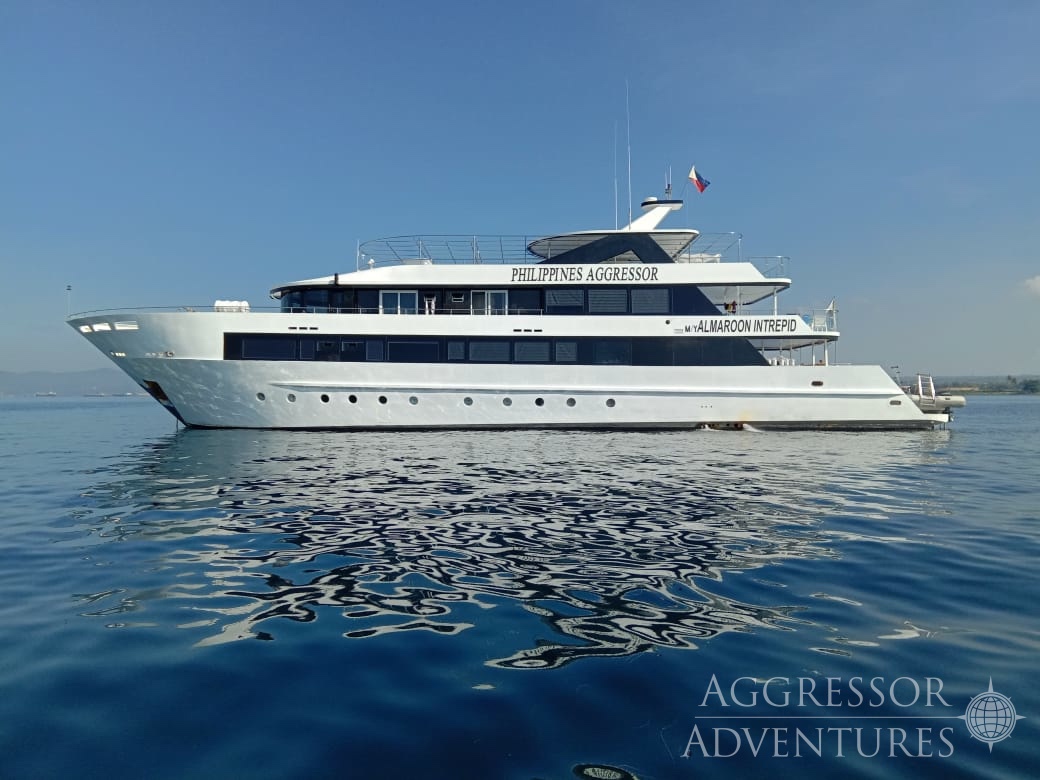 Philippines AggressorPhilippines