Raja Ampat: Batanta, Kawe & Dampier Strait (Sorong - Sorong)
Coralia · Indonesia · 9 nights
About this route
This expedition explores the vibrant marine biodiversity of Raja Ampat, often hailed as a jewel of the Coral Triangle. The journey will navigate through renowned dive sites like Misool, Dampier Strait, and Batanta, offering a rich tapestry of underwater experiences. Guests can anticipate encountering diverse marine life, from pygmy seahorses to majestic manta rays, amidst stunning coral reefs and unique topography. The itinerary balances thrilling dives with opportunities for land excursions and scenic relaxation.
Regions on this route
Highlights
Aljui Bay
Aljui Bay is a renowned macro diving paradise, featuring vibrant purple soft corals and rich muck diving opportunities. It's an ideal spot for keen photographers looking to capture unique small marine creatures. There may also be opportunities to visit a pearl farm, offering insight into pearl cultivation.
- Macro diving paradise
- Vibrant purple soft corals
- Unique small marine creatures
- Pearl farm visits
Batanta
Batanta, particularly its northwest side, is a hotspot for macro life, often revealing ribbon eels, ghost pipefish, and numerous nudibranchs. The area also features manta ray cleaning stations, offering opportunities for close encounters with these majestic creatures. Its diverse marine environment supports a rich variety of smaller species and unique reef structures.
- Macro life hotspot
- Ribbon eels and ghost pipefish
- Manta ray cleaning stations
- Diverse small species
Dampier Strait
The Dampier Strait is a globally recognized dive area in Raja Ampat, famed for its extraordinary biodiversity and strong currents that attract large schools of fish and pelagic species. The topography includes vibrant coral gardens, diverse reef structures, and impressive walls, offering a dynamic diving experience. It is a prime location for encountering a wide range of marine life.
- Extraordinary biodiversity
- Strong currents
- Large fish schools
- Pelagic encounters
Kawe
Kawe offers diverse dive sites such as Eagle Rock and Black Rock, known for encounters with wobbegong sharks, bamboo sharks, and occasional manta rays. These sites boast rich soft coral displays and a high density of reef fish, including sweetlips, fusiliers, and hunting dogtooth tuna. The area is dynamic and full of life.
- Wobbegong shark encounters
- Bamboo sharks
- Manta ray sightings
- Rich soft coral displays
Misool
Misool, located in Southern Raja Ampat, is celebrated for its stunning limestone karsts, pristine reefs, and exceptional marine life. The area is characterized by vibrant soft coral gardens, dramatic walls, and shallow reef flats that teem with life. It is considered a critical area within the Coral Triangle, home to countless species of fish, sharks, and macro creatures. Misool offers breathtaking underwater landscapes and unique dive opportunities.
- Stunning limestone karsts
- Pristine soft coral gardens
- Exceptional marine life
- Critical Coral Triangle area
Wofoh
Wofoh is known for its picturesque white-sand beaches and unique dive sites nestled among West Waigeo's forested mountains. The dive sites feature stunning black coral forests, schooling fish, and walls with ledges and caverns. It's an excellent location for spotting wobbegong sharks and a variety of reef fish.
- Picturesque white-sand beaches
- Black coral forests
- Schooling fish
- Wobbegong shark encounters
Yenbafgo
The Yenbafgo area is characterized by beautiful coral bommies, white sand, and thriving reef ecosystems. Sites like Citrus Ridge and Mayhem offer excellent diving with abundant reef fish, including butterflyfish, cuttlefish, and blacktip reef sharks. Mangrove areas provide unique snorkeling opportunities to observe juvenile reef fish.
- Beautiful coral bommies
- Abundant reef fish
- Blacktip reef sharks
- Mangrove snorkeling
Requirements
- CertificationOpen Water
- Minimum logged dives5
- ExperienceDivers should have at least 5 logged dives to participate in this trip.
Good to know
- A 24-hour waiting period is recommended after the last dive before flying.
Day-by-day plan
Day 1: Embarkation – Sorong
Upon arrival in Sorong, guests will be welcomed aboard the Coralia. After settling into cabins and receiving a safety briefing, the vessel will transfer to Sorong Harbor, preparing for the adventure into Raja Ampat. The evening may include a first night's dive around the Misool area, offering a chance to witness the unique behavior of numerous bats.
Day 2: Central Raja Ampat – Diverse Reefs
The coming days are dedicated to exploring the central Raja Ampat region, known for its diverse world-class dive sites. This area features a variety of topographical wonders, including vibrant coral gardens, impressive walls, and intriguing reefs. Currents can be moderate, creating ideal conditions for drift dives that reveal an abundance of marine life. Commonly sighted creatures include blacktip reef sharks, whitetip reef sharks, and an array of reef fish.
Dive sites: Cape Kri, Chicken Reef, Sardine Reef, Misool, Blue Magic, Mioskon
Day 3: Central Raja Ampat – Dampier Strait Wonders
Continuing the exploration of Dampier Strait, divers will visit sites known for their rich ecosystems. This area often features strong currents, bringing in nutrients that sustain a thriving marine community. The topography includes pinnacles, slopes, and vibrant coral formations. Encounters with schooling fish, large pelagics, and unique critters are common, making each dive an exciting experience.
Dive sites: Cape Kri, Chicken Reef, Sardine Reef, Misool, Blue Magic, Mioskon
Day 4: Central Raja Ampat – Reefs and Critters
Today's dives focus on the incredible diversity within the Dampier Strait. The area is known for its spectacular reef walls and rich macro life, including pygmy seahorses and various nudibranchs. Visibility is generally good, and the reefs are alive with activity, offering opportunities for both wide-angle and macro photography. Night dives often reveal unique nocturnal creatures.
Dive sites: Cape Kri, Chicken Reef, Sardine Reef, Misool, Blue Magic, Mioskon
Day 5: Misool – Southern Archipelago Exploration
The itinerary moves south to Misool, a region renowned for its breathtaking limestone karsts and crystal-clear waters. Dive sites here feature dramatic topography with soft coral gardens, steep walls, and shallow reef flats. The area is known for its incredible biodiversity, including various species of reef fish, sharks, and pelagic visitors, often making for exhilarating drift dives.
Dive sites: Fam Islands, Boo Boo Hill, Wobbegong Shark, Manta Sandy, Manta Ridge, Sawandarek, Arborek, Misool's Sandernes Village
Day 6: Misool – Hidden Gems and Reefs
Further exploration of Misool's diverse dive sites continues, focusing on hidden gems and pristine reef systems. This region boasts vibrant hard and soft coral colonies, creating a colorful underwater landscape. The area is known for its healthy ecosystems, attracting a wide range of marine life, from small critters to schooling fish and occasional pelagics. Visibility is typically excellent, offering stunning photographic opportunities.
Dive sites: Fam Islands, Boo Boo Hill, Wobbegong Shark, Manta Sandy, Manta Ridge, Sawandarek, Arborek, Misool's Sandernes Village
Day 7: Wofoh & Aljui Bay – Scenic Diving
Today's journey takes us to Wofoh and Aljui Bay, areas renowned for their scenic beauty and unique dive sites. Wofoh offers pristine white-sand beaches and diverse topography including schooling fish, walls, and ledges. Aljui Bay is recognized as a macro diving paradise with vibrant soft corals. Night dives in Aljui often feature sightings of elusive creatures like octopus and nudibranchs, providing a different perspective on the marine environment.
Dive sites: Wofoh, Aljui Bay, Taman Wofoh
Day 8: Kawe & Yenbafgo – Northern Raja Ampat
The expedition continues to Kawe and Yenbafgo, located in the northern reaches of Raja Ampat. Kawe's sites like Eagle Rock and Black Rock are known for potential encounters with wobbegong sharks and manta rays, amidst rich soft coral displays. Yenbafgo, particularly around Citrus Ridge and Mayhem, offers beautiful coral bommies and abundant reef fish, making it a vibrant area for both diving and snorkeling. Mangrove areas here provide unique opportunities to spot juvenile reef fish.
Dive sites: Kawe, Yenbafgo, Eagle Rock, Black Rock, Citrus Ridge, Mayhem
Day 9: Batanta – Macro Paradise
The final full diving day is dedicated to Batanta, especially its northwest side, which is a renowned hub for macro life. Divers can expect to find fascinating creatures such as ribbon eels, ghost pipefish, and various nudibranchs amidst diverse reef formations. The area also offers opportunities for manta ray cleaning stations, adding to the rich biodiversity. The day concludes with a final evening of celebrations before disembarking the following morning.
Dive sites: Batanta
Day 10: Disembarkation – Sorong
Today marks the conclusion of the Raja Ampat expedition. Guests will enjoy a final breakfast onboard before disembarking in Sorong. It is recommended for divers to observe a 24-hour no-fly period after their last dive, ensuring a safe onward journey.
Upcoming departures
- 2026-11-27 – 2026-12-06from 5,625 USDBook
- 2026-12-09 – 2026-12-18from 5,625 USDBook
- 2027-02-05 – 2027-02-14from 6,075 USDBook
- 2027-11-05 – 2027-11-14from 6,075 USDBook
- 2028-03-31 – 2028-04-09from 6,075 USDBook
- 2028-09-13 – 2028-09-22from 6,075 USDBook
- 2028-11-27 – 2028-12-06from 6,075 USDBook
- 2028-12-08 – 2028-12-17from 6,075 USDBook
- 2028-12-19 – 2028-12-28from 6,075 USDBook
All routes of this liveaboard
- Raja Ampat | Misool & Dampier Strait (Sorong - Sorong) · 8 nights
- Komodo (Labuan Bajo - Labuan Bajo) · 10 nights
- Raja Ampat: Misool, Dampier Strait & Wayag (Sorong - Sorong) · 11 nights
- Cenderawasih Bay (Sorong - Manokwari) · 12 nights
- Raja Ampat: Dampier Strait & Wayag (Sorong - Sorong) · 10 nights
- Cendrawasih Bay (Sorong - Manokwari) · 11 nights
- Raja Ampat: Misool, Dampier Strait & Wayag (Sorong - Sorong) · 12 nights
- Cenderawasih Bay (Manokwari - Sorong) · 12 nights
- Raja Ampat Dampier Strait & Wayag (Sorong - Sorong) · 7 nights
- Komodo & Sumbawa (Bali - Labuan Bajo) · 10 nights
- Cendrawasih Bay (Manokwari - Manokwari) · 10 nights
- Komodo & Sumbawa (Labuan Bajo - Bali) · 13 nights
- Raja Ampat: Misool & Dampier Strait (Sorong - Sorong) · 10 nights
- Raja Ampat: Dampier Strait & Wayag (Sorong - Sorong) · 8 nights
- Raja Ampat (Batanta & Dampier Strait) (Sorong - Sorong) · 7 nights
- Raja Ampat: Dampier Strait, Batanta & Kawe (Sorong - Sorong) · 10 nights
- Raja Ampat (Misool & Dampier Strait) · 10 nights
- Raja Ampat (Batanta & Dampier Strait) · 10 nights
- Raja Ampat (Misool & Dampier Strait) · 9 nights
- Raja Ampat (Misool, Dampier Strait & Wayag) · 12 nights
- Raja Ampat (Dampier Strait & Wayag) · 7 nights
- Raja Ampat (Misool & Dampier Strait) · 8 nights
- Komodo & Sumbawa (starts in Bali) · 10 nights
- Raja Ampat, Banda Islands, Ambon · 12 nights
- Ambon, Banda & Forgotten Islands · 11 nights
- Forgotten Islands, Banda & Ambon · 11 nights
- Raja Ampat (Misool, Dampier Strait & Wayag) · 11 nights
- Cenderawasih Bay (start in Sorong) · 12 nights
- Cenderawasih Bay · 10 nights
About the vessel
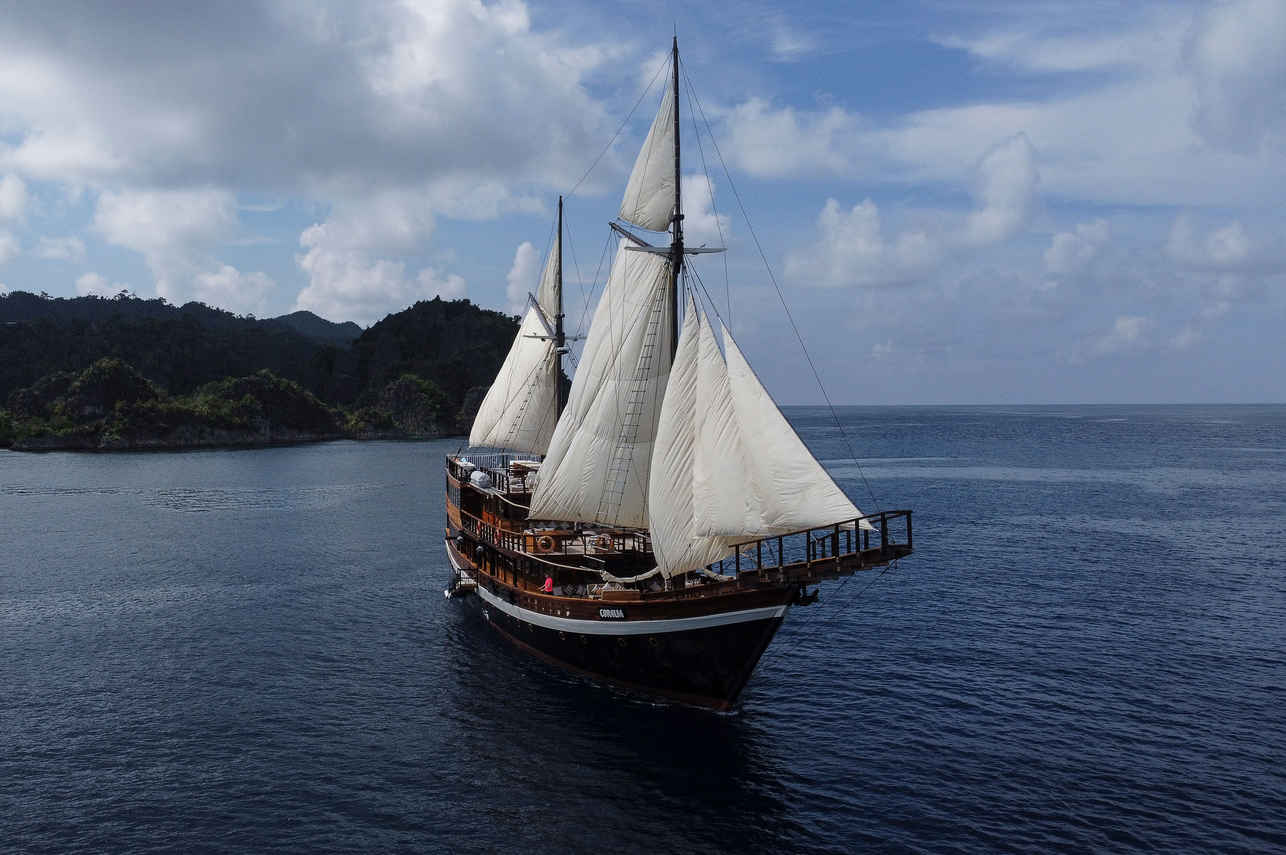 CoraliaIndonesia